
At the table
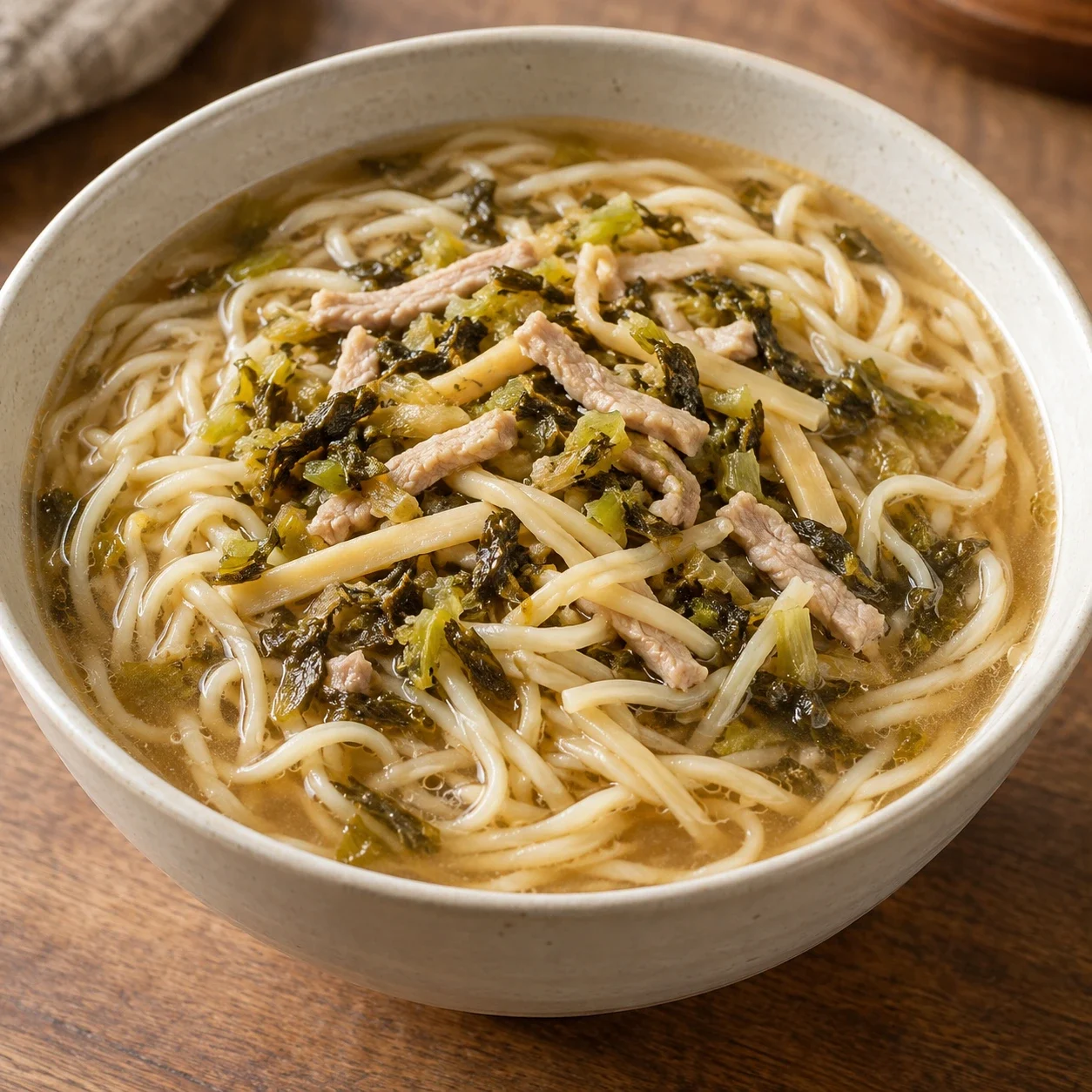
Eat the noodles and toppings together, letting the hot broth cool first. Ask which toppings are included before ordering.
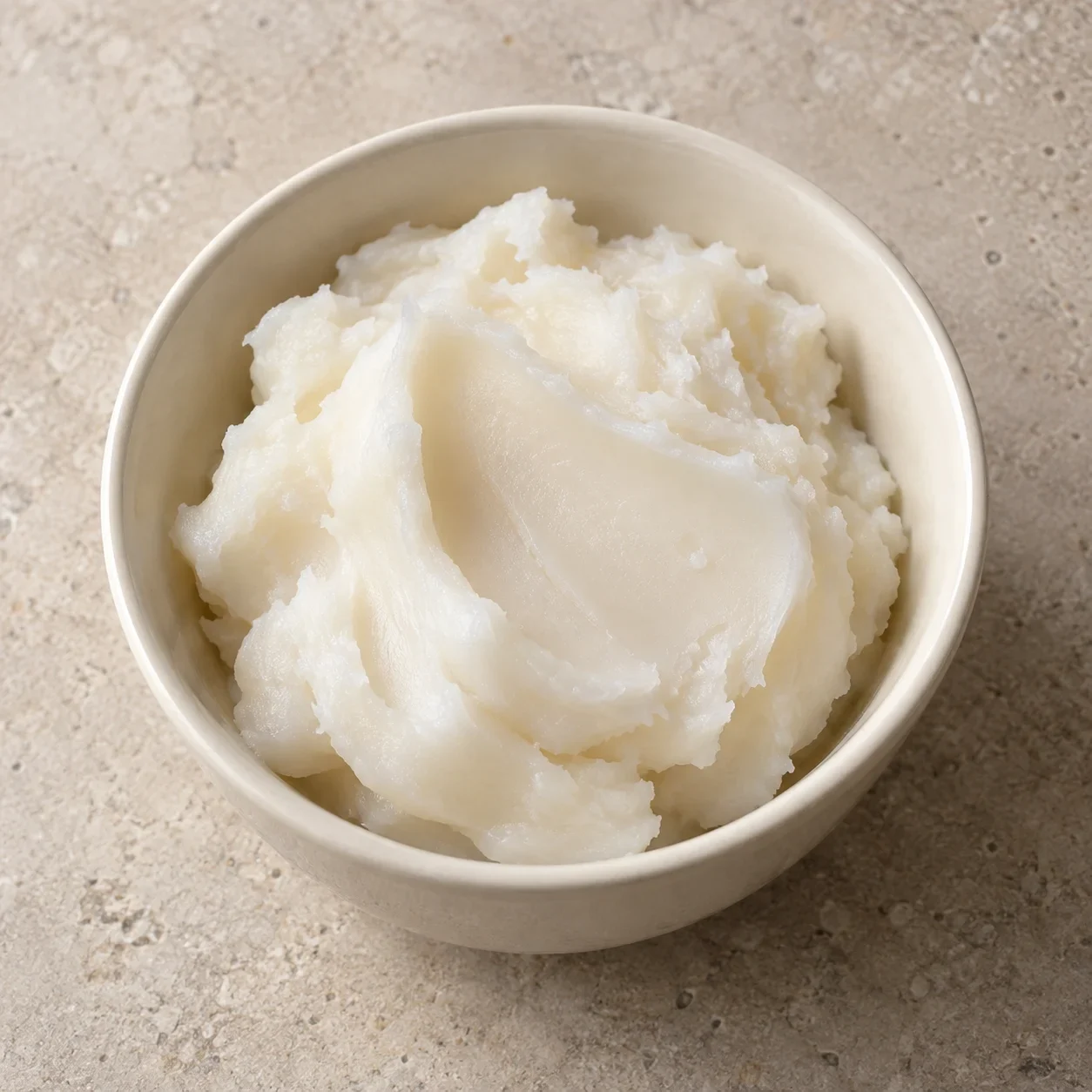
Contains wheat. Depending on the bowl, toppings or broth may contain pork, lard, eggs, soy or shellfish. Even vegetable toppings do not guarantee a vegetarian broth or cooking fat. Remove shells and any bones.
Choose a mild bowl, let it cool and cut long noodles into manageable lengths. Remove shells and bones and check whether the child can chew the springy noodles.
Recipes vary. Ask the restaurant about ingredients and serving before you order.
GET TO KNOW THE DISH
What goes into it?
Explore some key ingredients below. Preparations may use additional seasonings and ingredients.
Toppings vary: pickled greens with pork, or a three-fresh combination that may include shrimp and pork-filled egg rolls. Vegetables and the exact combination differ by shop; fat and broth also need checking.
Typical ingredients

In some versions
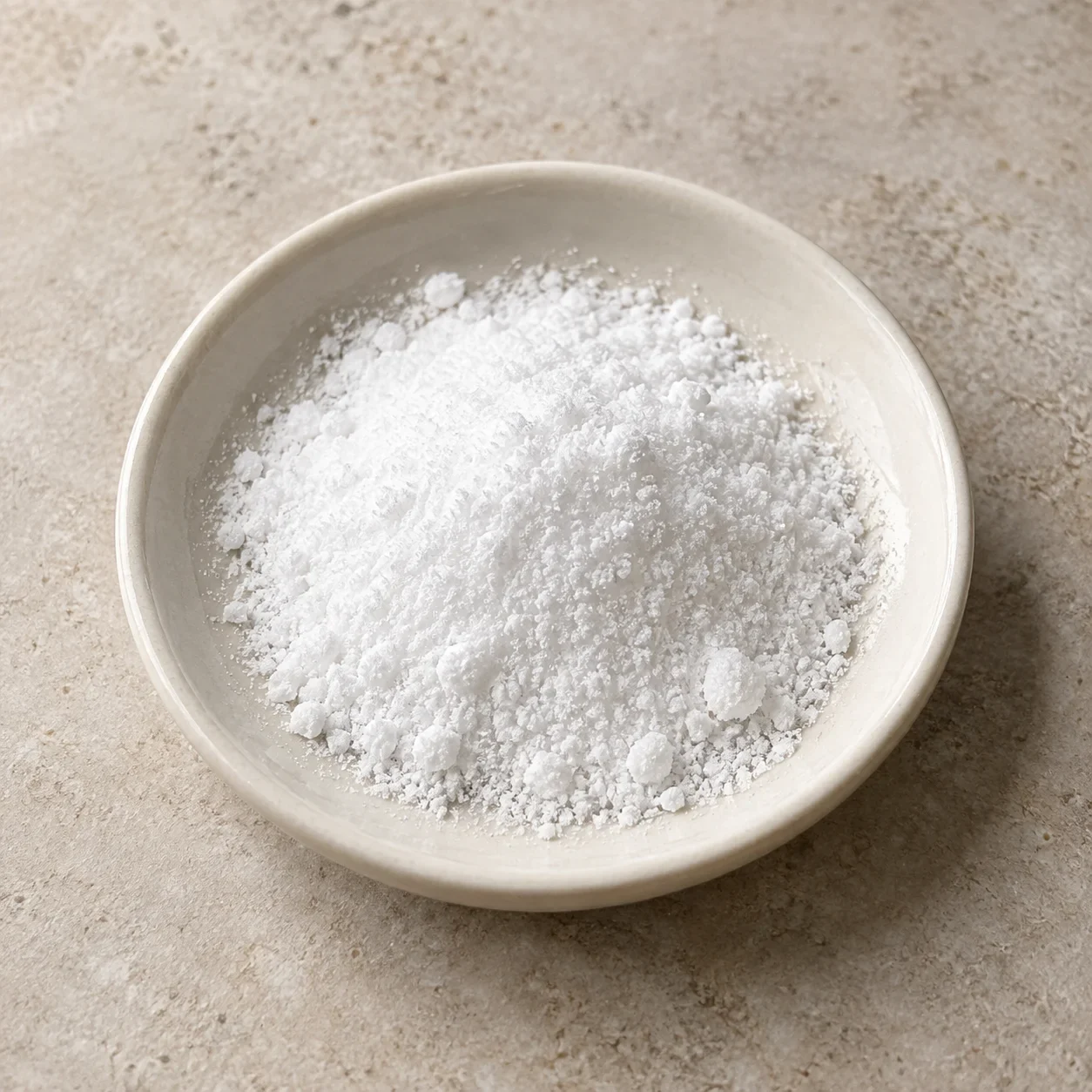
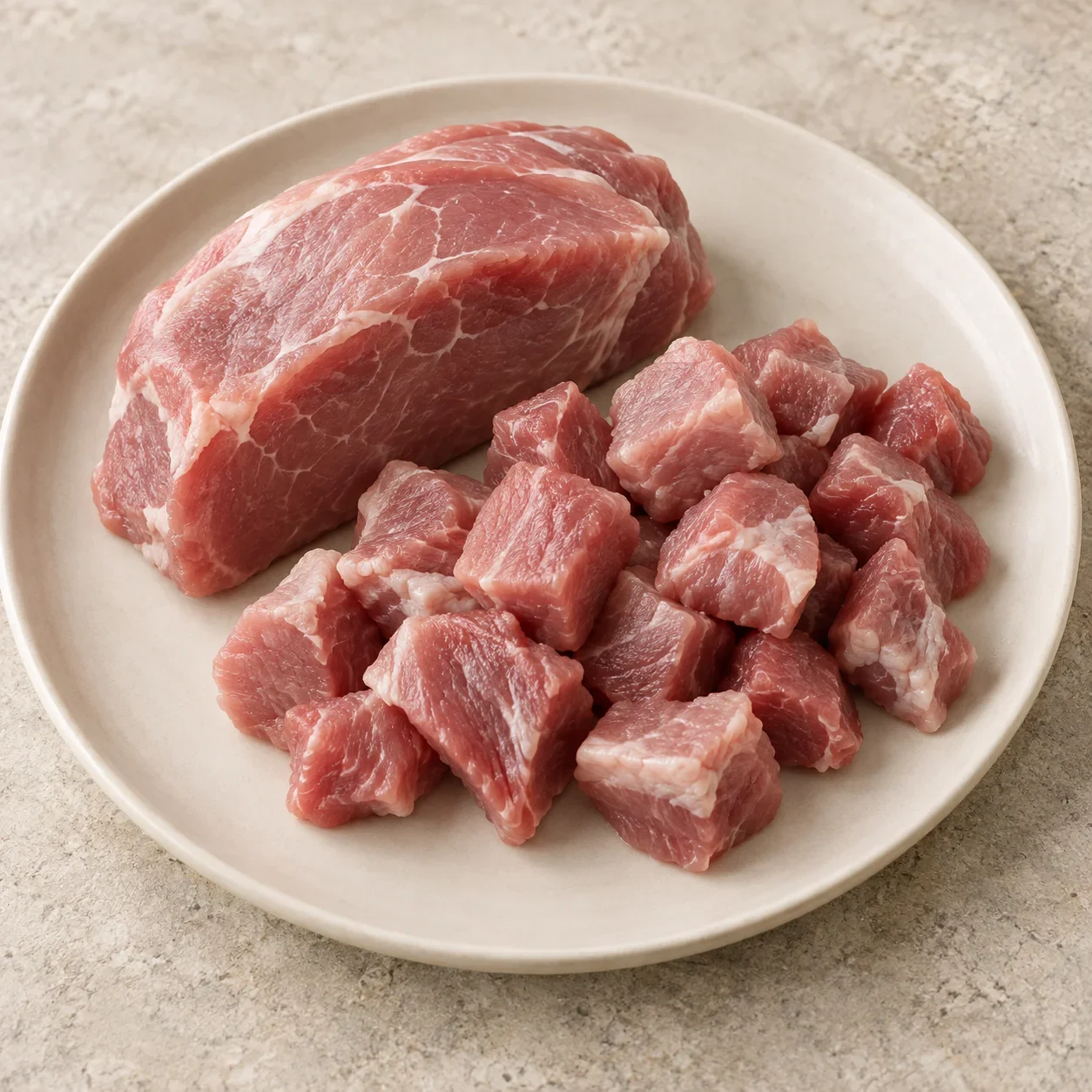
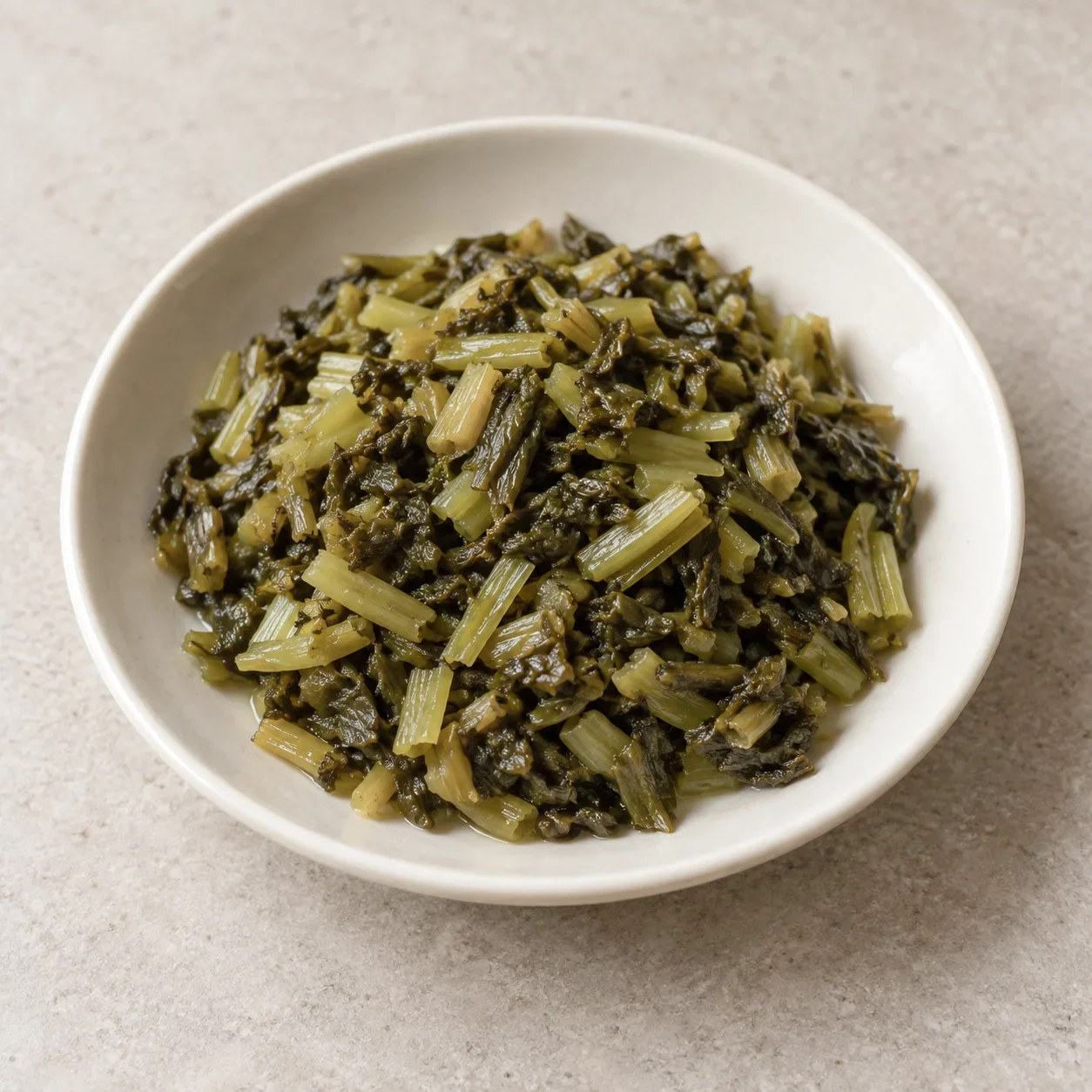
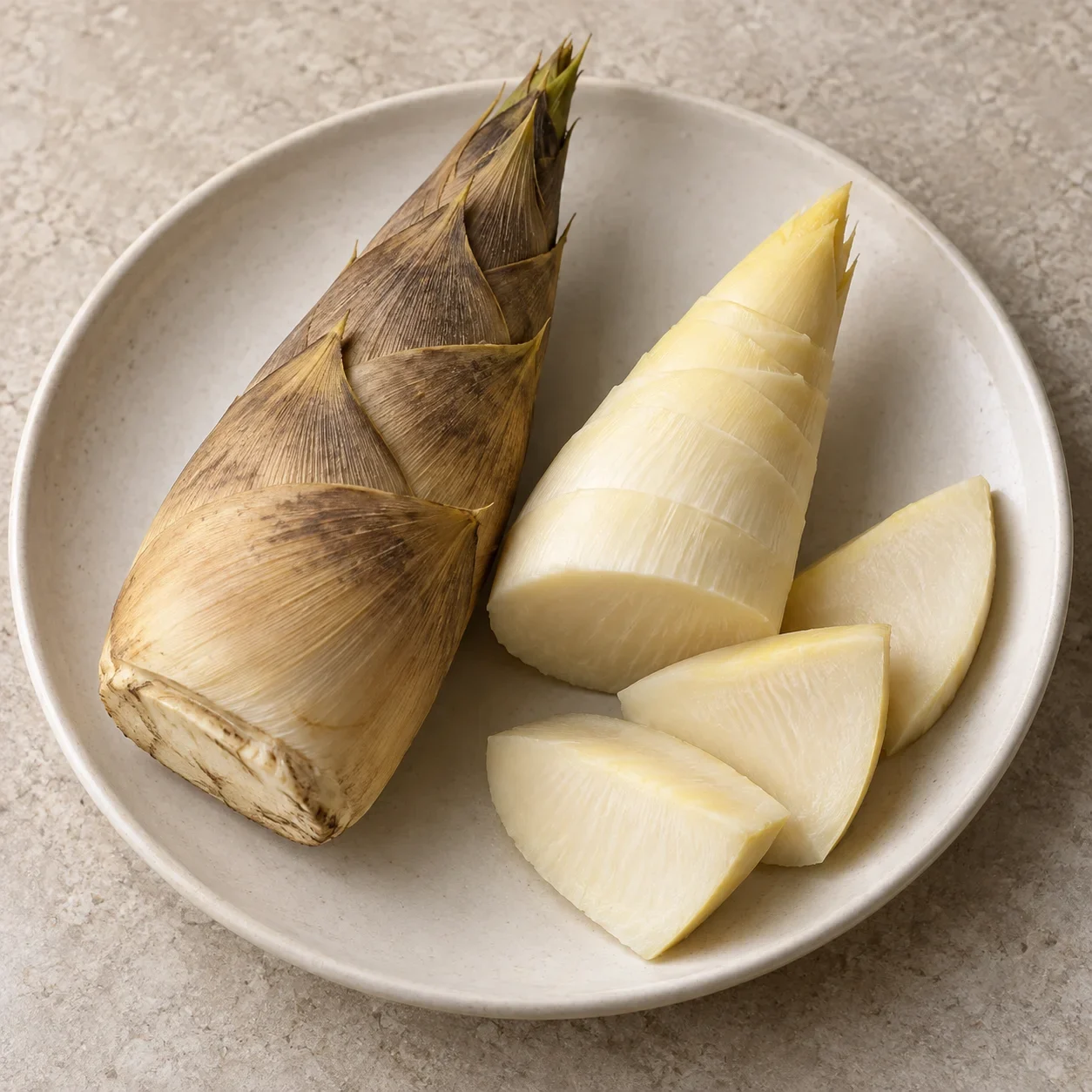
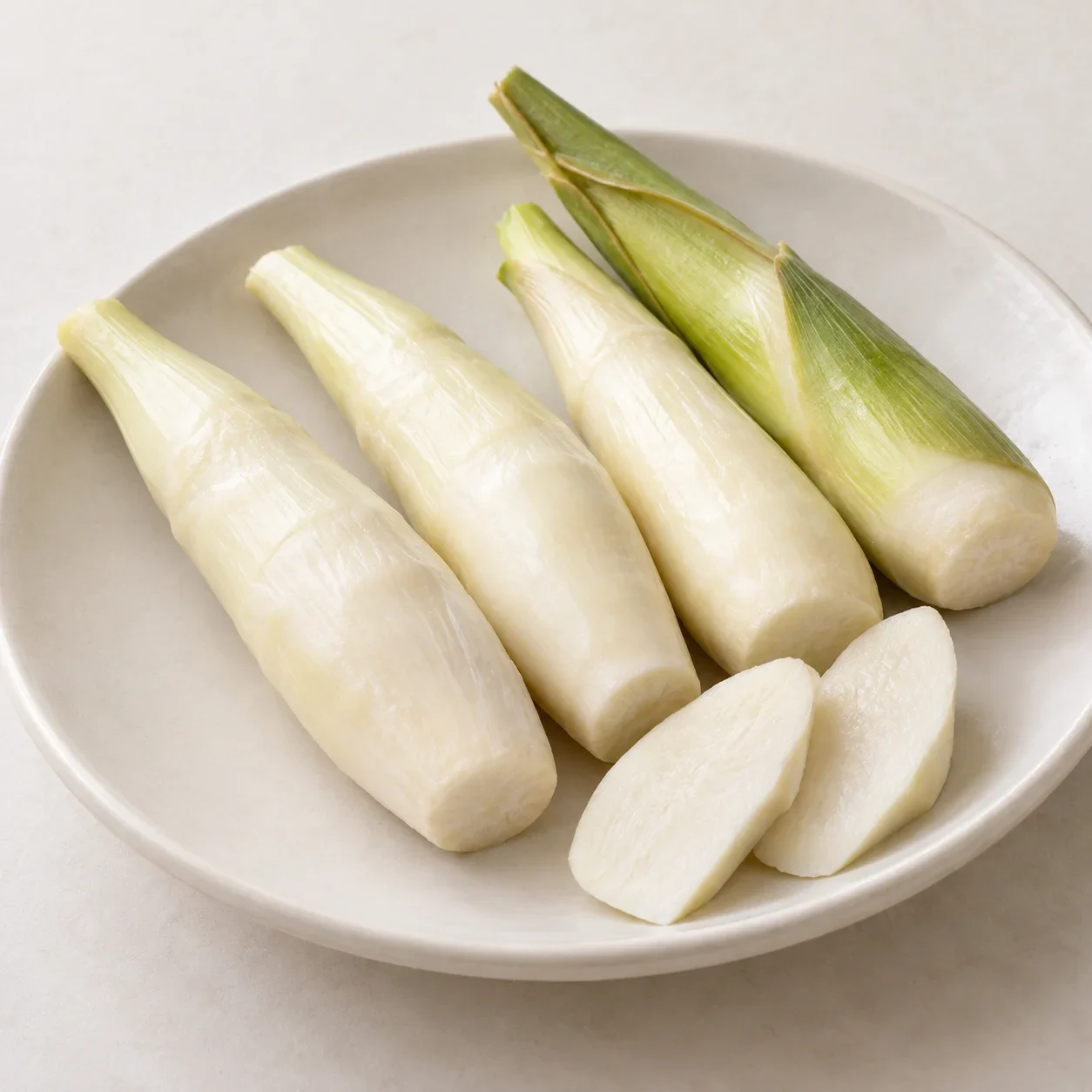
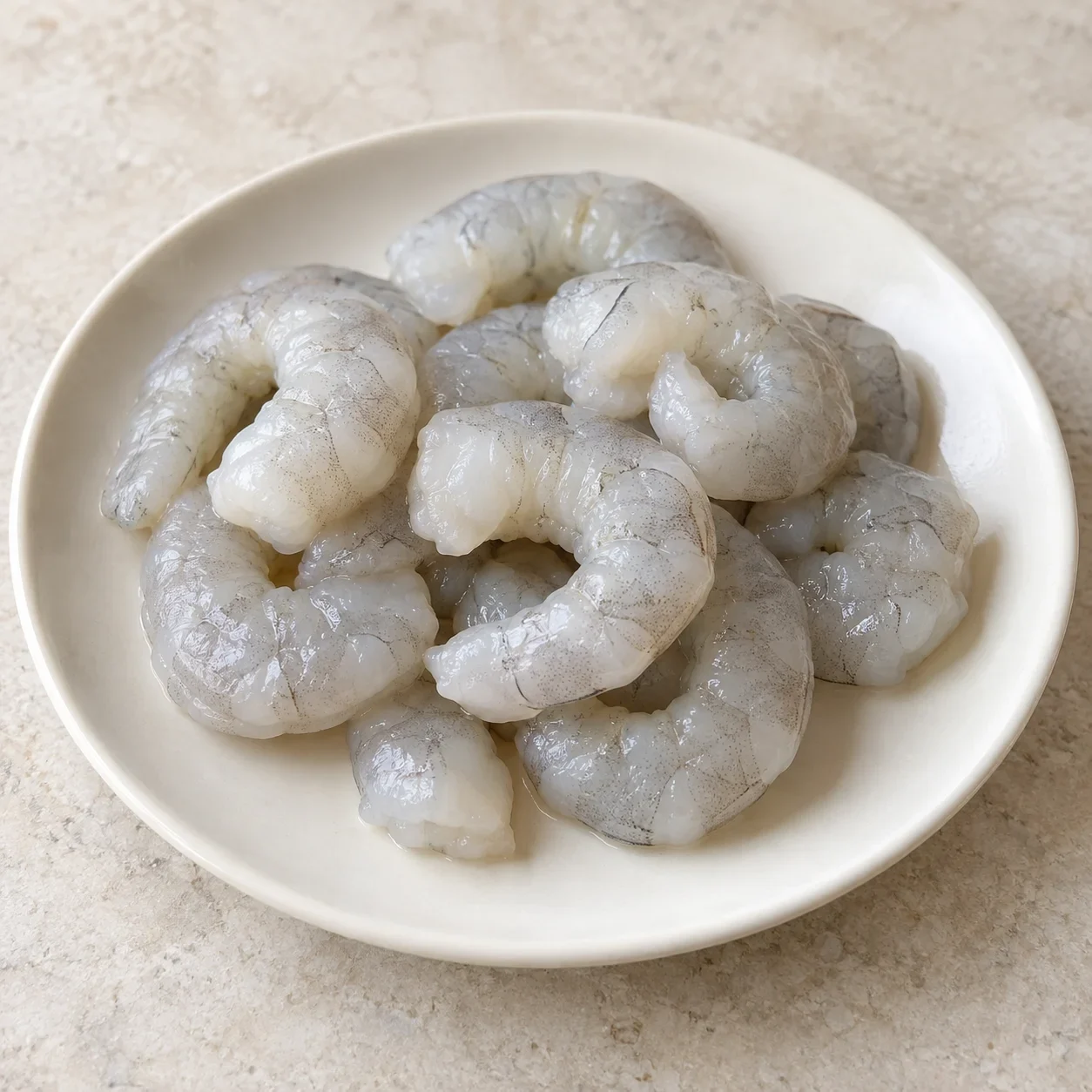
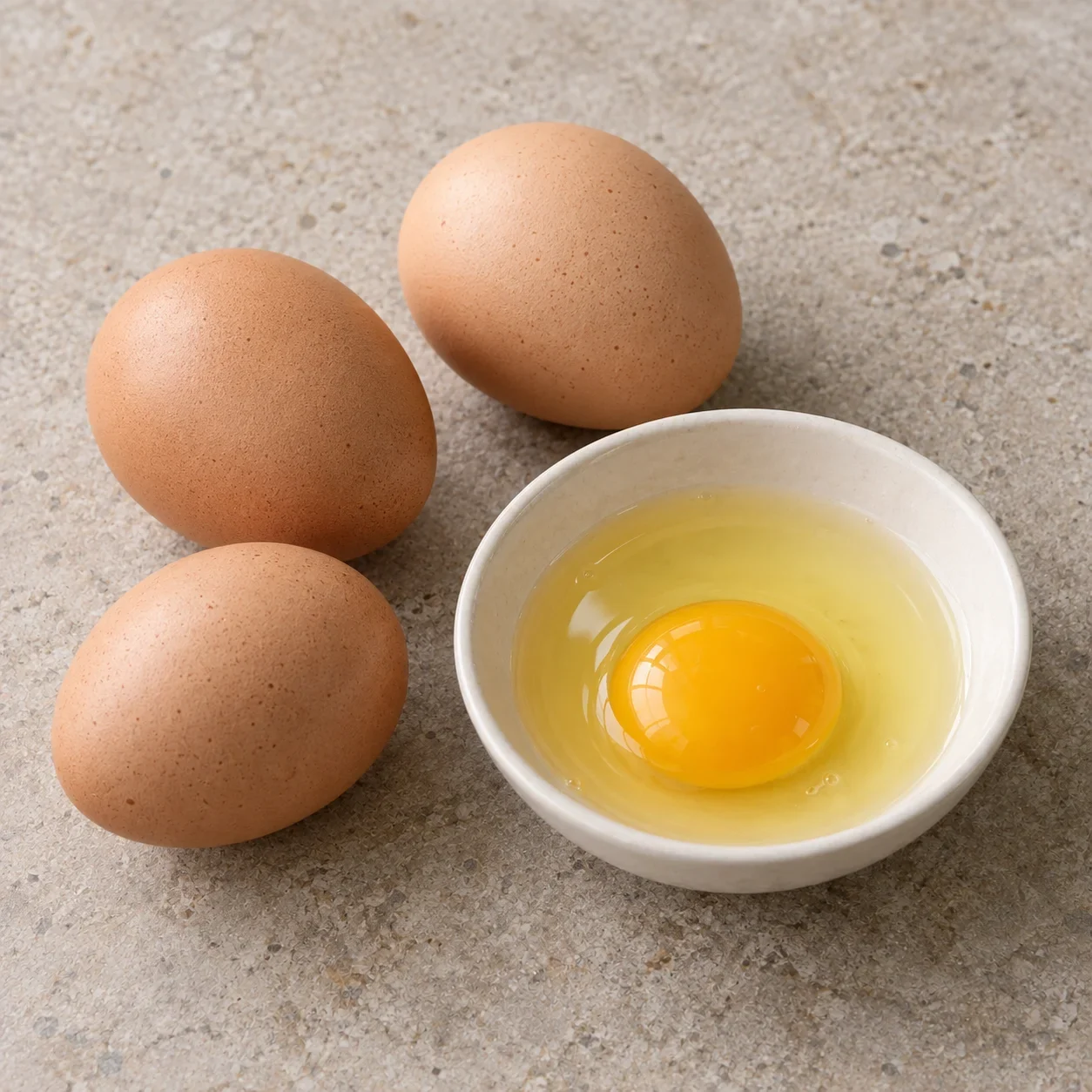
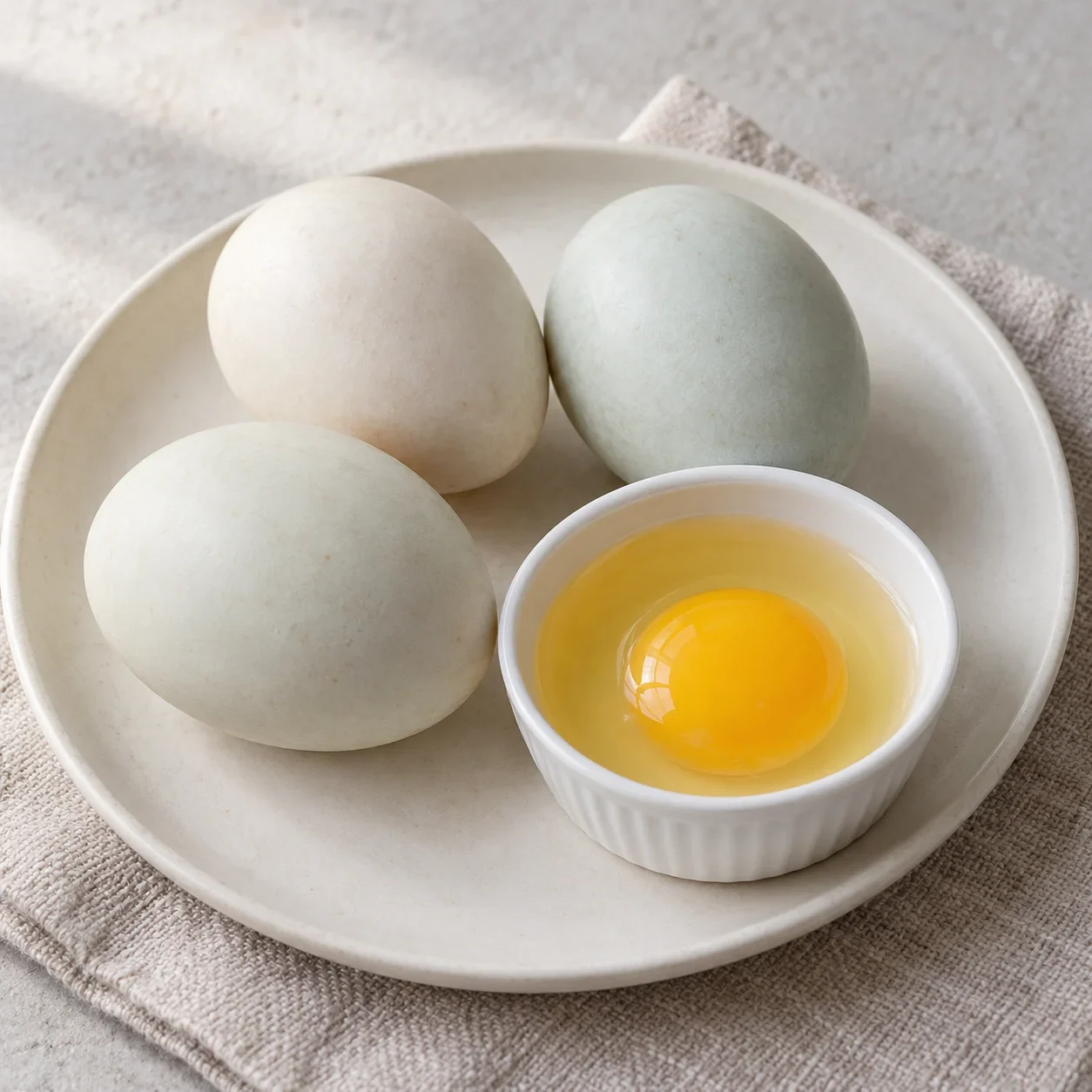
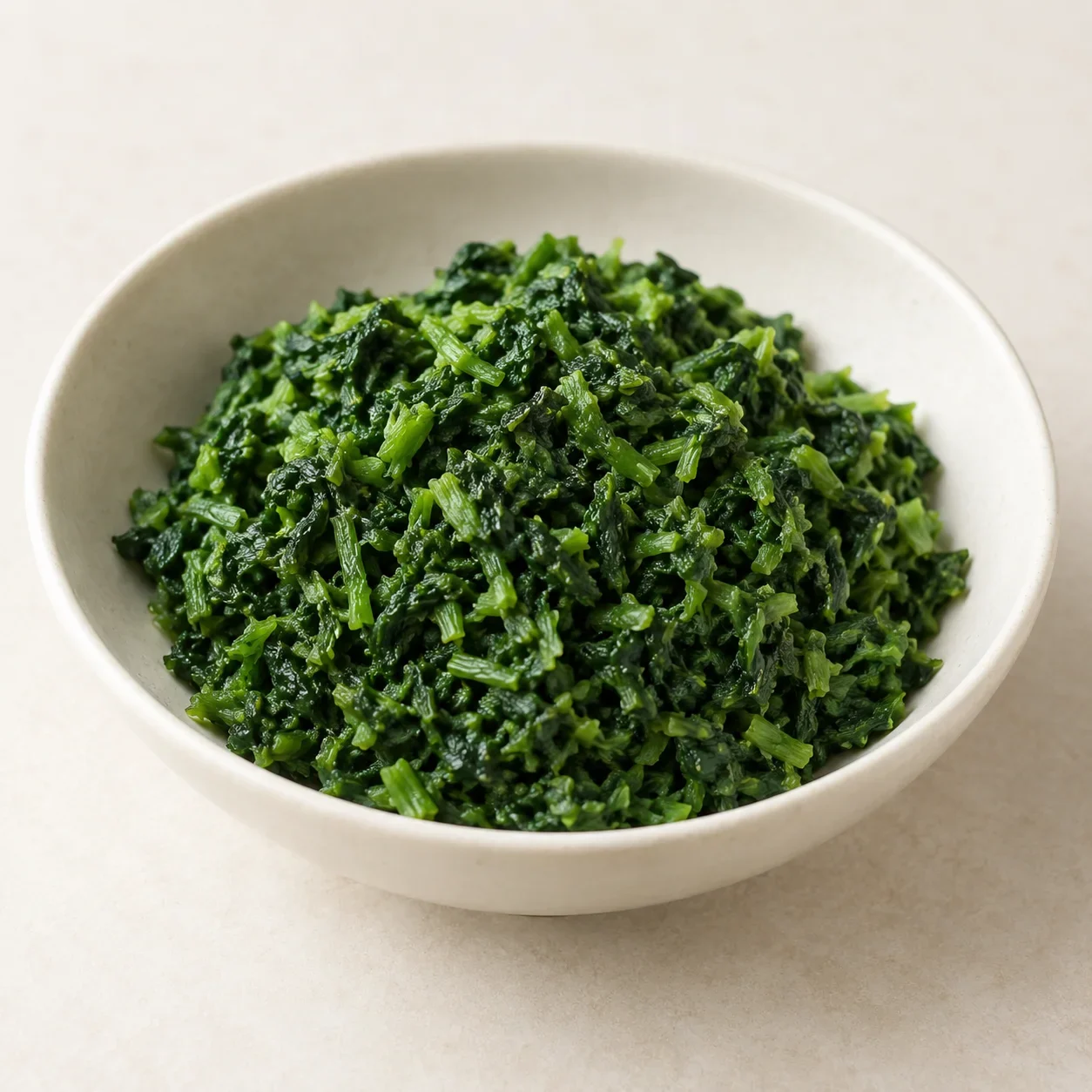
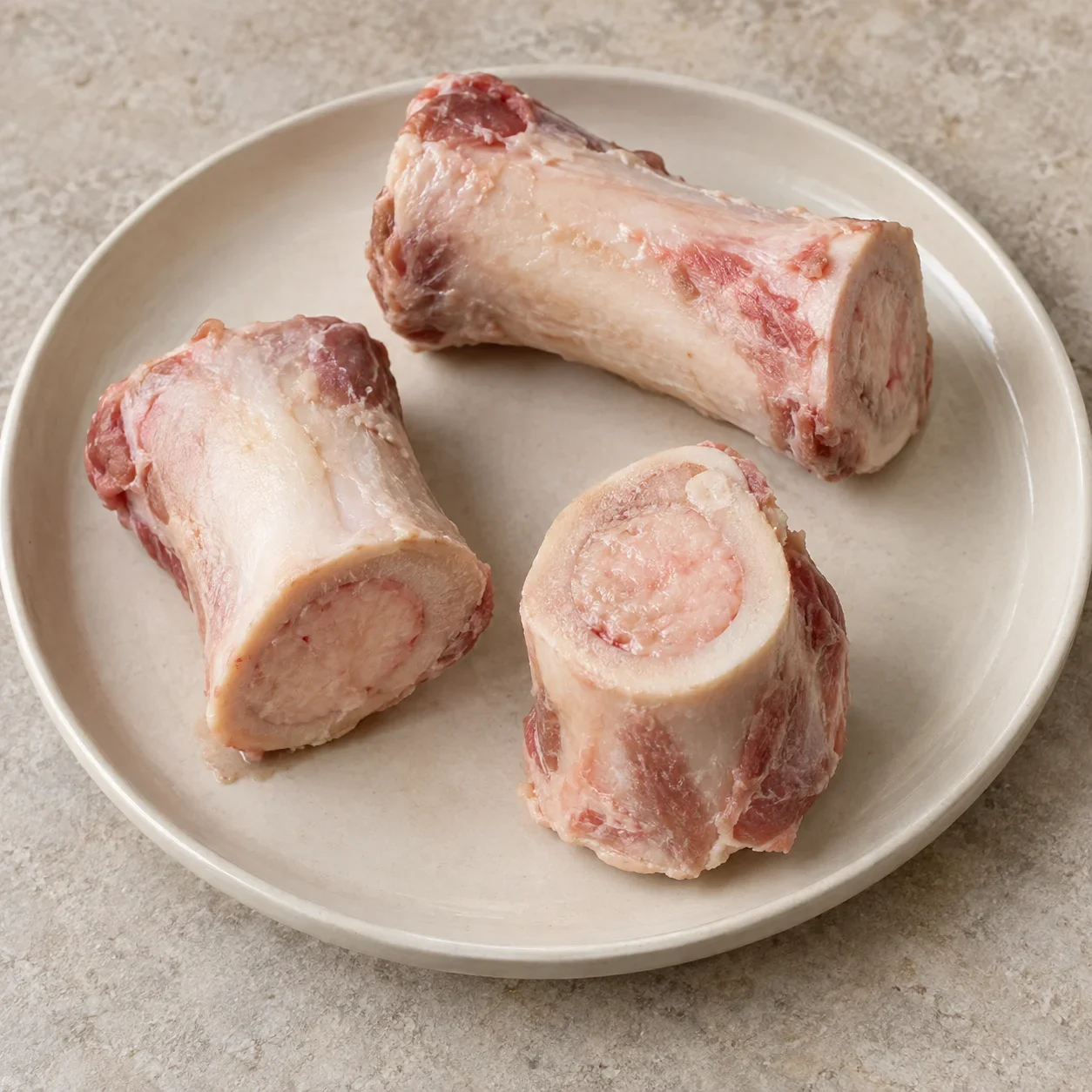
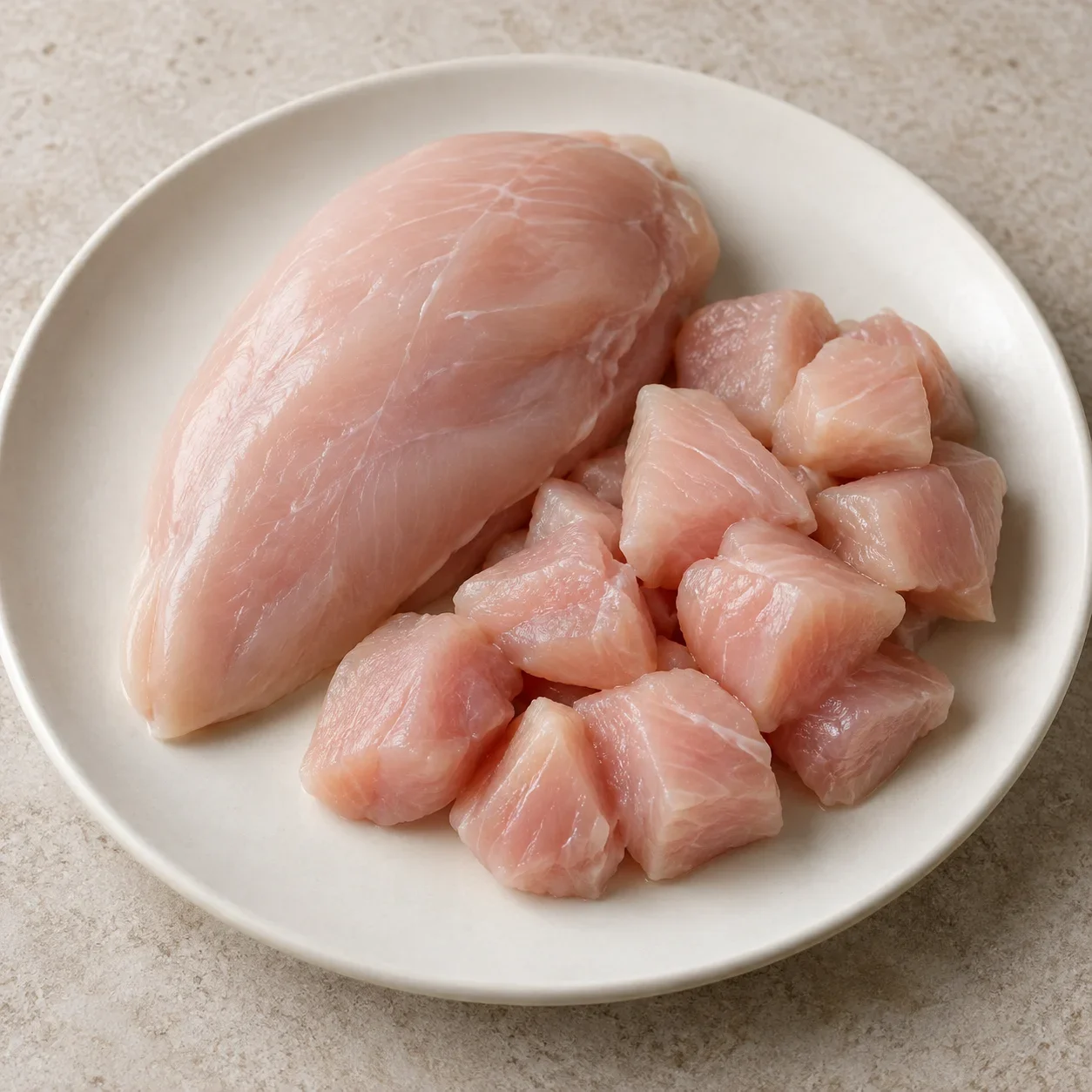
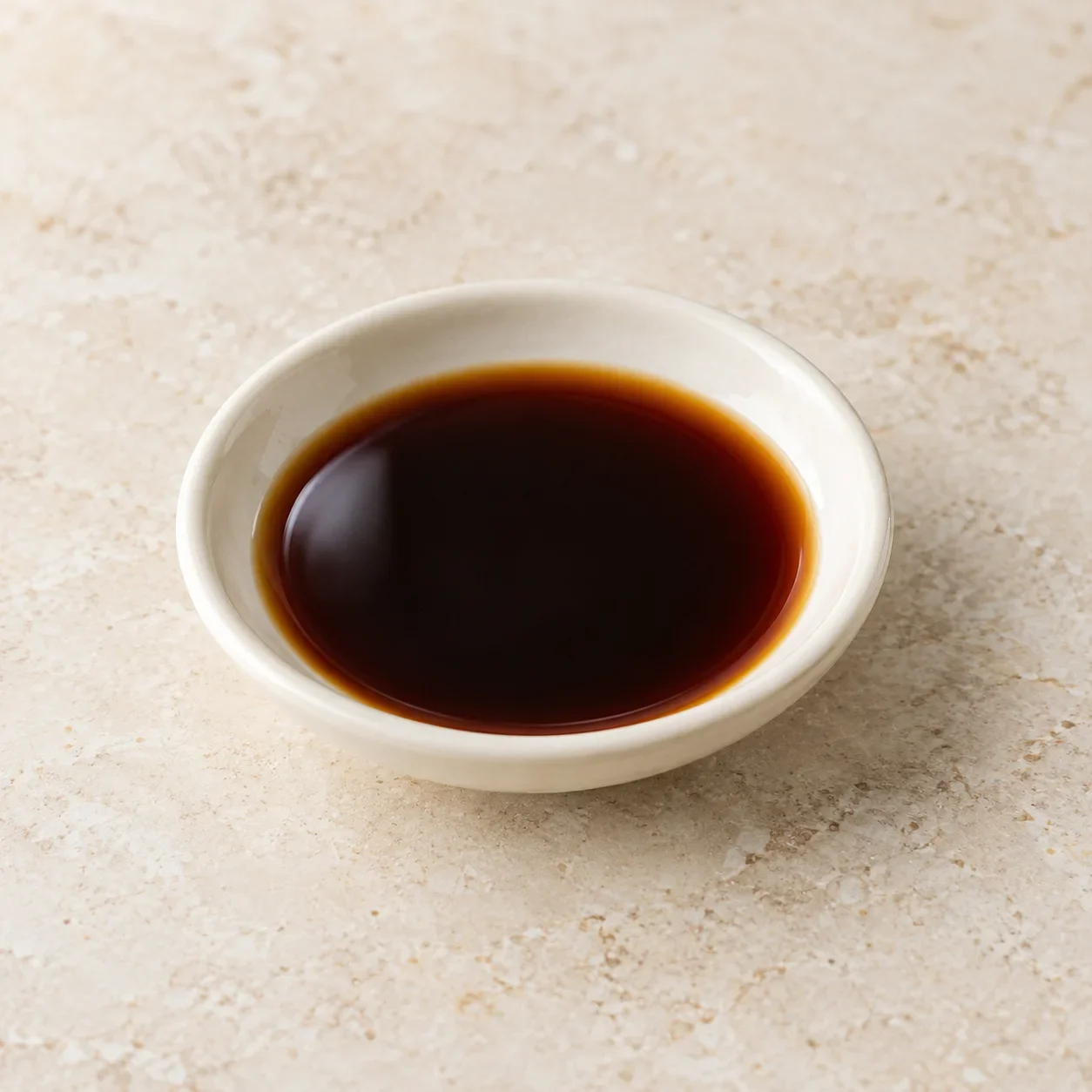
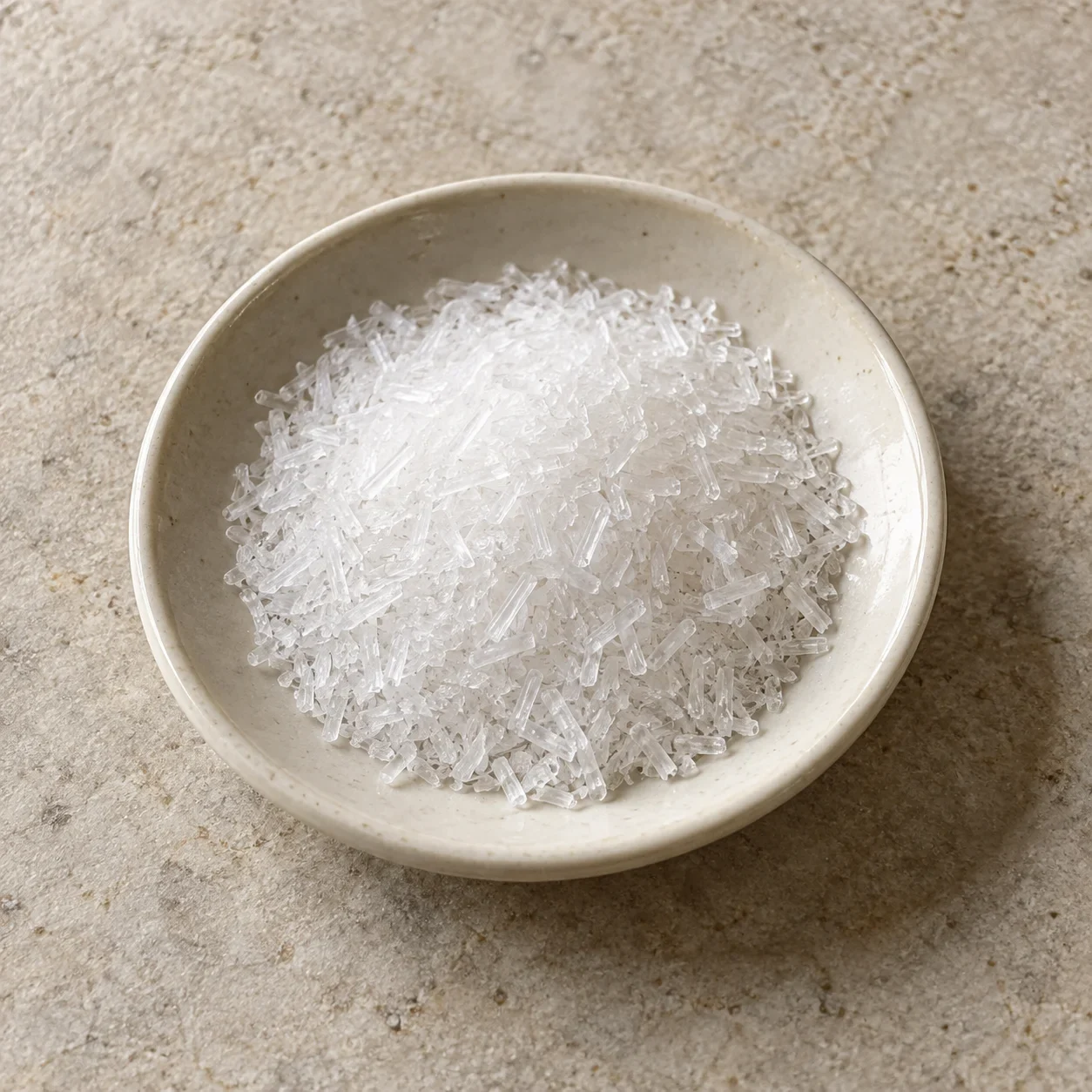
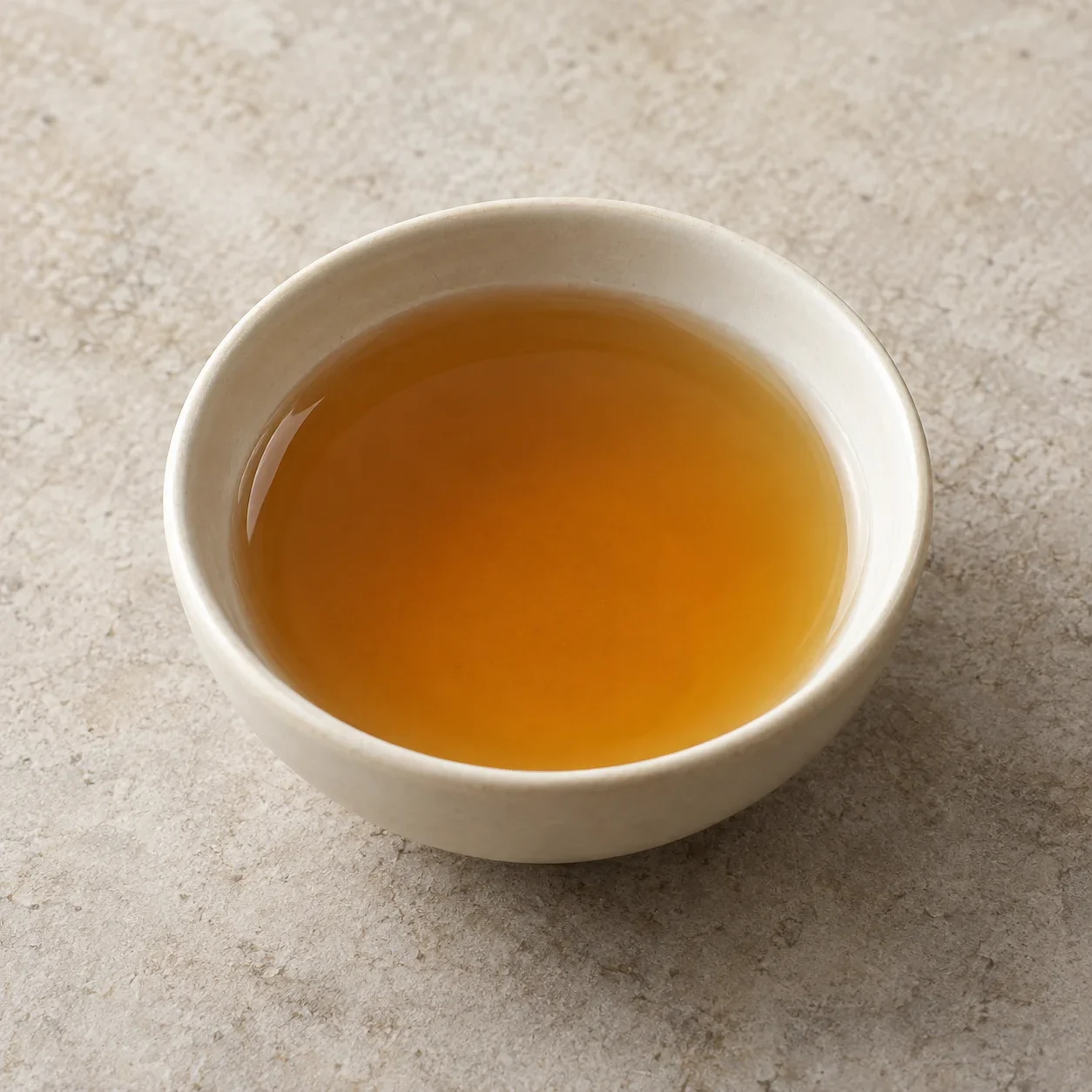
Recipes vary by restaurant.
How does it taste?
Usually savory, with flavor from the chosen toppings and broth; the noodles have a lightly salted wheat flavor. A mild bowl need not contain chili, but added sauces can change the heat.
- Chili heat
- Texture
- Chewy, springy hand-beaten strands with good bite.
- How it’s made
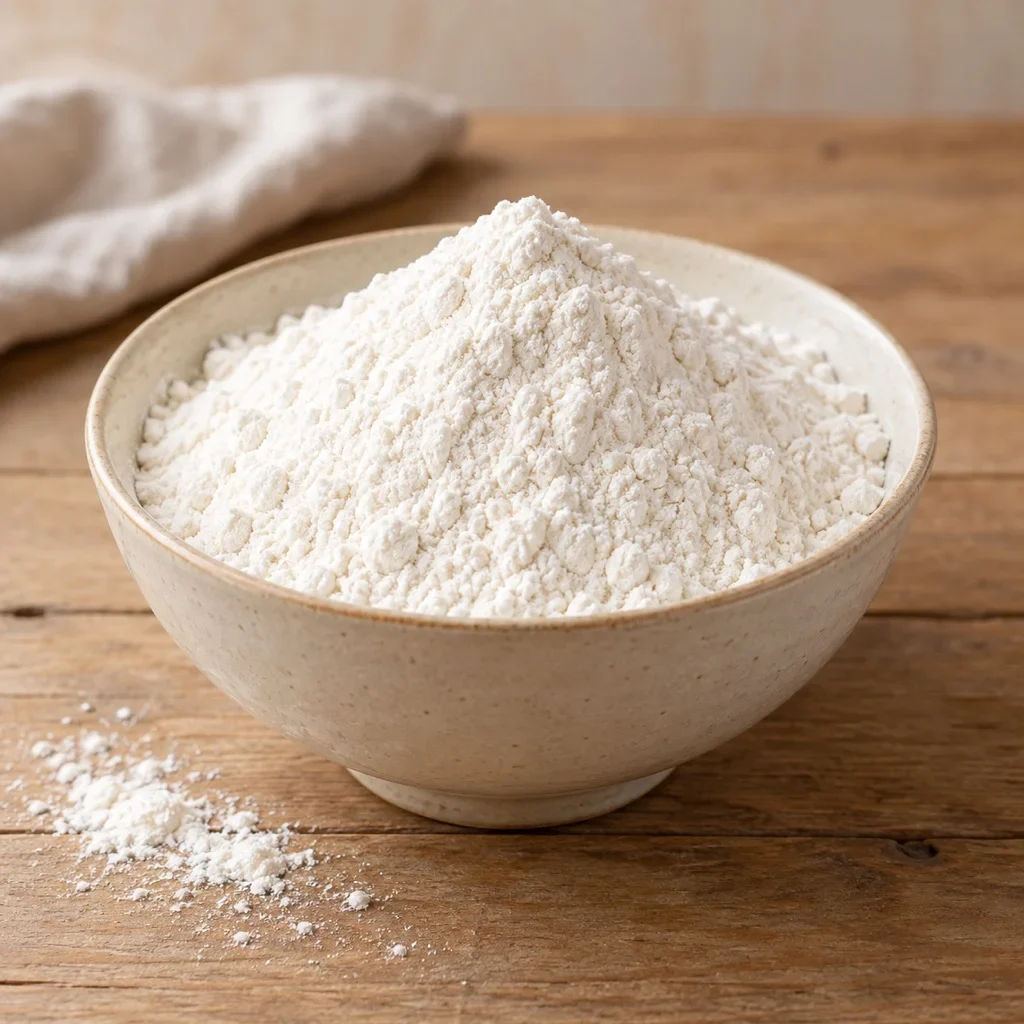
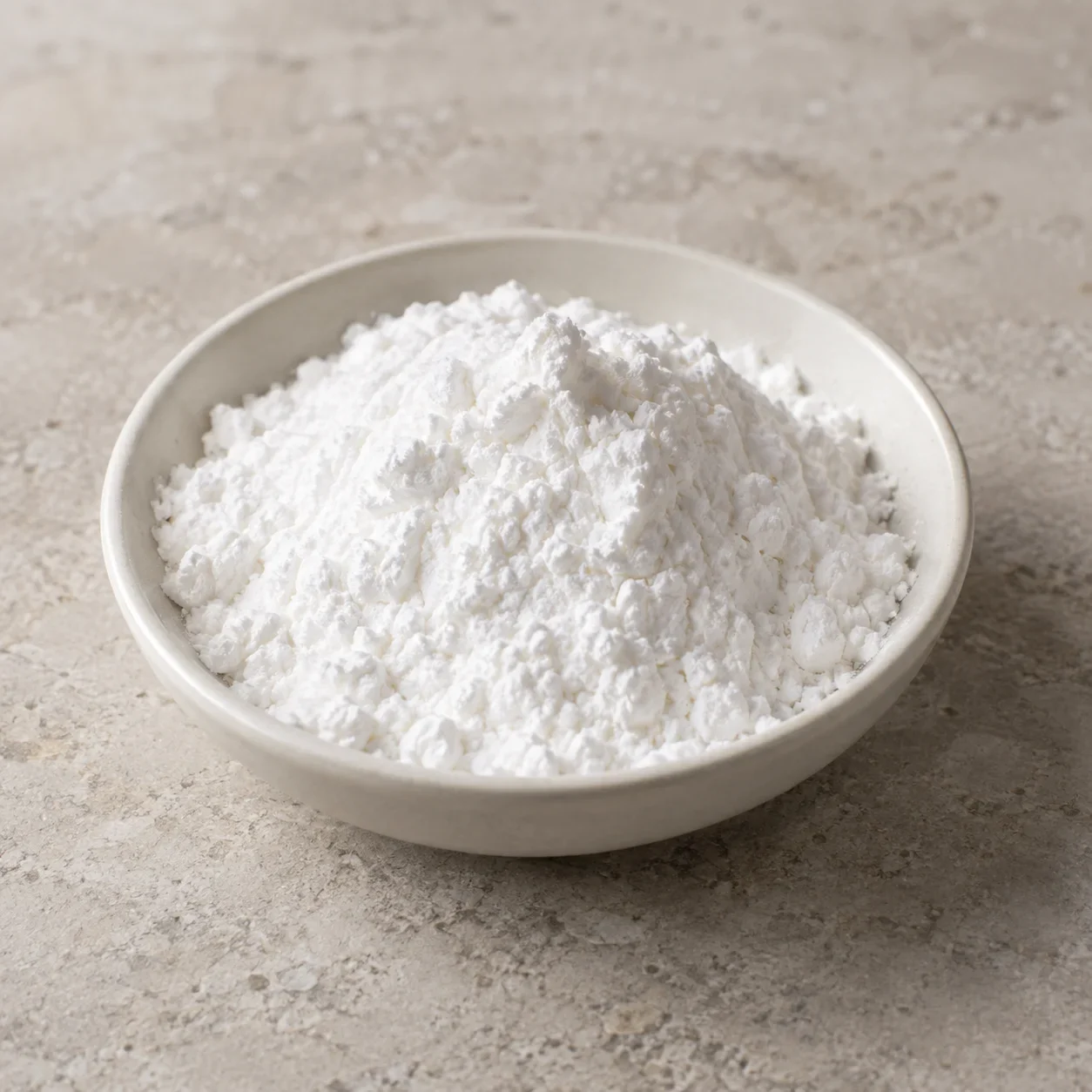
- Mix wheat flour with water, salt and, if used, a little culinary alkali; press and beat, rest, then press again with cornstarch for dusting. Cut into strands, boil separately, then finish in the pan with freshly cooked toppings and broth.
Toppings vary: pickled greens with pork, or a three-fresh combination that may include shrimp and pork-filled egg rolls. Vegetables and the exact combination differ by shop; fat and broth also need checking.
A CONNECTION TO PLACE
Origin & regional roots
Associated with Zhejiang.
About this regional connection
Zhejiang: Associated with Ciwu, Zhuji, Shaoxing, Zhejiang; shops now multi-province.
Ask if they have it first
请问你们有诸暨次坞打面吗?
Do you have this item?
A LITTLE SOMETHING TO READ
Story & history
The craft behind the bite
In Ciwu, making noodles means repeatedly pressing and beating the dough, with a rest between stages. This work gives the cut strands their springy bite. Each bowl is finished with its chosen toppings, while noodle makers may adjust the texture to local tastes. The appeal is both the handmade noodle and the freshly cooked bowl.