
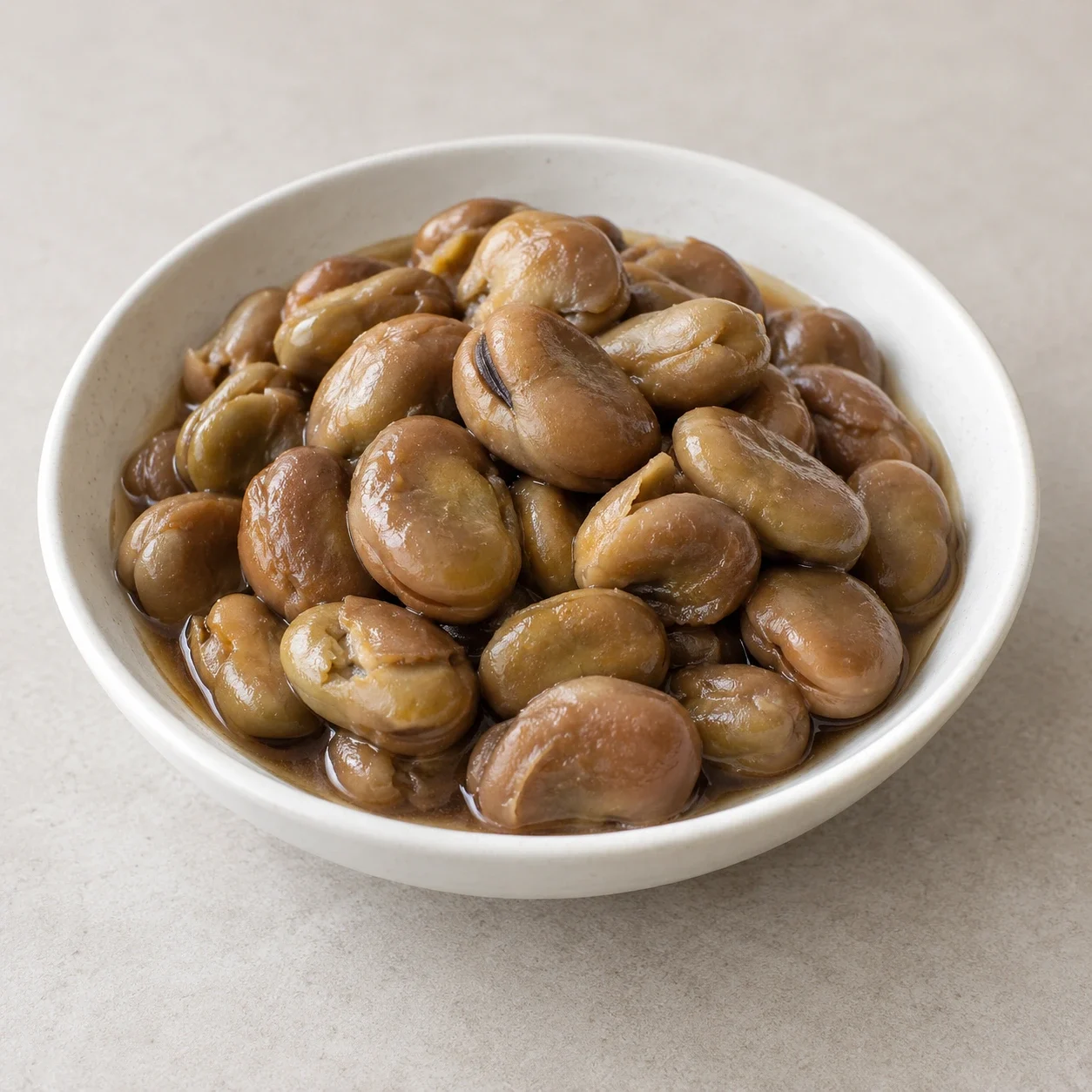
At the table
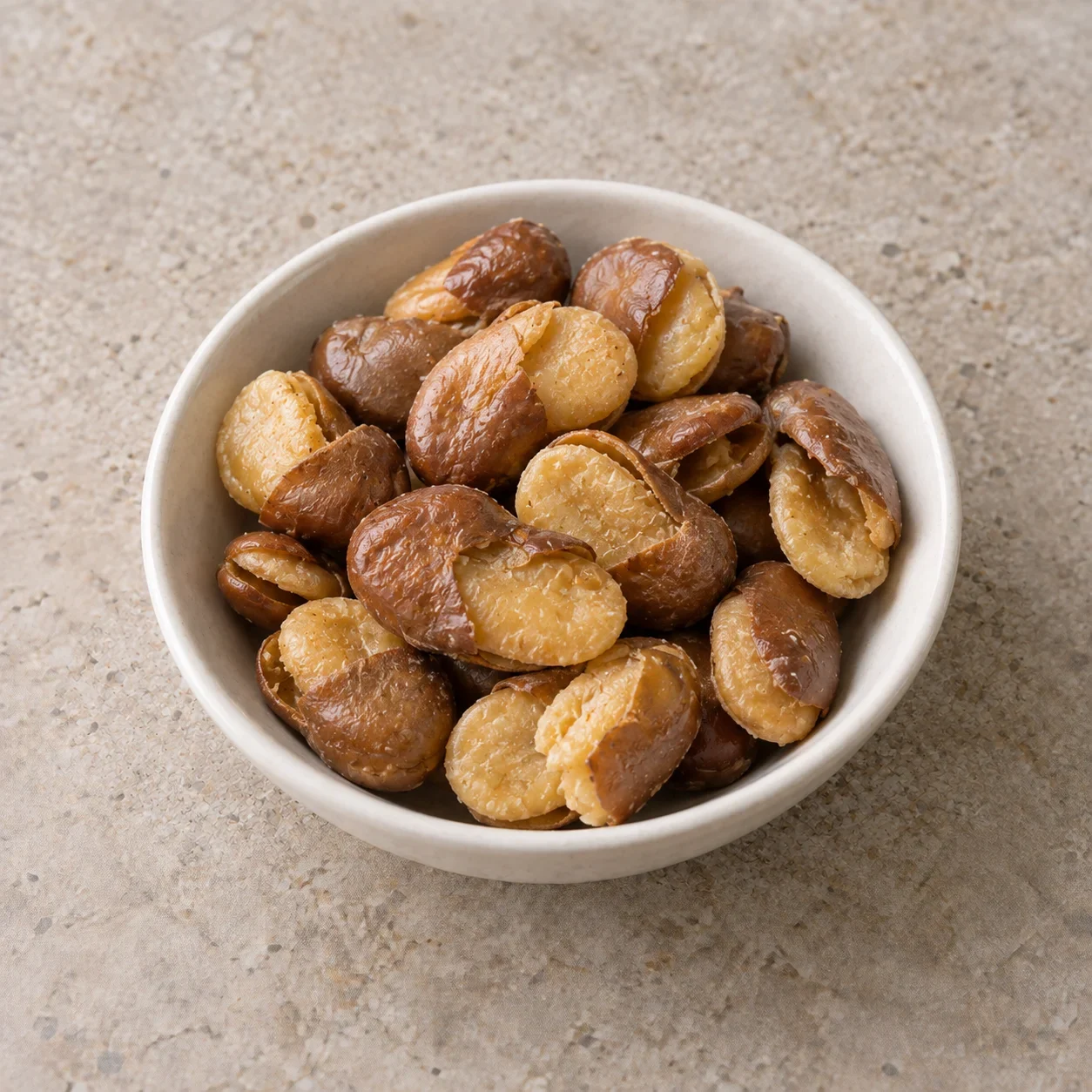
Eat a few beans at a time. Peel away any tough skins if preferred and leave whole spice pieces aside. Ask for soft boiled wudou, rather than hard fried broad beans, and confirm the seasoning.
Contains broad beans. People with G6PD deficiency should avoid them, including cooked beans. Whole skins may be tough and freshly cooked beans hot.
Contains broad beans. People with G6PD deficiency should avoid them, including cooked beans. Whole skins may be tough and freshly cooked beans hot.
GET TO KNOW THE DISH
What goes into it?
Explore some key ingredients below. Preparations may use additional seasonings and ingredients.
Contains broad beans. People with G6PD deficiency should avoid them, including cooked beans. Whole skins may be tough and freshly cooked beans hot.
Typical ingredients

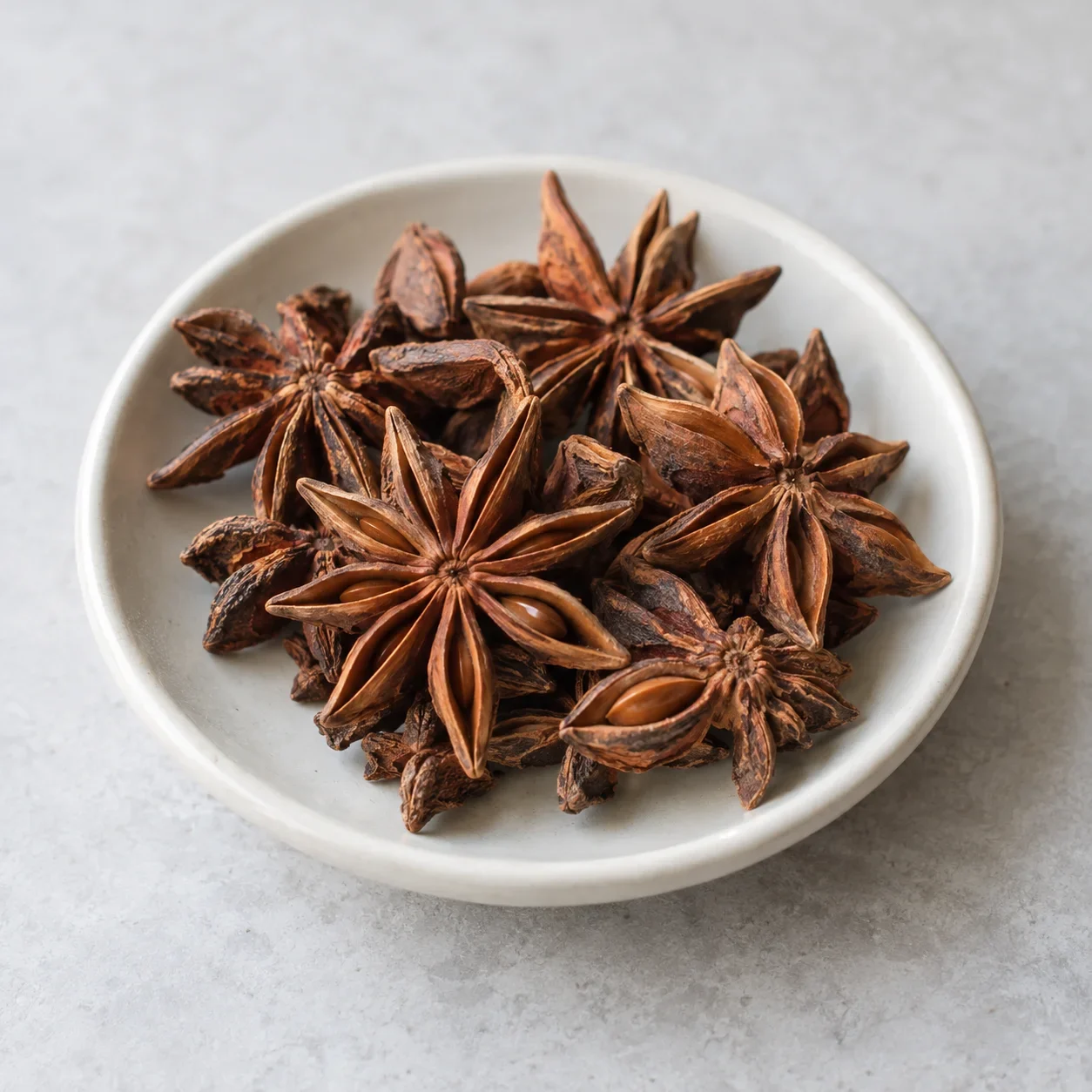
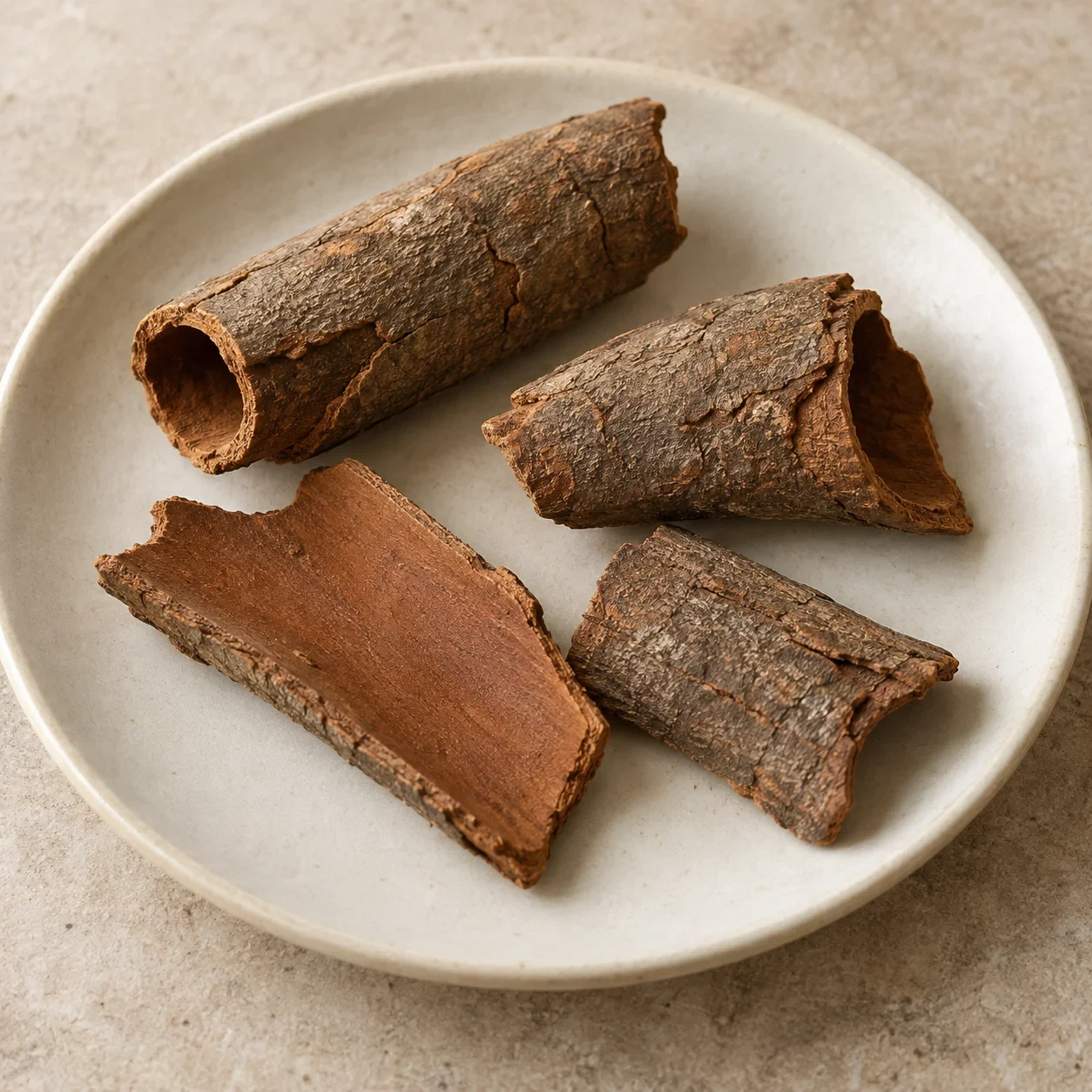
Recipes vary by restaurant.
How does it taste?
Large brown-skinned broad beans cooked until their centers are soft and creamy. This savory Tianjin snack smells of warm spices; wudou does not mean black soybeans here.
- Chili heat
- Texture
- Large brown-skinned broad beans cooked until their centers are soft and creamy. This savory Tianjin snack smells of warm spices; wudou does not mean black soybeans here.
- How it’s made
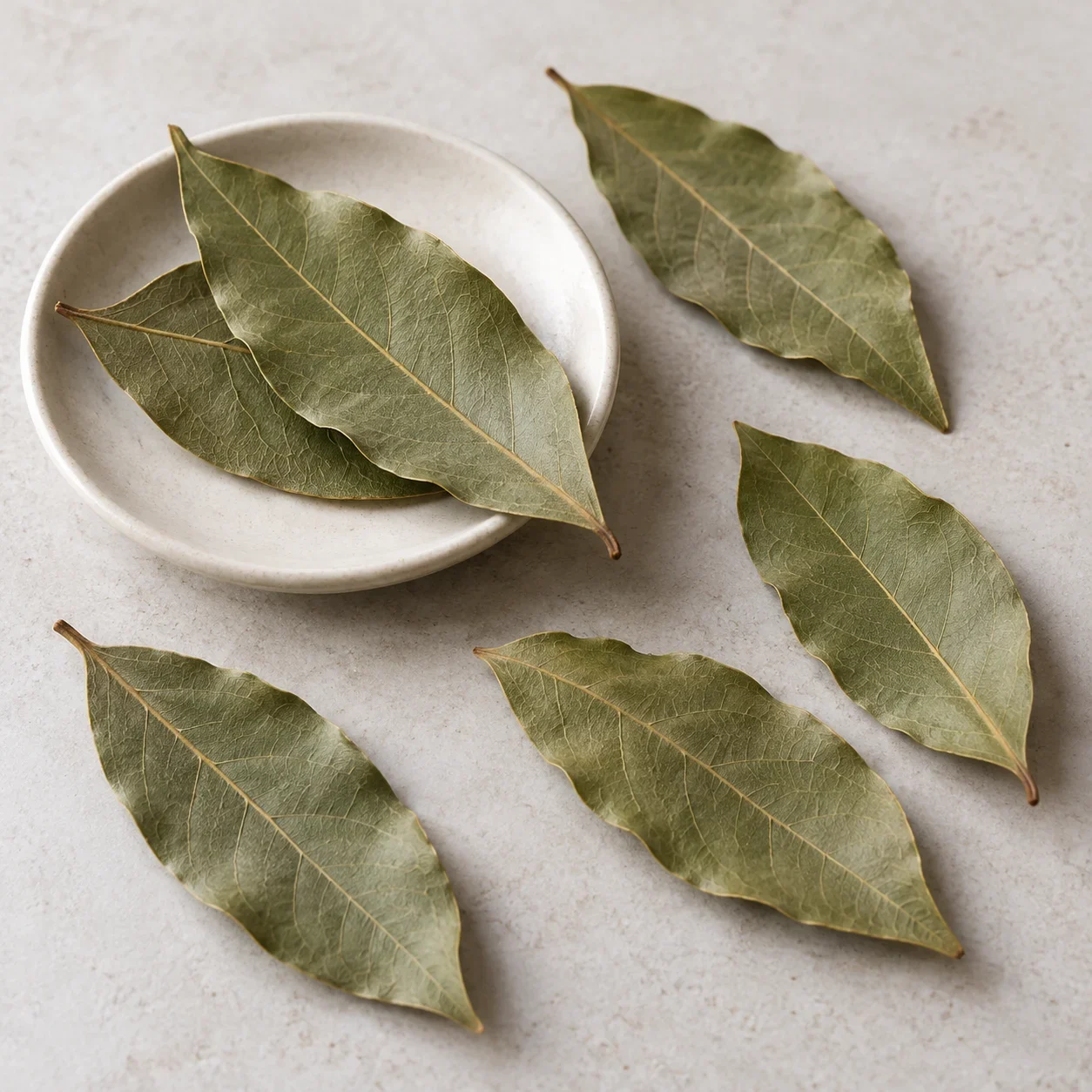
- Soak dried broad beans and allow short sprouts to develop, then rinse and cook thoroughly in water with salt, star anise, cassia bark and bay leaves. Keep the beans intact but soft; remove the whole spices before eating.
Contains broad beans. People with G6PD deficiency should avoid them, including cooked beans. Whole skins may be tough and freshly cooked beans hot.
A CONNECTION TO PLACE
Origin & regional roots
Associated with Tianjin.
About this regional connection
Tianjin: Tianjin soft spiced boiled broad beans; local pronunciation wǔdòu.
Ask if they have it first
请问你们有乌豆吗?
Do you have this item?
A LITTLE SOMETHING TO READ
Story & history
Tianjin spiced broad beans
Warm wudou is remembered in Tianjin street-vendor calls and household cooking. The tender boiled beans differ from crunchy fried broad beans. Stories linking the snack to an emperor are folklore, not a confirmed origin.