
At the table
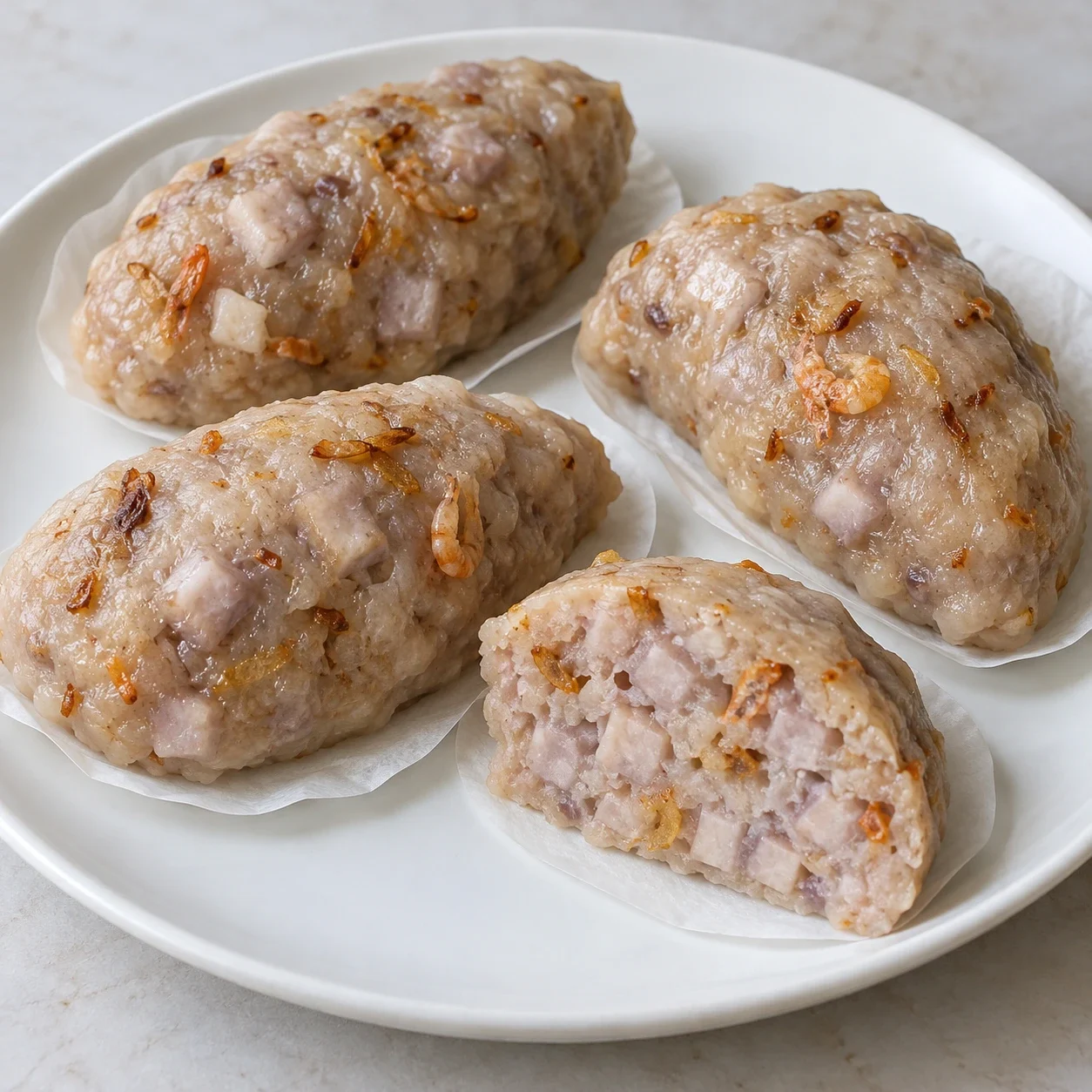
Remove any paper underneath. Cut or bite off small pieces and chew well; no hidden filling needs to flow out.
Contains shrimp and soy sauce in this version. The sticky texture needs care for children and people who struggle to chew or swallow.
Flour proportions and additions differ. Some versions use mushrooms or meat; vegetarian versions require checking the oil and fried shallots too.
GET TO KNOW THE DISH
What goes into it?
Explore some key ingredients below. Preparations may use additional seasonings and ingredients.
Flour proportions and additions differ. Some versions use mushrooms or meat; vegetarian versions require checking the oil and fried shallots too.
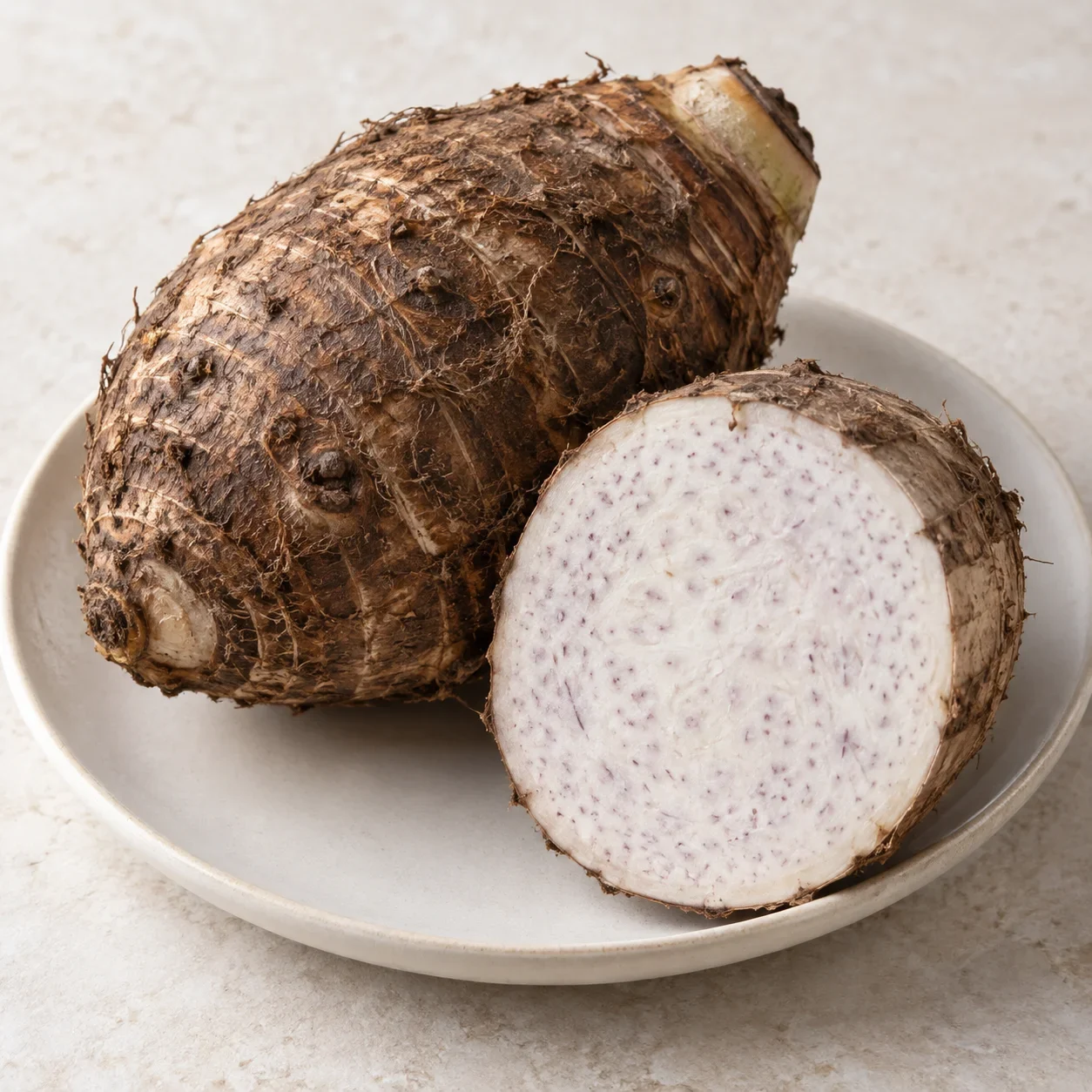
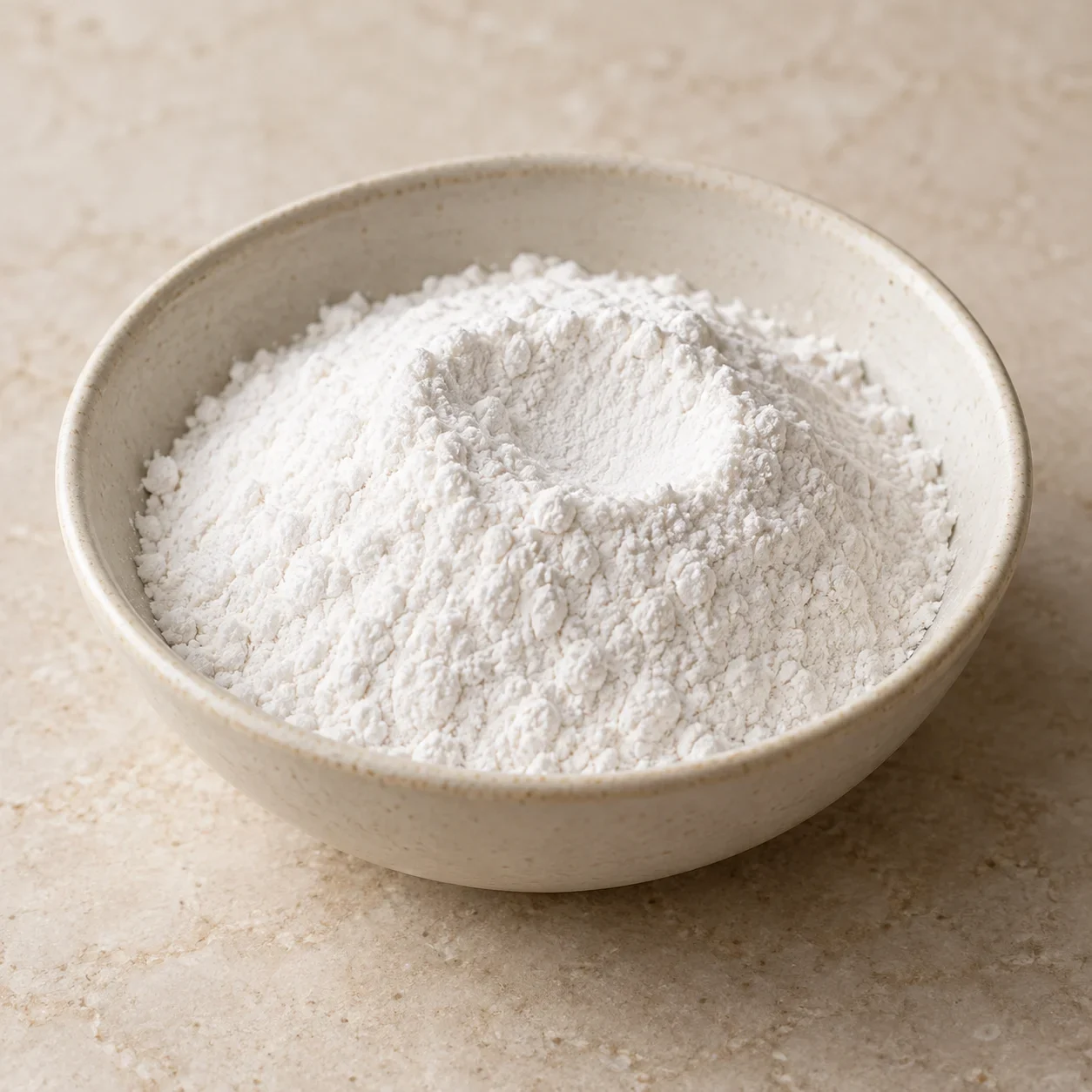
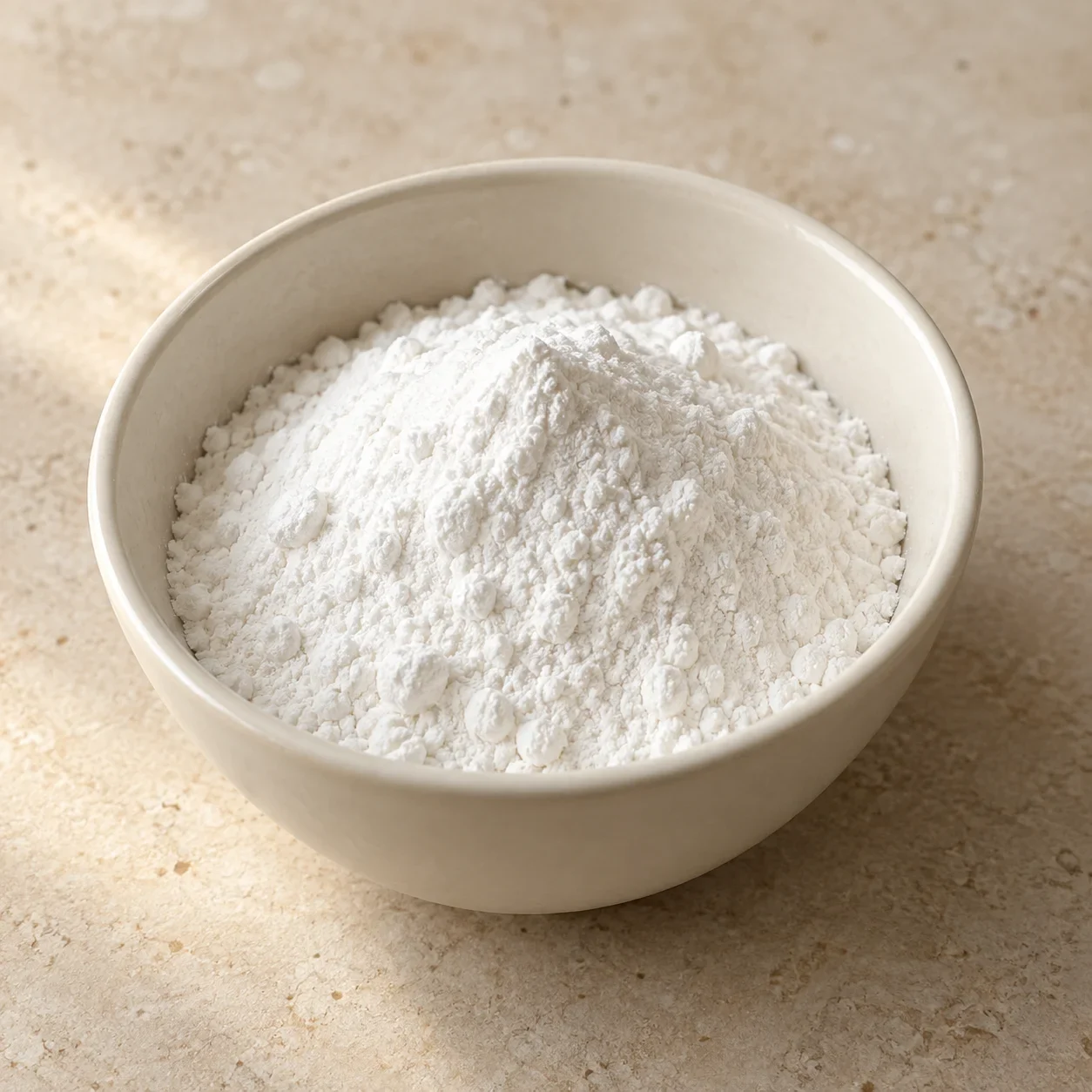
Typical ingredients
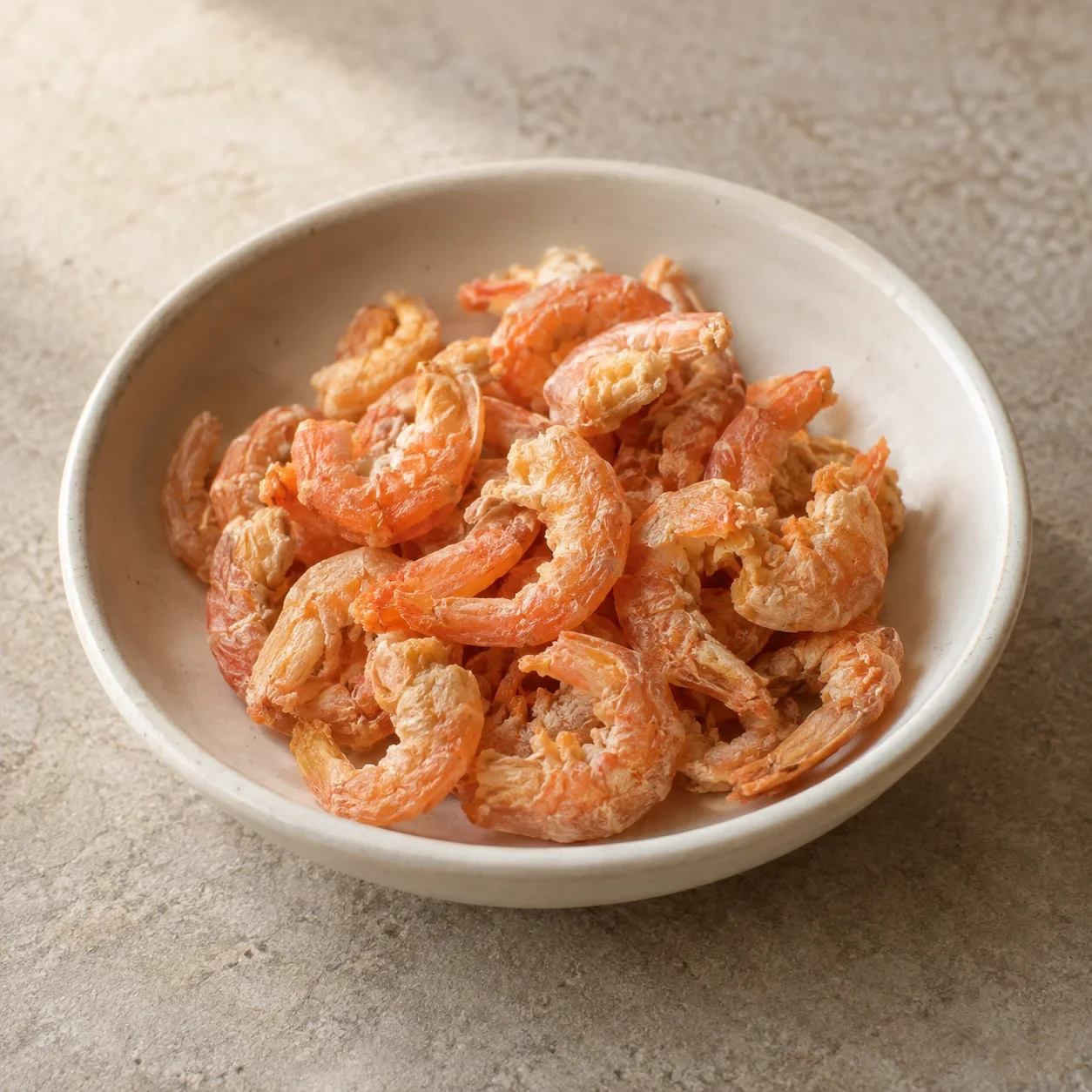
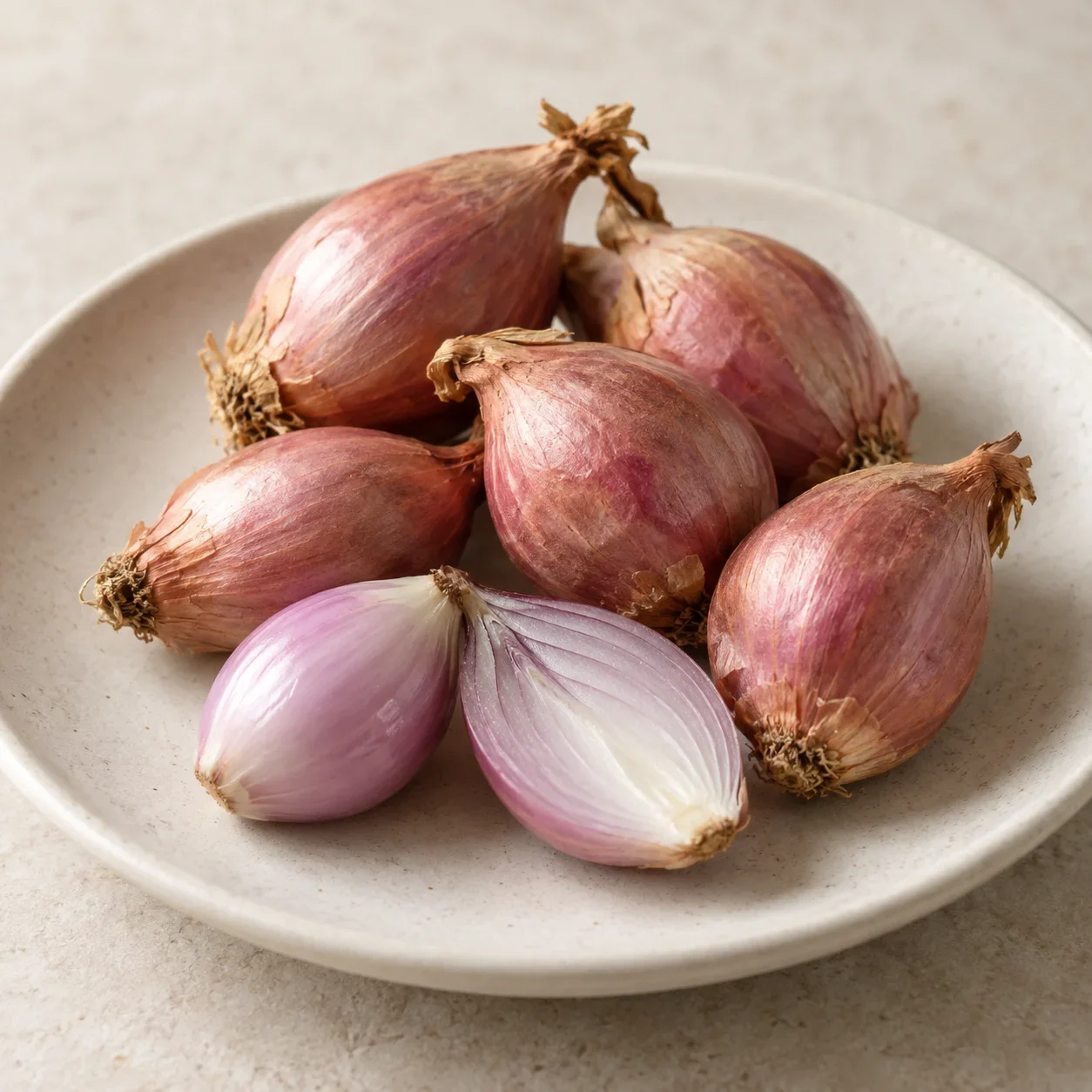
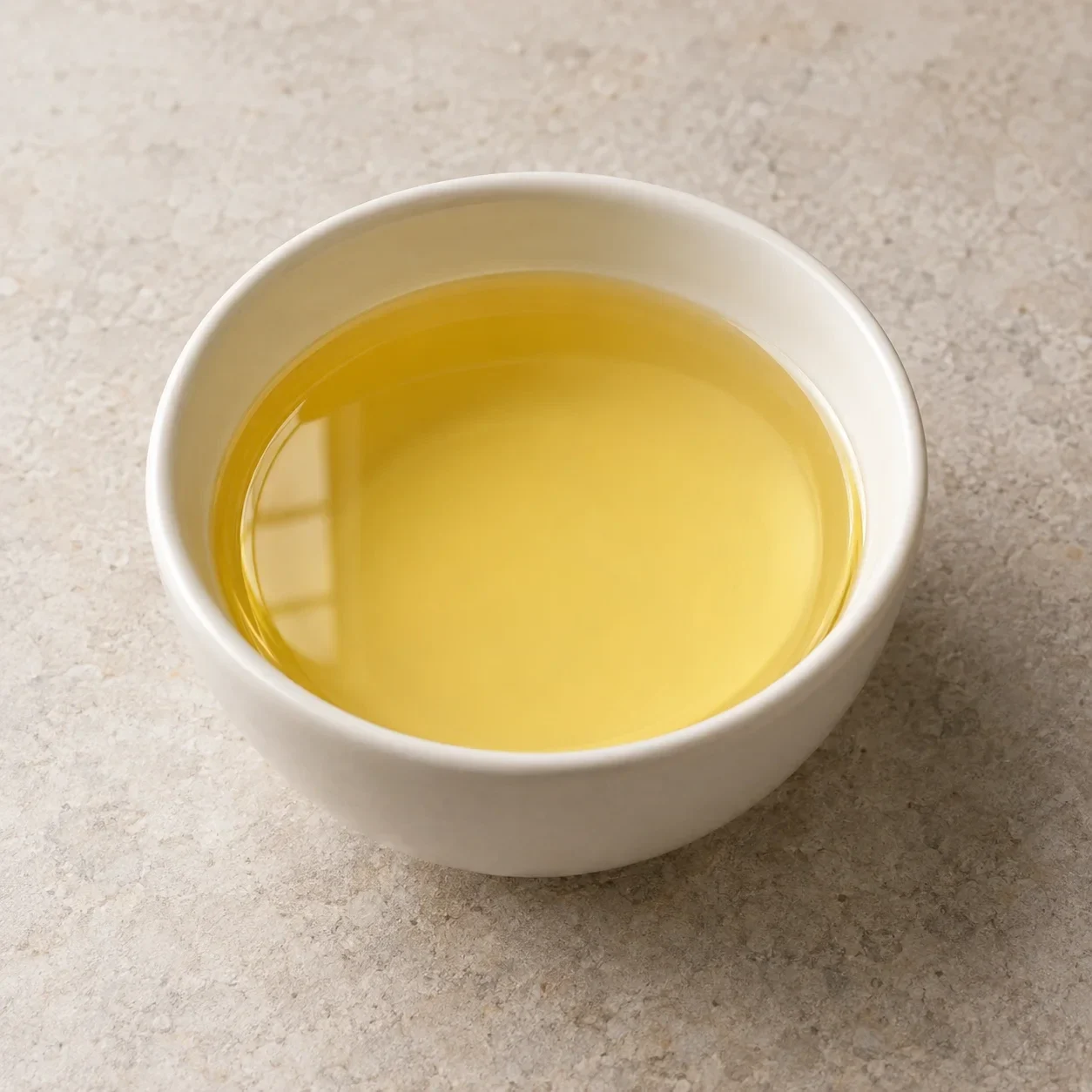
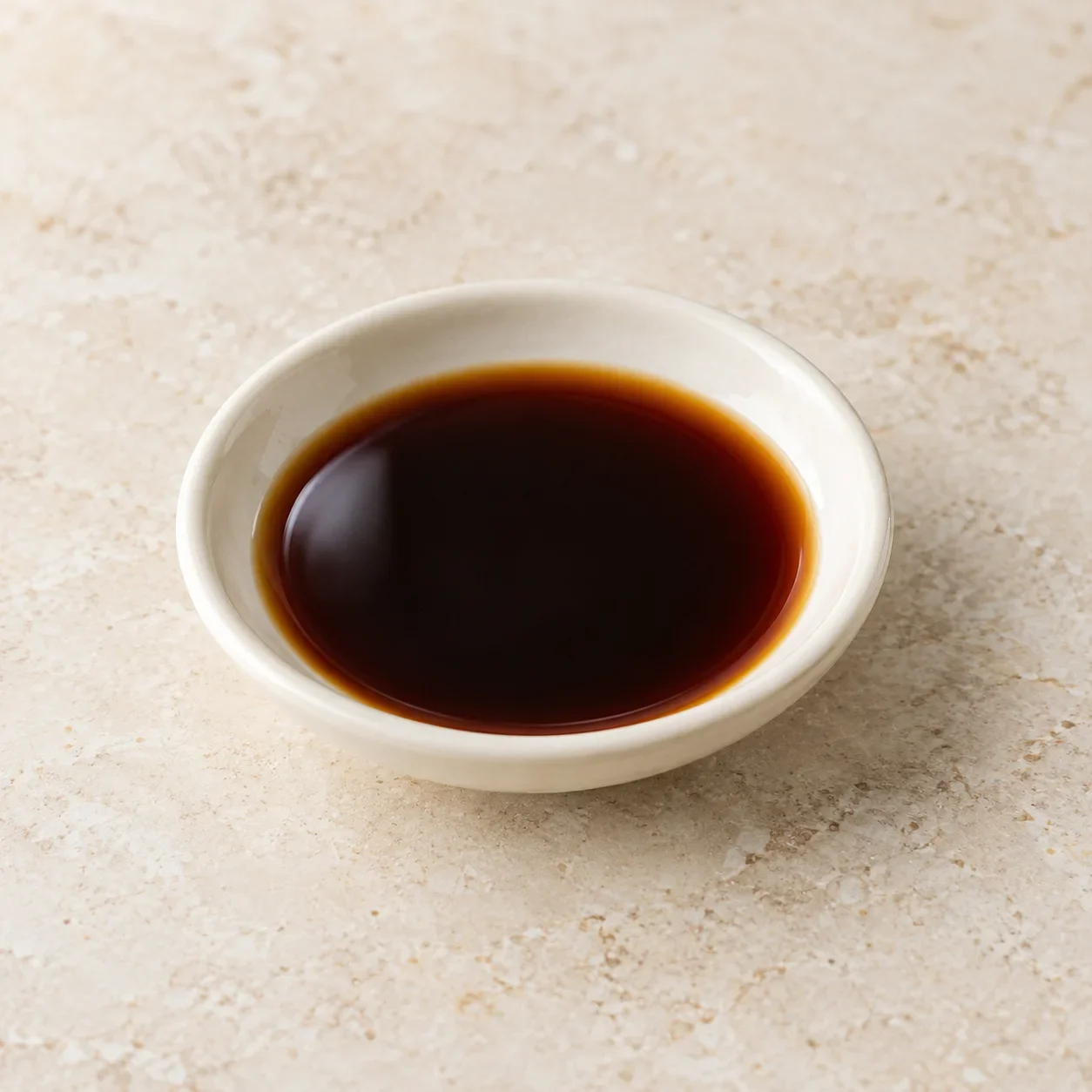
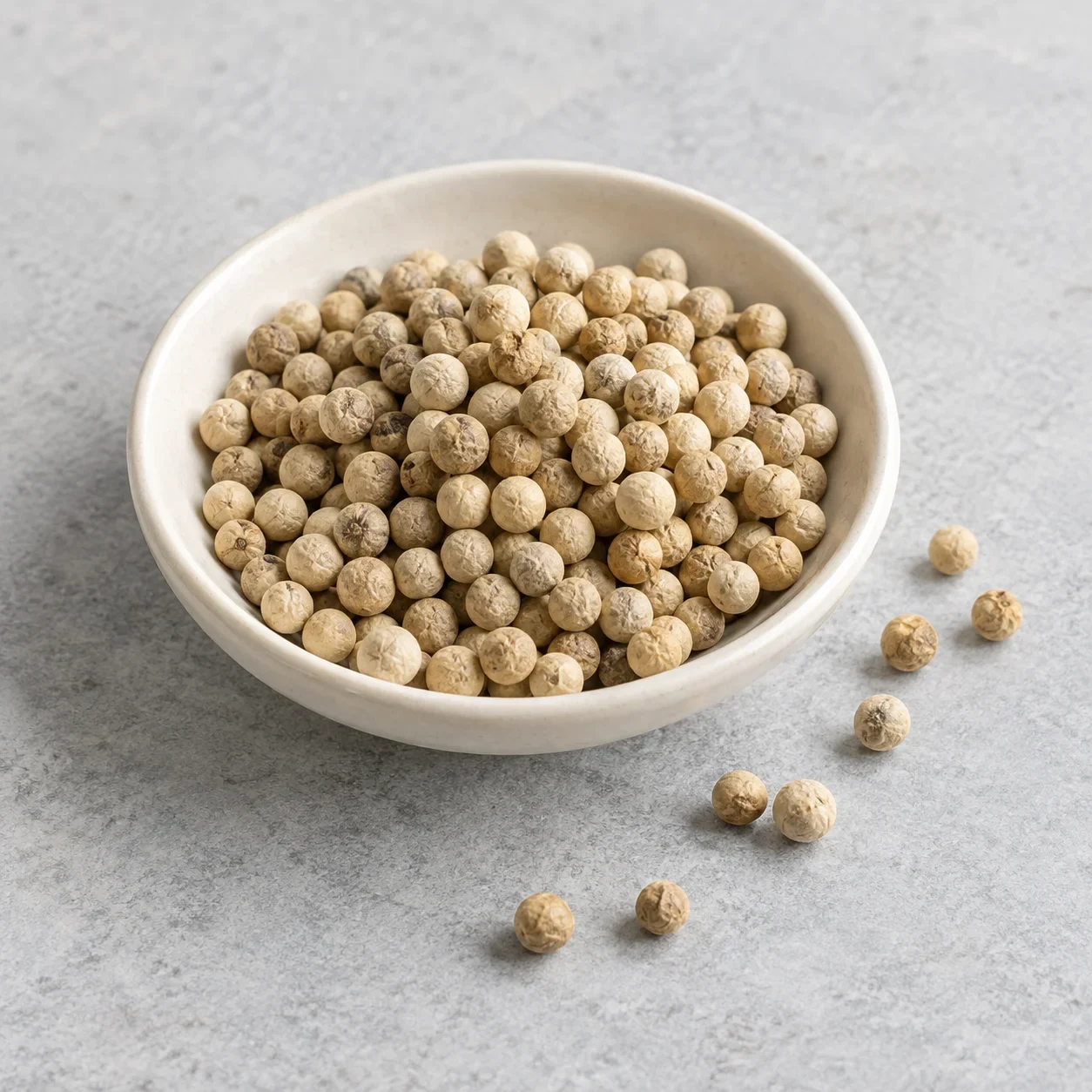
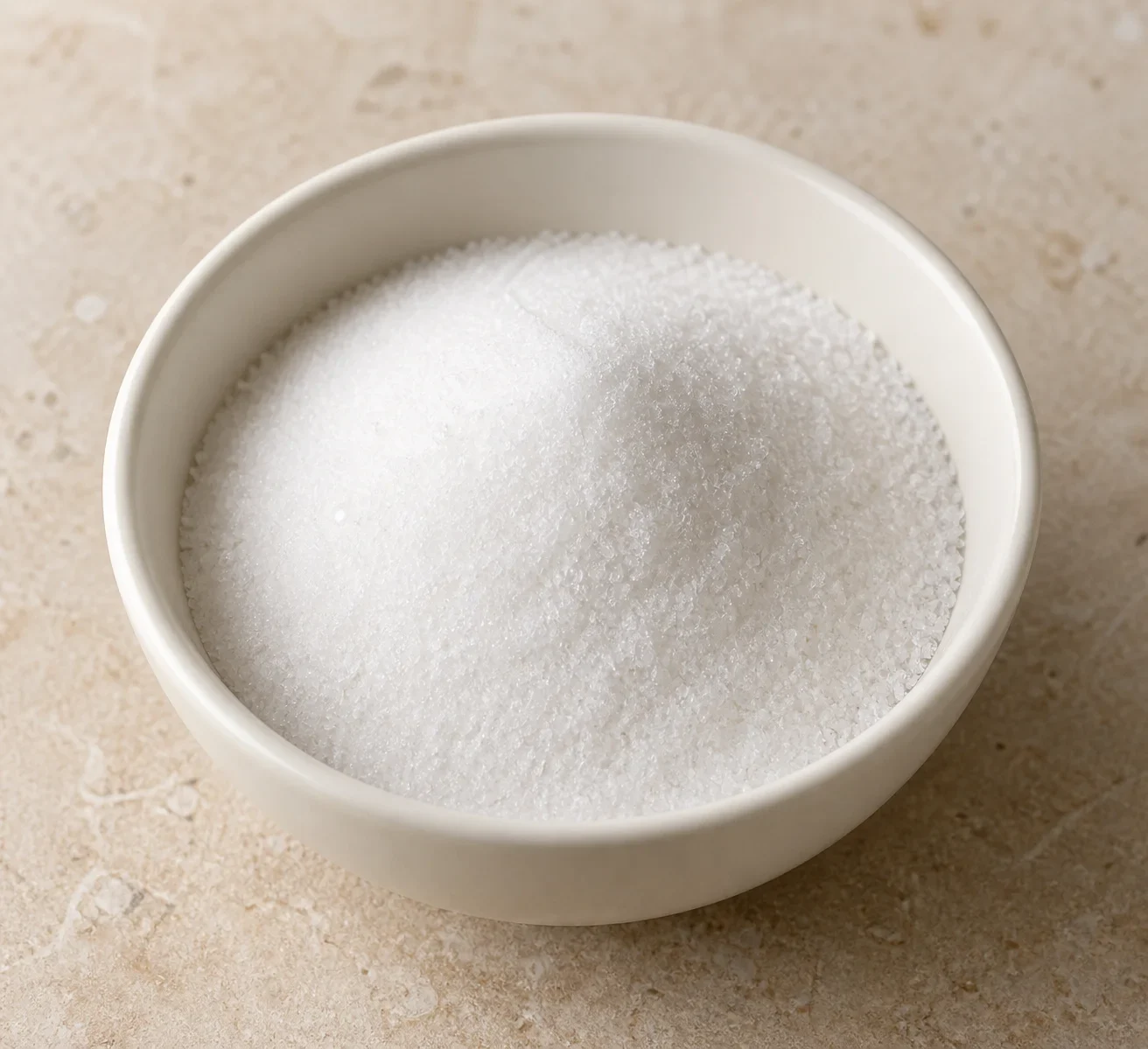

In some versions
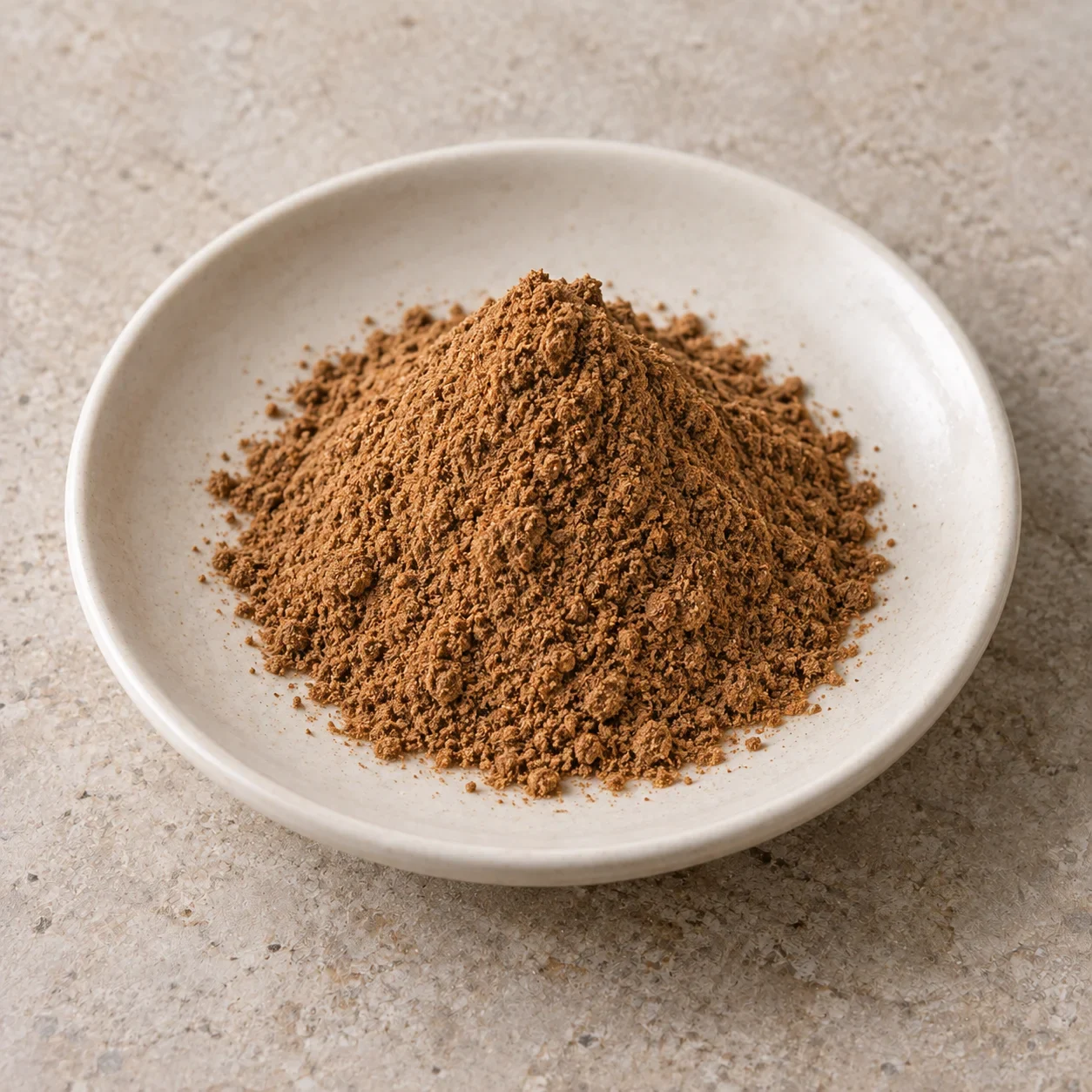
Recipes vary by restaurant.
How does it taste?
Earthy taro, savoury shrimp and shallot aroma.
- Chili heat
- Texture
- Dense, soft and chewy, with small taro pieces.
- How it’s made
- Taro and seasonings are mixed into glutinous-rice and rice flour, shaped and steamed.
Flour proportions and additions differ. Some versions use mushrooms or meat; vegetarian versions require checking the oil and fried shallots too.
A CONNECTION TO PLACE
Origin & regional roots
Associated with Taiwan.
About this regional connection
Taiwan: Yu guo qiao belongs to Taiwan’s rice-snack tradition. Its curved or rounded hand-shaped form and taro distributed through the dough distinguish it from a stuffed dumpling.
Ask if they have it first
请问你们有芋粿巧吗?
Do you have this item?
A LITTLE SOMETHING TO READ
Story & history
Taro folded into a rice cake
Yu guo qiao belongs to Taiwan’s rice-snack tradition. Its curved or rounded hand-shaped form and taro distributed through the dough distinguish it from a stuffed dumpling.