At the table
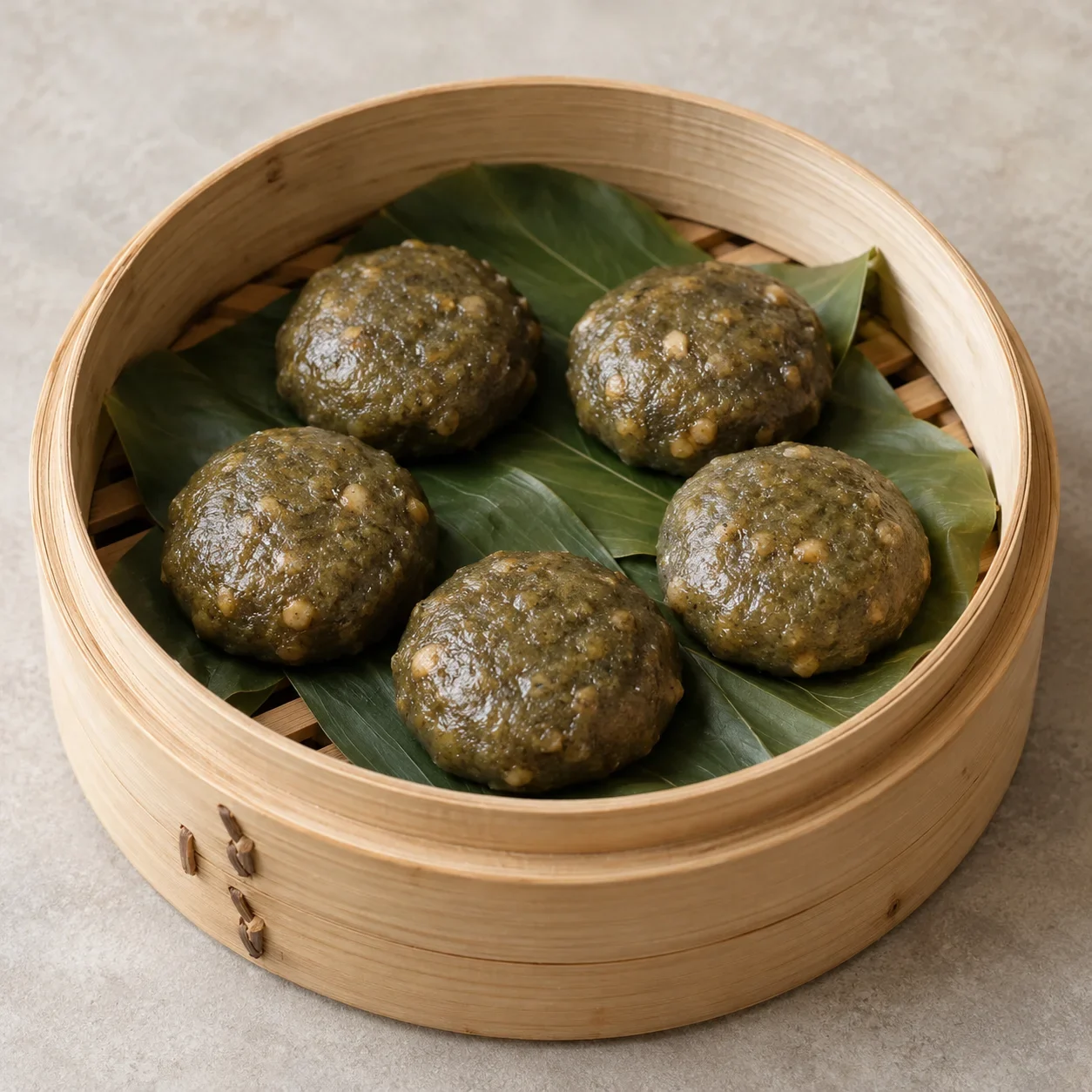
Separate the cake from its leaf liner before eating. Use chopsticks or a fork, take small bites and chew the sticky dough well.
Contains peanuts. The sticky texture may be difficult for some children or people with swallowing difficulties.
This is a sweet leaf-and-peanut version, not the savory pork or shrimp variants. Confirm fats and other additions for vegetarian or vegan diets.
GET TO KNOW THE DISH
What goes into it?
Explore some key ingredients below. Preparations may use additional seasonings and ingredients.
Cha gwo also come with other sweet or savory fillings; ask which version is being served.
Typical ingredients
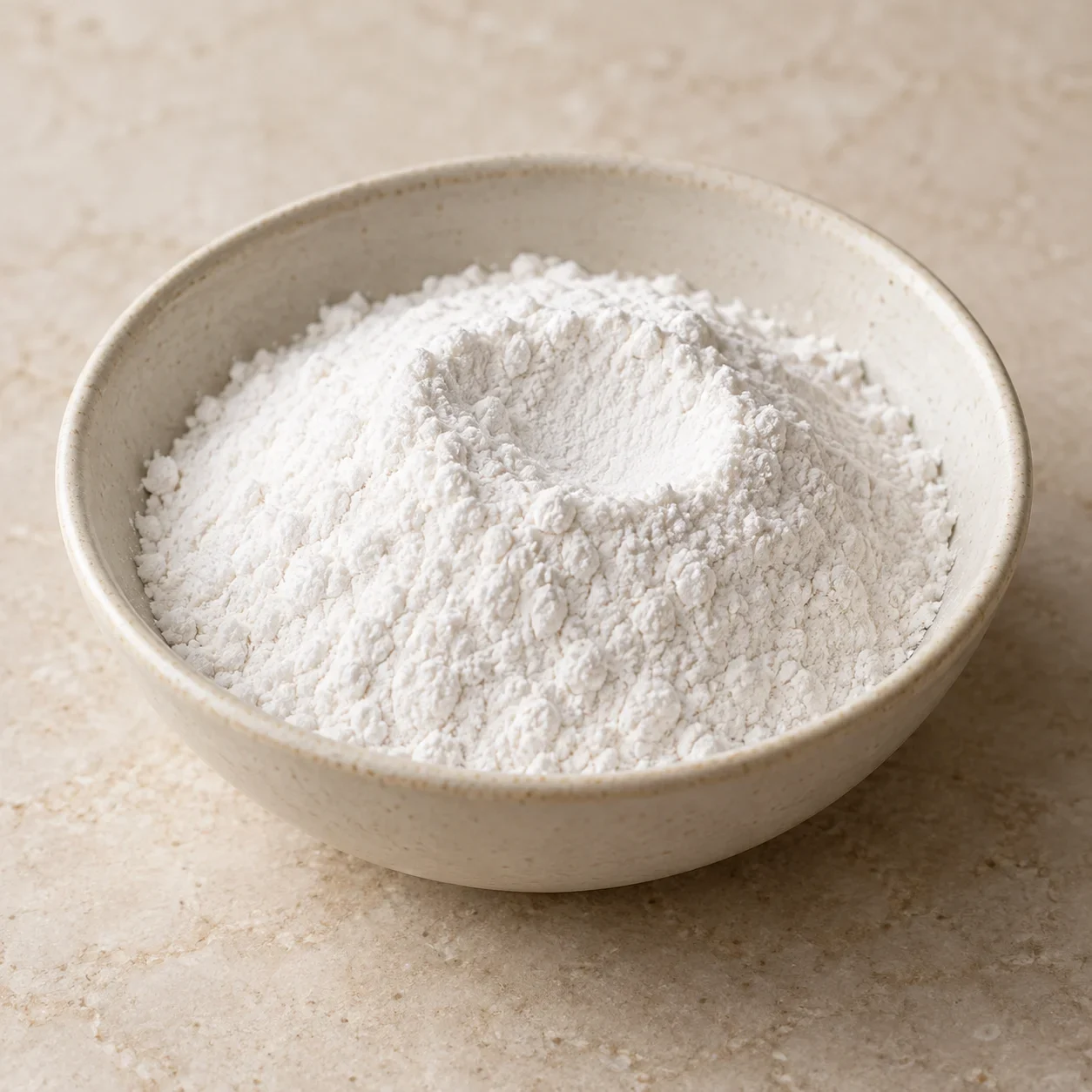
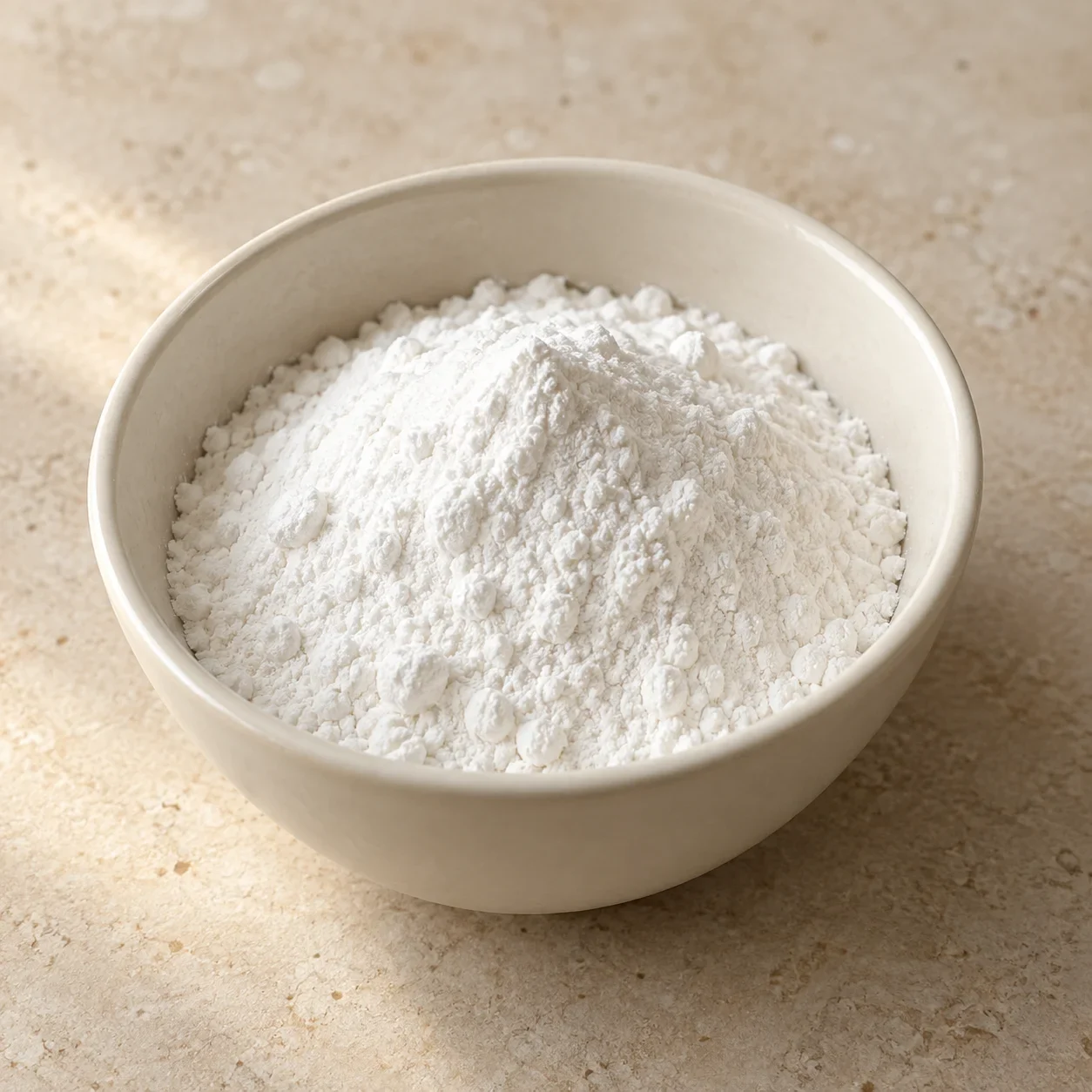
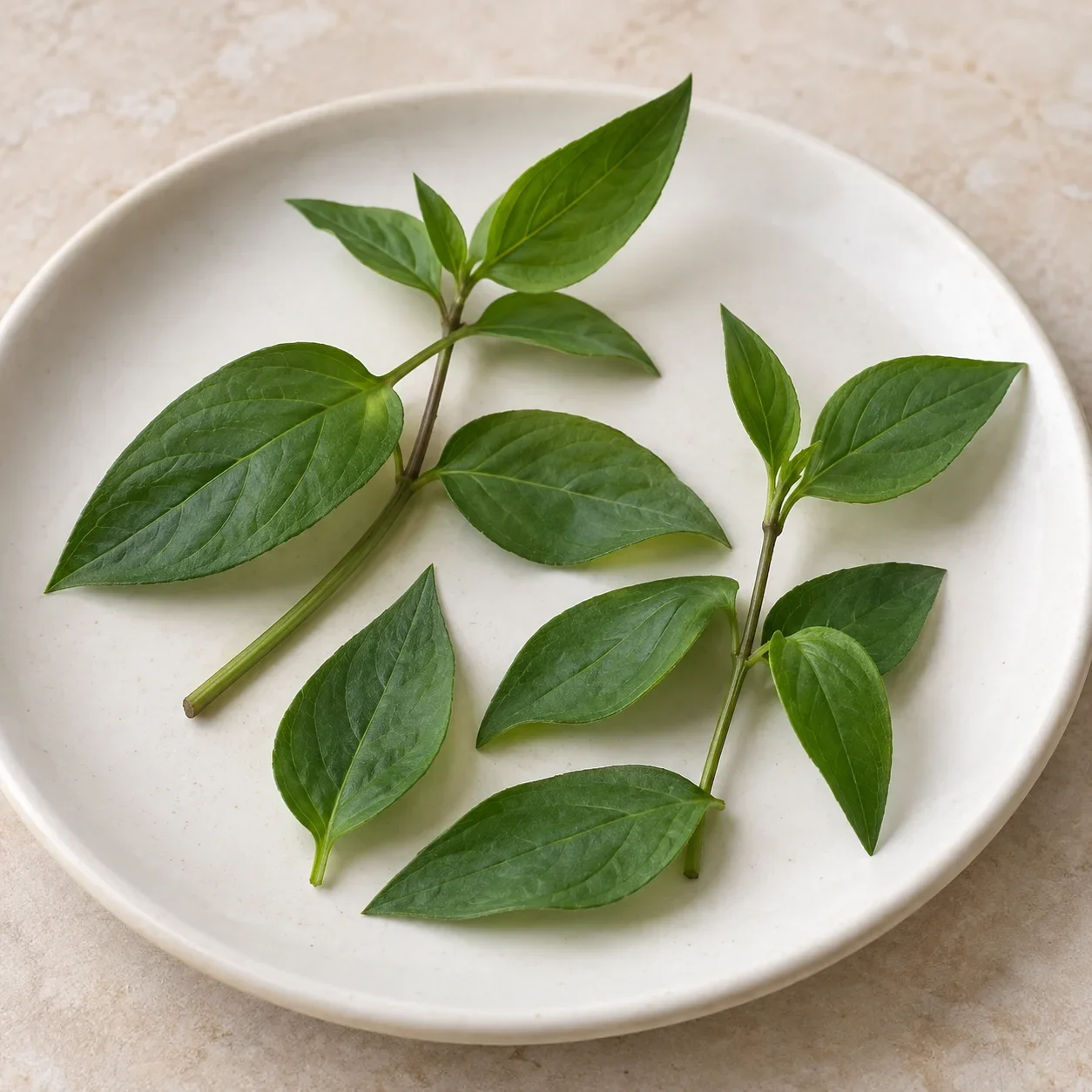
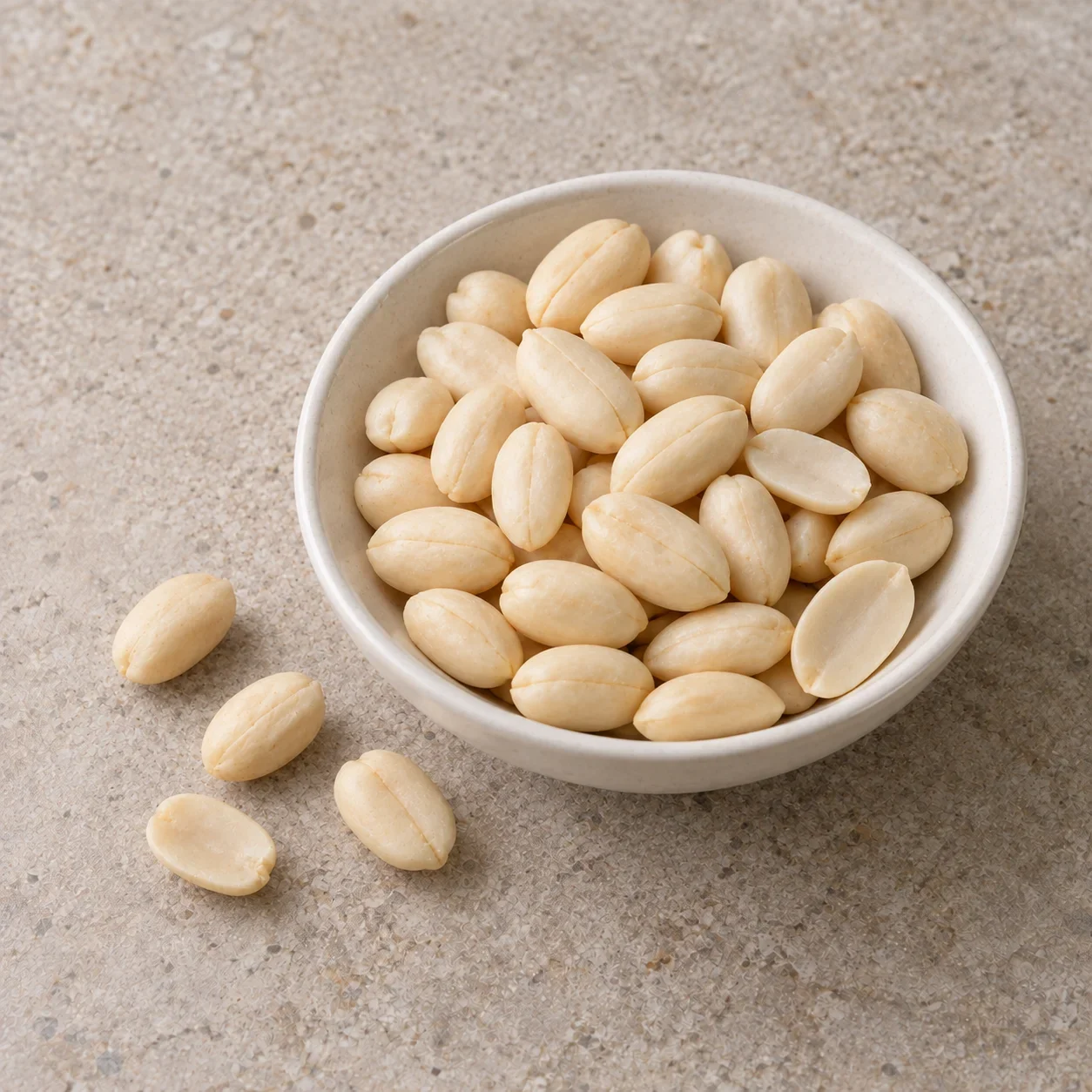
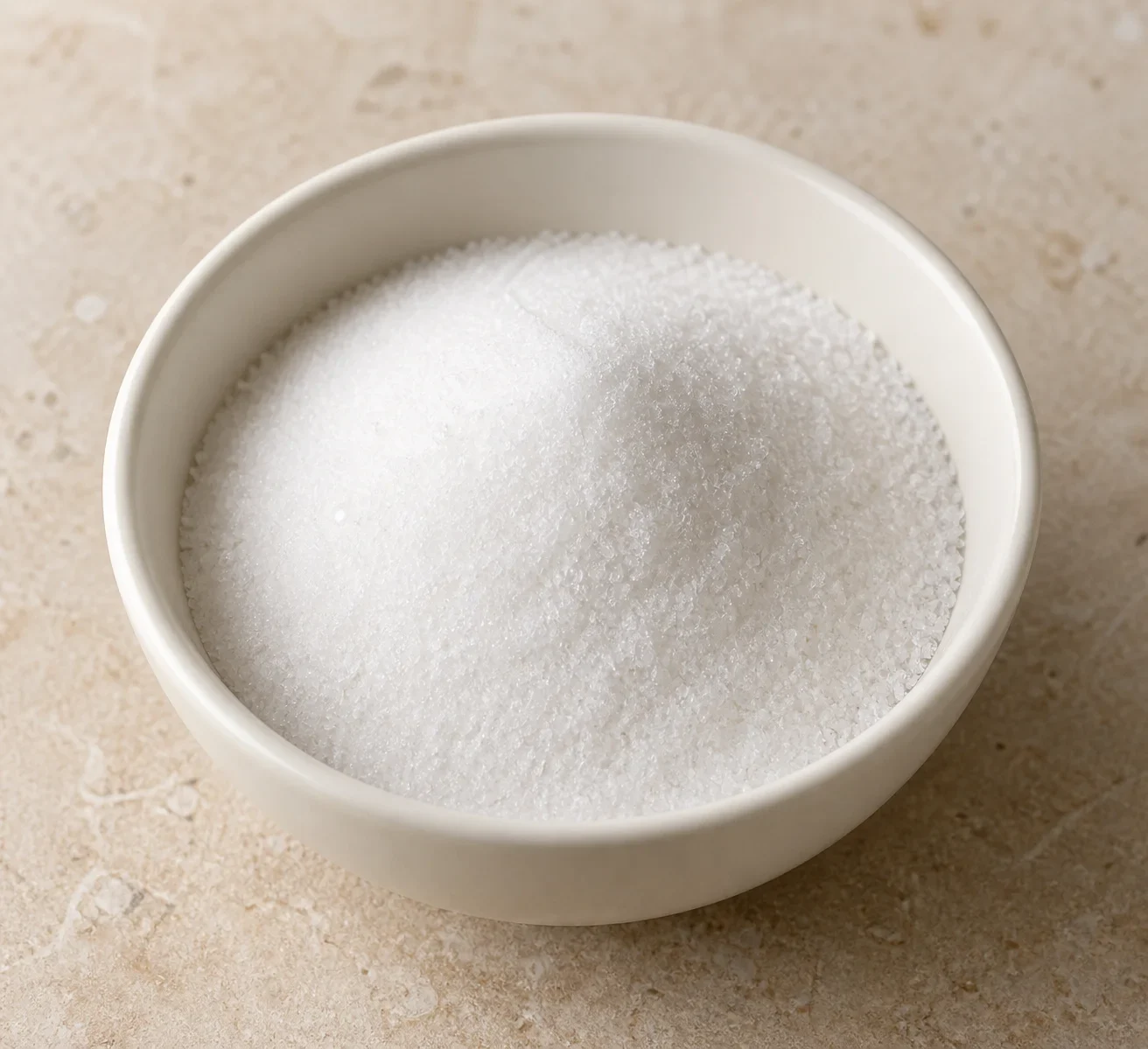
Recipes vary by restaurant.
How does it taste?
Gently sweet, with roasted-peanut and herbal aromas.
- Chili heat
- Texture
- Soft, sticky and chewy, with small peanut pieces.
- How it’s made
- Crushed jishiteng leaves are mixed with glutinous rice flour, rice flour, peanuts and sugar water, shaped and steamed on leaves.
Cha gwo also come with other sweet or savory fillings; ask which version is being served.
A CONNECTION TO PLACE
Origin & regional roots
Associated with Hong Kong.
About this regional connection
Hong Kong: Sha Tau Kok festive tea-cake source.
Ask if they have it first
请问你们有沙頭角茶果吗?
Do you have this item?
A LITTLE SOMETHING TO READ
Story & history
A festive Hakka rice cake
This account describes a tradition or story, rather than an established historical fact.
Sha Tau Kok families make cha gwo for festive occasions and as offerings. This herb-and-peanut version reflects the local tradition of steaming rice dough on leaves.