At the table
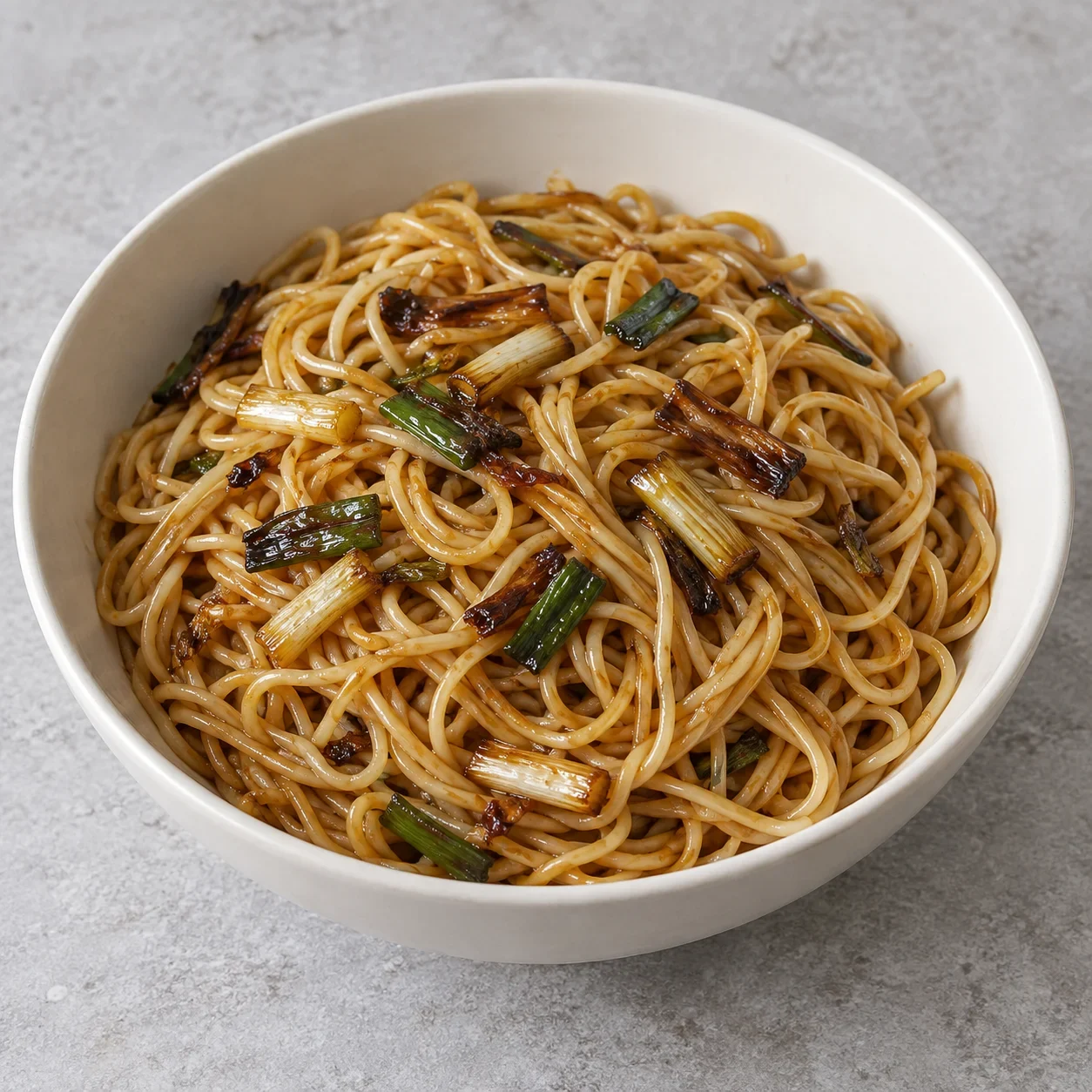
Mix the noodles well so the oil and sauce coat the strands evenly. To ask about dried shrimp, say “里面有虾米吗?” (“Are there dried shrimp in this?”).
Contains wheat and soy. Some versions add dried shrimp or egg. Ask about the noodles, oil, sauce and toppings before ordering if you have allergies or dietary restrictions.
Noodle thickness and oil type vary. Dried shrimp, sugar or a fried egg may be added. For vegetarian or vegan needs, confirm the oil, noodles, sauce and toppings.
The plain, non-chilli noodle base can be an approachable choice for children who manage noodles; serve a small portion with the strands cut to a suitable length.
Recipes vary. Ask the restaurant about ingredients and serving before you order.
GET TO KNOW THE DISH
What goes into it?
Explore some key ingredients below. Preparations may use additional seasonings and ingredients.
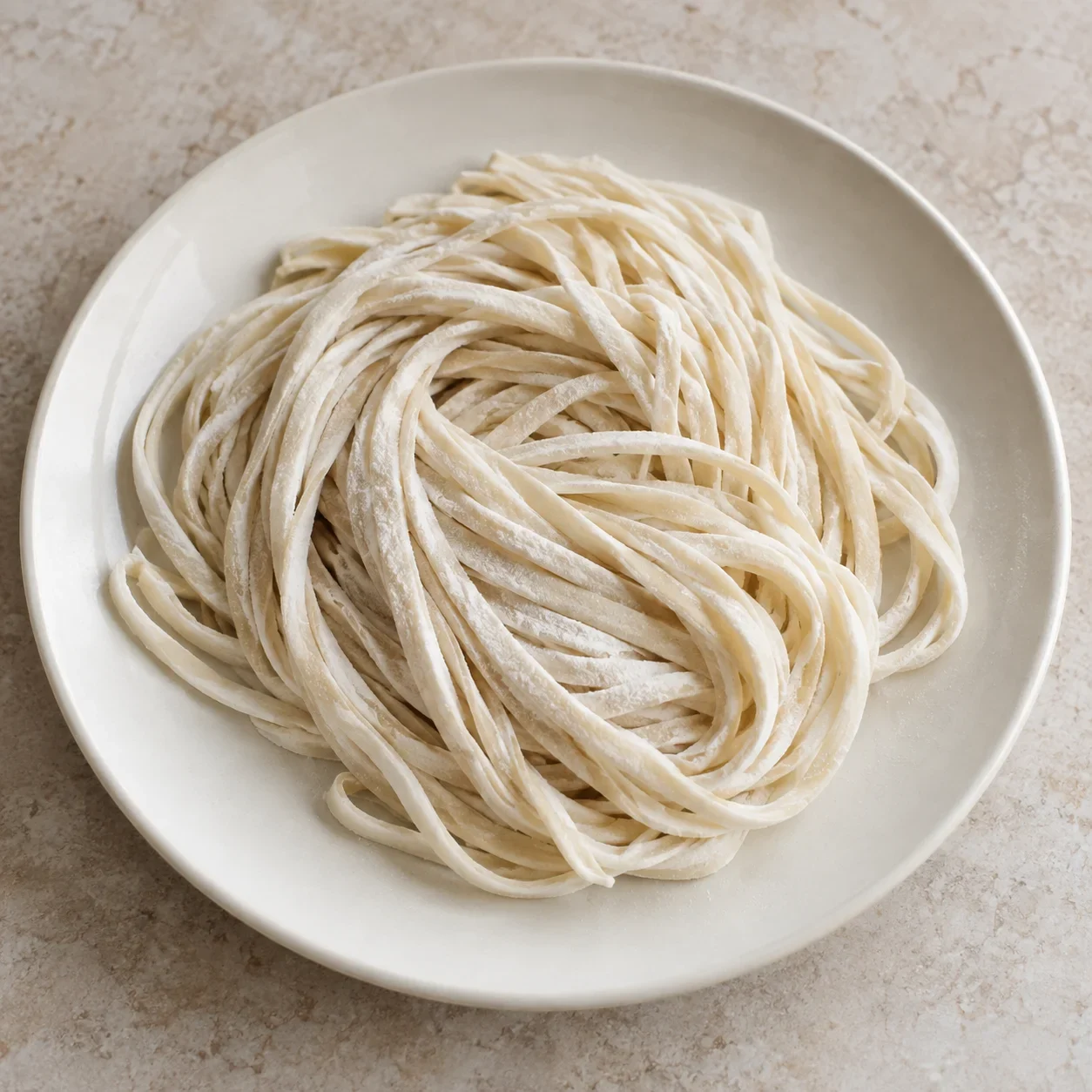
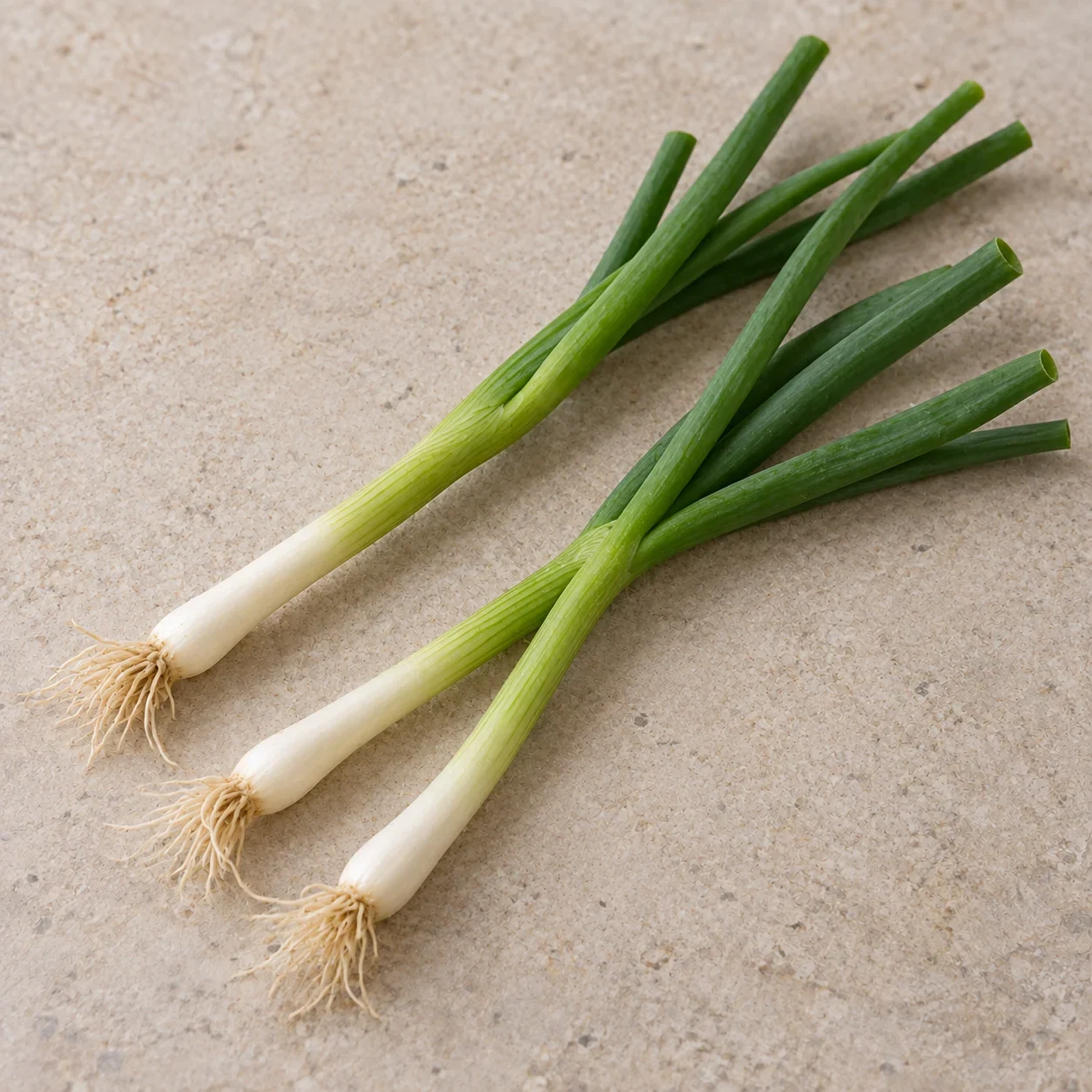
Dried shrimp and sugar are optional. Some home versions use thin dried wheat noodles and serve a fried egg alongside.
Typical ingredients
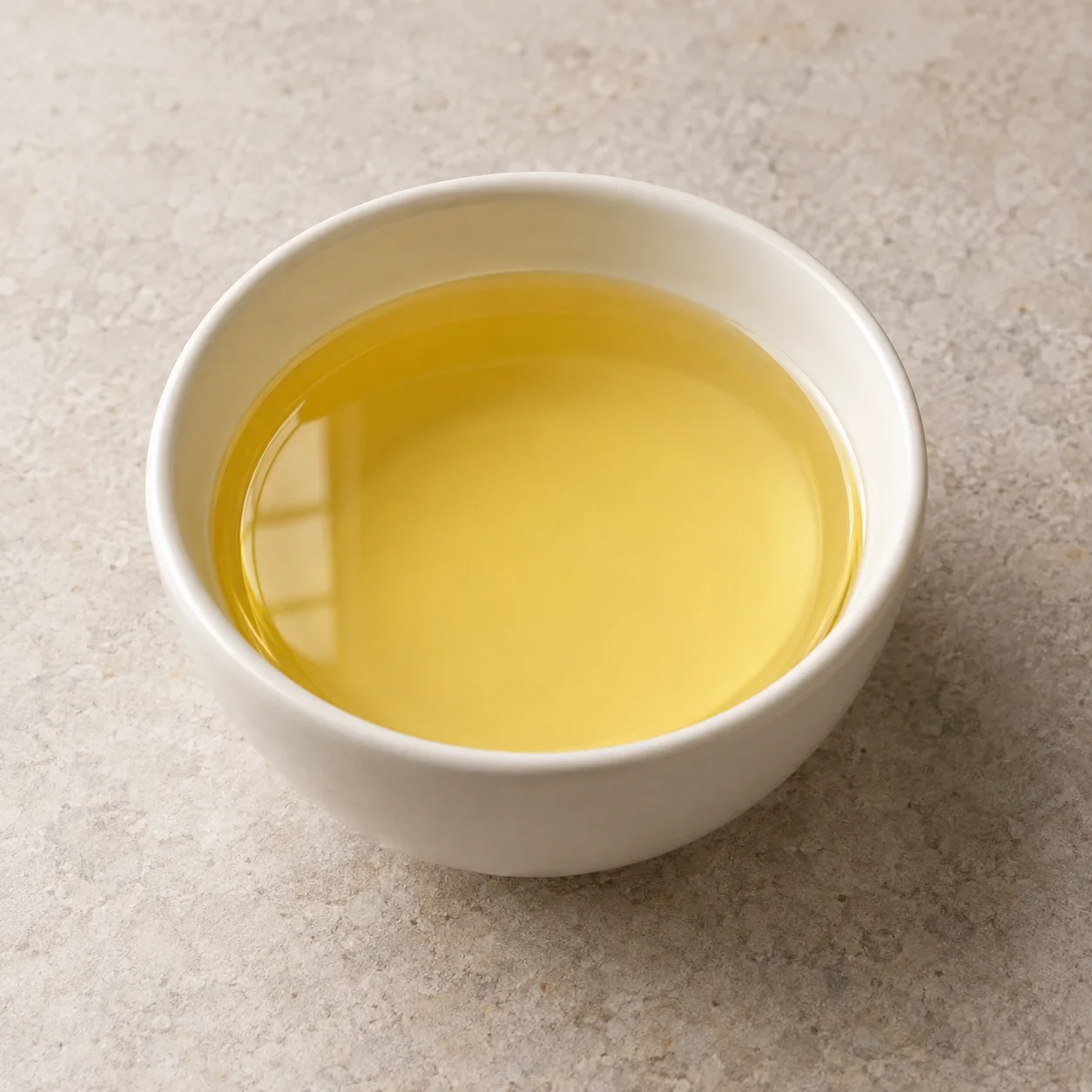
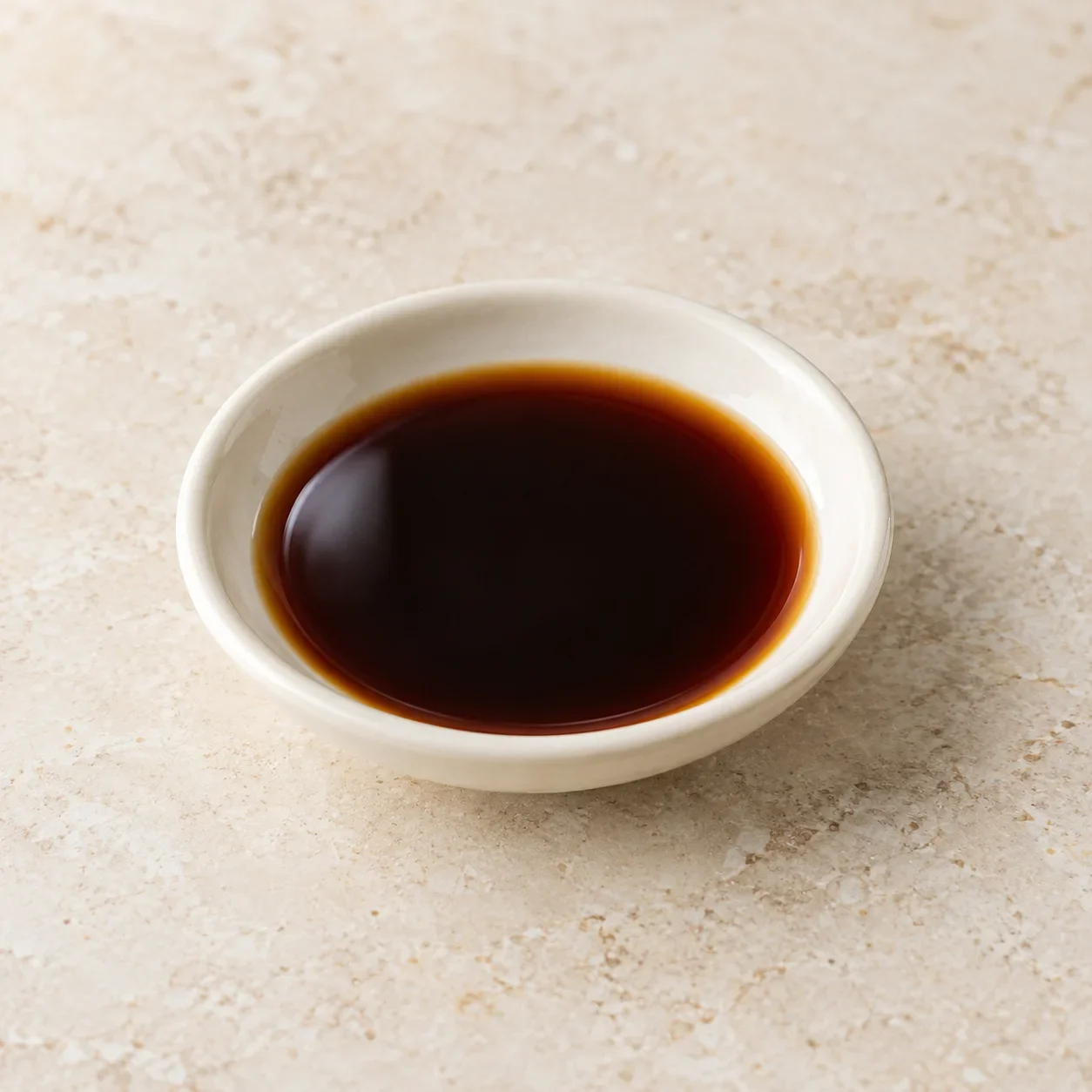
In some versions
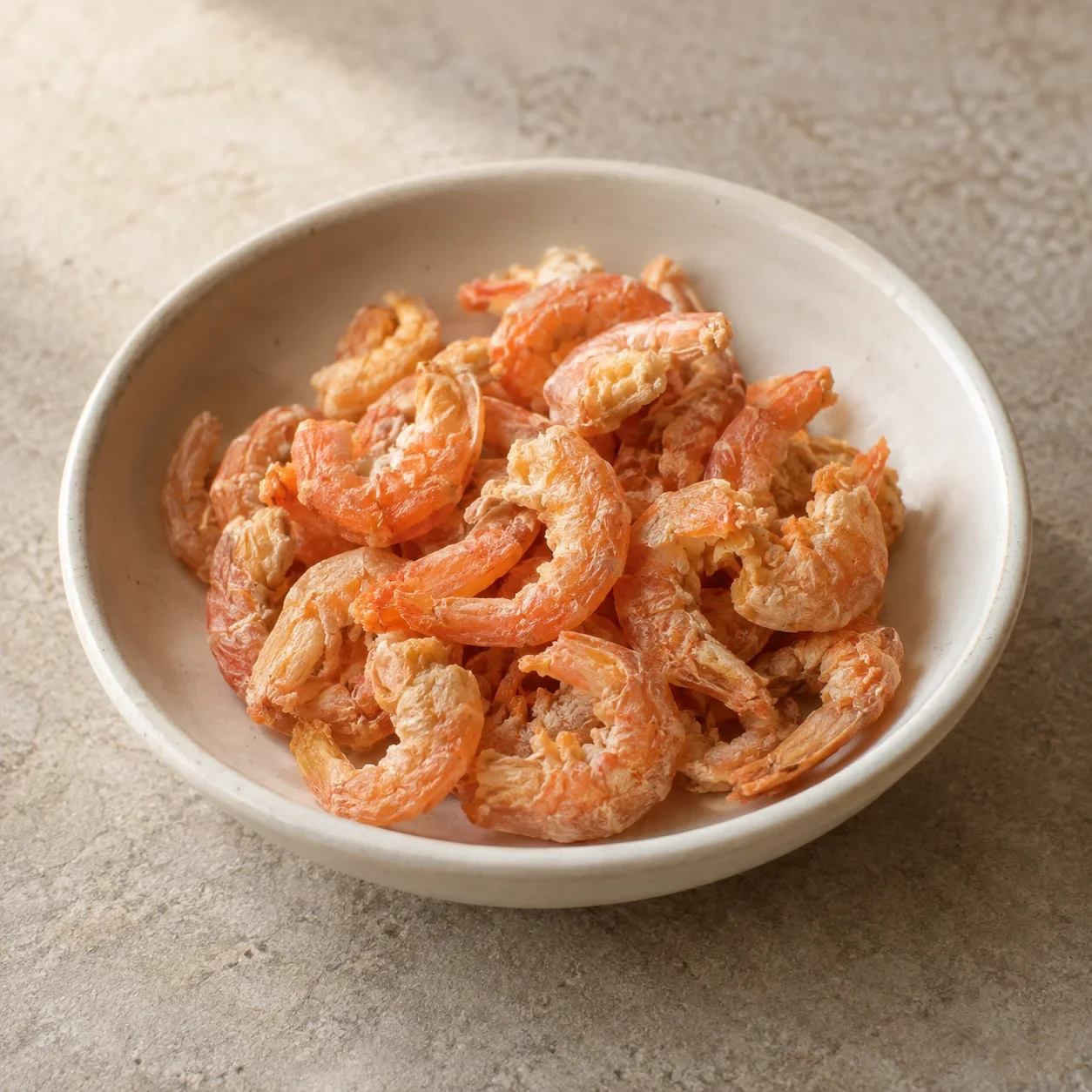

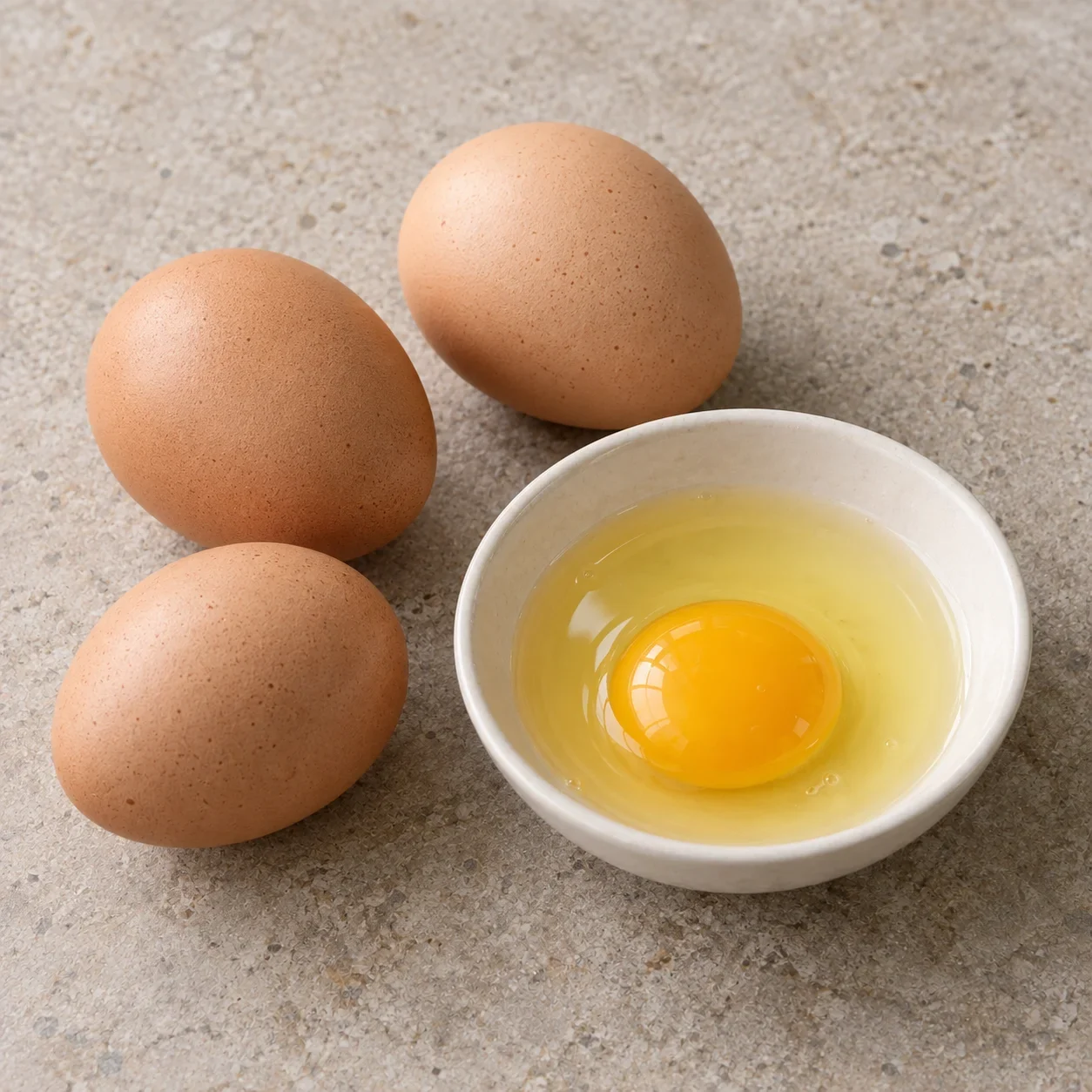
Recipes vary by restaurant.
How does it taste?
Savory, with fried scallion
- Chili heat
- Texture
- Smooth and chewy.
- How it’s made
- Slowly fry scallions in oil; toss with cooked noodles and soy sauce.
Dried shrimp and sugar are optional. Some home versions use thin dried wheat noodles and serve a fried egg alongside.
A CONNECTION TO PLACE
Origin & regional roots
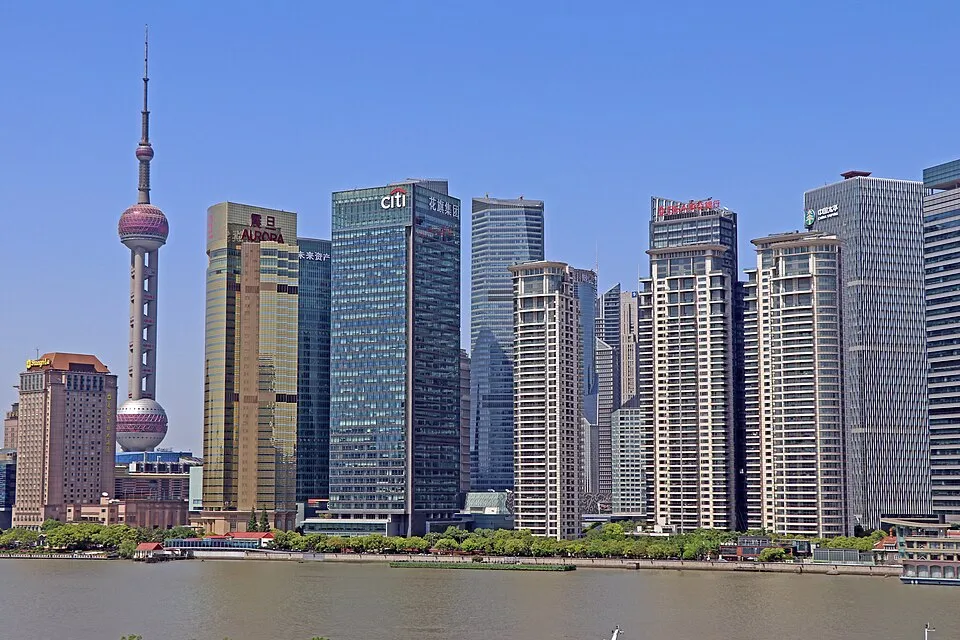
Associated with Shanghai.
Ask if they have it first
请问你们有葱油拌面吗?
Do you have this item?
A LITTLE SOMETHING TO READ
Story & history
An everyday Shanghai noodle bowl
This account describes a tradition or story, rather than an established historical fact.
Scallion oil noodles show how simple ingredients shape Shanghai comfort food. Scallions are slowly fried to scent the oil; the cooked noodles are then tossed, so 拌 (bàn) means mixing rather than stir-frying the noodles. Some bowls stay plain, while others gain dried shrimp or an egg alongside.