Three days at a glance
- Day 1: Yu Garden, Nanjing Road and the Bund
- Day 2: Shanghai Museum East and Lujiazui
- Day 3: Wukang Road and a flexible afternoon
Before you set out
This itinerary is for a first visit with three full days, a central base and a comfortable walking pace. The morning, afternoon and evening blocks are suggested allocations, not fixed bookings or guaranteed journey times. Keep a separate allowance for reaching the airport or railway station.
Choose the order after checking the calendar: Yu Garden normally closes on Mondays and Shanghai Museum East on Tuesdays, with public-holiday exceptions. Use each place’s Chinese name in your map app, check the actual entrance and current transport route, and leave room for queues and rest stops. The museum here is the East branch in Pudong, not the branch at People’s Square.
Day 1: Yu Garden, Nanjing Road and the Bund
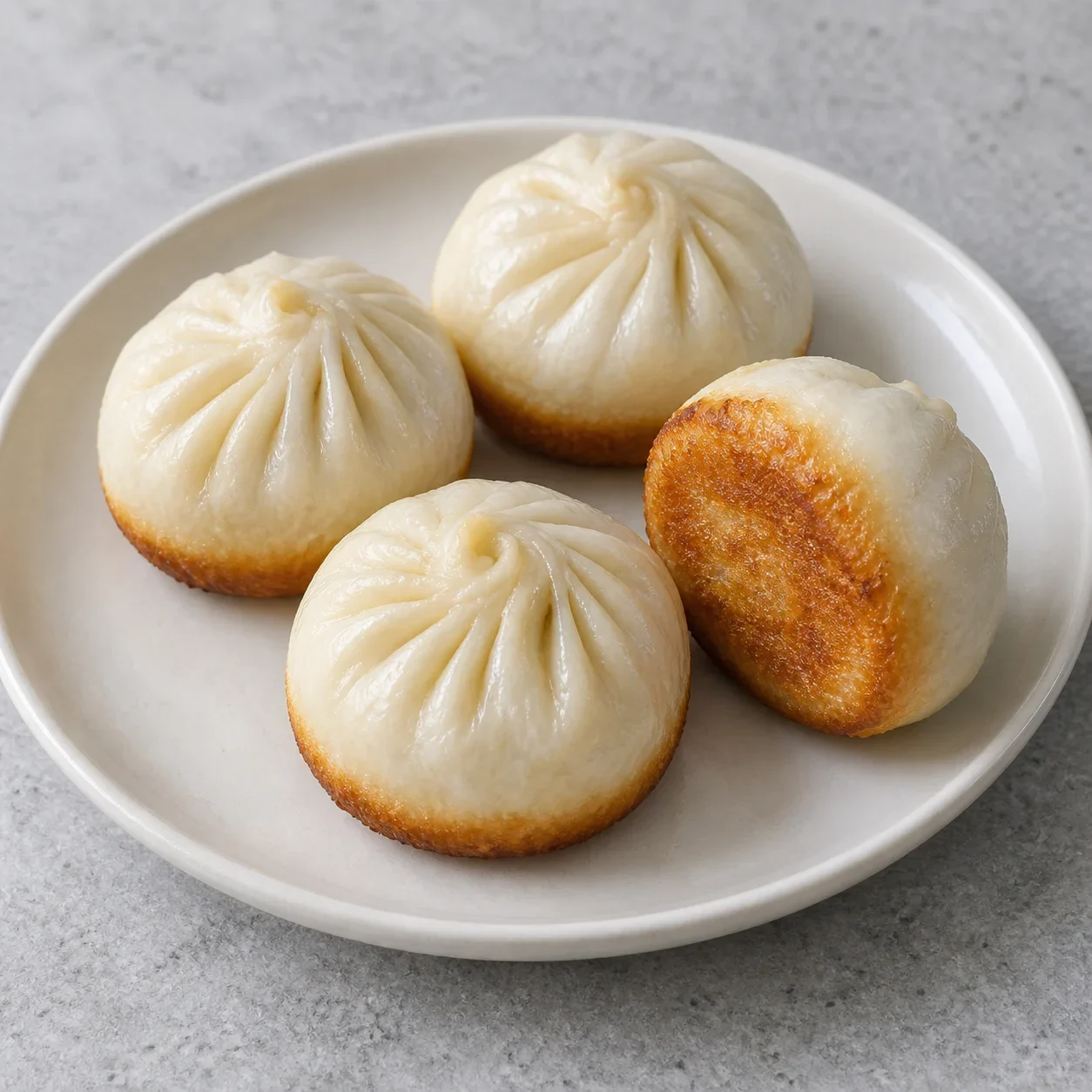
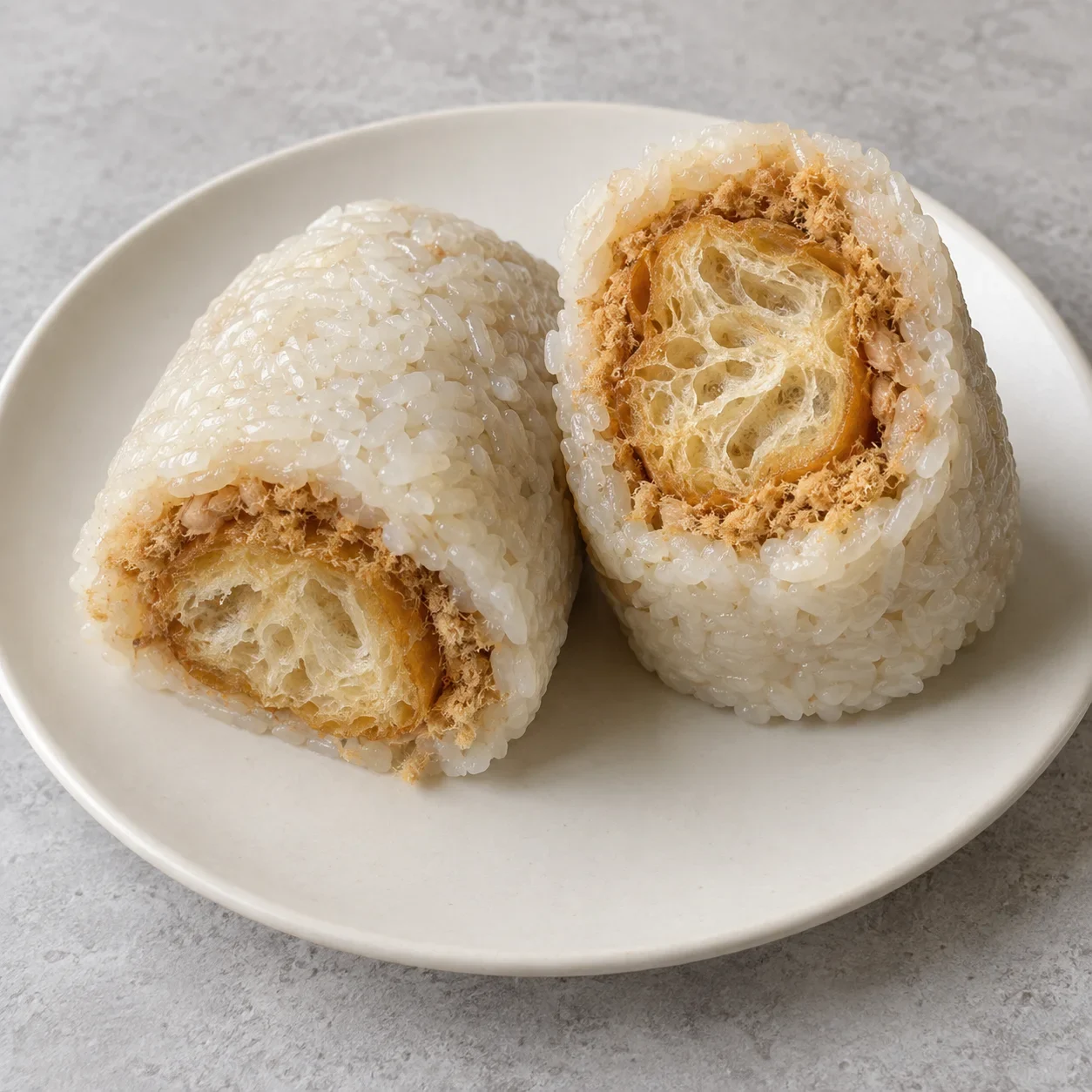
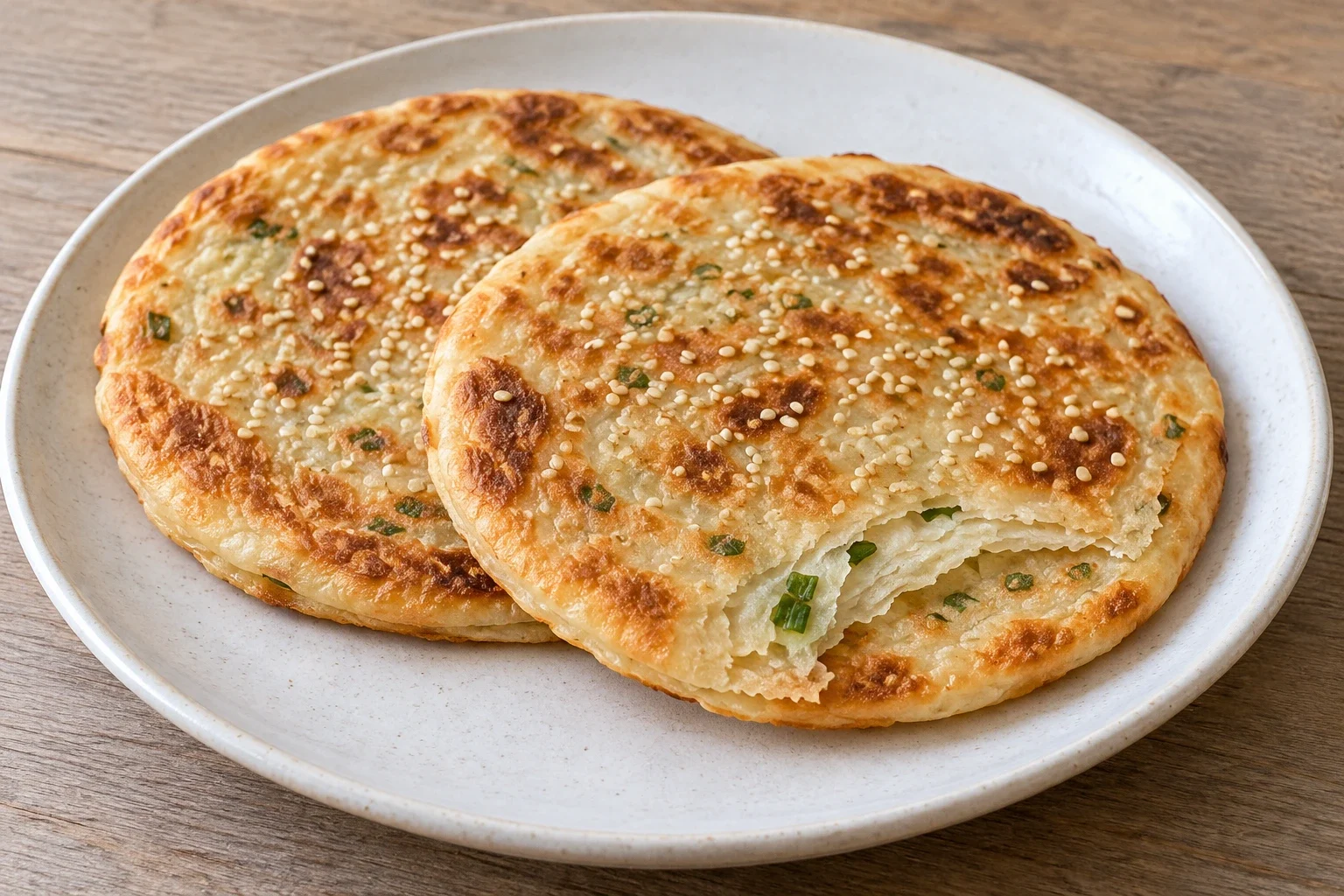
Start with breakfast near your accommodation: choose a small portion of cifantuan (粢饭团) or shengjian bao (生煎包), then head to the Yu Garden area. If visiting the paid garden, put it in the morning. Its published daytime hours are 09:00–16:30, with last admission at 16:00. The surrounding bazaar and the garden are separate visits; evening shopping does not mean the garden is open.
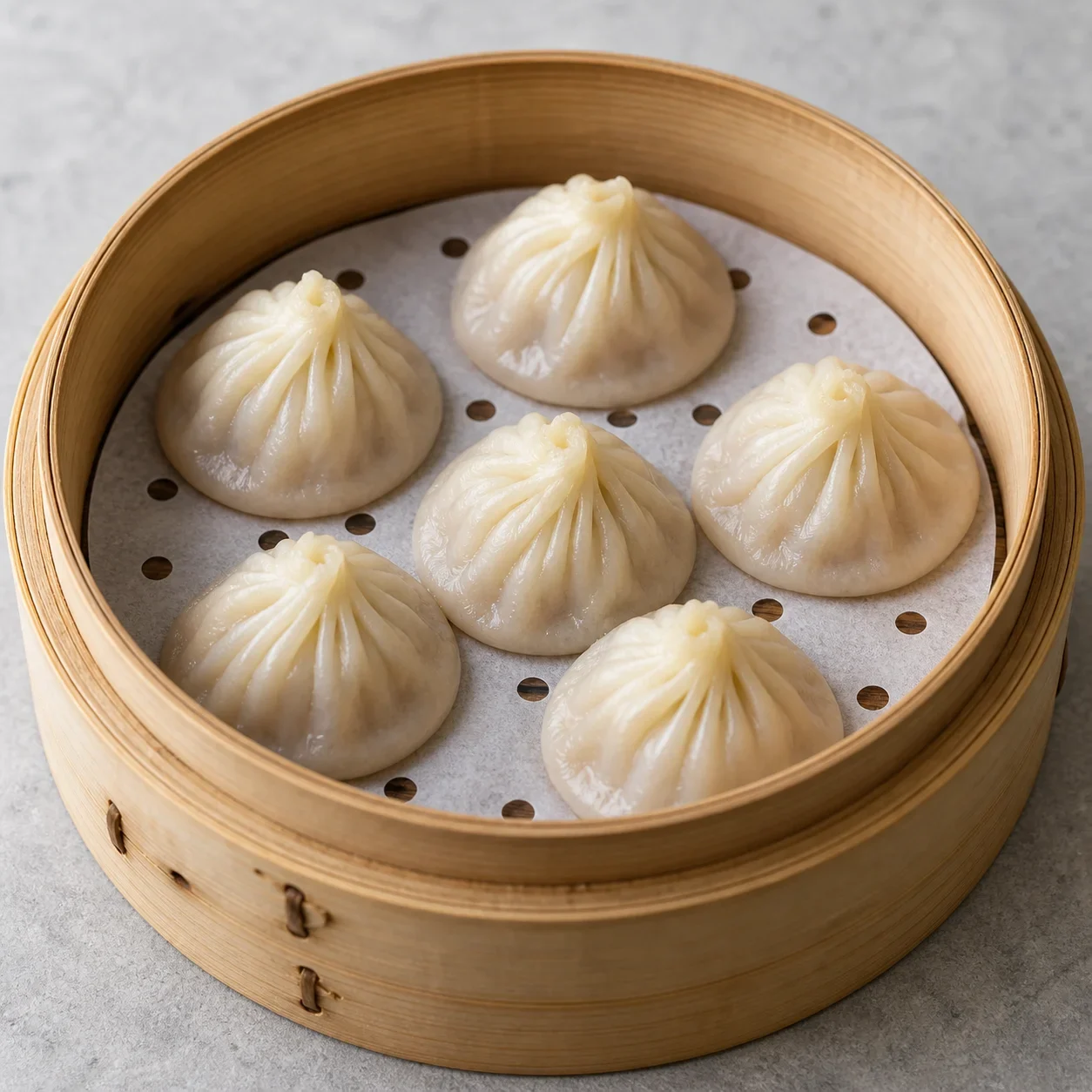
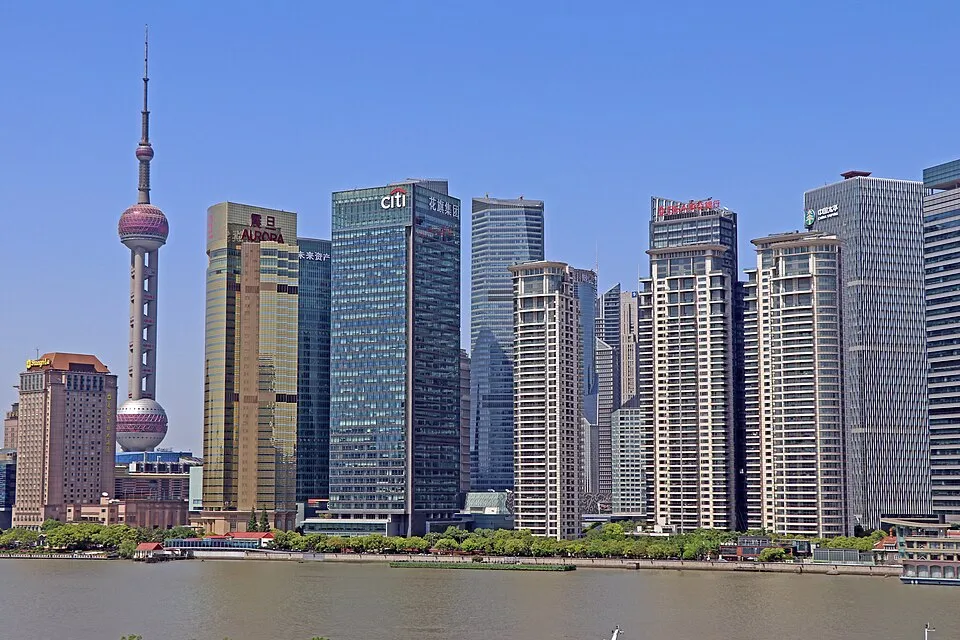
After lunch, move to East Nanjing Road for a short stroll and continue toward the Bund for river views in the late afternoon or evening. Check the route between the old city and Nanjing Road rather than assuming all three stops are next door. If tired, shorten the shopping walk. Xiaolongbao (小笼包) can be a lunch choice where offered; compare portions and the menu before ordering instead of treating the busiest queue as a recommendation.
Day 2: Shanghai Museum East and Lujiazui
Have breakfast before a morning visit to Shanghai Museum East (上海博物馆东馆), at 1952 Century Avenue. The published schedule is 10:00–18:00, last entry 17:00, closed Tuesdays except national holidays. Ordinary individual visits currently need no reservation, but bring an original valid ID; special exhibitions and some interactive galleries have separate arrangements. Pick a few galleries rather than trying to cover the whole building.
Leave time for lunch and a separate metro or taxi journey to Lujiazui (陆家嘴): the museum and waterfront are not one adjacent walking stop. Spend the later afternoon by the river. A tower observation deck is optional; check its ticket and opening conditions separately. Keep dinner on this side of the river if convenient, or return toward your accommodation, without adding another cross-city food detour.
Day 3: Wukang Road and a flexible afternoon
Start with Wukang Building (武康大楼) and a relaxed walk along Wukang Road (武康路). This is a street-and-neighbourhood visit, not a promise of access inside historic buildings. Allow time for crossings, photographs and a seated break, and keep residential entrances clear. A nearby lunch stop is more useful here than a fixed restaurant across town.
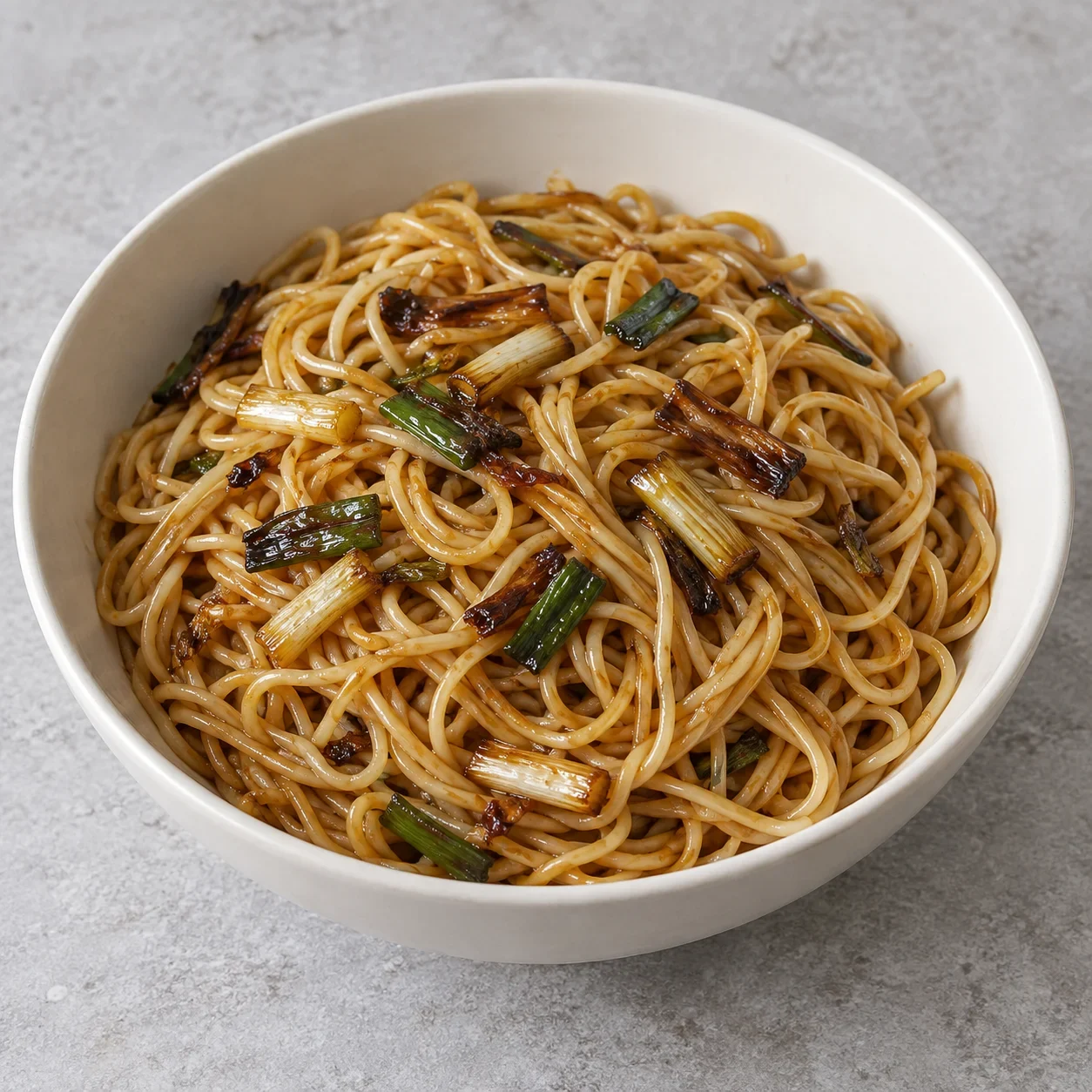
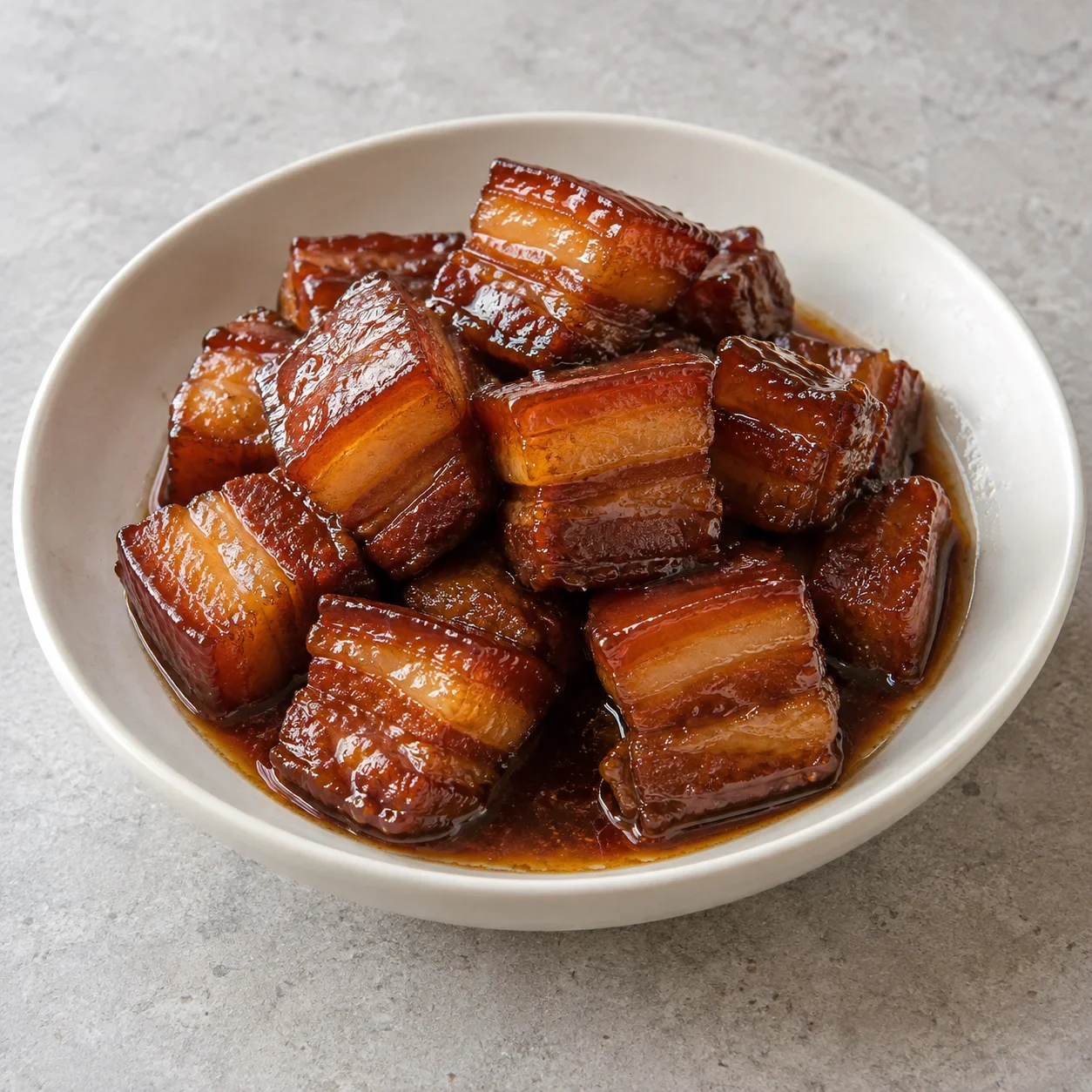
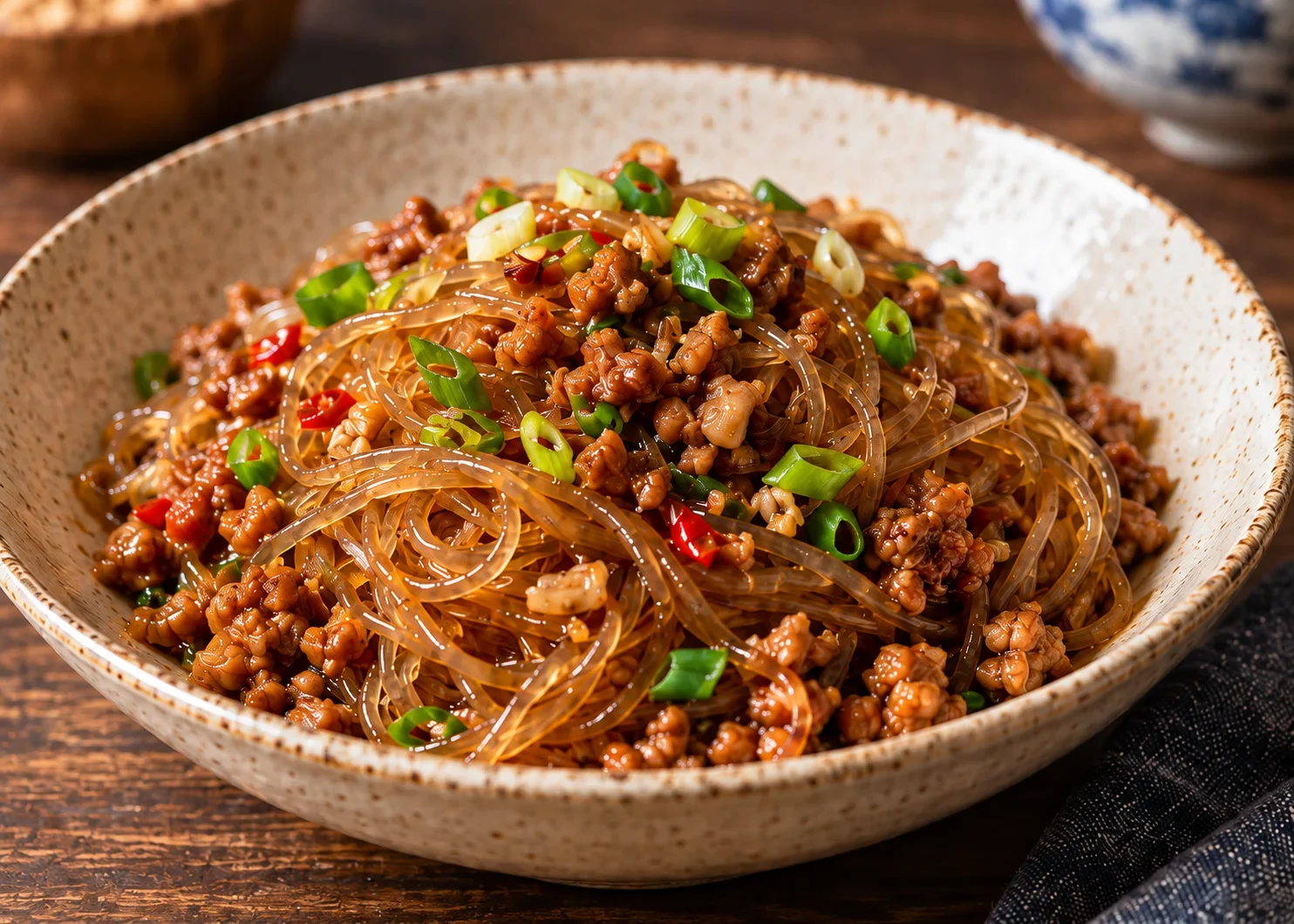
Keep the afternoon open for a favourite neighbourhood, an indoor stop you have checked, or extra time at a meal. If Shanghai food is your priority, use it to try something different from day one: scallion-oil noodles (葱油拌面) or a shared meal including red-braised pork (红烧肉), where the menu offers them. On a departure day, keep this optional block close to your luggage and onward transport.
Rain, closing days and shorter stays
If day one is Monday, move the paid garden visit to another open day or keep only the surrounding streets and Bund. If the museum day is Tuesday, exchange it with the Wukang Road day, then recheck all opening days. Holiday notices can override regular schedules. The three day numbers are a framework, not a requirement to visit in that order.
For rain or heat, shorten exposed riverside walks and use the museum on a day it is open; do not squeeze missed outdoor stops into the same evening. With children or less walking, choose one main attraction per half-day and take transport between areas. With only two full days, select two routes. Arrival and departure fragments should not be counted as three full sightseeing days.
Make meals part of the route
Choose food by meal, not as a checklist to finish: one breakfast staple with doujiang (豆浆), one dumpling meal, and one relaxed shared dinner are enough to start. Fillings, sauces and portion sizes vary; ask about ingredients and quantities at the actual restaurant. These are dish ideas, not claims that a particular restaurant stocks them or suits a dietary restriction.
Open the Shanghai food and breakfast guides below before leaving, and save the dishes you want to recognise on menus. Add a few to your existing food Trip, then return to the list when choosing lunch. Keep the itinerary for route decisions and the food pages for Chinese names, ingredients and ordering; you can use the website without installing the app.
Official visitor information · checked 28 October 2026
Phrases to show at the table
一份有几个?
How many pieces are in one portion?
这里面有什么食材?
What ingredients are in this?
Turn curiosity into a shortlist.
Pick one food you are curious about and keep its Chinese name with your notes. Use the questions above when you compare it with a restaurant menu.
Explore Shanghai food