At the table
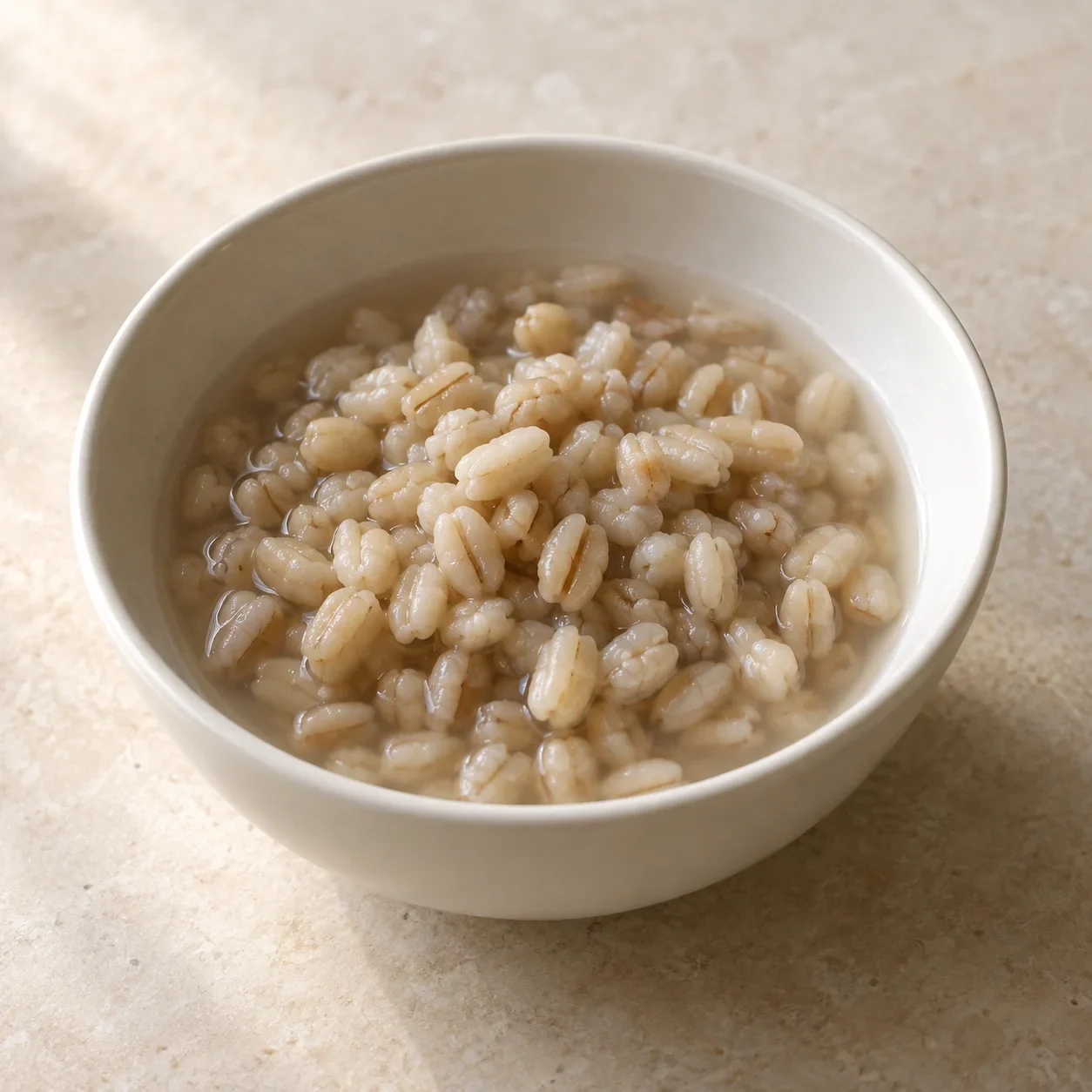
Stir gently, spoon up the grains and sip the liquid. To ask which grain is used, say “是青稞的还是燕麦的?” (Is it made with highland barley or oats?).
Fermentation can produce alcohol; do not assume this is alcohol-free. Barley contains gluten. Check the starter and any added toppings for your dietary needs. It is not a general recommendation for children.
The pictured plain barley version has no chili. Oats can replace barley; they are not a required addition. Milk tea and yogurt versions add different ingredients.
GET TO KNOW THE DISH
What goes into it?
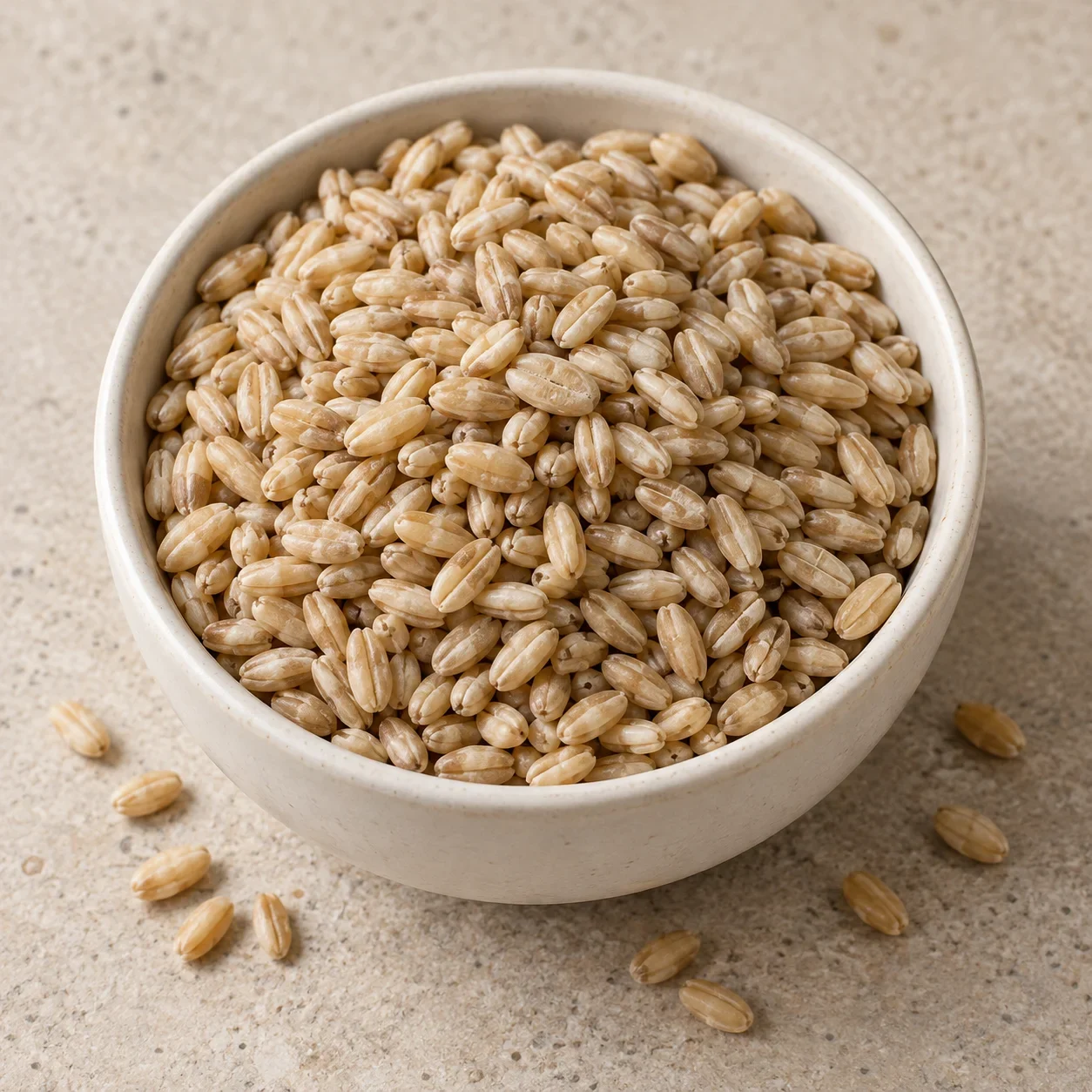
Explore some key ingredients below. Preparations may use additional seasonings and ingredients.
More liquid makes a drink-like serving; thicker servings are eaten with a spoon.
Typical ingredients
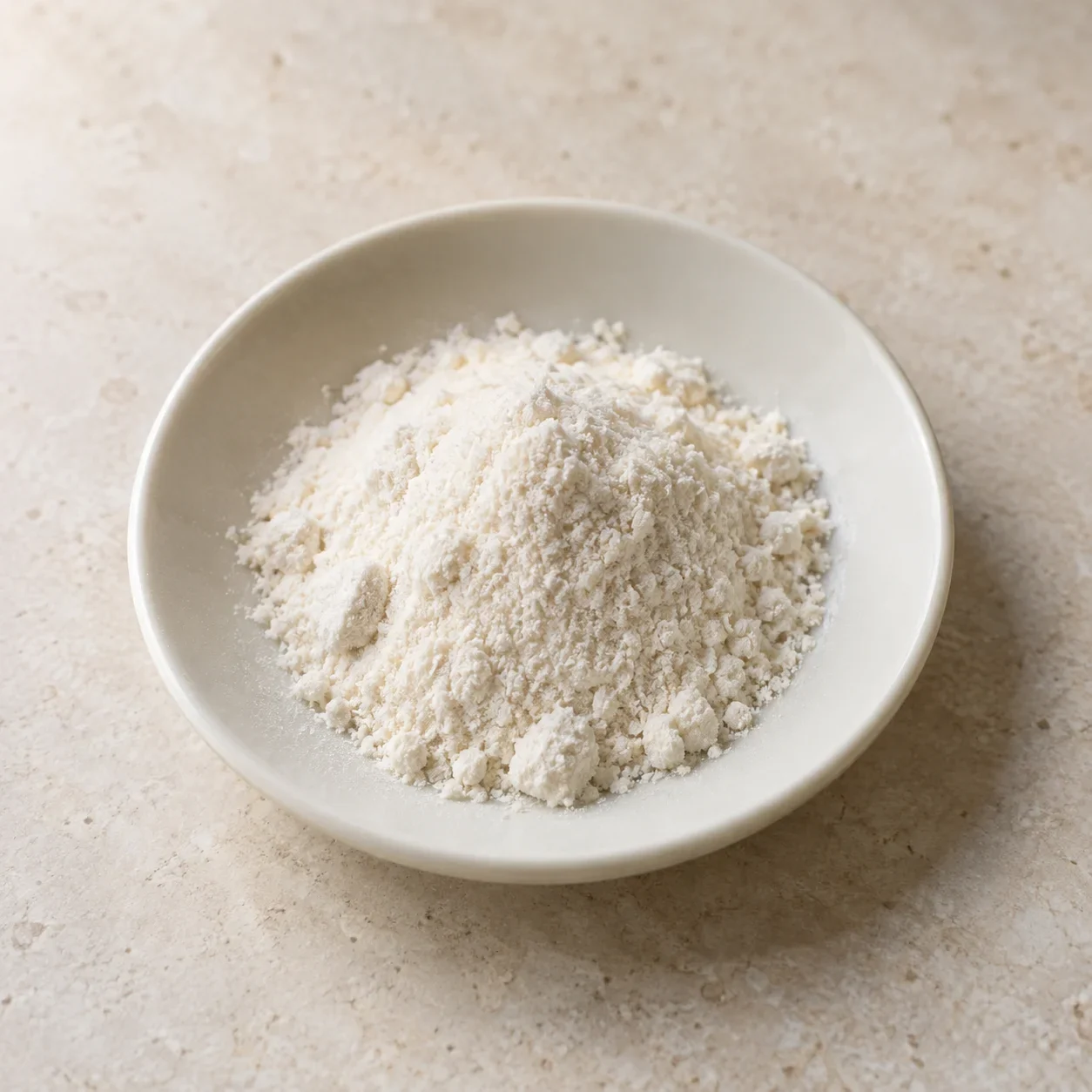
In some versions
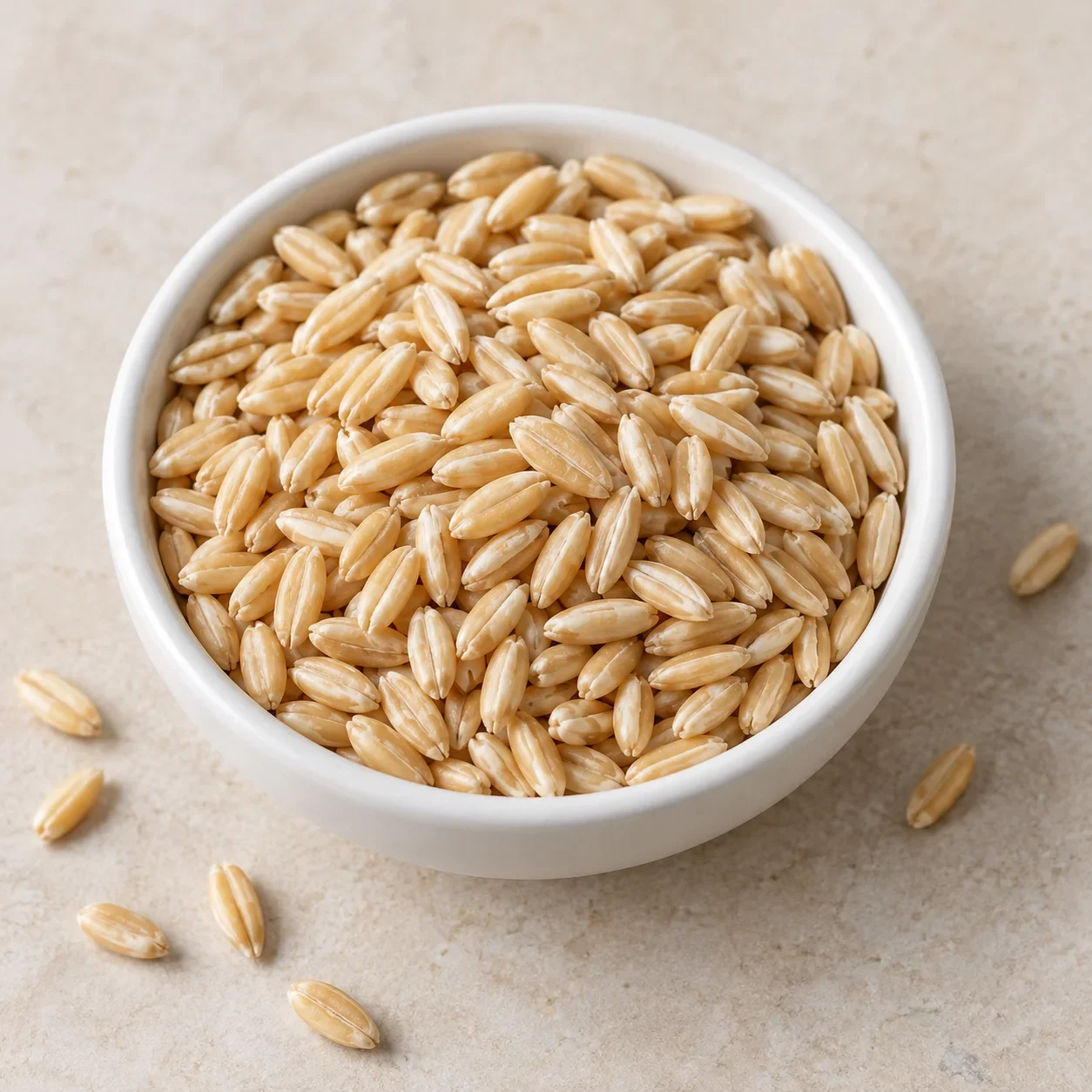
Recipes vary by restaurant.
How does it taste?
Sweet and lightly sour, with a fermented aroma.
- Chili heat
- Texture
- Barley is soft and plump; oat versions are chewier.
- How it’s made
- Cook dehulled grain, cool, mix with starter and keep warm to ferment.
More liquid makes a drink-like serving; thicker servings are eaten with a spoon.
A CONNECTION TO PLACE
Origin & regional roots
Associated with Qinghai. Associated with Gansu.
About this regional connection
Gansu: Sweet fermented grains are also associated with Lanzhou in Gansu.
Ask if they have it first
请问你们有甜醅吗?
Do you have this item?
A LITTLE SOMETHING TO READ
Story & history
Grains to spoon, liquid to sip
This account describes a tradition or story, rather than an established historical fact.
Tianpei offers two pleasures in one bowl: chewy fermented grains and their sweet, fragrant liquid. In Xining, barley versions tend to be soft and plump, while oat versions have more bite. Unlike sticky-rice laozao, this snack uses barley or oats. Try the plain version first to enjoy the grain; milk-tea and yogurt combinations are separate variations.