
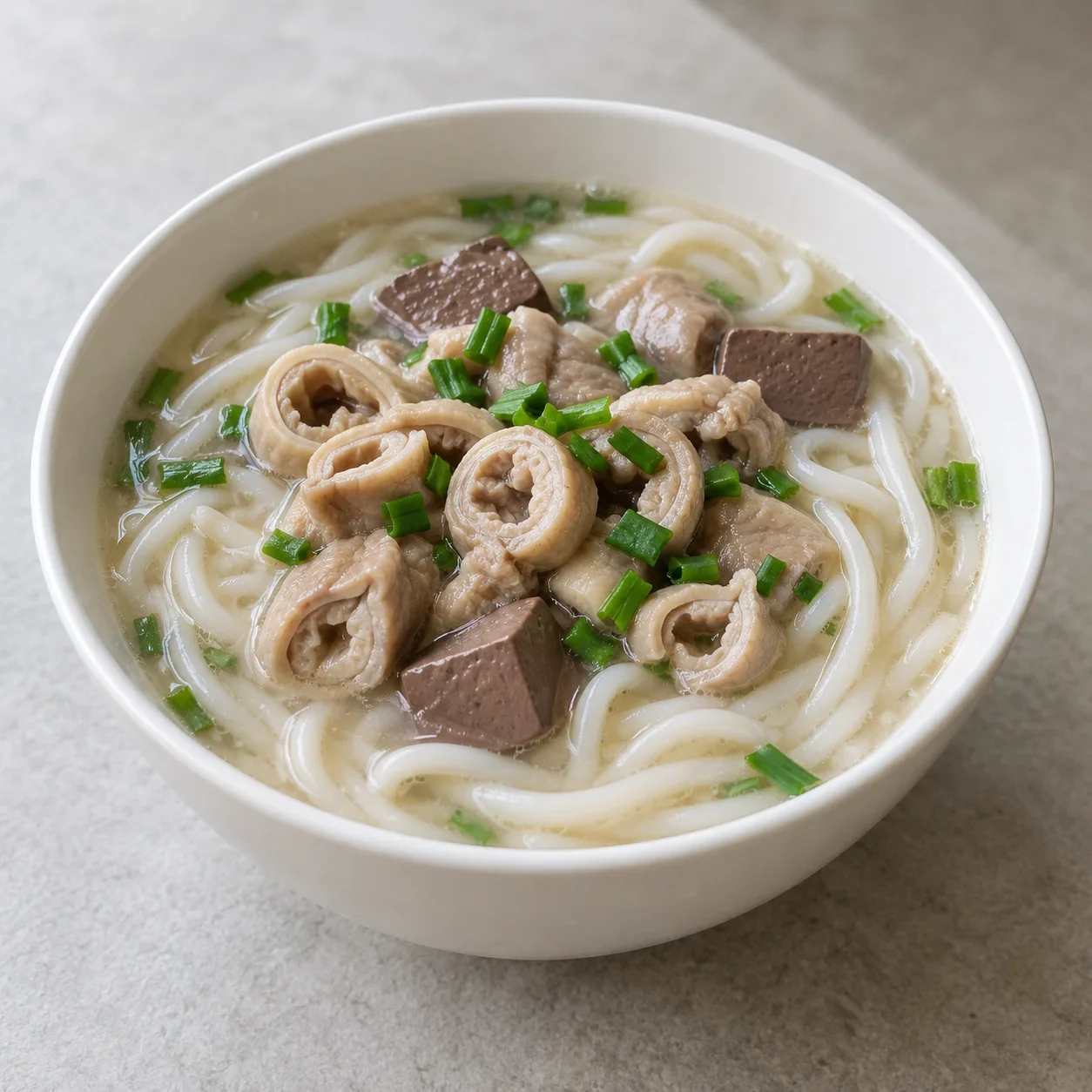
At the table
Eat the cooked noodles and toppings with chopsticks and sip the broth with a spoon. Ask which intestine cuts and blood curd are included before ordering; request chili separately if desired.
Contains pork offal and animal blood. Soy sauce may contain soy and wheat; some preparations use cooking alcohol or chicken seasoning. Intestine can be chewy and the broth hot.
Duck blood is the selected version, not a guarantee for every shop. Ask about blood type, broth and seasonings; removing the toppings does not make the soup vegetarian.
GET TO KNOW THE DISH
What goes into it?
Explore some key ingredients below. Preparations may use additional seasonings and ingredients.
Blood type, intestine cuts and broth seasoning vary. Some bowls use pork blood. Soy sauce, huangjiu cooking wine, sugar and chicken seasoning may be used; chili can be added separately.
Typical ingredients
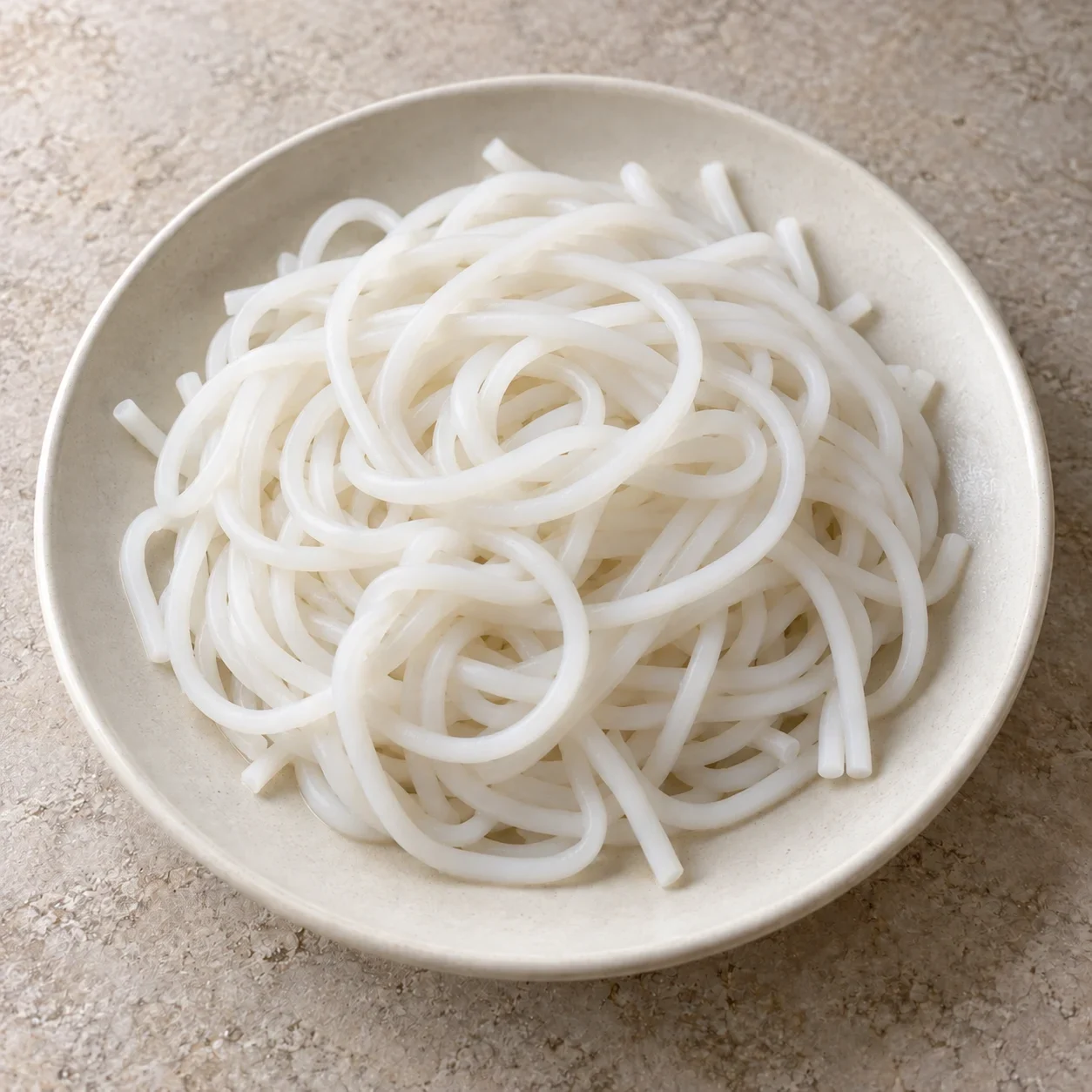
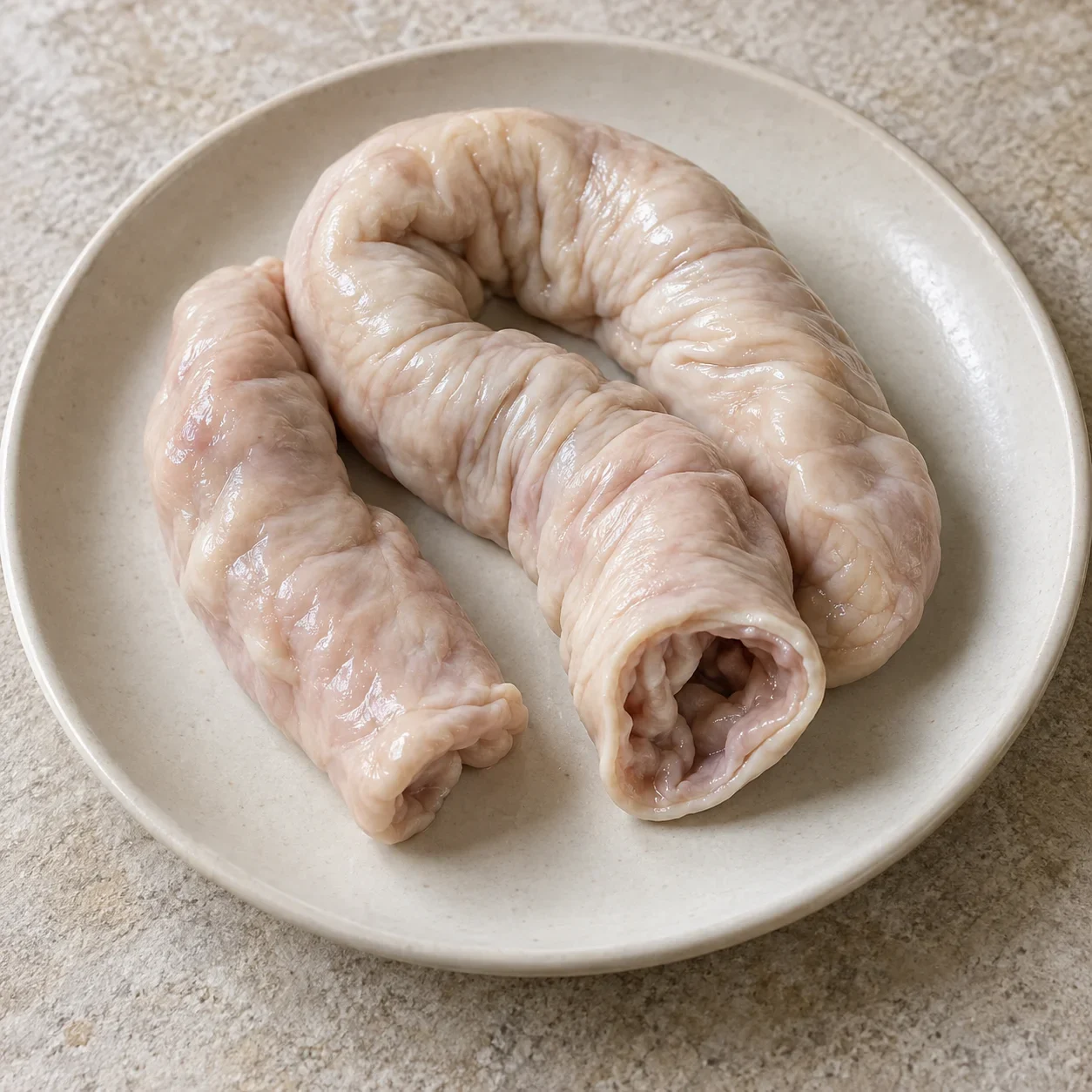
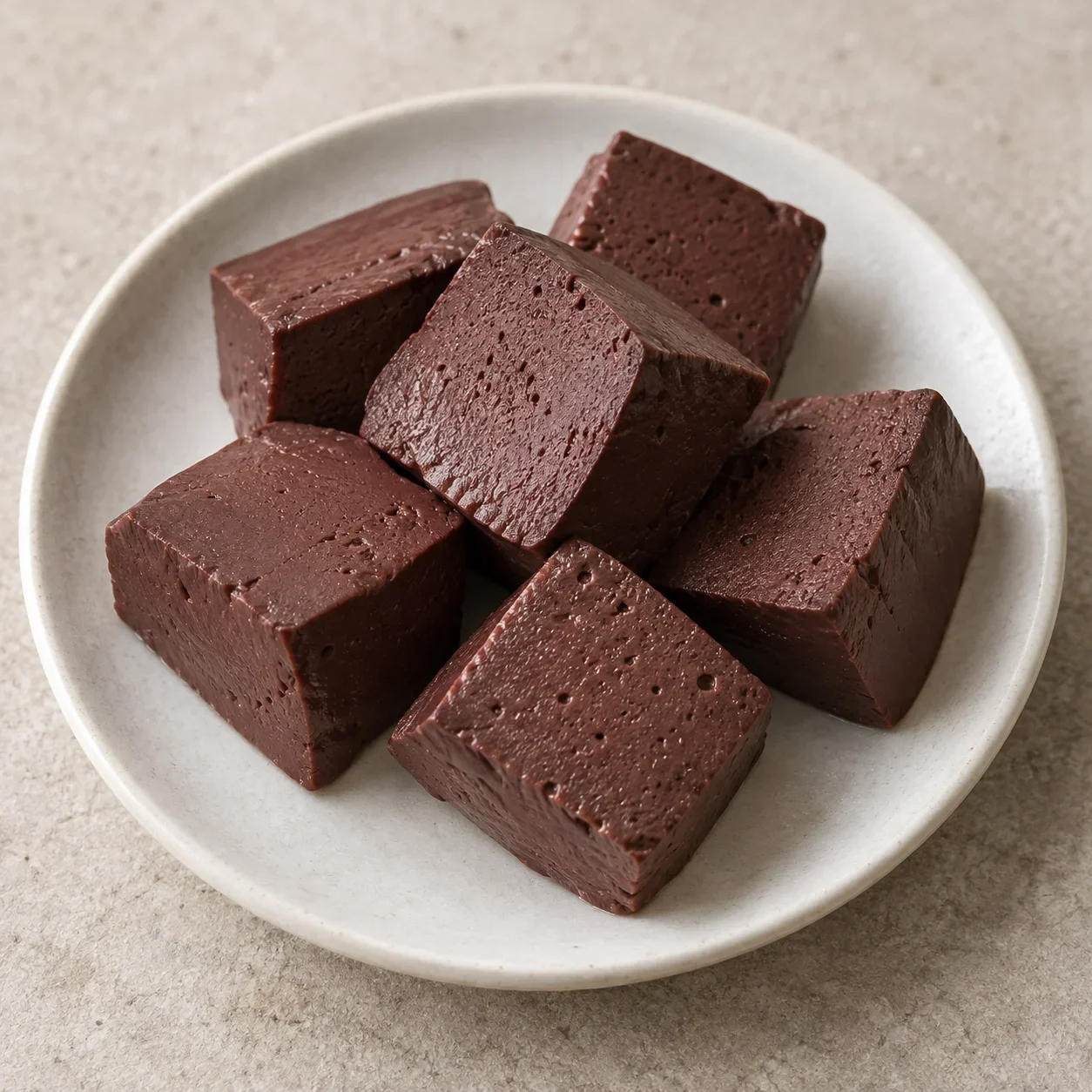
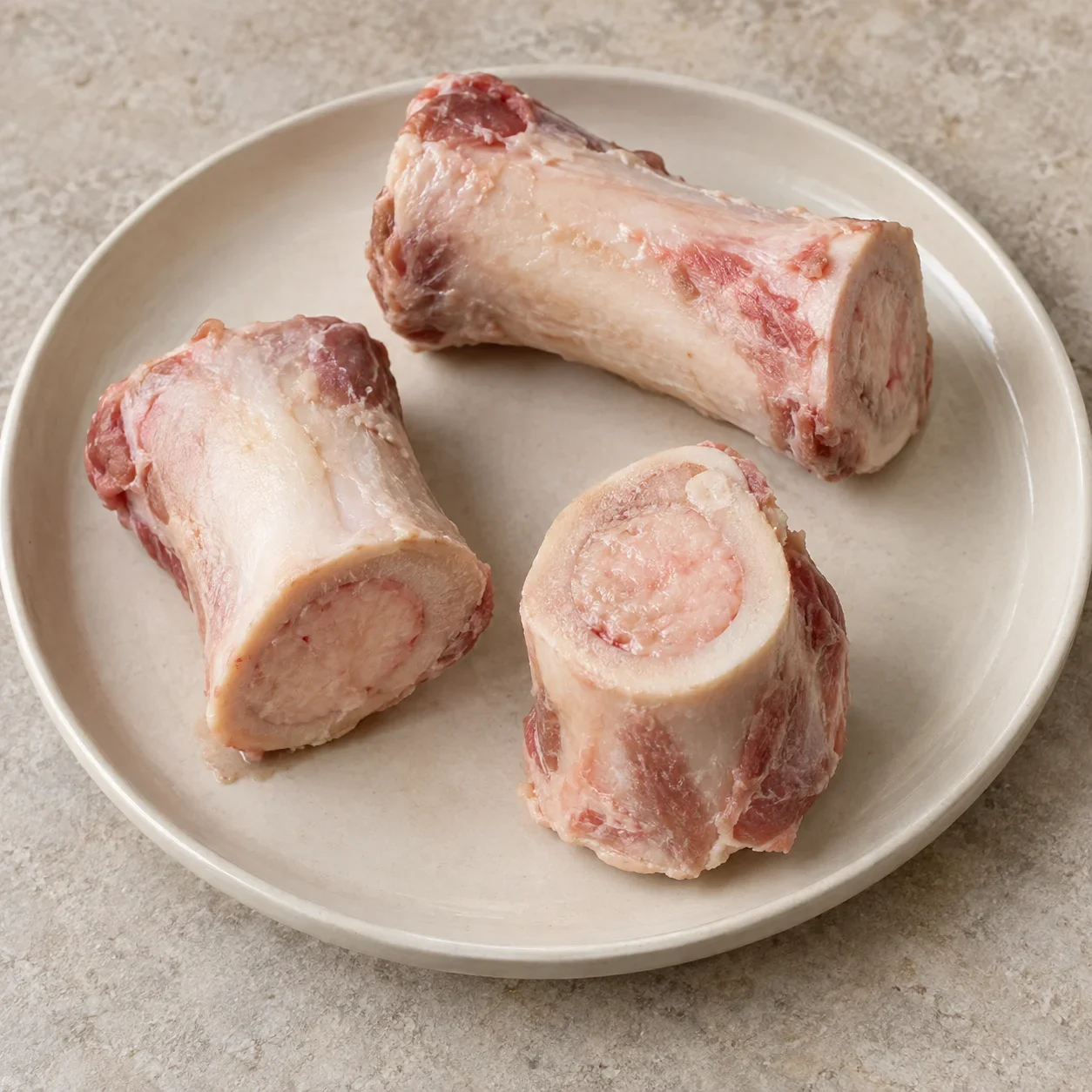

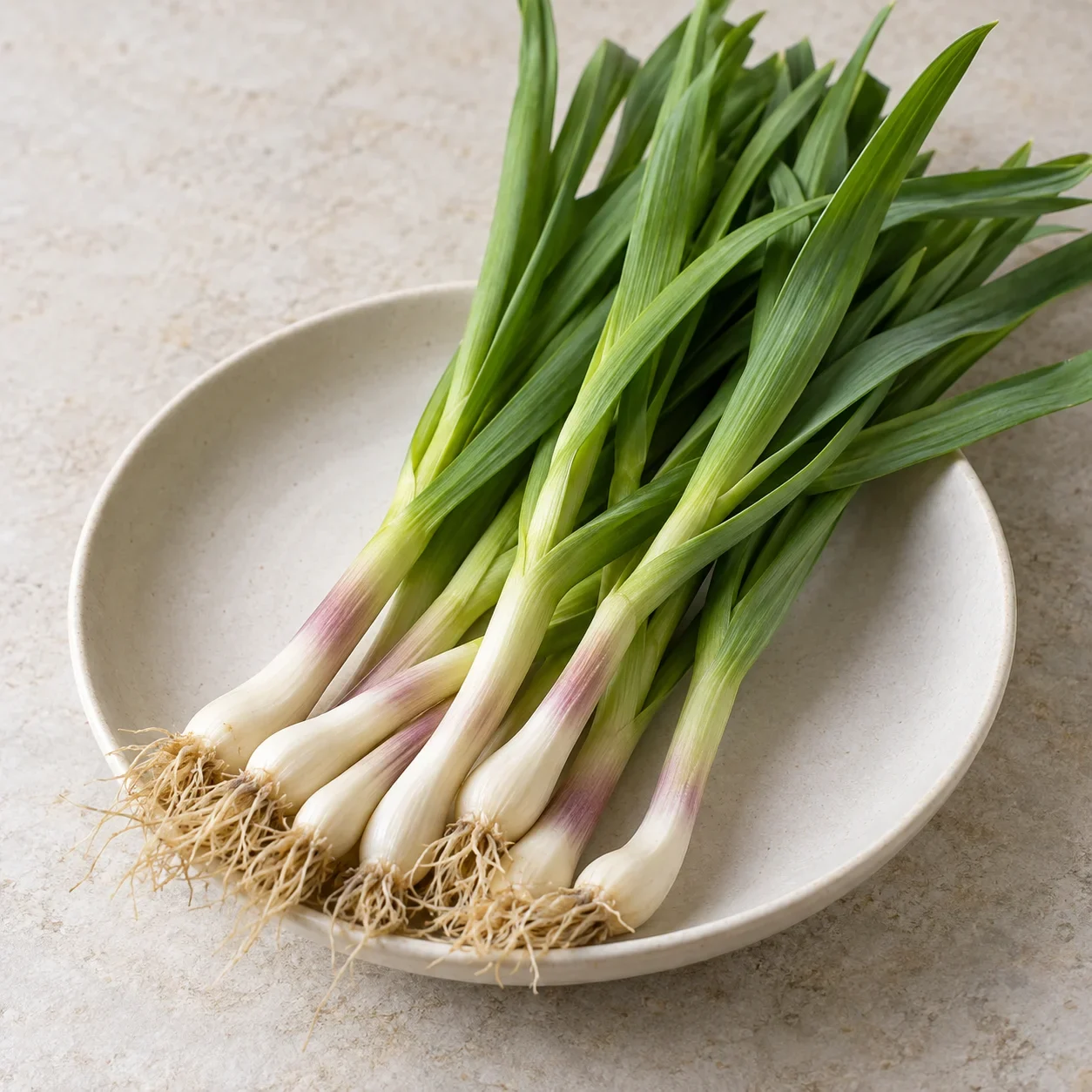
In some versions

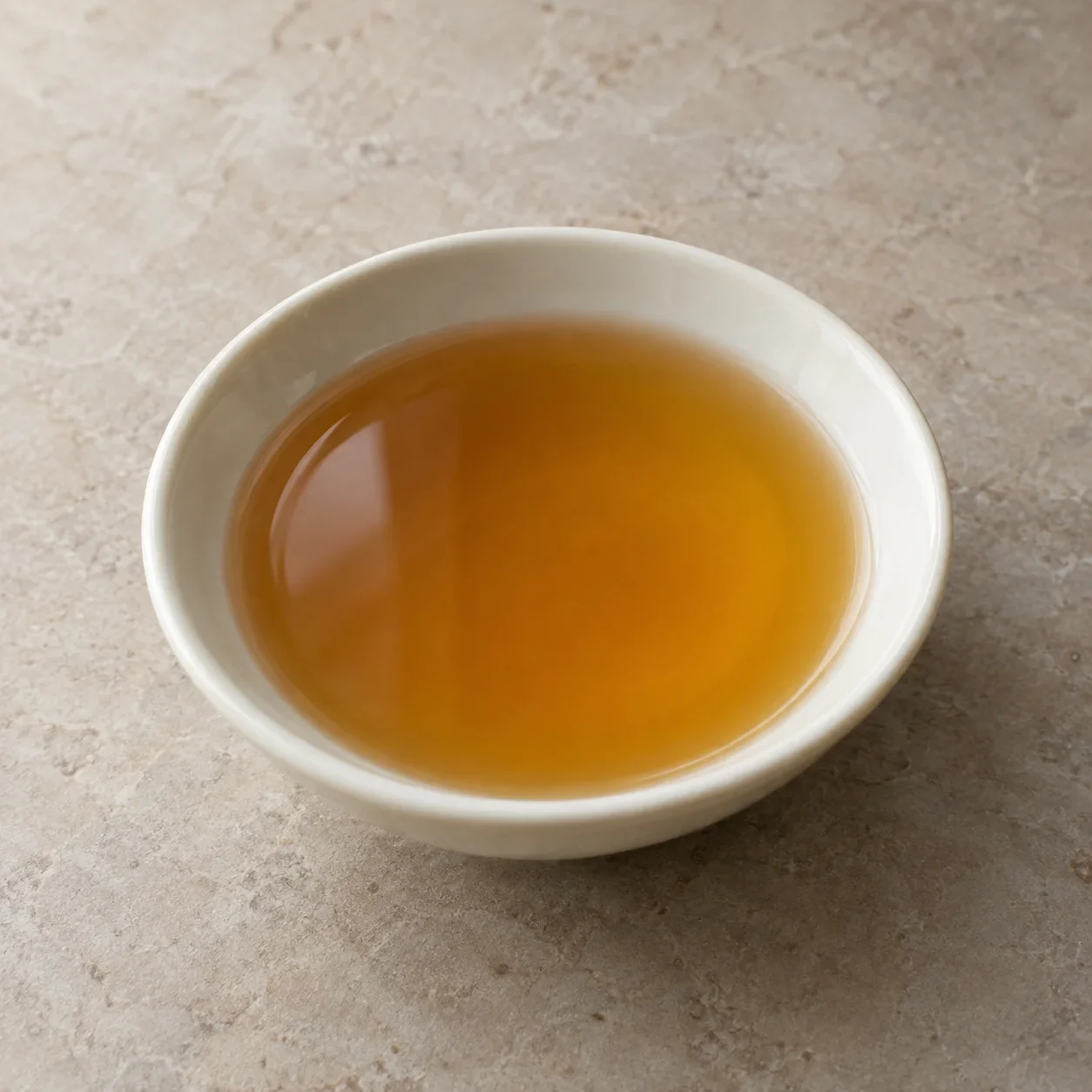

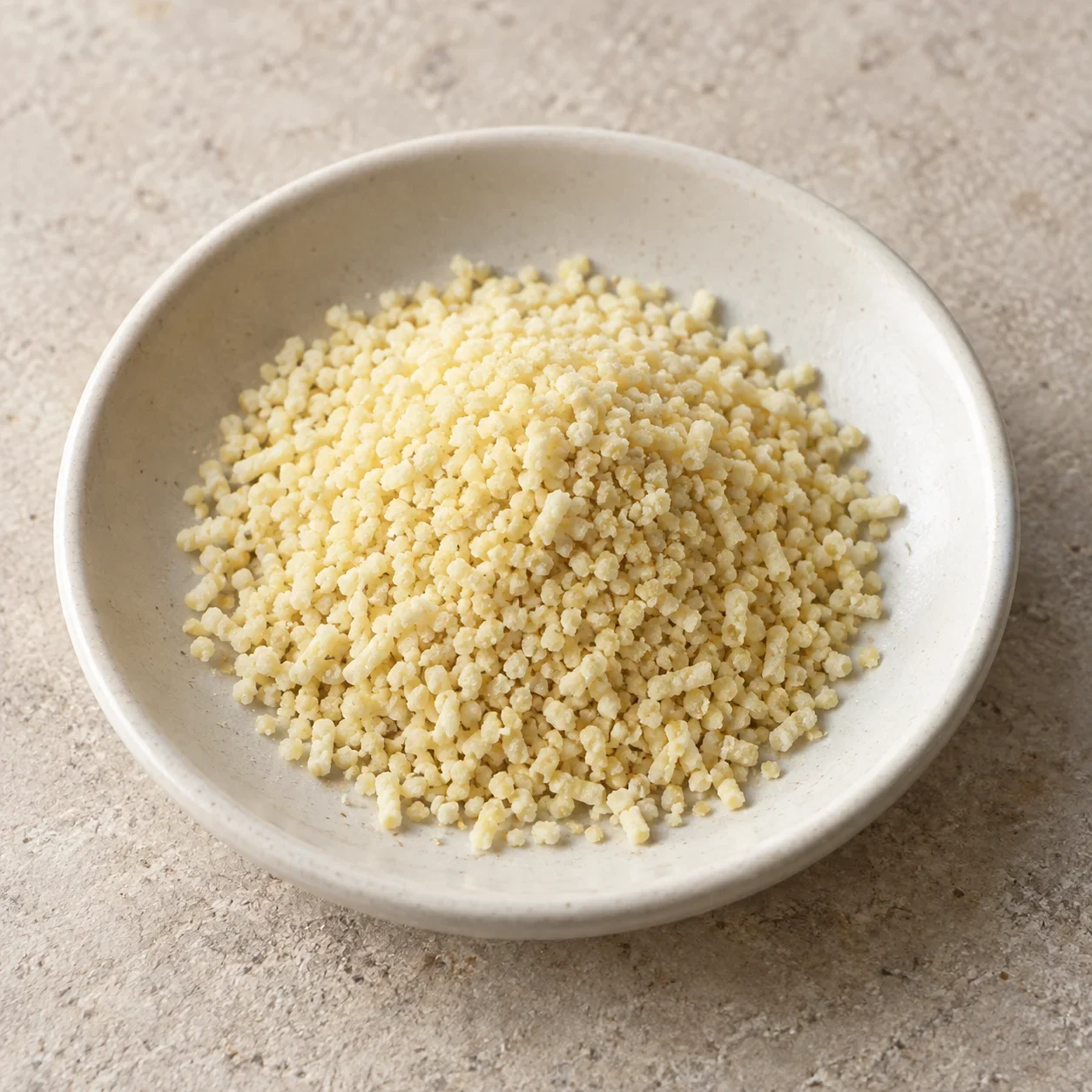
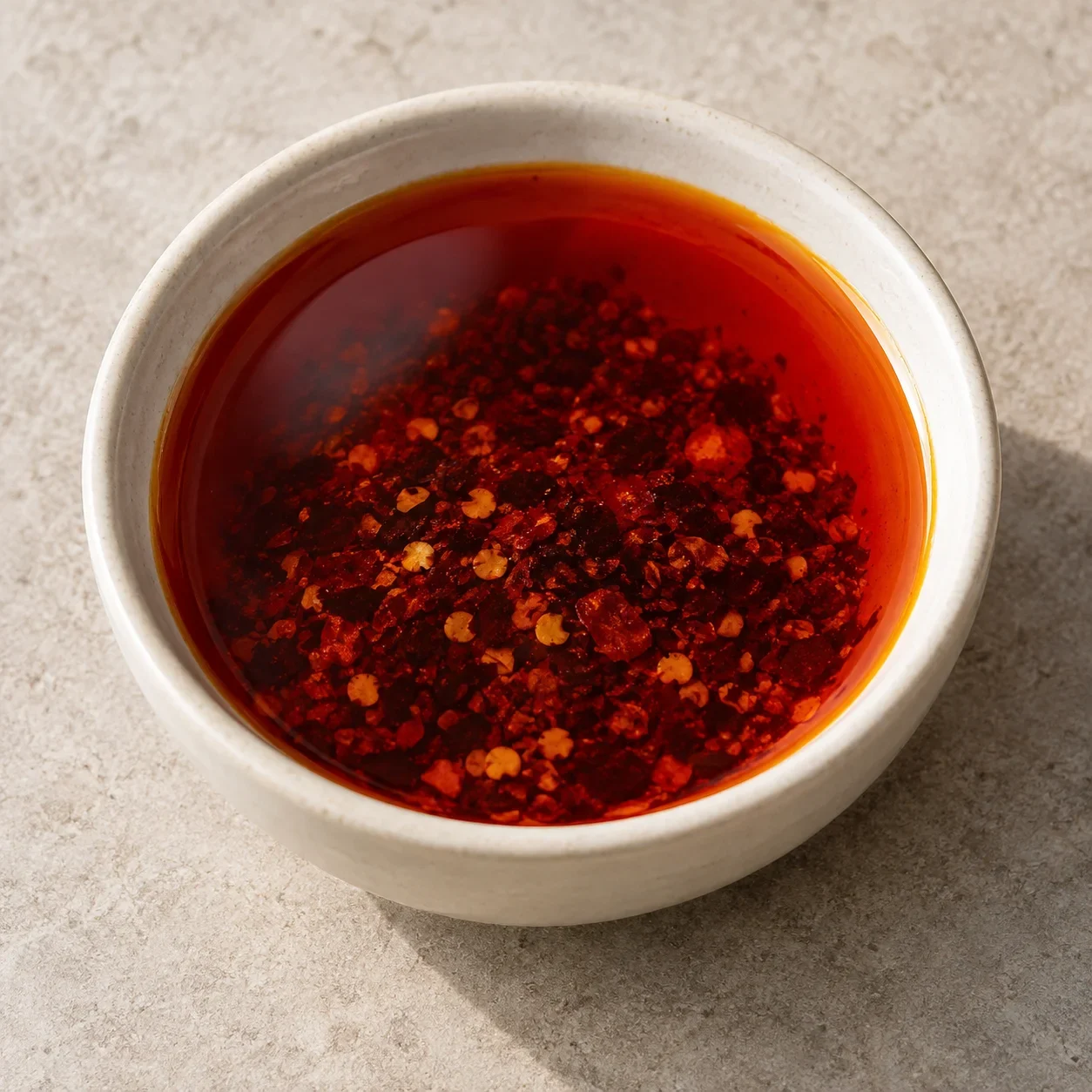
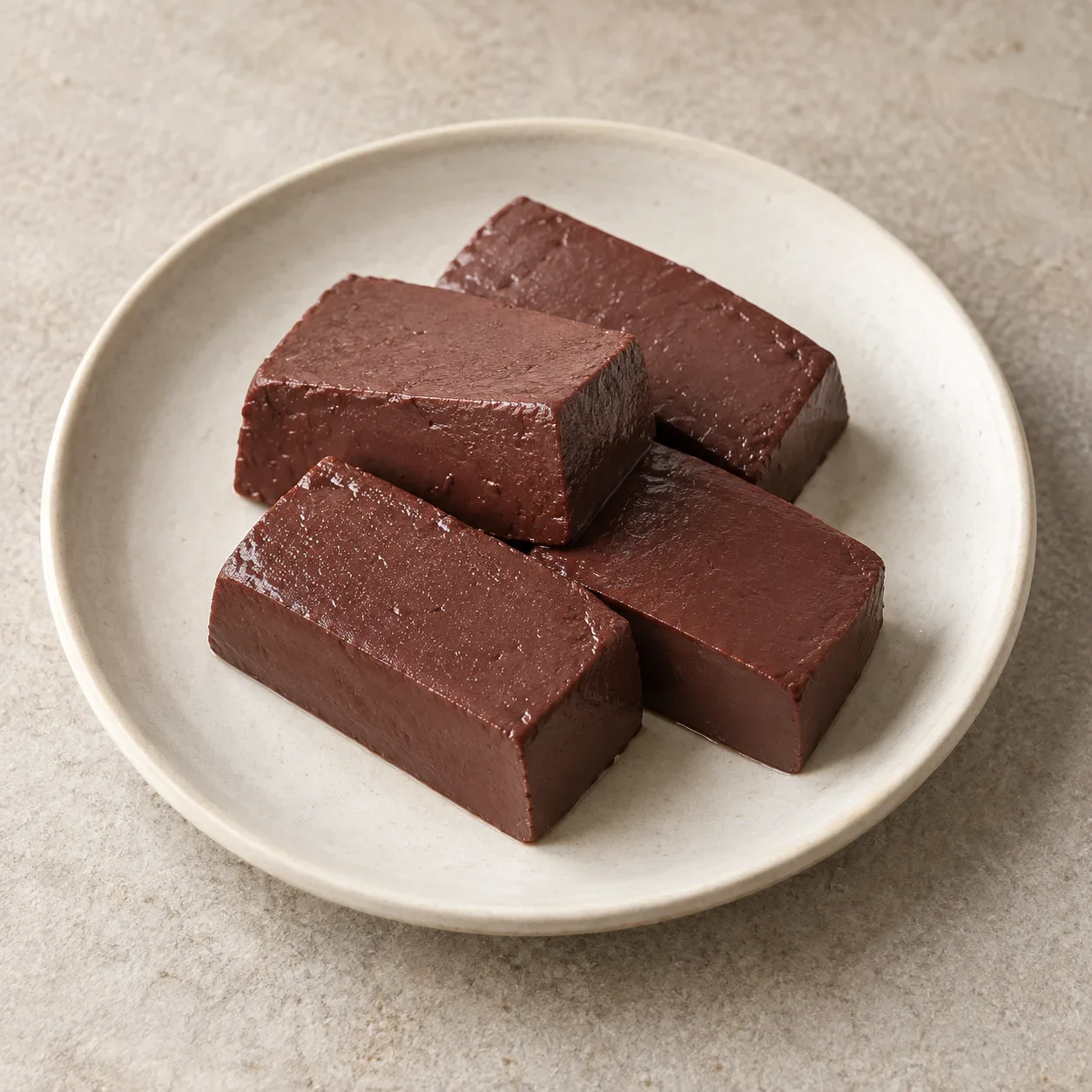
Recipes vary by restaurant.
How does it taste?
Savory broth with a distinct intestine aroma and a mild garlic note.
- Chili heat
- Texture
- Slippery round rice noodles, tender-chewy intestine and soft blood curd.
- How it’s made
- Cleaned intestine is simmered until tender; soaked rice noodles are cooked and served in broth with cooked blood curd and chopped garlic greens.
Blood type, intestine cuts and broth seasoning vary. Some bowls use pork blood. Soy sauce, huangjiu cooking wine, sugar and chicken seasoning may be used; chili can be added separately.
A CONNECTION TO PLACE
Origin & regional roots
Its origins are linked to Zhejiang.
About this regional connection
Zhejiang: Wenzhou intestine-and-blood rice-noodle soup.
Ask if they have it first
请问你们有猪脏粉吗?
Do you have this item?
A LITTLE SOMETHING TO READ
Story & history
A Wenzhou noodle-shop staple
Wenzhou diners eat this bowl as a meal or snack, including breakfast and late-night eating. Its appeal lies in the contrast between smooth rice noodles, blood curd and chewy intestine in savory broth.