
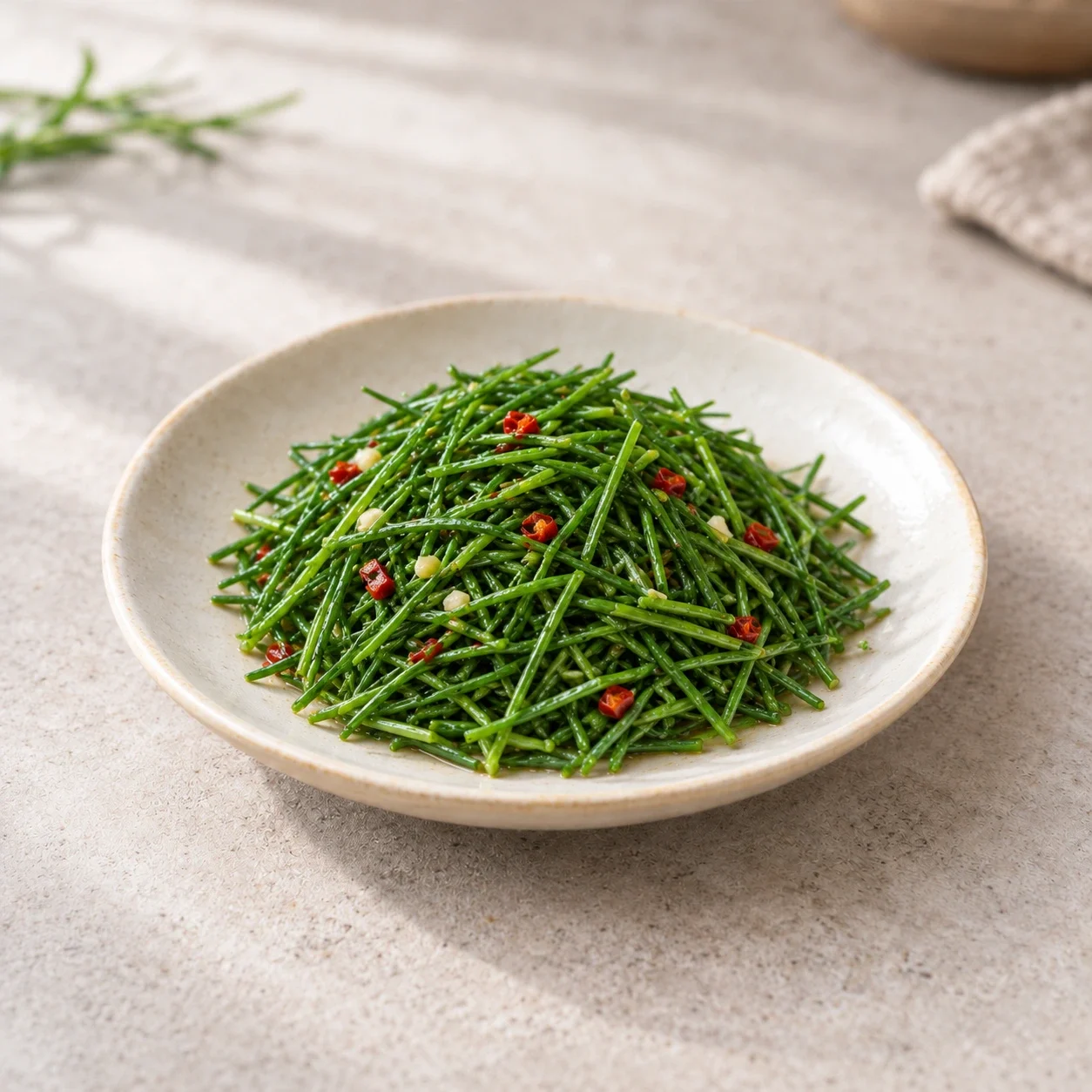
At the table
Toss any pooled dressing through, then take small bundles with chopsticks. It is ready to eat, with no peeling required.
Contains soy and usually wheat in the soy sauce. Ask about sesame oil, chili and any animal-based seasoning.
A simpler dressing uses garlic, salt, vinegar and sesame oil. Chili and seasonings vary; meat or tripe combinations are different dishes.
GET TO KNOW THE DISH
What goes into it?
Explore some key ingredients below. Preparations may use additional seasonings and ingredients.
A simpler dressing uses garlic, salt, vinegar and sesame oil. Chili and seasonings vary; meat or tripe combinations are different dishes.
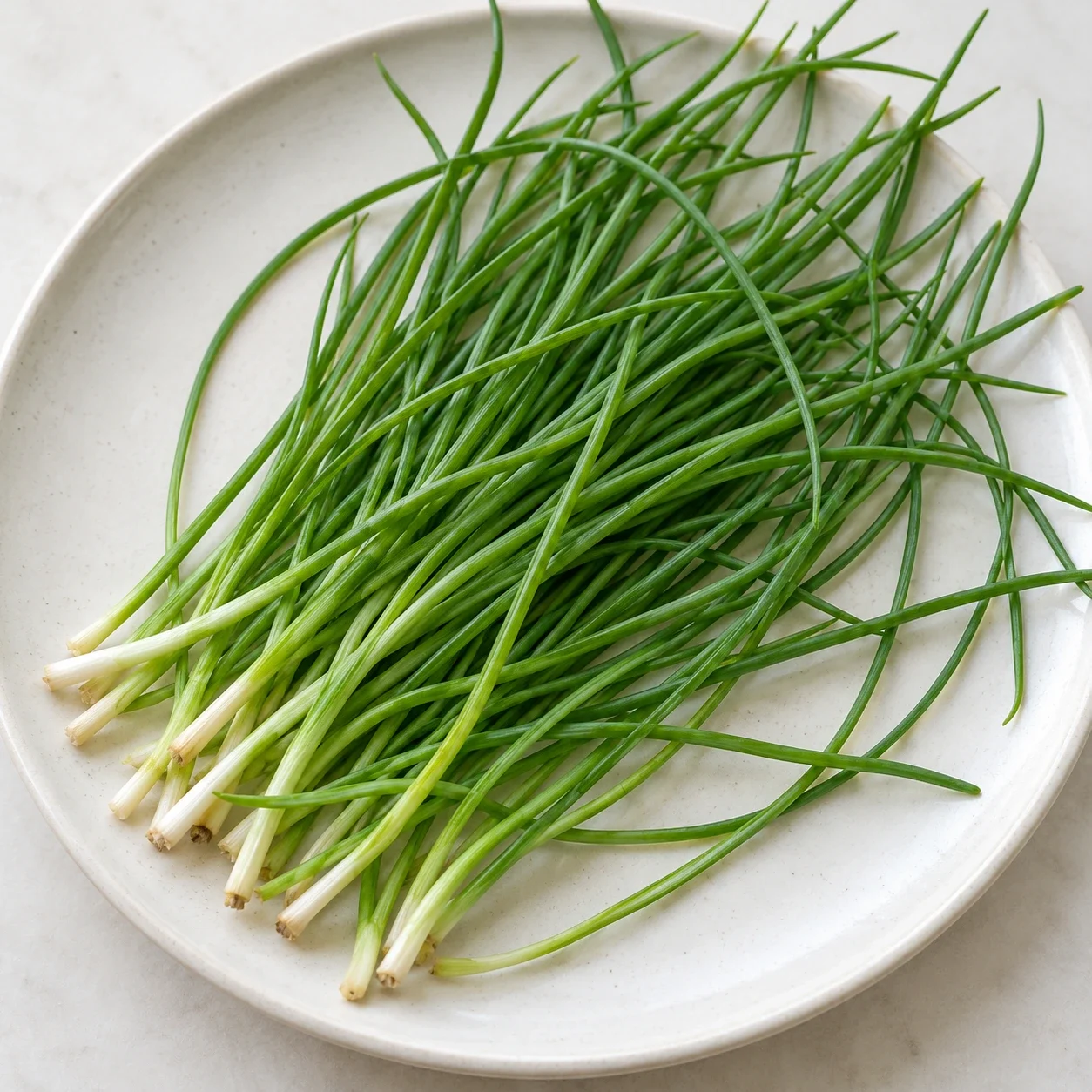
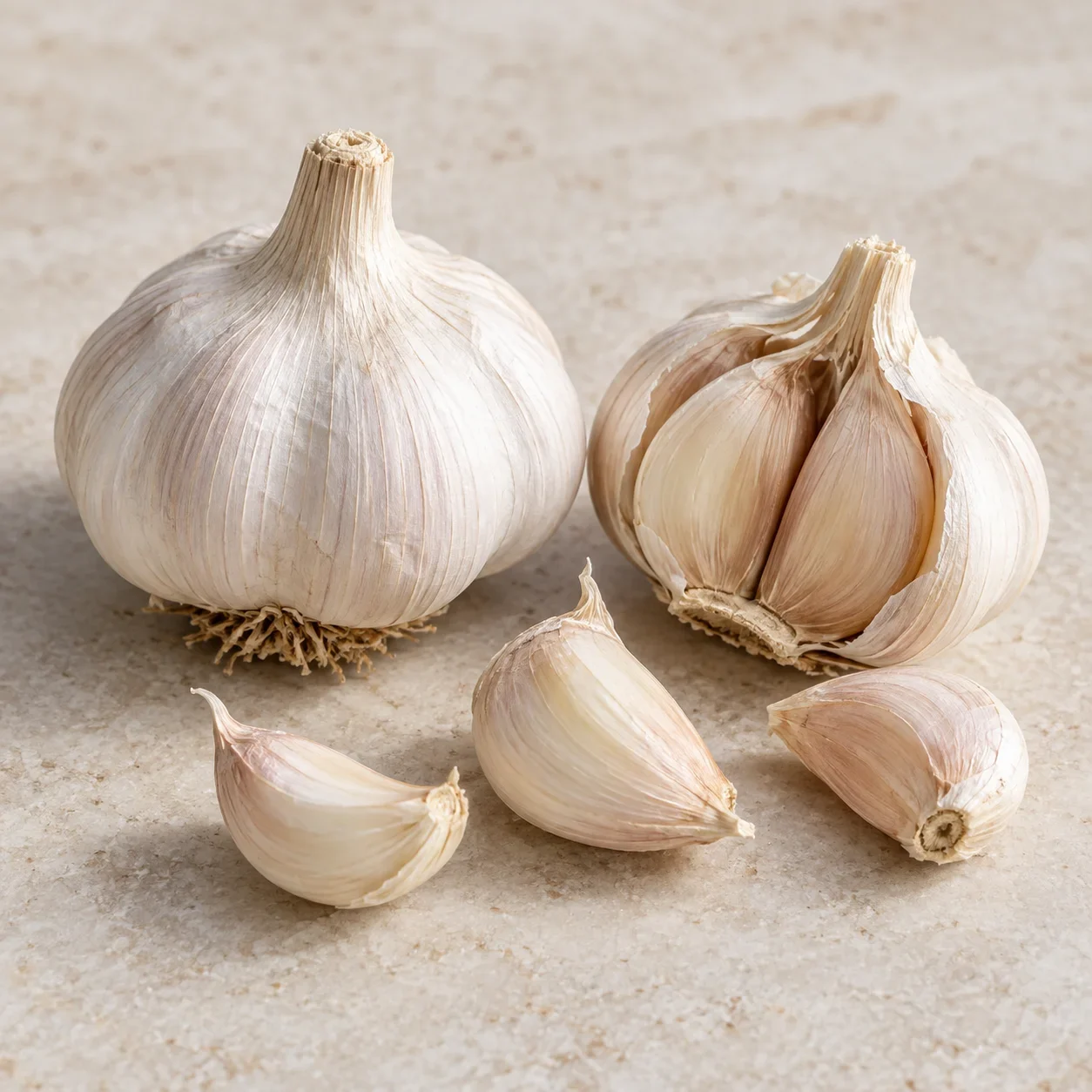
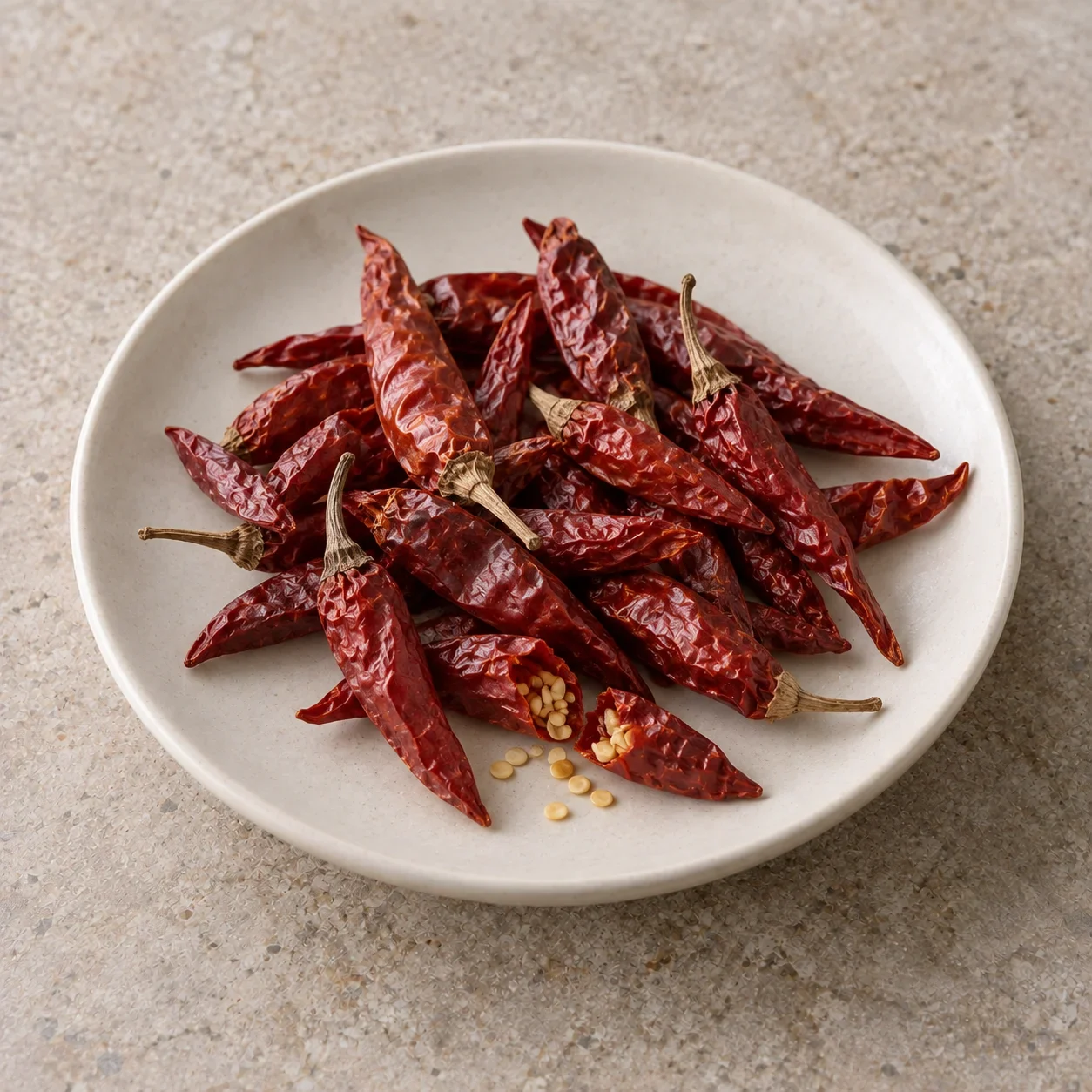
Typical ingredients
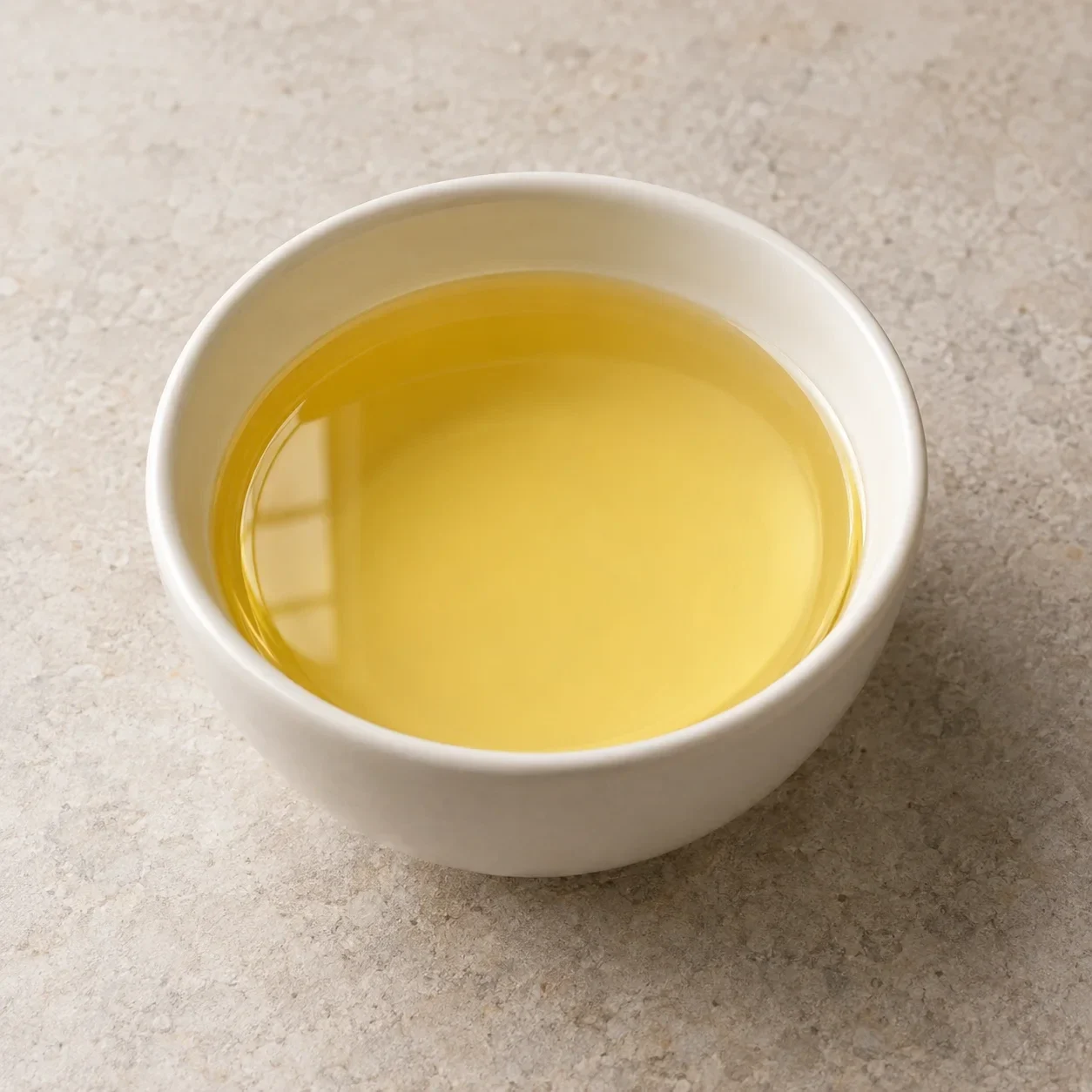
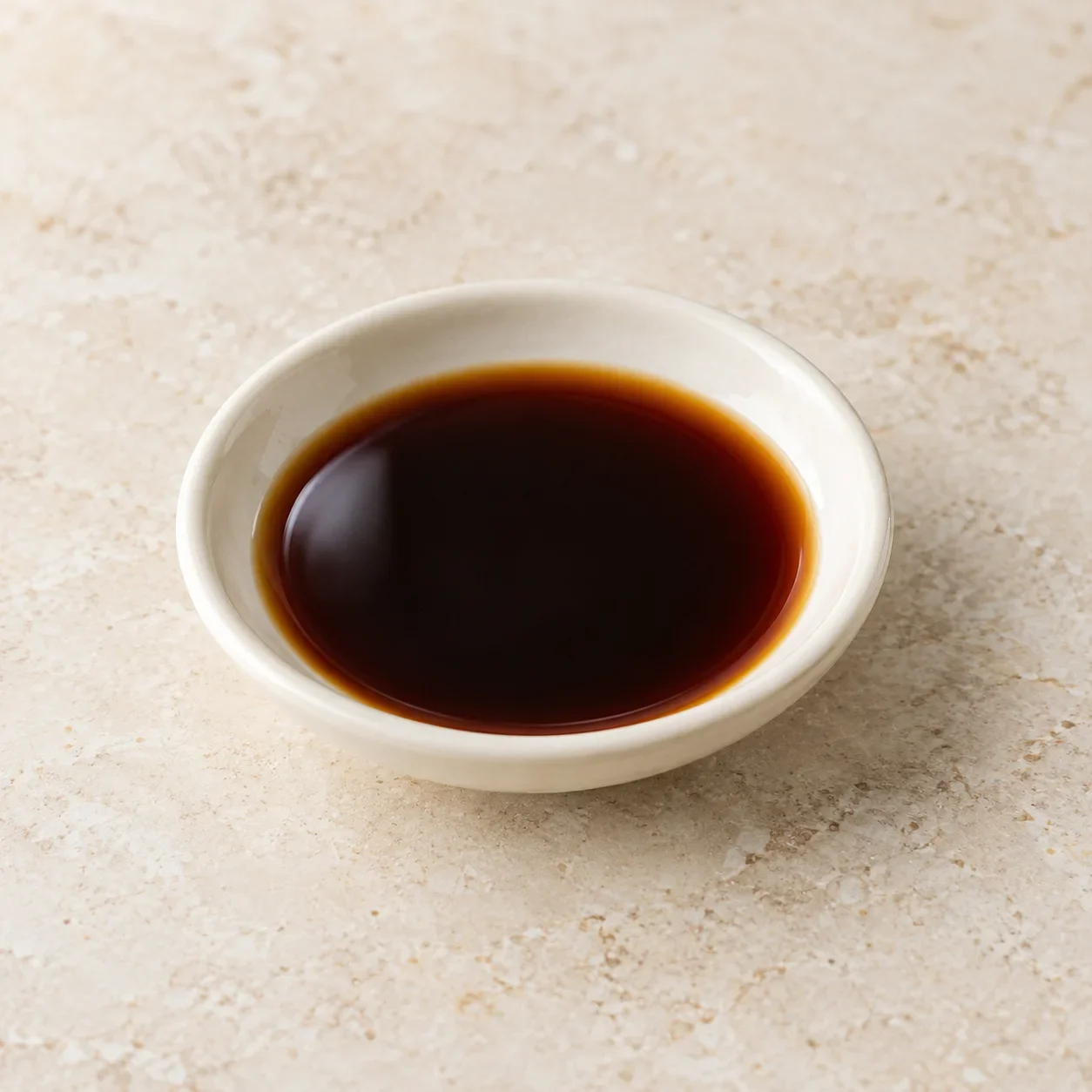
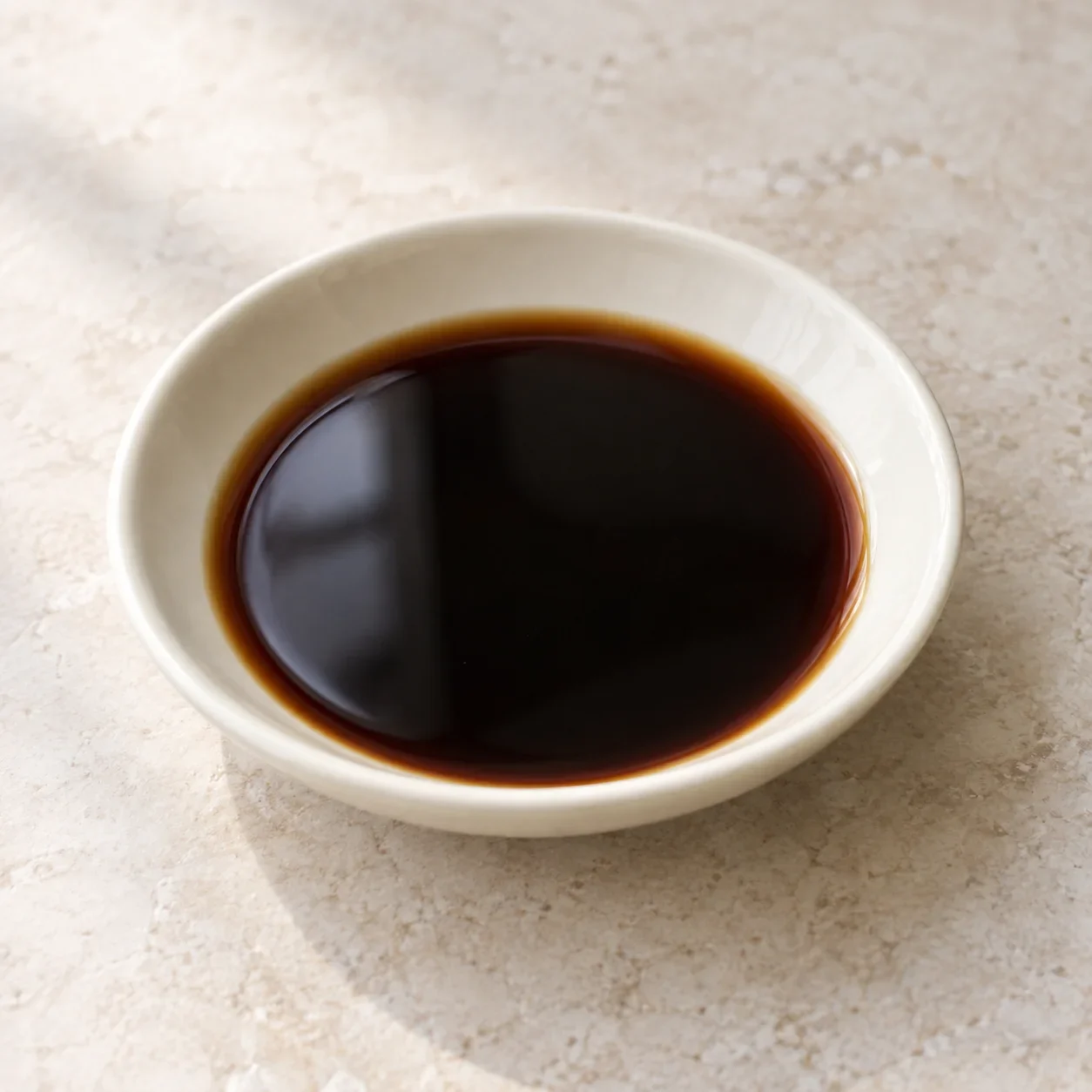

In some versions
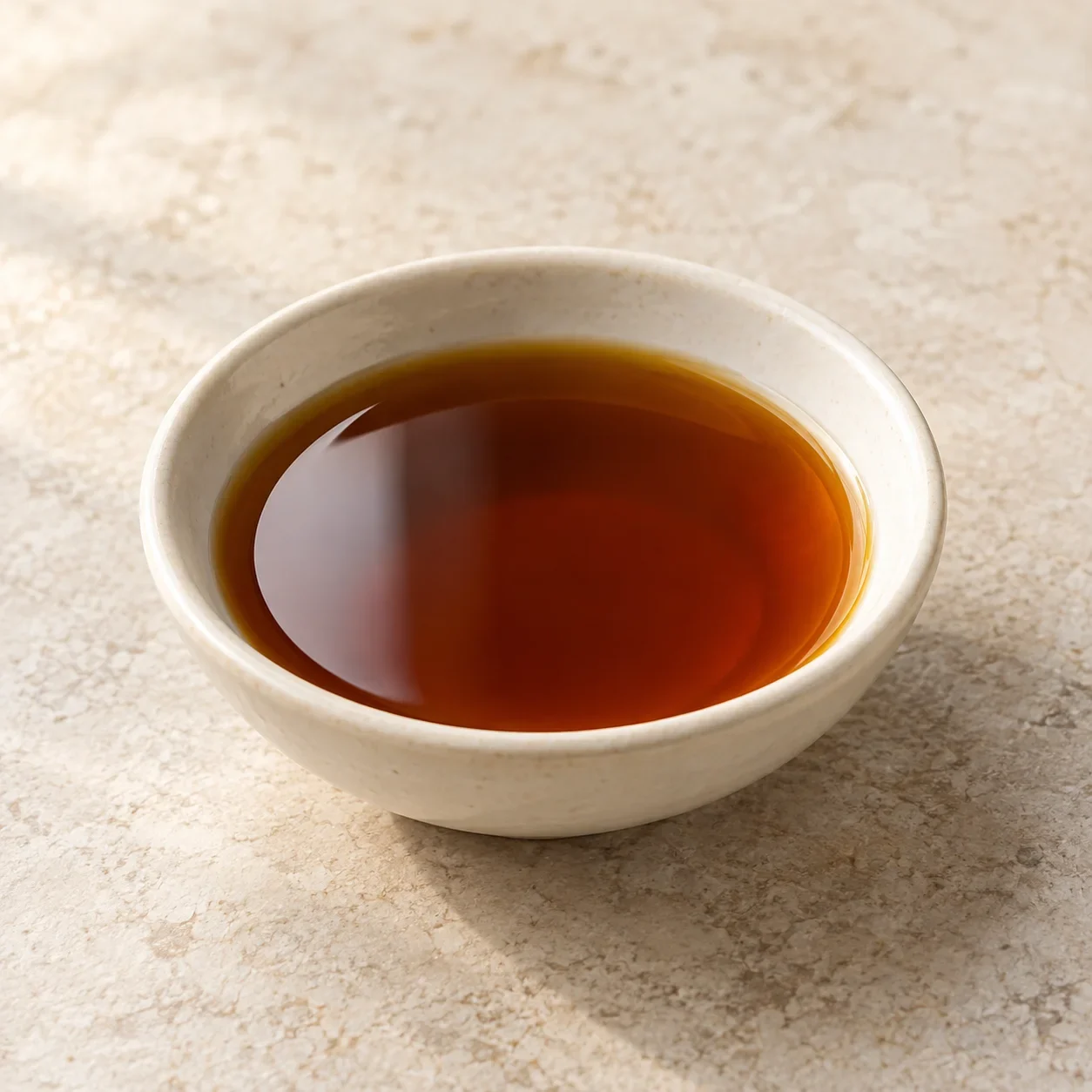

Recipes vary by restaurant.
How does it taste?
Garlicky, tangy and lightly chili-hot in this version.
- Chili heat
- Texture
- Tender-crisp slender leaves with a light oily dressing.
- How it’s made
- Sand onion is washed, blanched, cooled and drained; hot vegetable oil releases garlic and dried-chili aromas, then light soy sauce, vinegar and a little sugar are mixed in.
A simpler dressing uses garlic, salt, vinegar and sesame oil. Chili and seasonings vary; meat or tripe combinations are different dishes.
A CONNECTION TO PLACE
Origin & regional roots
Associated with Ningxia.
About this regional connection
Ningxia: Served among Wuzhong morning-tea side dishes; also eaten elsewhere in northern China.
Ask if they have it first
请问你们有凉拌沙葱吗?
Do you have this item?
A LITTLE SOMETHING TO READ
Story & history
A northern green on the tea table
This account describes a tradition or story, rather than an established historical fact.
Sand onion grows in dry northern landscapes and is also cultivated. In Ningxia it appears among the small vegetable dishes served with Wuzhong morning tea and meals.