
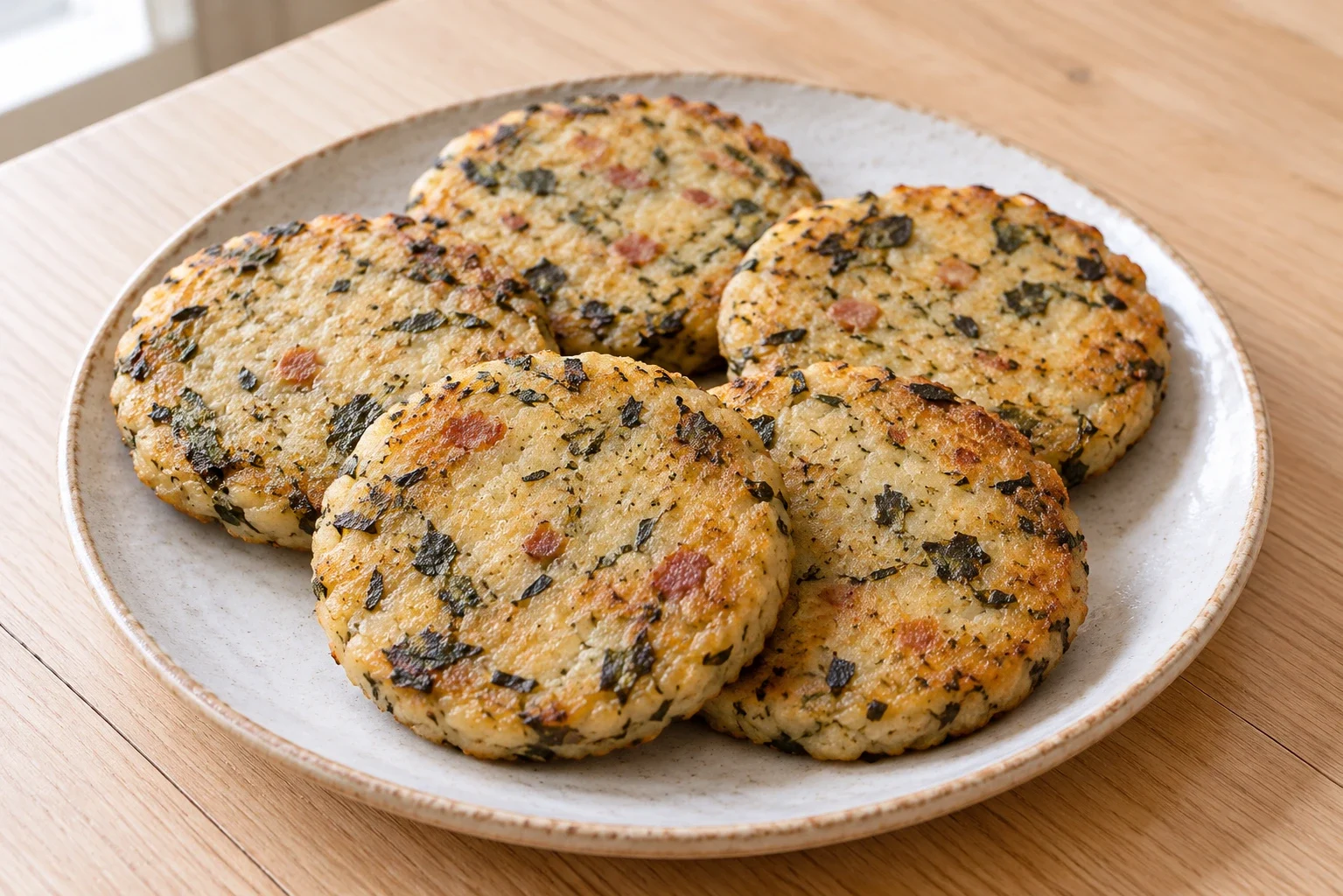
At the table
Eat warm in small bites, holding with paper or using chopsticks. Let the hot oily center cool before biting.
Contains pork; ask about the flour blend, frying oil and seasonings. Local hao is a culinary name, not a reliable wild-plant identification.
Rice-flour blends, oil and extra seasonings vary. The pork is mixed through the cake rather than enclosed as a separate filling.
GET TO KNOW THE DISH
What goes into it?
Explore some key ingredients below. Preparations may use additional seasonings and ingredients.
Rice-flour blends, oil and extra seasonings vary. The pork is mixed through the cake rather than enclosed as a separate filling.
Typical ingredients
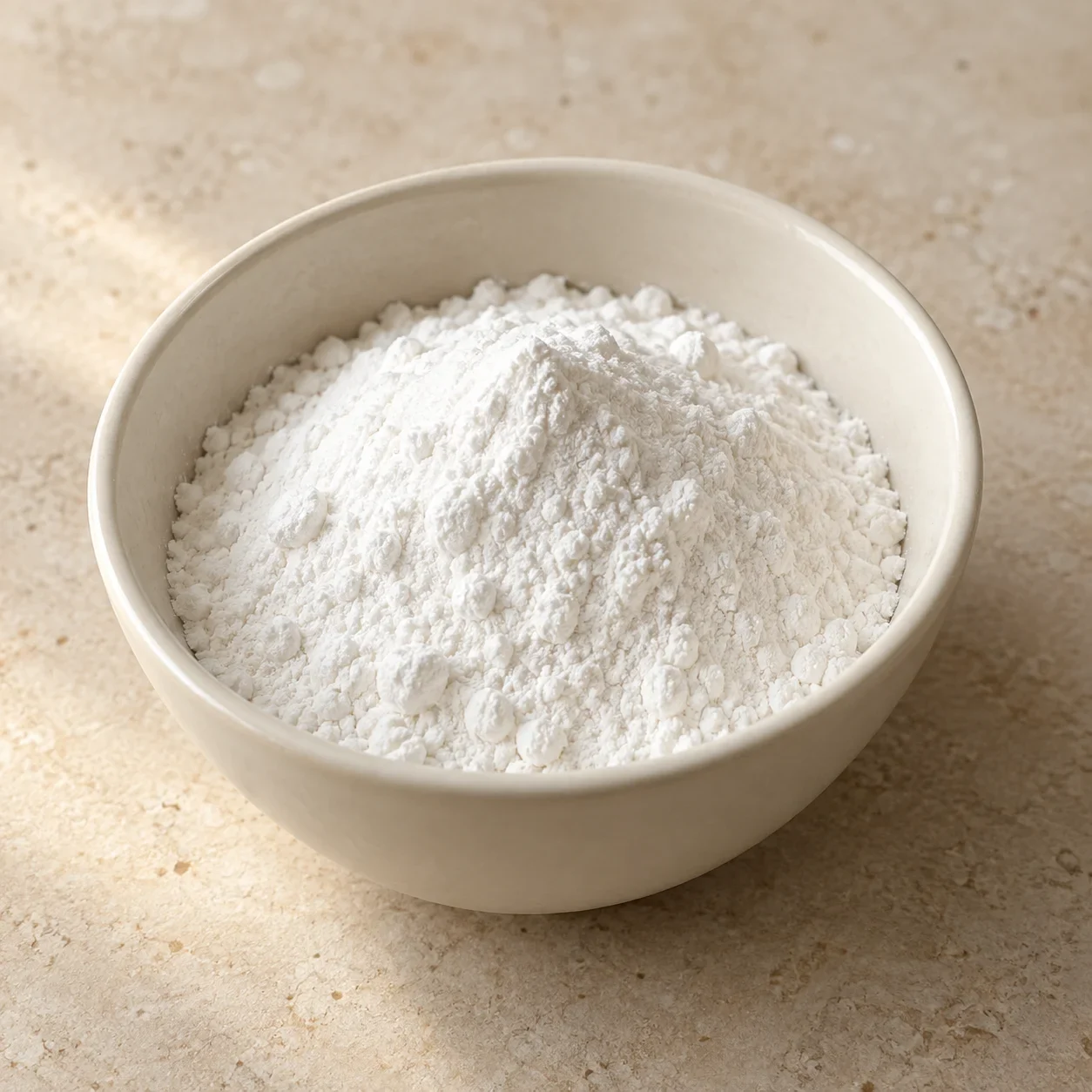
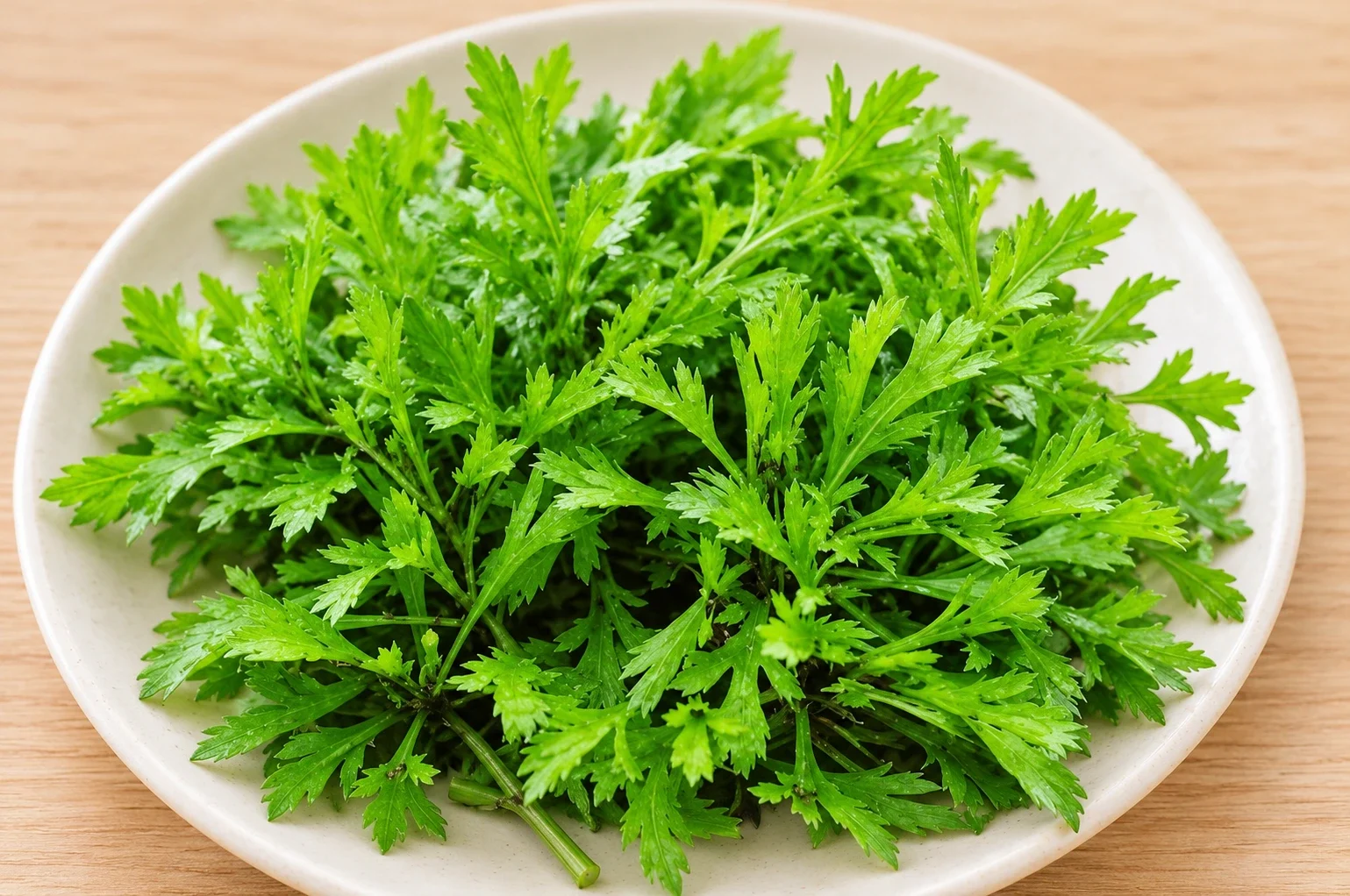
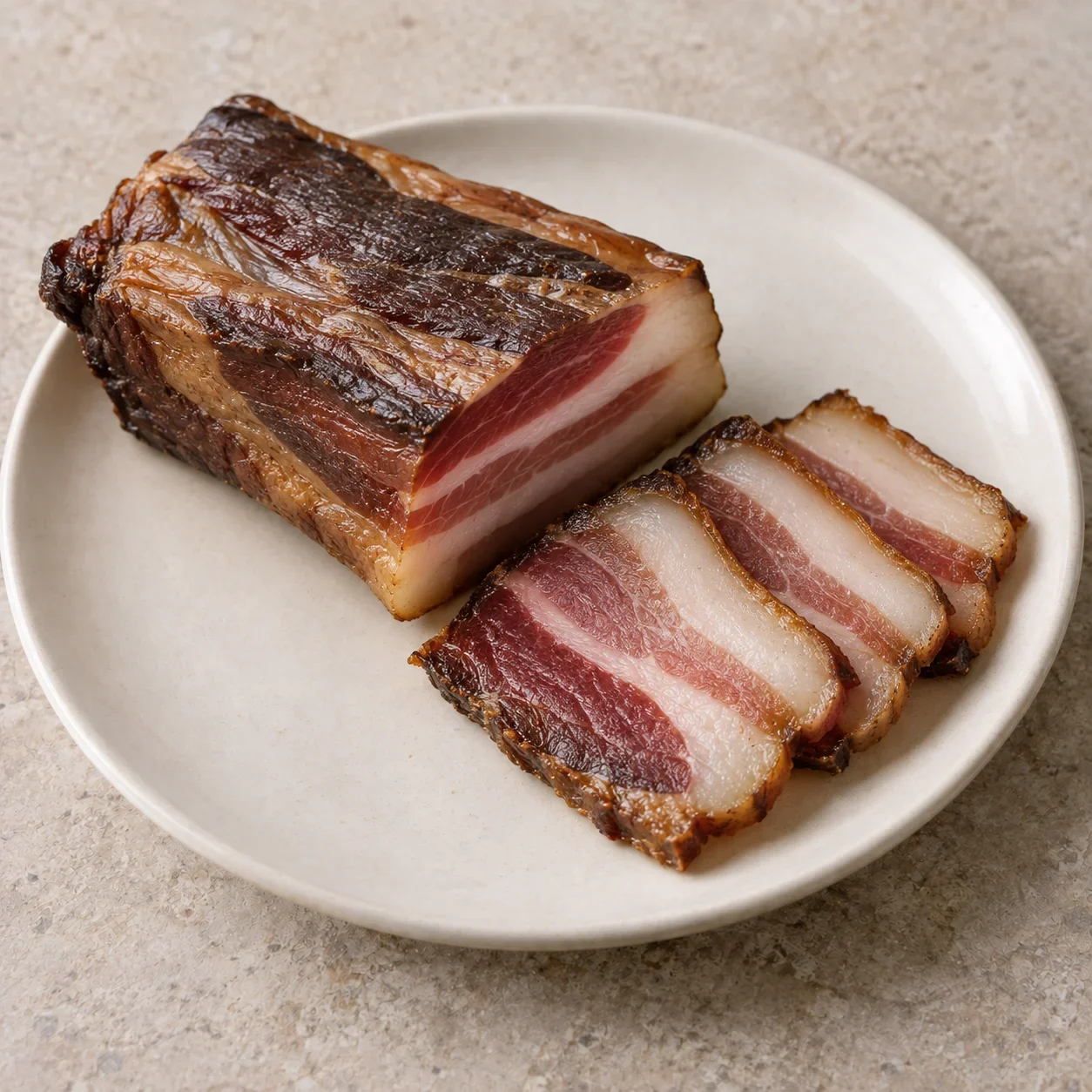
Recipes vary by restaurant.
How does it taste?
Herbal fragrance, salty cured pork and a rich fried finish.
- Chili heat
- Texture
- Crisp browned outside, soft cohesive rice-flour interior with small pork pieces.
- How it’s made
- Mix tender edible hao leaves and diced cured pork into rice flour with water, shape flat rounds and fry in cooking oil until cooked through.
Rice-flour blends, oil and extra seasonings vary. The pork is mixed through the cake rather than enclosed as a separate filling.
A CONNECTION TO PLACE
Origin & regional roots
Associated with Anhui.
About this regional connection
Anhui: 六安金安区毛坦厂春季蒿叶腊肉米粉饼。
Ask if they have it first
请问你们有毛坦厂蒿子粑粑吗?
Do you have this item?
A LITTLE SOMETHING TO READ
Story & history
Spring cakes of Maotanchang
This account describes a tradition or story, rather than an established historical fact.
Around Maotanchang in Lu’an, spring hao leaves are combined with rice flour and cured pork. These fragrant cakes are associated with the third day of the third lunar month and are also sold by local vendors.