
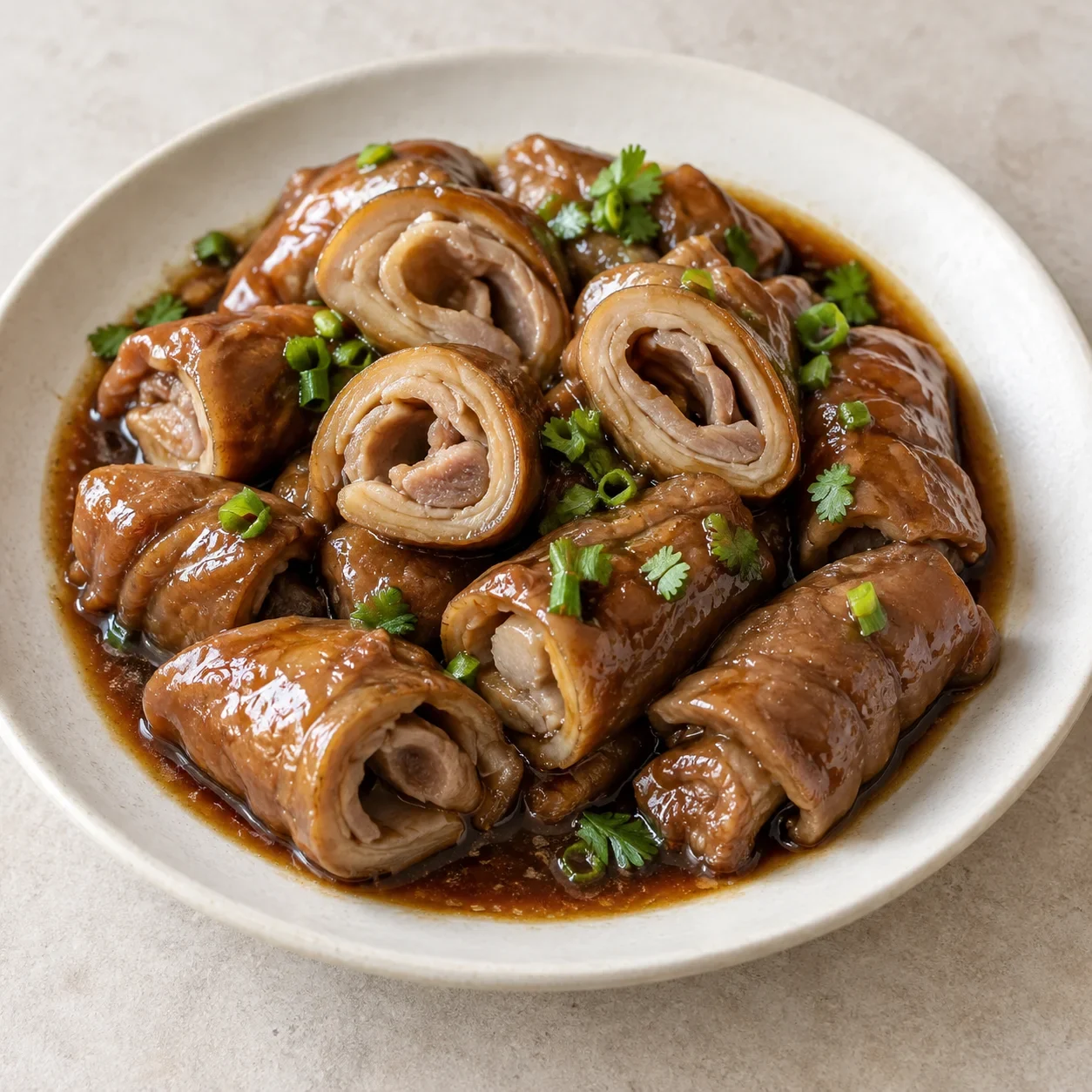
At the table
This is pork large intestine. Start with a small piece and some sauce, and chew it thoroughly. To confirm the ingredient, ask “这是猪大肠吗?” (“Is this pork large intestine?”).
Contains pork intestine, lard, meat stock, soy sauce and Shaoxing cooking wine. The stock in this version includes chicken, duck and pork. Ask about allergens and seasonings; do not assume the finished dish is alcohol-free.
This fried-then-braised version uses lard, clear meat stock, ground pepper, cassia and sharen, finished with Sichuan-pepper oil. It contains no chilli. Other versions change the spices, stock or frying step; check the preparation.
GET TO KNOW THE DISH
What goes into it?
Explore some key ingredients below. Preparations may use additional seasonings and ingredients.
The intestines can be boiled and then braised, or fried before finishing.
Typical ingredients
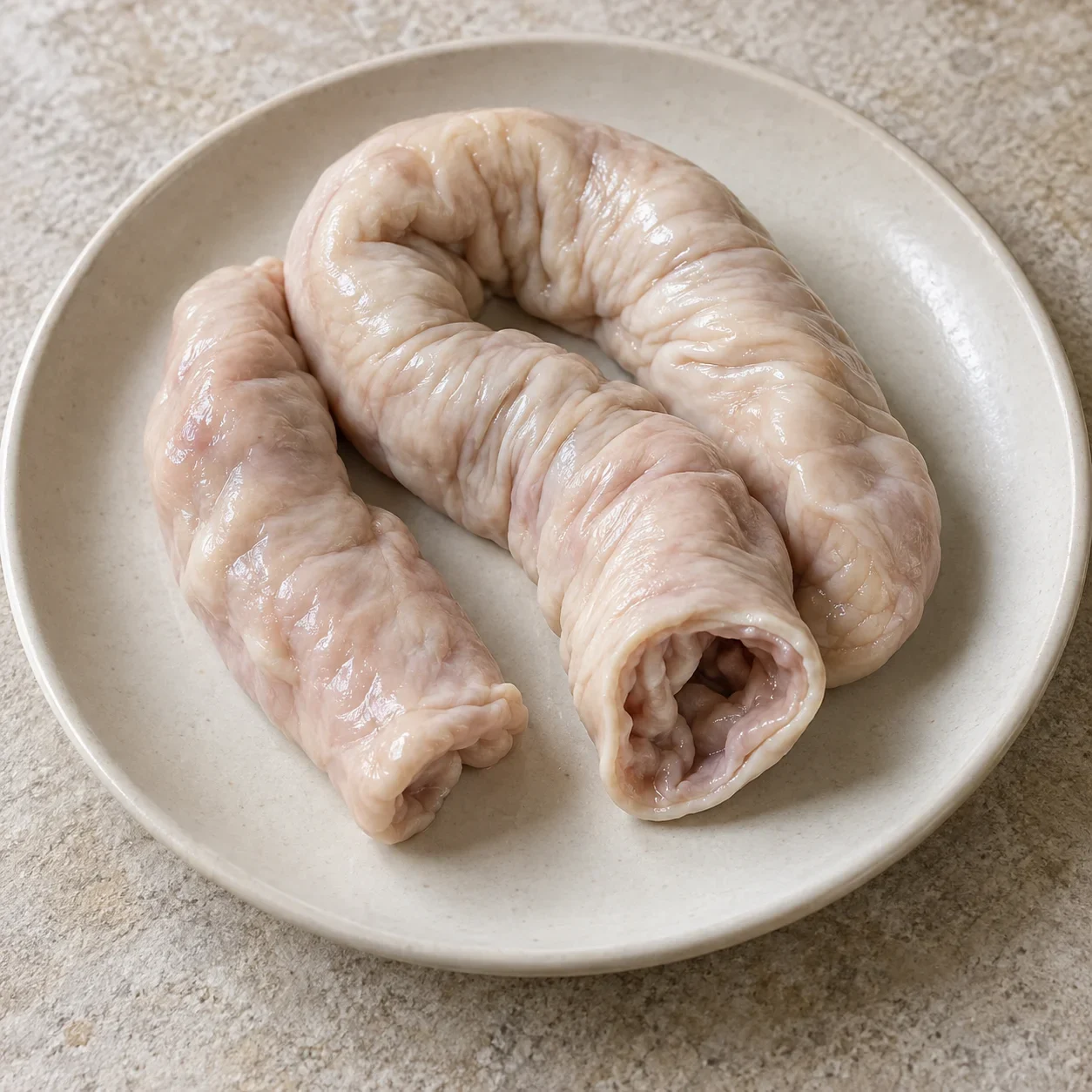
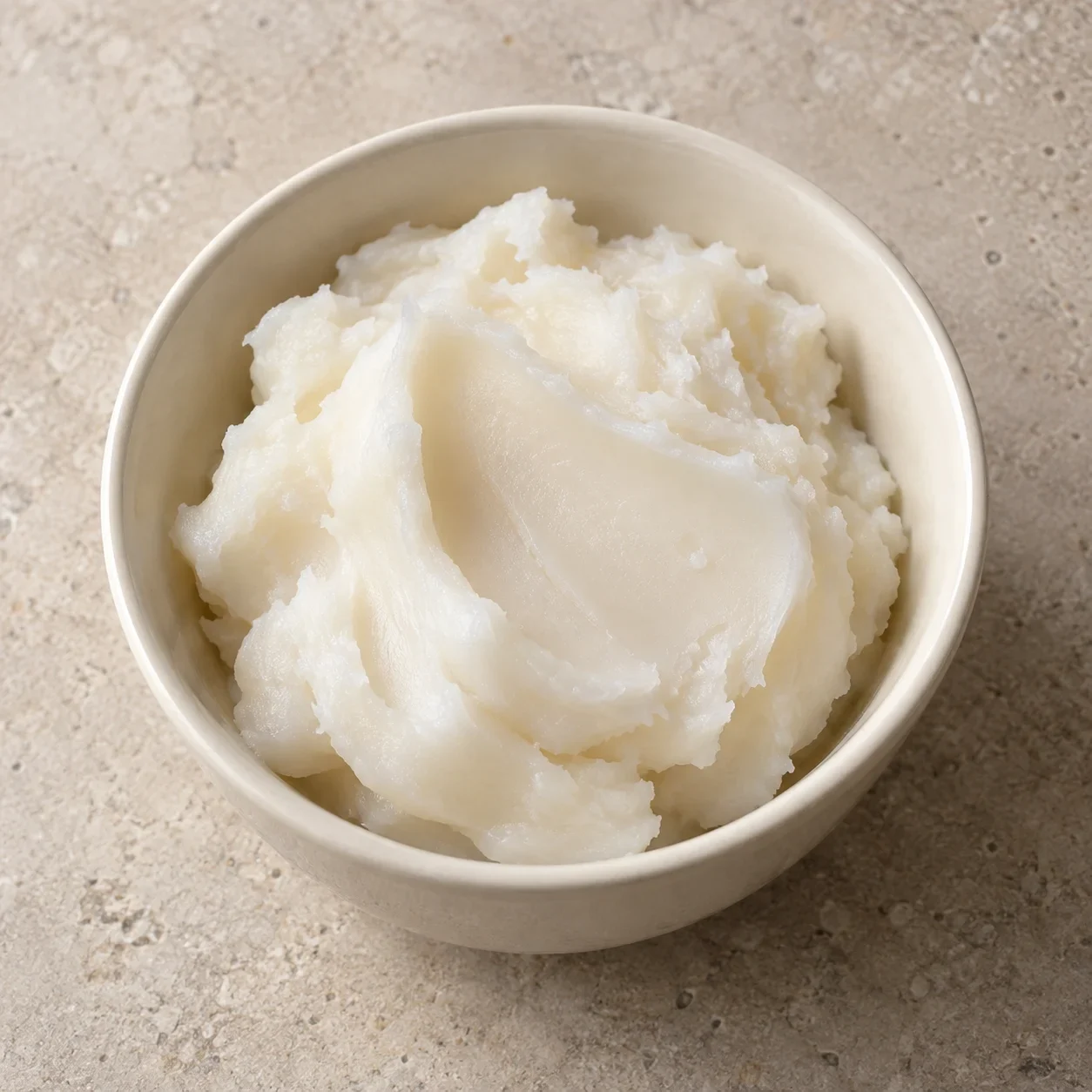

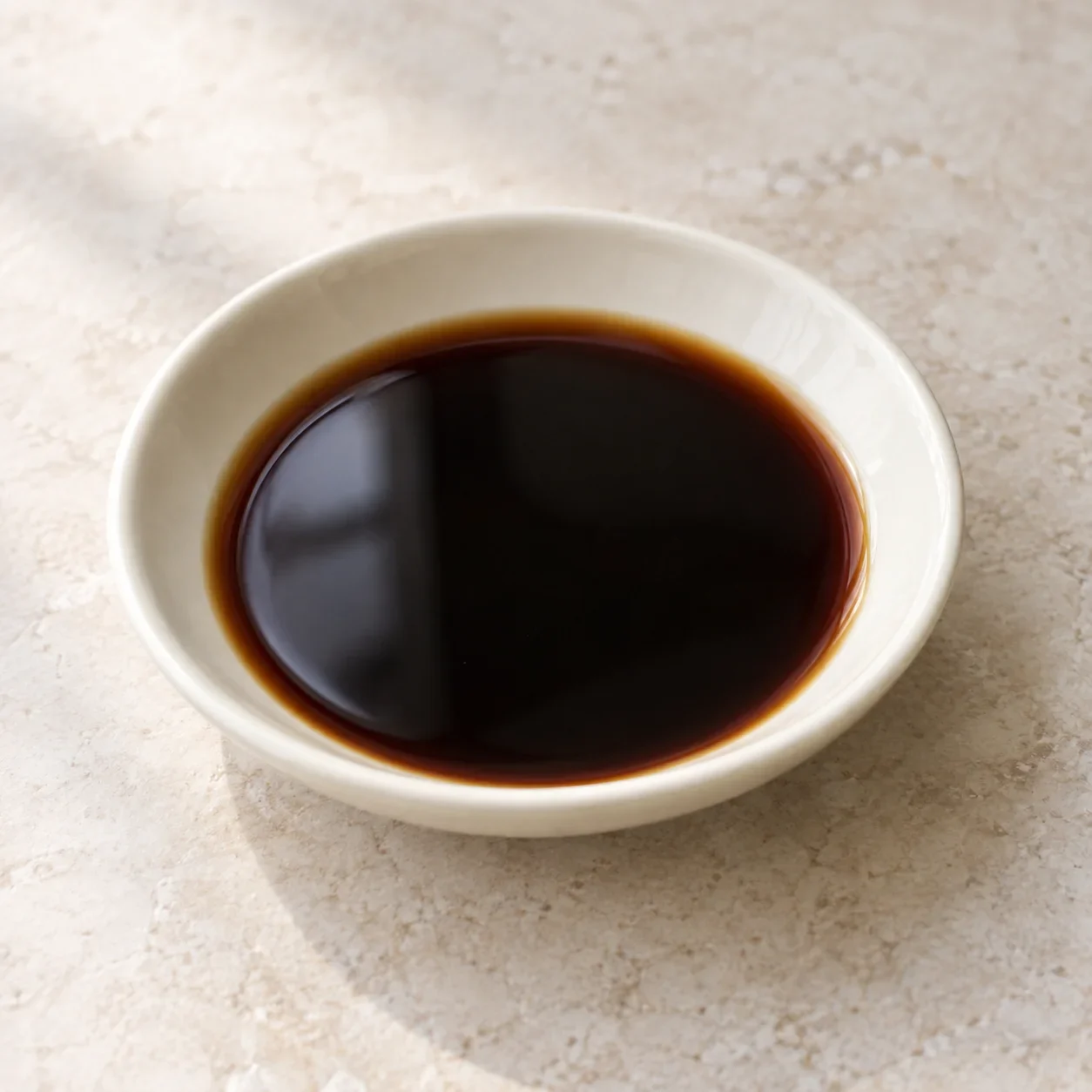
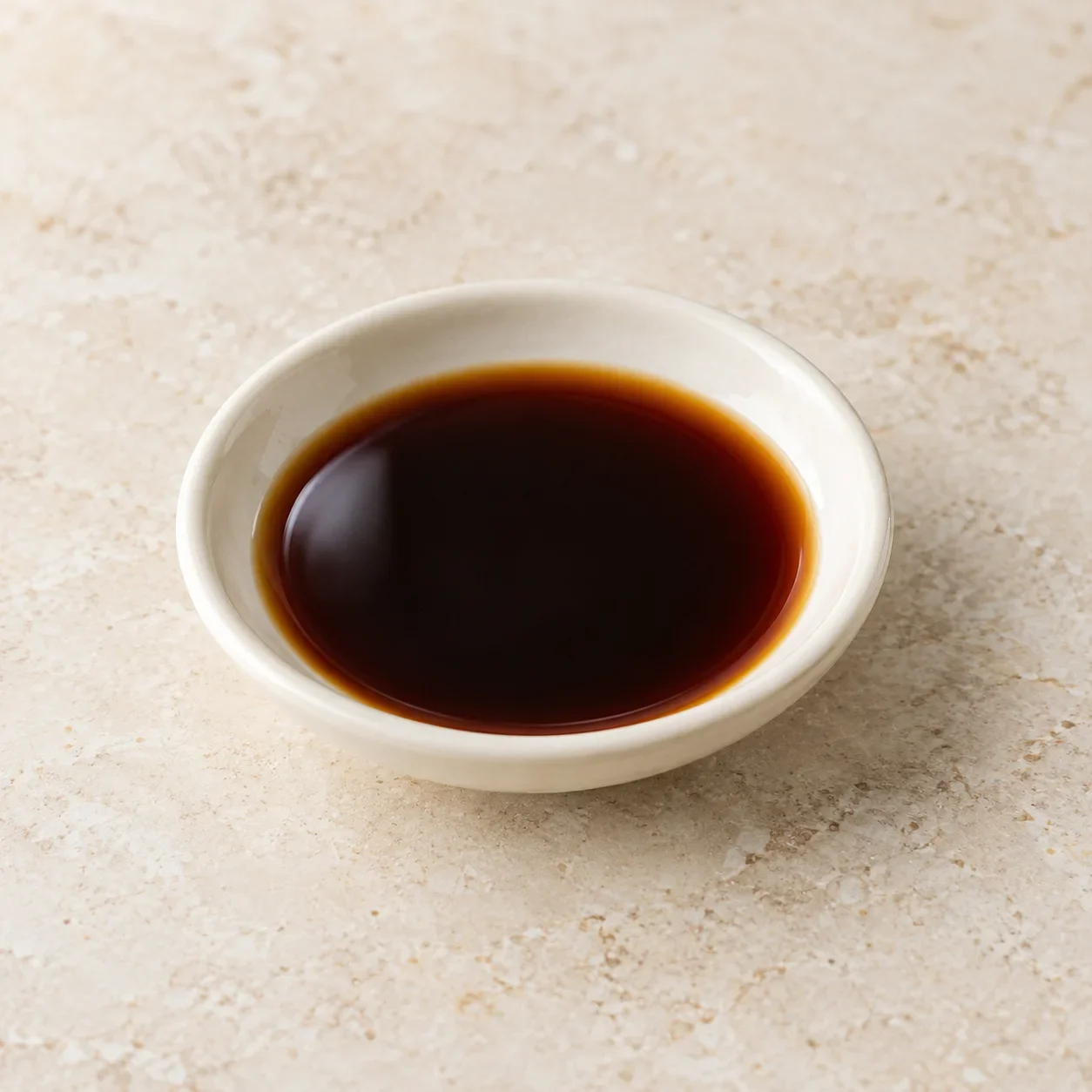
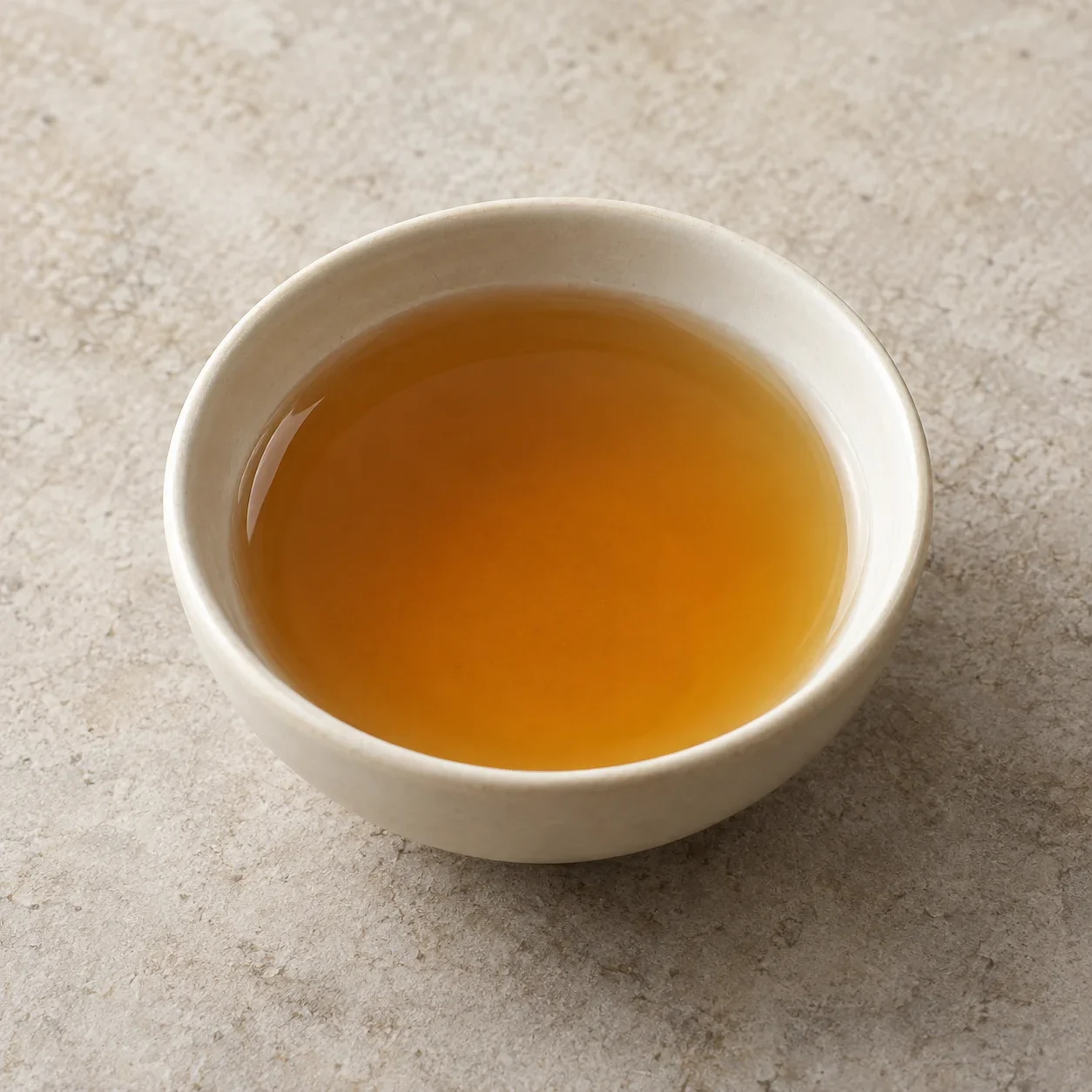
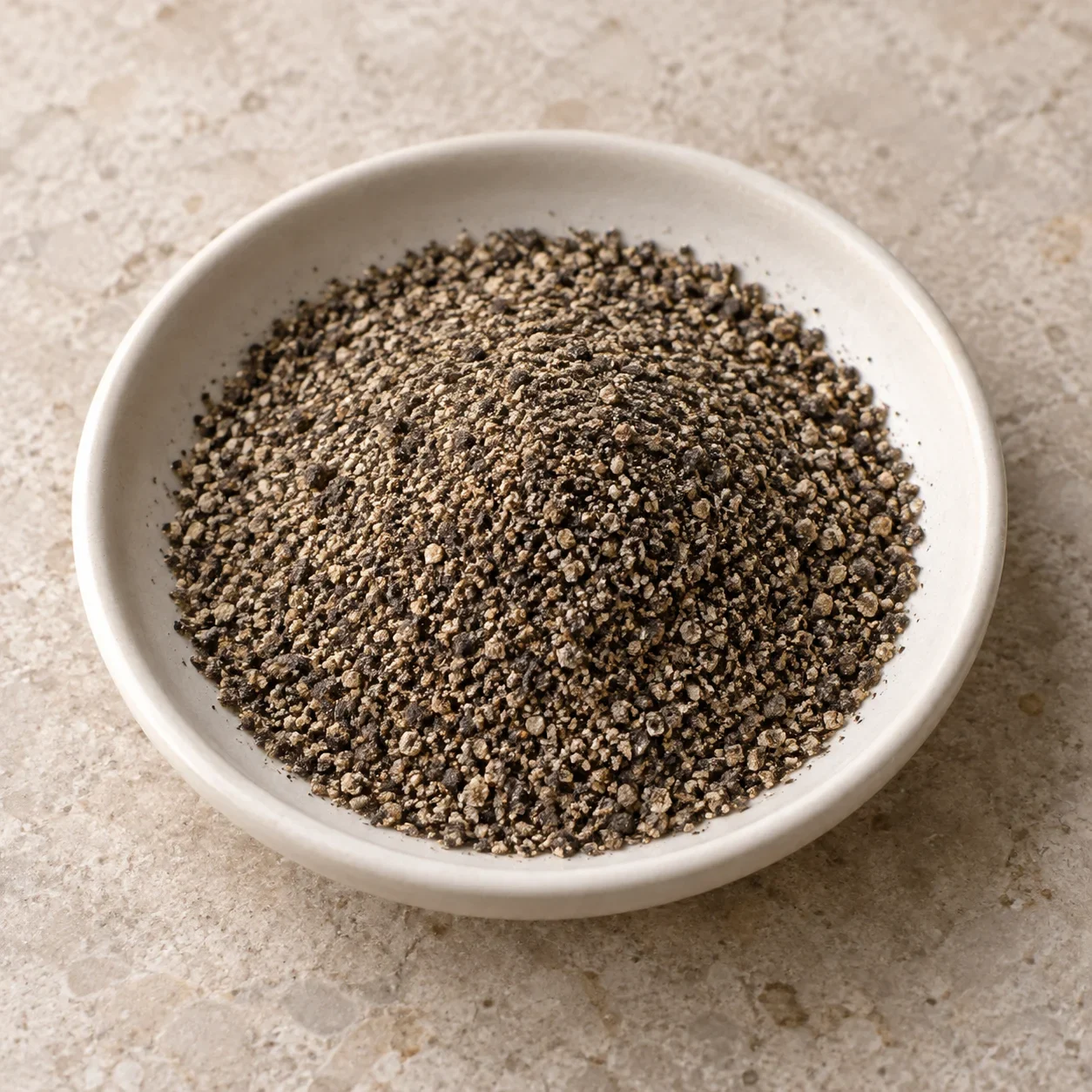
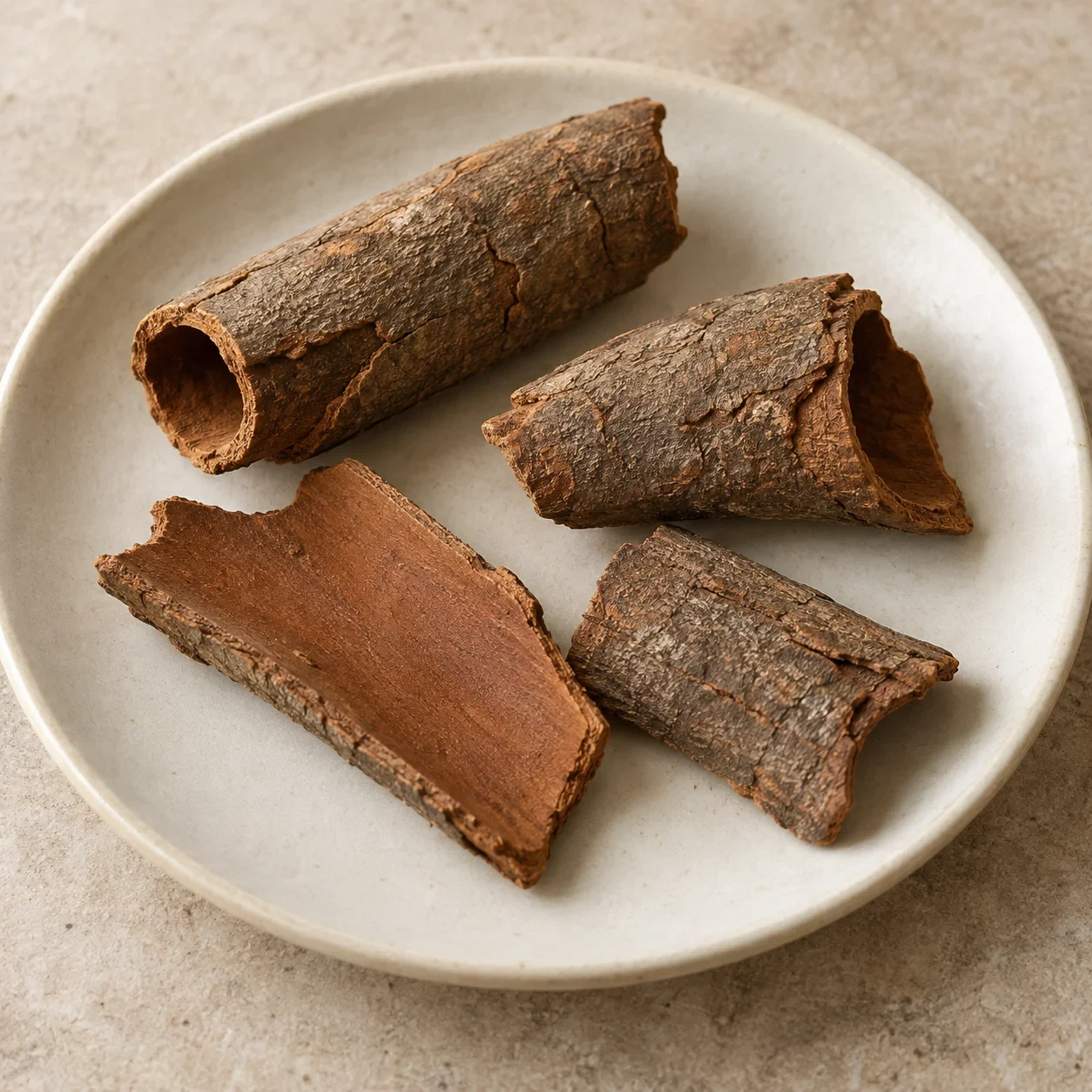
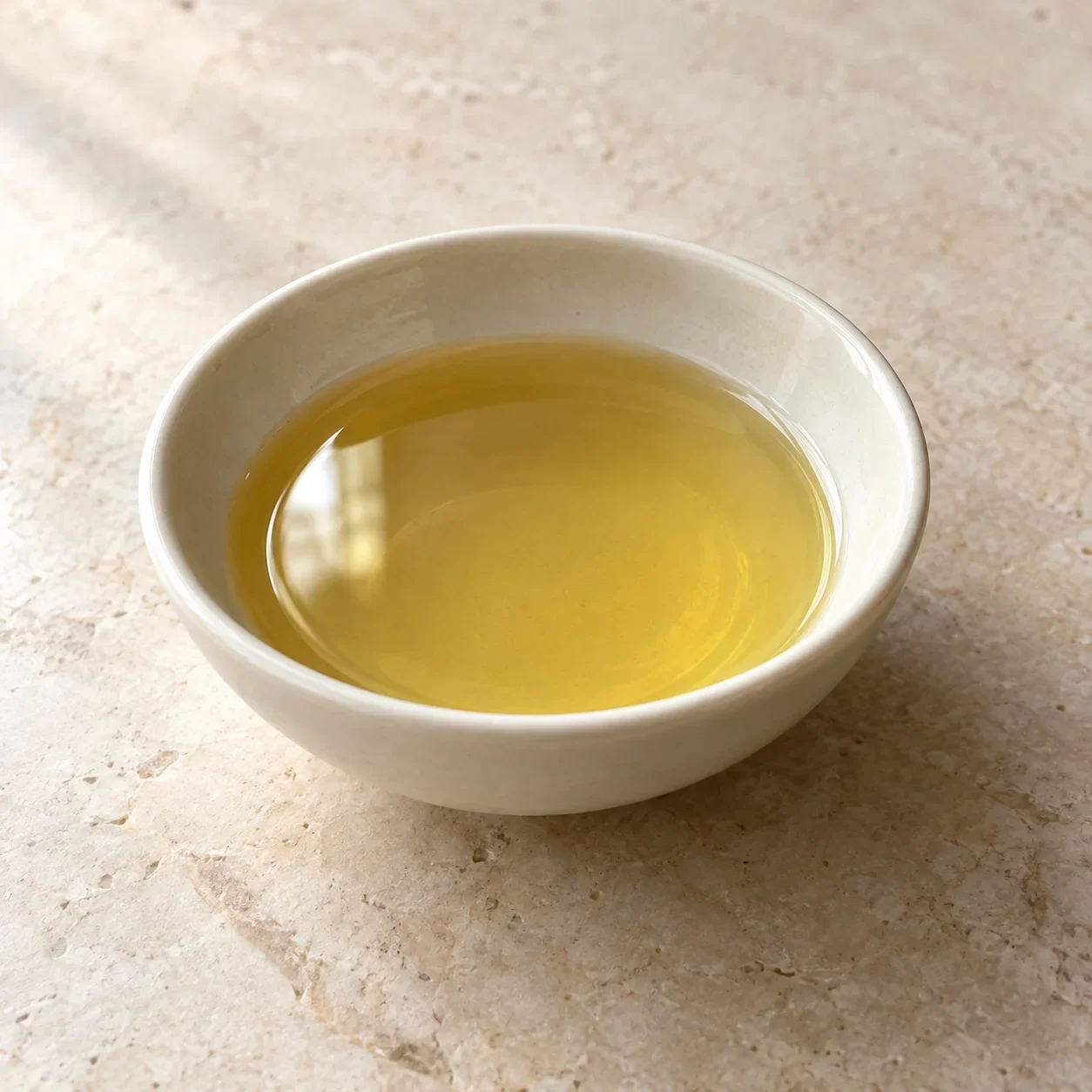

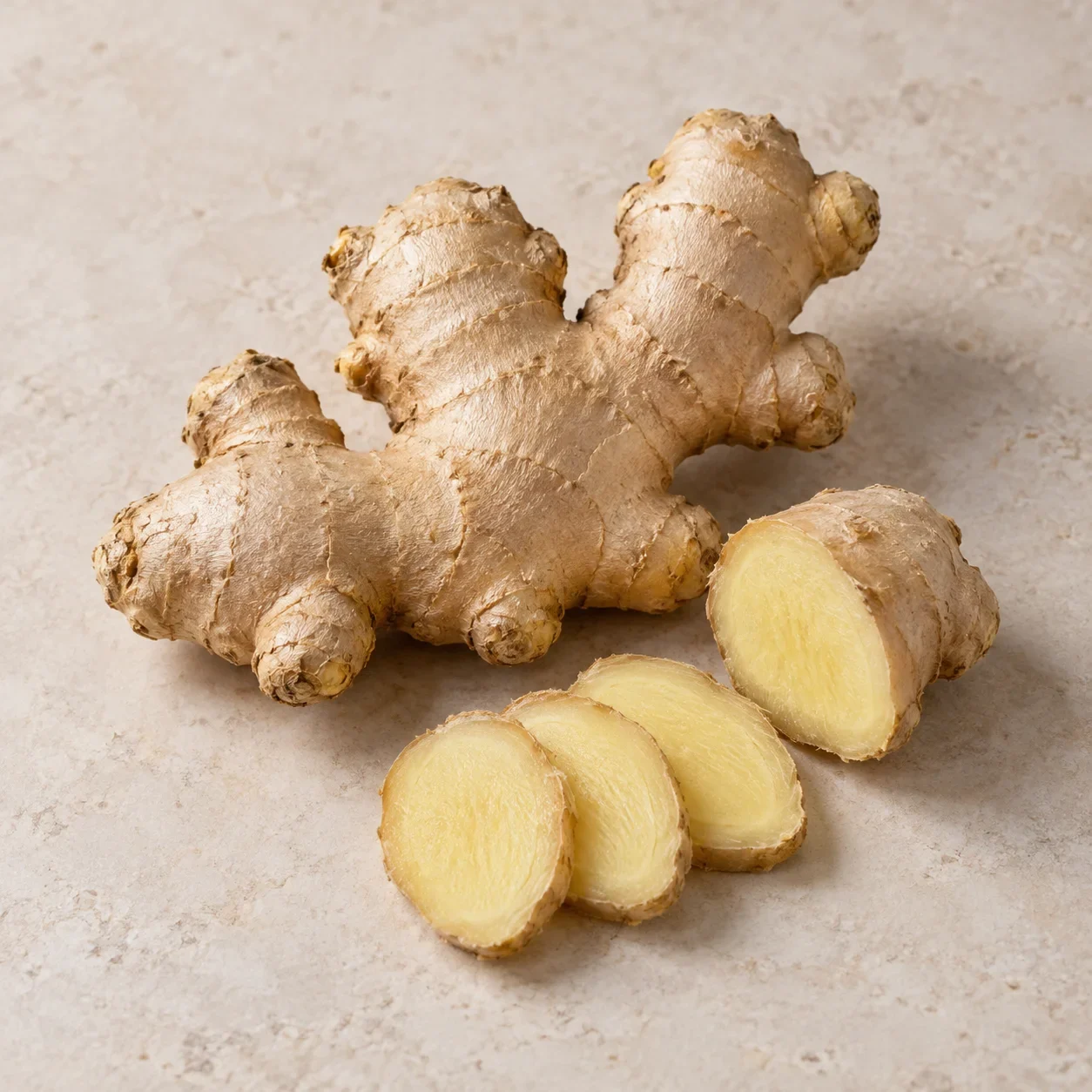
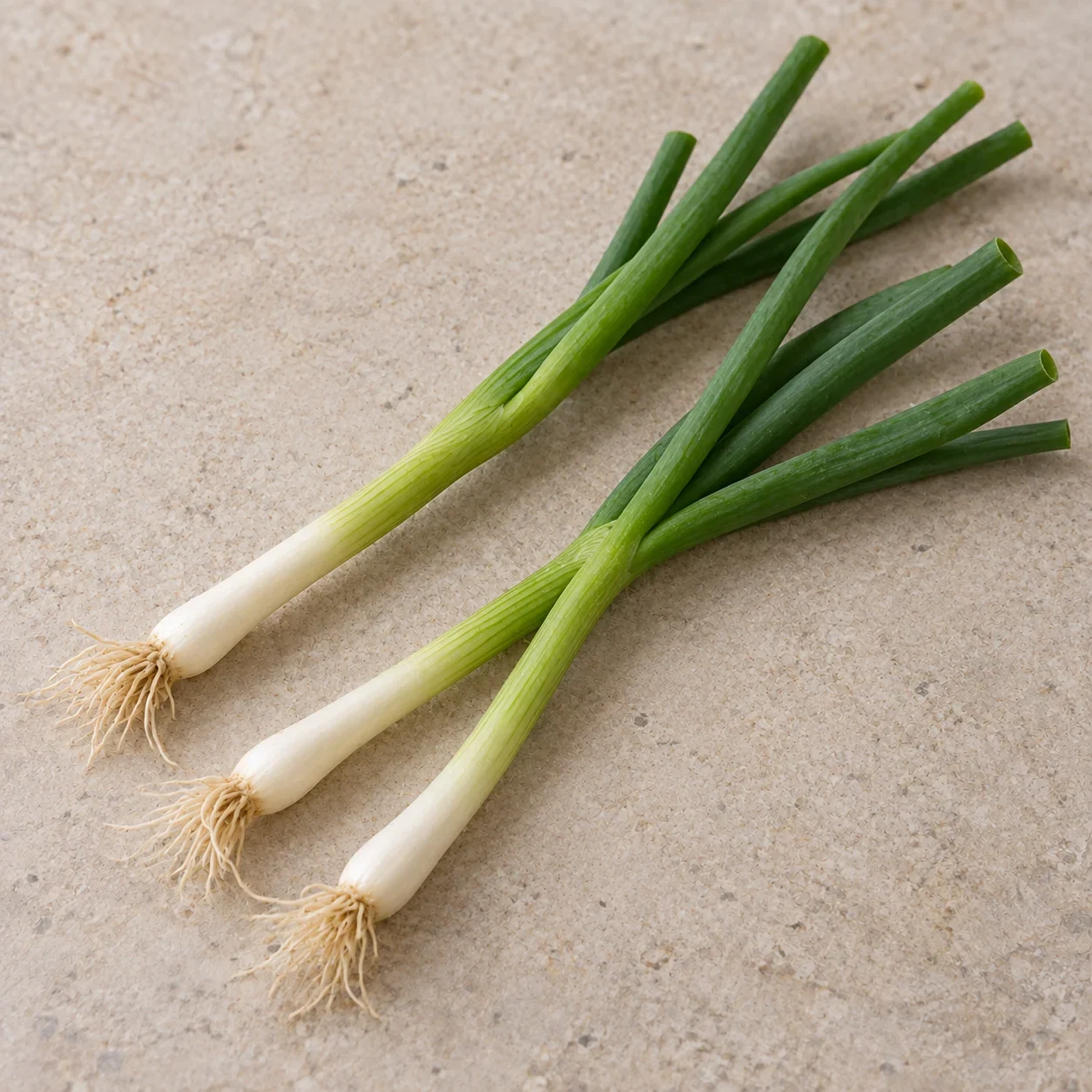
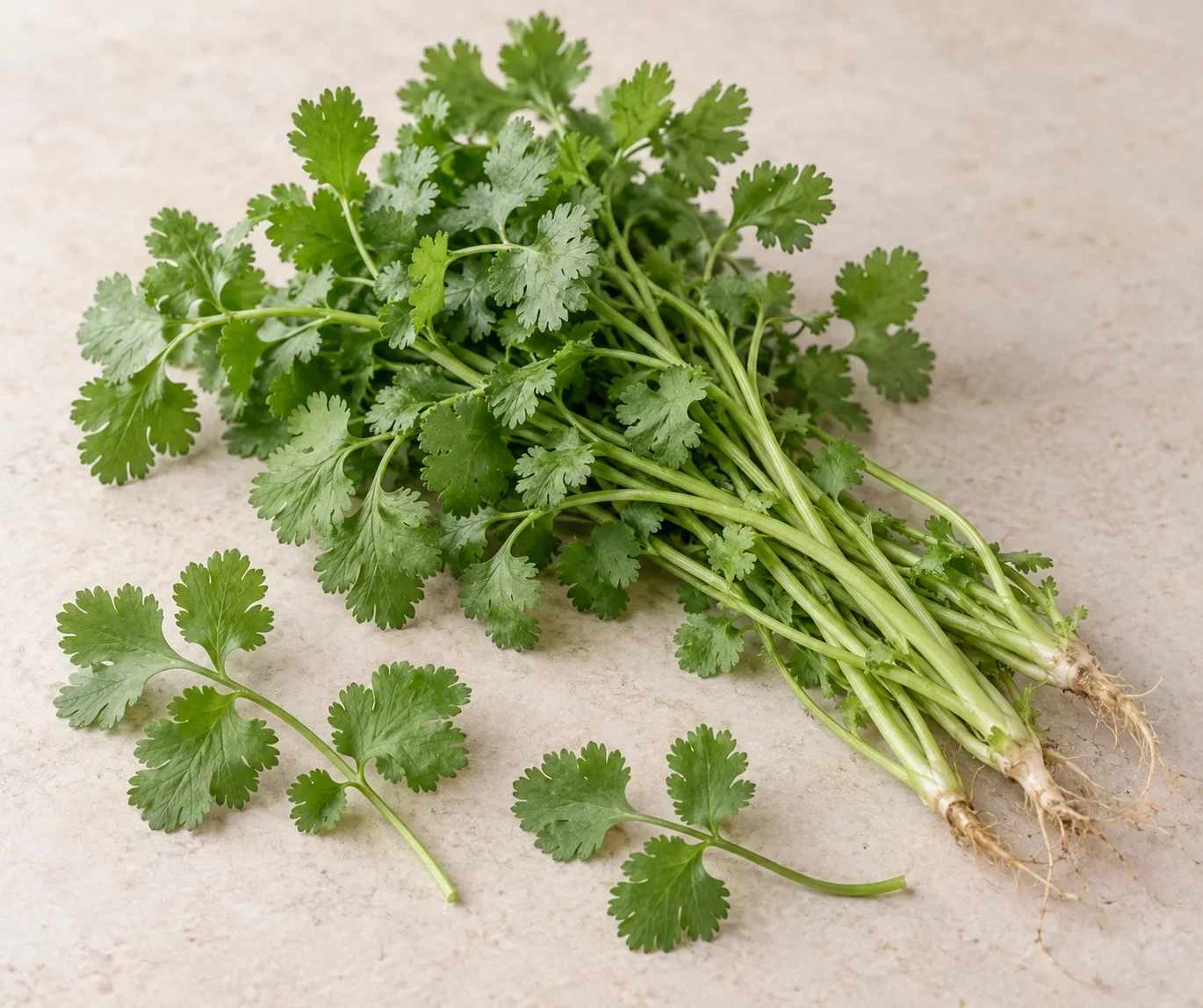
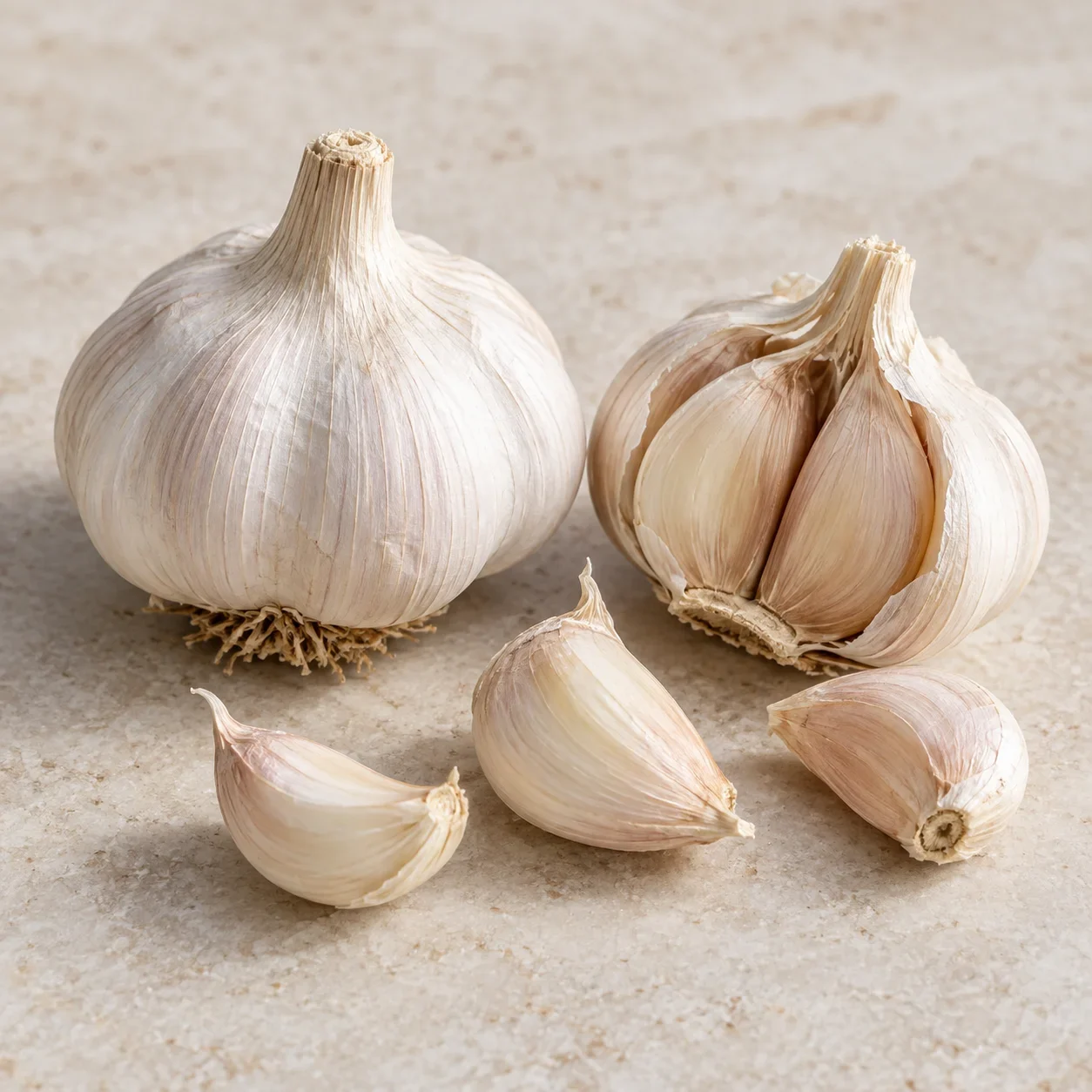
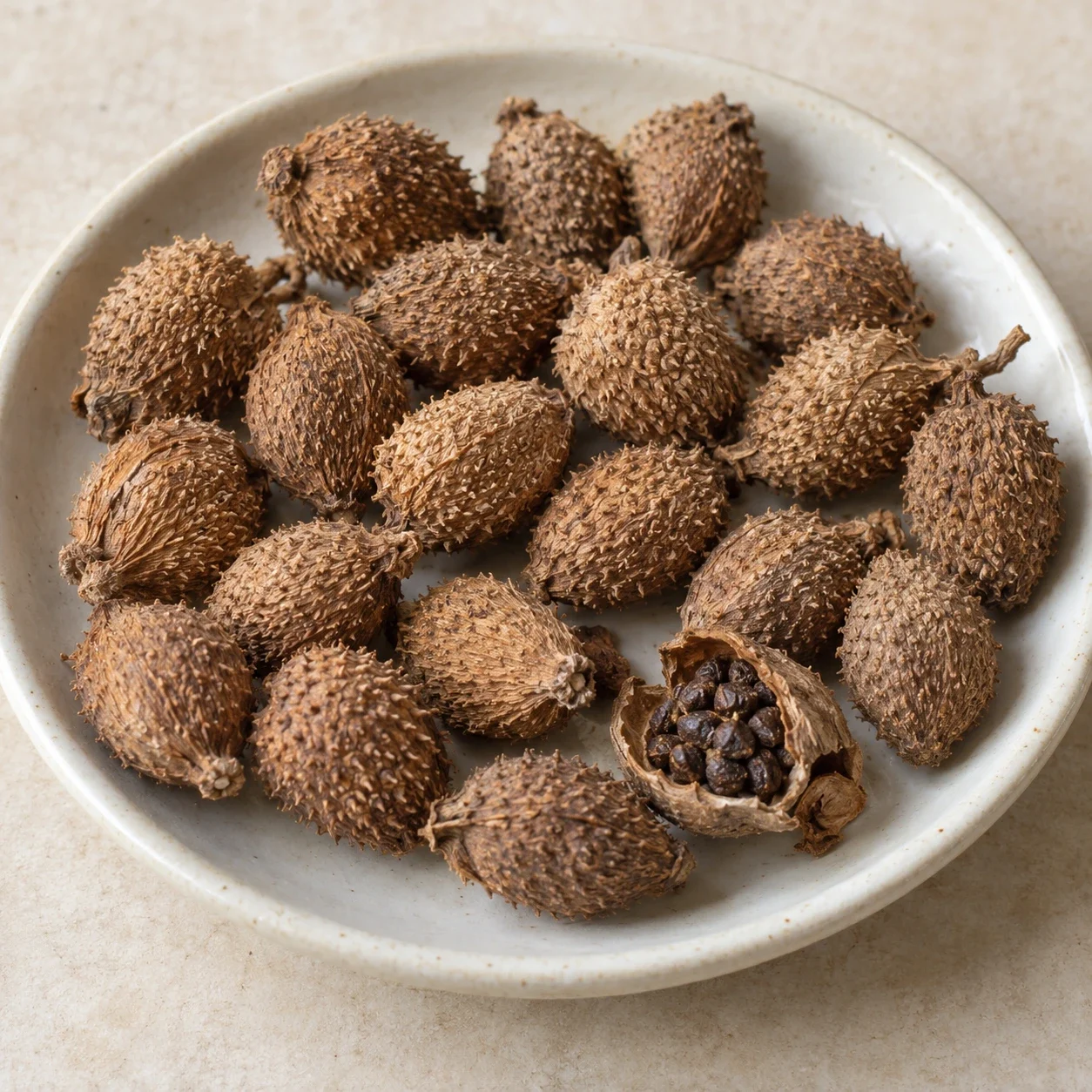
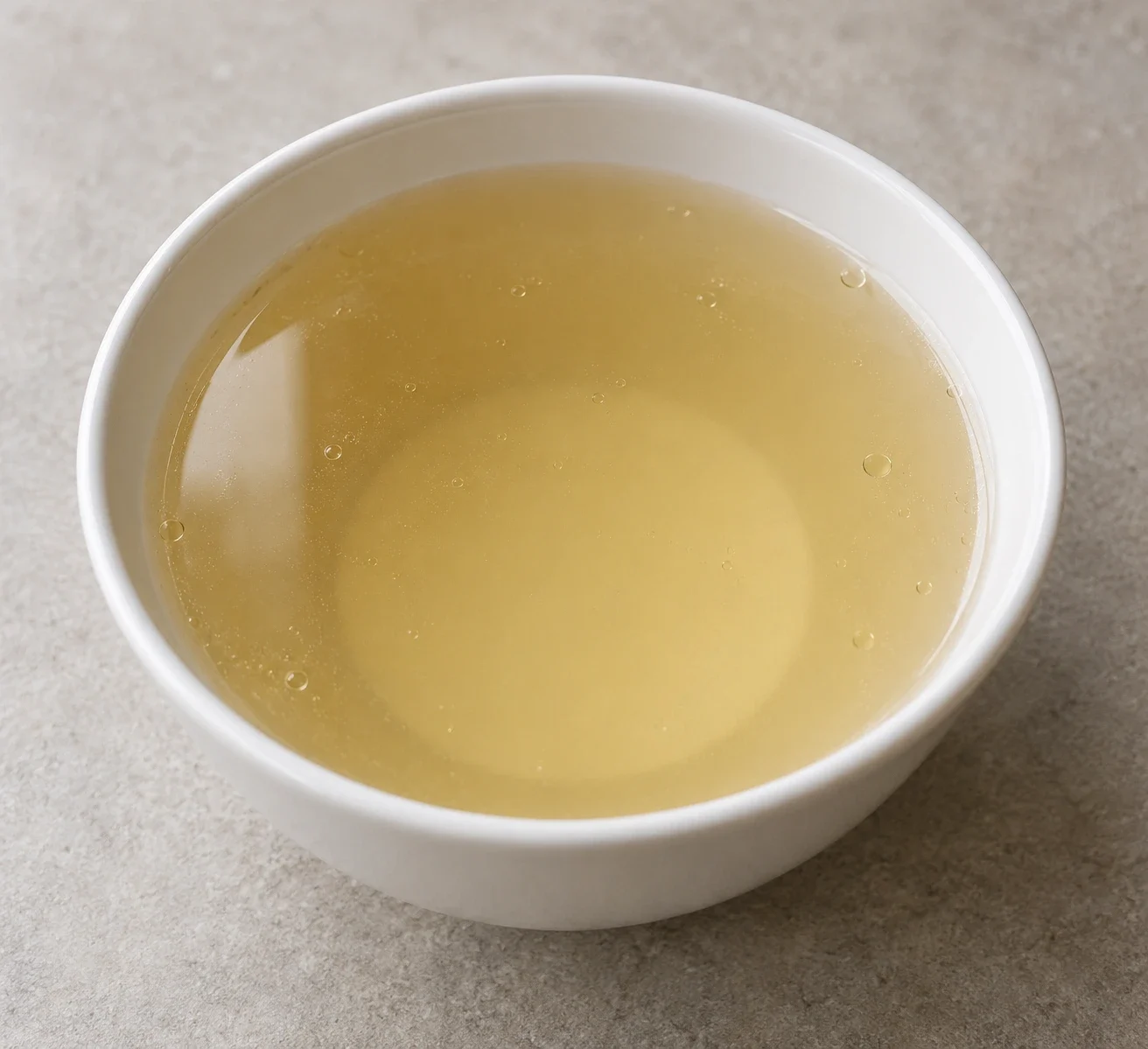
Recipes vary by restaurant.
How does it taste?
Sweet, sour and savory
- Chili heat
- Texture
- Sauce-coated folded sections.
- How it’s made
- Prepared large-intestine sections are blanched, fried in lard, then braised with sugar, vinegar, soy sauce, clear stock and spices until the sauce clings.
The intestines can be boiled and then braised, or fried before finishing.
A CONNECTION TO PLACE
Origin & regional roots
Associated with Shandong.
Ask if they have it first
请问你们有九转大肠吗?
Do you have this item?
A LITTLE SOMETHING TO READ
Story & history
Shandong craft in a glossy glaze
This account describes a tradition or story, rather than an established historical fact.
In Jinan, this Shandong classic turns pork large intestine into a richly glazed dish. Blanching, frying and slow braising build its soft texture and red-brown coating. Sugar, vinegar and salt meet the aromas of pepper, cassia and sharen; the warmth comes from spices rather than chilli in this version.