
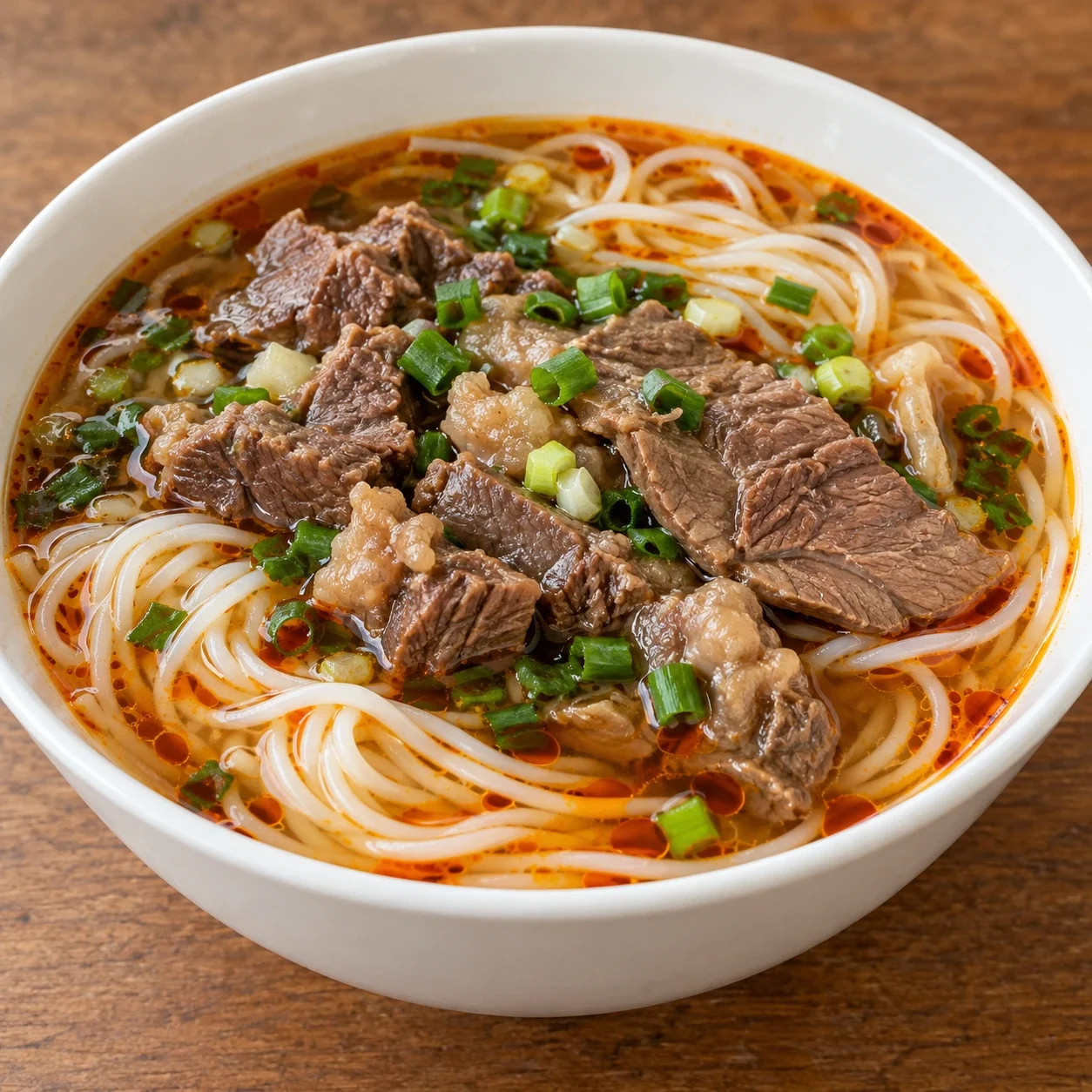
At the table
Stir the beef juices into the broth and eat with chopsticks and a spoon. Add offered pickled vegetables to taste; they need not all go into the bowl.
Contains beef and beef fat. Condiments and broths vary; check soy, wheat or other allergens in additions if needed.
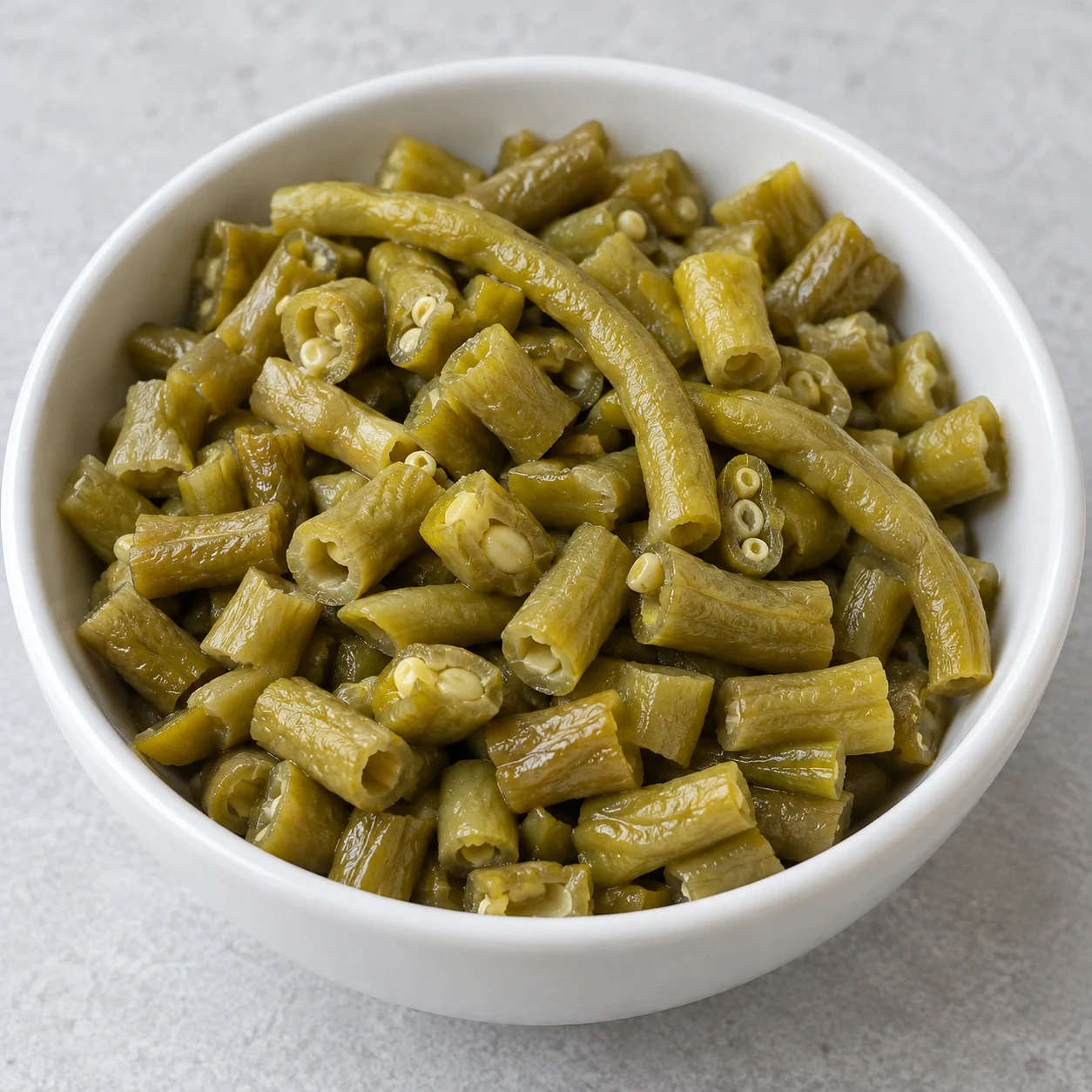
Spice blends and chili amounts vary. Pickled mustard stem or sour long beans may be offered; offal and other toppings are different choices, not mandatory ingredients.
GET TO KNOW THE DISH
What goes into it?
Explore some key ingredients below. Preparations may use additional seasonings and ingredients.
Spice blends and chili amounts vary. Pickled mustard stem or sour long beans may be offered; offal and other toppings are different choices, not mandatory ingredients.
Typical ingredients
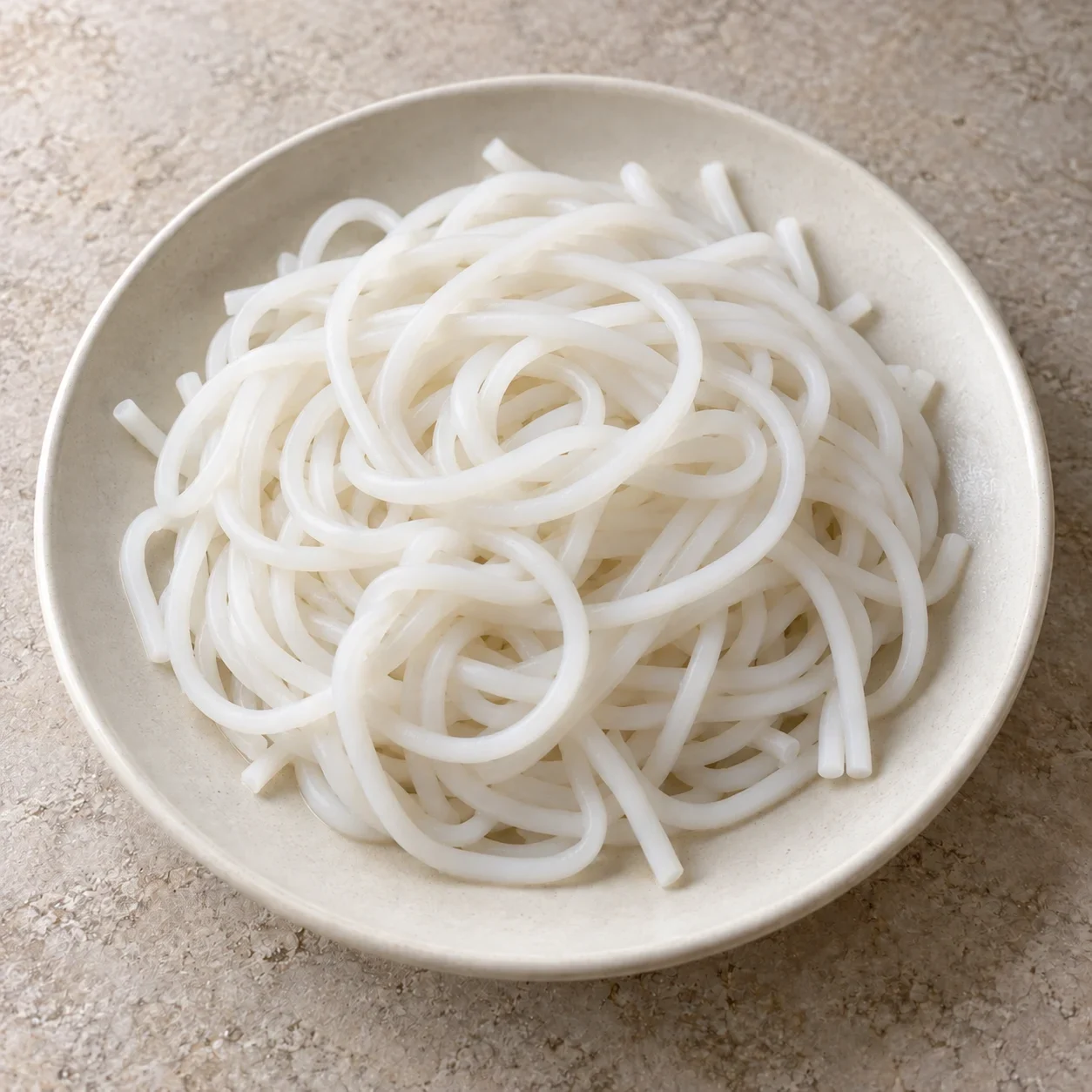
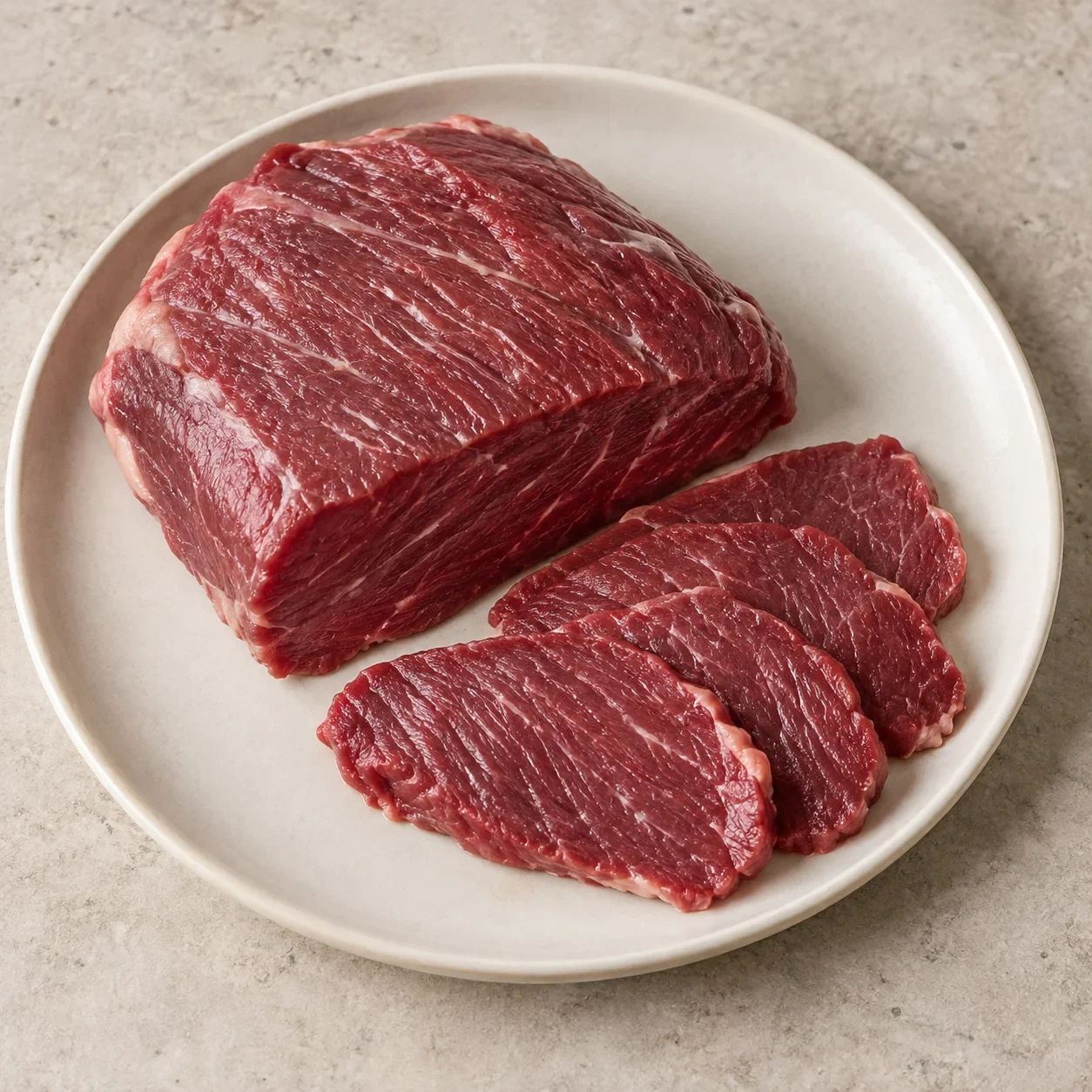
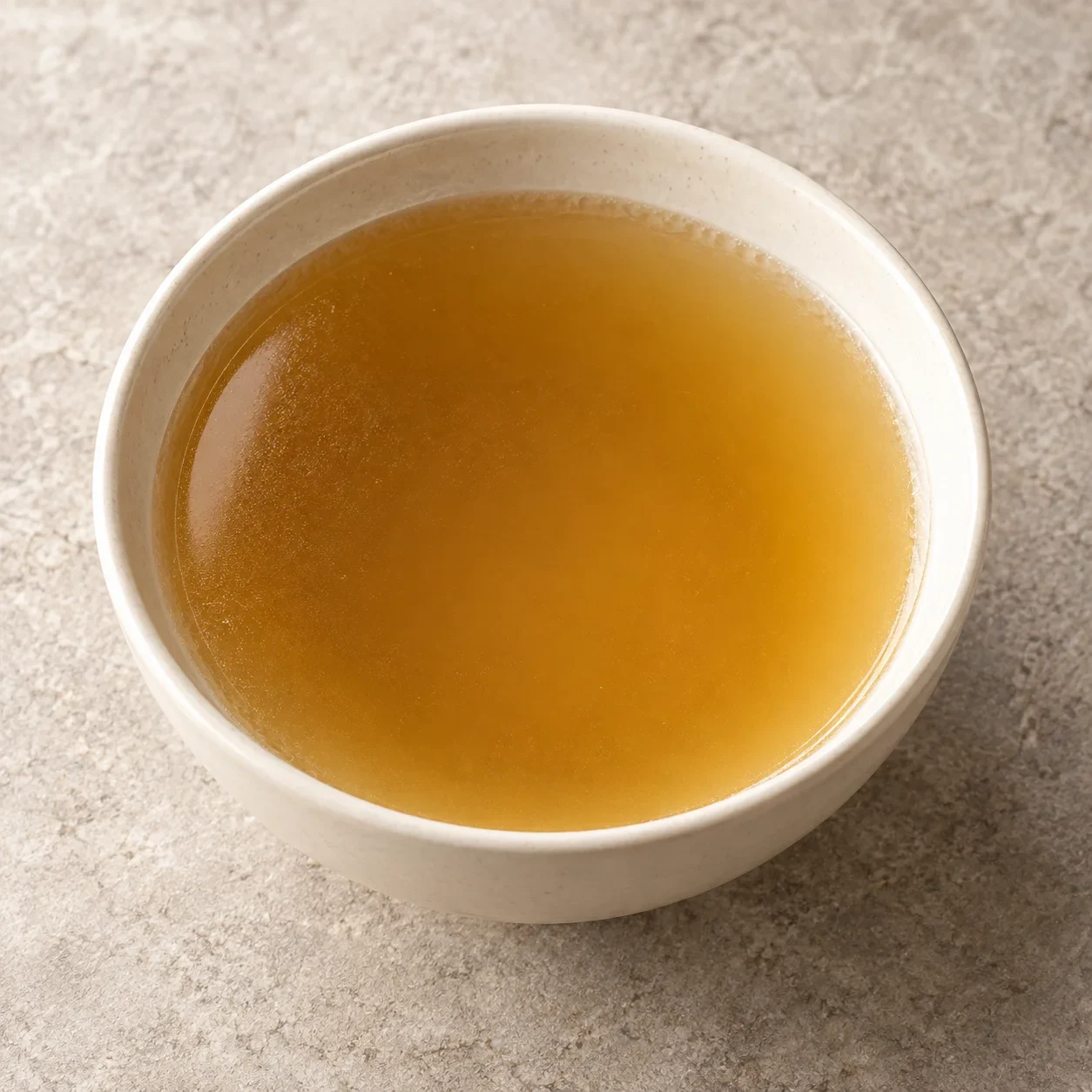
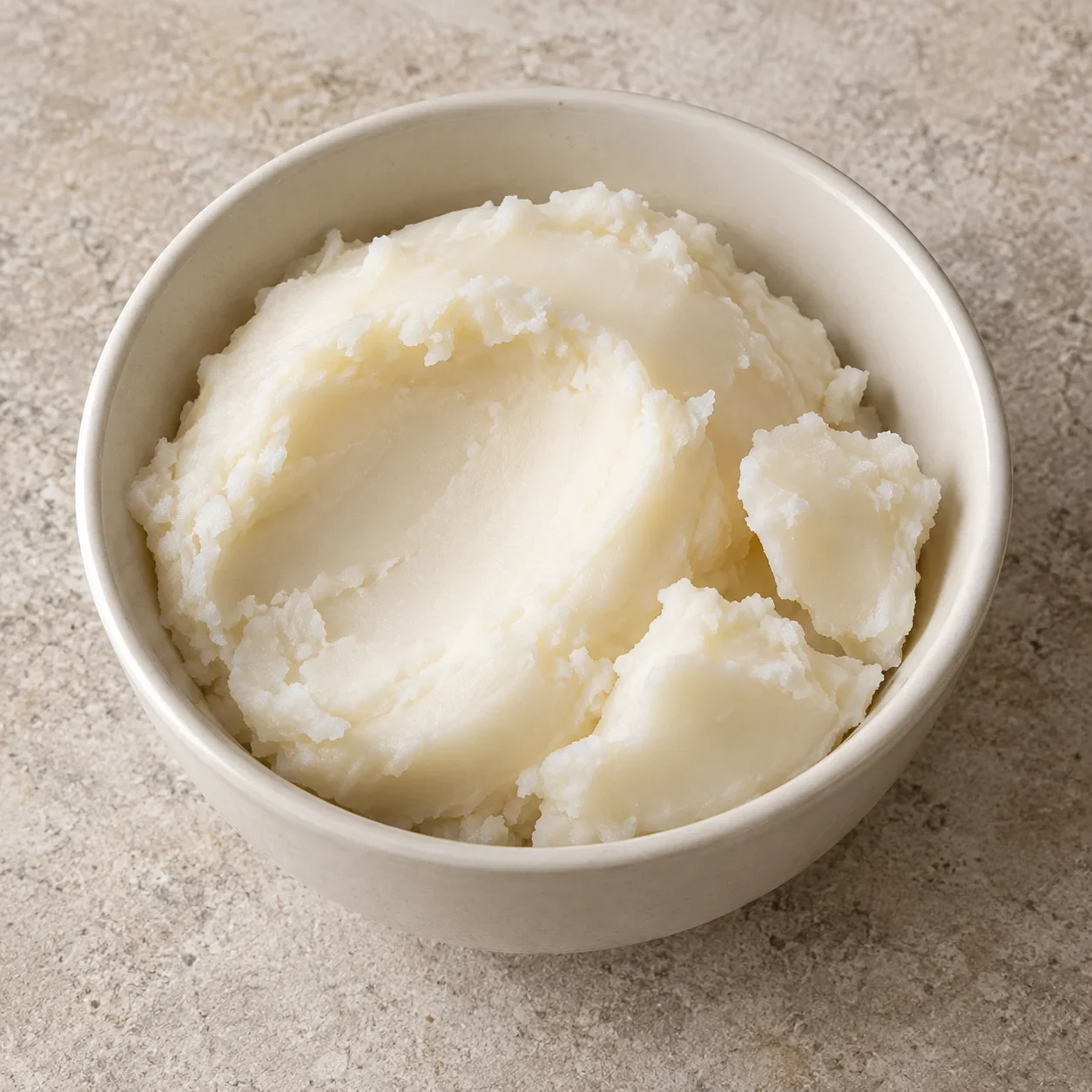
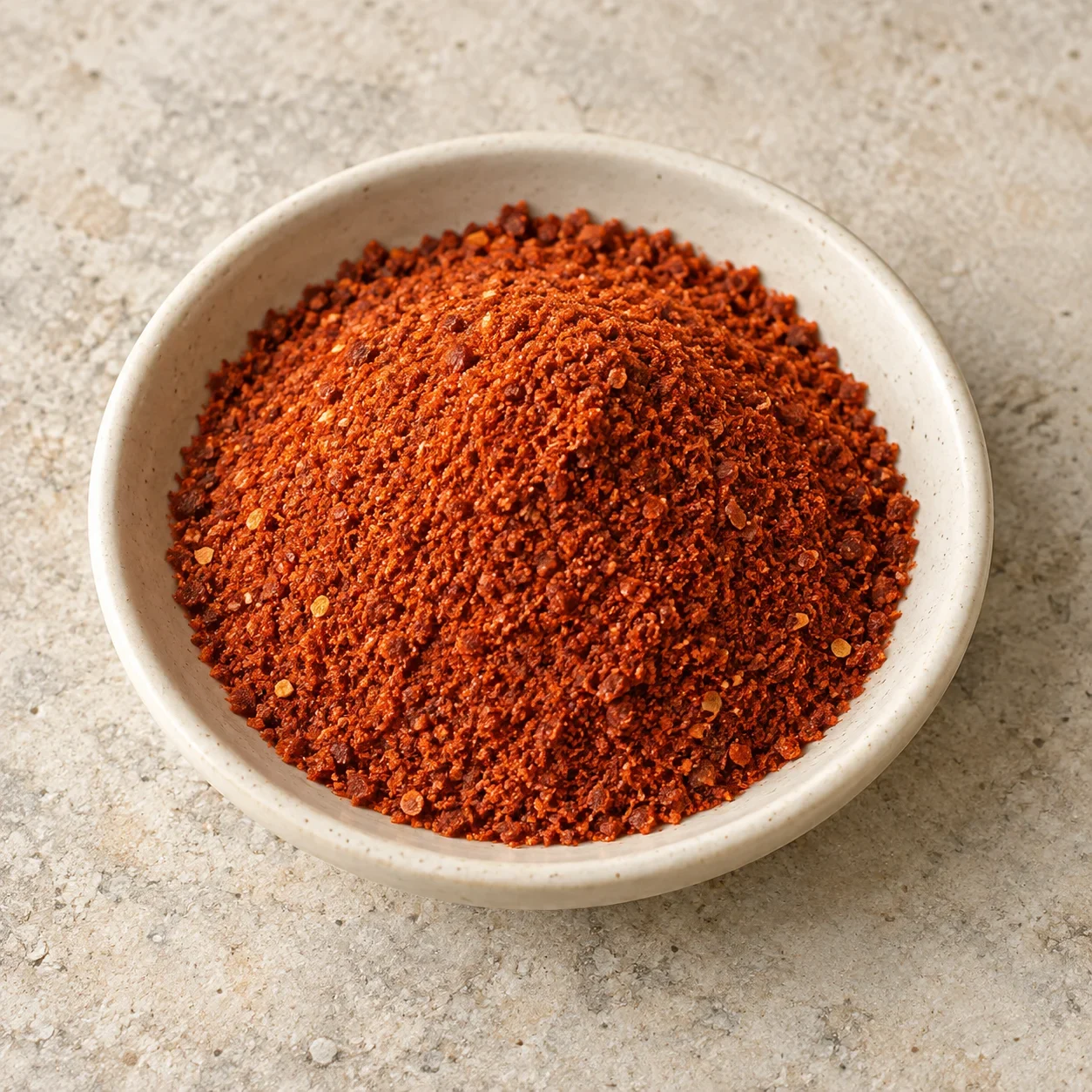
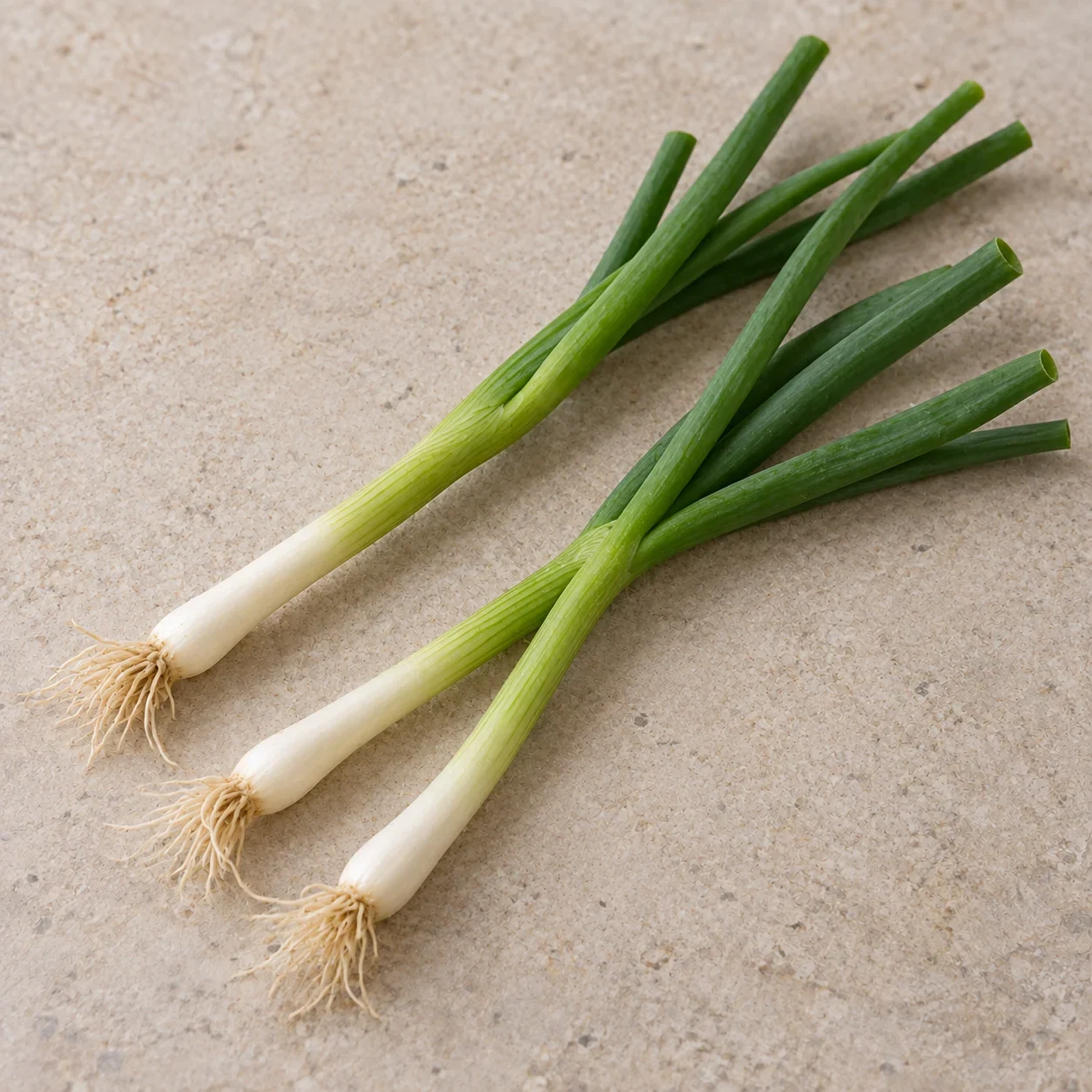

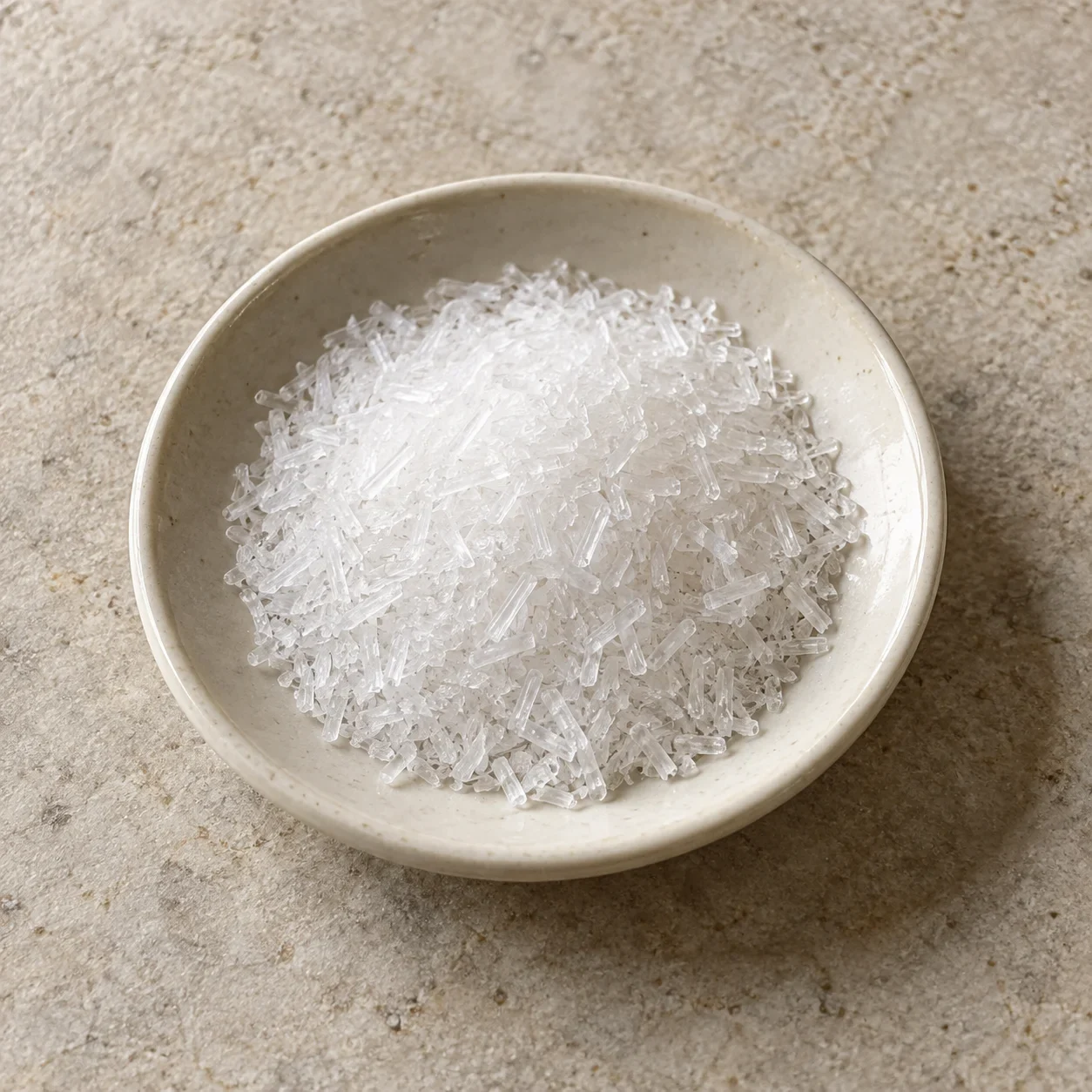
In some versions
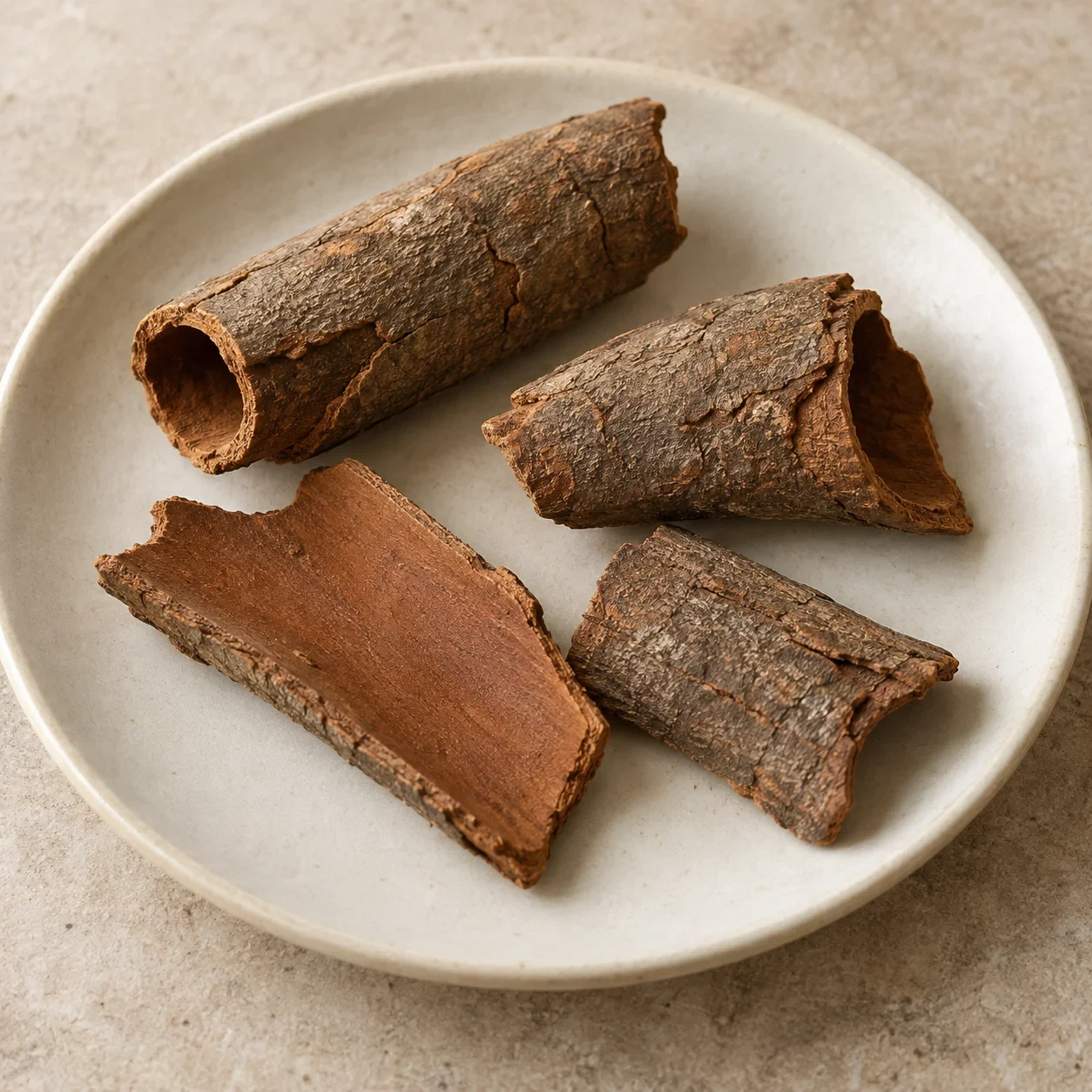
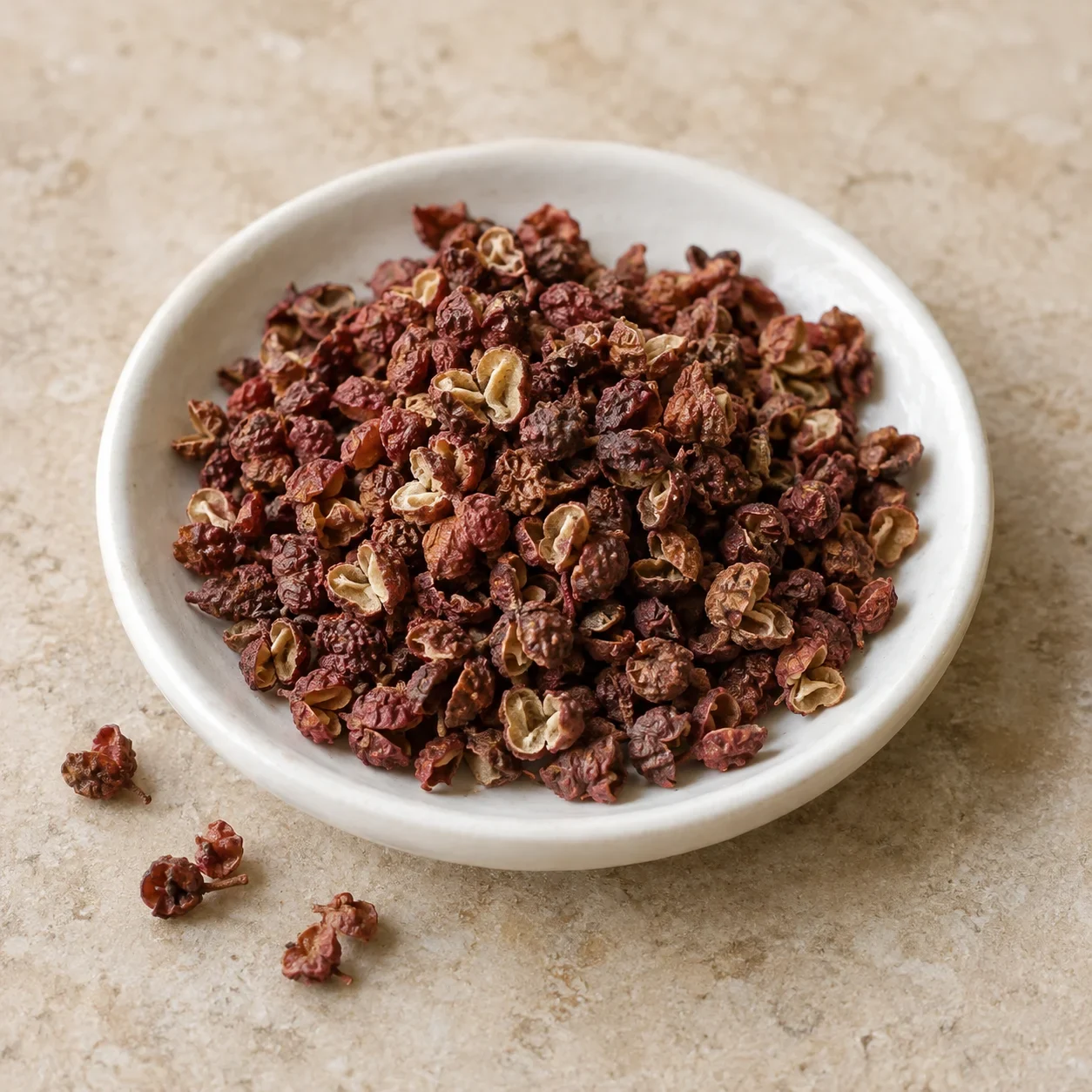
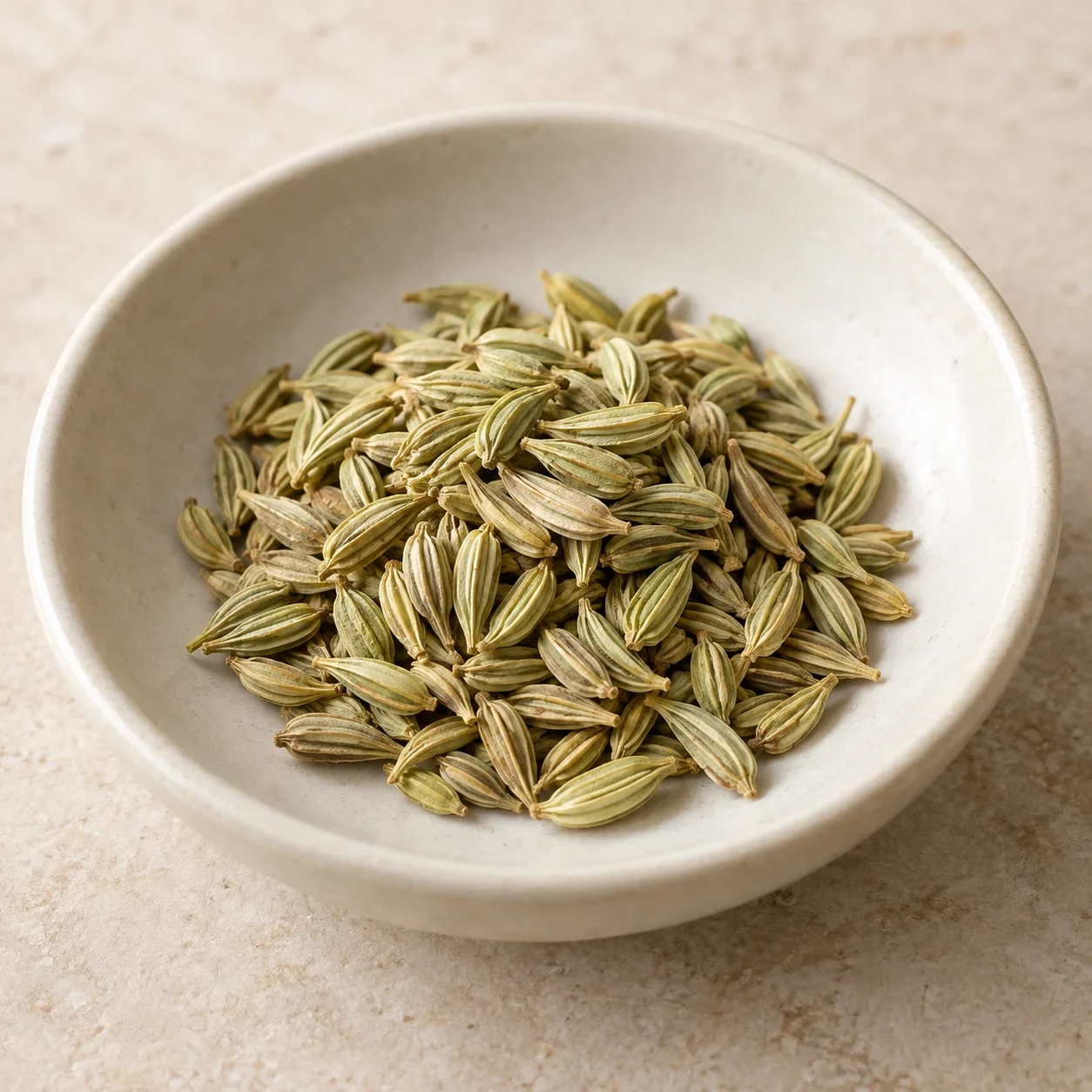
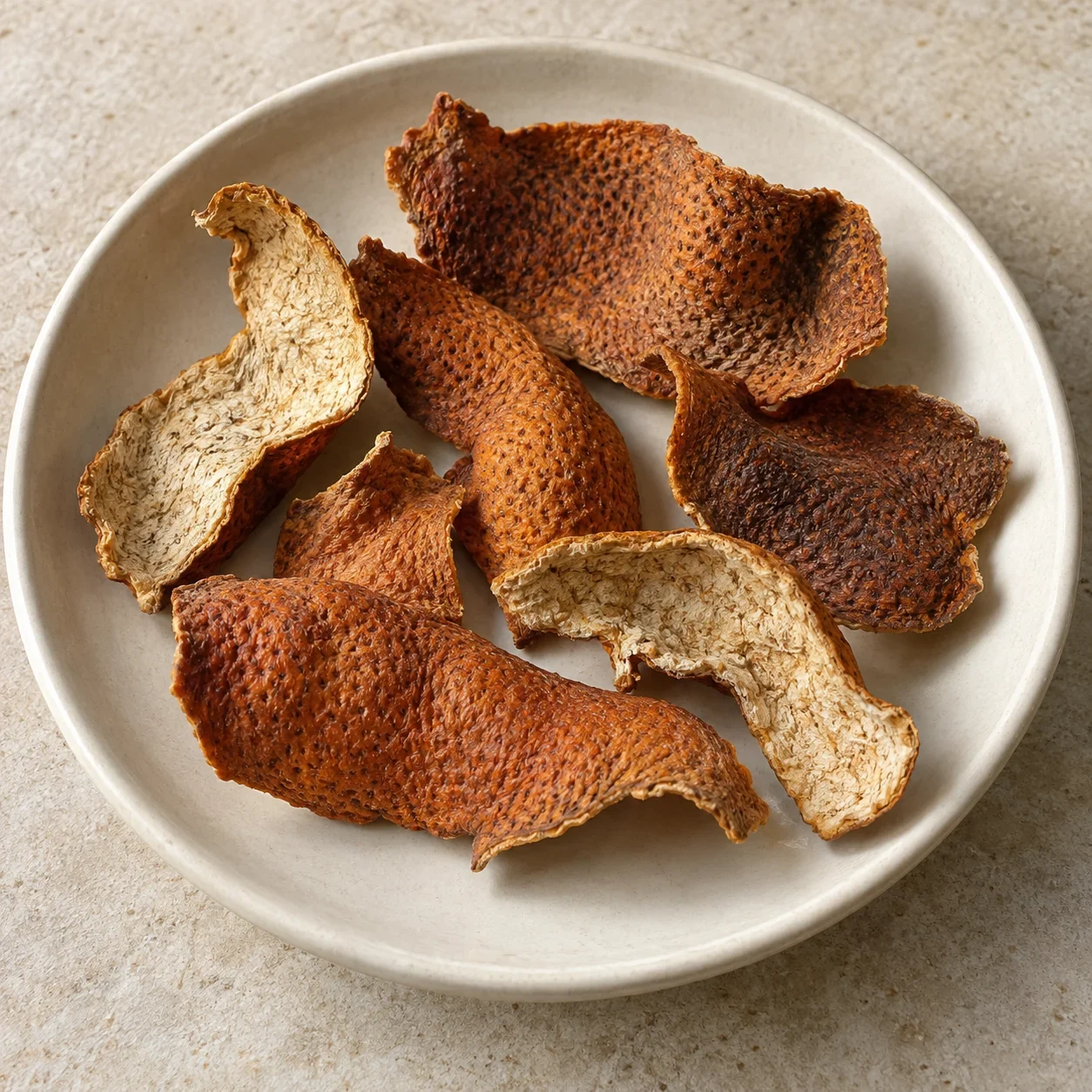
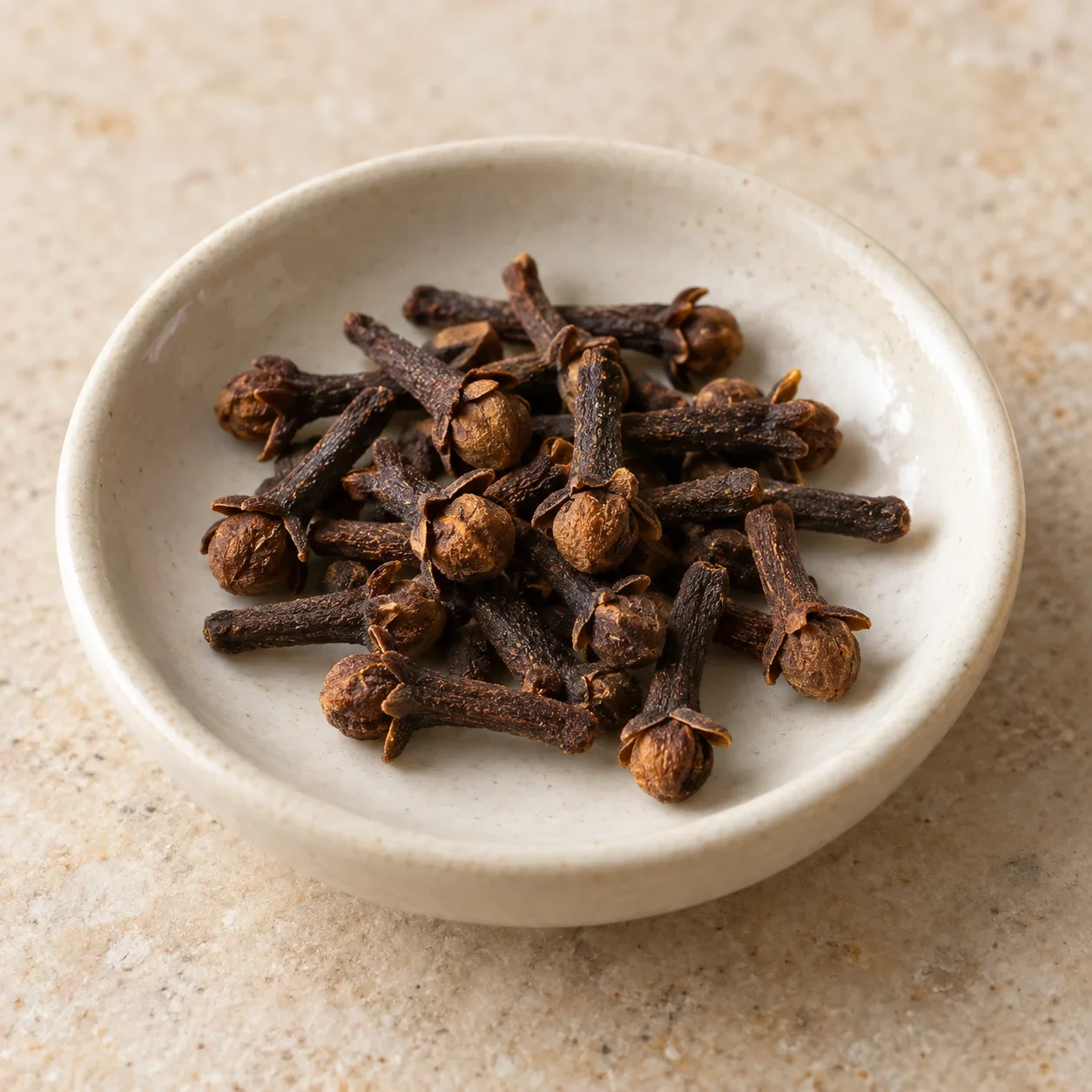
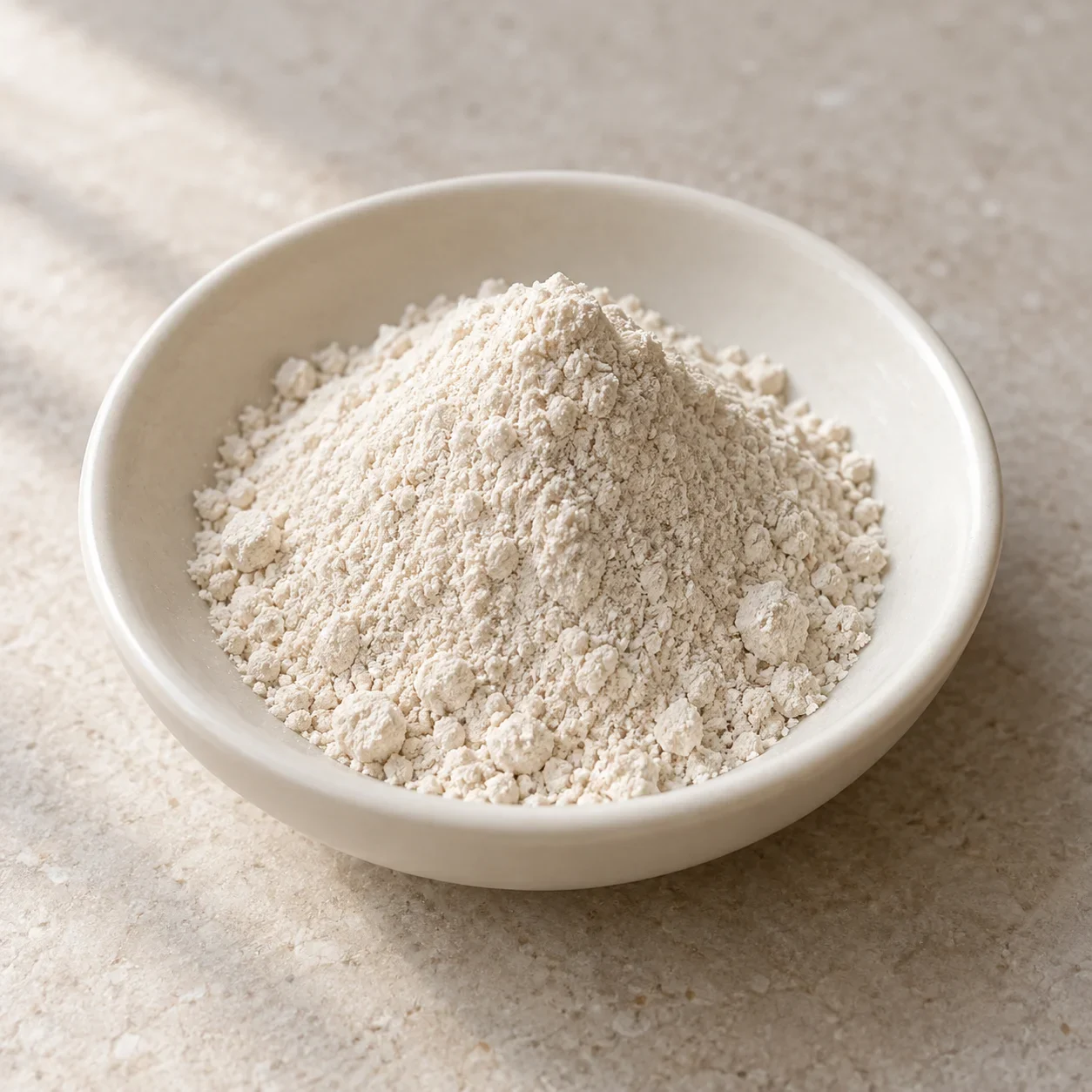
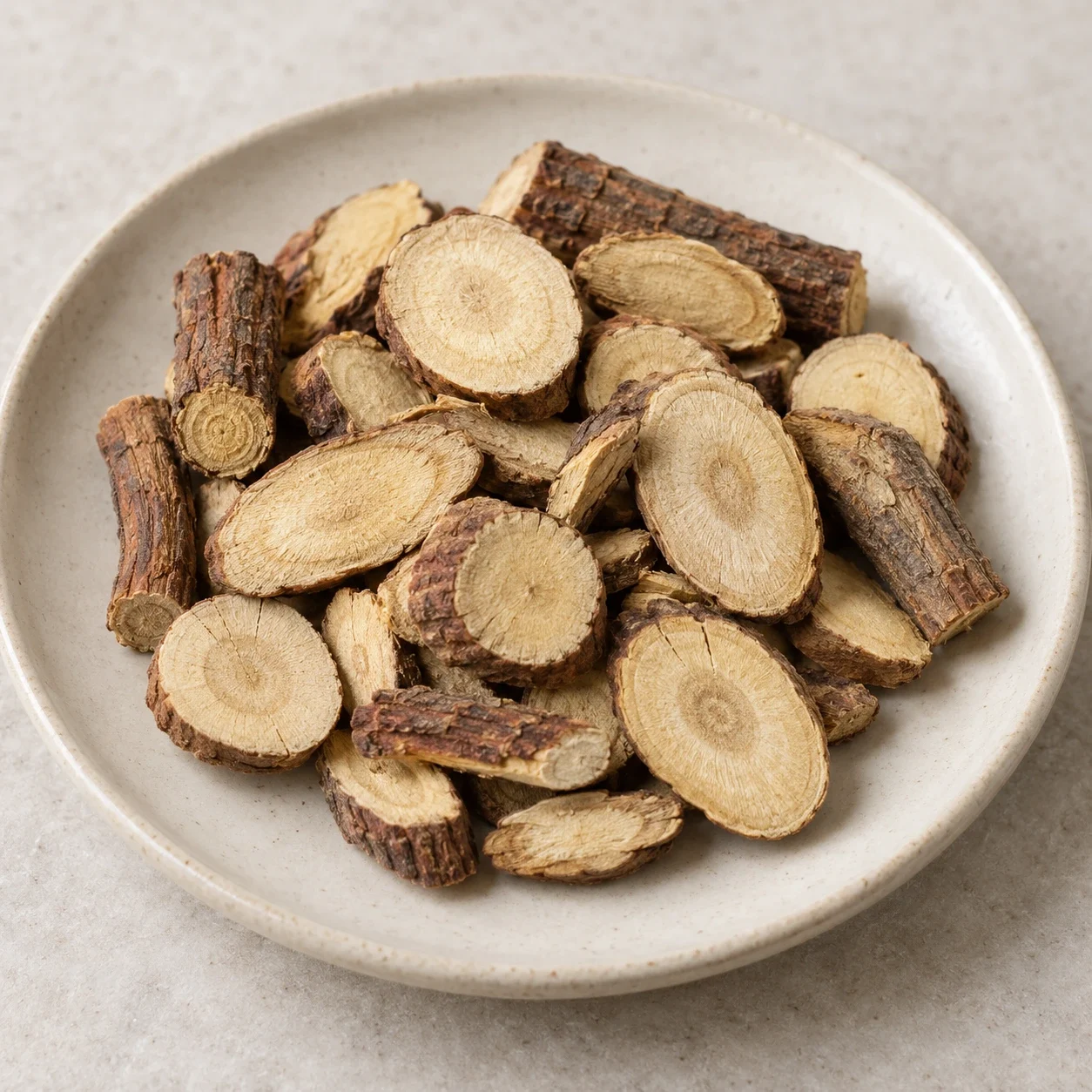
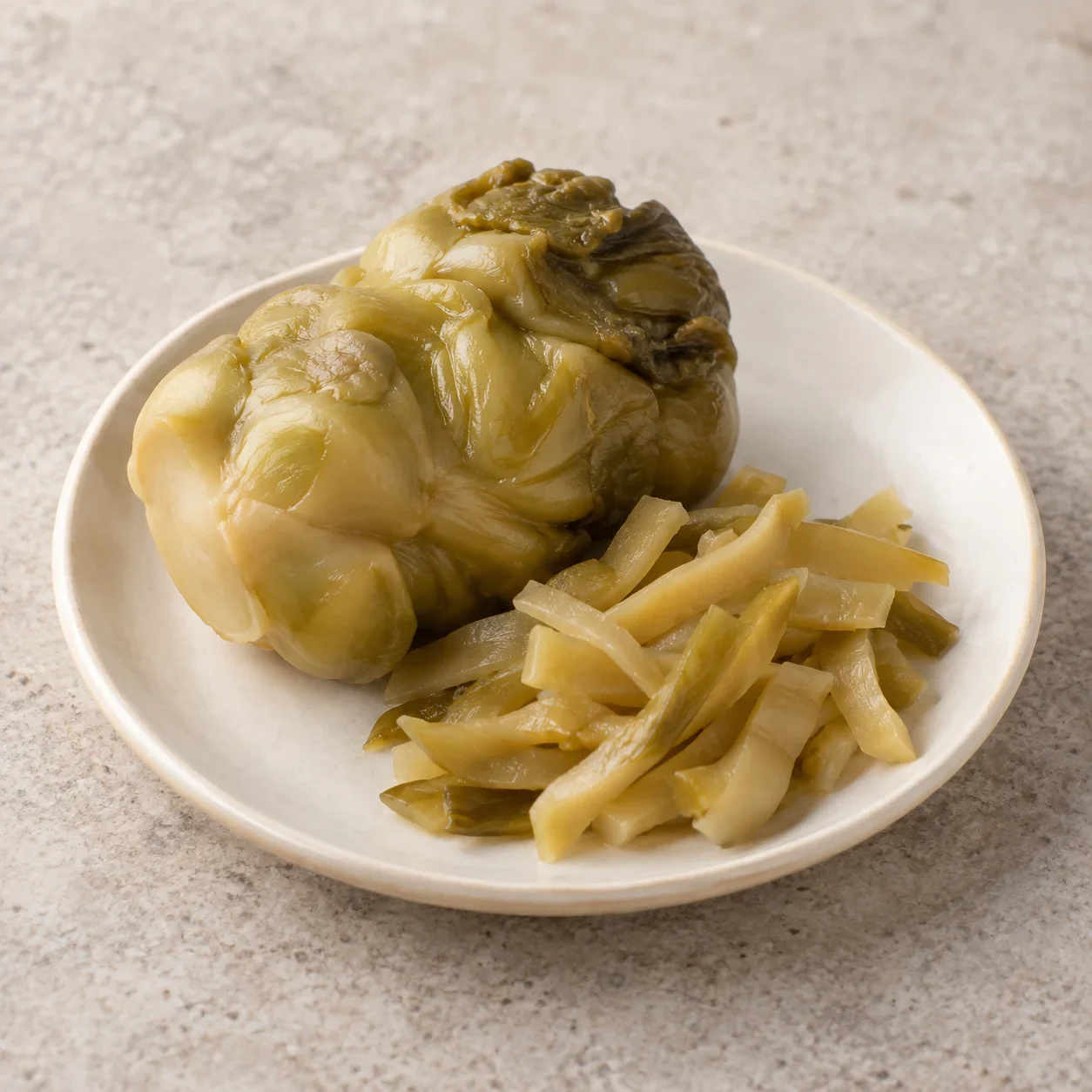
Recipes vary by restaurant.
How does it taste?
Beefy and savory, with warming spices and chili.
- Chili heat
- Texture
- Smooth springy noodles and tender beef.
- How it’s made
- Beef is slowly simmered with spices; blanched rice noodles receive the broth, beef topping and scallions.
Spice blends and chili amounts vary. Pickled mustard stem or sour long beans may be offered; offal and other toppings are different choices, not mandatory ingredients.
A CONNECTION TO PLACE
Origin & regional roots
Associated with Hunan.
About this regional connection
Hunan: In the Changde area, rice-noodle shops make breakfast around broth and a chosen topping, called mazi. Jinshi is particularly associated with beef rice noodles; ordering the topping matters as much as choosing the noodles.
Ask if they have it first
请问你们有常德牛肉粉(津市版本)吗?
Do you have this item?
A LITTLE SOMETHING TO READ
Story & history
A breakfast bowl from Jinshi
In the Changde area, rice-noodle shops make breakfast around broth and a chosen topping, called mazi. Jinshi is particularly associated with beef rice noodles; ordering the topping matters as much as choosing the noodles.