
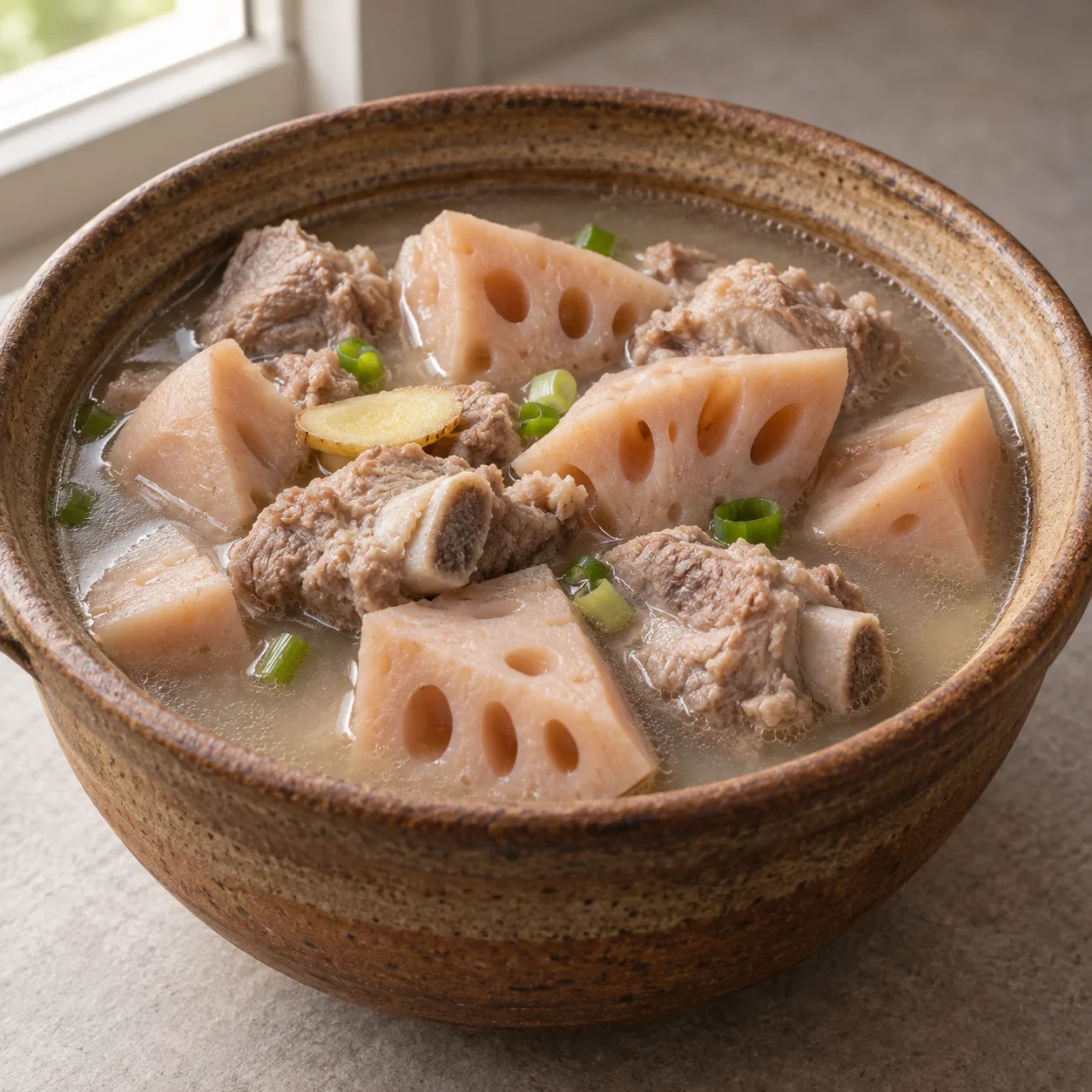
At the table
Spoon out some broth and lotus root, let them cool, and separate the pork from its bones before eating.
Contains pork even if no meat is visible in the broth. Watch for bone fragments and hot soup.
Lotus varieties and broth richness vary. This version has no chili heat; ginger and white pepper add a different warmth.
GET TO KNOW THE DISH
What goes into it?
Explore some key ingredients below. Preparations may use additional seasonings and ingredients.
Pork long bones can enrich the broth. A strained pork-rib broth may have no visible meat, so a clear appearance does not mean the soup is plant-based.
Typical ingredients
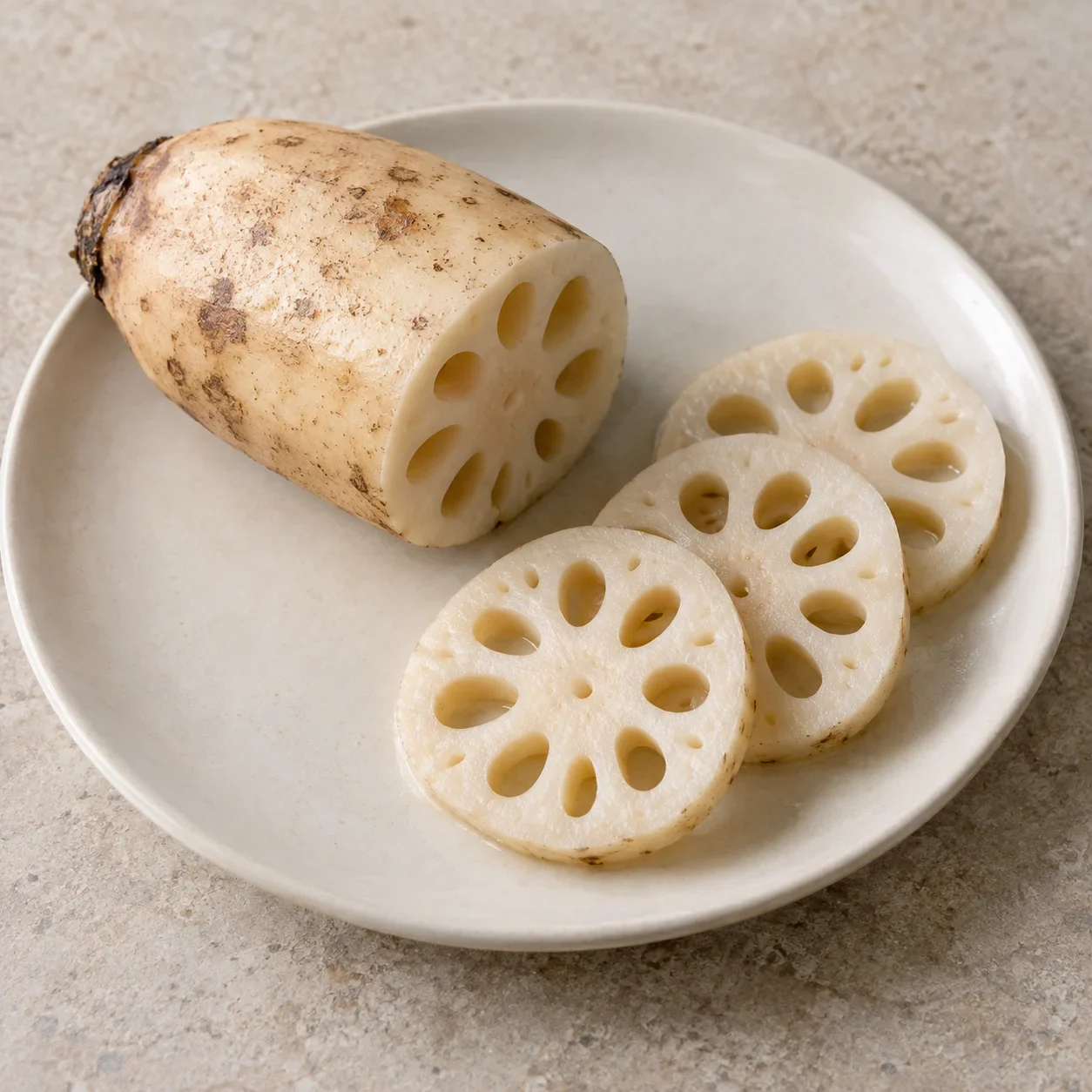
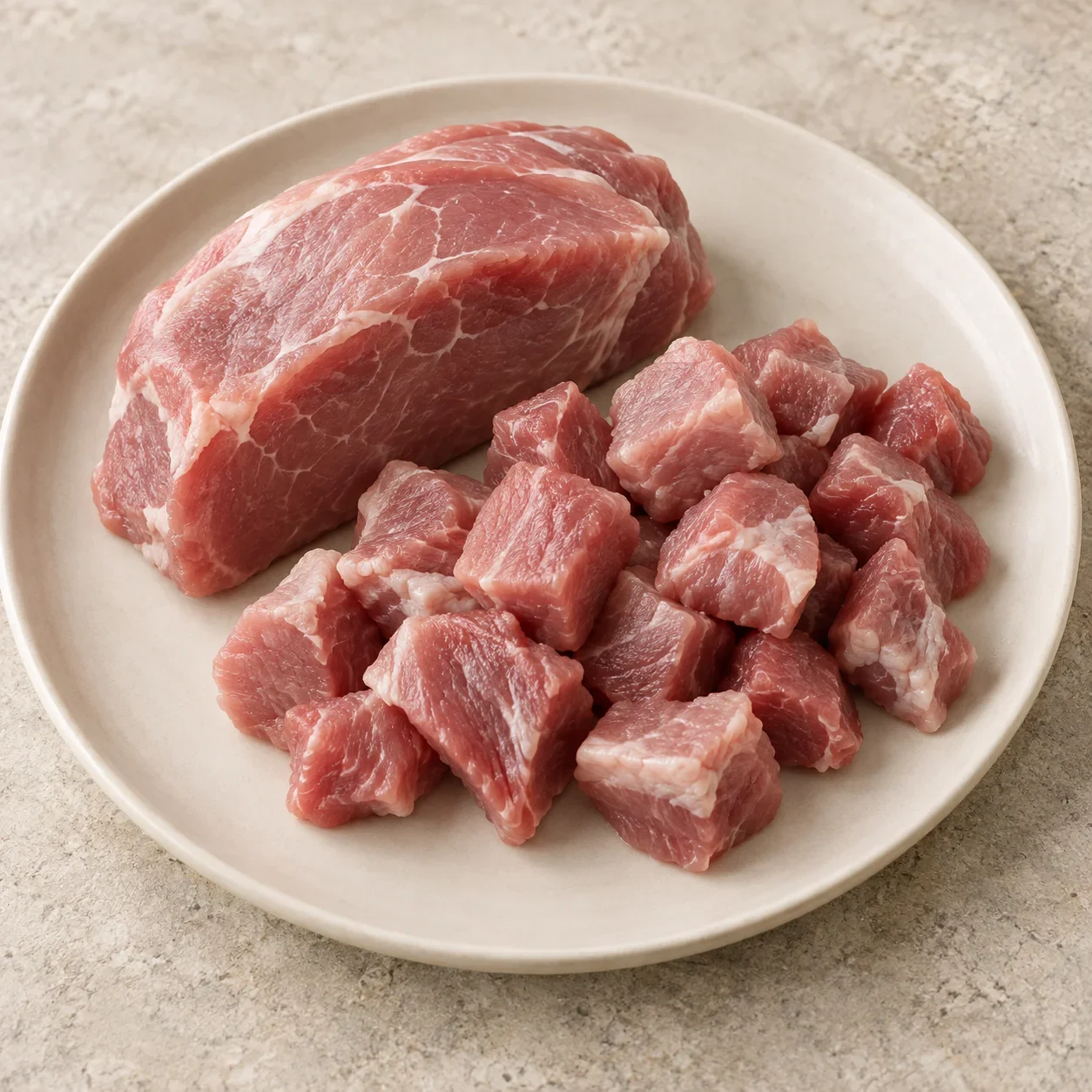
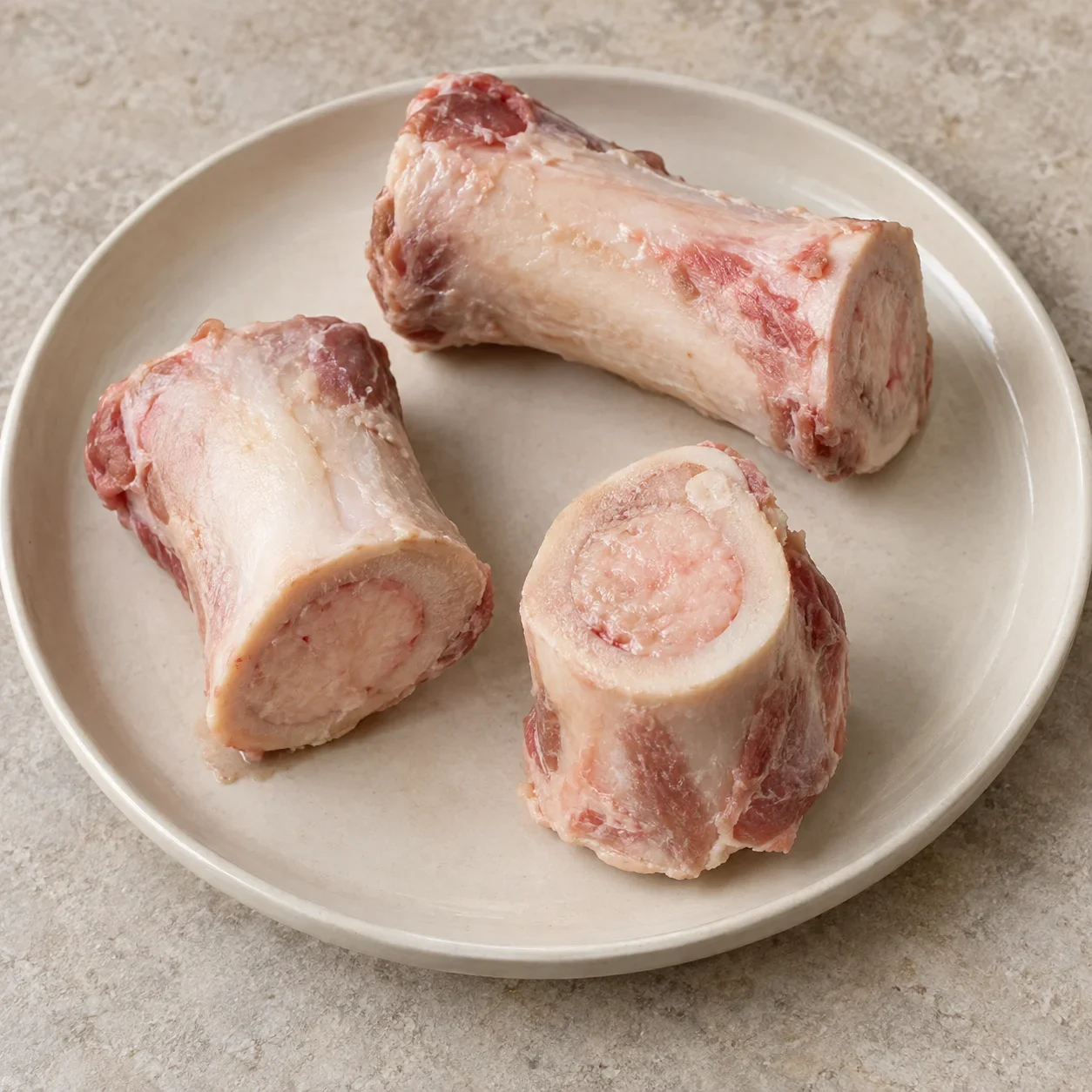
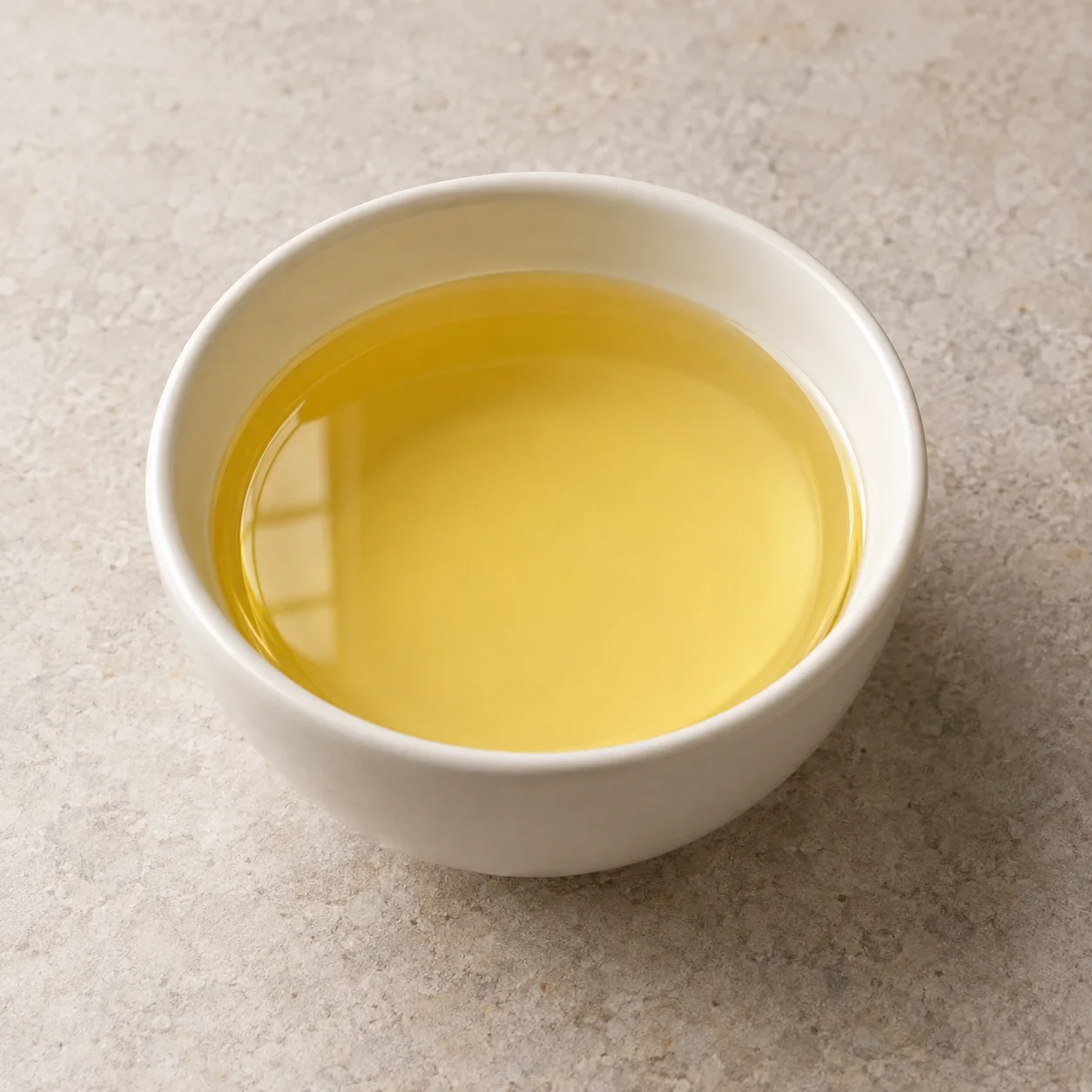
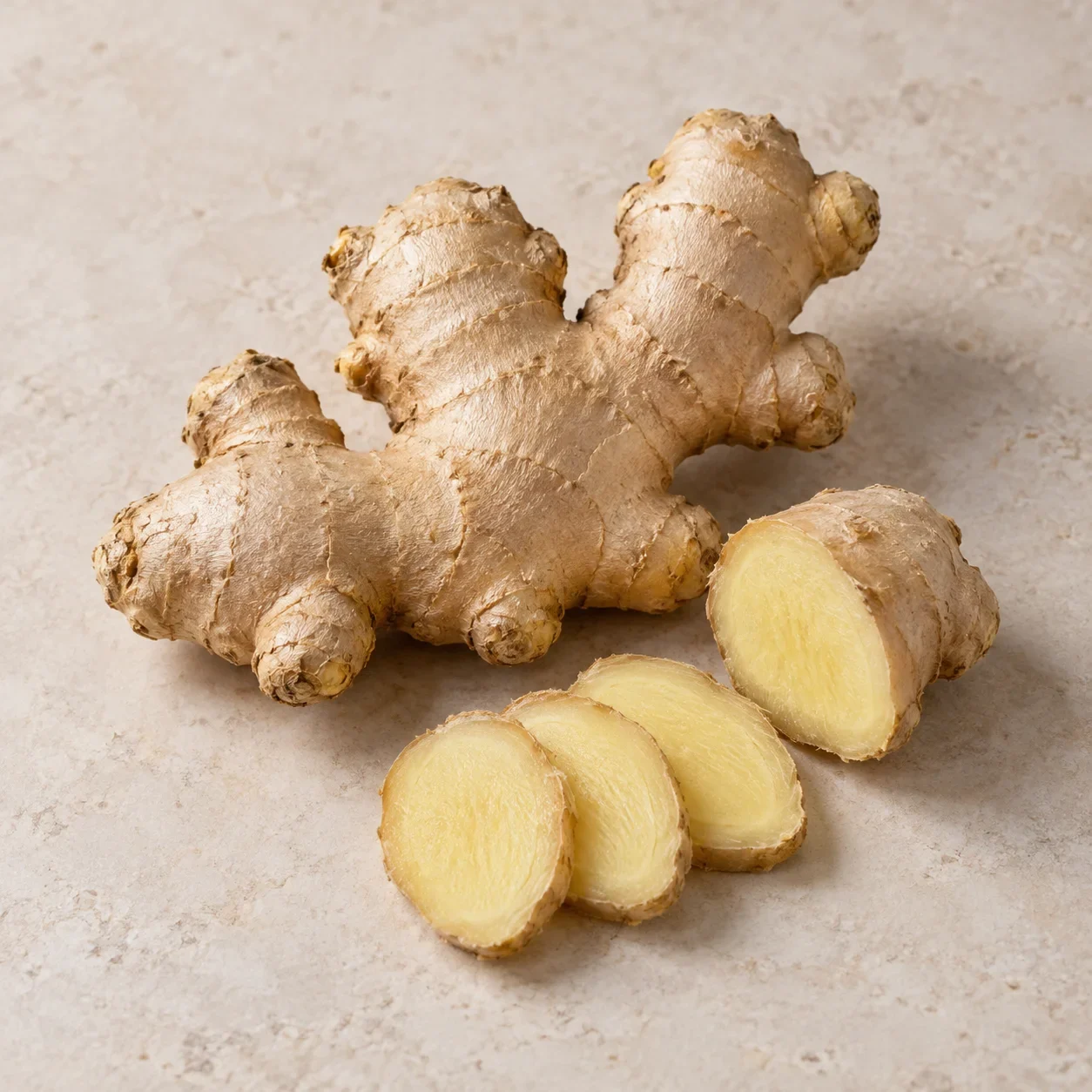

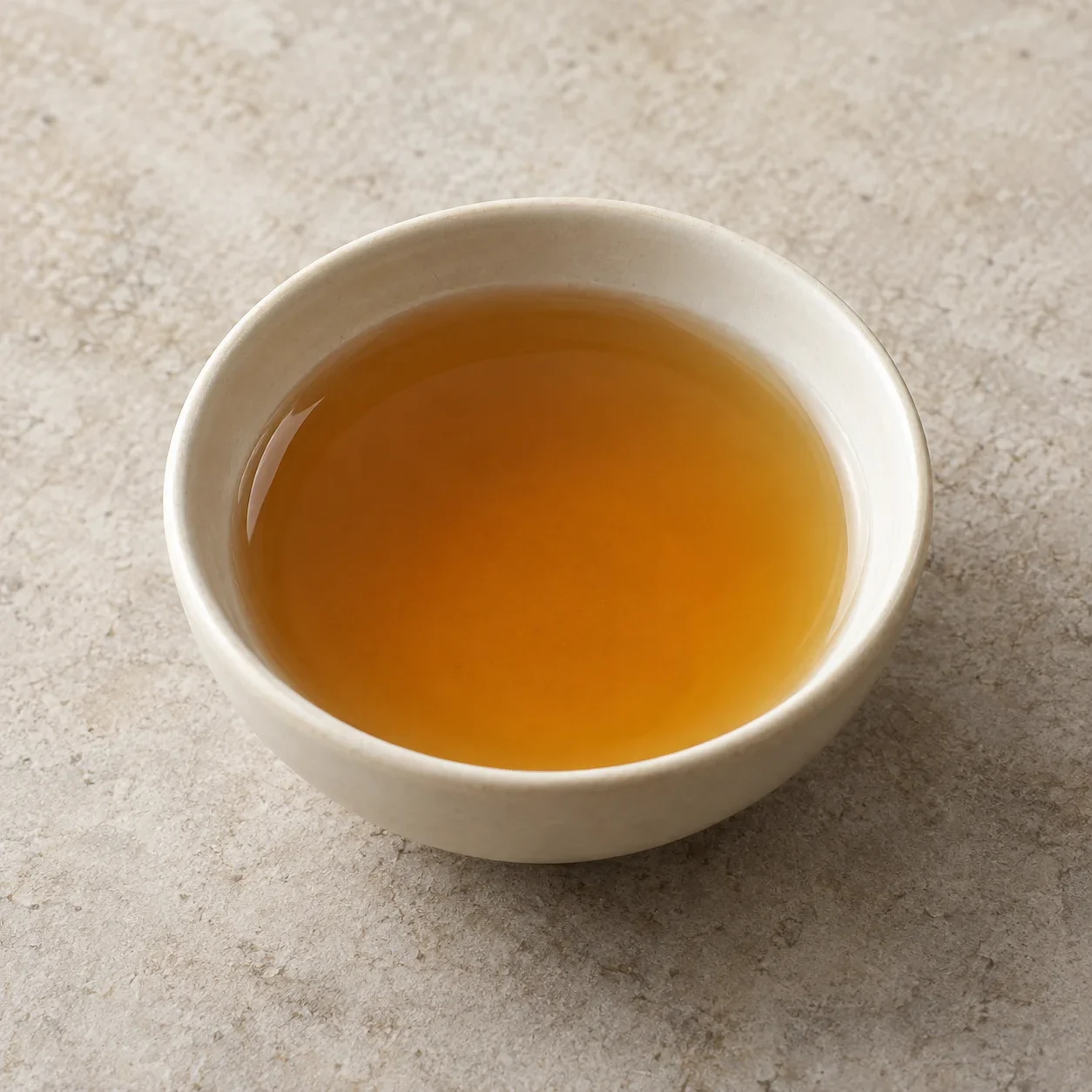
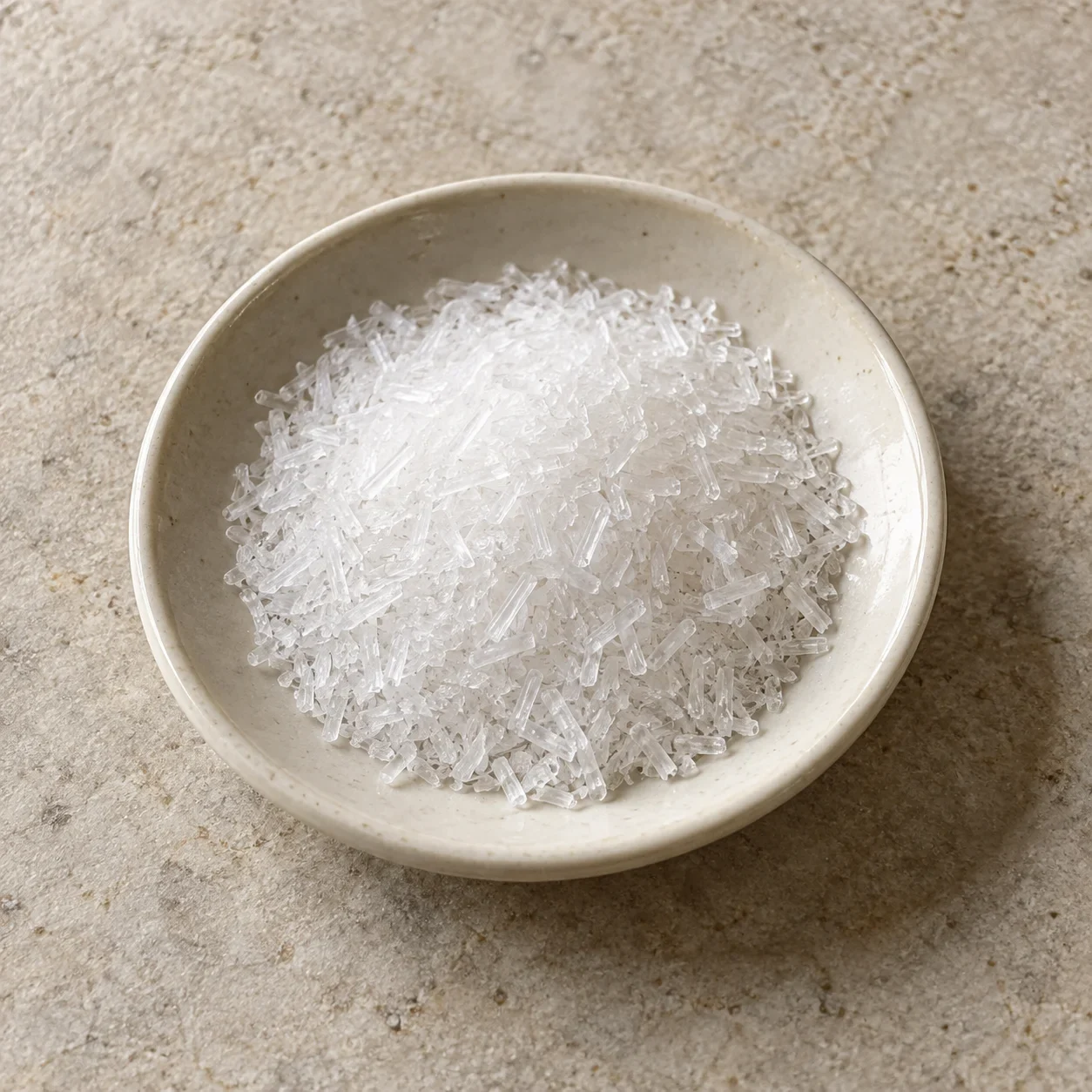
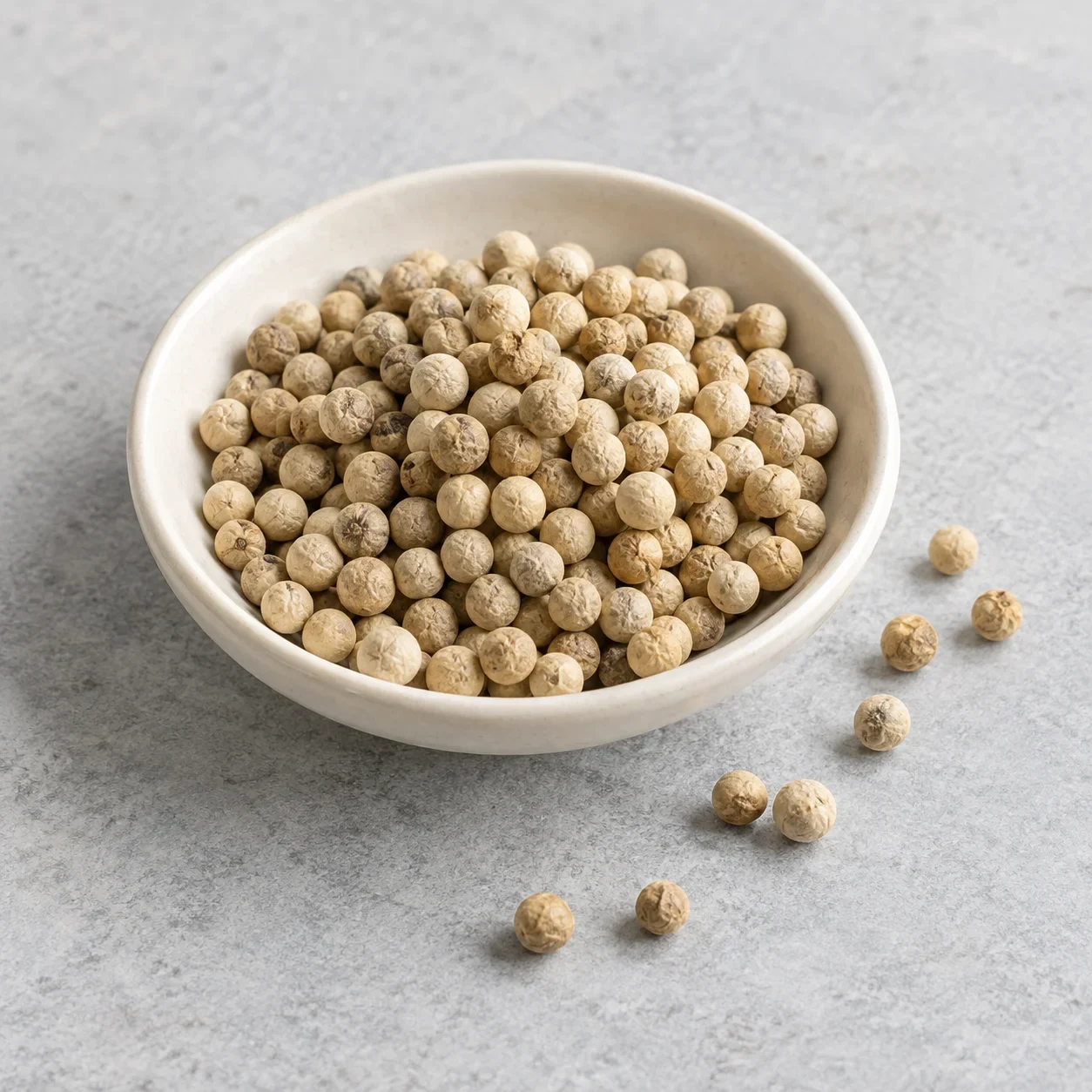
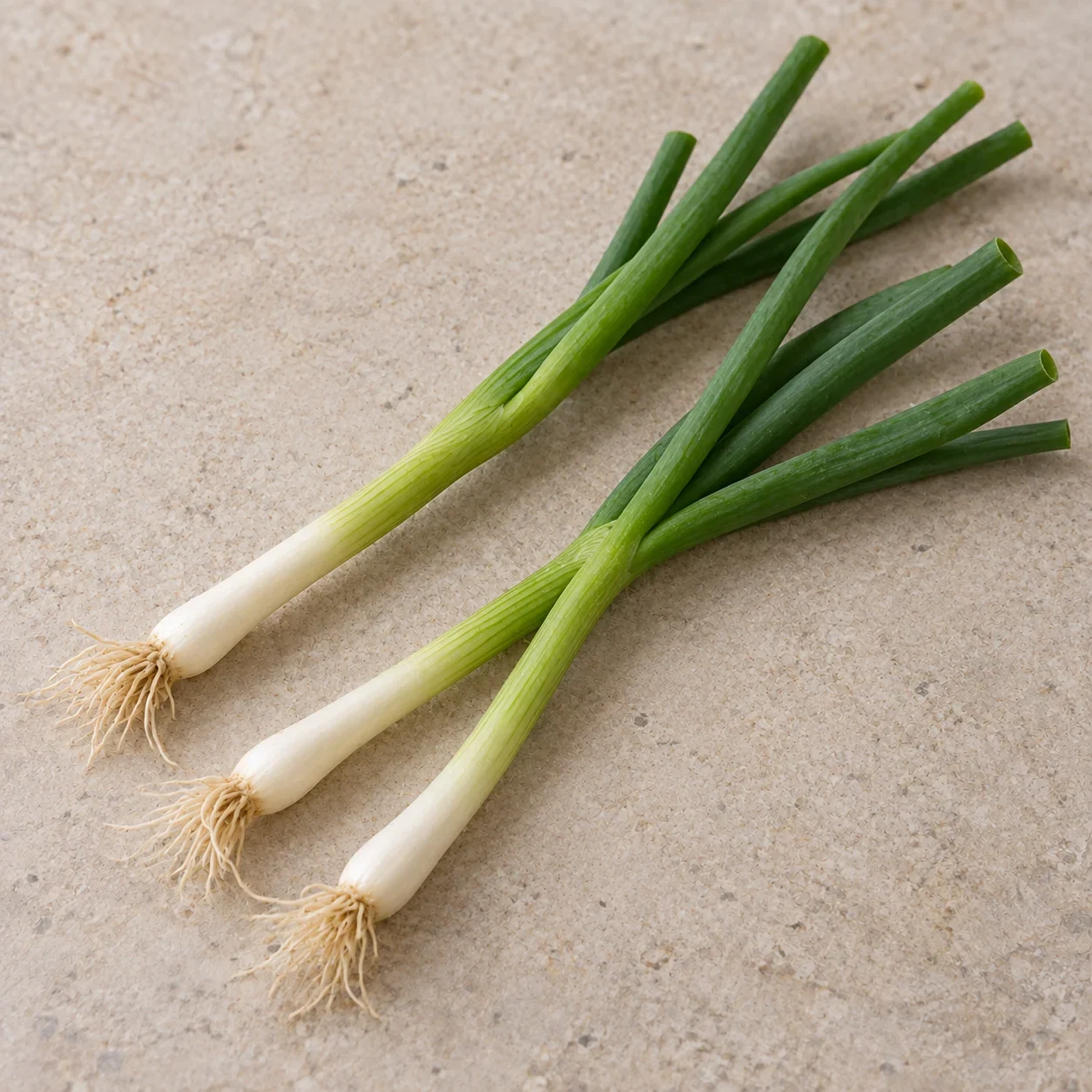
Recipes vary by restaurant.
How does it taste?
Savory
- Chili heat
- Texture
- Soft, floury lotus root and tender ribs.
- How it’s made
- Blanch pork bones and ribs, fry bones with ginger, then simmer with water; add ribs and prepared lotus pieces and continue cooking.
Pork long bones can enrich the broth. A strained pork-rib broth may have no visible meat, so a clear appearance does not mean the soup is plant-based.
A CONNECTION TO PLACE
Origin & regional roots
Associated with Hubei.
Ask if they have it first
请问你们有湖北莲藕排骨汤吗?
Do you have this item?
A LITTLE SOMETHING TO READ
Story & history
Lotus-Root Soup and Hubei’s Slow-Simmering Tradition
This soup is a classic example of Hubei’s wei tang, or slow-simmered soups. Floury lotus root is prized here: long cooking turns it soft and crumbly rather than crisp. Pork ribs and, in some preparations, additional pork bones build a rich broth. The lotus-root variety matters as much as the cooking time, which helps explain why a bowl made with a crisp stir-frying variety may feel quite different.