
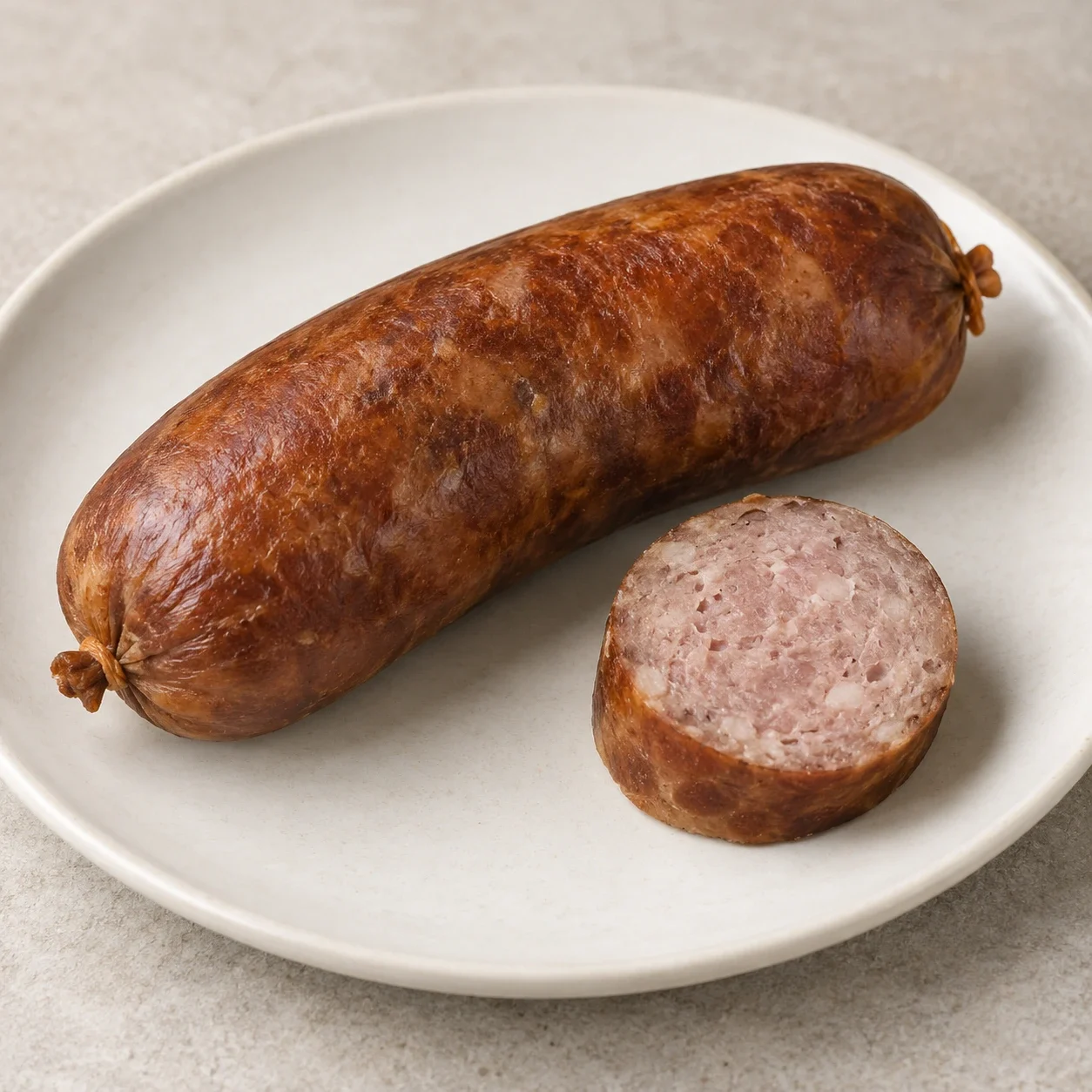
At the table
Ask for slices or cut into small pieces. Follow the product’s serving directions and remove any inedible casing or ties.
Contains pork and beef in this version. Check the label for starch, seasonings and curing ingredients.
Meat proportions, casing and curing ingredients vary by maker. Check the specific product rather than treating one recipe as universal.
GET TO KNOW THE DISH
What goes into it?
Explore some key ingredients below. Preparations may use additional seasonings and ingredients.
Meat proportions, casing and curing ingredients vary by maker. Check the specific product rather than treating one recipe as universal.
Typical ingredients
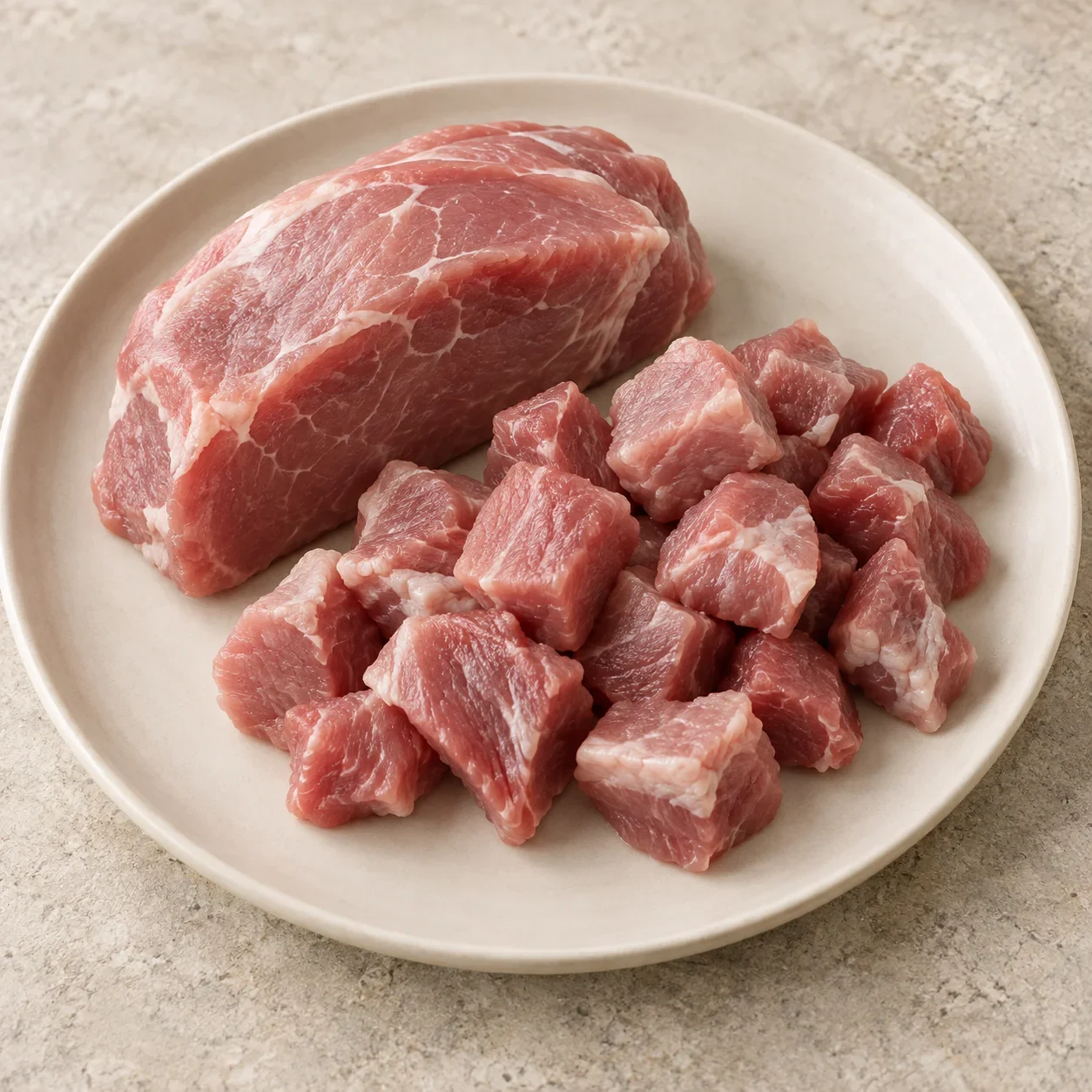
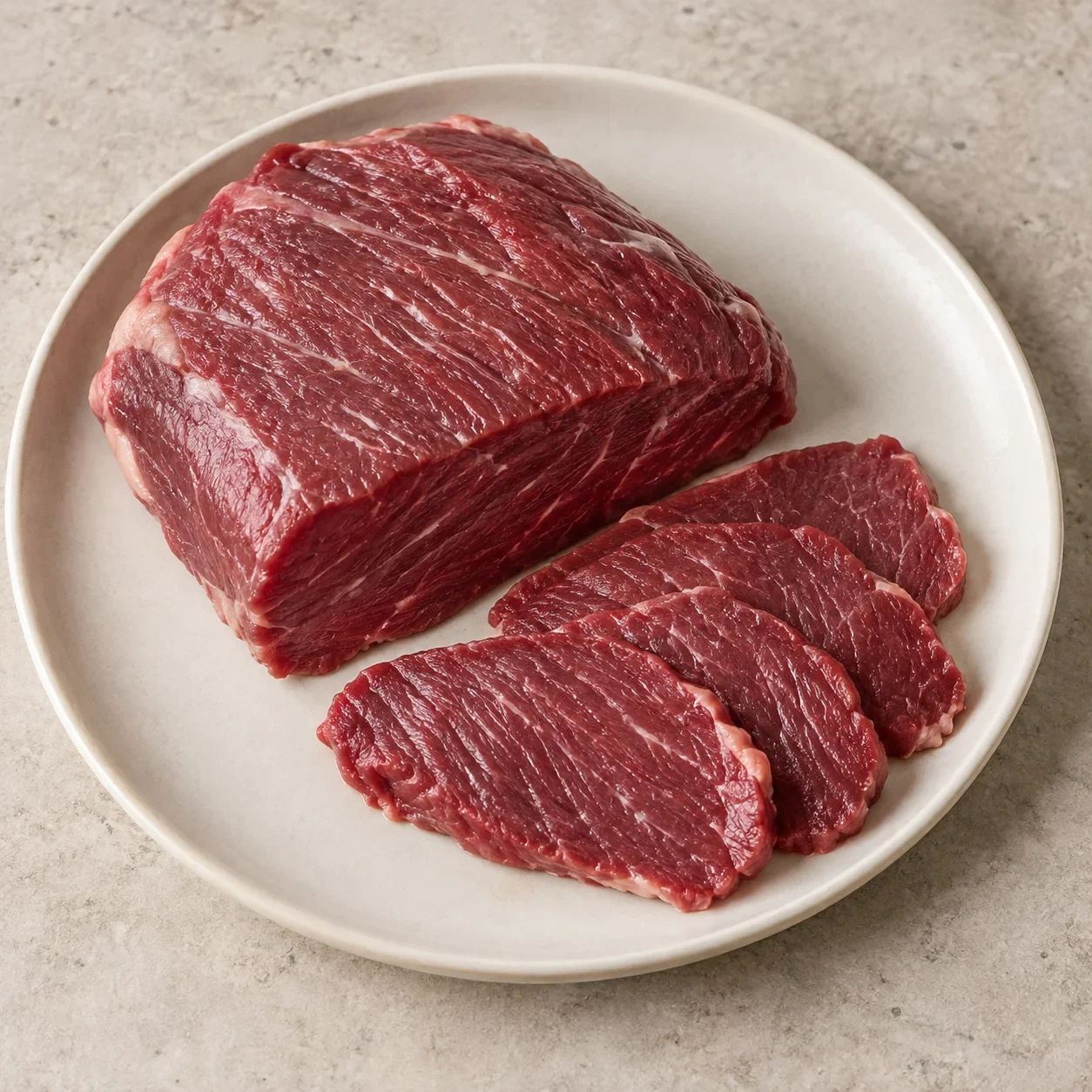
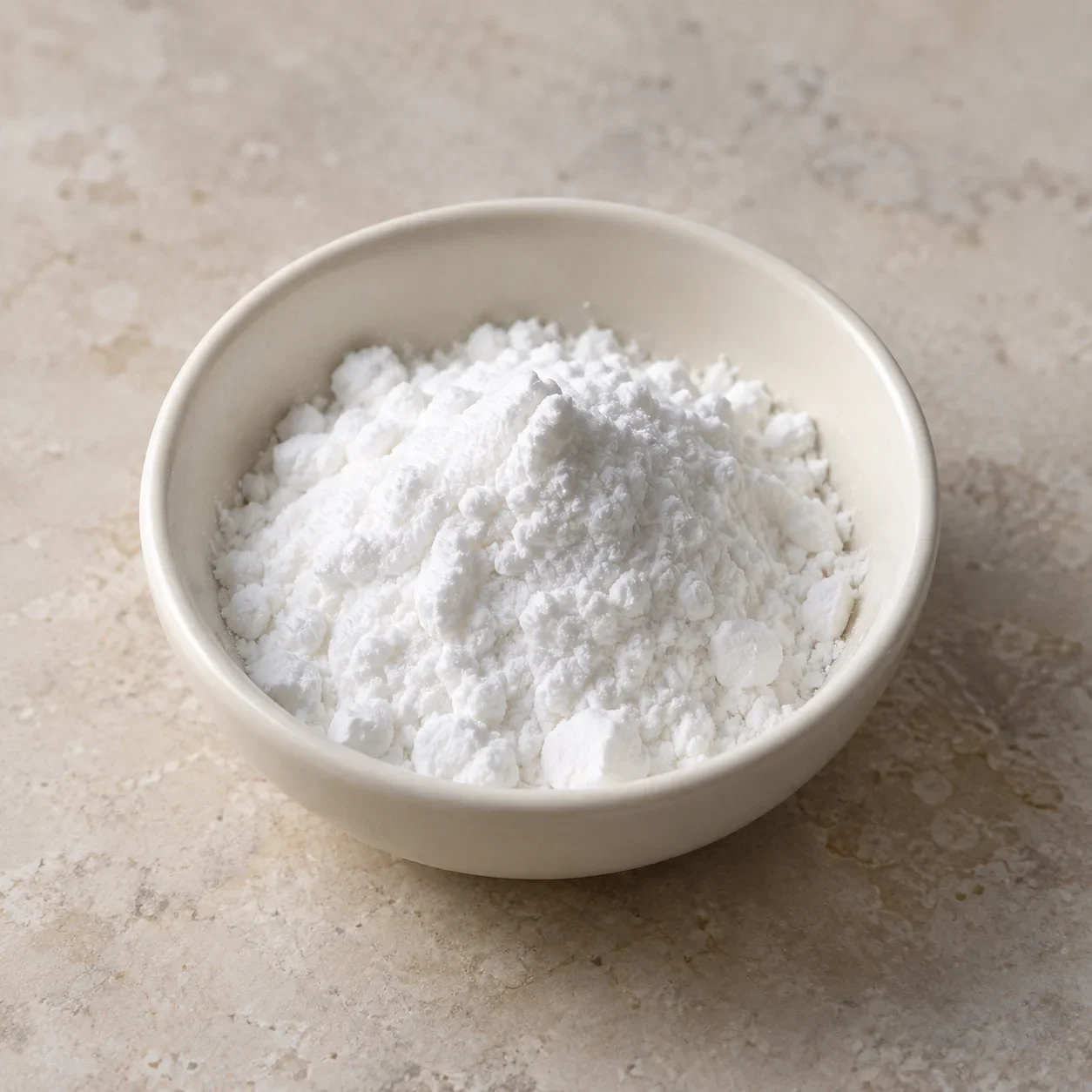
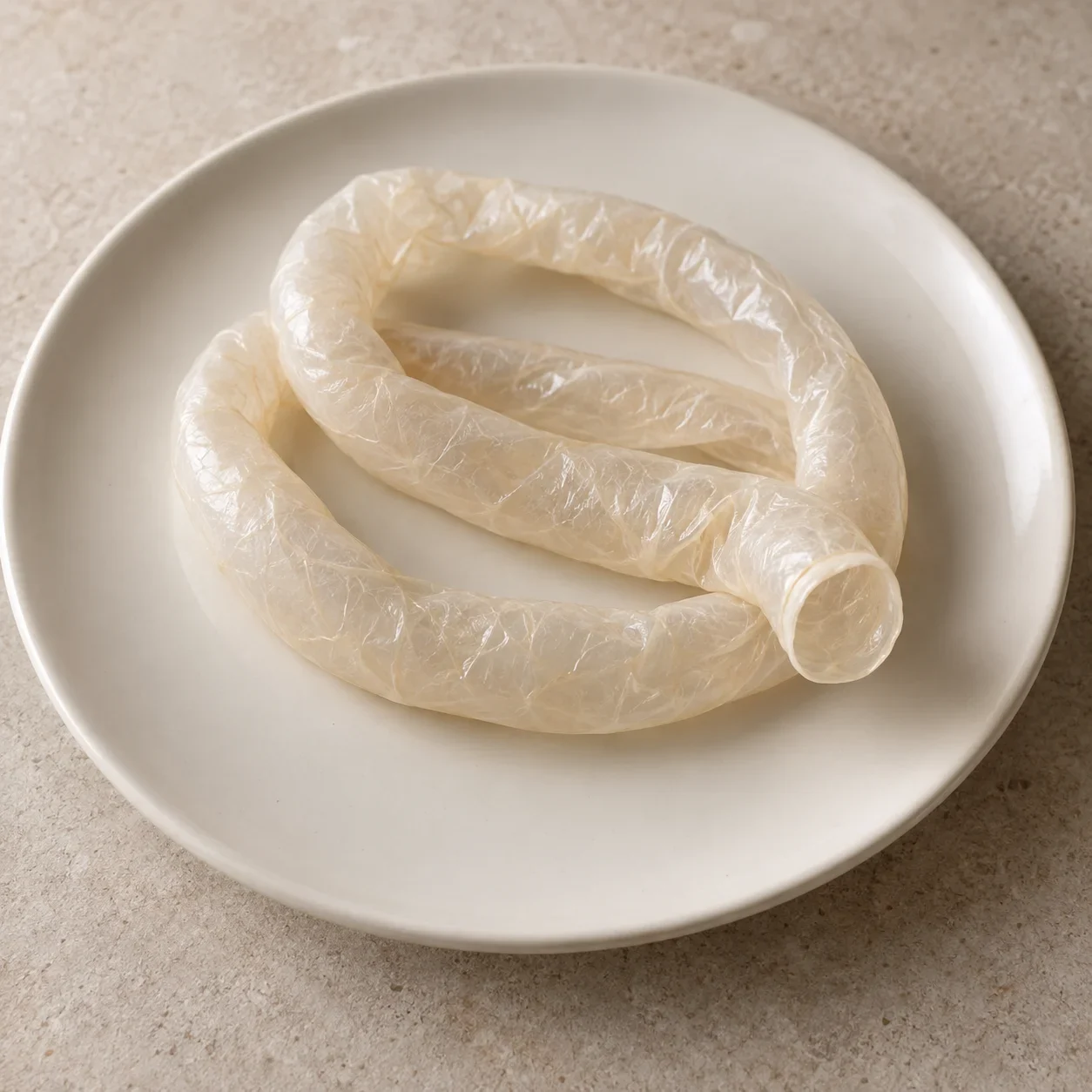
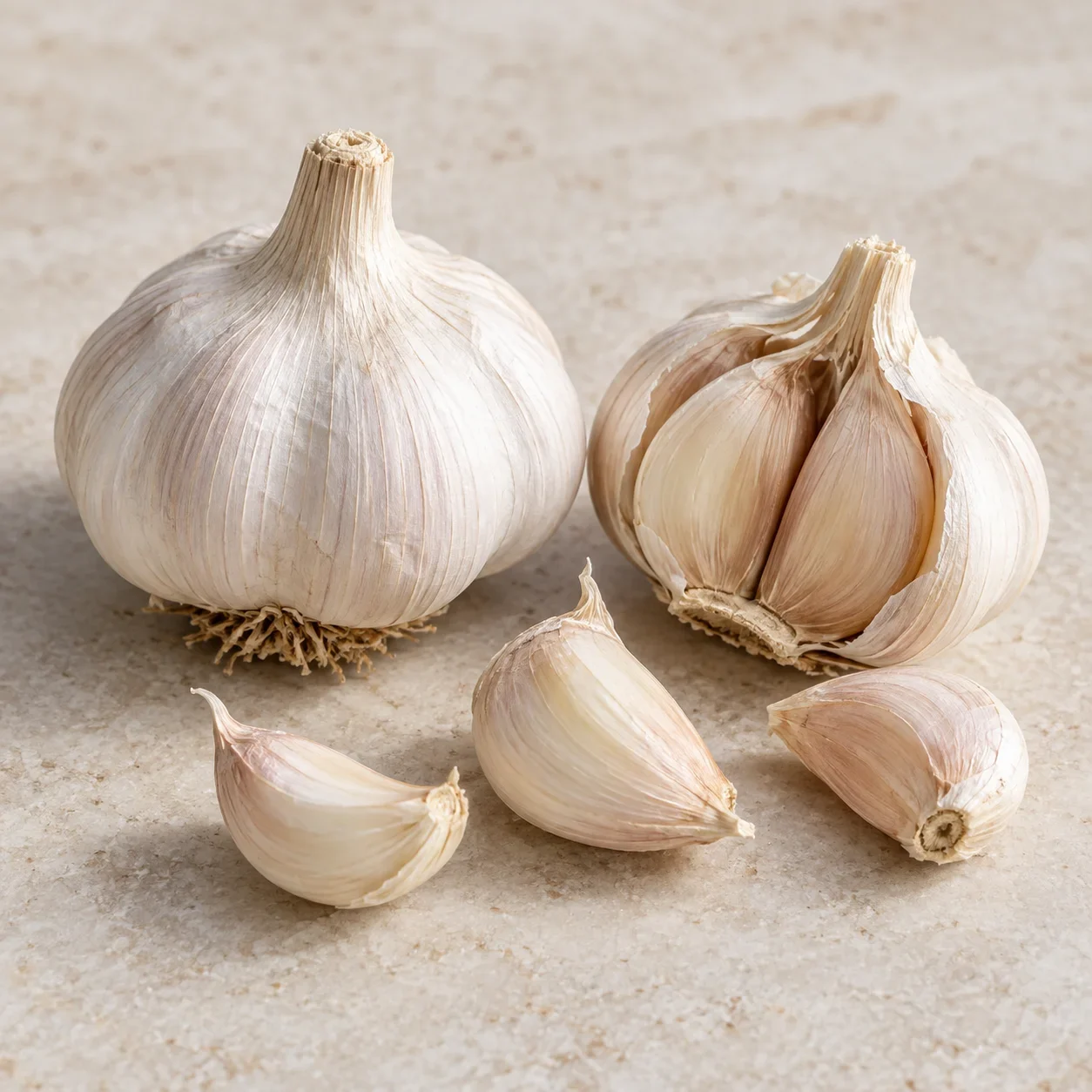
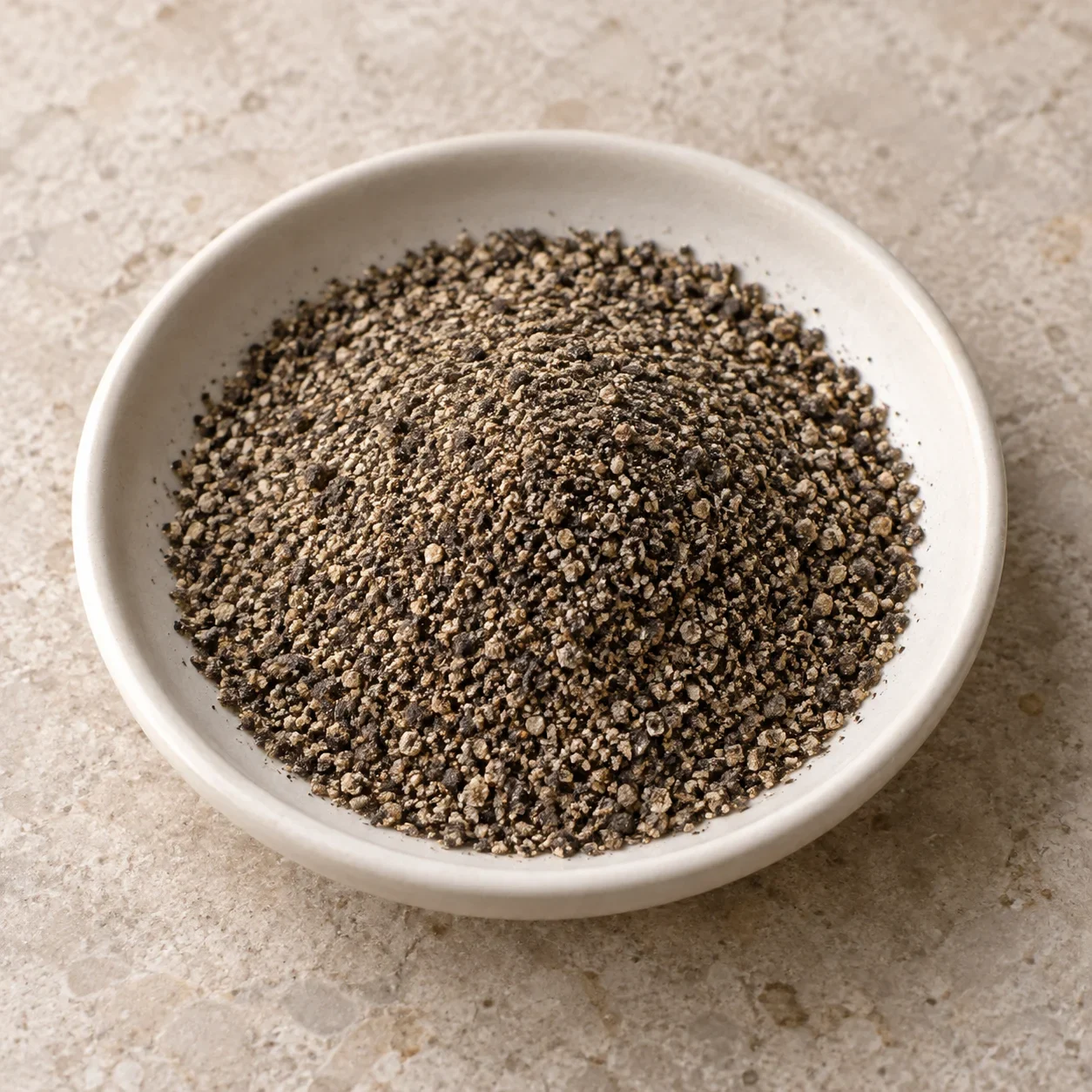

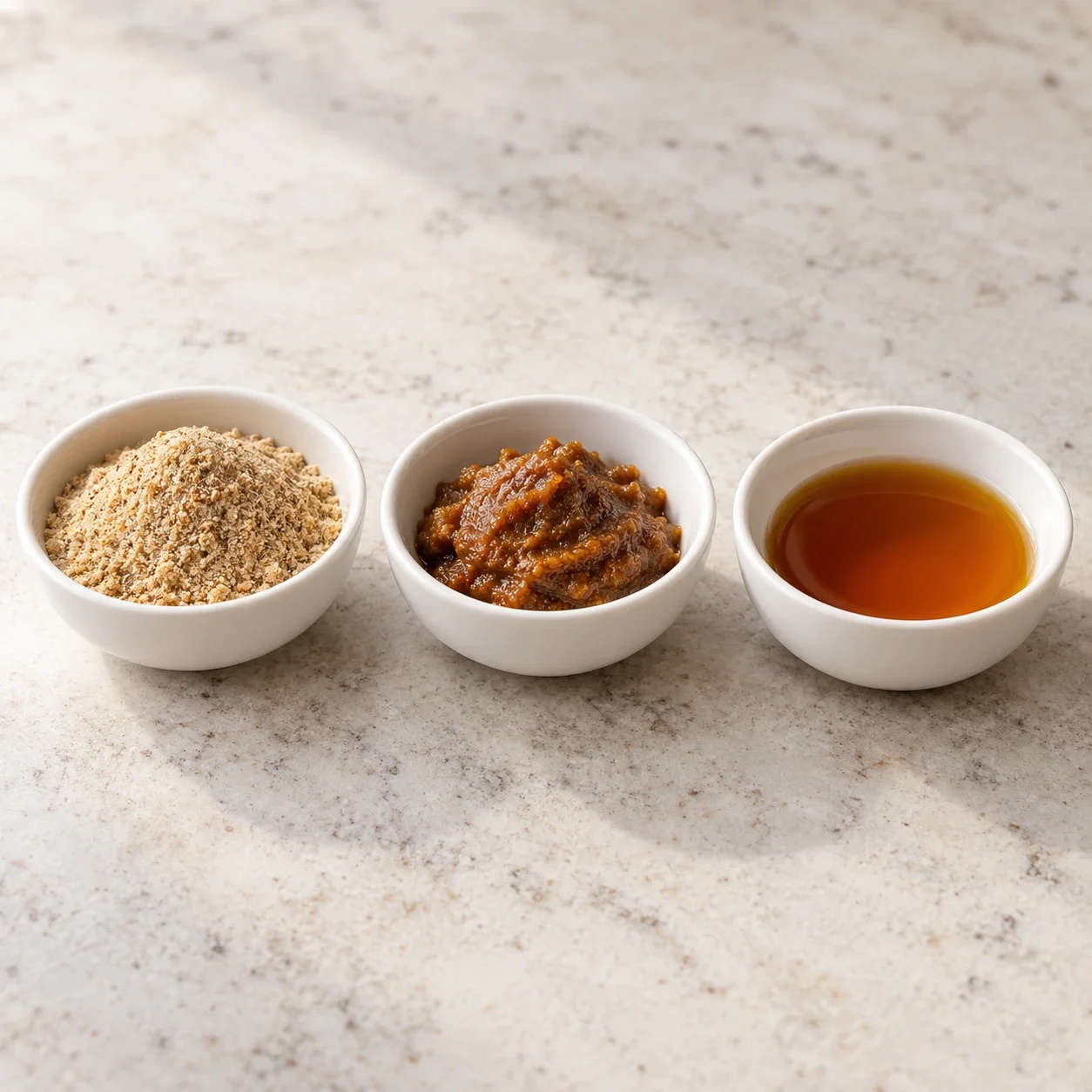
Recipes vary by restaurant.
How does it taste?
Savory, garlicky and lightly smoky.
- Chili heat
- Texture
- Firm, springy slices with small pieces of fat.
- How it’s made
- Seasoned meat is stuffed into casing, heated, smoked and cooked.
Meat proportions, casing and curing ingredients vary by maker. Check the specific product rather than treating one recipe as universal.
A CONNECTION TO PLACE
Origin & regional roots
Its origins are linked to Heilongjiang.
About this regional connection
Heilongjiang: Harbin. The British-owned plant that later became the meat combine was already stuffing chaina beside red sausage.
Ask if they have it first
请问你们有哈尔滨茶肠吗?
Do you have this item?
A LITTLE SOMETHING TO READ
Story & history
Harbin tea sausage
This account describes a tradition or story, rather than an established historical fact.
Tea sausage is a thick form within Harbin’s sausage tradition. Its beef casing distinguishes the documented version from thinner pork-casing red sausage; the name does not indicate tea leaves.