
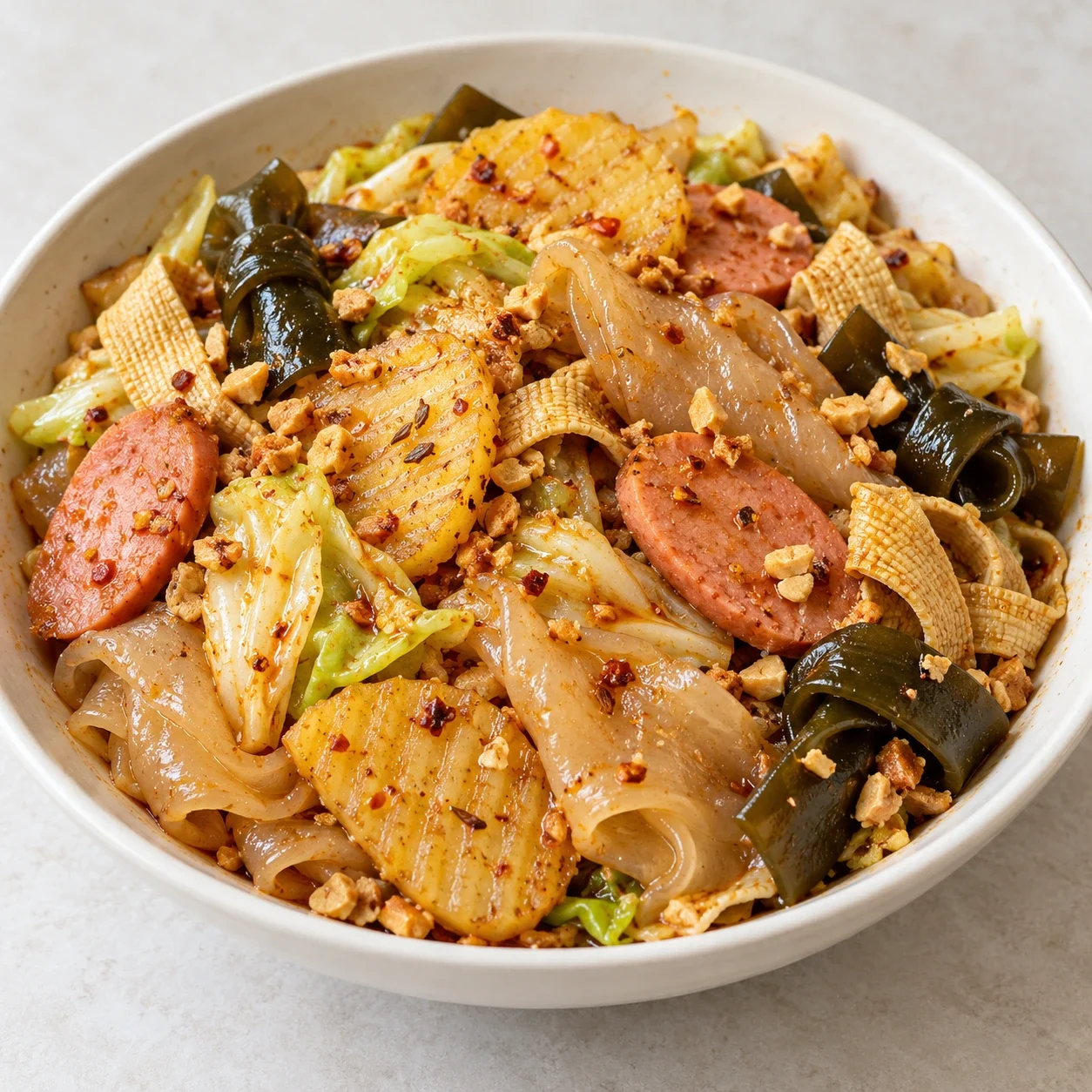
At the table
Ask what is in the shop’s mix and request your preferred sweetness, sourness and heat before it is prepared. It arrives cooked: toss gently and eat with chopsticks. Some shops offer noodles or a flatbread as an extra; ask separately.
Contains peanuts, soy and meat sausage. Sausage and seasonings may contain other allergens; ask about their ingredients. Wide noodles can be slippery and chewy.
A vegetable-only selection is not automatically vegetarian: check the cooking liquid, oil and seasonings. Contents and serving arrangements differ between shops.
GET TO KNOW THE DISH
What goes into it?
Explore some key ingredients below. Preparations may use additional seasonings and ingredients.
Ingredients and the balance of sugar, vinegar and chili vary by shop. This Fushun-style version has no sesame paste; other versions may include it.
Typical ingredients
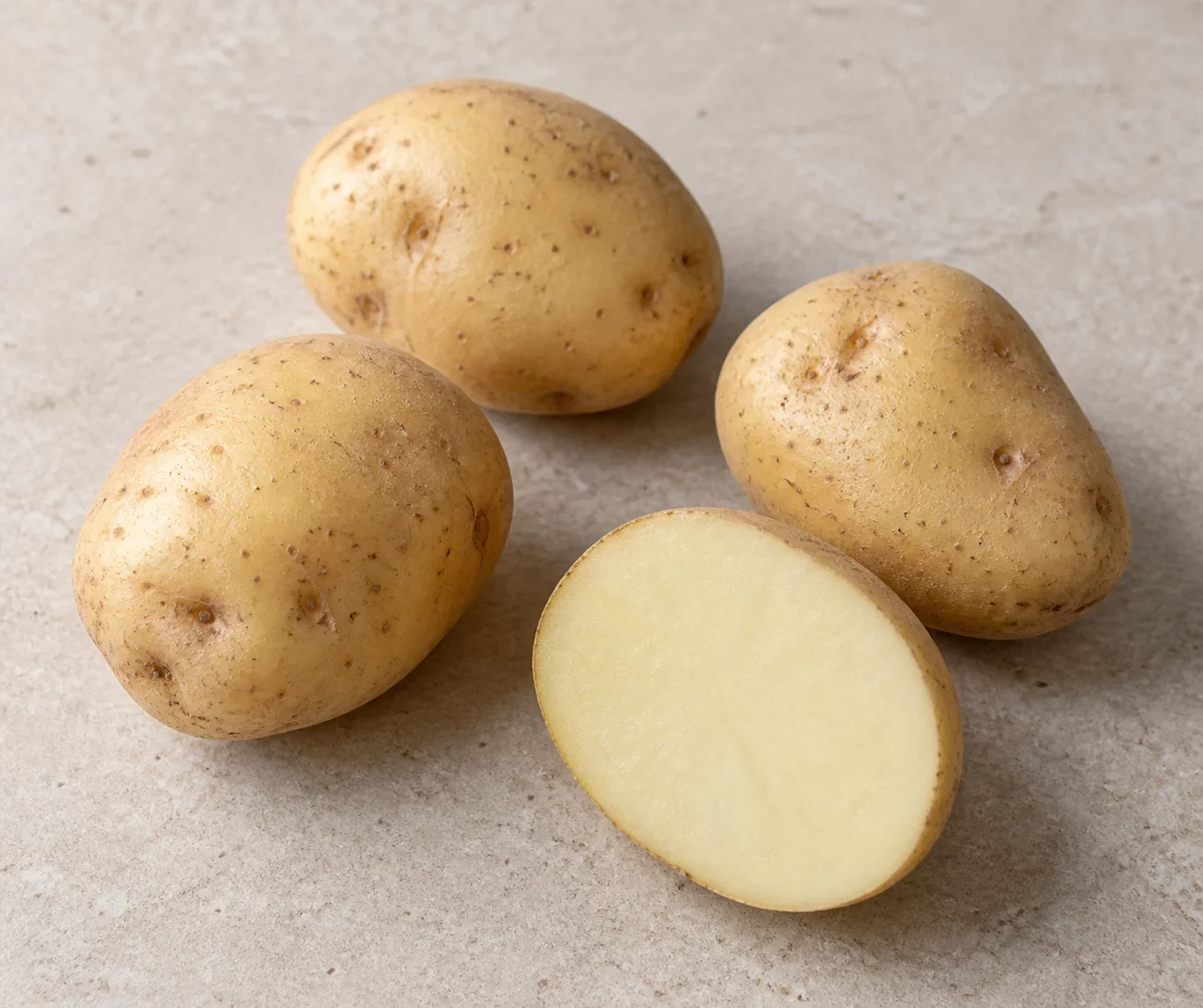
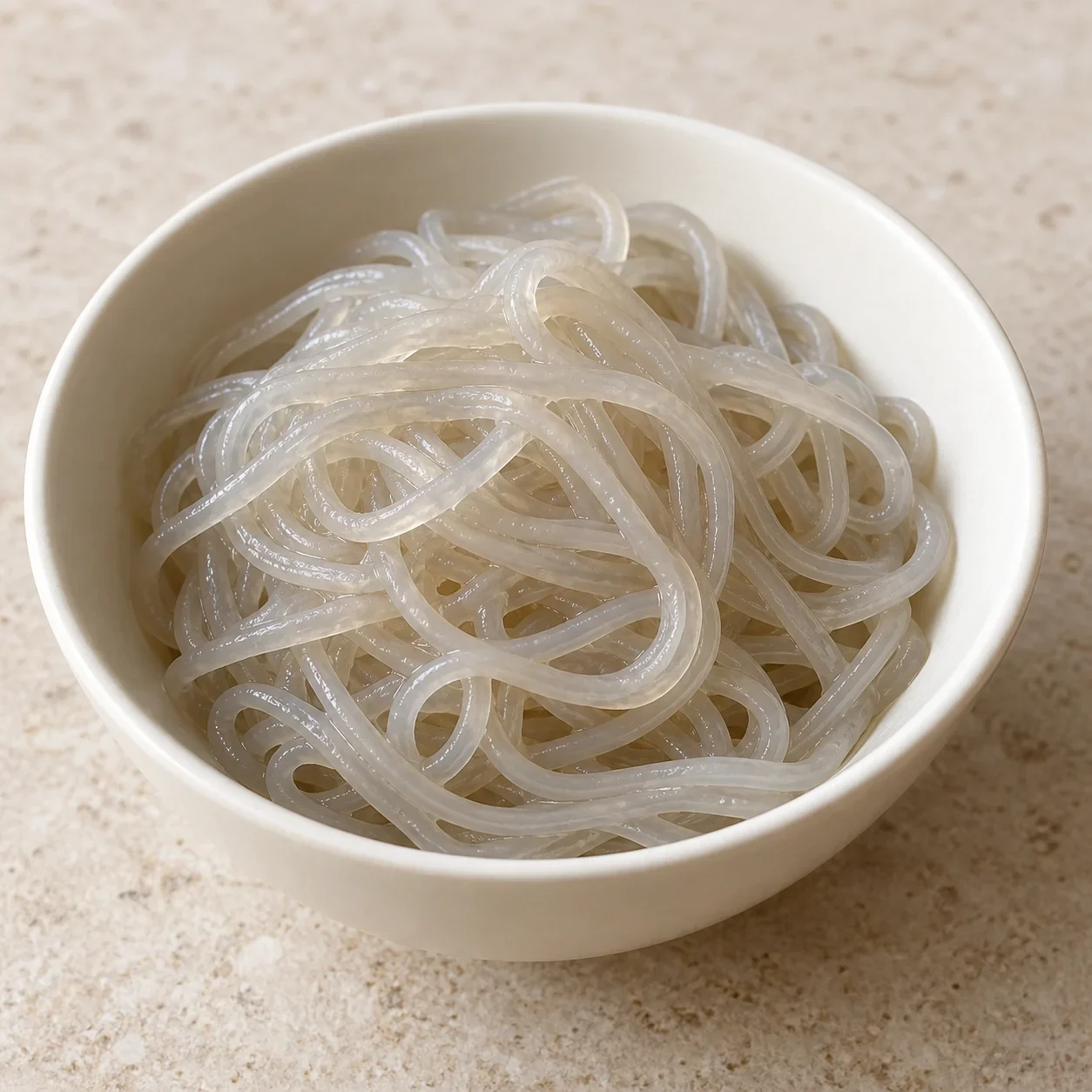
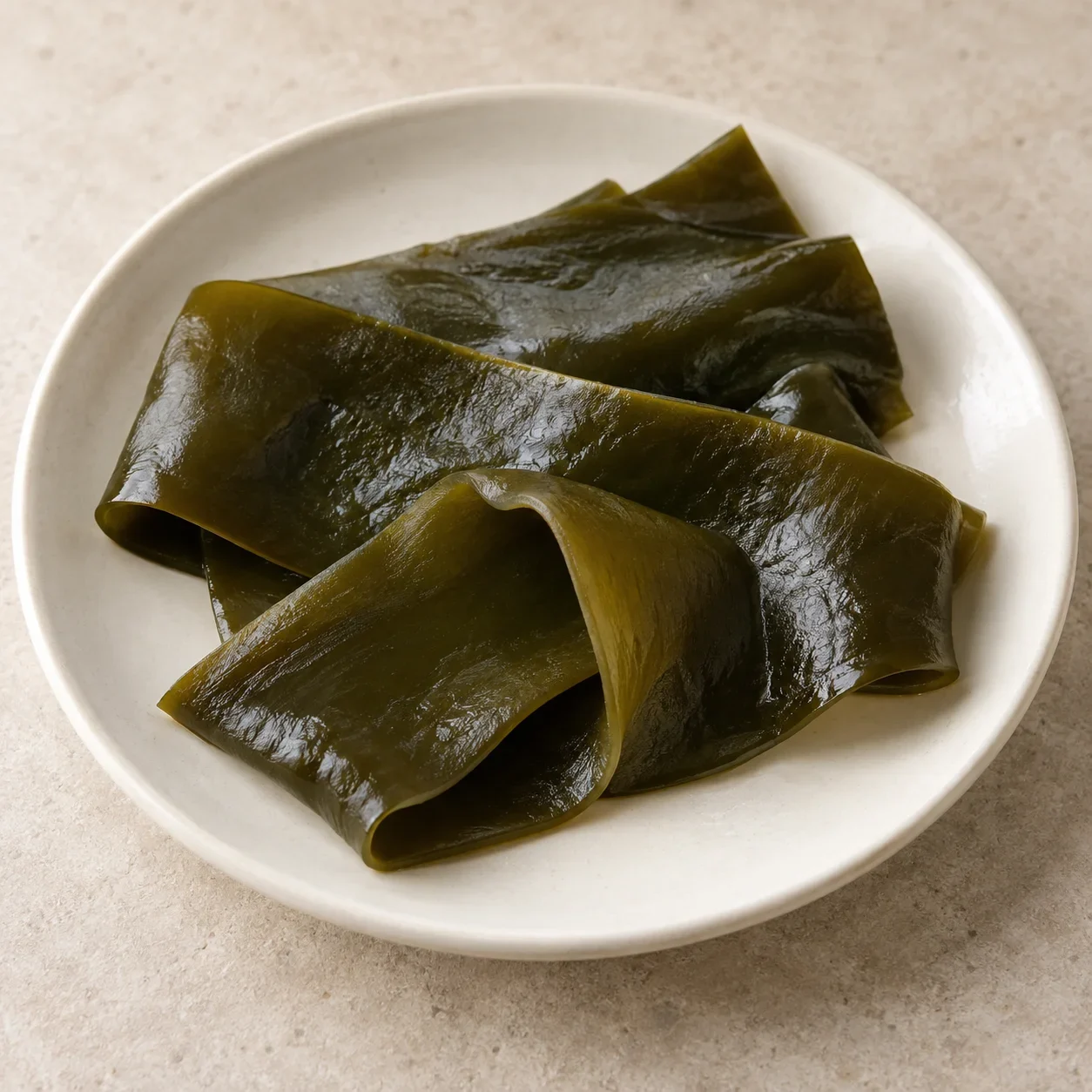
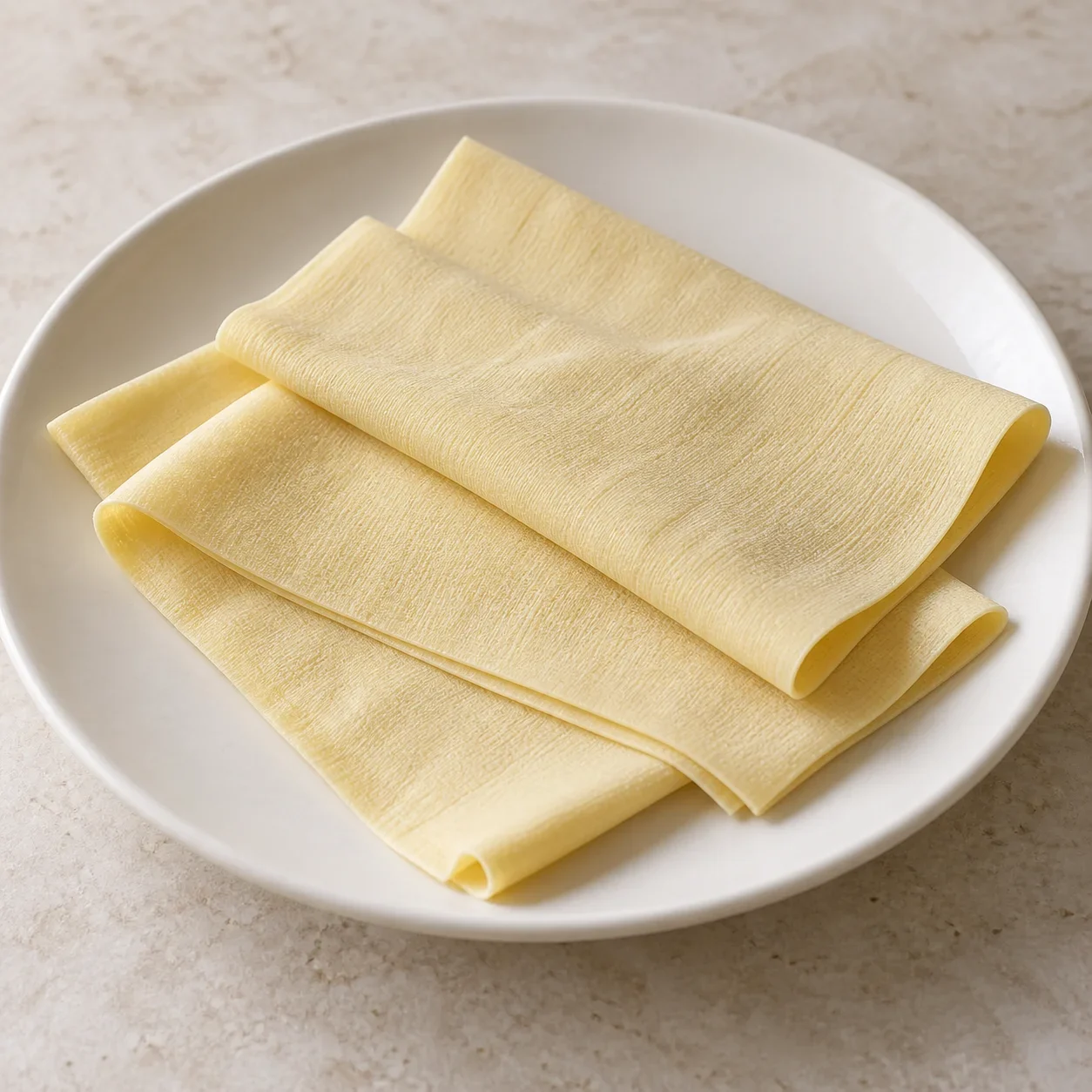
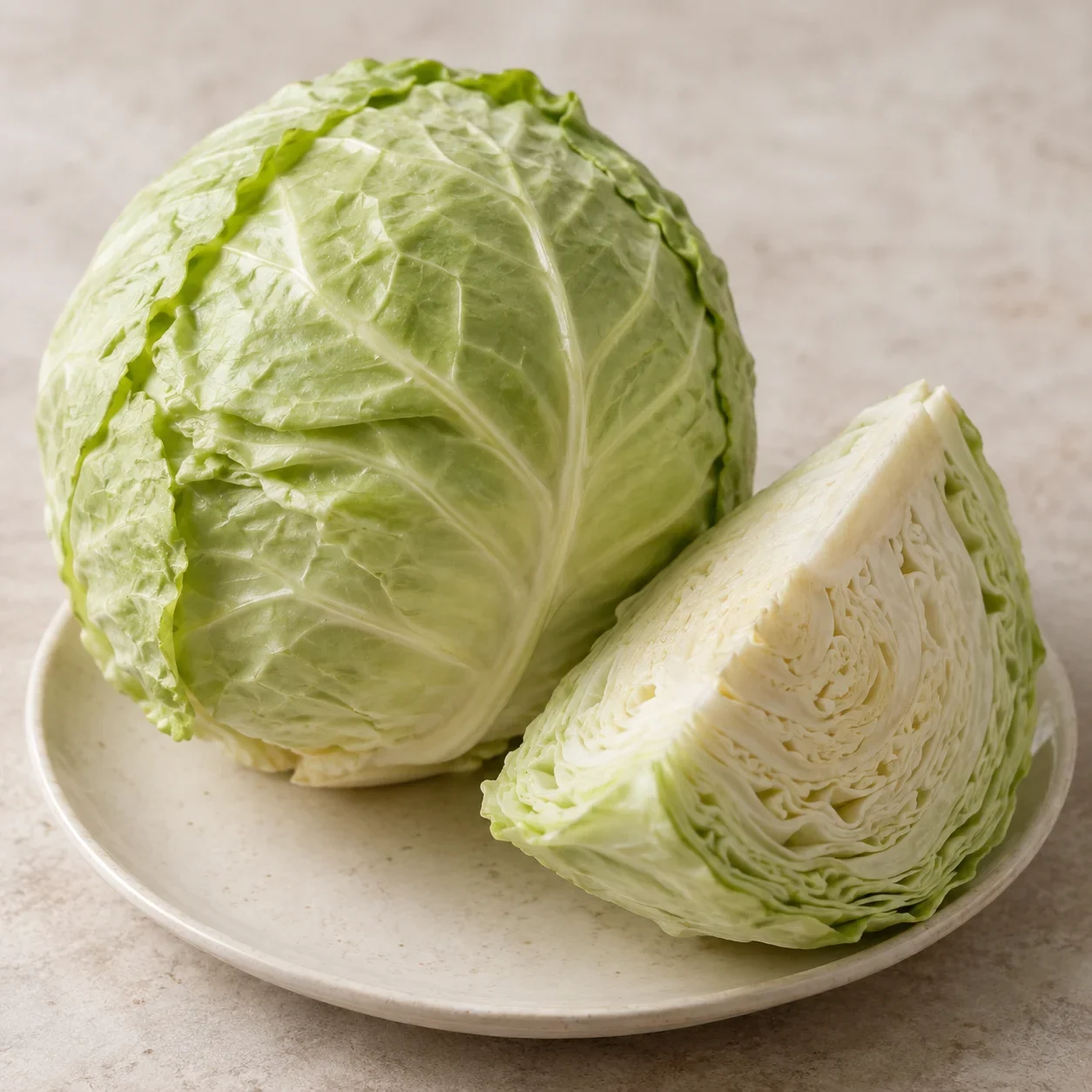

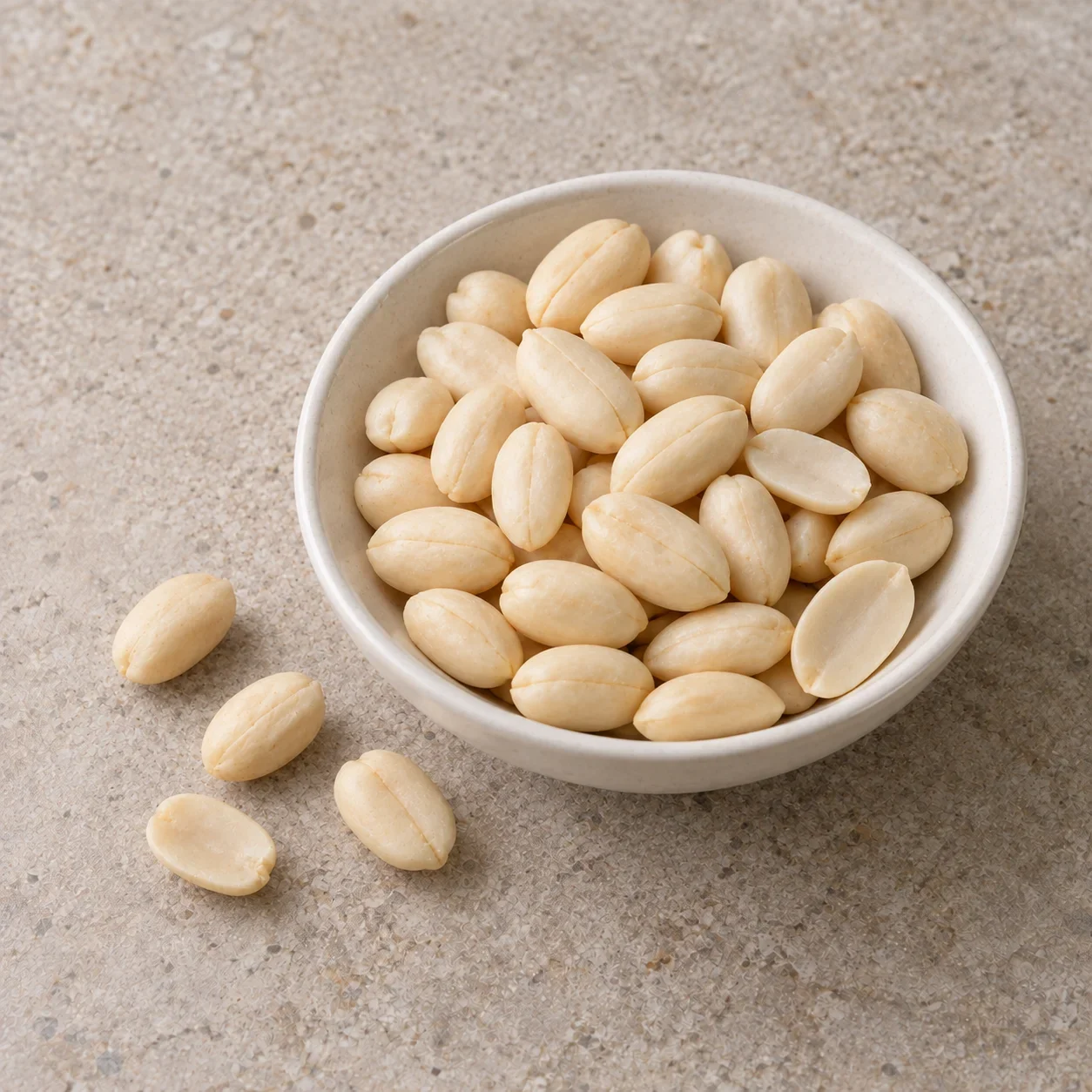
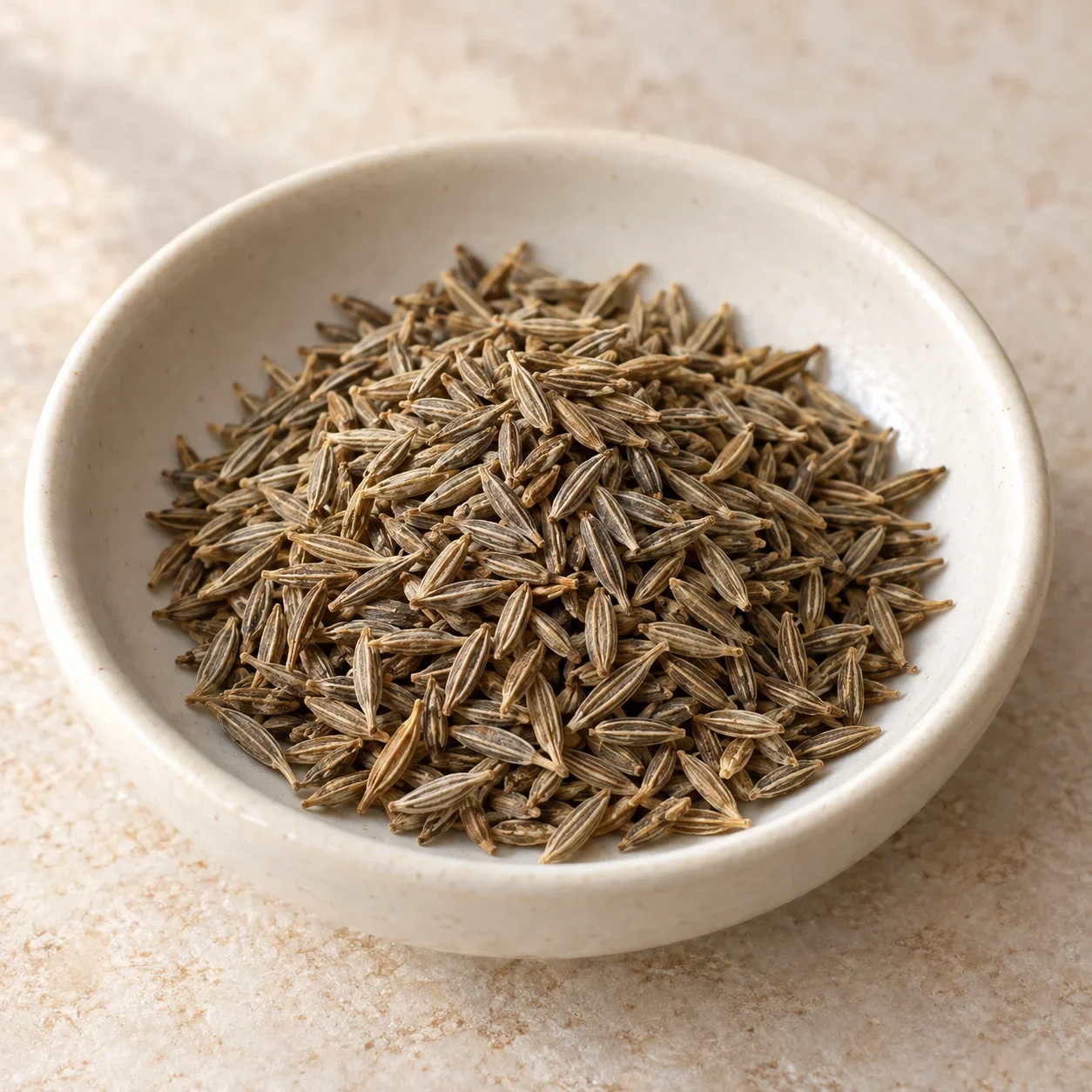

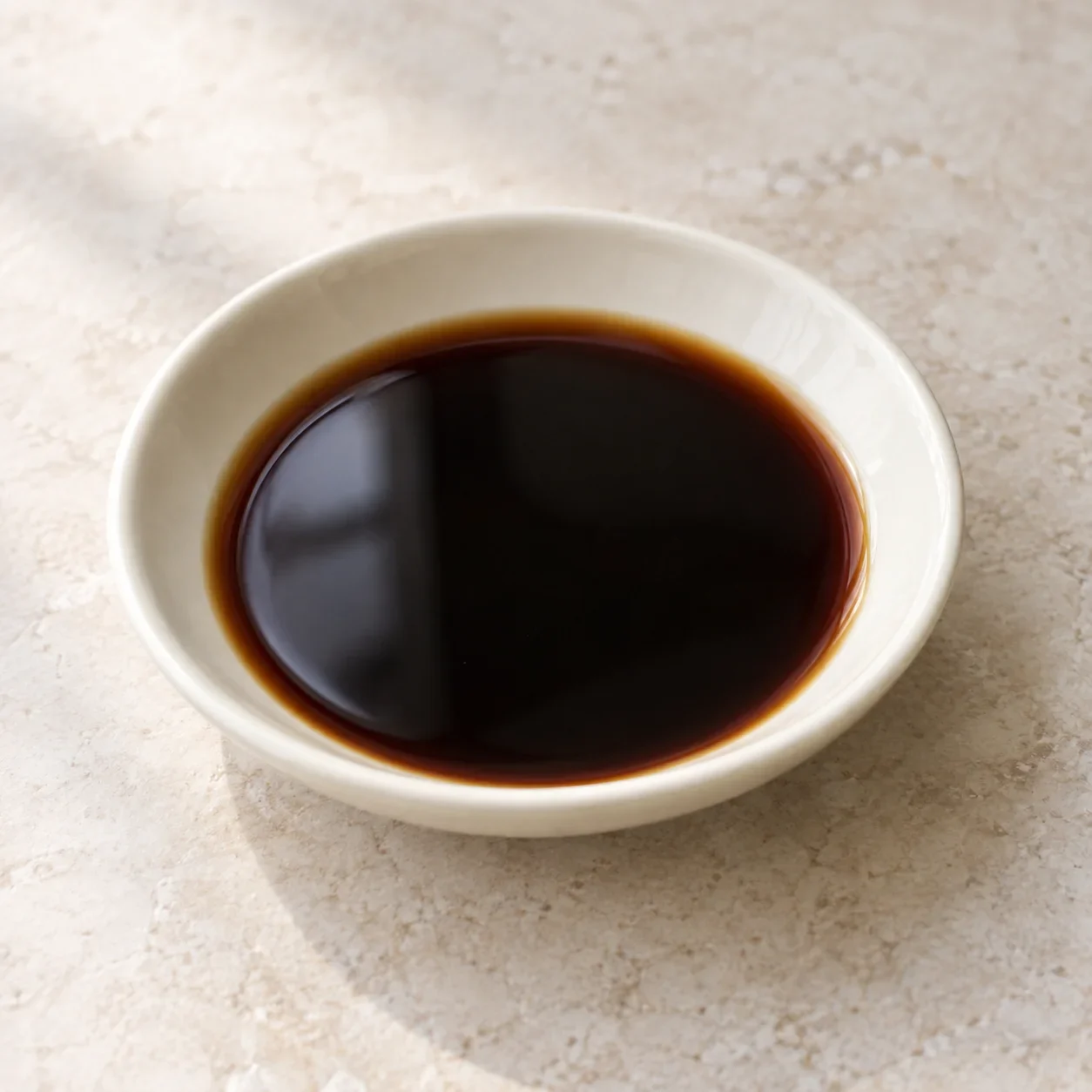

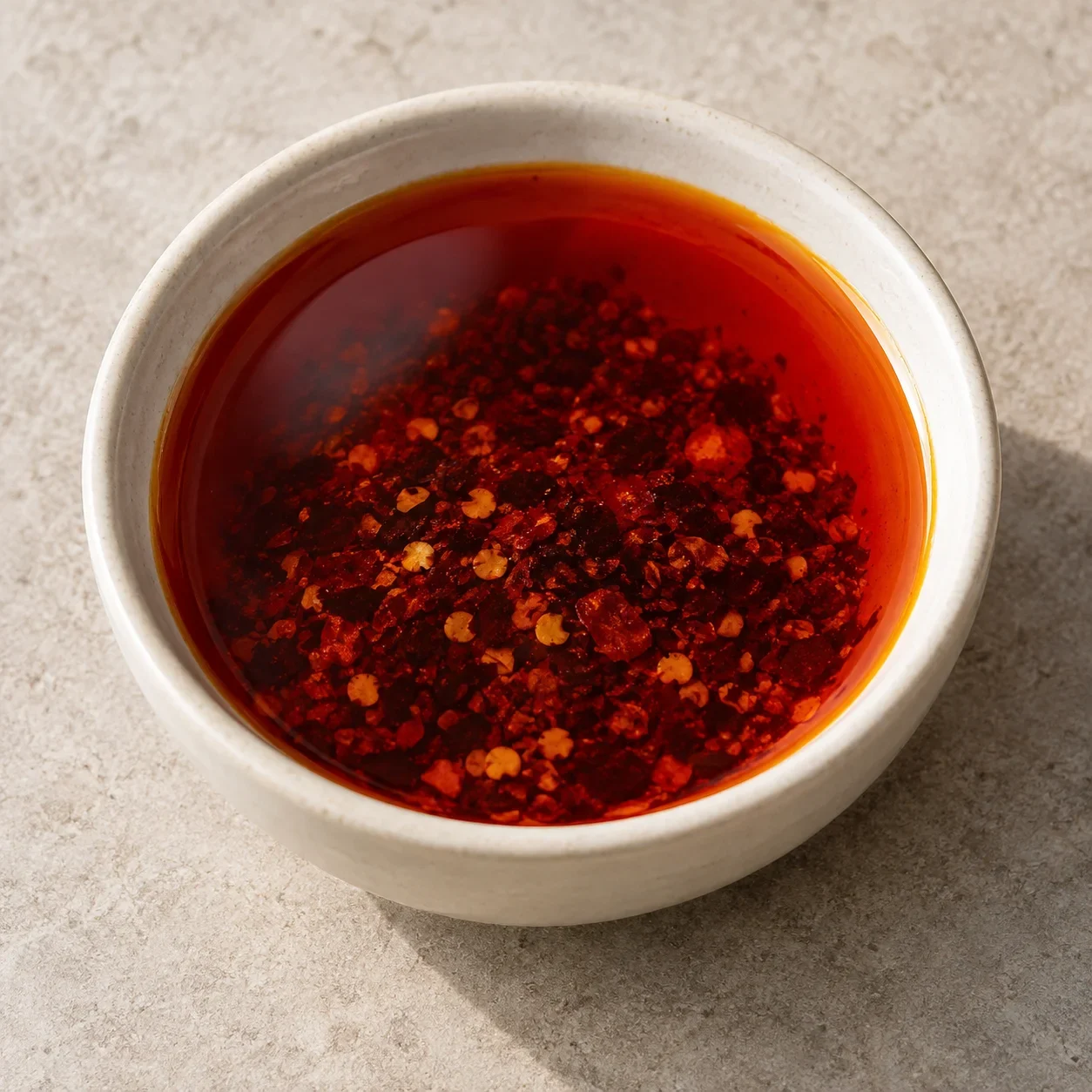
Recipes vary by restaurant.
How does it taste?
Sweet, tangy and savory, with chili-oil heat and cumin aroma.
- Chili heat
- Texture
- Soft, chewy noodles, tender vegetables, firm tofu sheets and crunchy peanuts.
- How it’s made
- The ingredients are cooked, drained and tossed with sugar, vinegar, salt and chili oil; crushed peanuts and cumin finish the mix.
Ingredients and the balance of sugar, vinegar and chili vary by shop. This Fushun-style version has no sesame paste; other versions may include it.
A CONNECTION TO PLACE
Origin & regional roots
Its origins are linked to Liaoning.
About this regional connection
Liaoning: Fushun regional dry-tossed sweet-sour snack.
Ask if they have it first
请问你们有抚顺麻辣拌吗?
Do you have this item?
A LITTLE SOMETHING TO READ
Story & history
A street snack made for mixing
Fushun mala ban is closely associated with small snack shops, street stalls and takeaway meals in northeastern China. Its sweet-sour dressing and drained serving style distinguish it from soup-based malatang.