
At the table
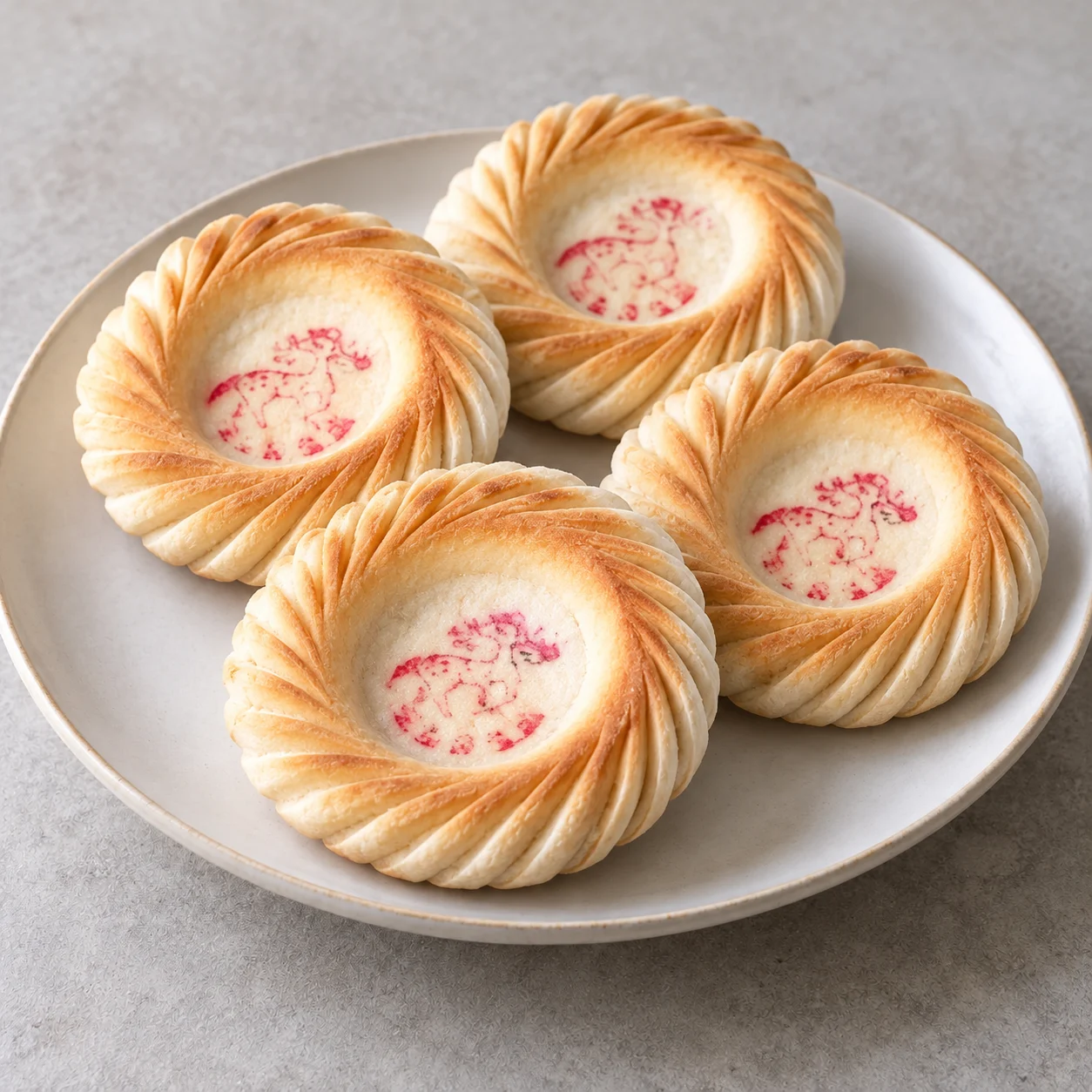
Break off small pieces and eat as a snack, with tea if desired. Ask whether the batch contains lard, egg or milk; recipes differ. The deer design does not mean venison.
Contains wheat. The representative recipe has pork fat; other versions add egg or milk. The firm, crumbly texture needs careful chewing.
Contains wheat. The representative recipe has pork fat; other versions add egg or milk. The firm, crumbly texture needs careful chewing.
GET TO KNOW THE DISH
What goes into it?
Explore some key ingredients below. Preparations may use additional seasonings and ingredients.
Contains wheat. The representative recipe has pork fat; other versions add egg or milk. The firm, crumbly texture needs careful chewing.
Typical ingredients
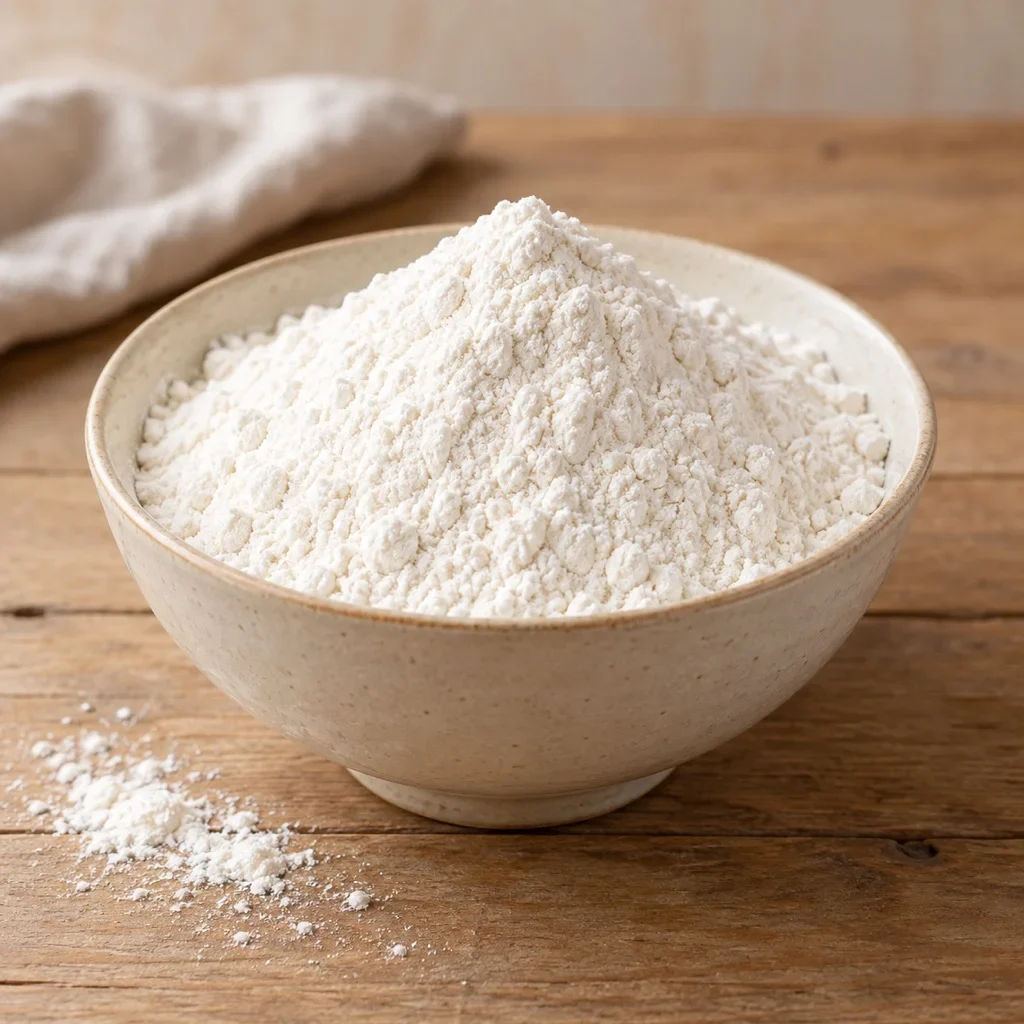
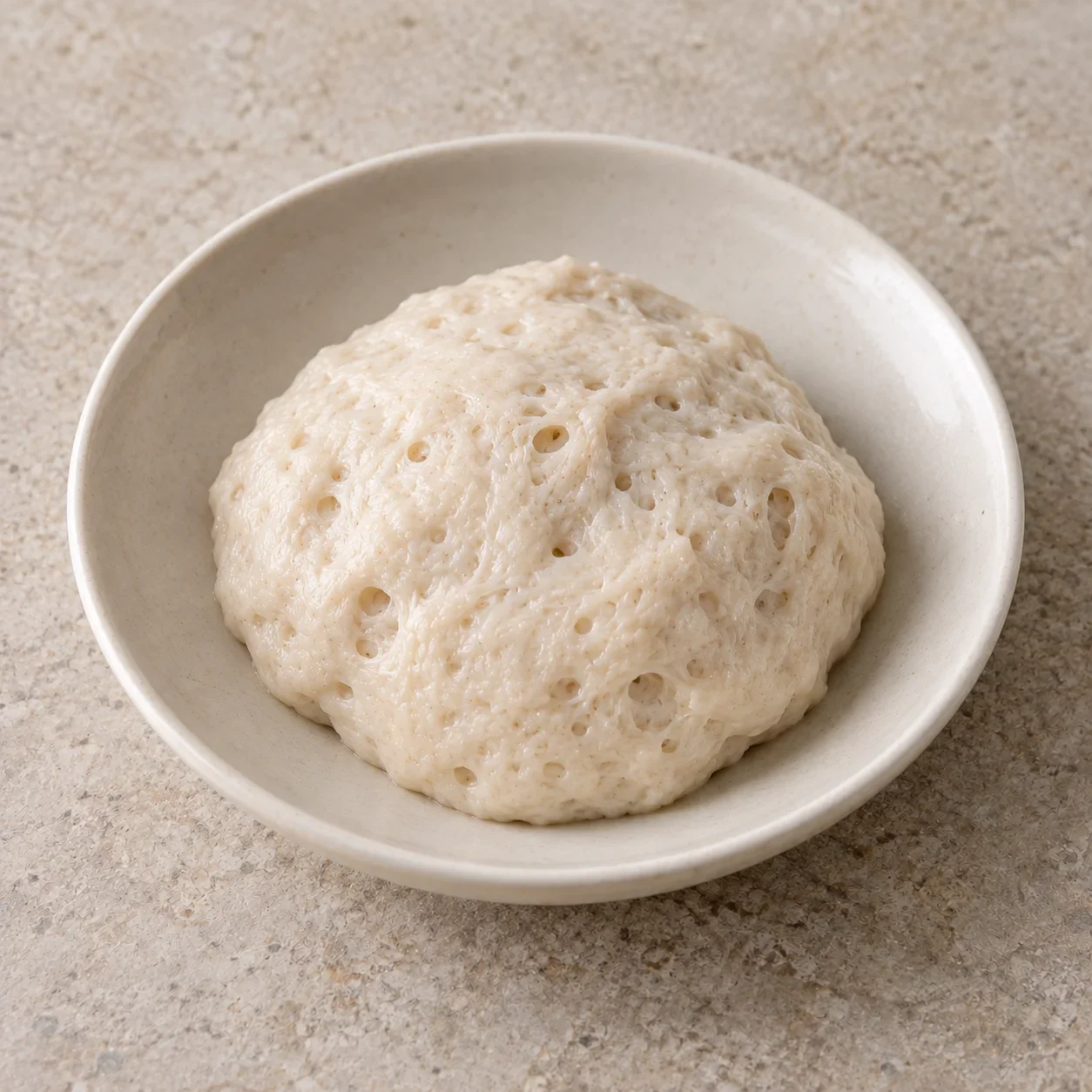
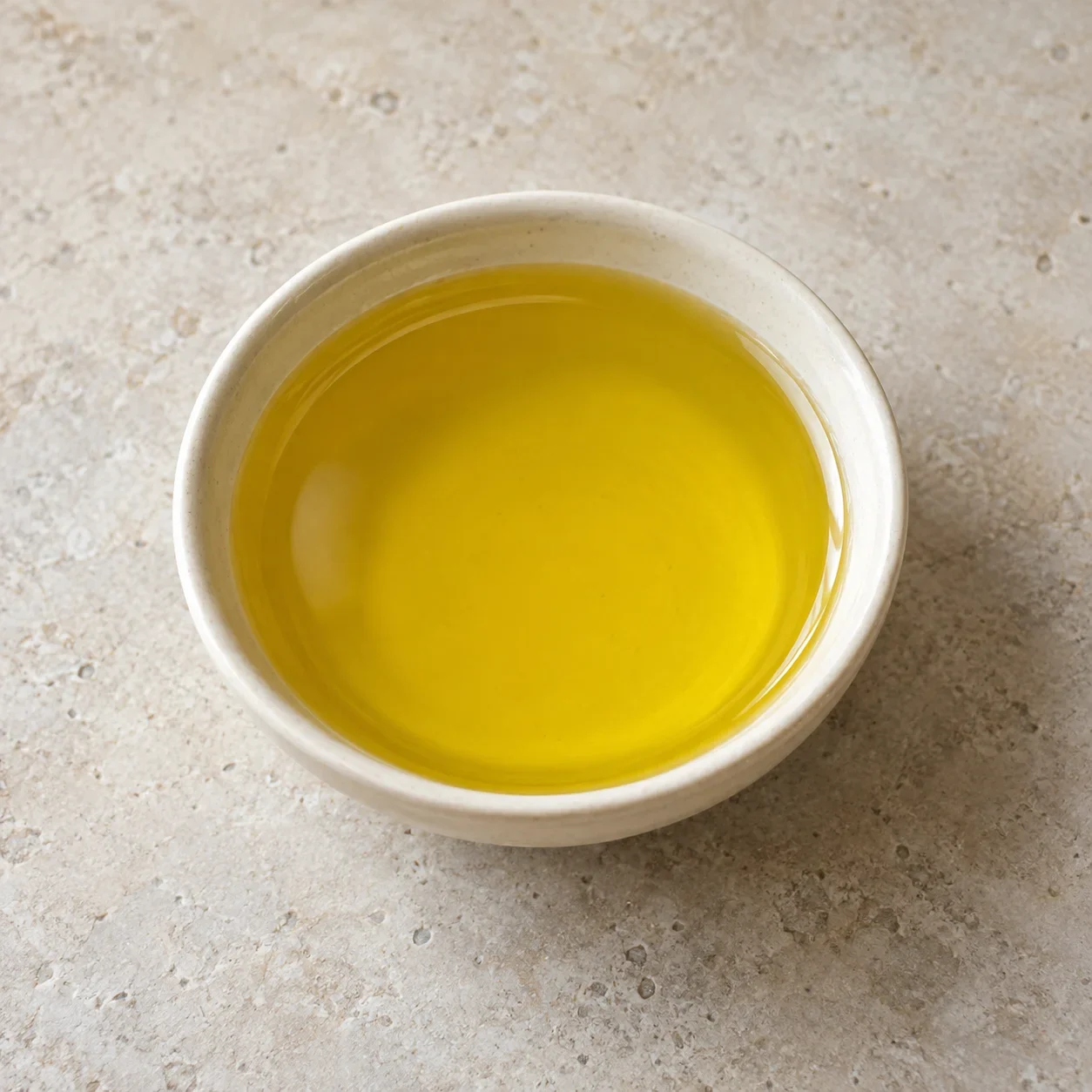
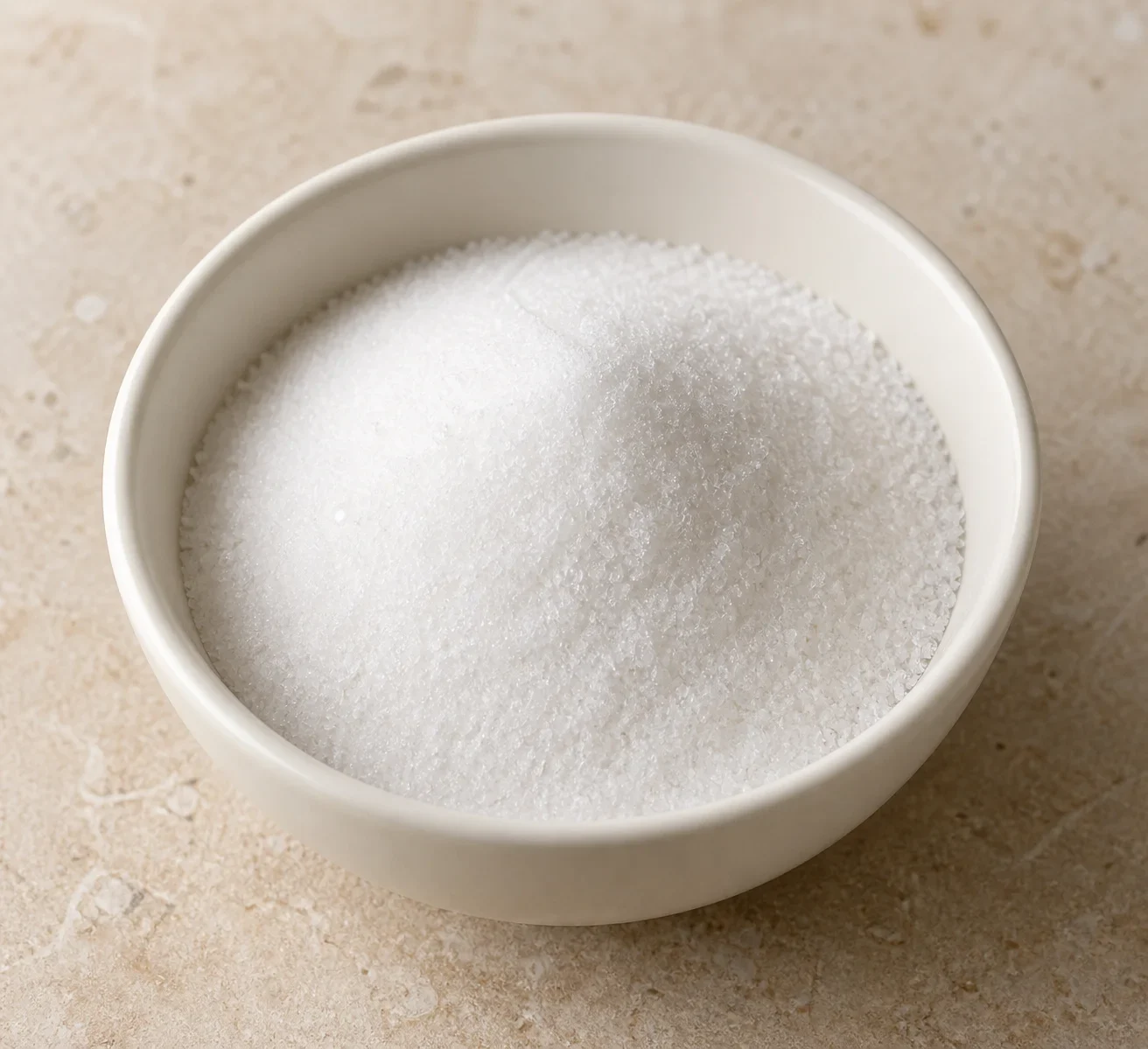
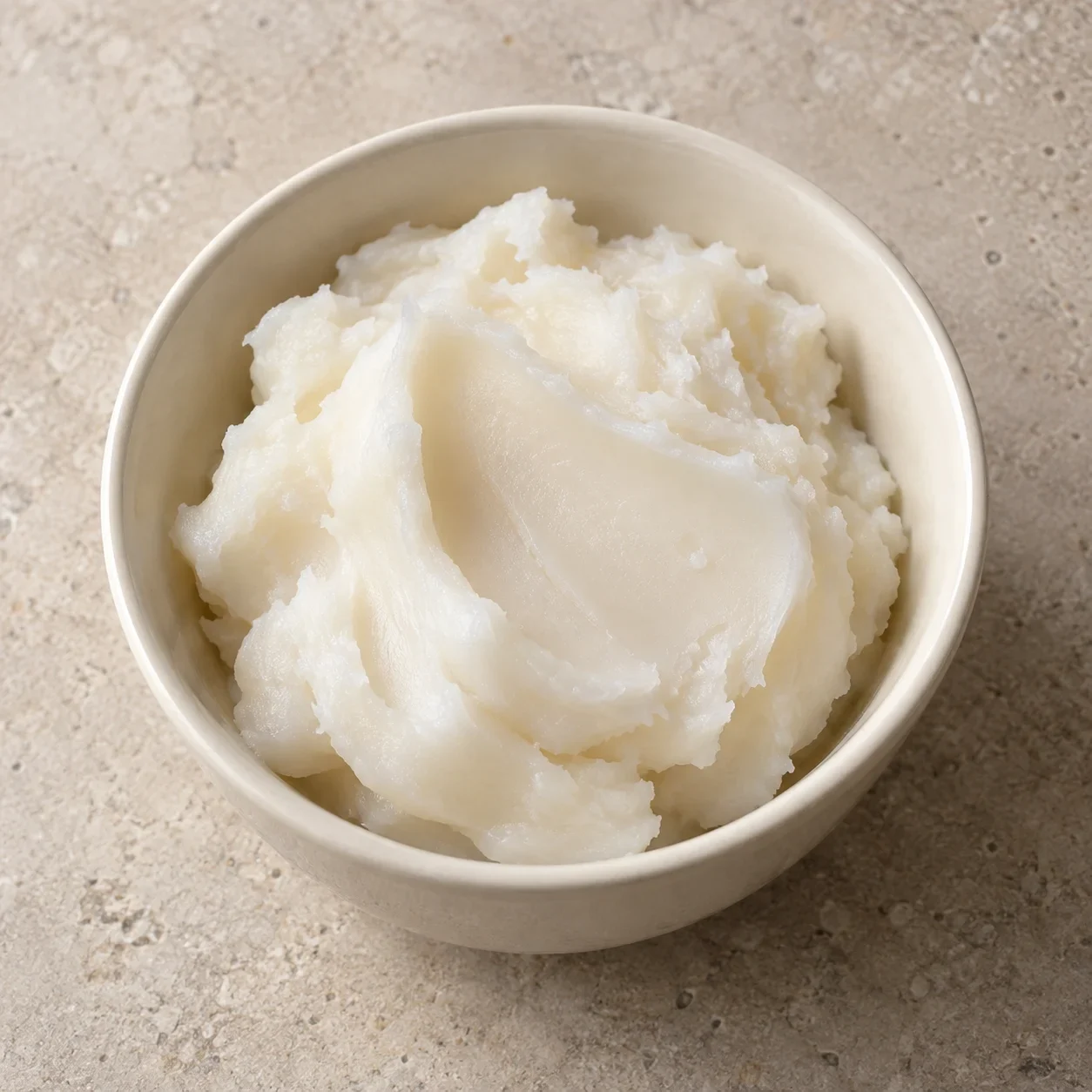
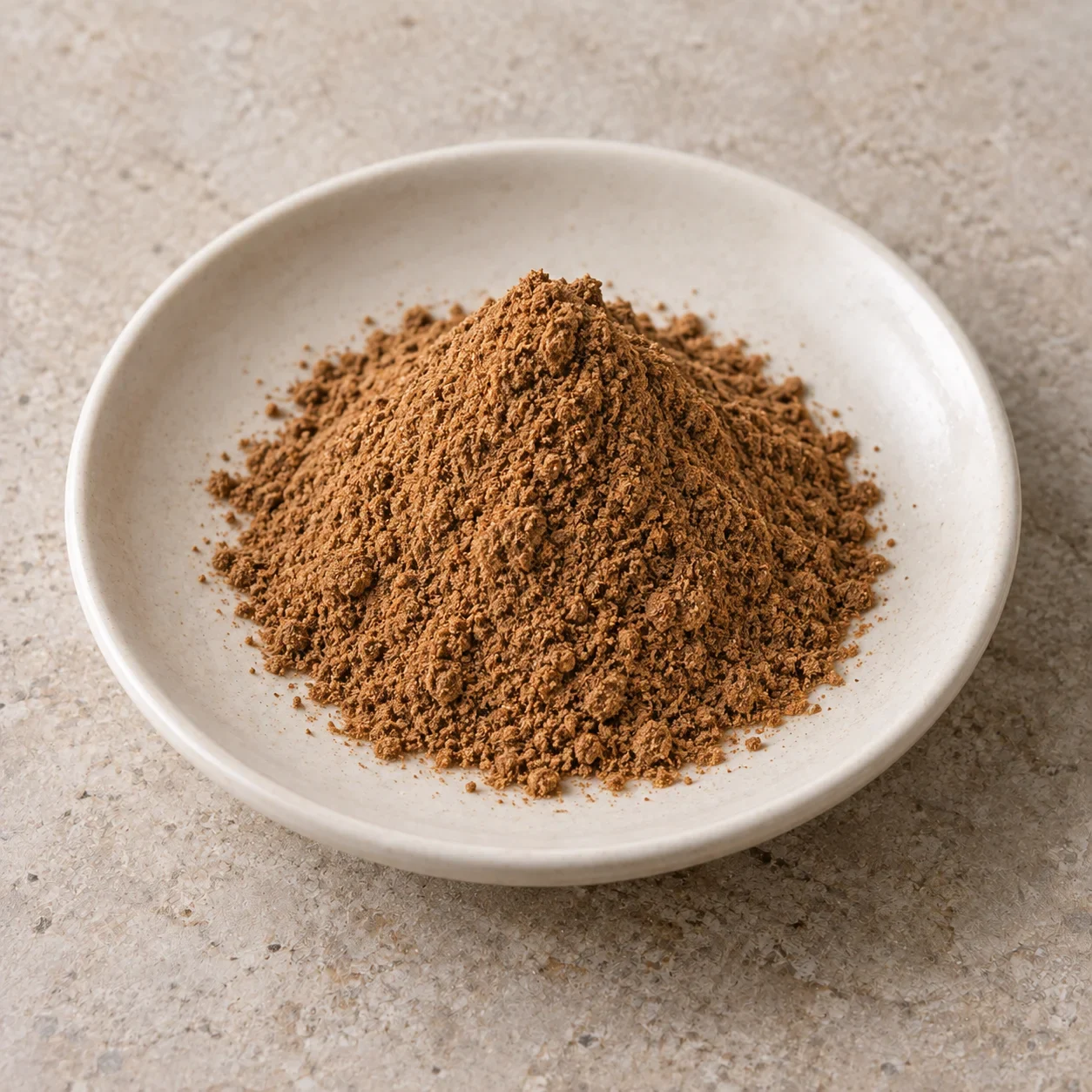
In some versions
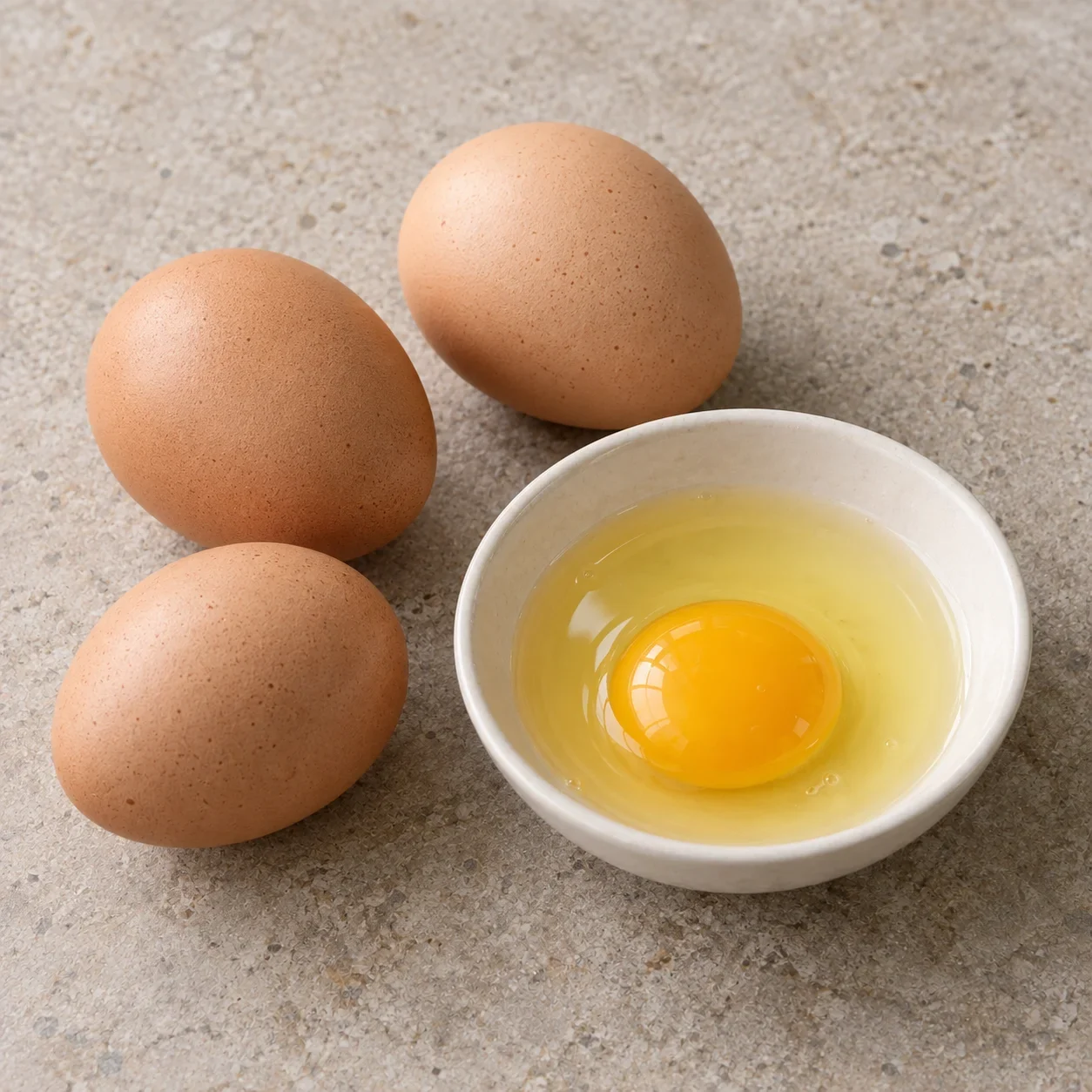
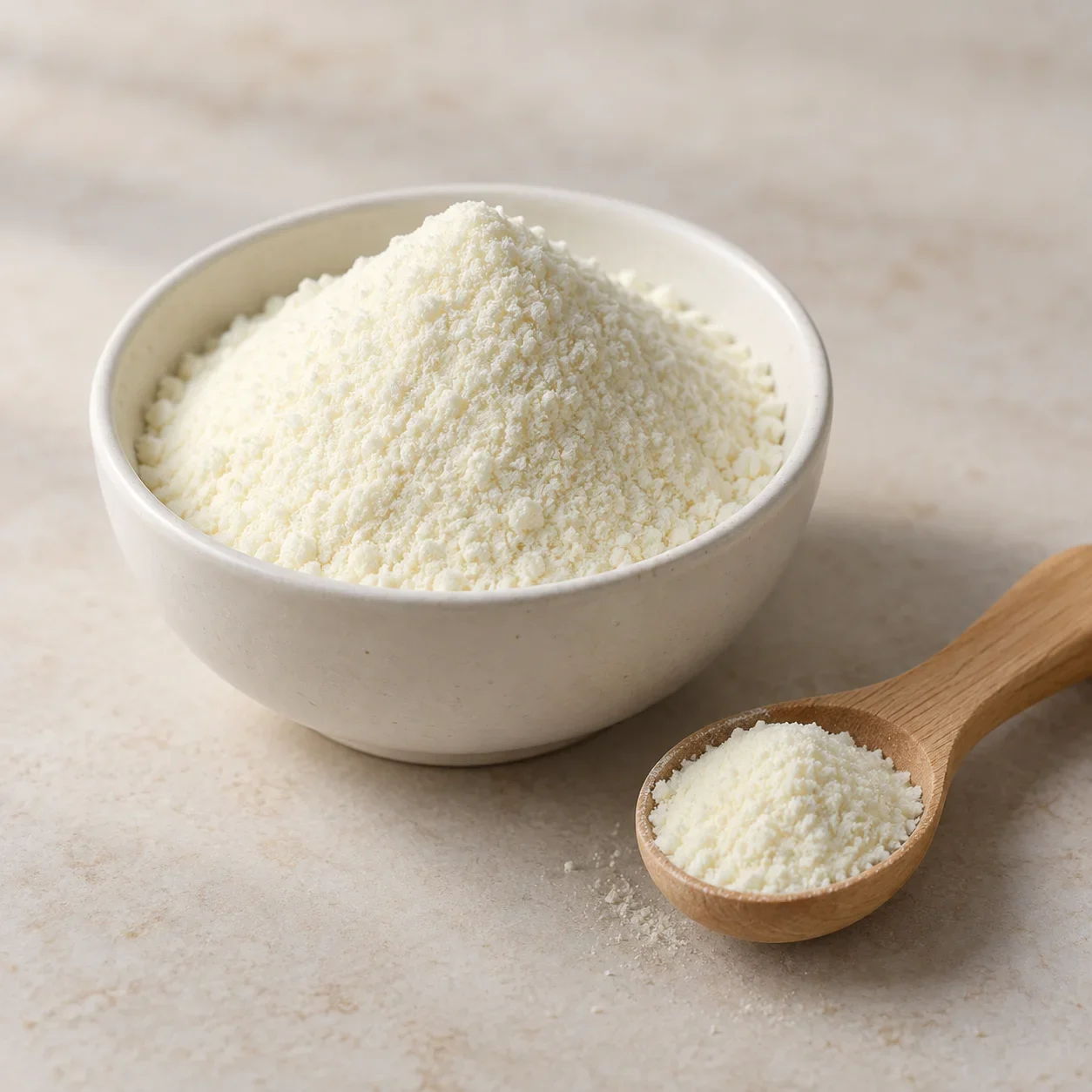

Recipes vary by restaurant.
How does it taste?
A small round wheat bread with a depressed center and deer stamp. It tastes gently sweet, grainy and fragrant with fat and warm spice; its bite is firm and crumbly rather than soft steamed bread.
- Chili heat
- Texture
- A small round wheat bread with a depressed center and deer stamp. It tastes gently sweet, grainy and fragrant with fat and warm spice; its bite is firm and crumbly rather than soft steamed bread.
- How it’s made
- Combine wheat flour, water, fermented dough starter, rapeseed oil, sugar, lard and five-spice powder. Repeatedly press and fold the firm dough, shape small rounds with a hollow center and stamp them. Cook slowly on a flat griddle until crisp.
Contains wheat. The representative recipe has pork fat; other versions add egg or milk. The firm, crumbly texture needs careful chewing.
A CONNECTION TO PLACE
Origin & regional roots
Associated with Shaanxi.
About this regional connection
Shaanxi: Fufeng, Baoji.
Ask if they have it first
请问你们有扶风鹿糕馍吗?
Do you have this item?
A LITTLE SOMETHING TO READ
Story & history
Fufeng deer-stamped crisp bread
The deer motif evokes lu, a Chinese homophone associated with good fortune. These small breads are given to friends and relatives in Fufeng. The craft entered Shaanxi's provincial intangible cultural heritage list in 2009; imperial naming stories are legends.