At the table
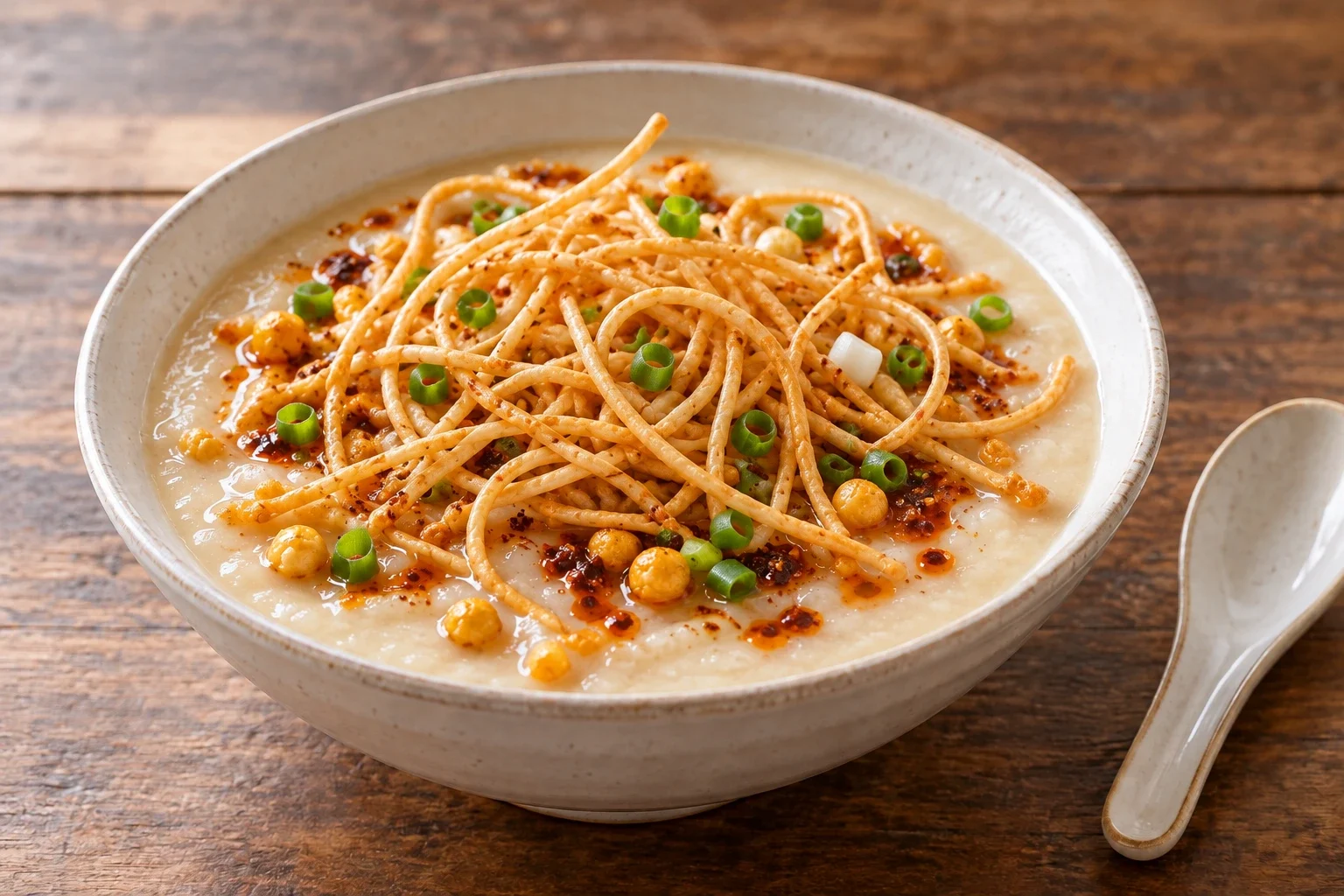
Stir in the sanzi a little at a time to enjoy both crisp and soft textures.
Contains wheat and sesame oil. The paste can be hot; hard peas and crisp strands need care for young children.
This version uses rapeseed oil, sesame oil, salt, MSG, Sichuan pepper, chilli oil, peas and scallion. Confirm other versions.
GET TO KNOW THE DISH
What goes into it?
Explore some key ingredients below. Preparations may use additional seasonings and ingredients.
Toppings and oil vary; some newer versions add shredded chicken or pickled mustard stem.
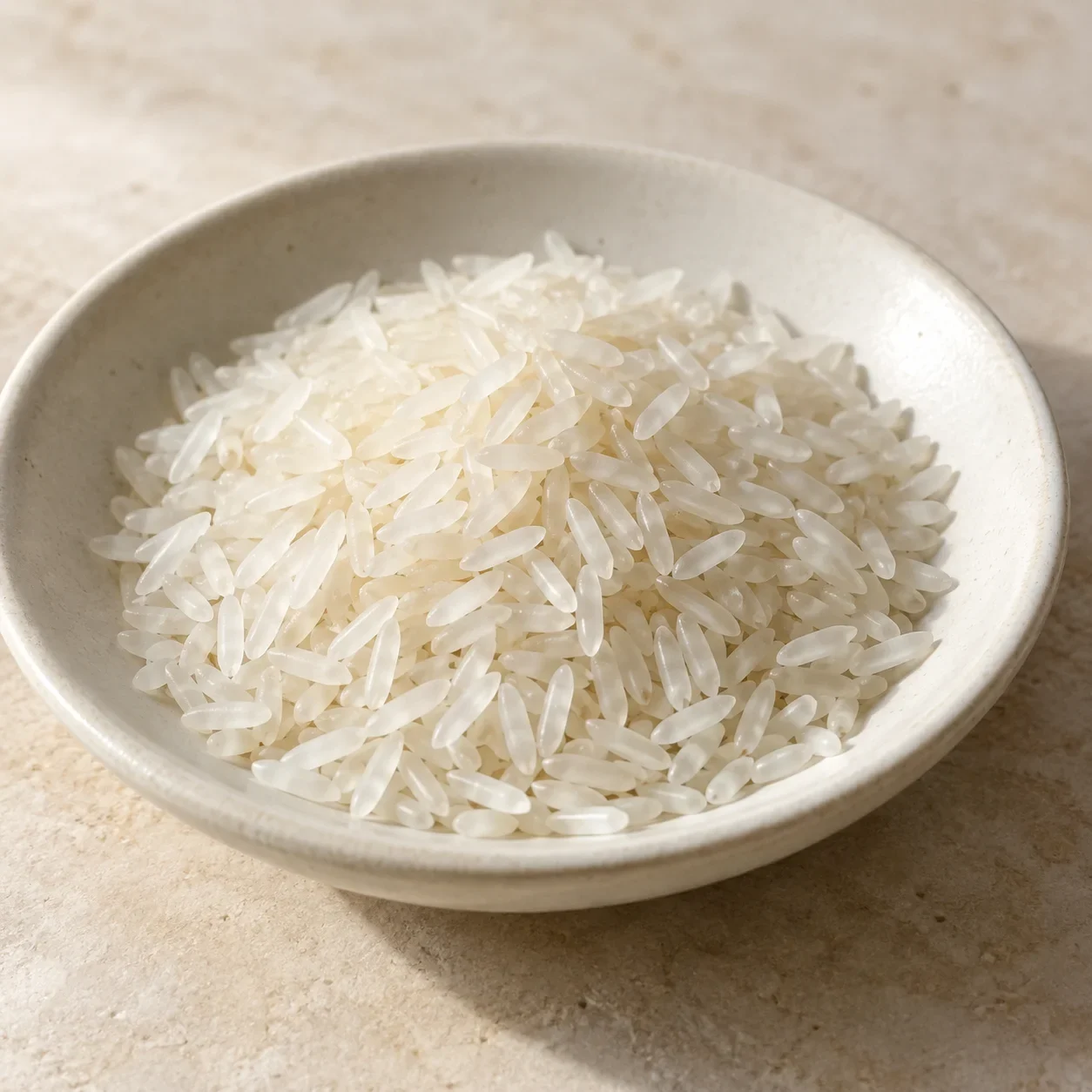
Typical ingredients
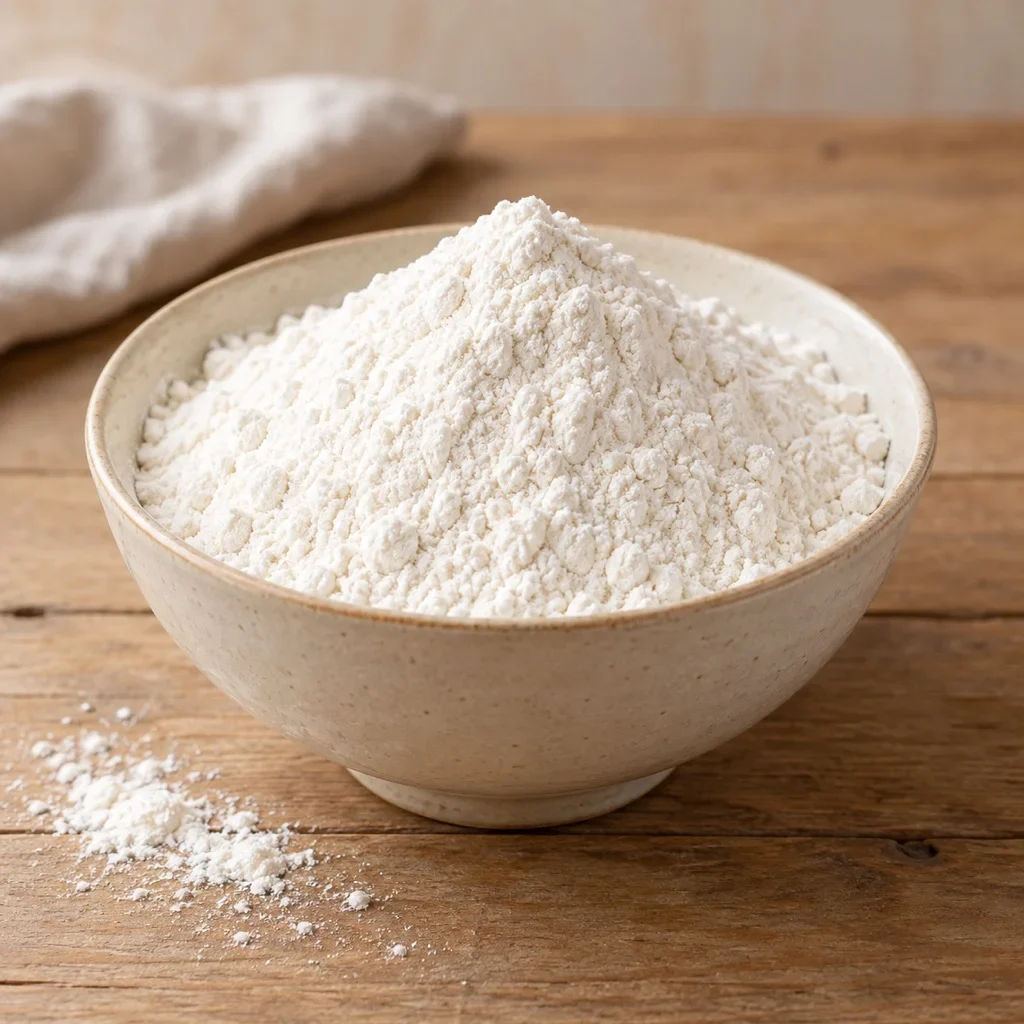
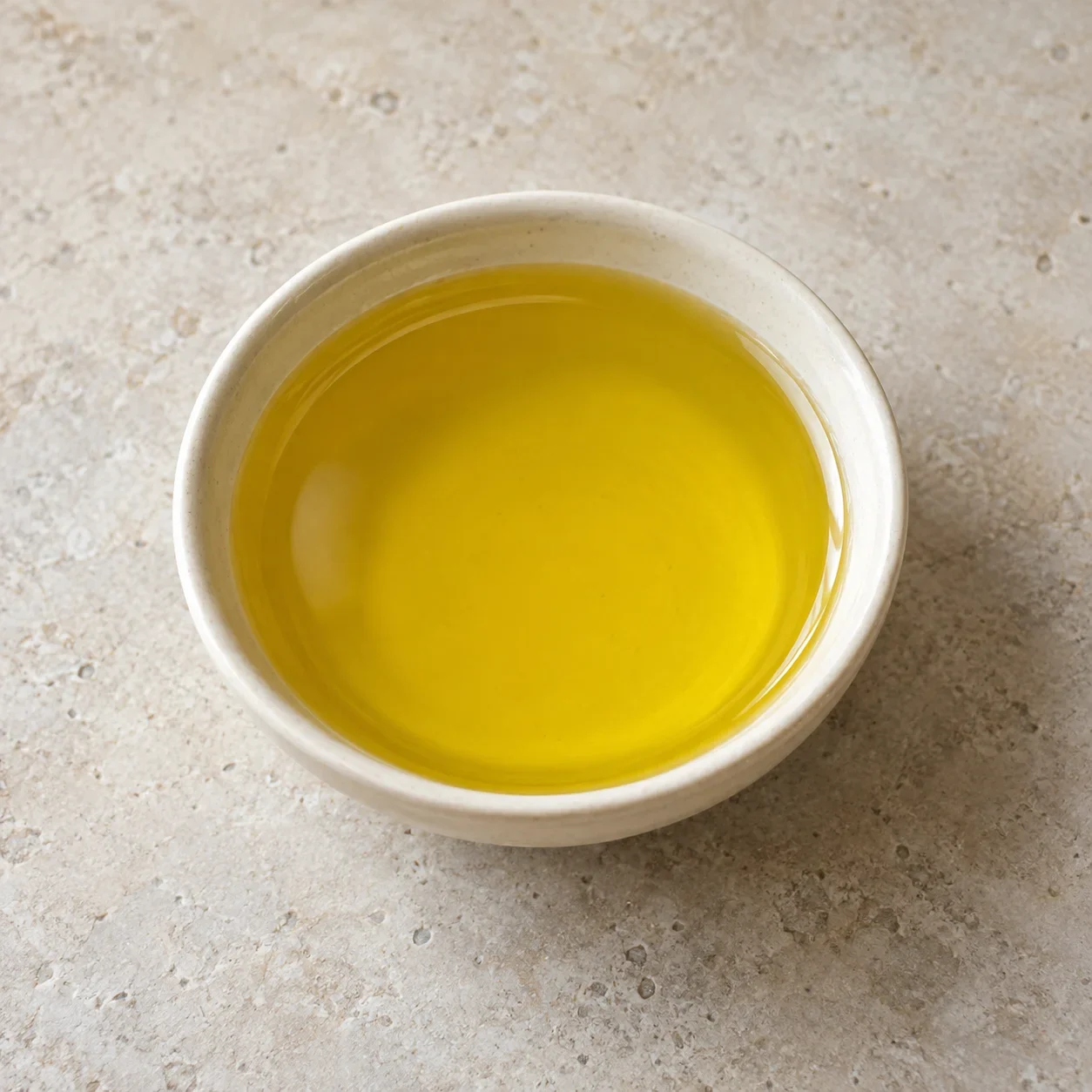
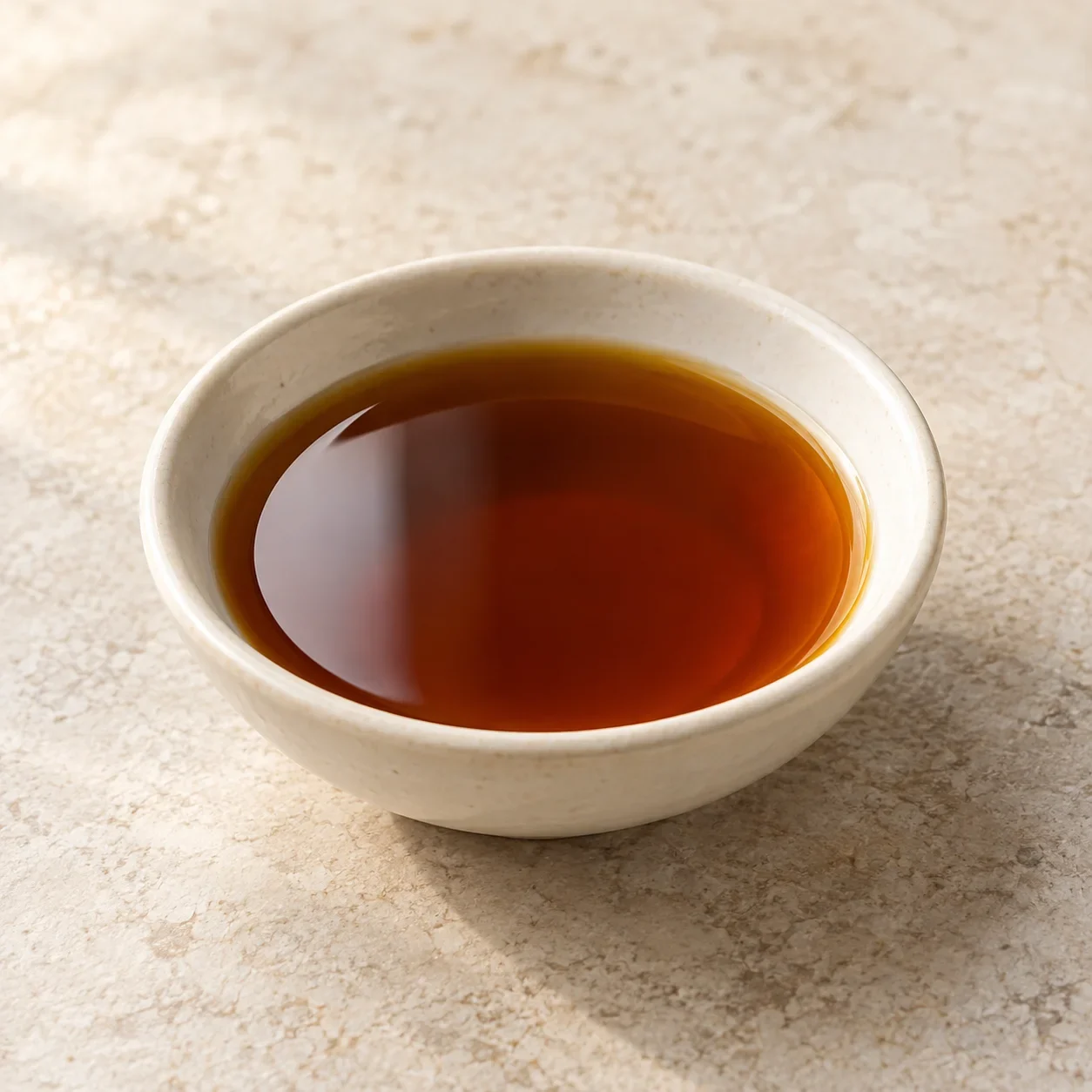
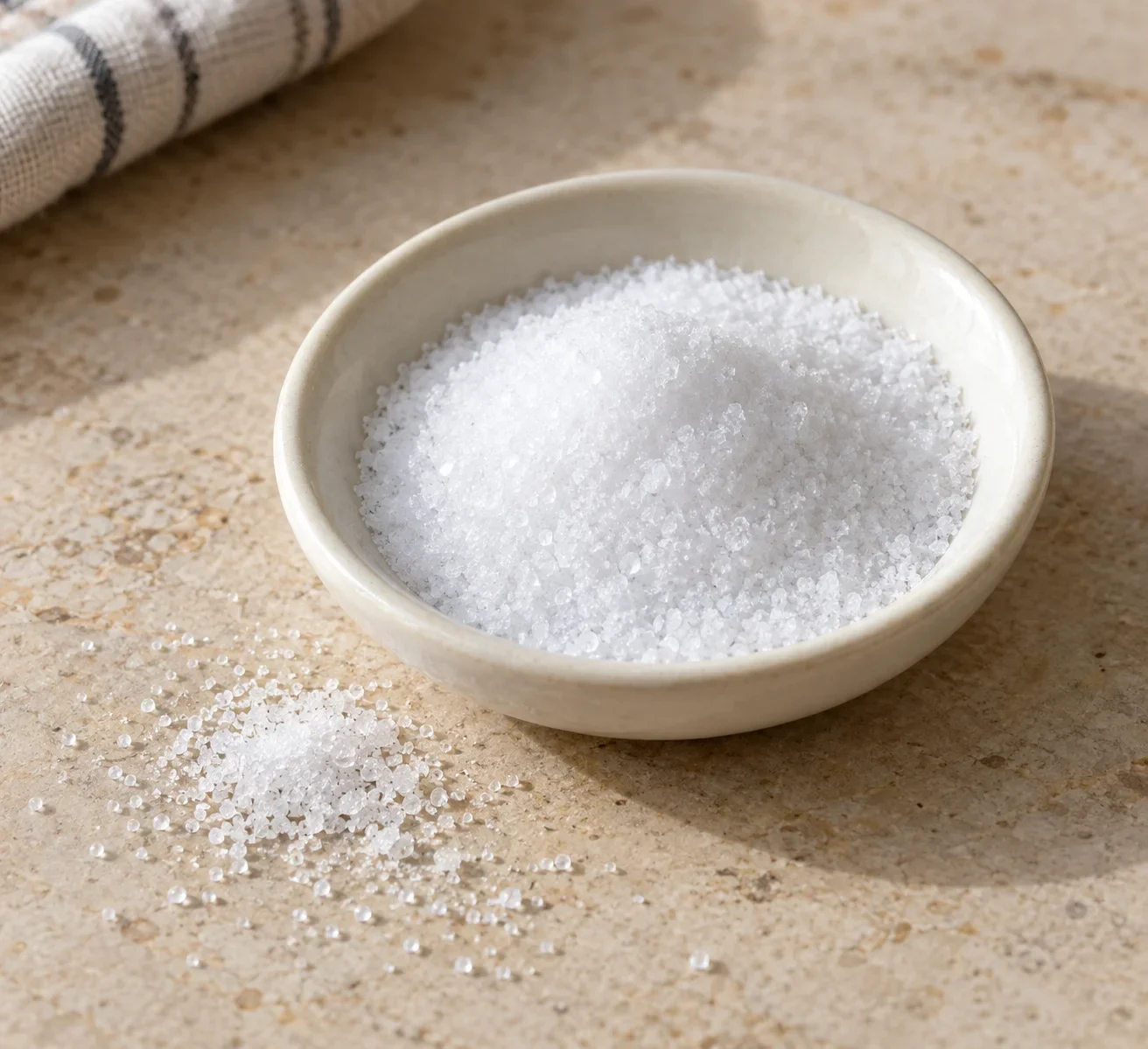
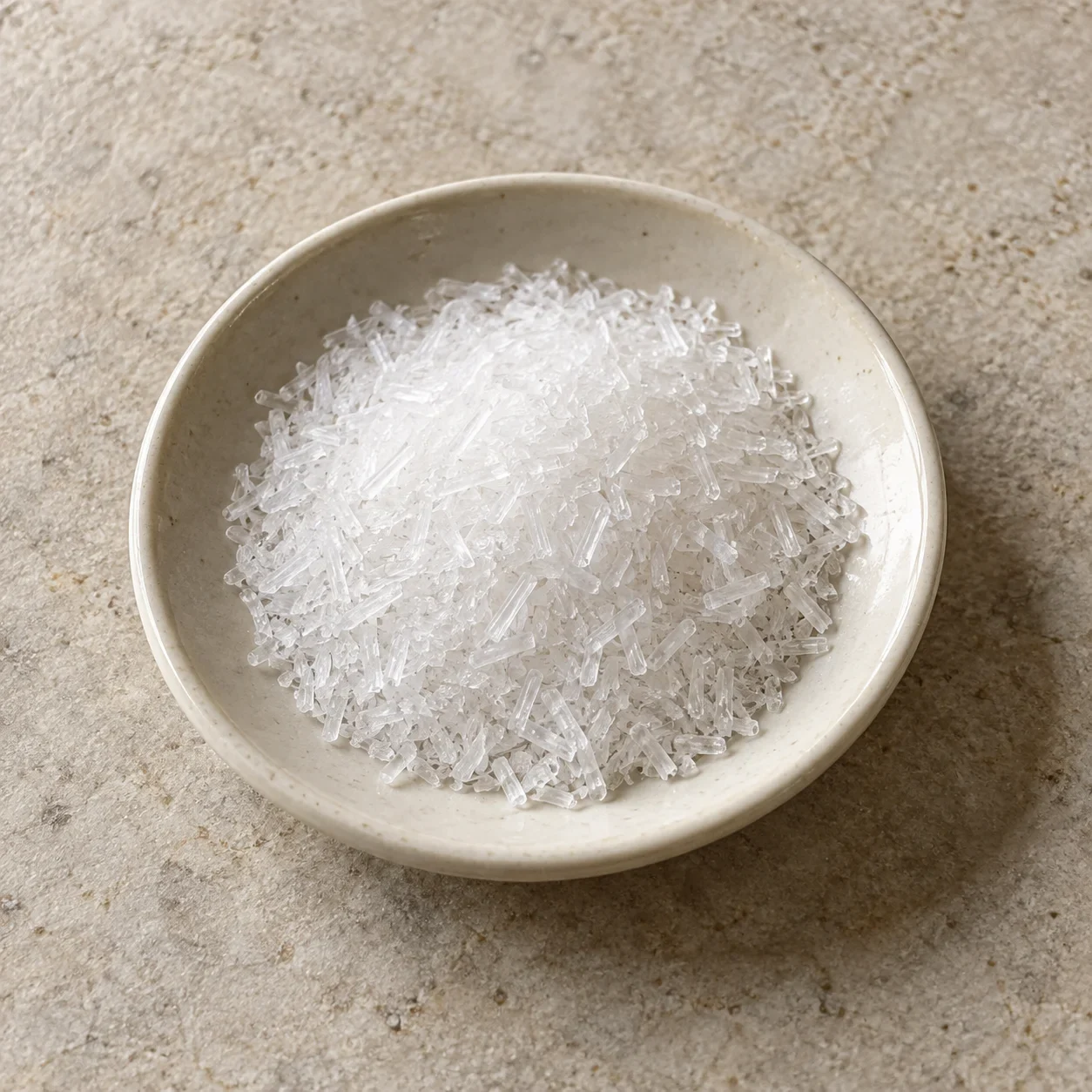
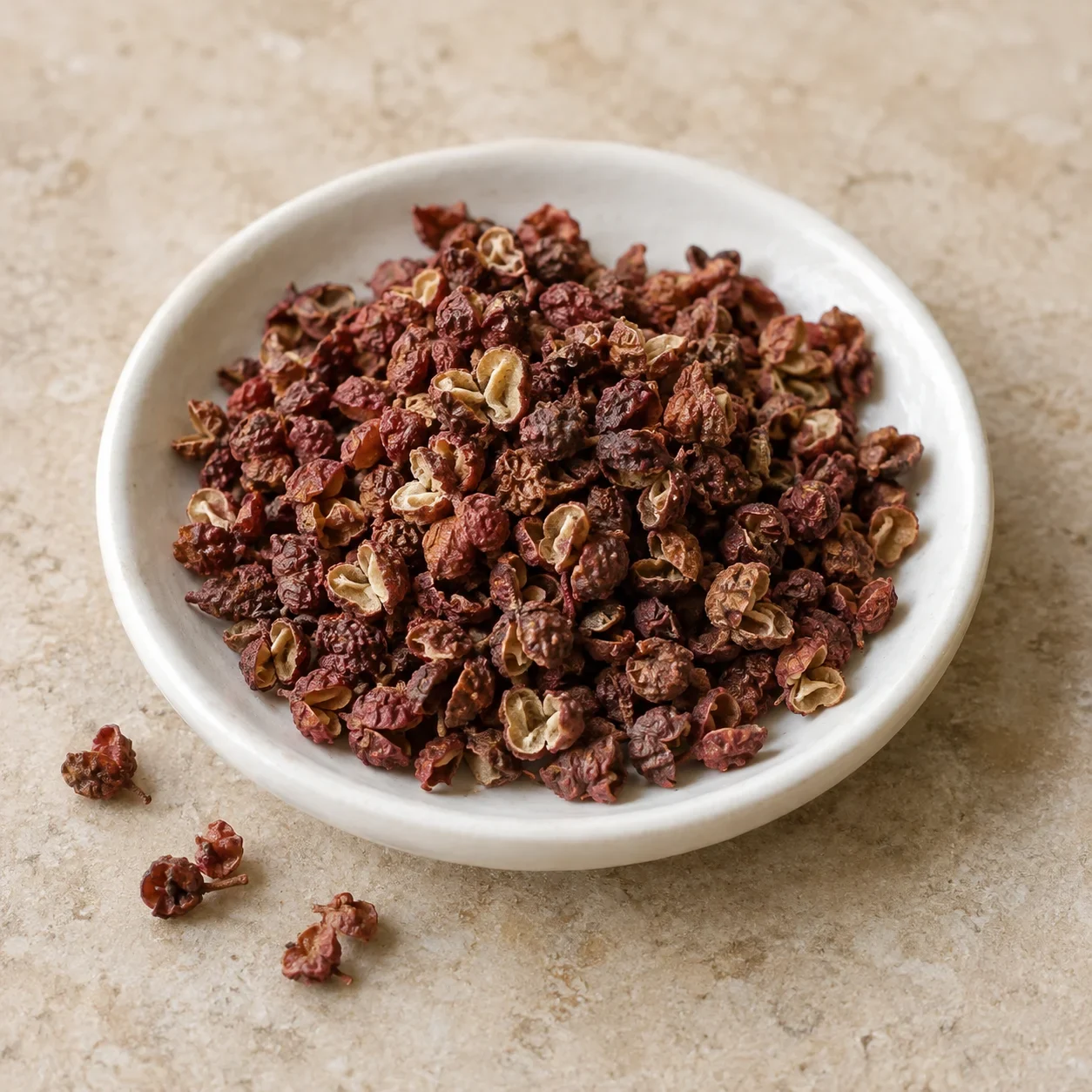
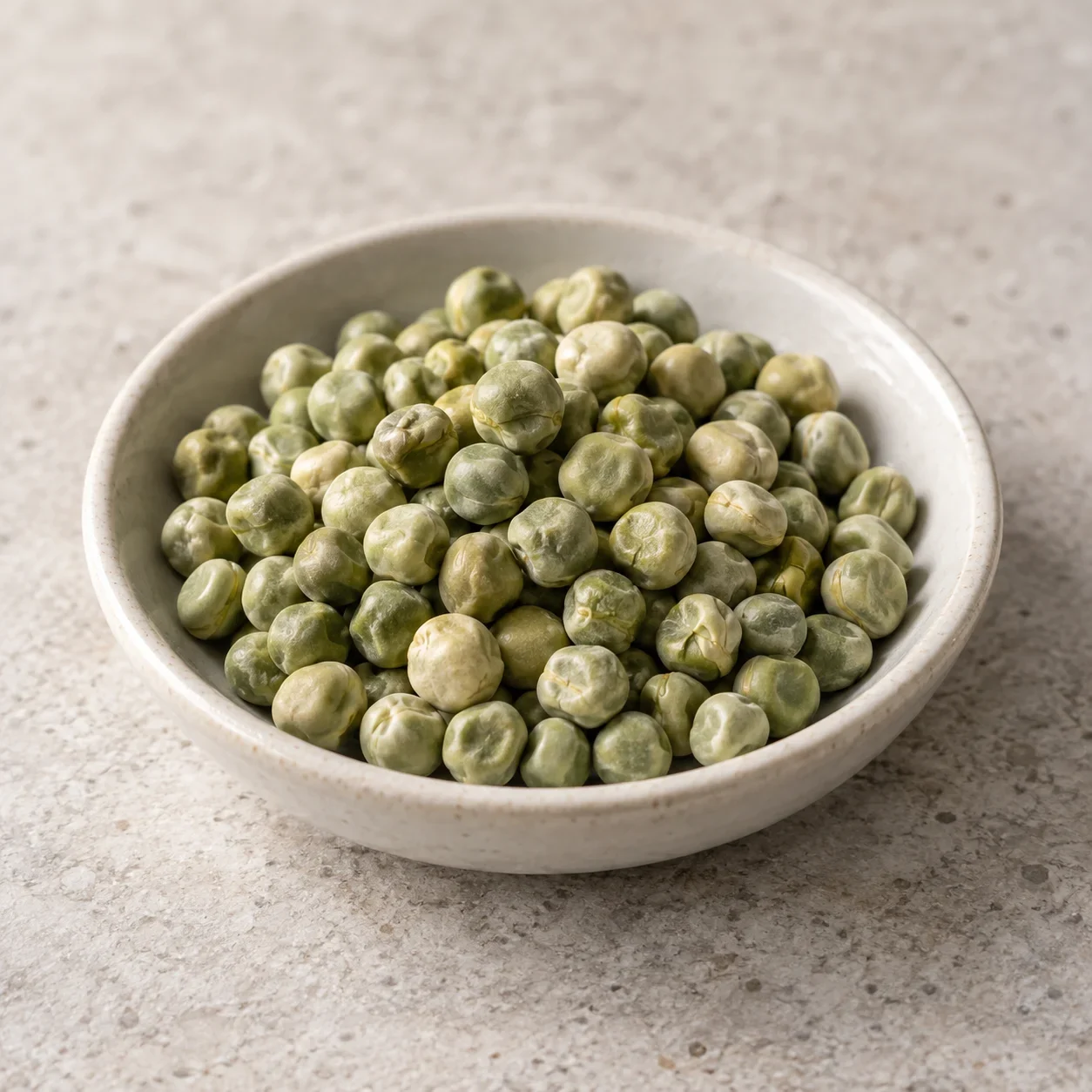
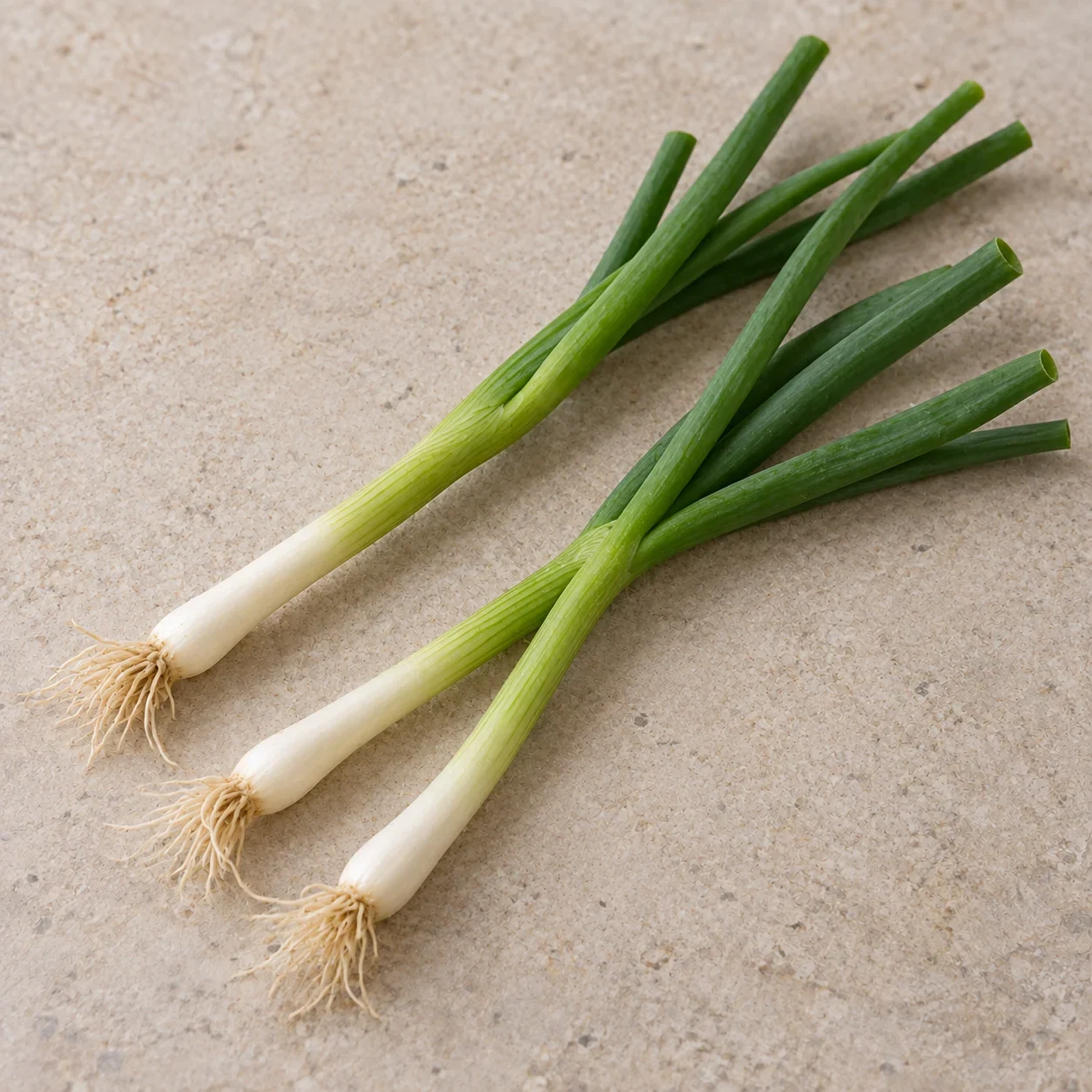
In some versions
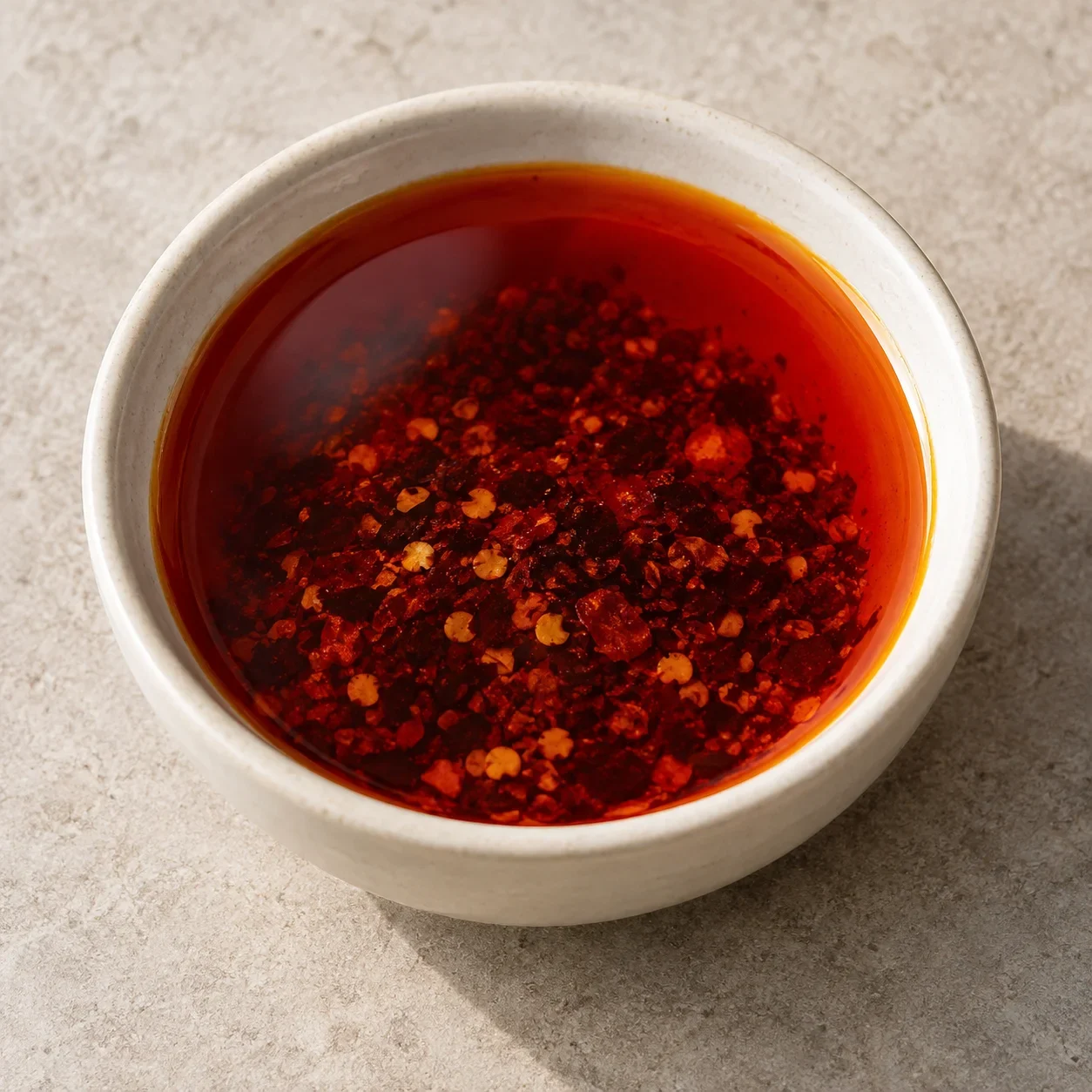
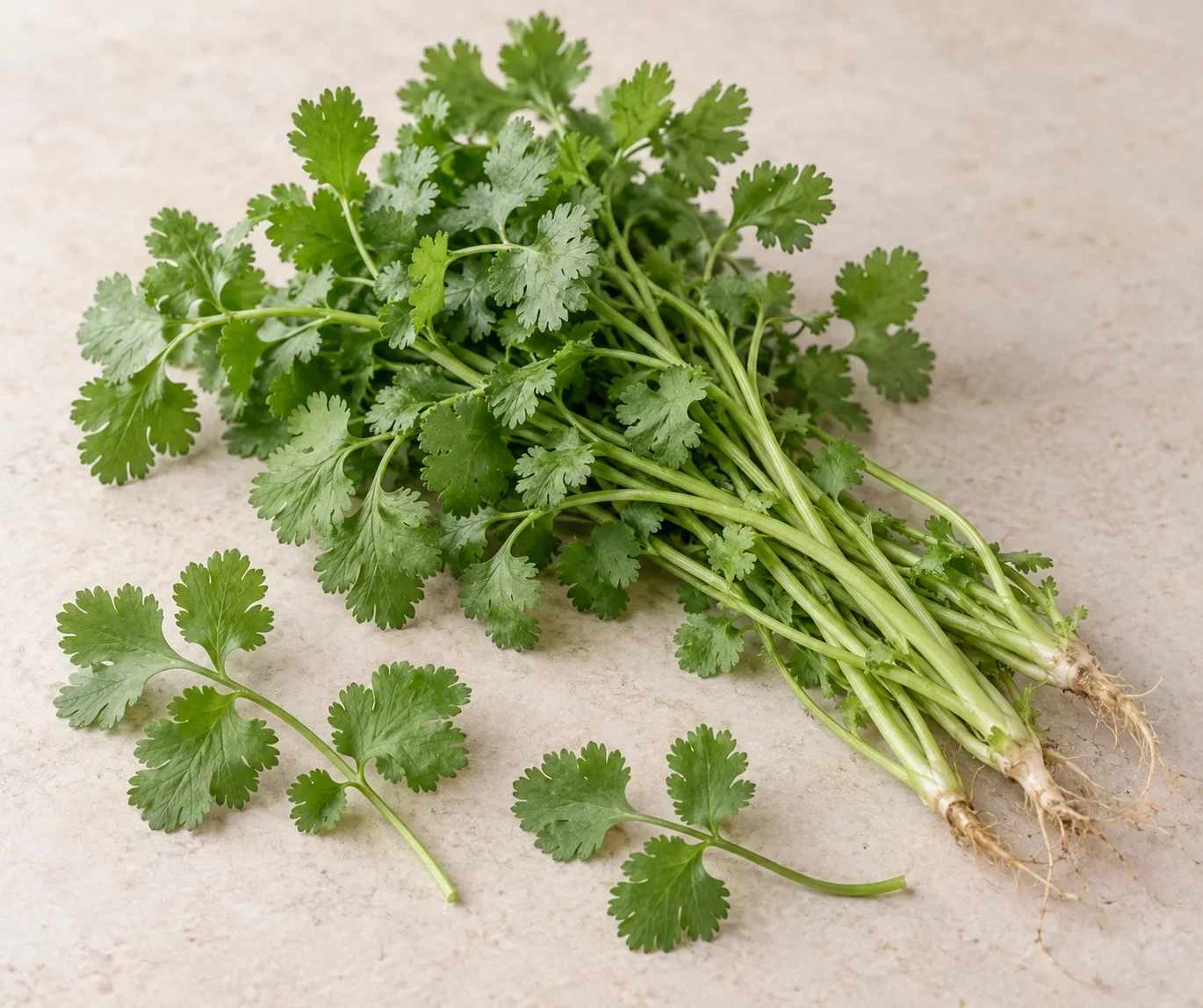
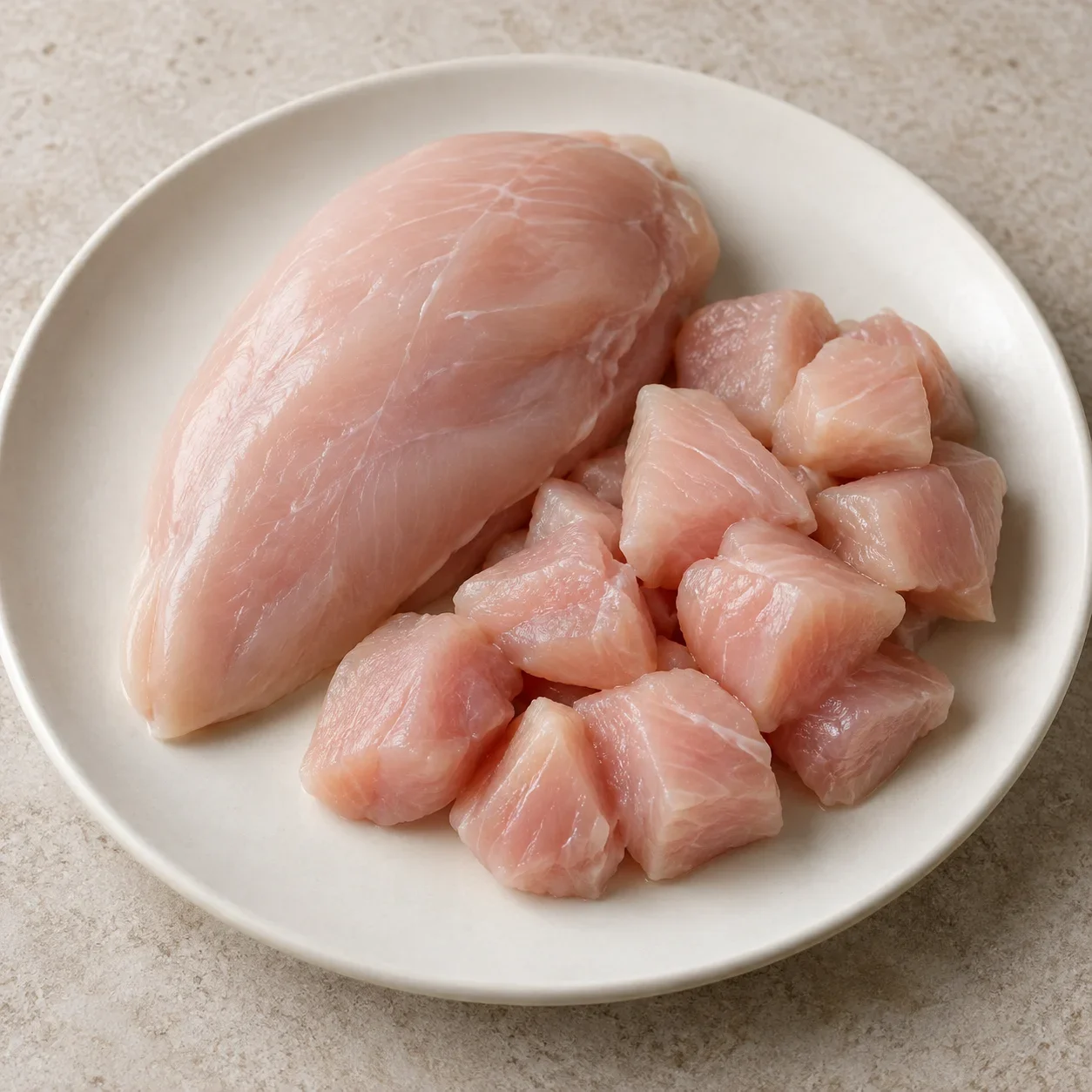
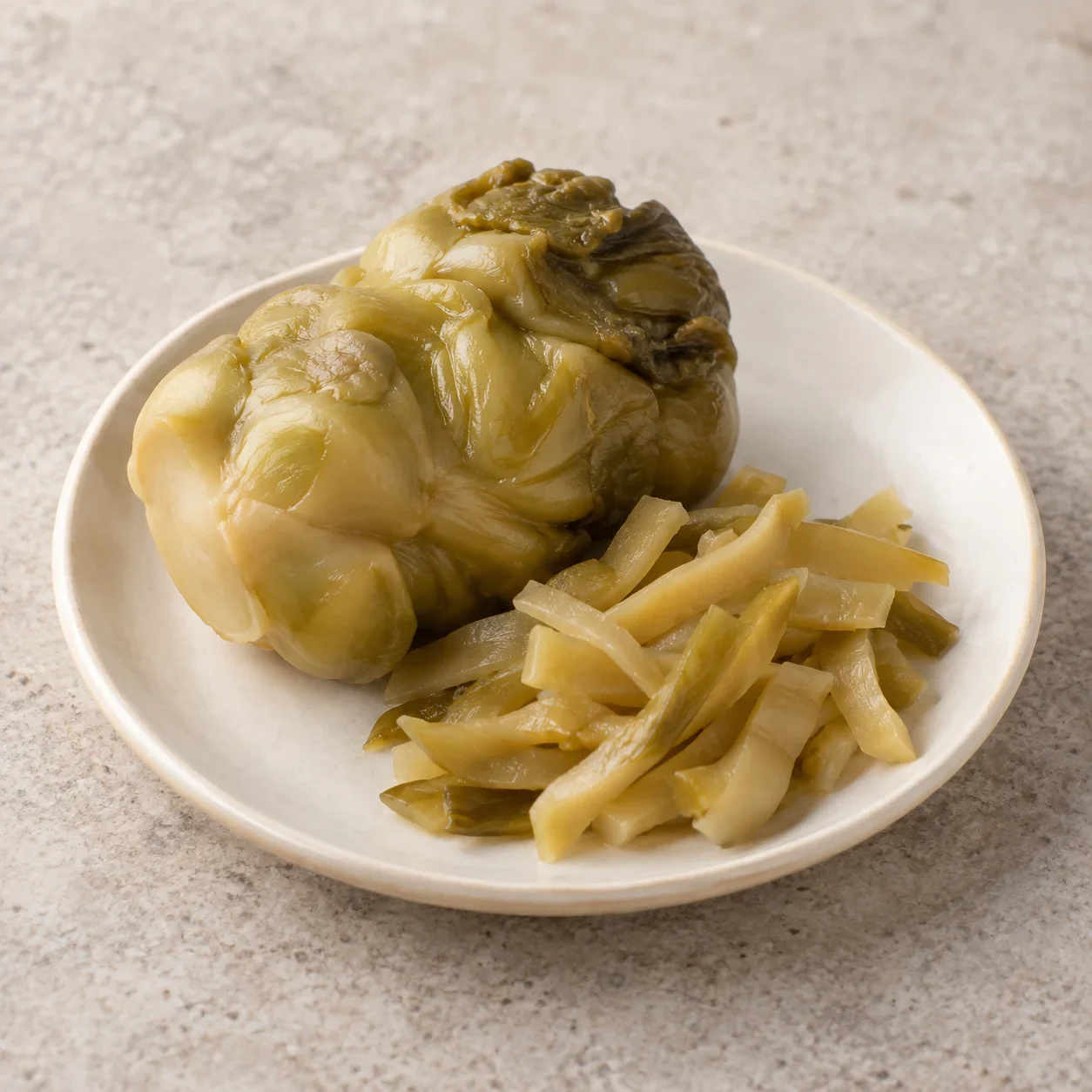
Recipes vary by restaurant.
How does it taste?
Savoury, with sesame aroma, chilli warmth and a Sichuan-pepper tingle.
- Chili heat
- Texture
- Smooth rice paste contrasts with crisp strands that soften as they soak.
- How it’s made
- Toasted rice is ground and cooked with water; fried wheat strands, crisp peas and seasonings are added.
Toppings and oil vary; some newer versions add shredded chicken or pickled mustard stem.
A CONNECTION TO PLACE
Origin & regional roots
Associated with Chongqing.
About this regional connection
Chongqing: Rice-paste and sanzi breakfast.
Ask if they have it first
请问你们有重庆油茶吗?
Do you have this item?
A LITTLE SOMETHING TO READ
Story & history
A breakfast of soft and crisp
This account describes a tradition or story, rather than an established historical fact.
Chongqing youcha combines a spoonable rice base with fried sanzi. Adding the strands gradually changes their texture as breakfast proceeds. It differs from Youyang tea soup despite sharing the name youcha.