At the table
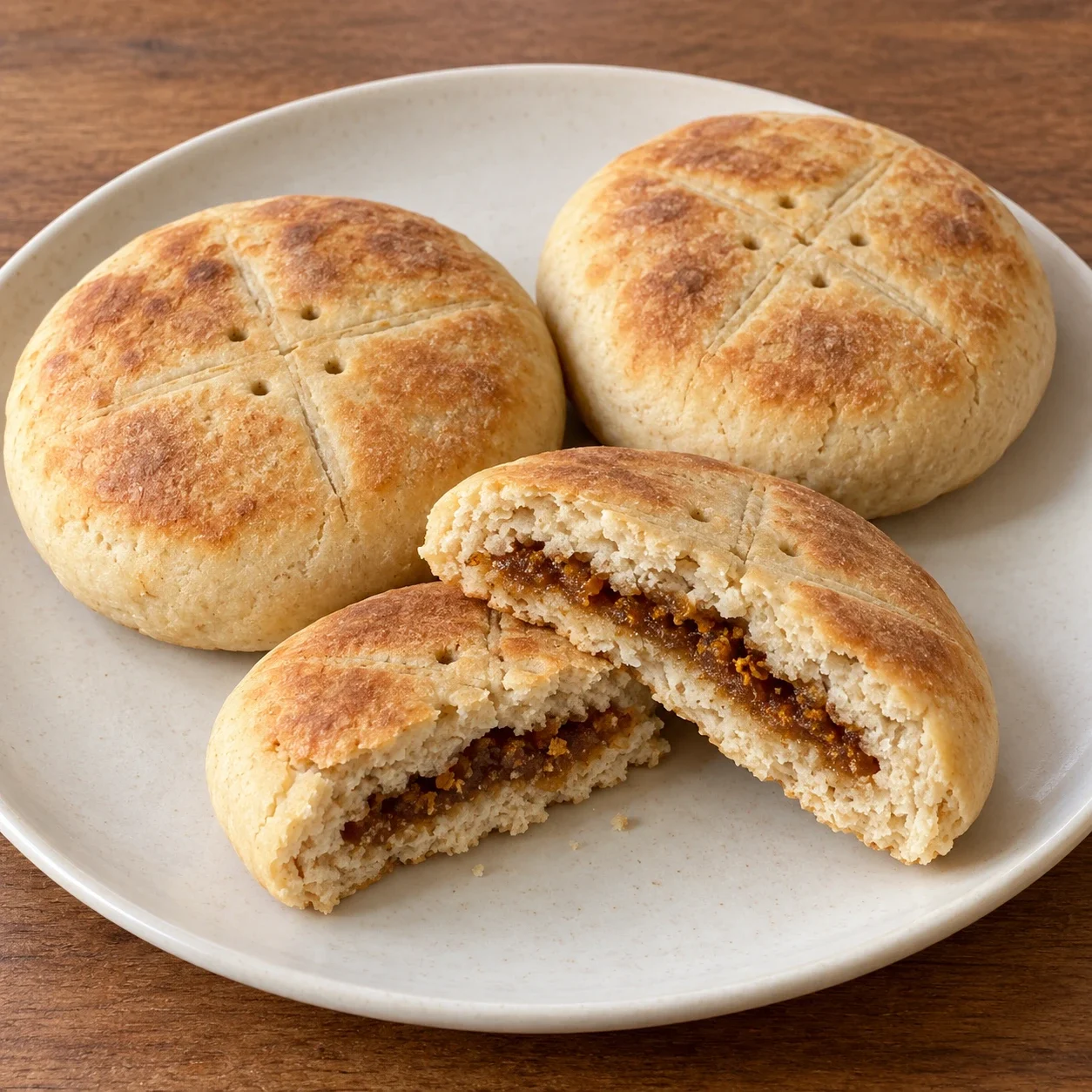
Break or cut into smaller pieces and take small bites. The dense bread needs chewing; a drink alongside may be helpful. Ask for hard-dough bobo, not a soft steamed bun.
Contains wheat. Firm dry texture may be difficult to chew; hot sugar filling can burn.
Fermentation and baking affect firmness. The cooking fat can vary; do not assume every version is plant-based.
GET TO KNOW THE DISH
What goes into it?
Explore some key ingredients below. Preparations may use additional seasonings and ingredients.
Fermentation and baking affect firmness. The cooking fat can vary; do not assume every version is plant-based.
Typical ingredients
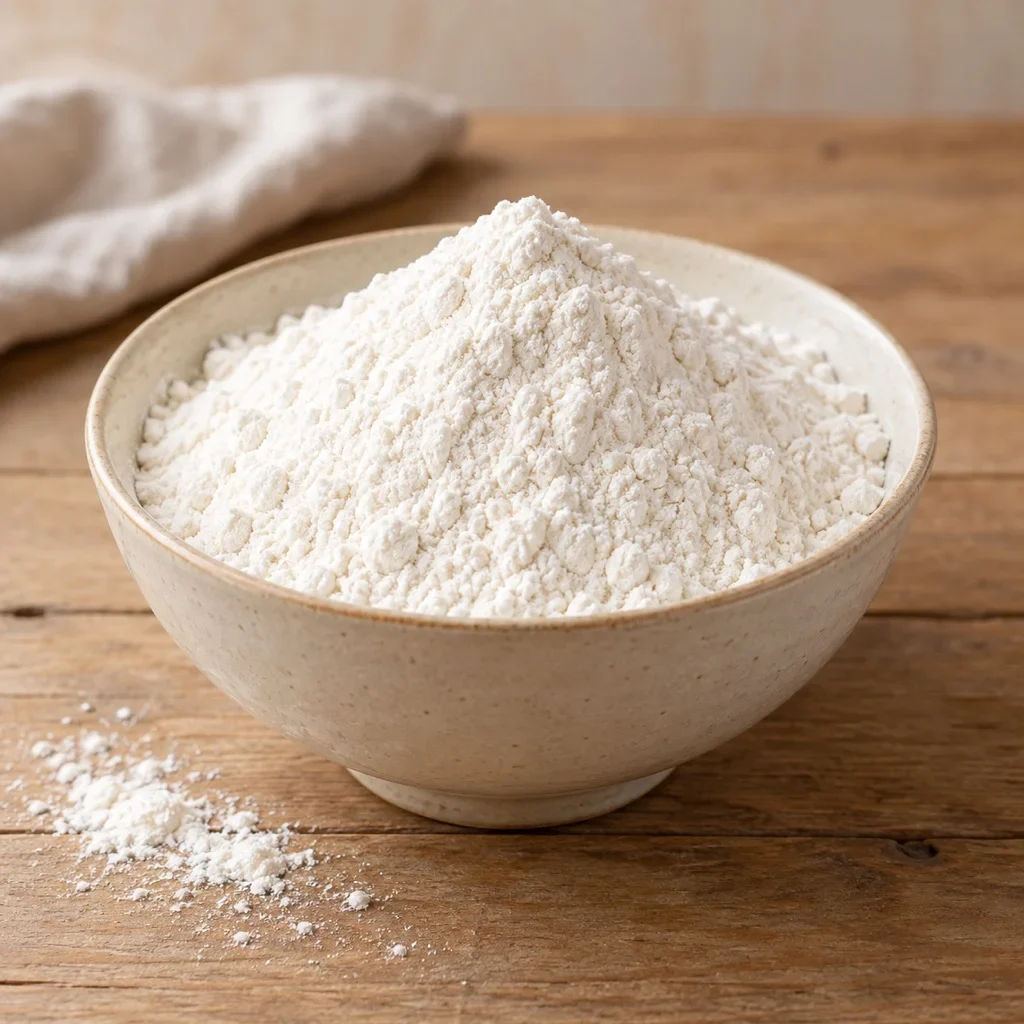
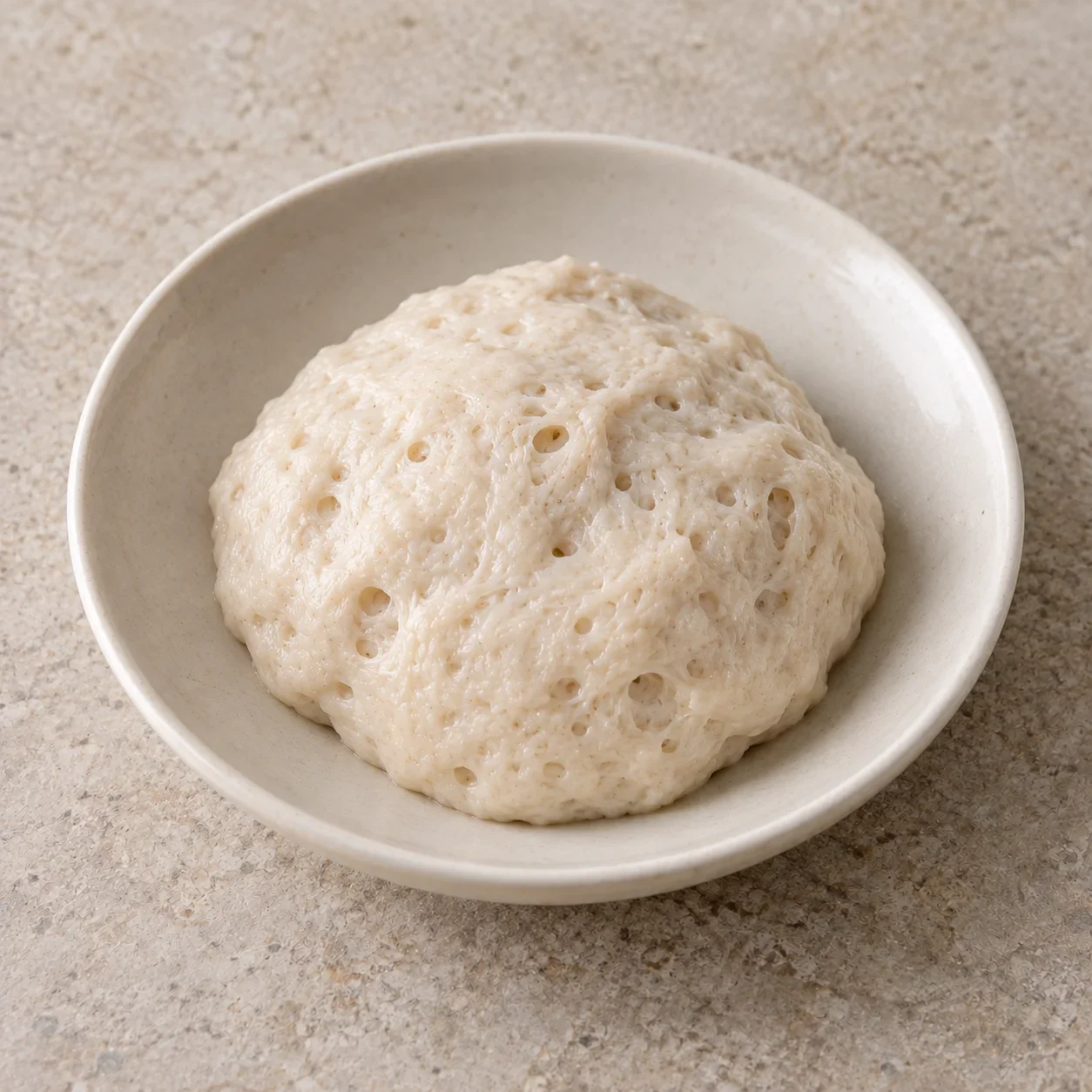
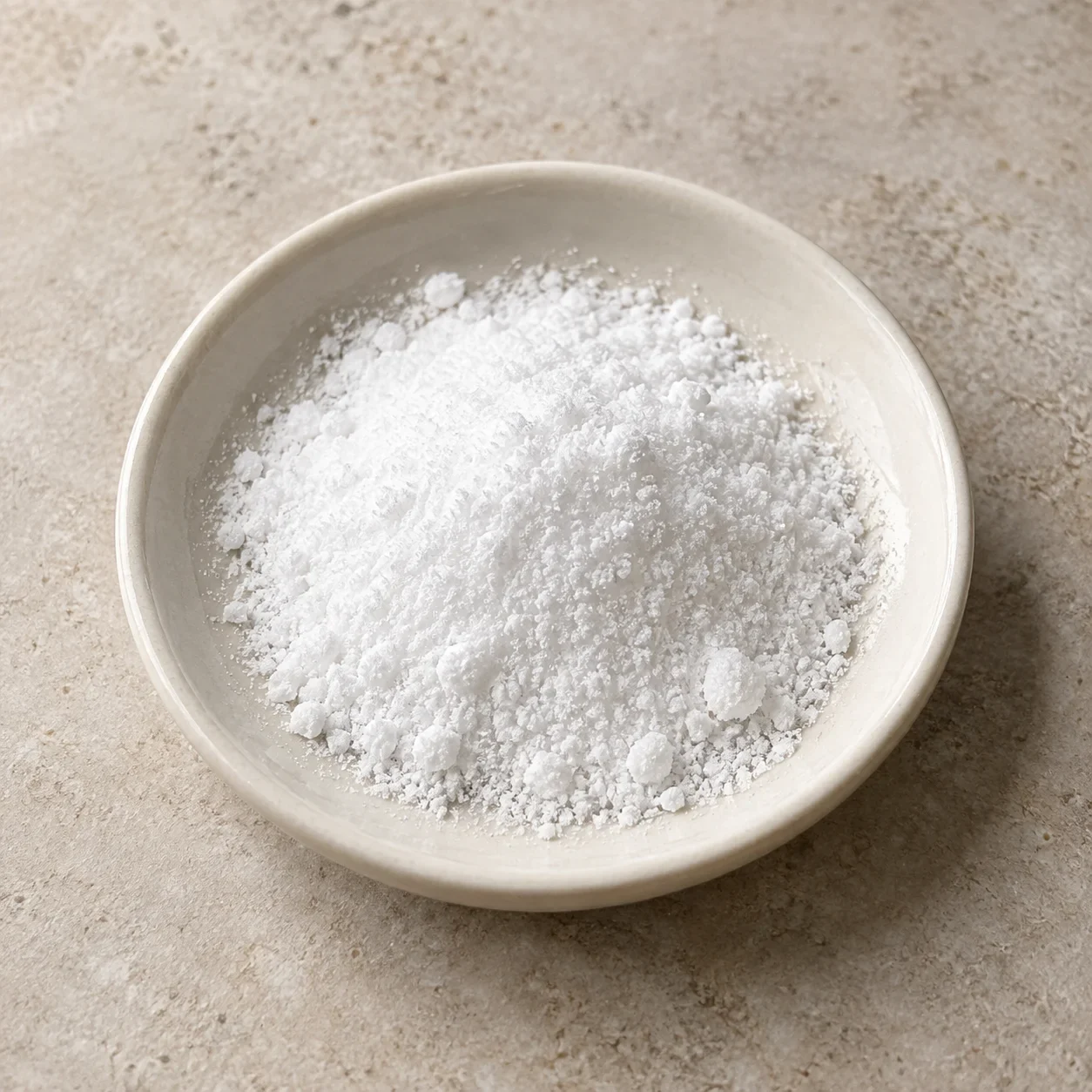
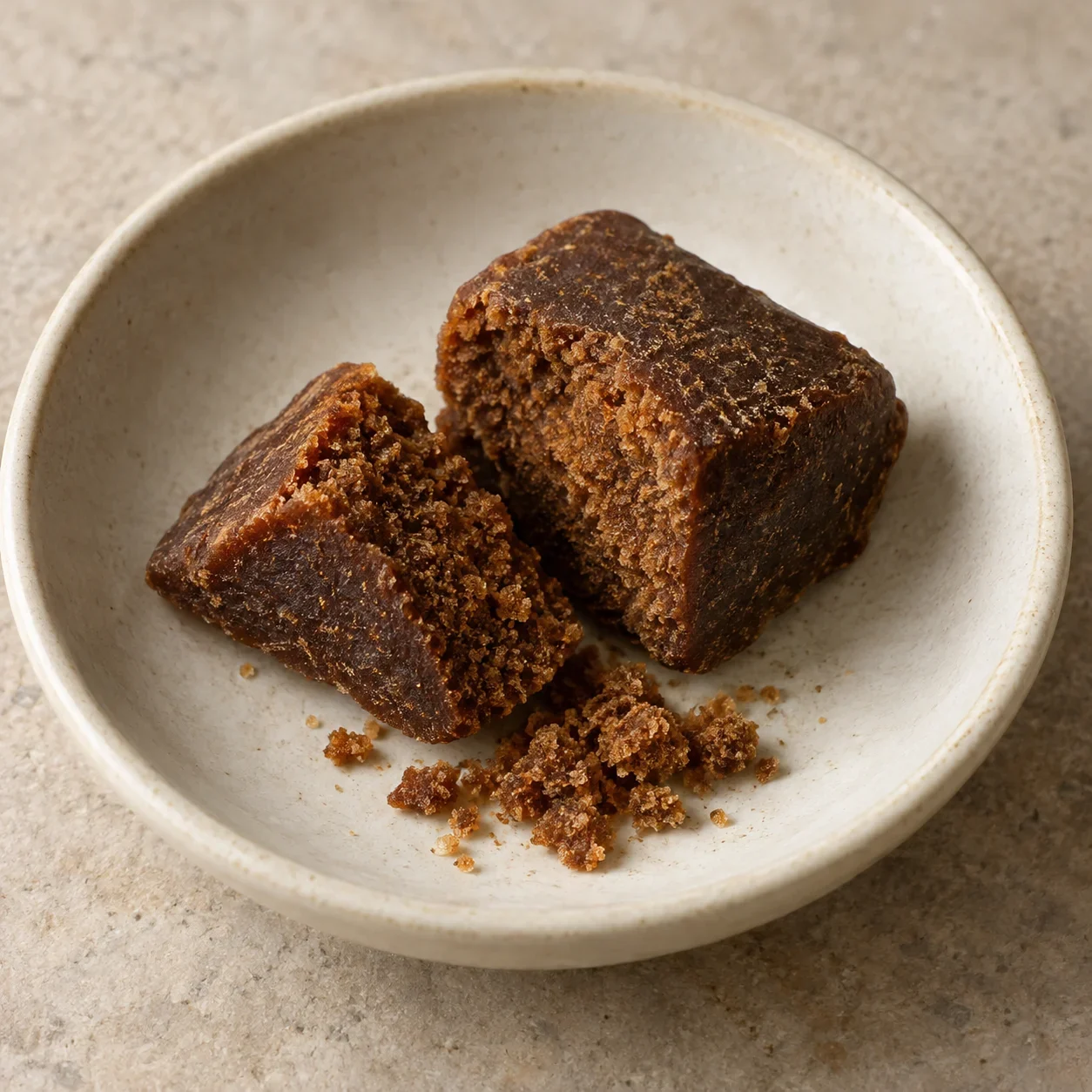
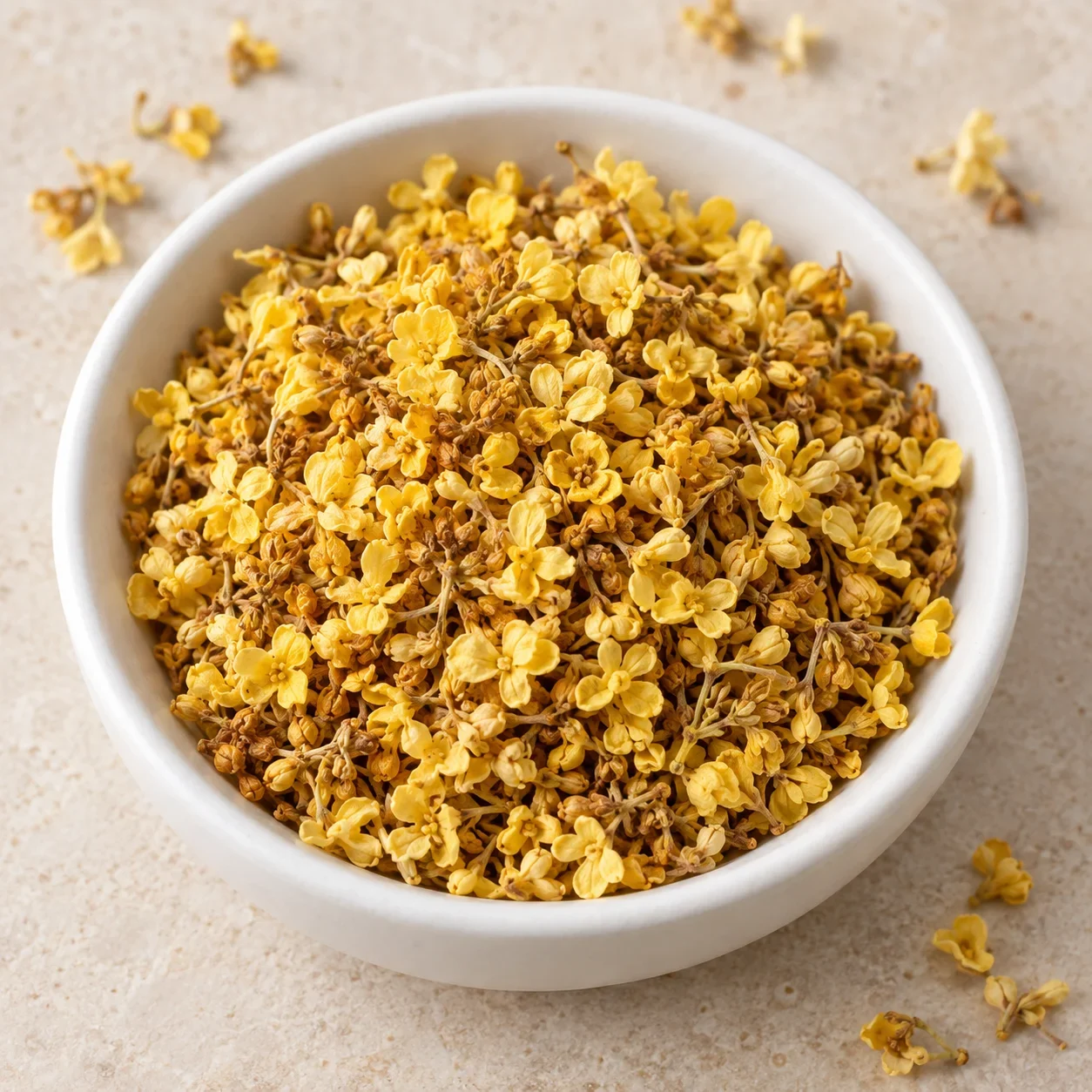
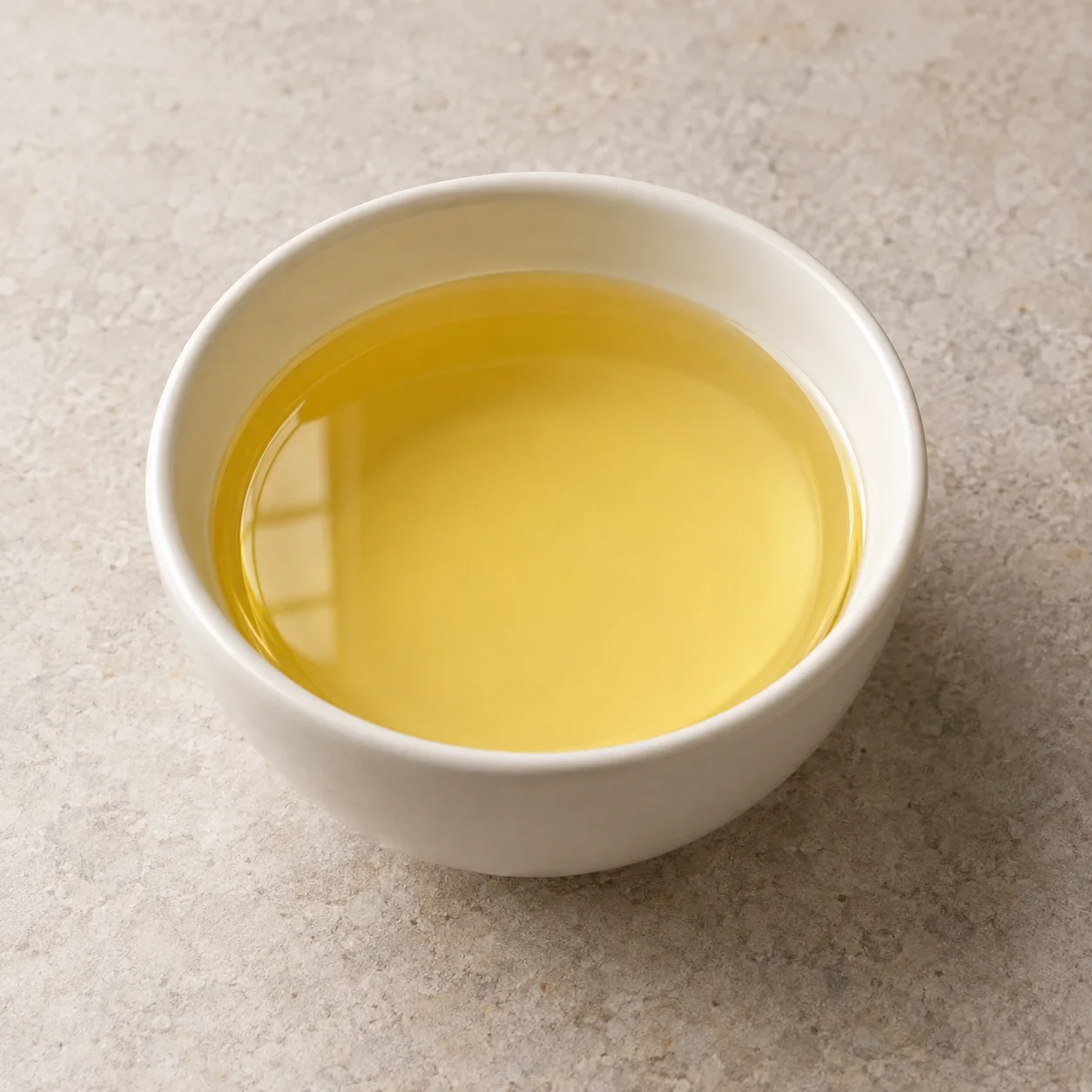
Recipes vary by restaurant.
How does it taste?
Sweet brown sugar, mild floral fragrance and toasted wheat.
- Chili heat
- Texture
- Firm, chewy bread with a crumbly crust and sweet filling.
- How it’s made
- Partly risen wheat dough is worked with flour and culinary alkali, filled with brown sugar, flour, osmanthus and cooking oil, patterned, pierced and baked.
Fermentation and baking affect firmness. The cooking fat can vary; do not assume every version is plant-based.
A CONNECTION TO PLACE
Origin & regional roots
Associated with Beijing.
About this regional connection
Beijing: Historic Beijing hard-dough baked snack, selected brown-sugar osmanthus filling.
Ask if they have it first
请问你们有硬面饽饽吗?
Do you have this item?
A LITTLE SOMETHING TO READ
Story & history
An old Beijing night snack
This account describes a tradition or story, rather than an established historical fact.
Hard-dough bobo belonged to the snacks once sold by vendors walking Beijing lanes at night. Its dense baked texture and sweet filling distinguish it from soft steamed buns. This version has brown sugar and osmanthus; the name also has a broader historical use for baked dough snacks.