At the table
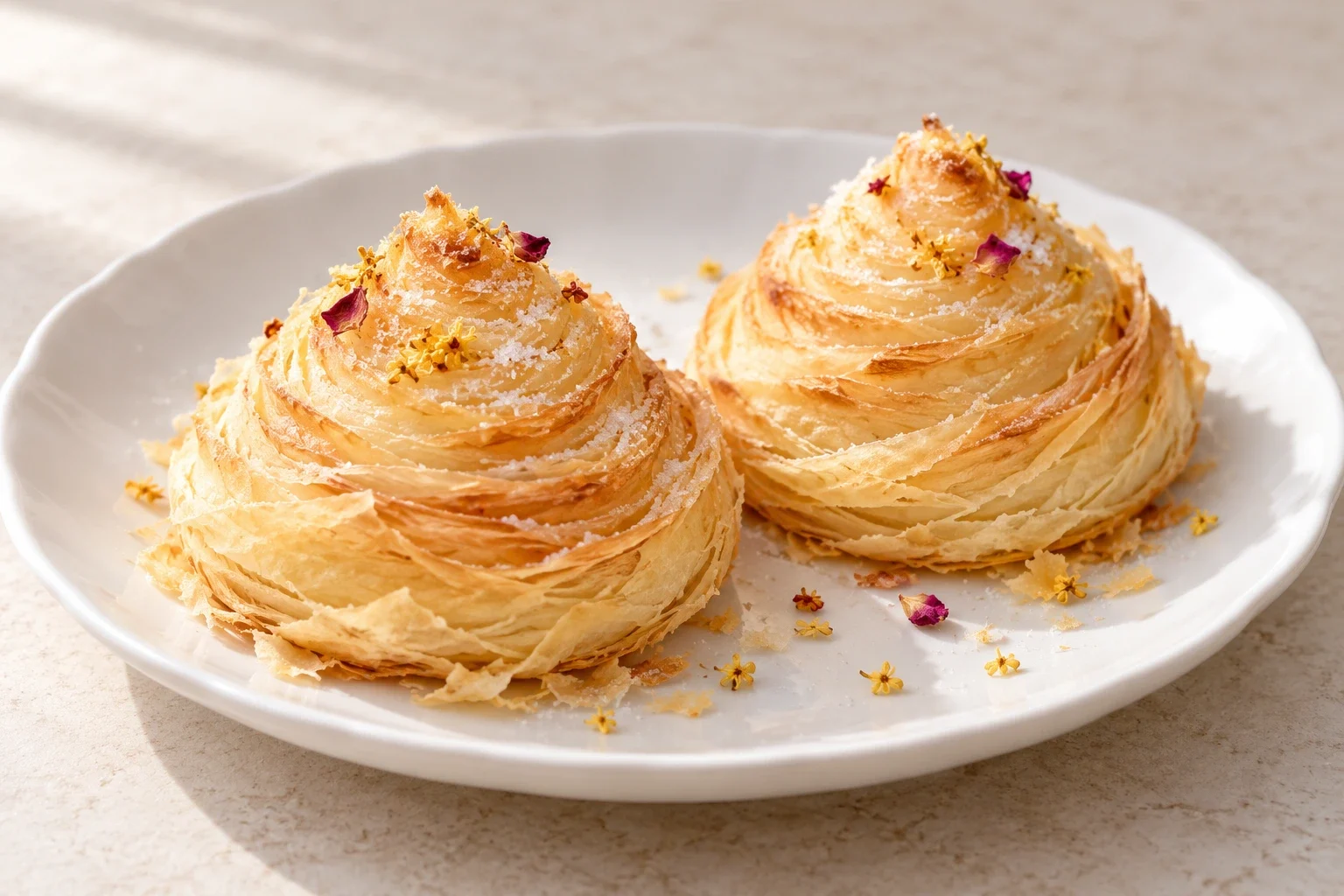
Break off small pieces over the plate to catch the flakes. Enjoy as a sweet snack with tea.
Contains wheat and peanut oil. Ask about the fat and toppings if you have dietary restrictions.
The name 酥油饼 does not by itself mean butter is used. Confirm the actual oil or fat.
GET TO KNOW THE DISH
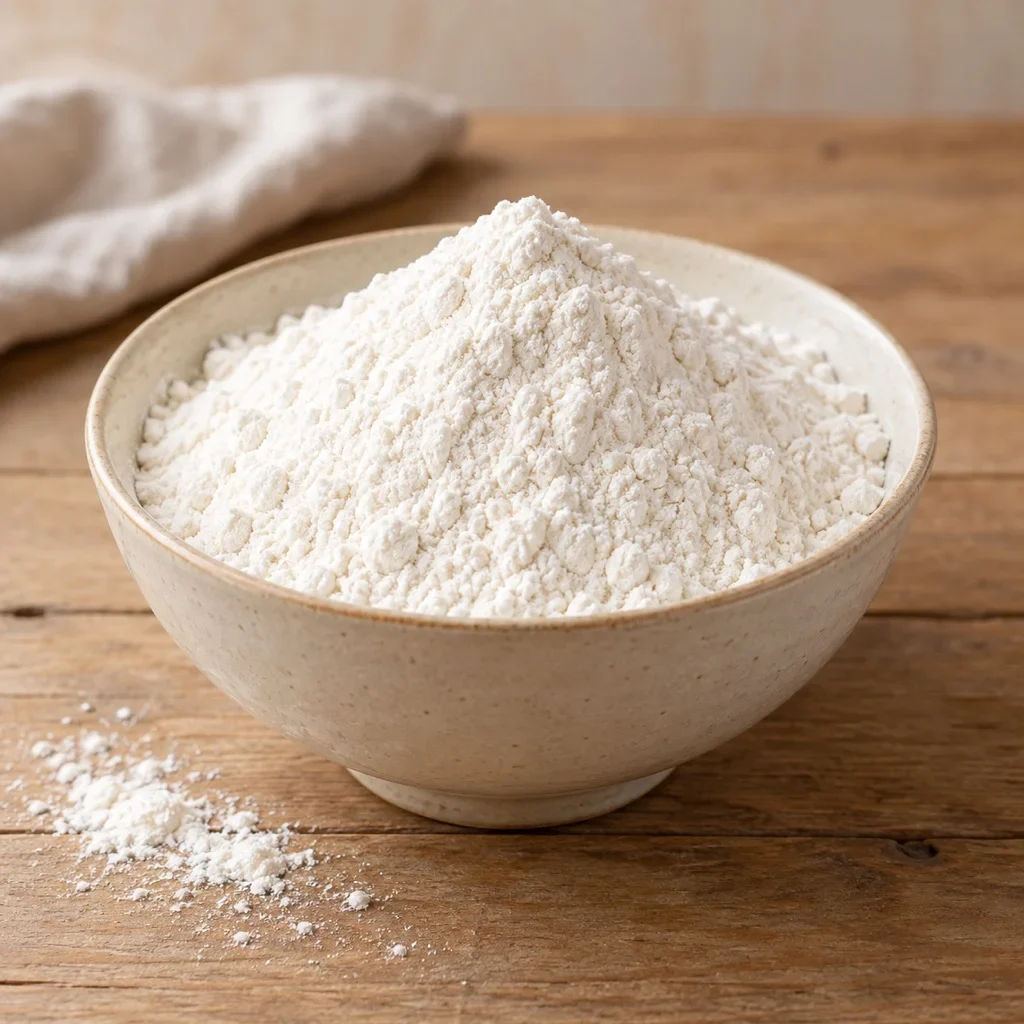
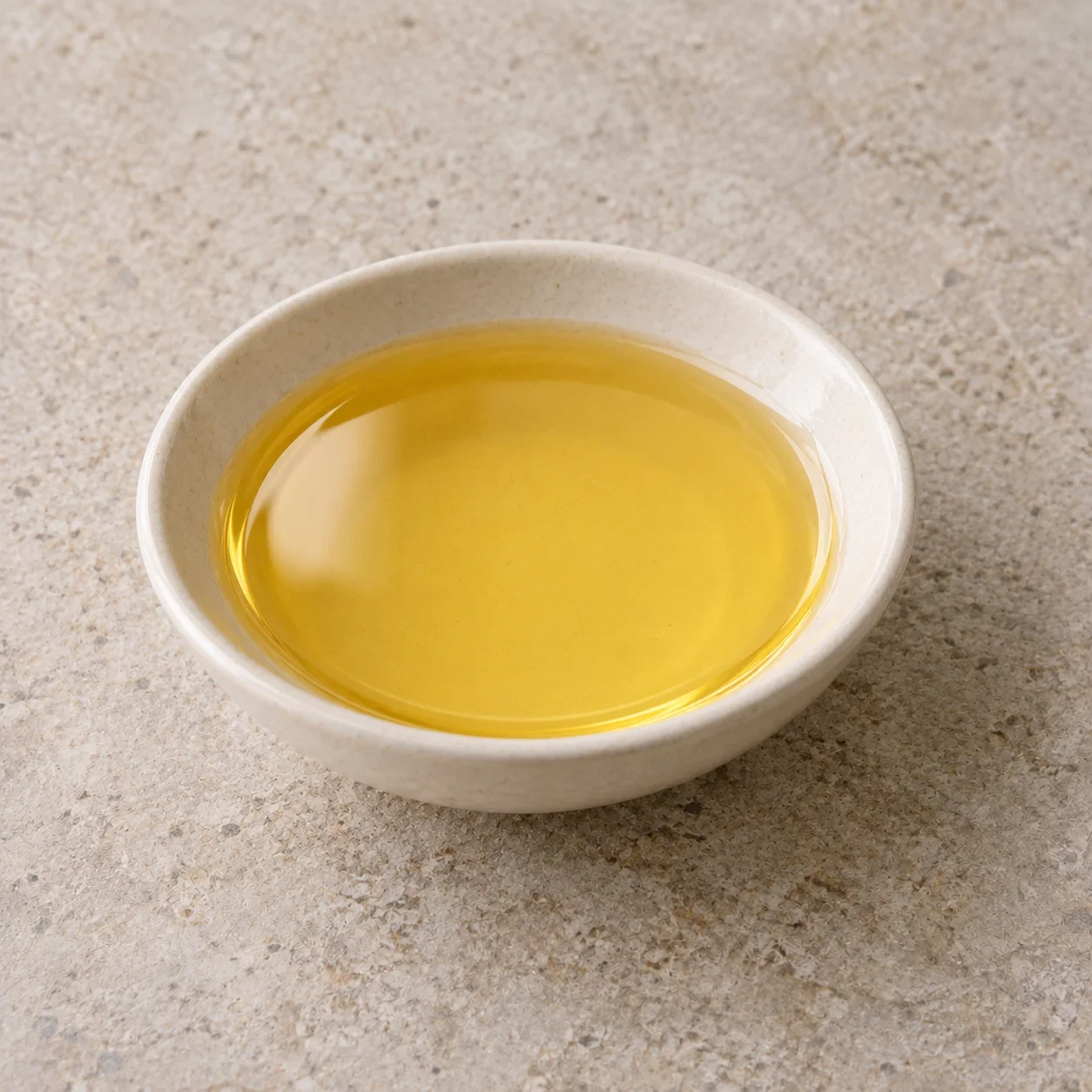
What goes into it?
Explore some key ingredients below. Preparations may use additional seasonings and ingredients.
Shapes, toppings and fats vary. Peanut oil is used in this version; lard-based preparations also exist.
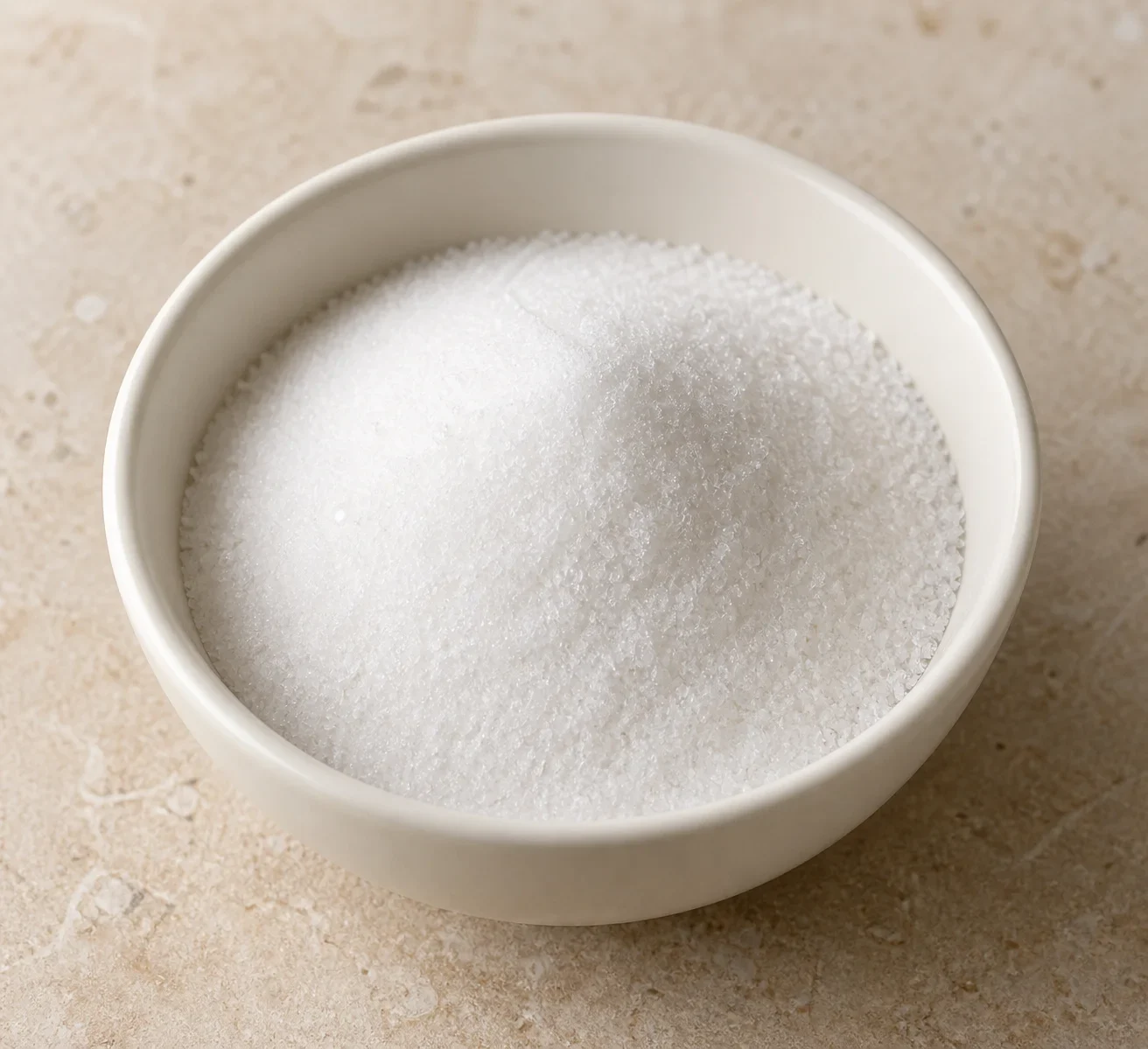
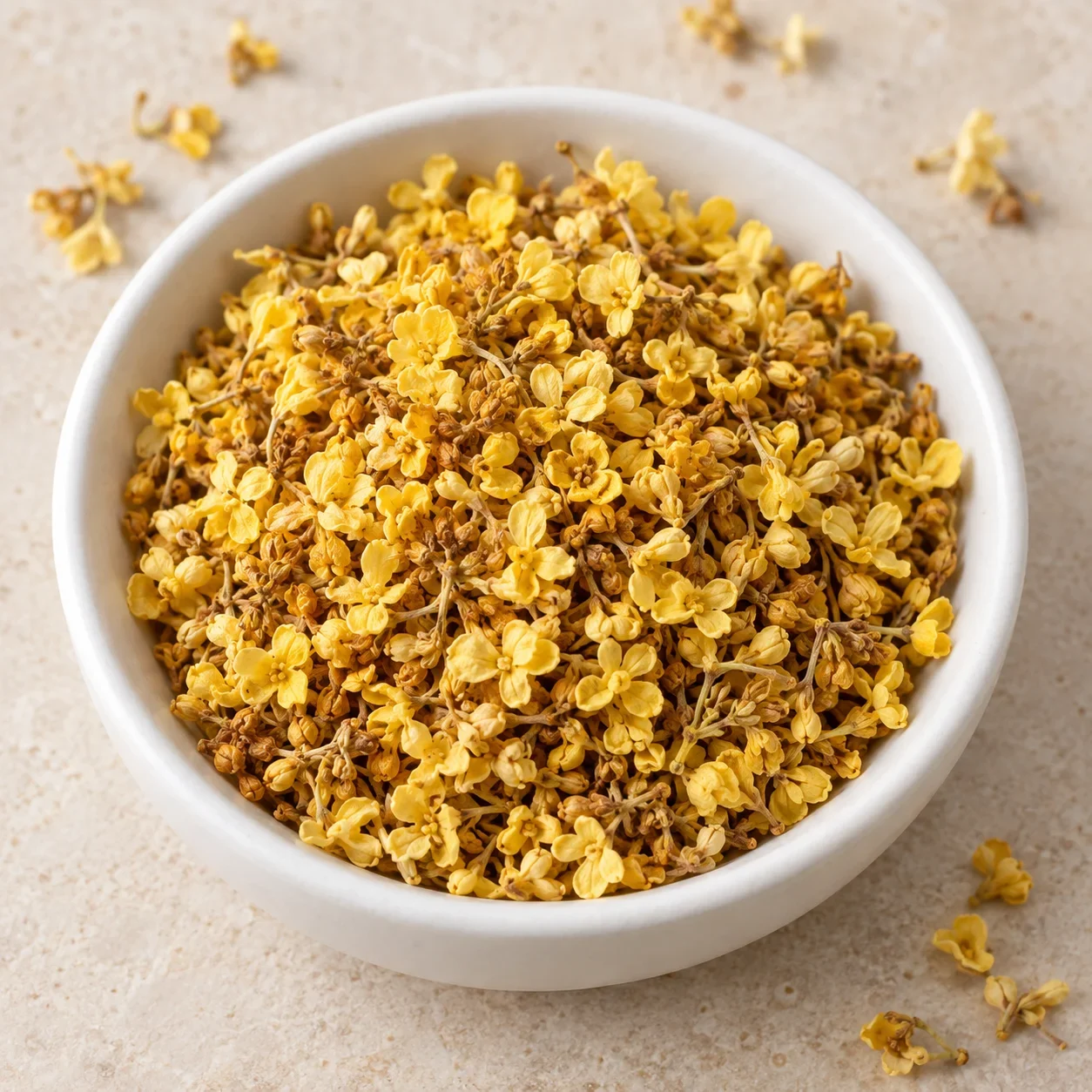
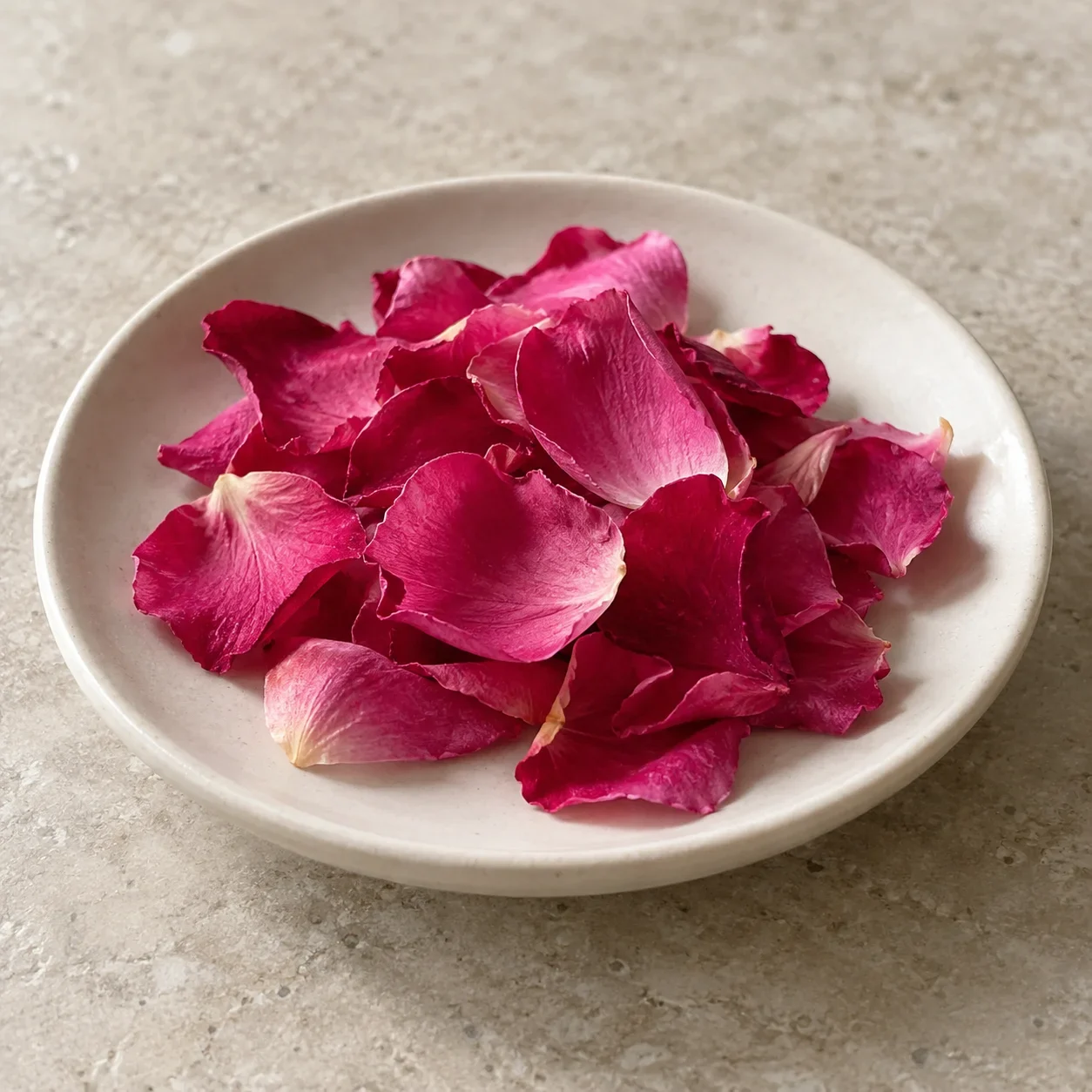
In some versions
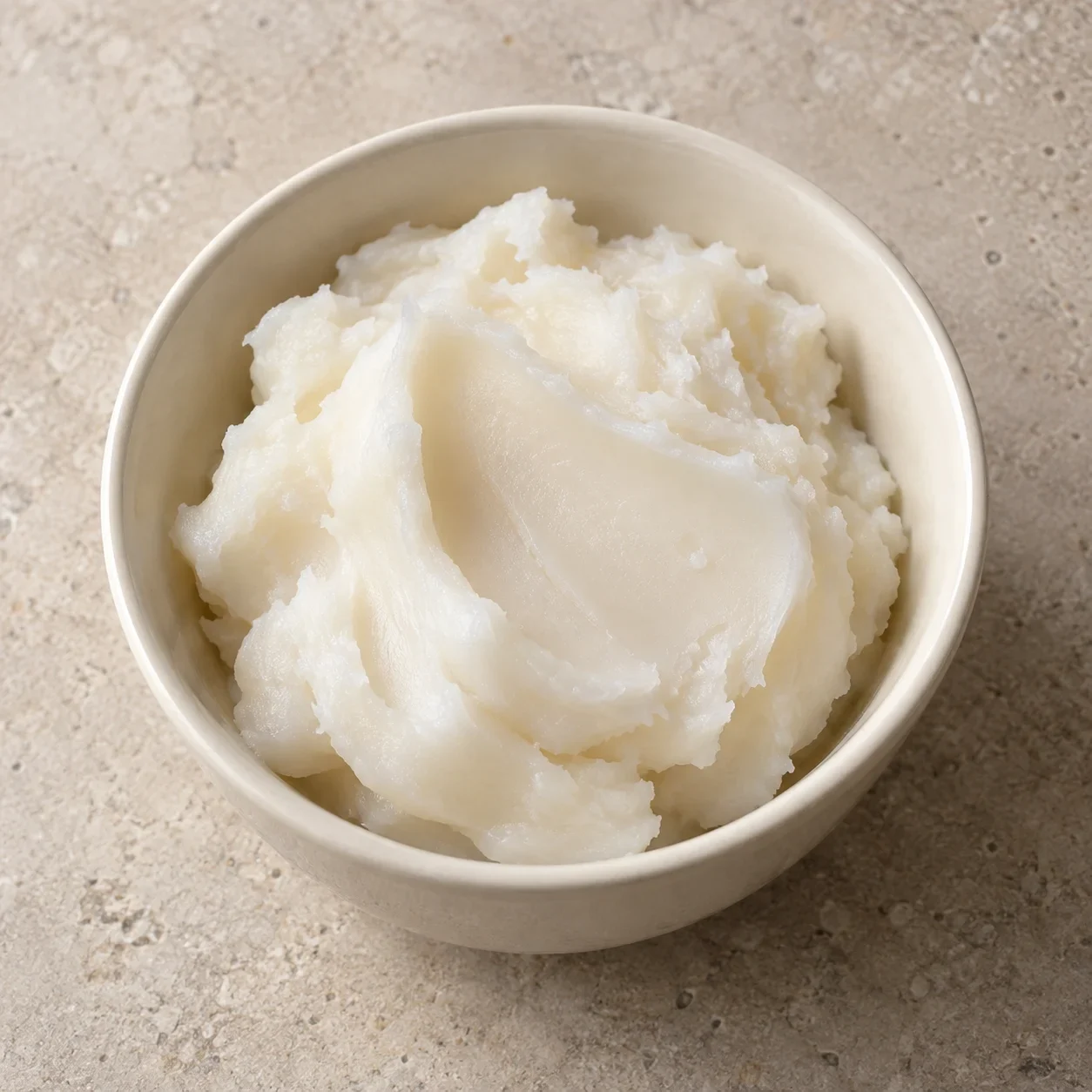
Recipes vary by restaurant.
How does it taste?
Sweet, lightly floral and fragrant with fried pastry.
- Chili heat
- Texture
- Very crisp, delicate layers that flake apart.
- How it’s made
- A wheat-flour and peanut-oil paste is enclosed in water-and-oil dough, rolled repeatedly, shaped and fried before adding the sweet topping.
Shapes, toppings and fats vary. Peanut oil is used in this version; lard-based preparations also exist.
A CONNECTION TO PLACE
Origin & regional roots
Associated with Zhejiang.
About this regional connection
Zhejiang: Hangzhou Wushan pastry.
Ask if they have it first
请问你们有吴山酥油饼吗?
Do you have this item?
A LITTLE SOMETHING TO READ
Story & history
A sweet associated with Wushan
This account describes a tradition or story, rather than an established historical fact.
These layered pastries are closely associated with Hangzhou’s Wushan area and its tea-time traditions. Different makers produce different shapes; the pointed tower is one familiar form.