
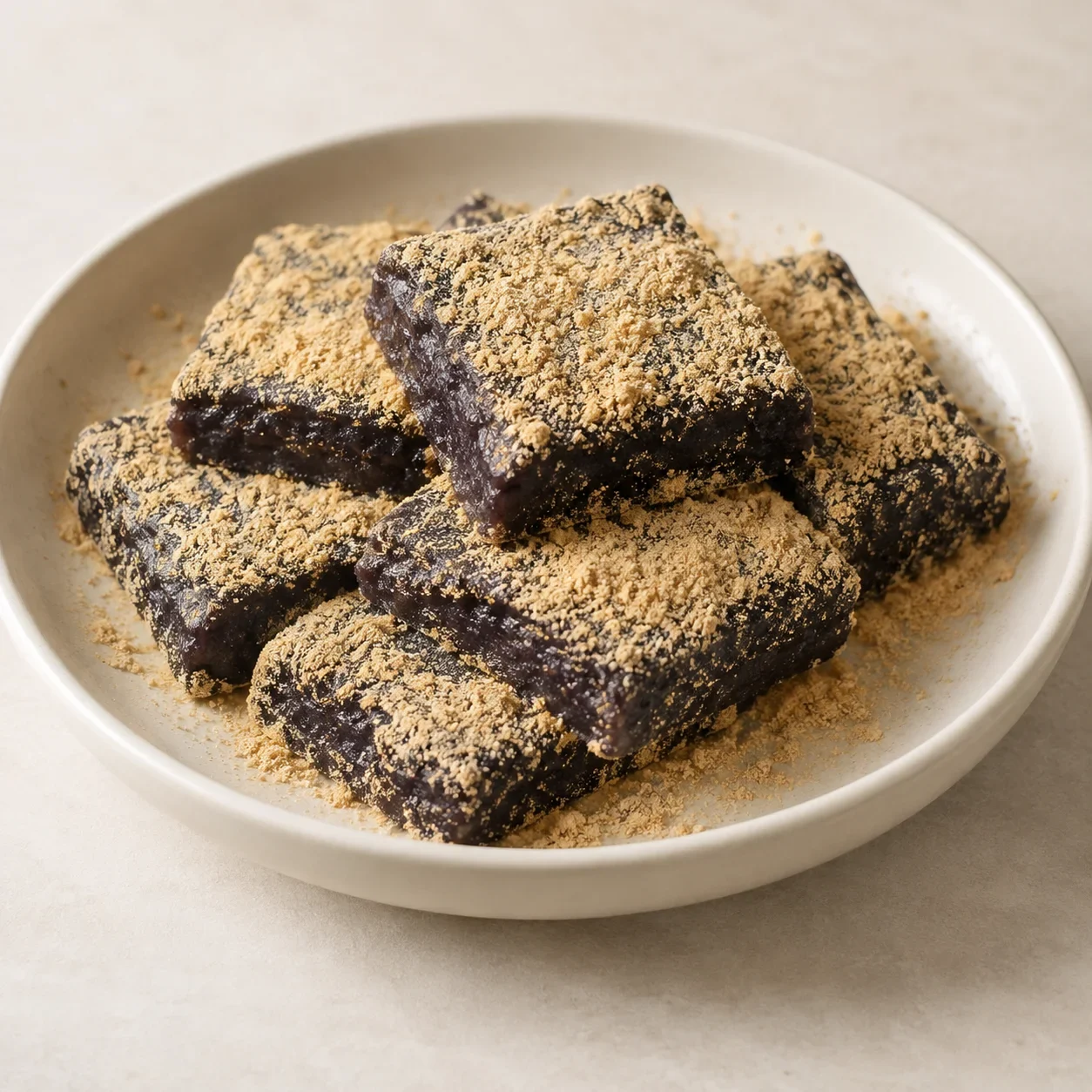
At the table
Take small bites and chew the sticky cake well. Plain pieces may be dipped in sugar; filled rolls already have a sweet center.
Coatings and fillings may contain soybean flour or sesame; some versions use pine pollen. Check sweet fillings and any cooking fat when choosing vegetarian or vegan versions.
For children able to chew sticky rice cake, cut small pieces and supervise eating. A mild, sweet flavor does not remove the need to check the chewy texture.
Recipes vary. Ask the restaurant about ingredients and serving before you order.
GET TO KNOW THE DISH
What goes into it?
Explore some key ingredients below. Preparations may use additional seasonings and ingredients.
Recipes use pounded glutinous rice or a glutinous-rice-flour dough. Coatings include soybean flour or pine pollen; squares may be dipped in sugar, while rolls may contain bean paste, brown sugar or sesame. Especially associated with the eighth day of the fourth lunar month.
Typical ingredients
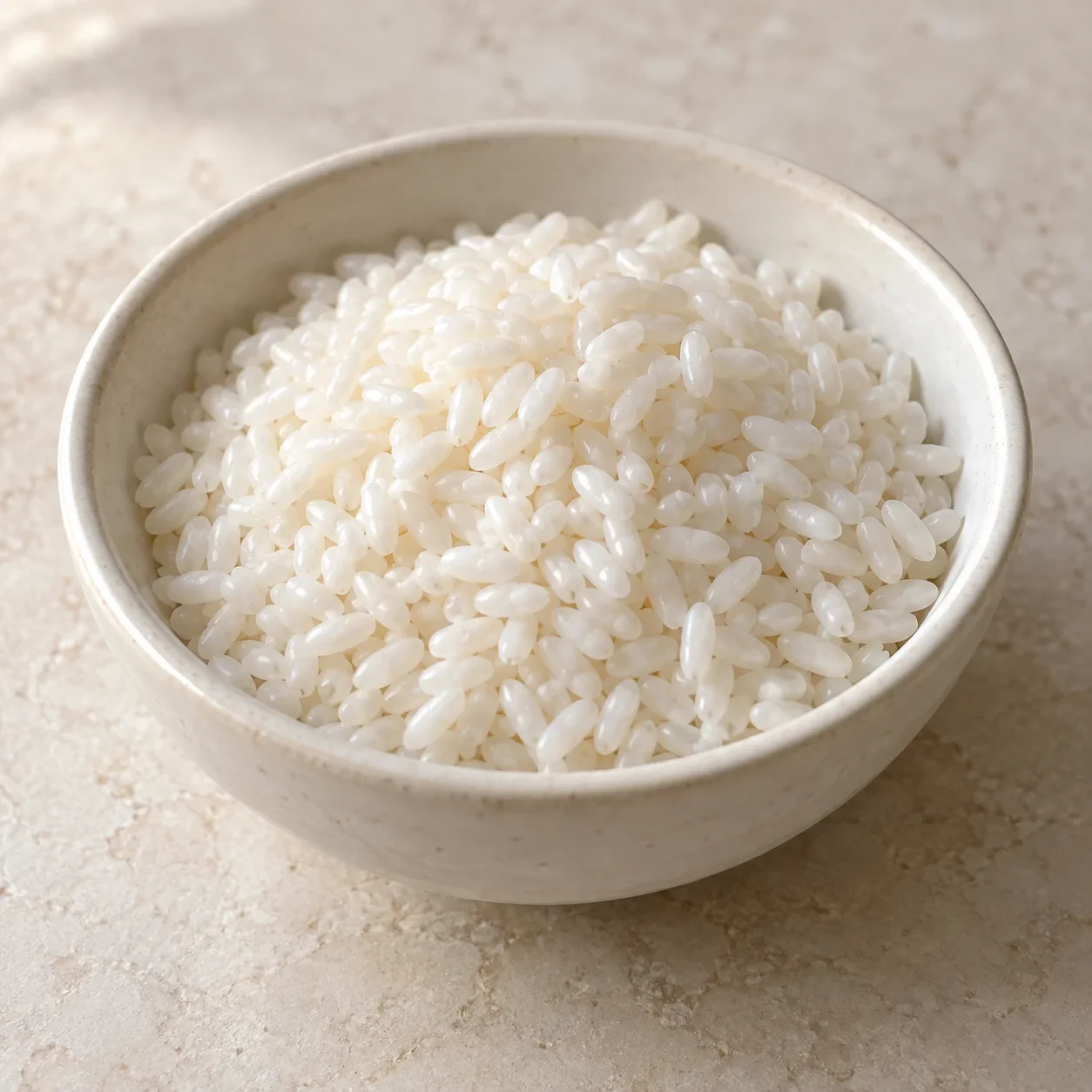
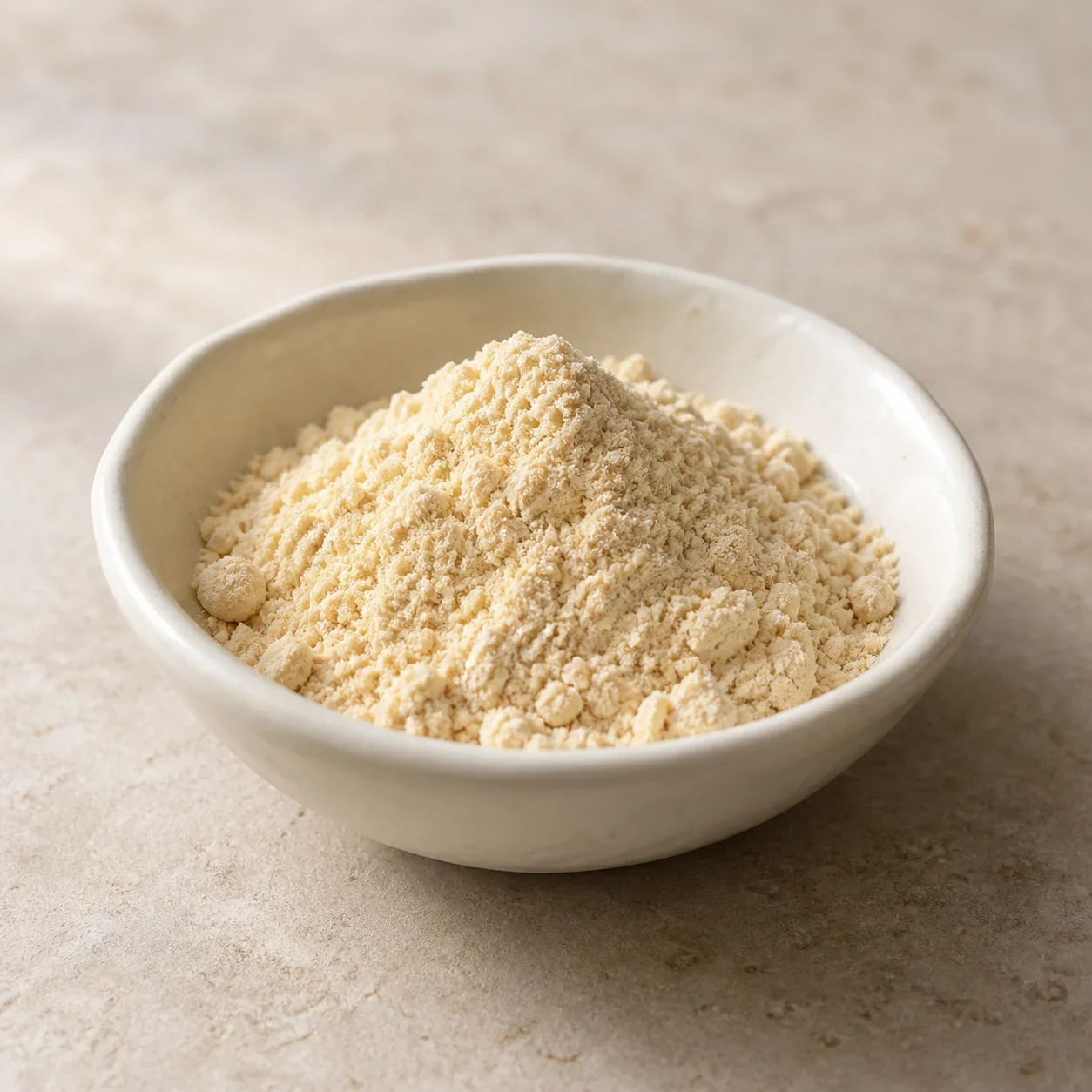
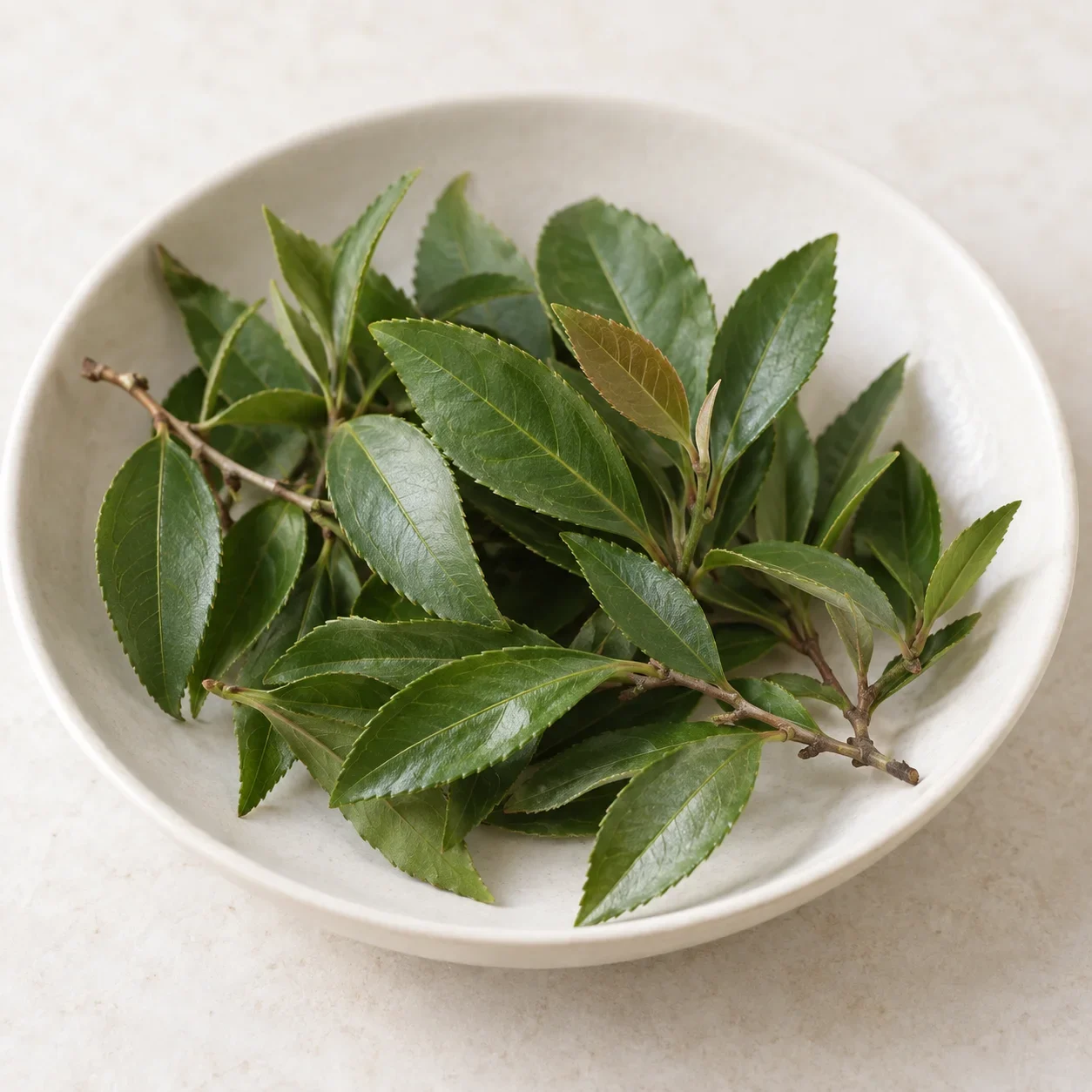
In some versions

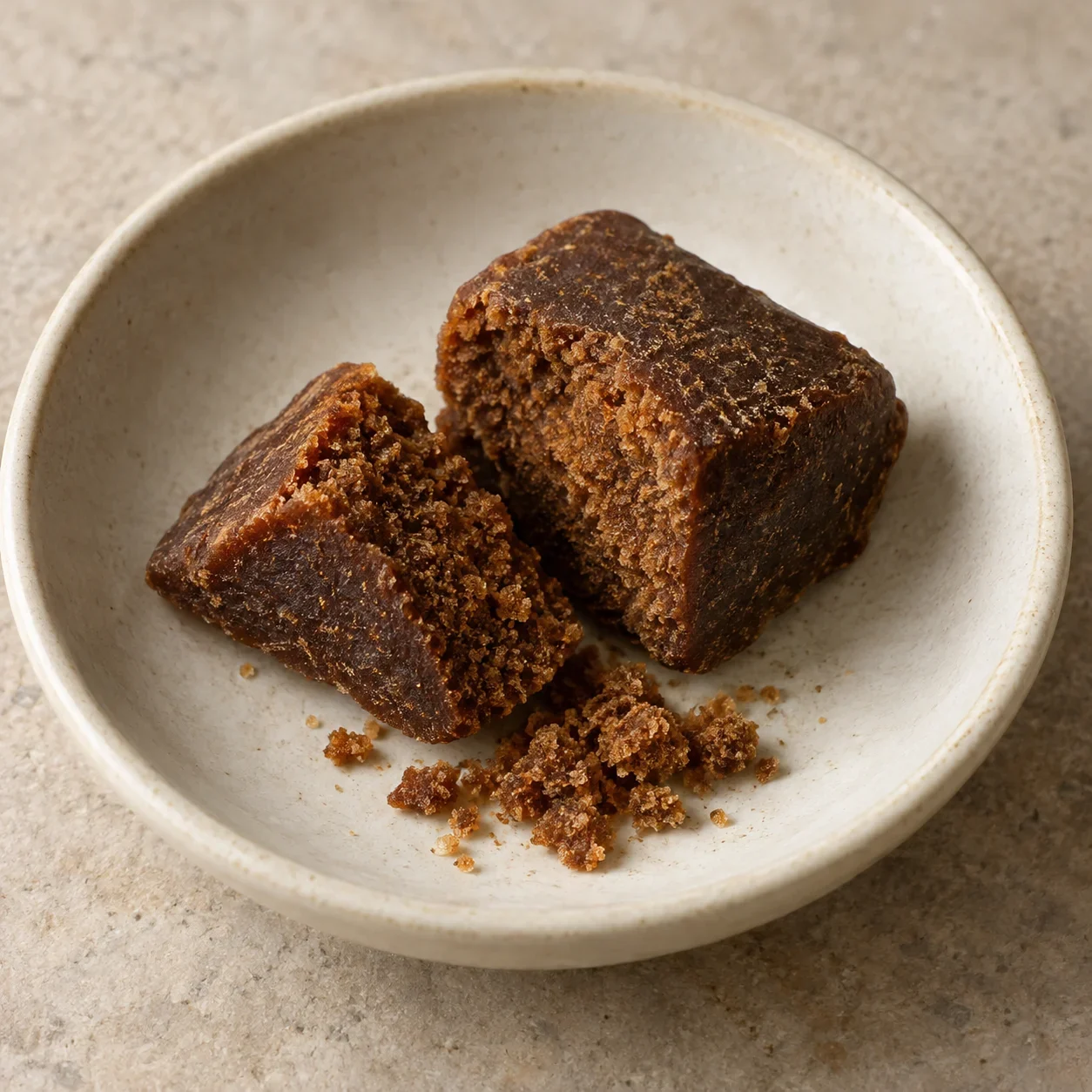

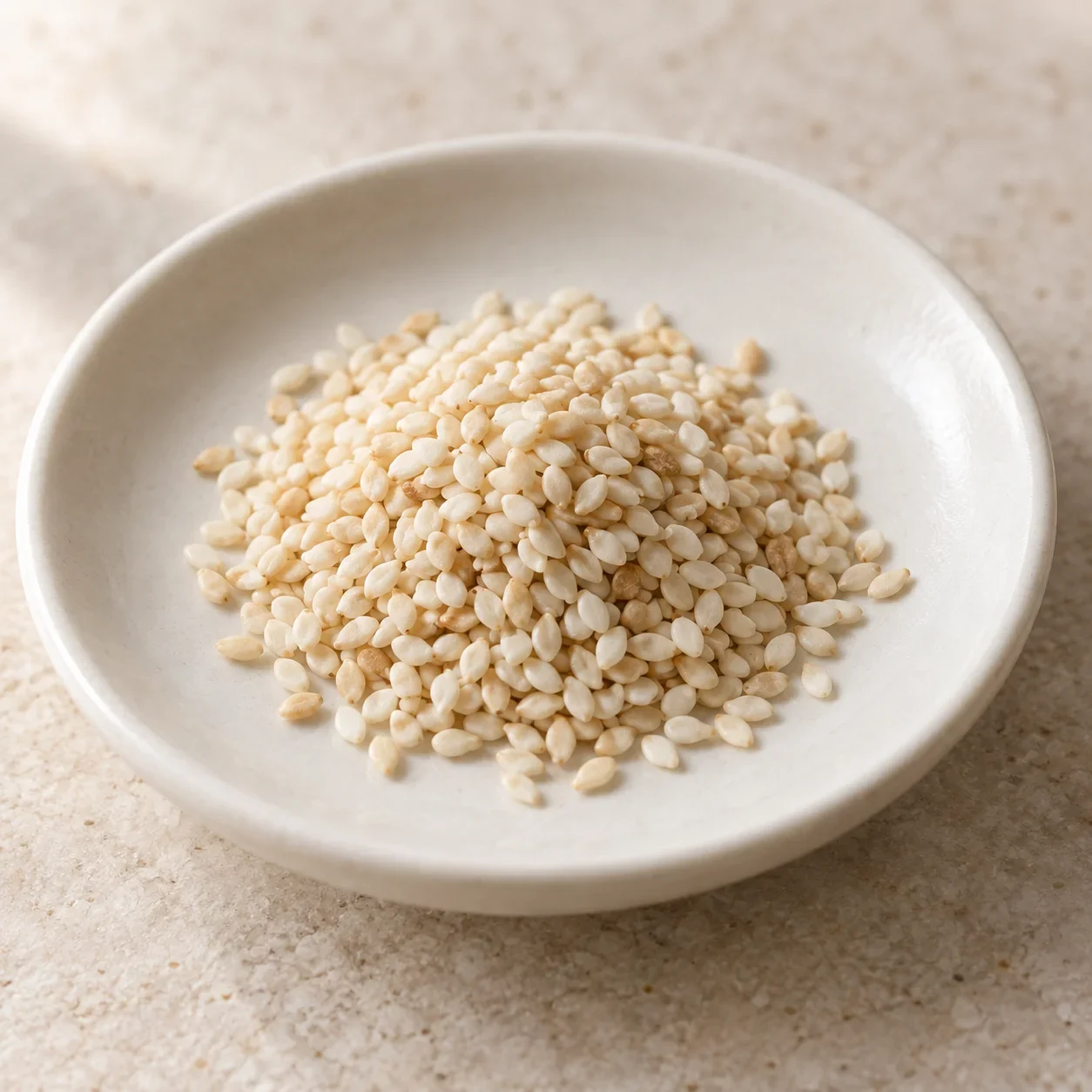
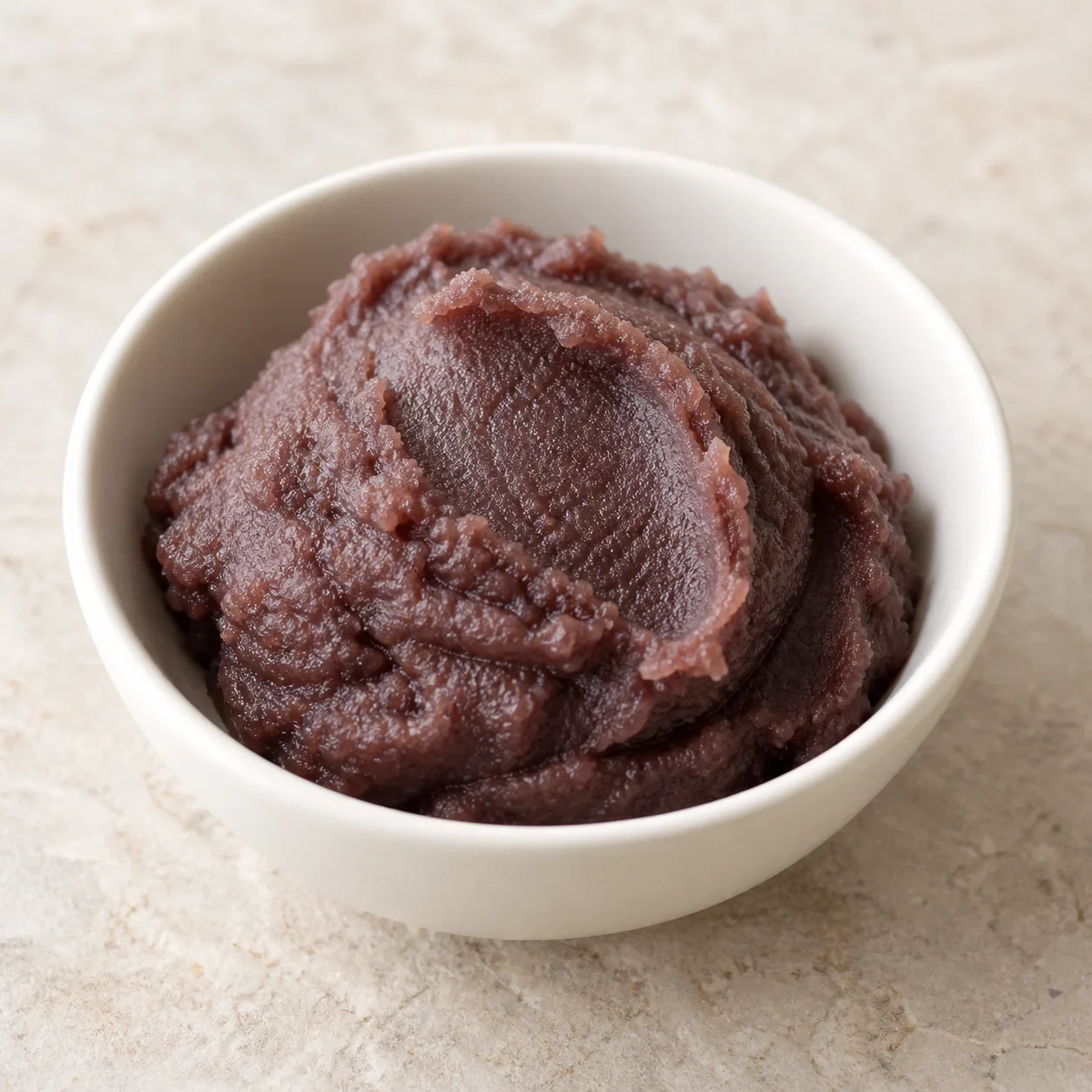
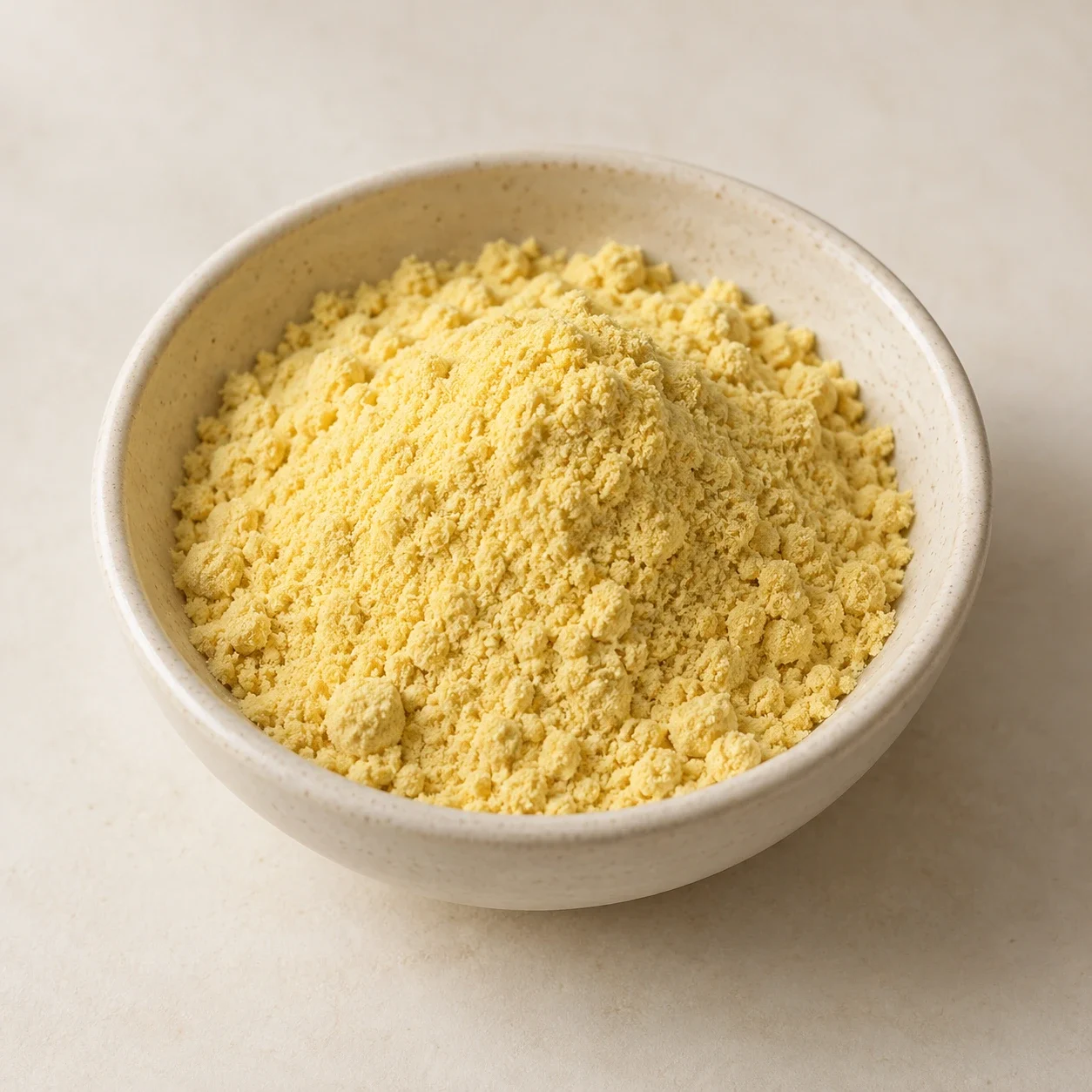
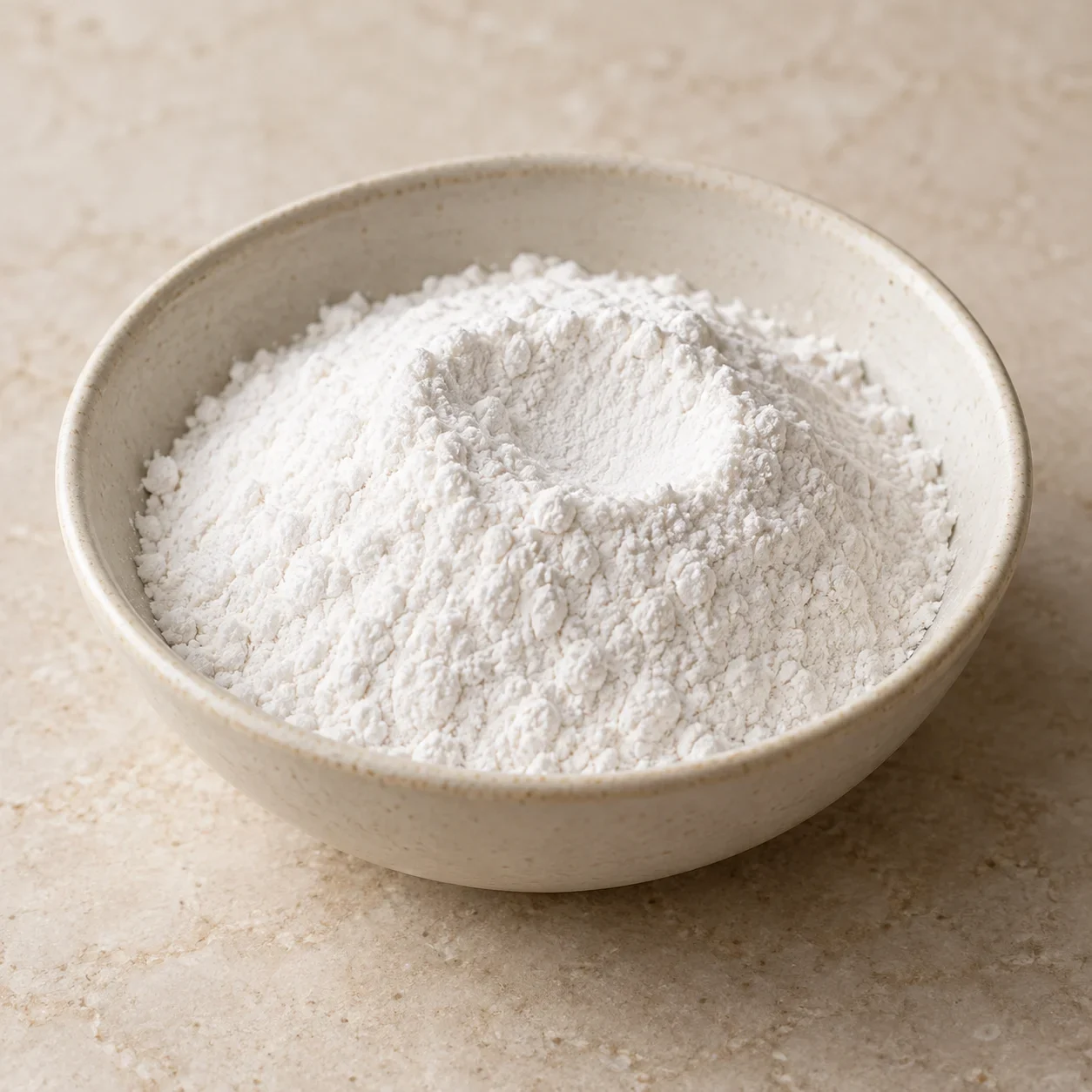
Recipes vary by restaurant.
How does it taste?
Leafy rice aroma, with sweetness from added sugar or sweet fillings; sesame can add a nutty note.
- Chili heat
- Texture
- Soft, elastic, sticky but sliceable; purple-black crumb.
- How it’s made
- Leaf juice is extracted; glutinous rice soaks in it, steams until purple, is pounded to a paste, dusted with soybean flour or pine pollen, rolled and cut.
Recipes use pounded glutinous rice or a glutinous-rice-flour dough. Coatings include soybean flour or pine pollen; squares may be dipped in sugar, while rolls may contain bean paste, brown sugar or sesame. Especially associated with the eighth day of the fourth lunar month.
A CONNECTION TO PLACE
Origin & regional roots
Associated with Zhejiang.
About this regional connection
Zhejiang: Associated with Taizhou (Huangyan Chaoji, Linhai and wider) seasonal custom; similar wufan foods exist elsewhere in Jiangnan.
Ask if they have it first
请问你们有乌饭麻糍吗?
Do you have this item?
A LITTLE SOMETHING TO READ
Story & history
A seasonal color from leaves
Around the eighth day of the fourth lunar month, families in Taizhou make dark rice cakes with wufan leaf juice. In Chaoji, steamed rice is pounded and cut into squares; Linhai also has thin wrappers rolled around sweet fillings. The shared leaf fragrance connects these different shapes.