
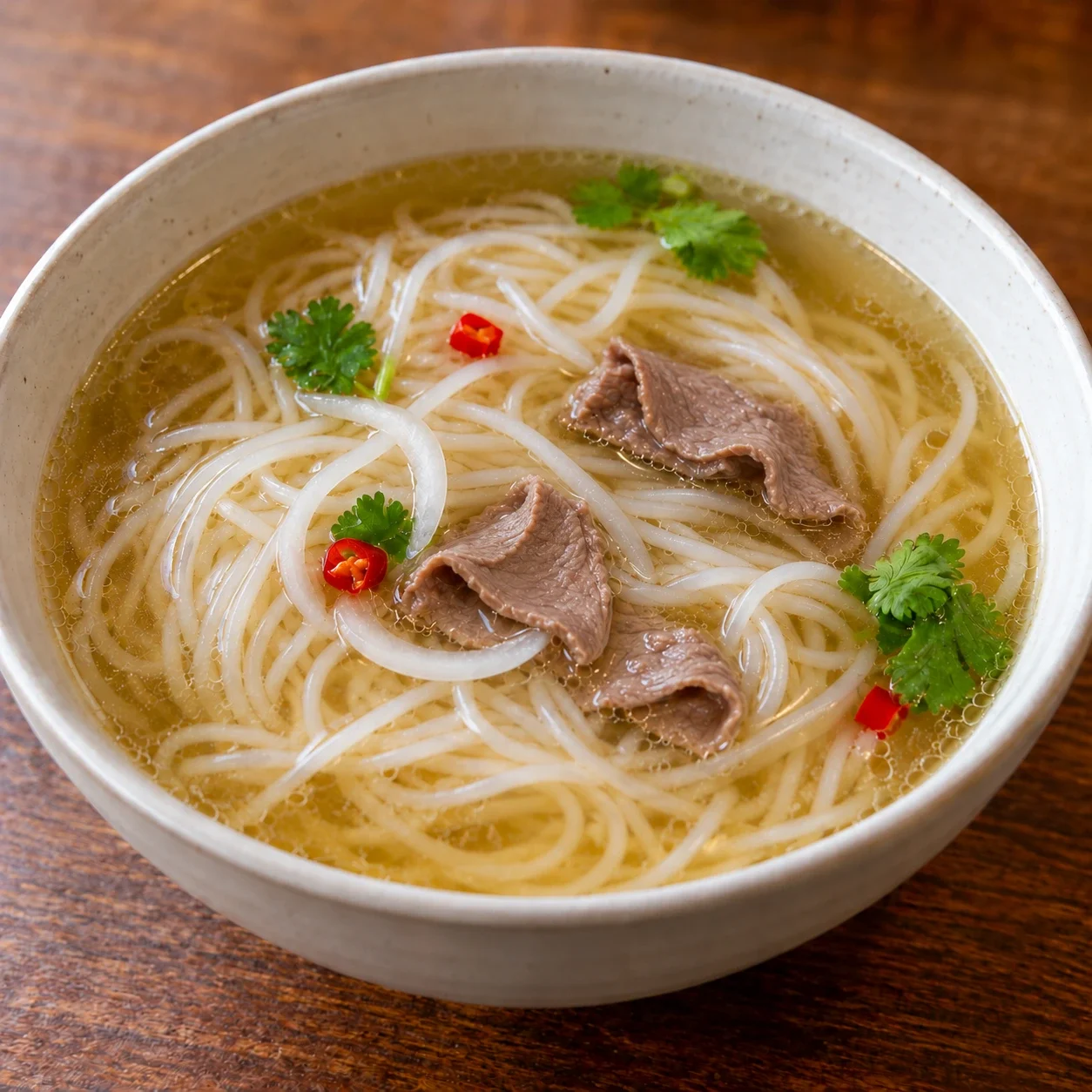
At the table
Lift a small bundle with chopsticks and use a spoon for broth. Everything arrives cooked; allow hot broth to cool.
Contains beef and chicken stock in this version. Ask about noodle blends and seasoning allergens; do not assume gluten-free.
The selected mixed-flour-and-starch bowl is not a universal recipe or a synonym for all corn noodles.
GET TO KNOW THE DISH
What goes into it?
Explore some key ingredients below. Preparations may use additional seasonings and ingredients.
Noodle blends, broth and toppings vary; onion, coriander and chili appear in some servings.
Typical ingredients
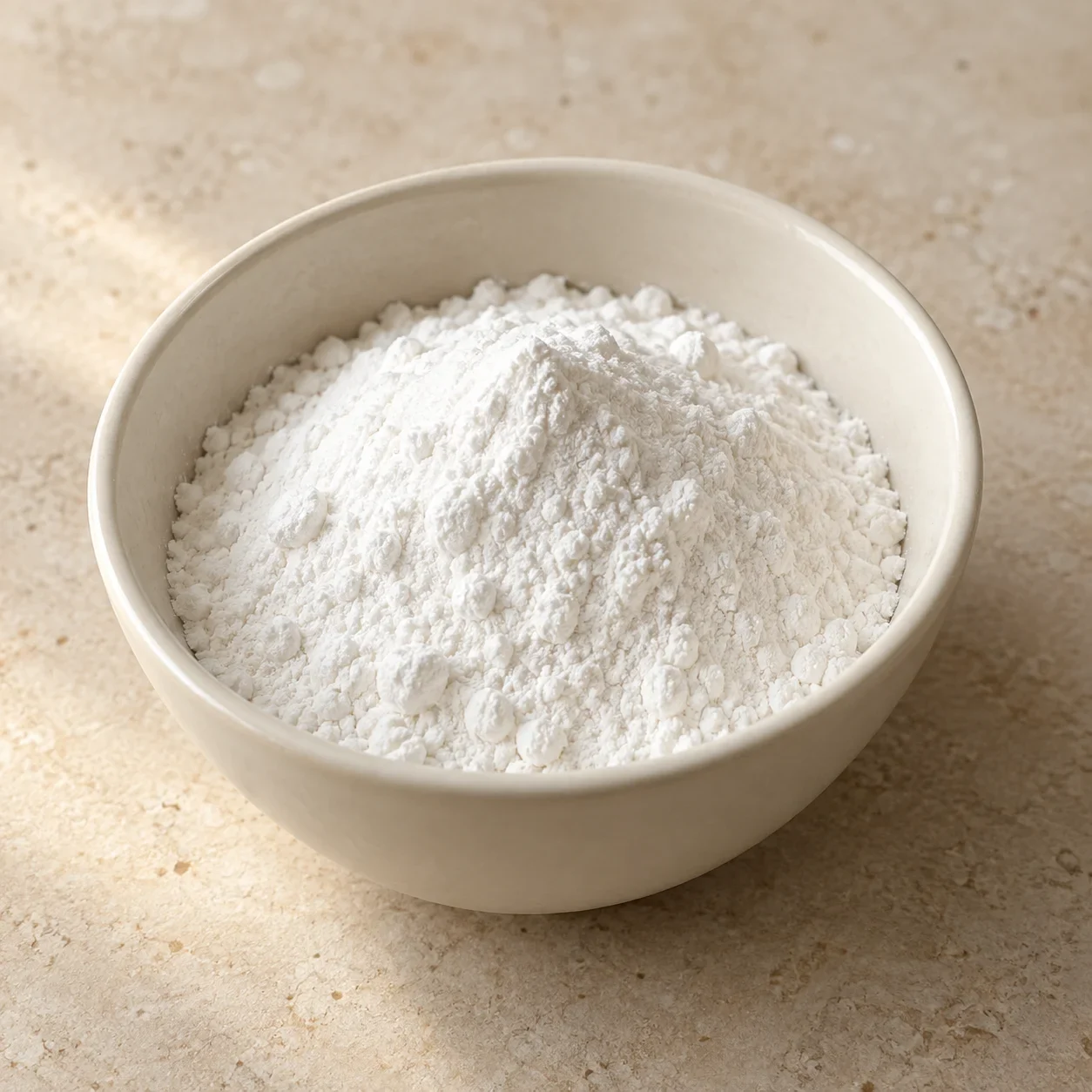
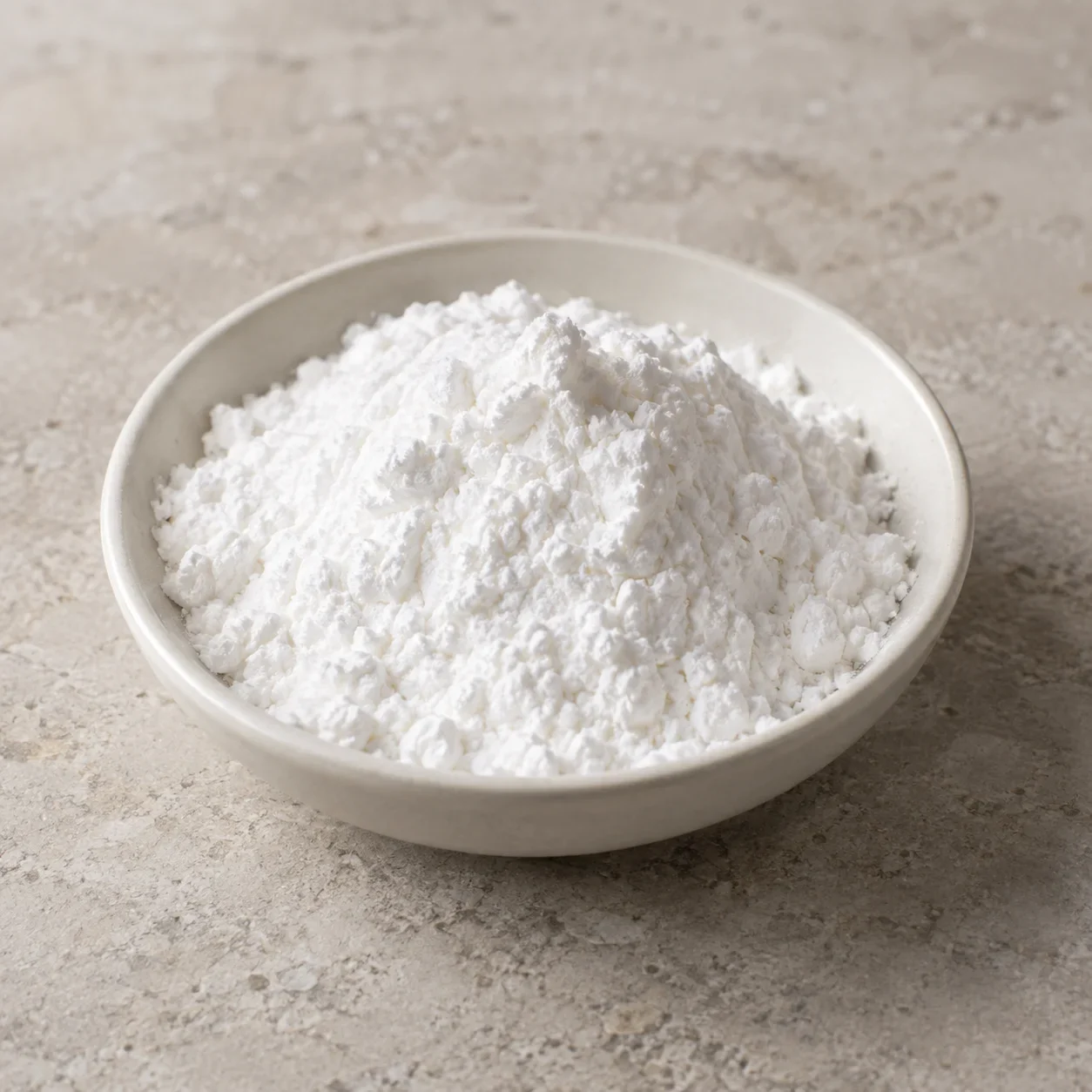
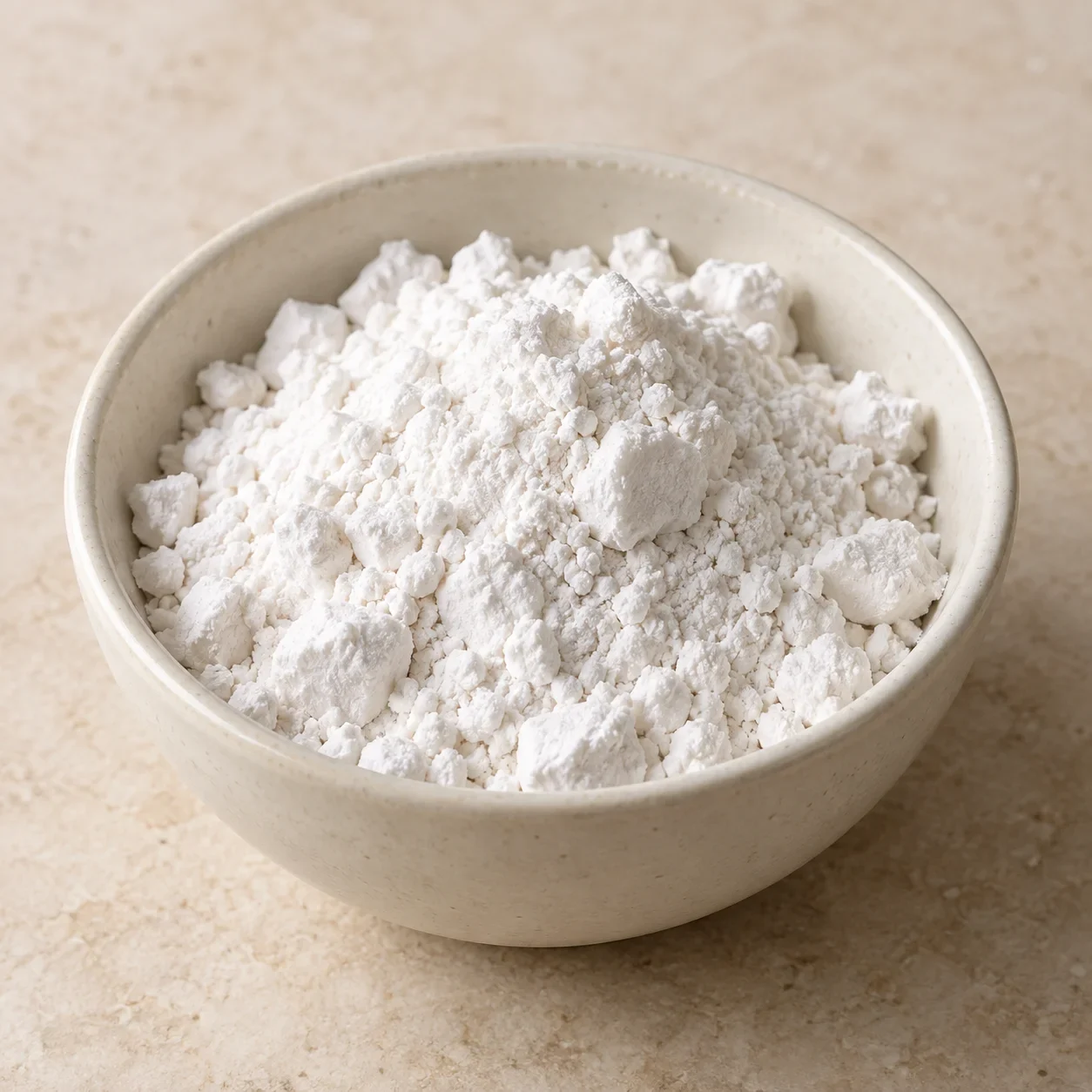
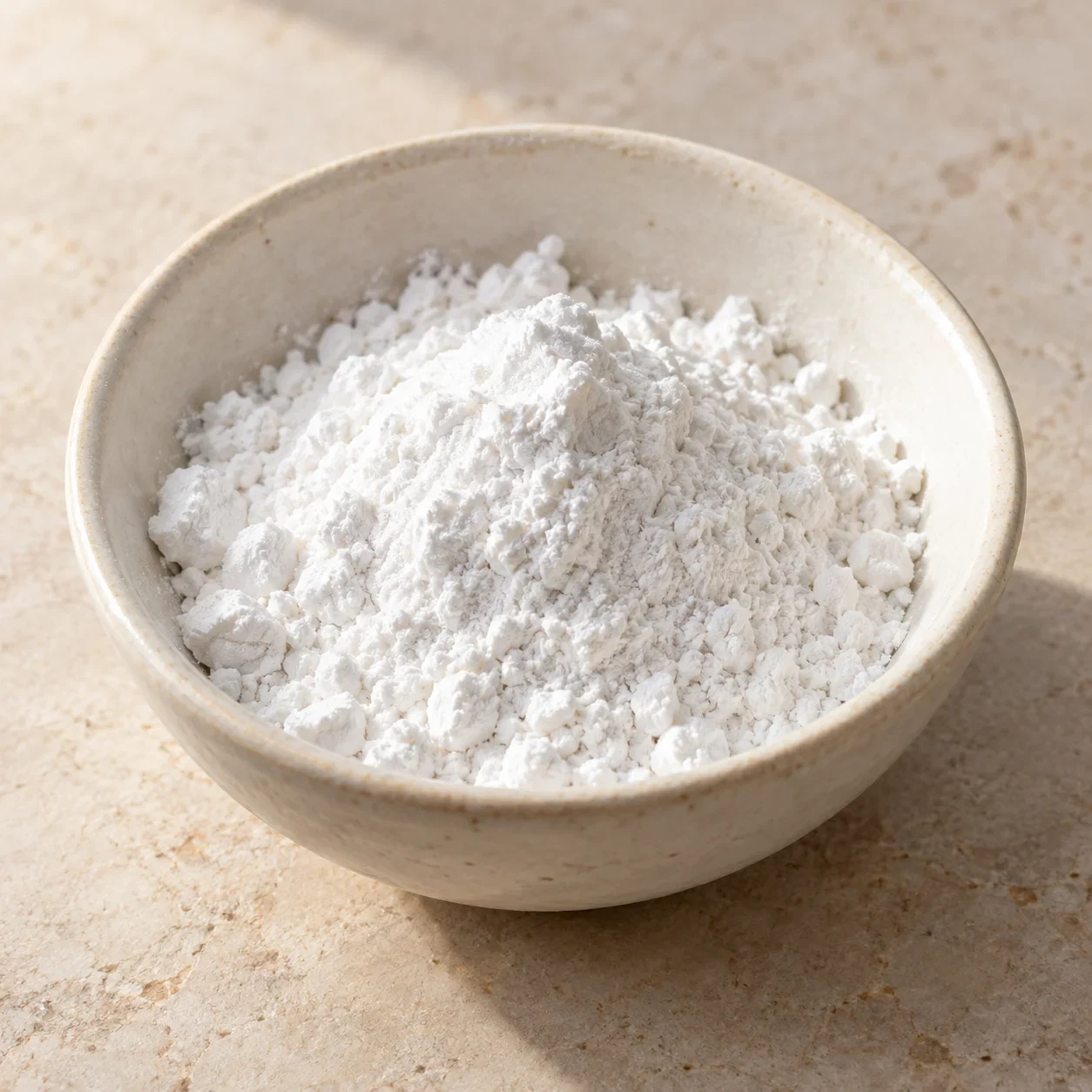
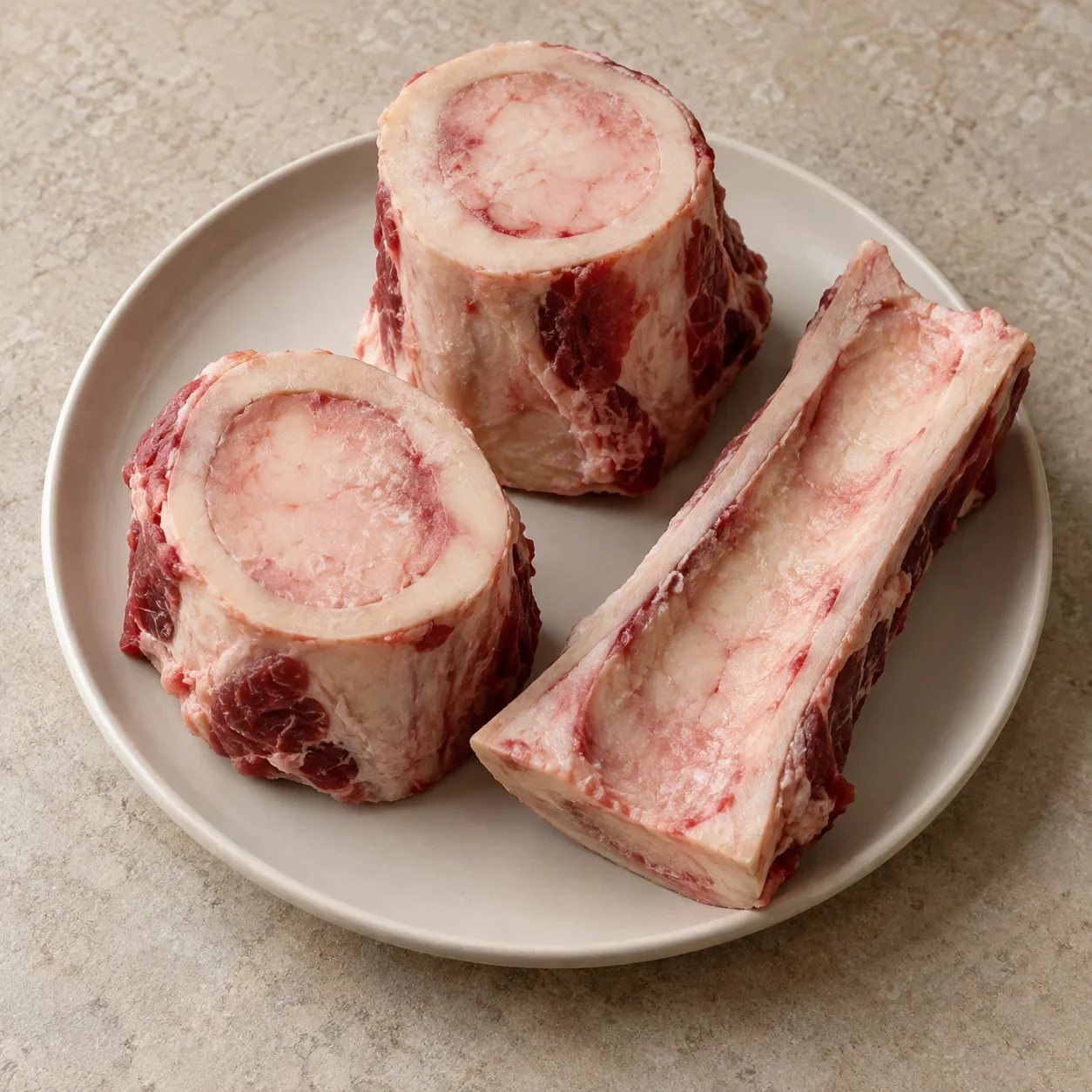
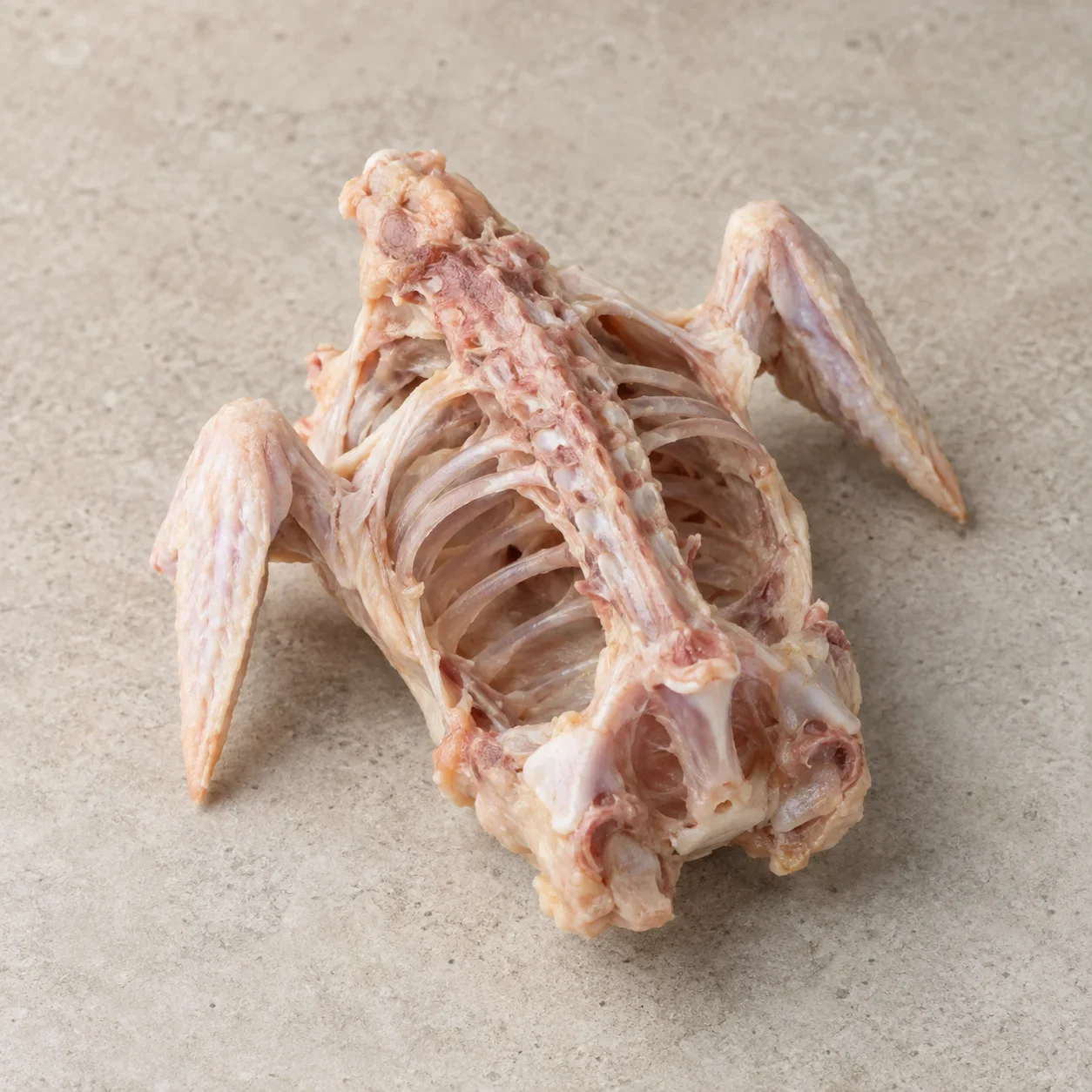
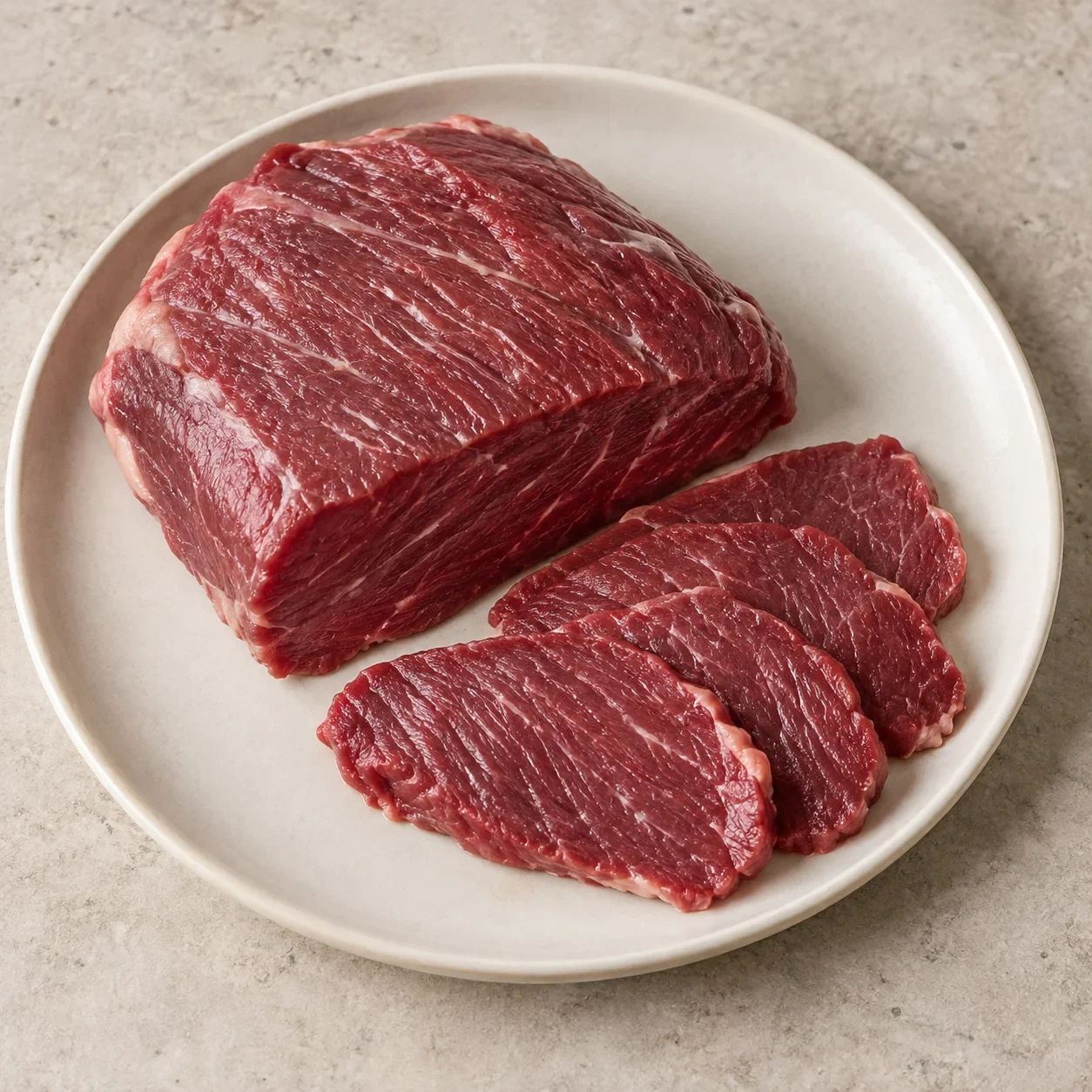
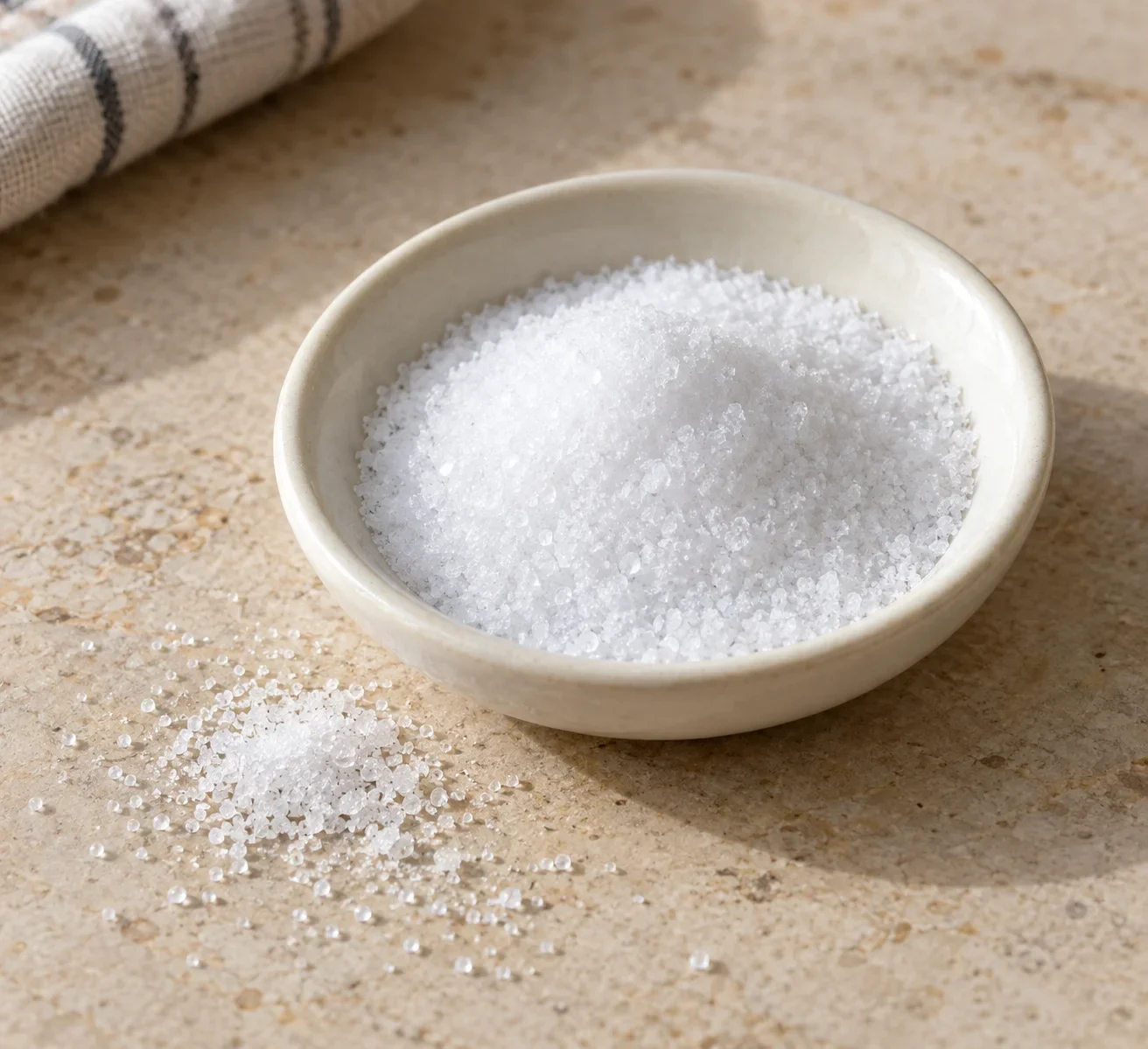
In some versions
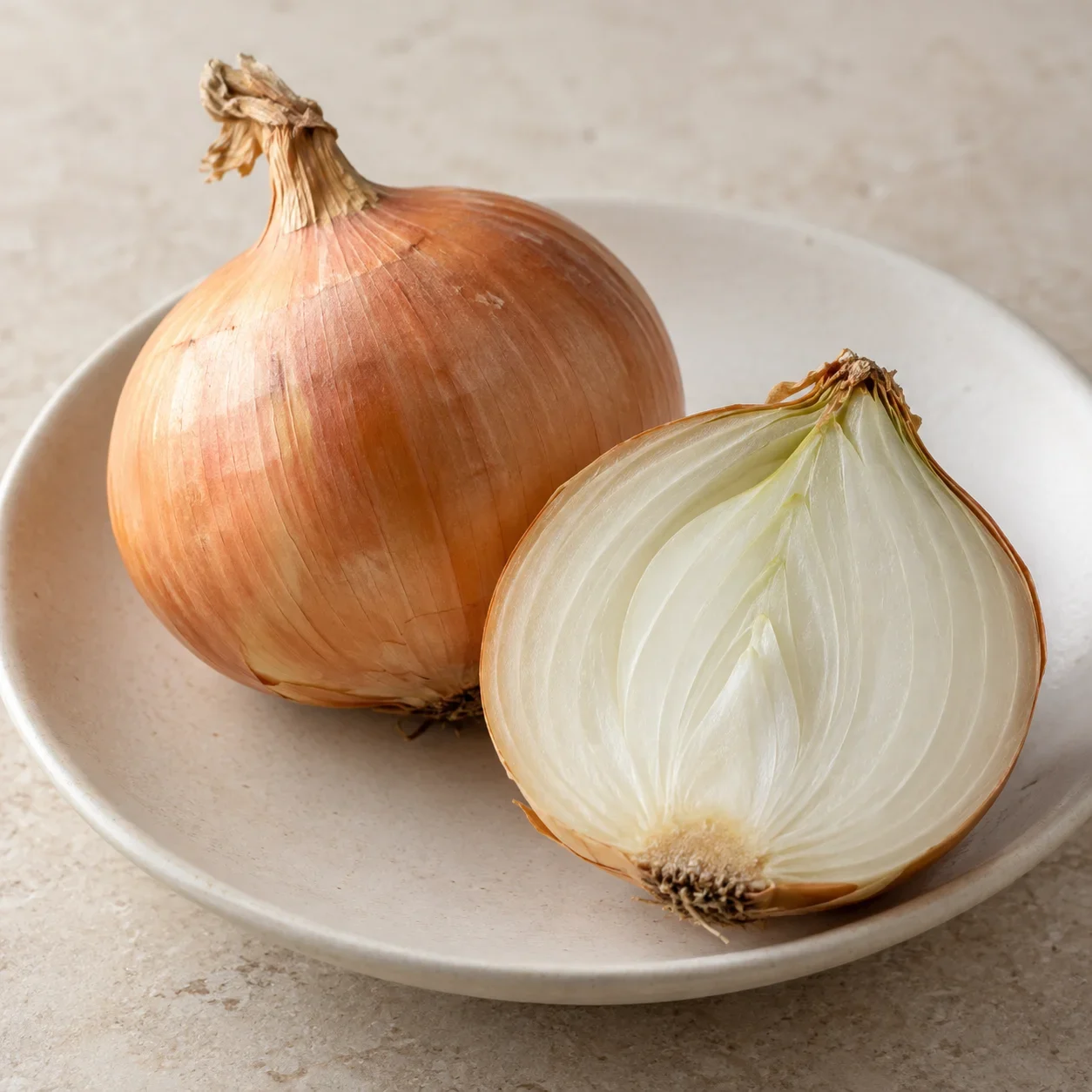
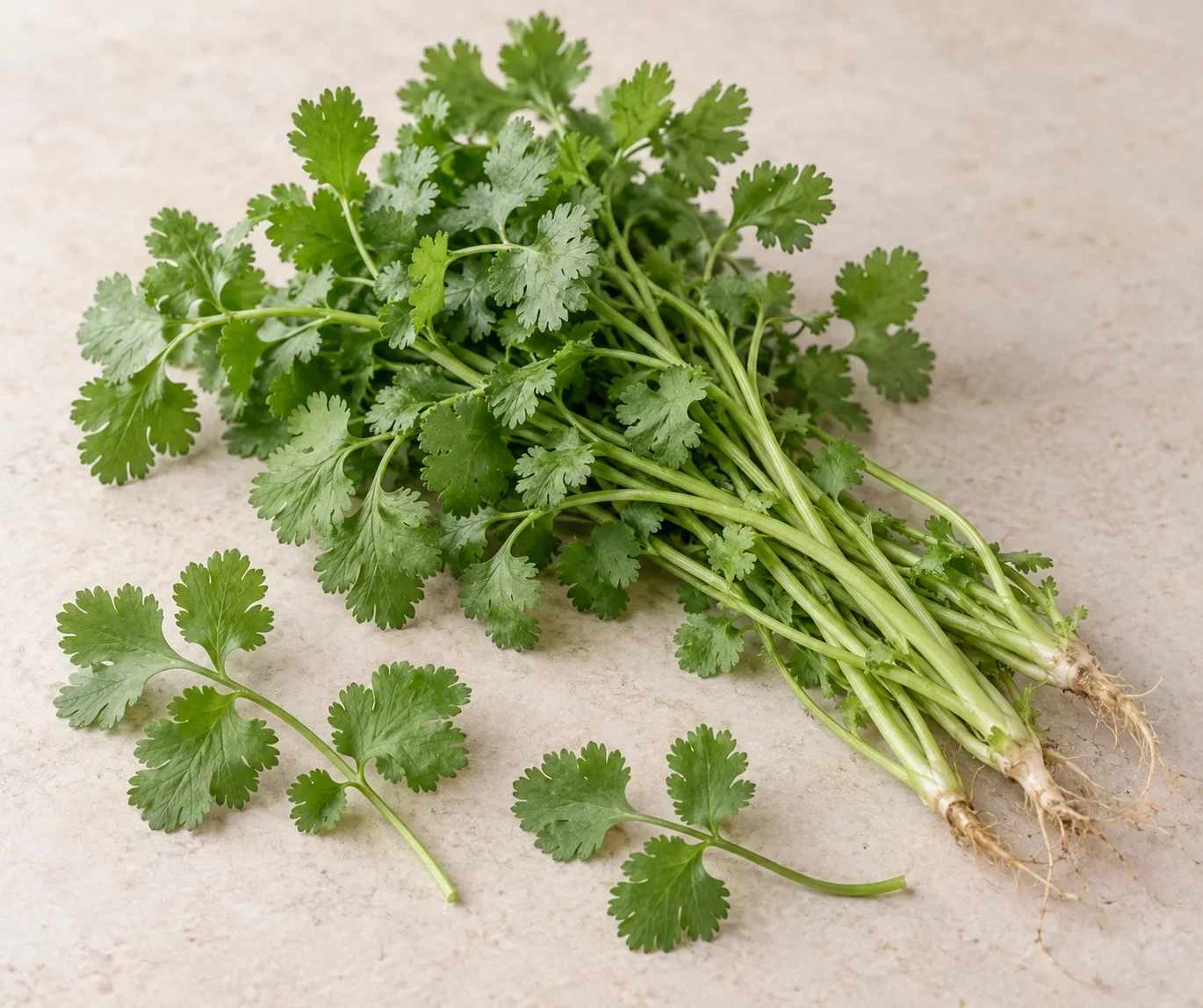
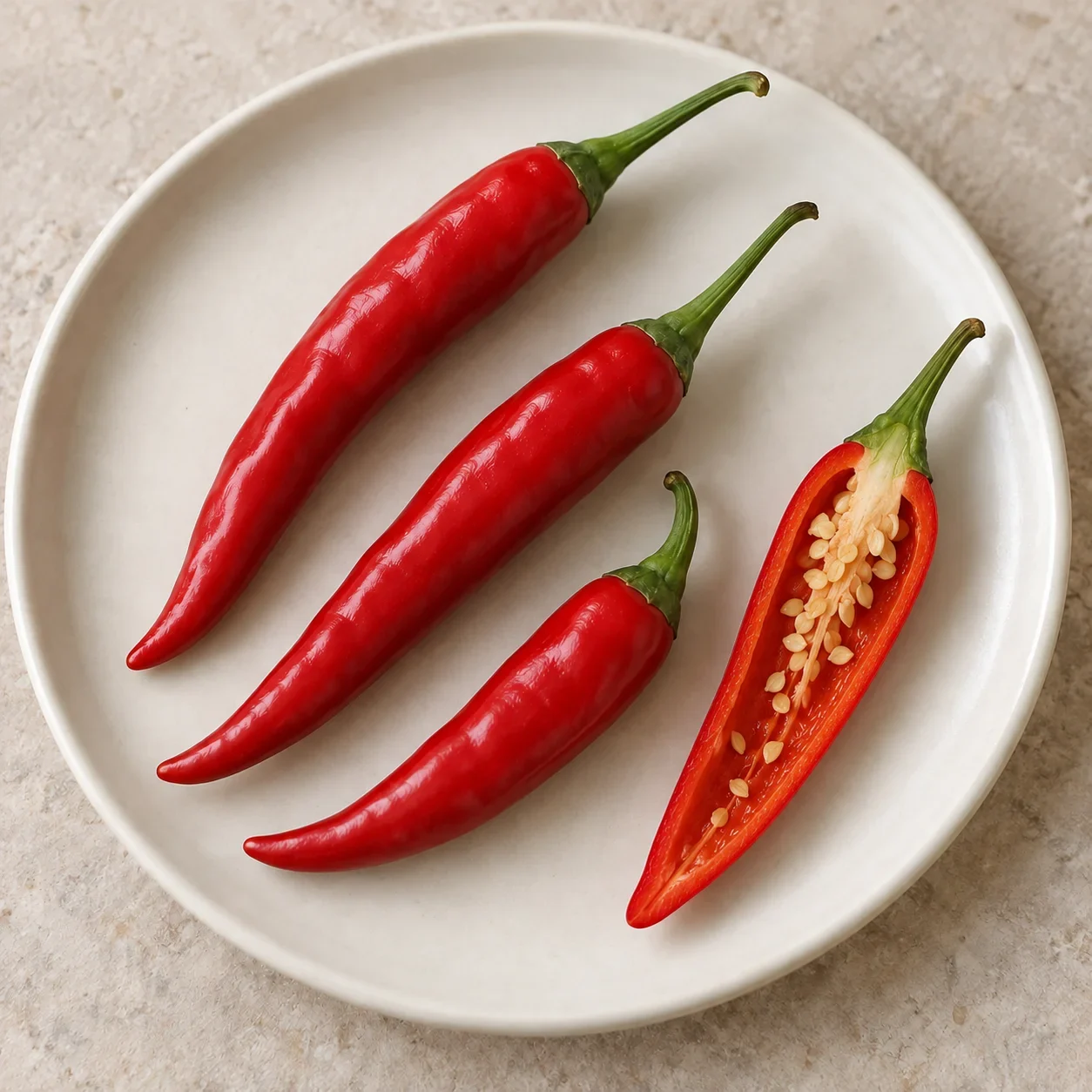
Recipes vary by restaurant.
How does it taste?
Savory broth with a little chili warmth.
- Chili heat
- Texture
- Smooth, springy noodles and tender cooked beef.
- How it’s made
- Noodles are cooked and served in hot stock; the chosen stock includes beef bones and chicken bones.
Noodle blends, broth and toppings vary; onion, coriander and chili appear in some servings.
A CONNECTION TO PLACE
Origin & regional roots
Its origins are linked to Jilin.
About this regional connection
Jilin: Toudao Helong Yanbian warm noodle tradition.
Ask if they have it first
请问你们有头道温面吗?
Do you have this item?
A LITTLE SOMETHING TO READ
Story & history
Yanbian beyond cold noodles
Warm noodles are another part of Yanbian’s Korean-Chinese food culture. Toudao’s name distinguishes this local soup-noodle tradition from the better-known cold noodles.