At the table
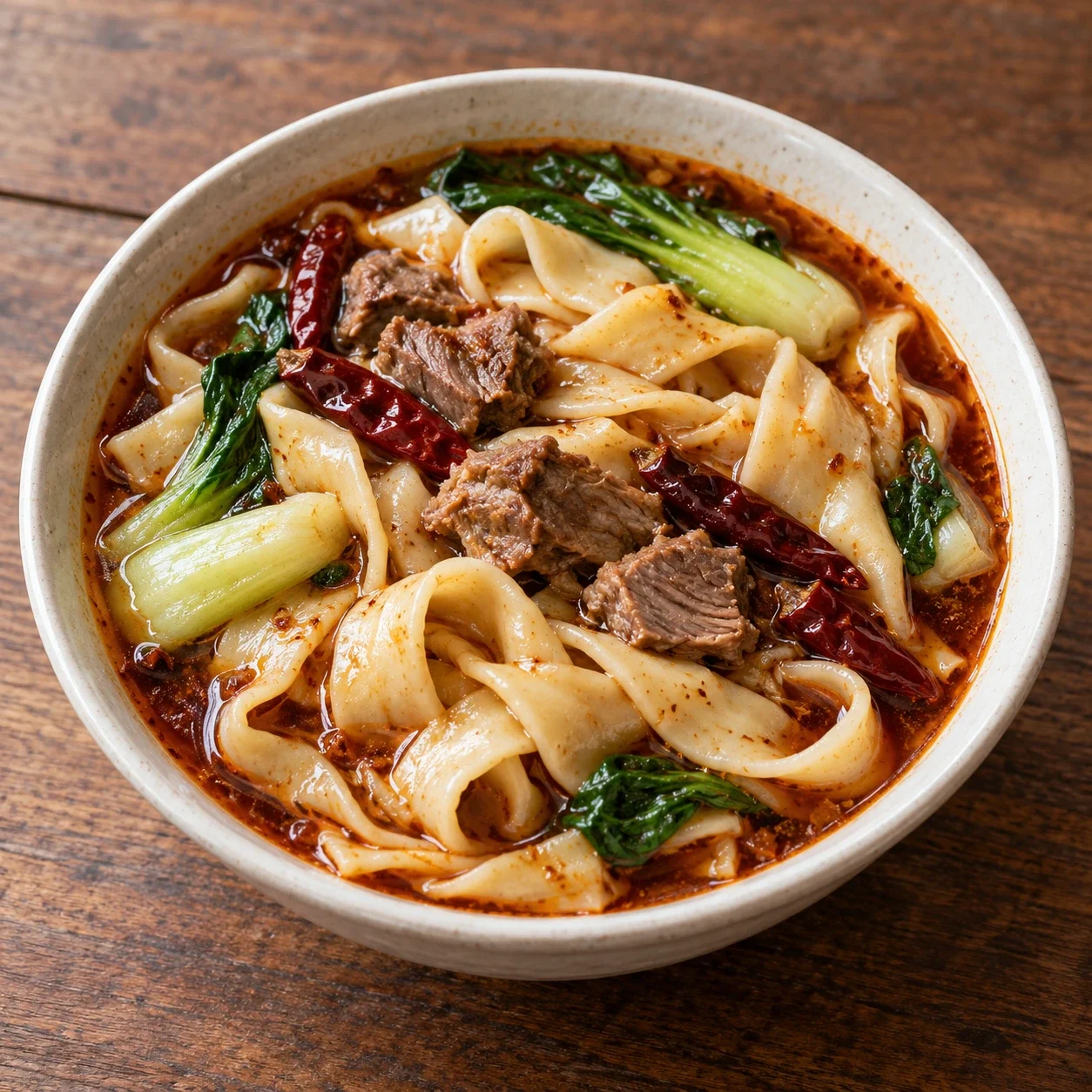
Loosen the noodles in the broth and lift manageable mouthfuls with chopsticks. Let them cool; whole chilies need not be eaten. Ask for less chili before ordering.
Contains wheat and animal meat and fat. The broth may be very hot and spicy; some versions use cooking wine.
Ask whether the meat is goat, sheep or beef and how much chili is used. Shops do not all follow one recipe.
GET TO KNOW THE DISH
What goes into it?
Explore some key ingredients below. Preparations may use additional seasonings and ingredients.
Some preparations use culinary alkali, cornstarch for dusting, cooking huangjiu, rock sugar or MSG. Beef versions also exist; spice blends vary.
Typical ingredients
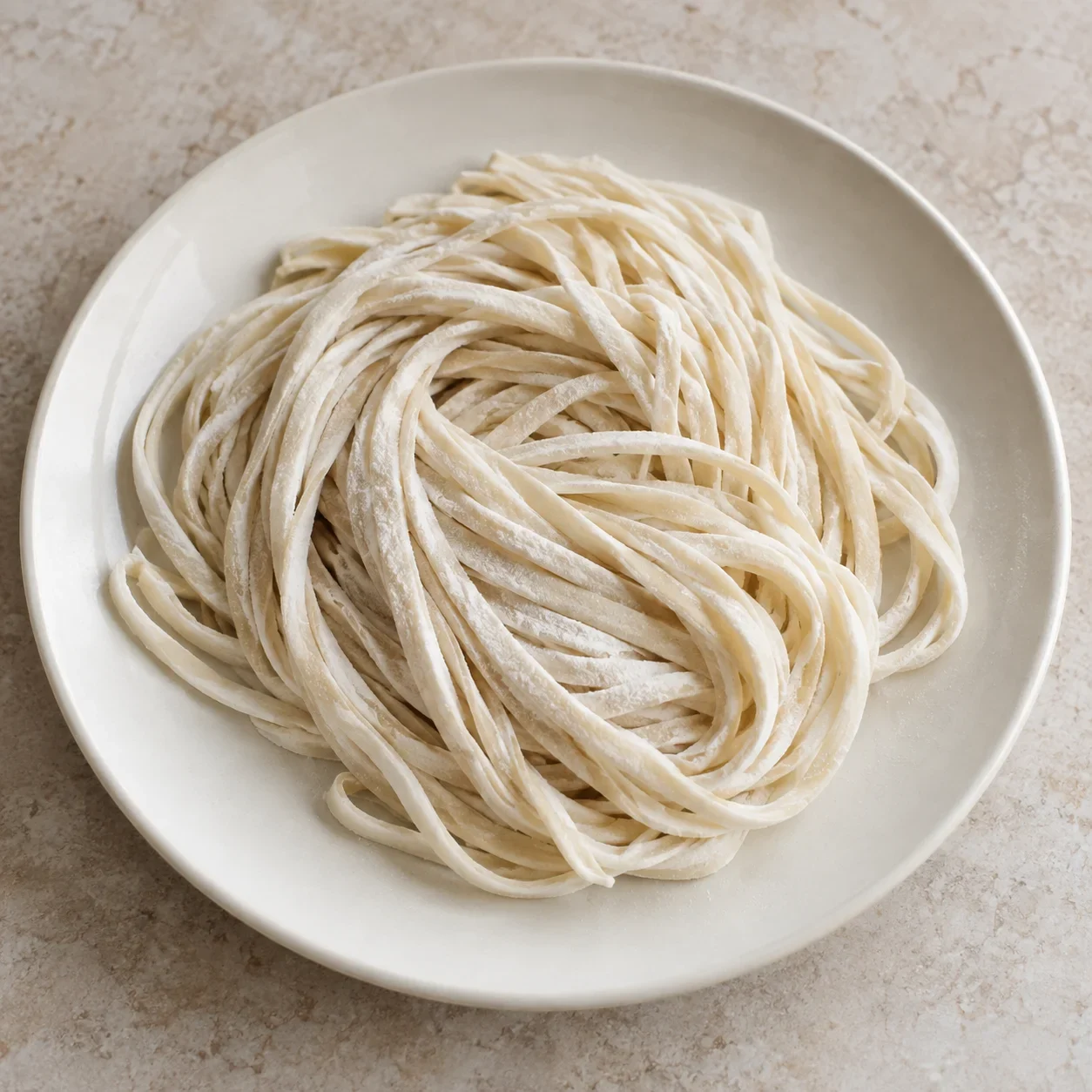
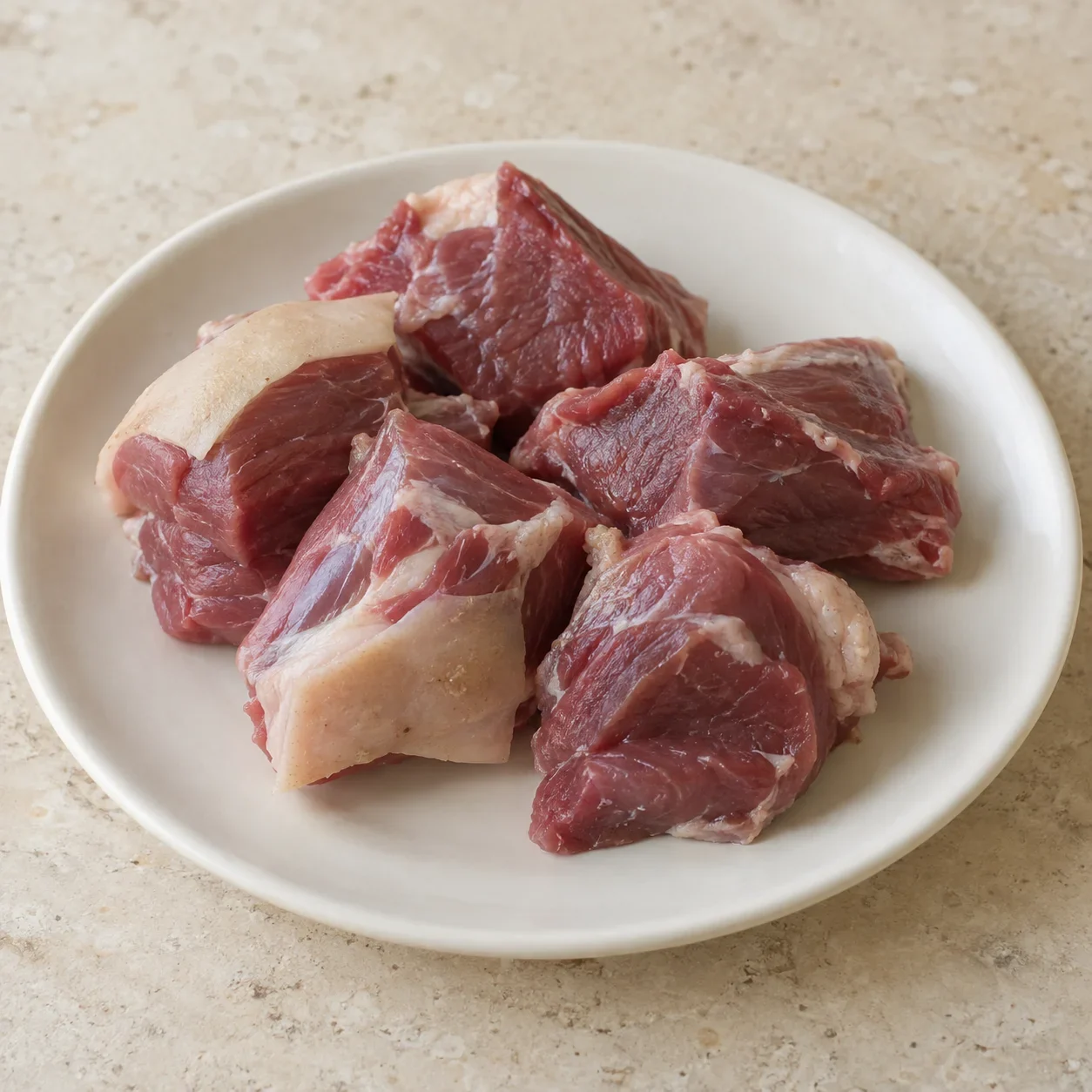
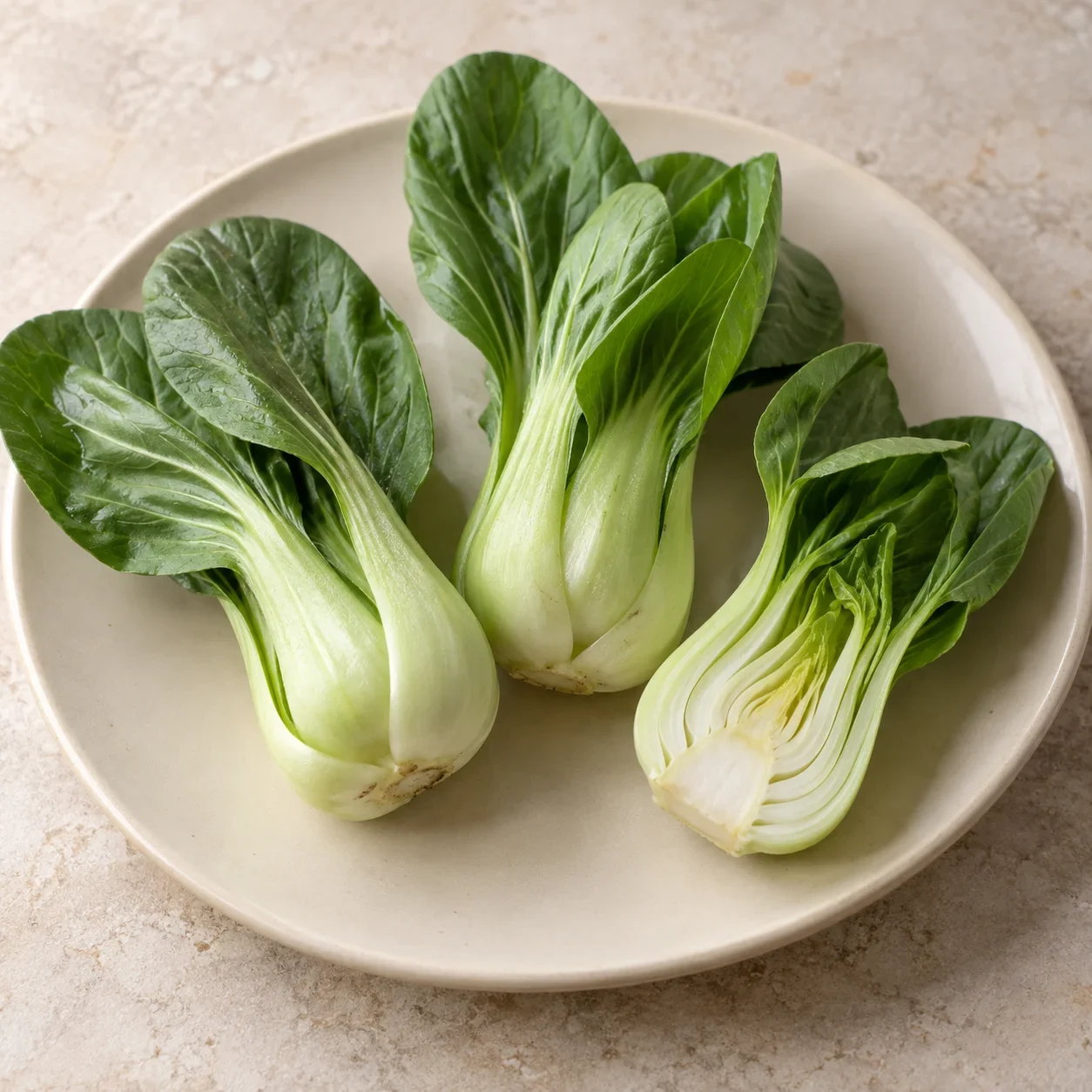
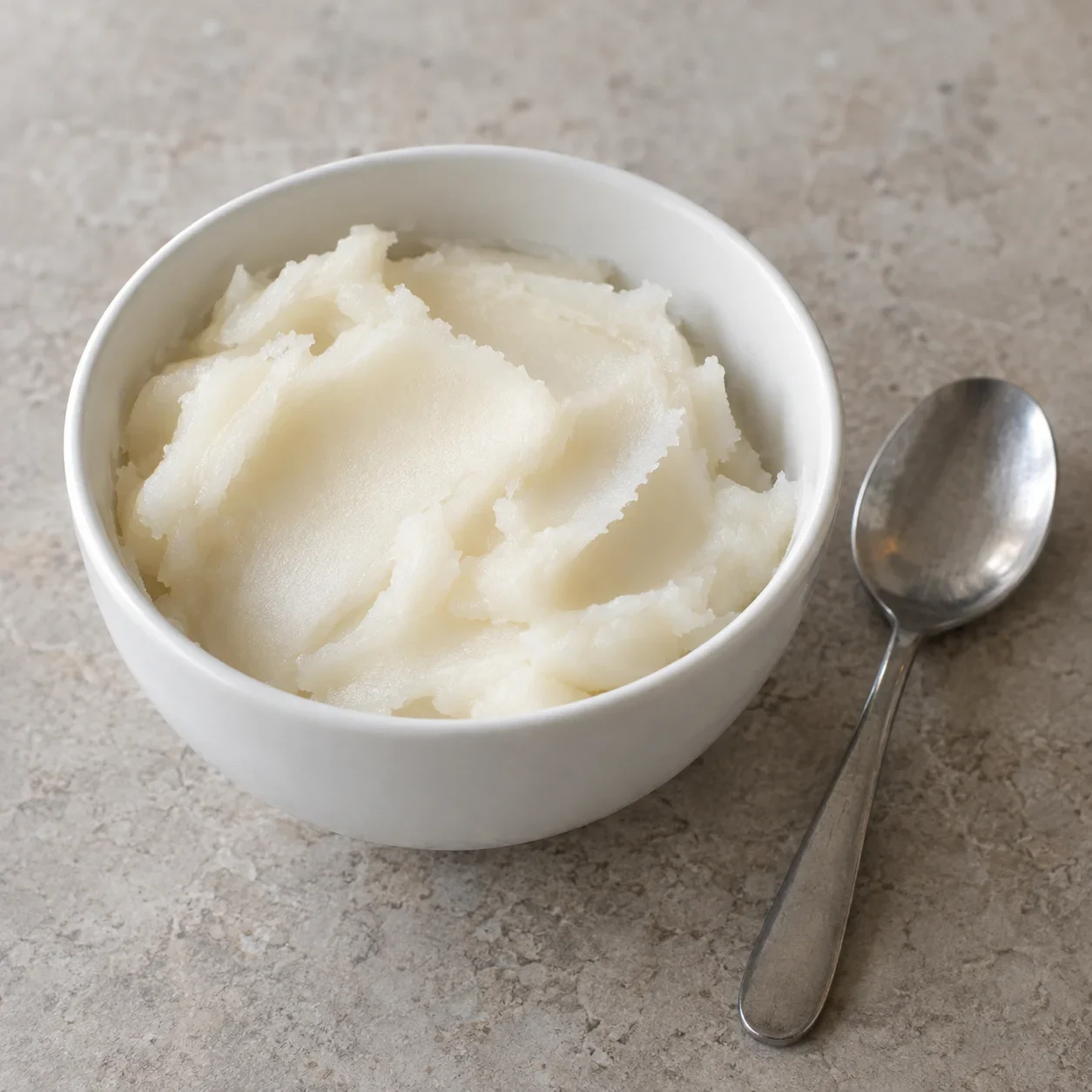
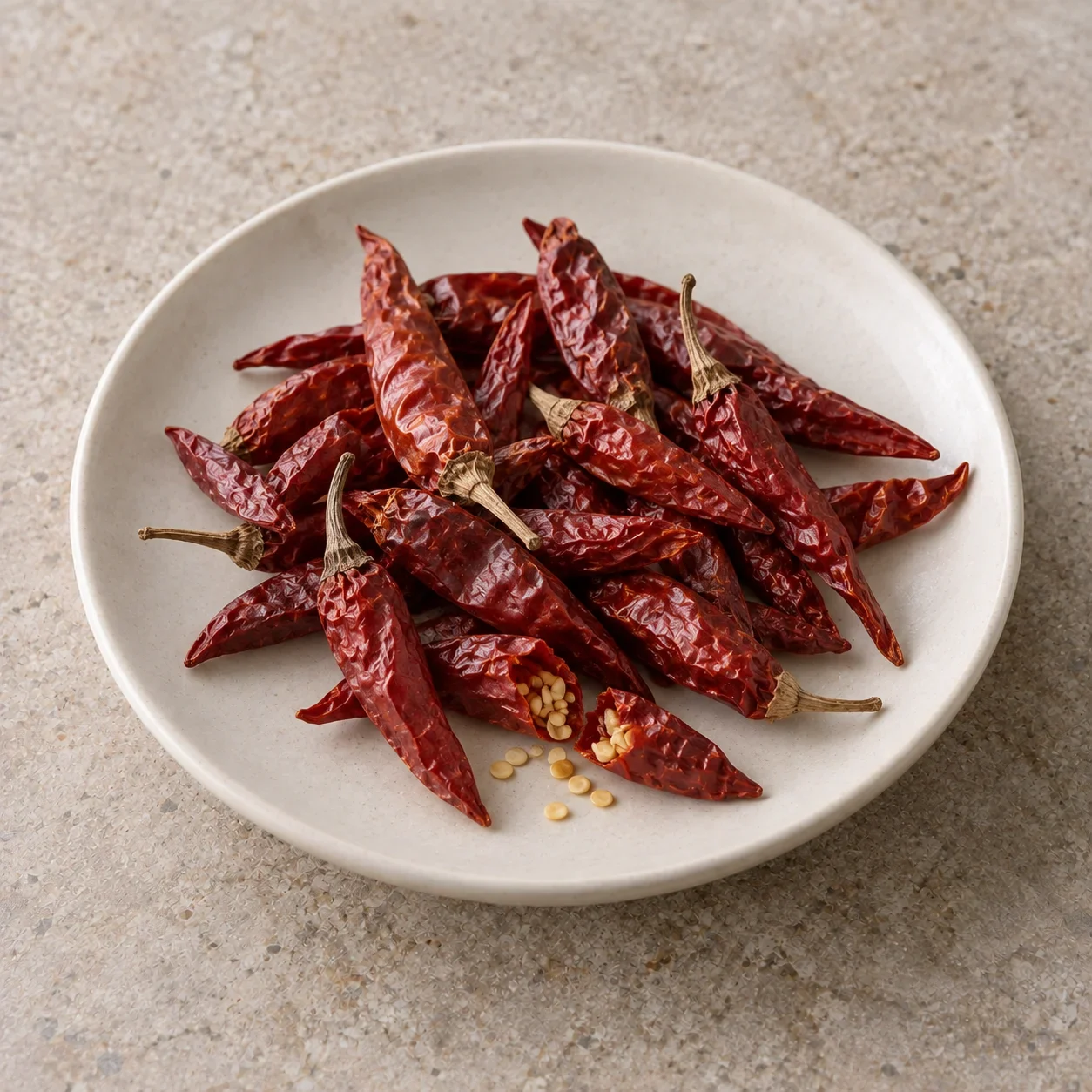

In some versions
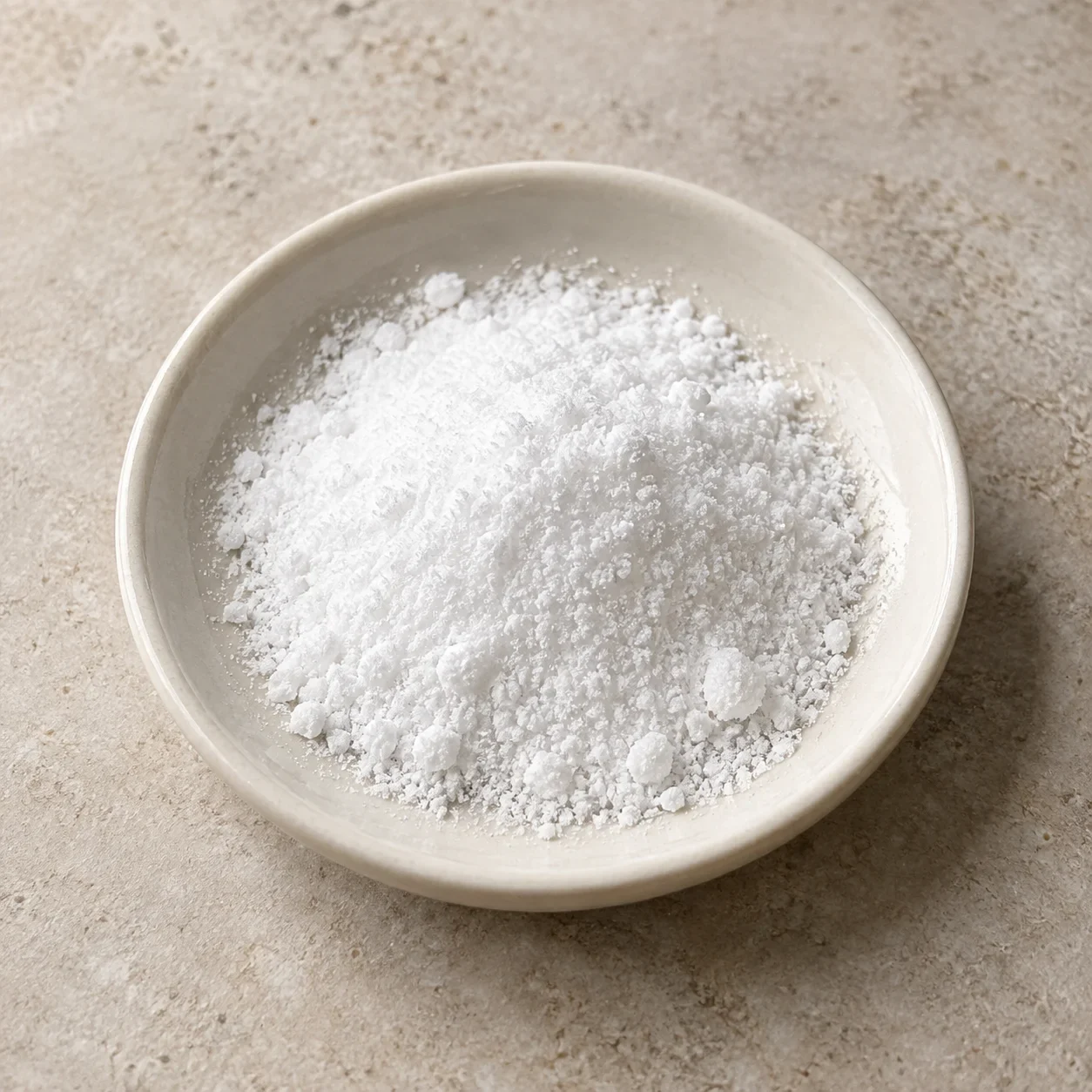
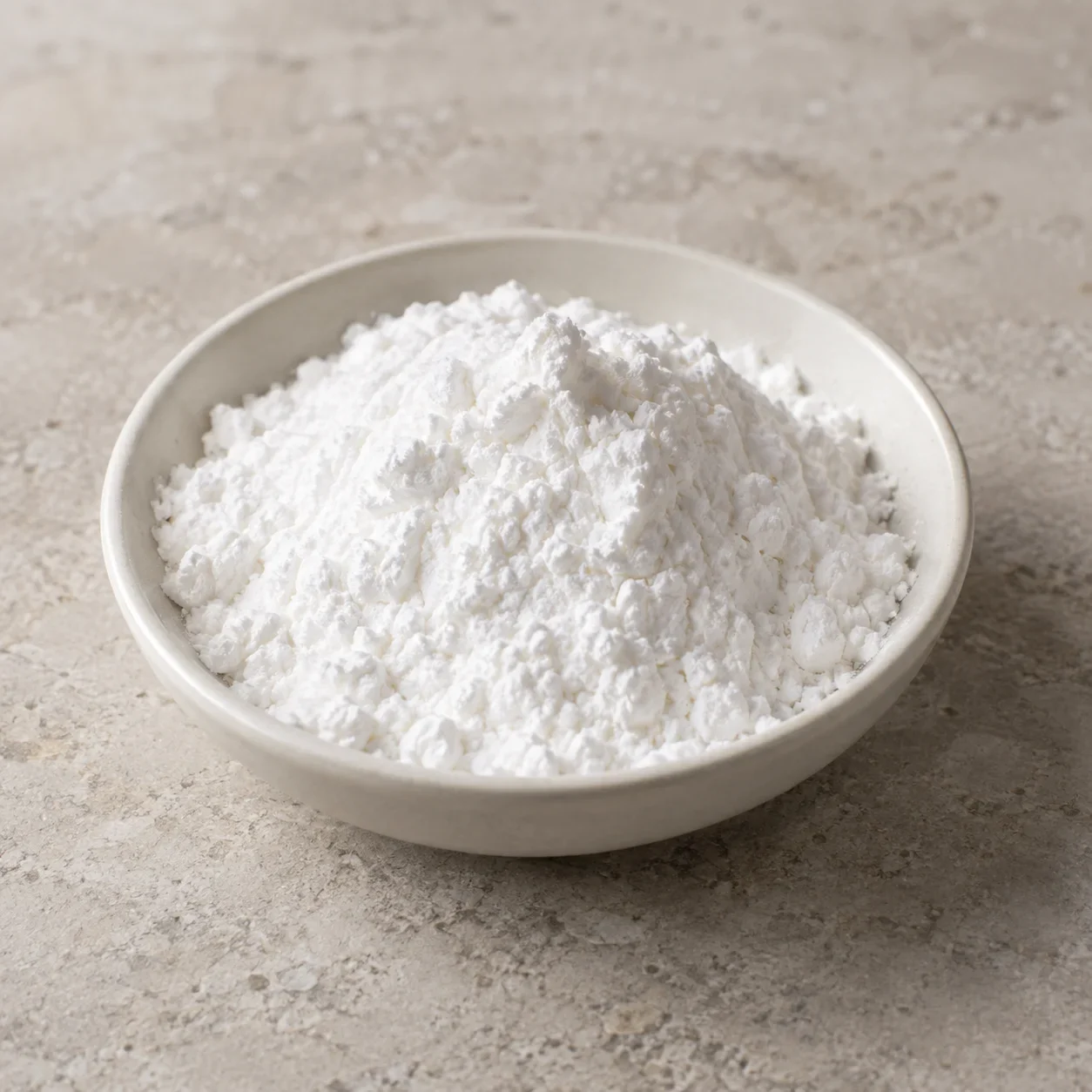
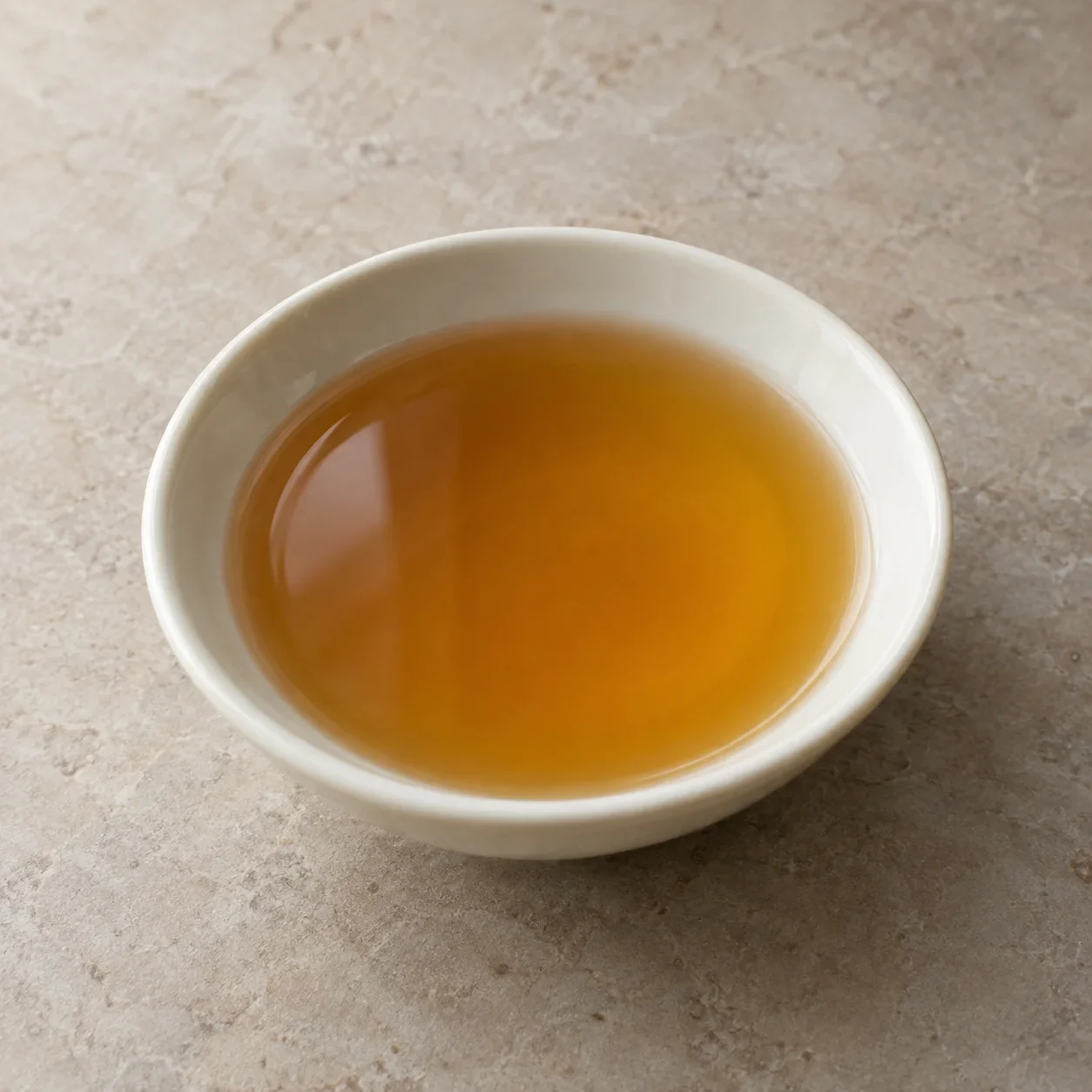
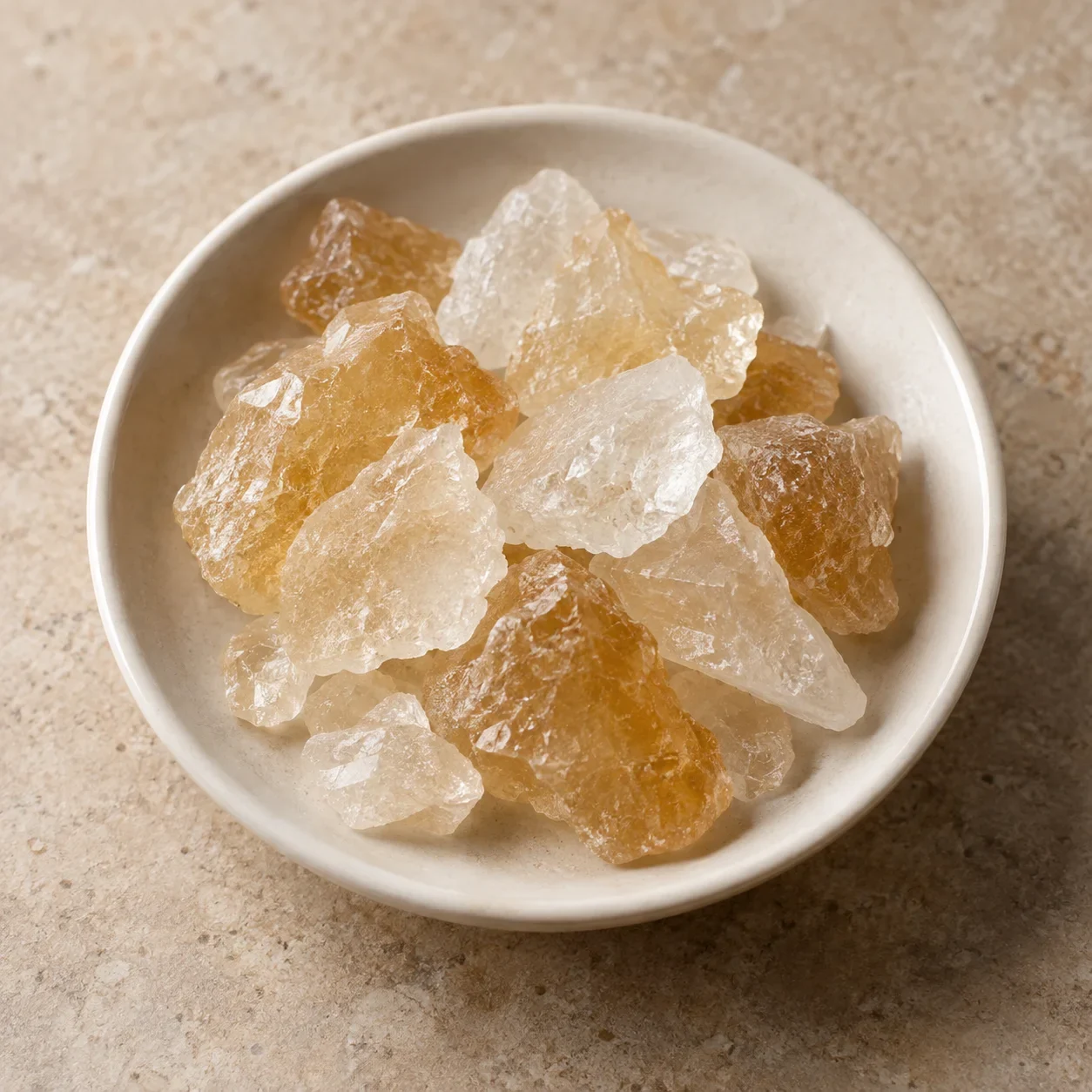
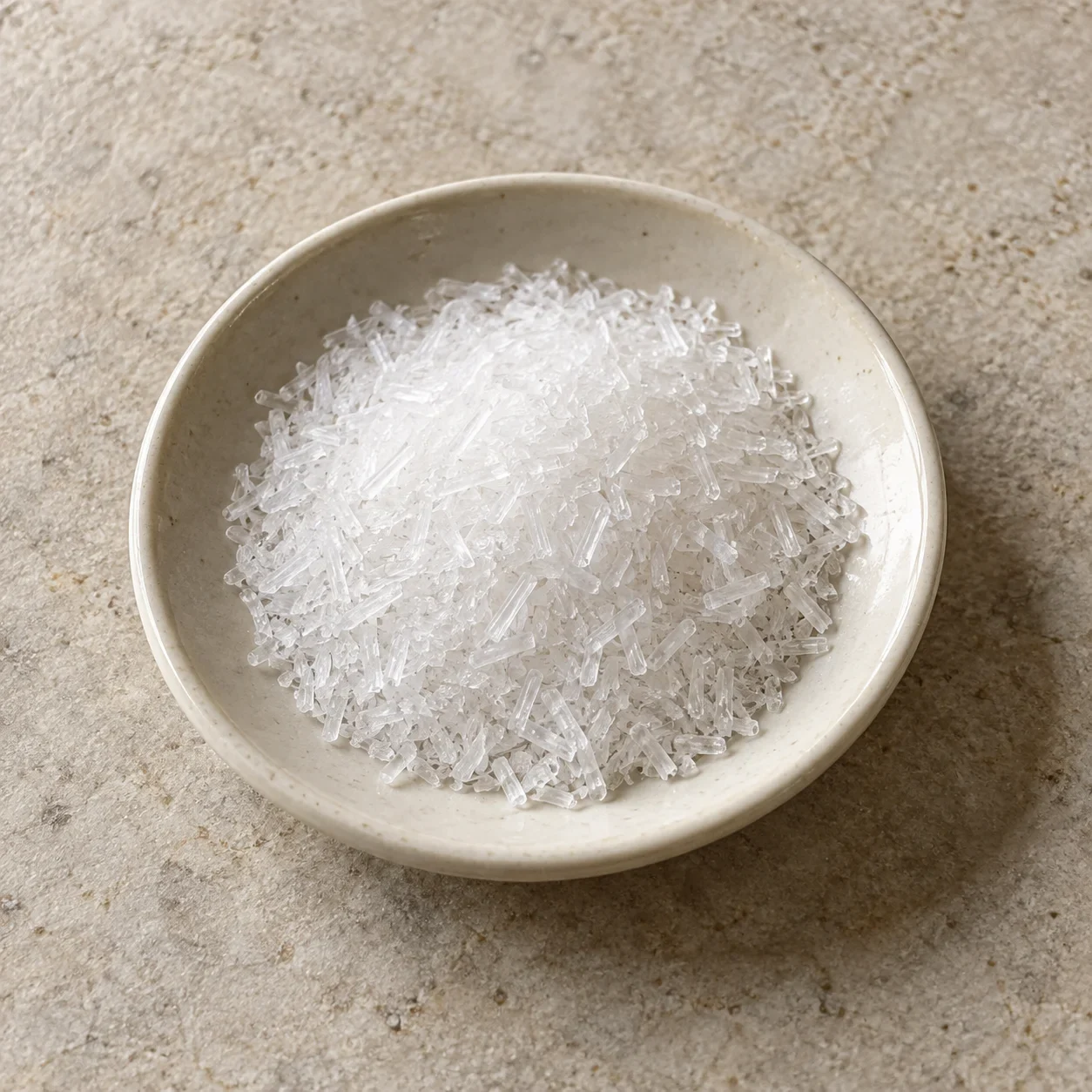
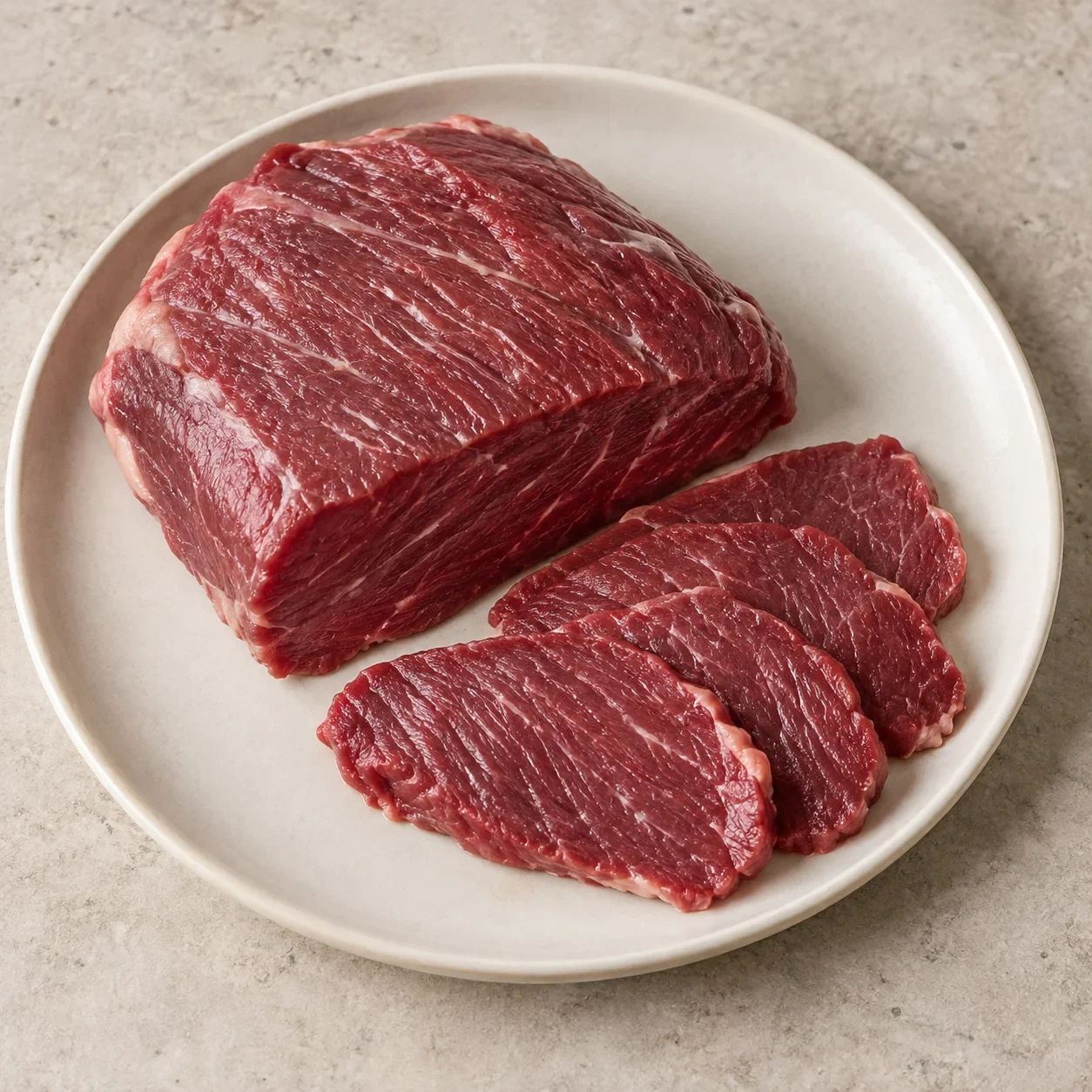
Recipes vary by restaurant.
How does it taste?
Savory, rich and chili-hot, with aromatic spices.
- Chili heat
- Texture
- Springy flat noodles, tender meat and soft greens.
- How it’s made
- The dough is stretched against a board, boiled with greens and finished with a spiced meat-and-chili topping.
Some preparations use culinary alkali, cornstarch for dusting, cooking huangjiu, rock sugar or MSG. Beef versions also exist; spice blends vary.
A CONNECTION TO PLACE
Origin & regional roots
Associated with Anhui.
About this regional connection
Anhui: Taihe local goat-meat version.
Ask if they have it first
请问你们有太和板面吗?
Do you have this item?
A LITTLE SOMETHING TO READ
Story & history
Noodles stretched on a board
The board-stretching technique gives banmian its name. In Taihe, white noodles, greens and dark cooked chilies contrast with the red broth; the dish is part of everyday local noodle-shop food.