
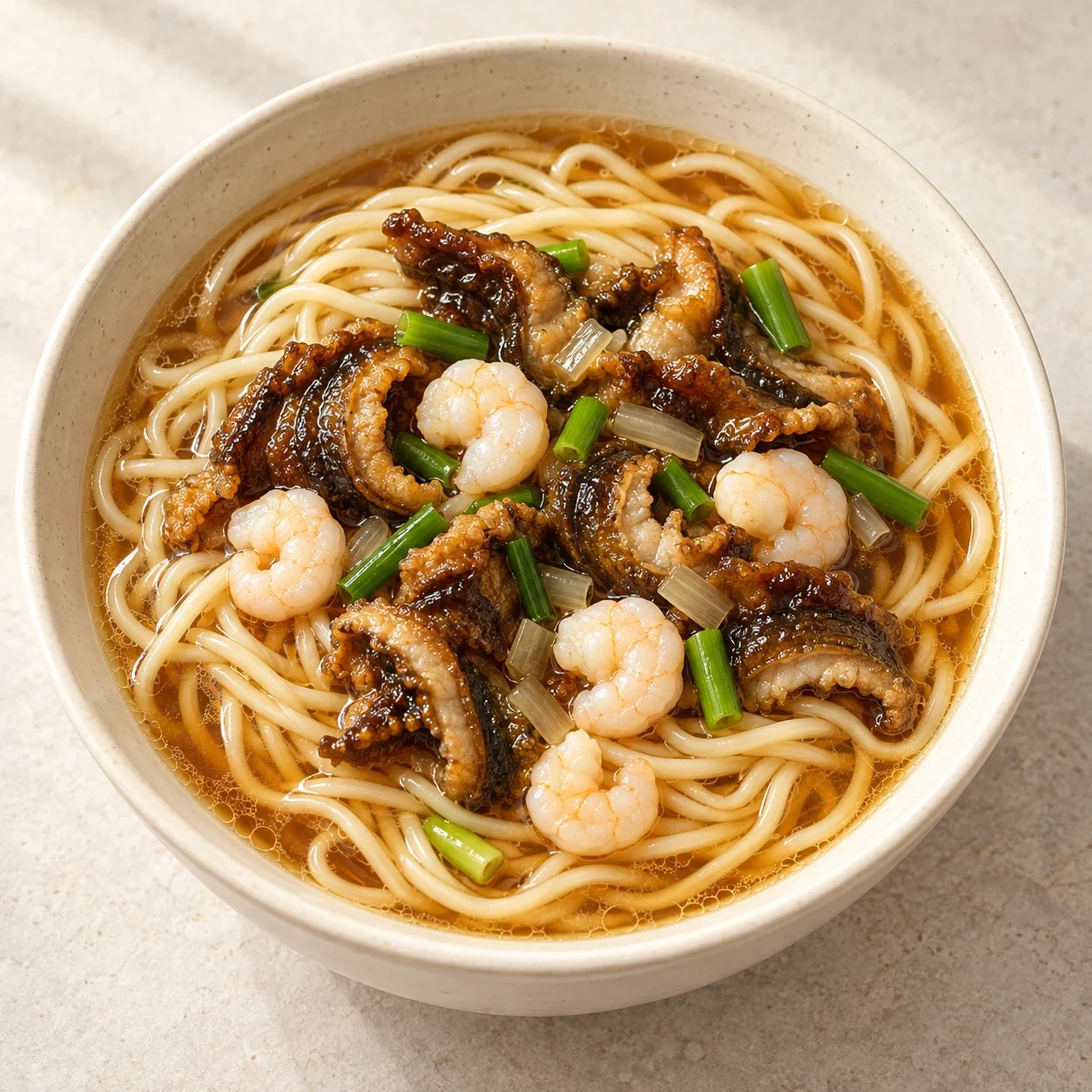
At the table
Gently loosen the noodles with chopsticks and alternate them with the toppings. Use a spoon for broth. Although eel is normally deboned, check for remaining bones; let hot soup cool before tasting.
Contains wheat, fish, shrimp and sesame oil; shrimp coating may contain egg and seasoning may contain soy. Lard and meat broth can also be present. Check the kitchen’s ingredients if you have allergies or avoid pork; no bone-free or alcohol-free guarantee.
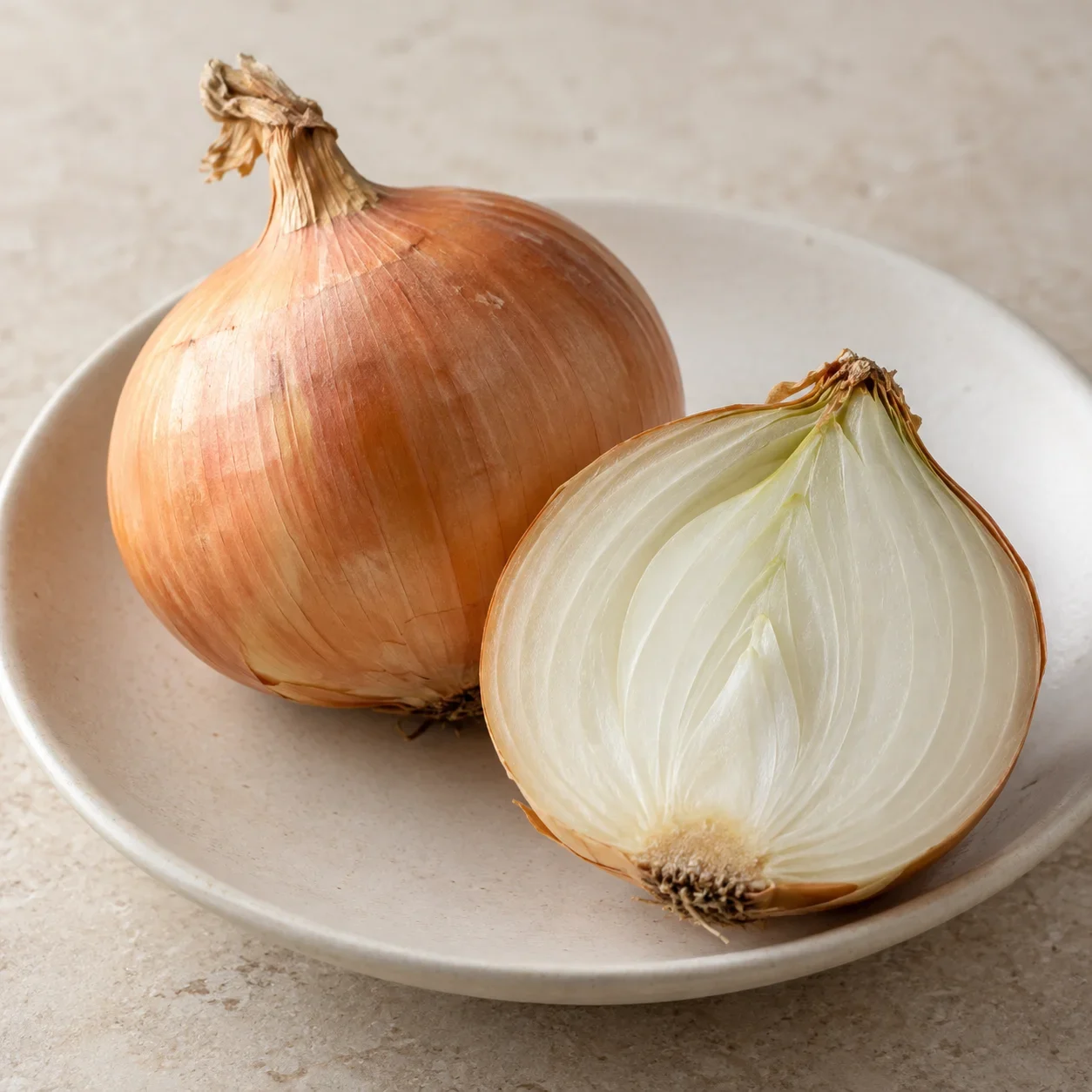
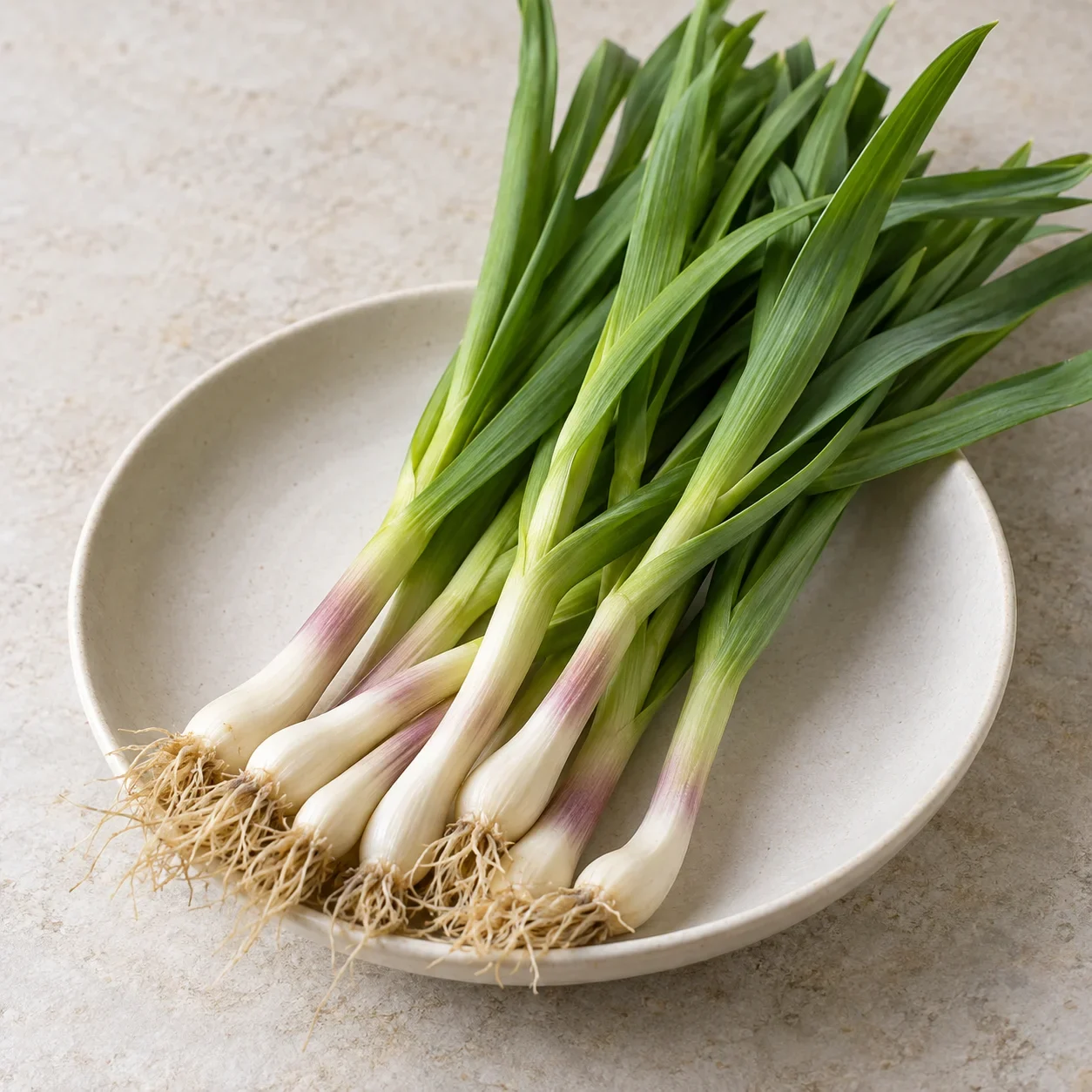
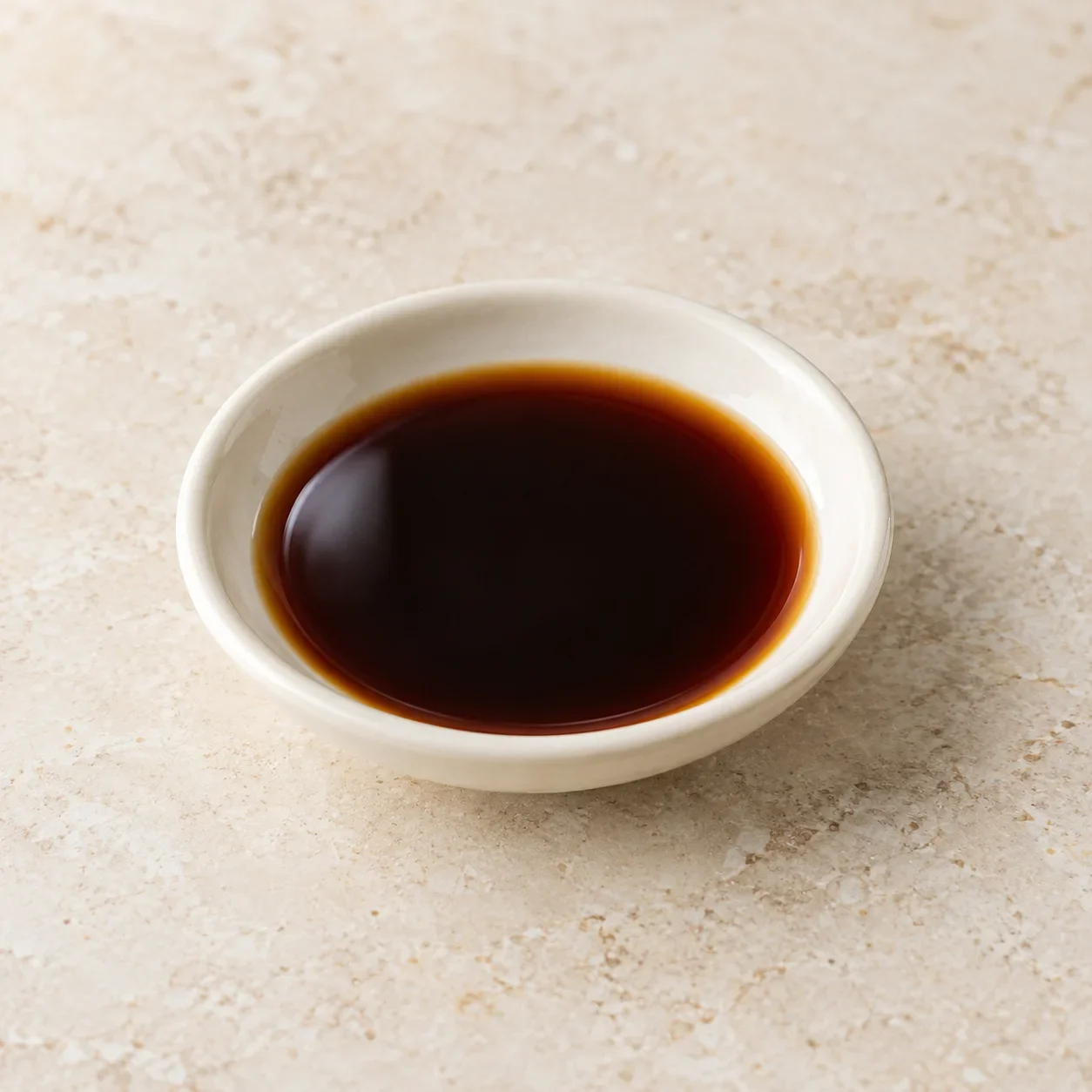
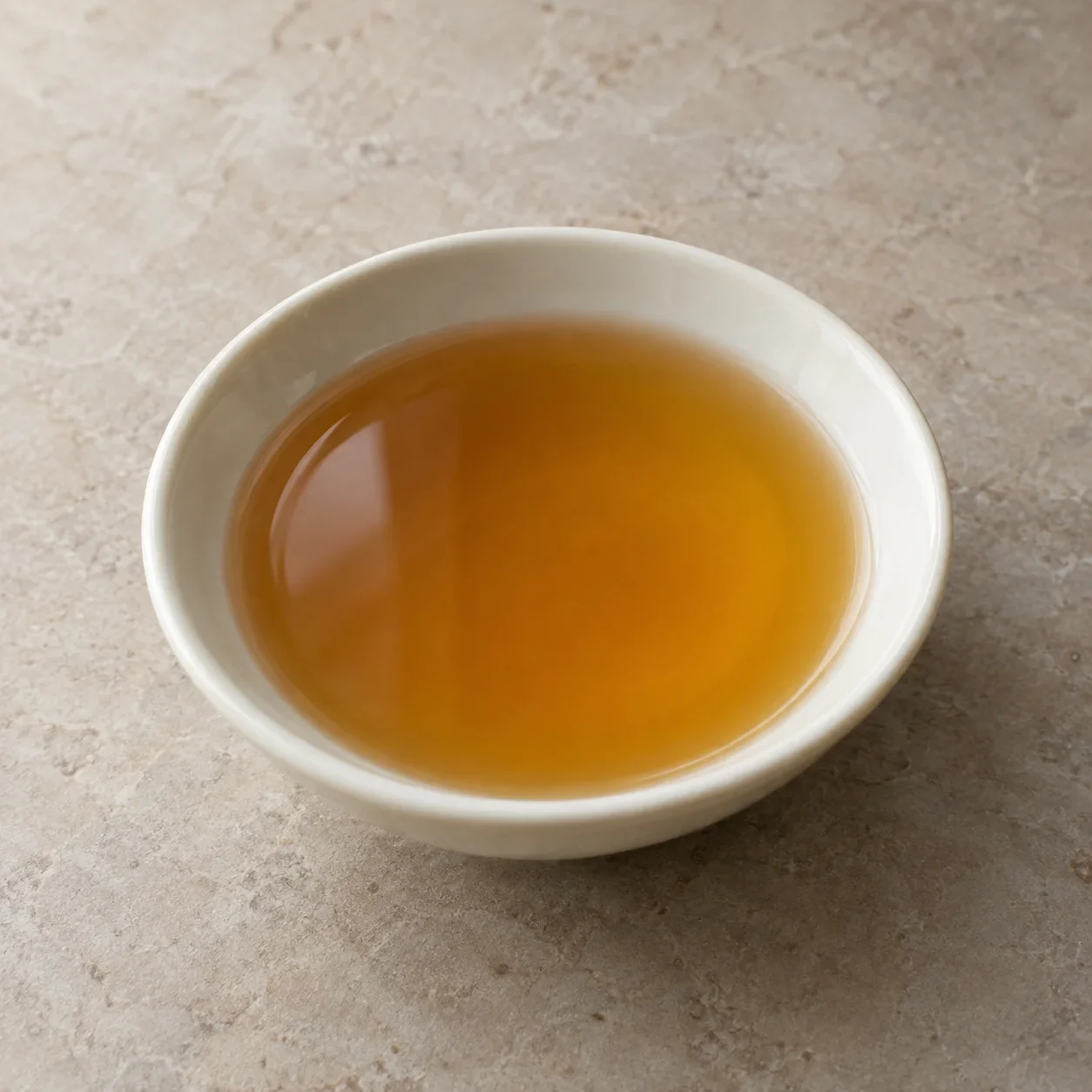
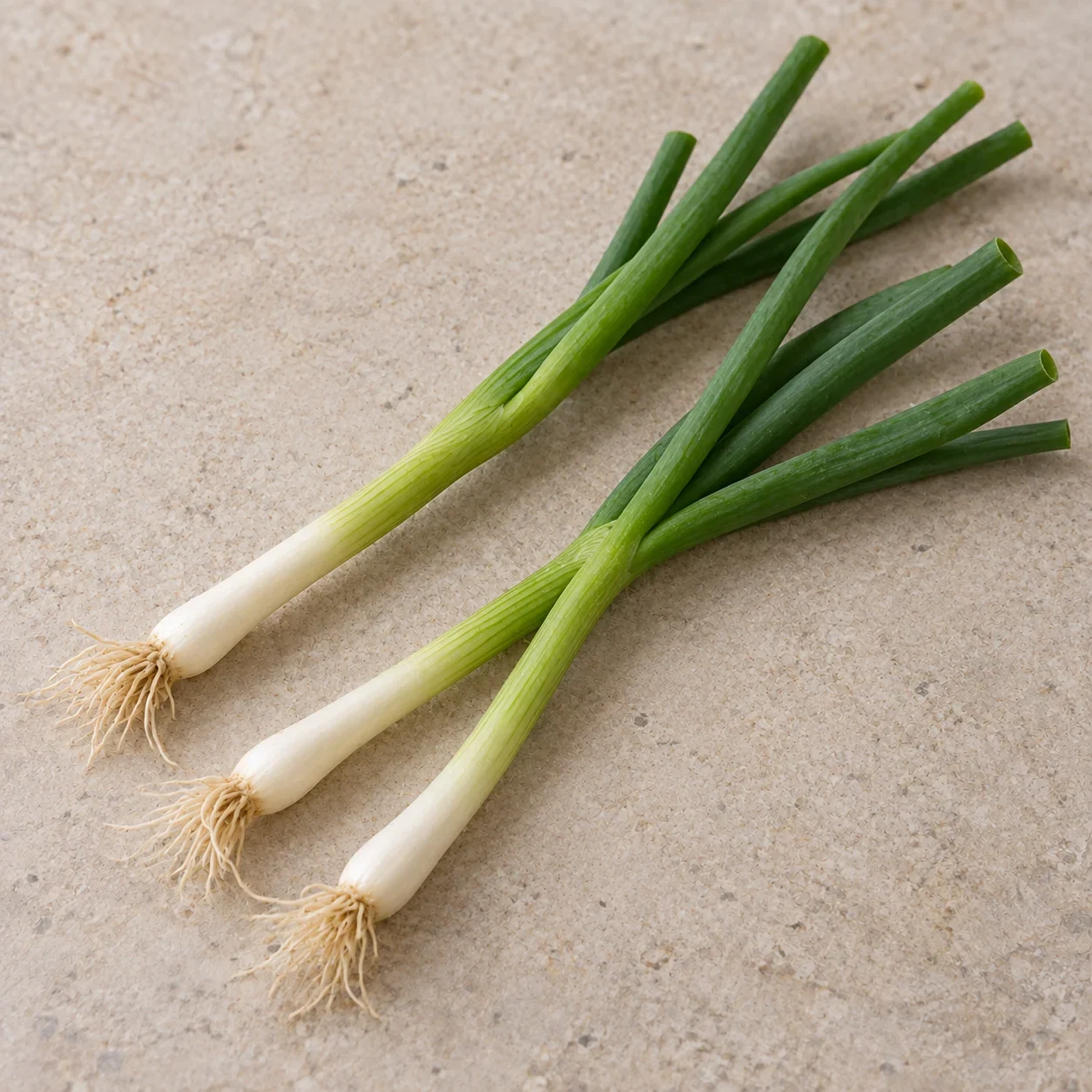
Onion, green garlic or scallion, stock and seasoning vary. Soy sauce, rice wine, sugar, salt and MSG feature in representative recipes. The basic bowl need not contain chili; ask before adding chili oil.
GET TO KNOW THE DISH
What goes into it?
Explore some key ingredients below. Preparations may use additional seasonings and ingredients.
Onion, green garlic or scallion, stock and seasoning vary. Soy sauce, rice wine, sugar, salt and MSG feature in representative recipes. The basic bowl need not contain chili; ask before adding chili oil.
Typical ingredients
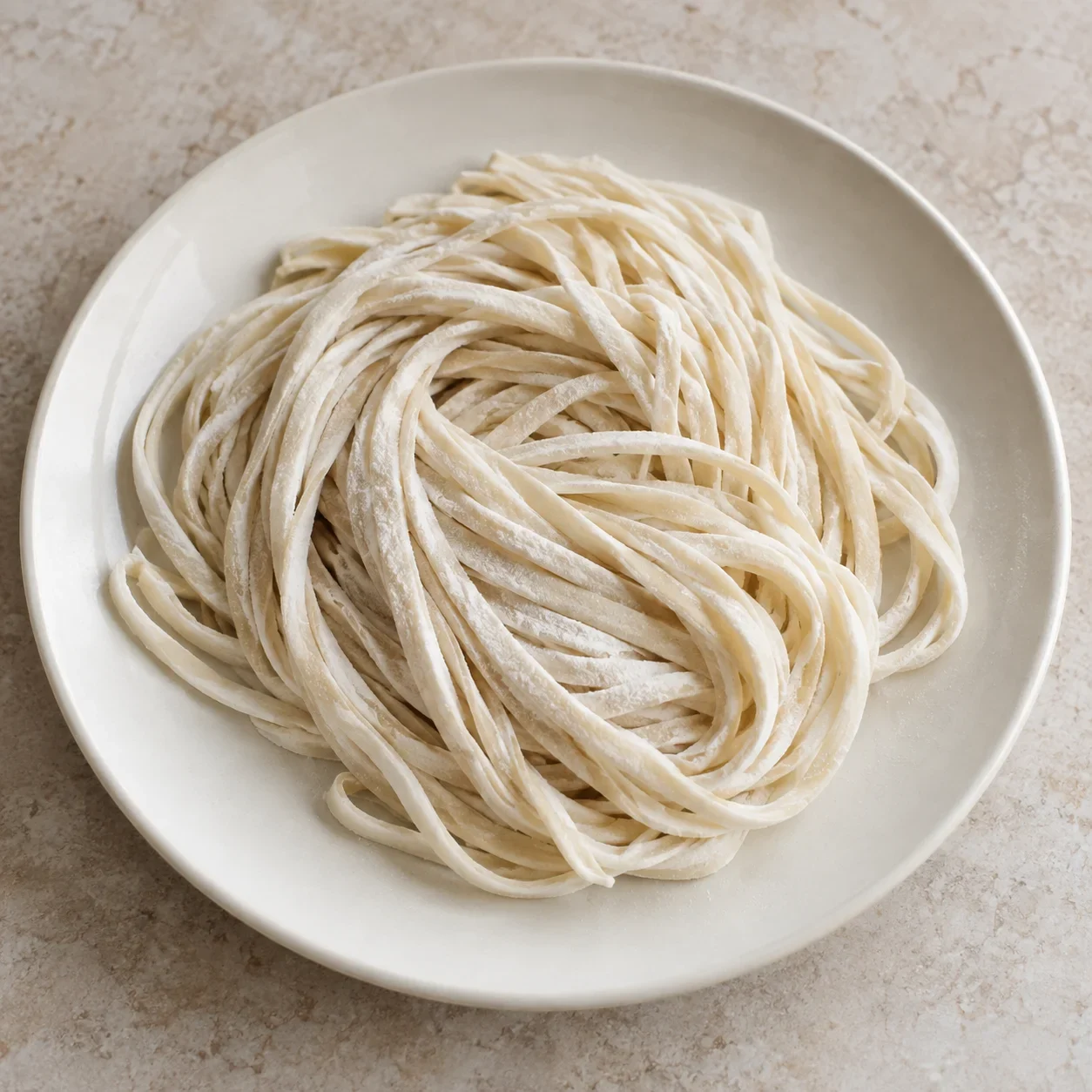
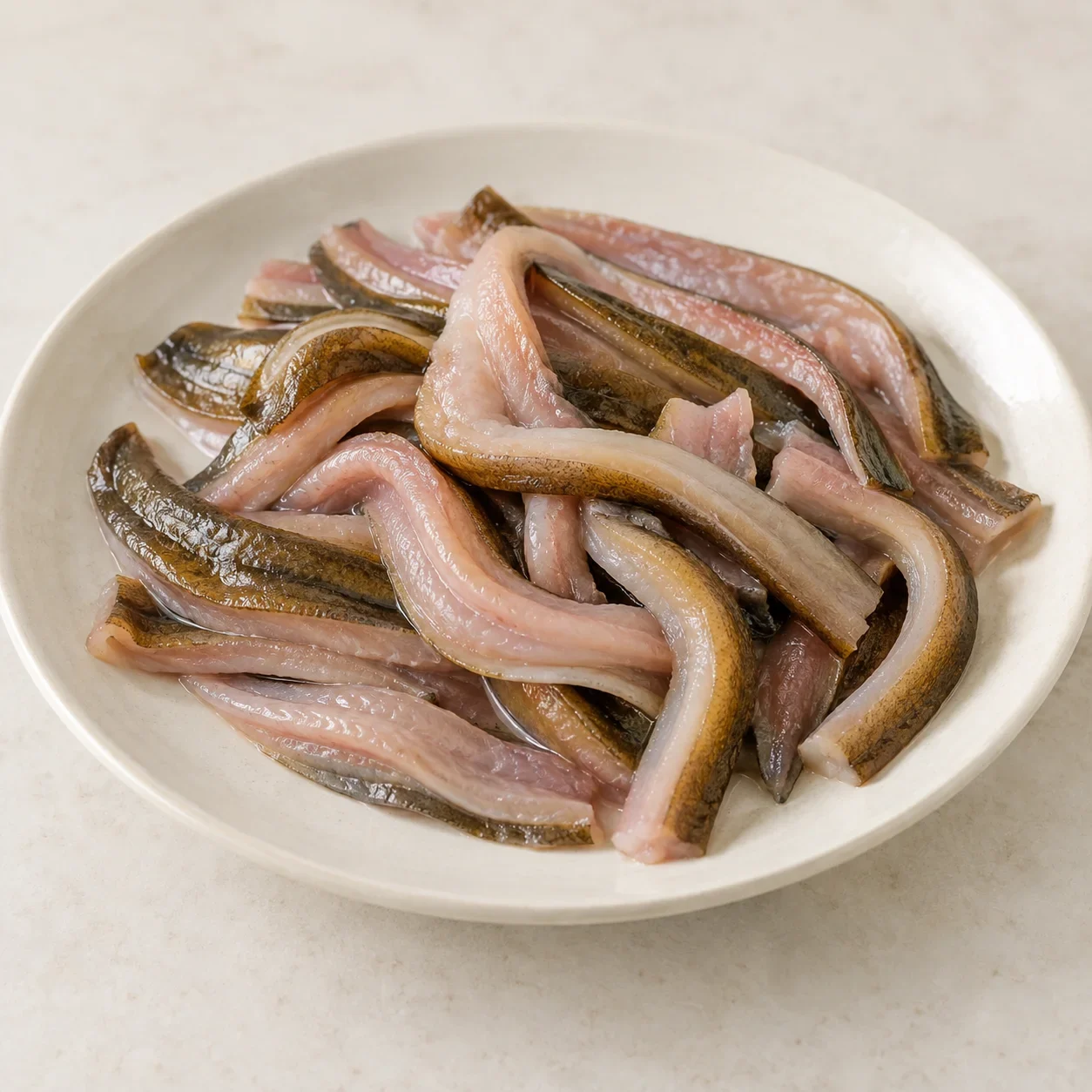
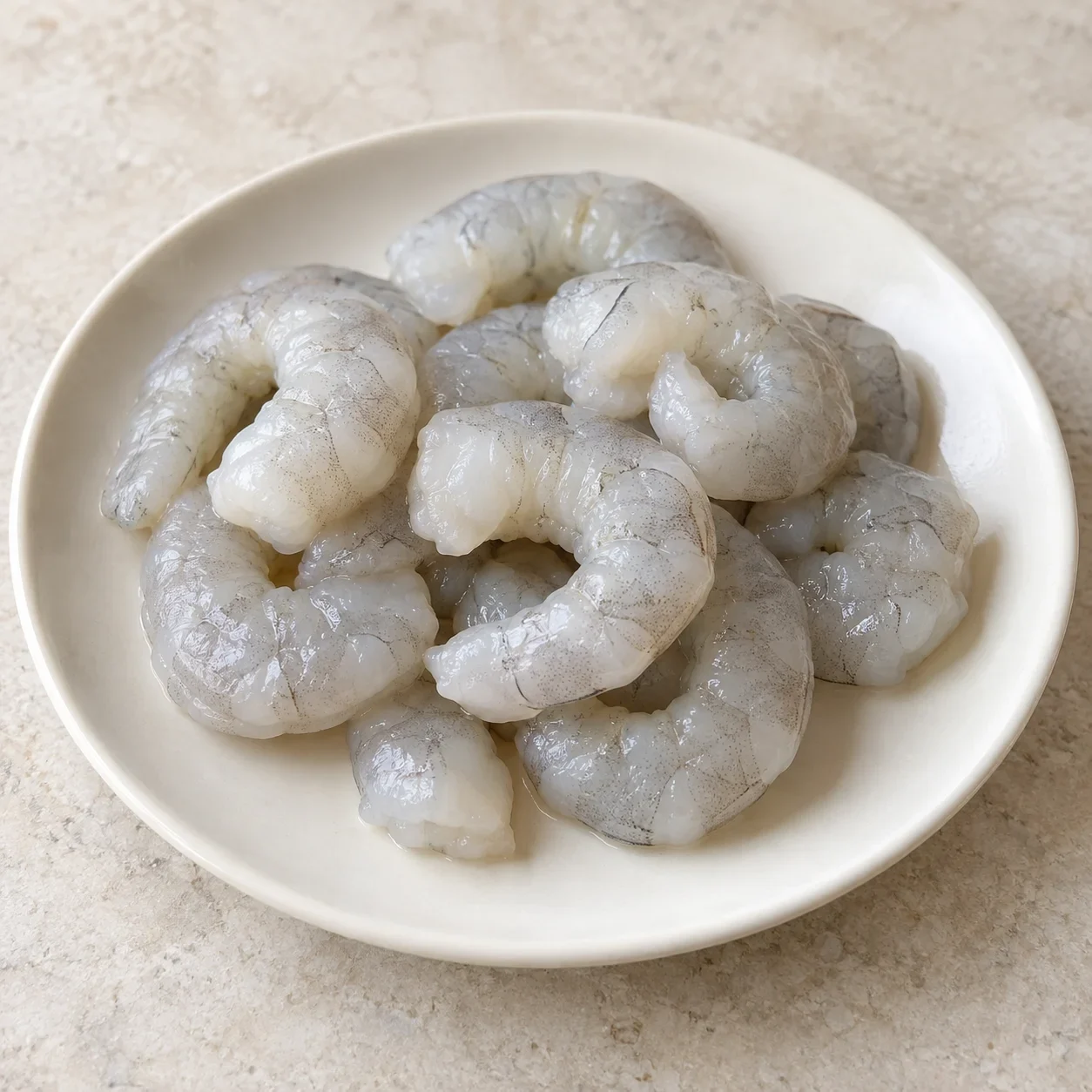
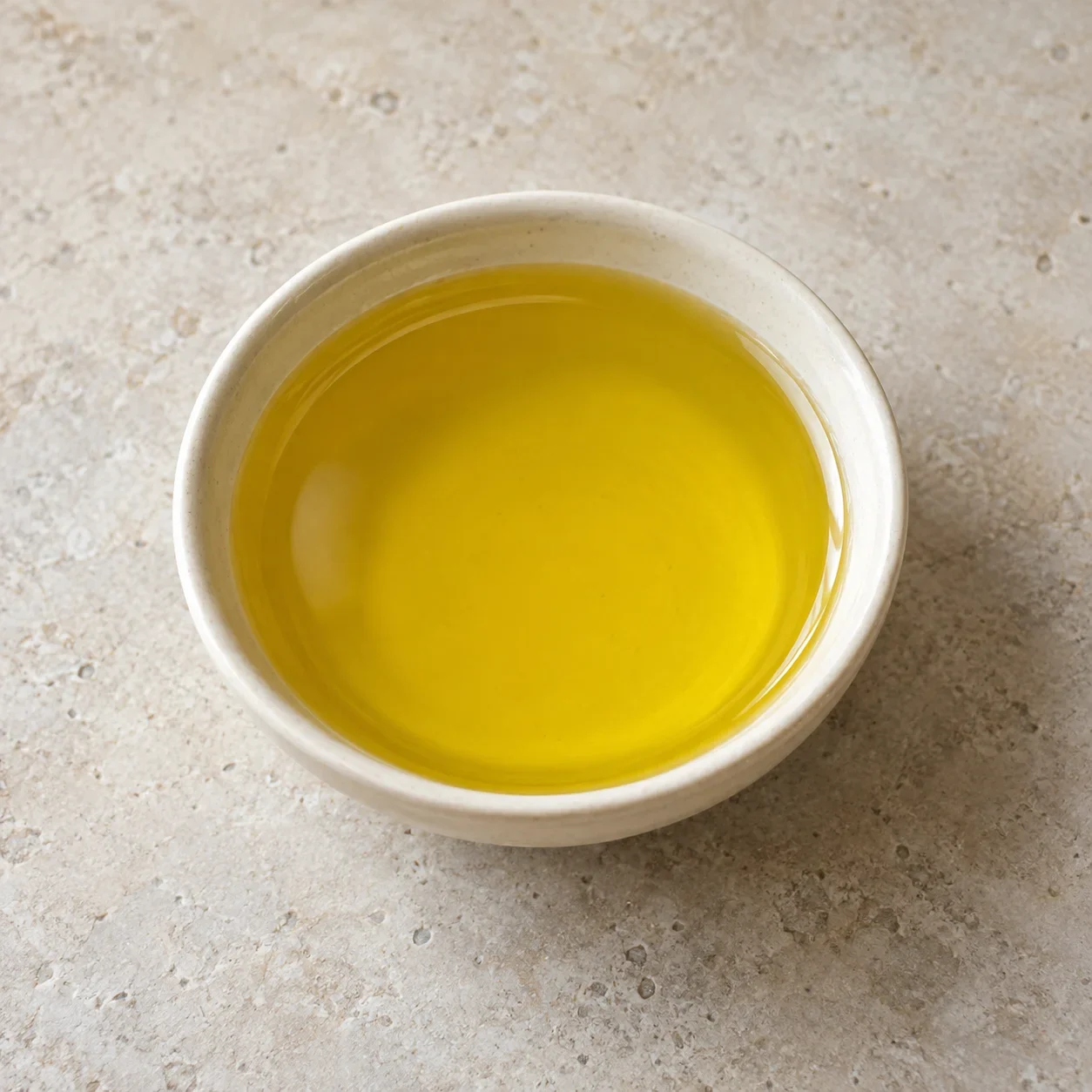
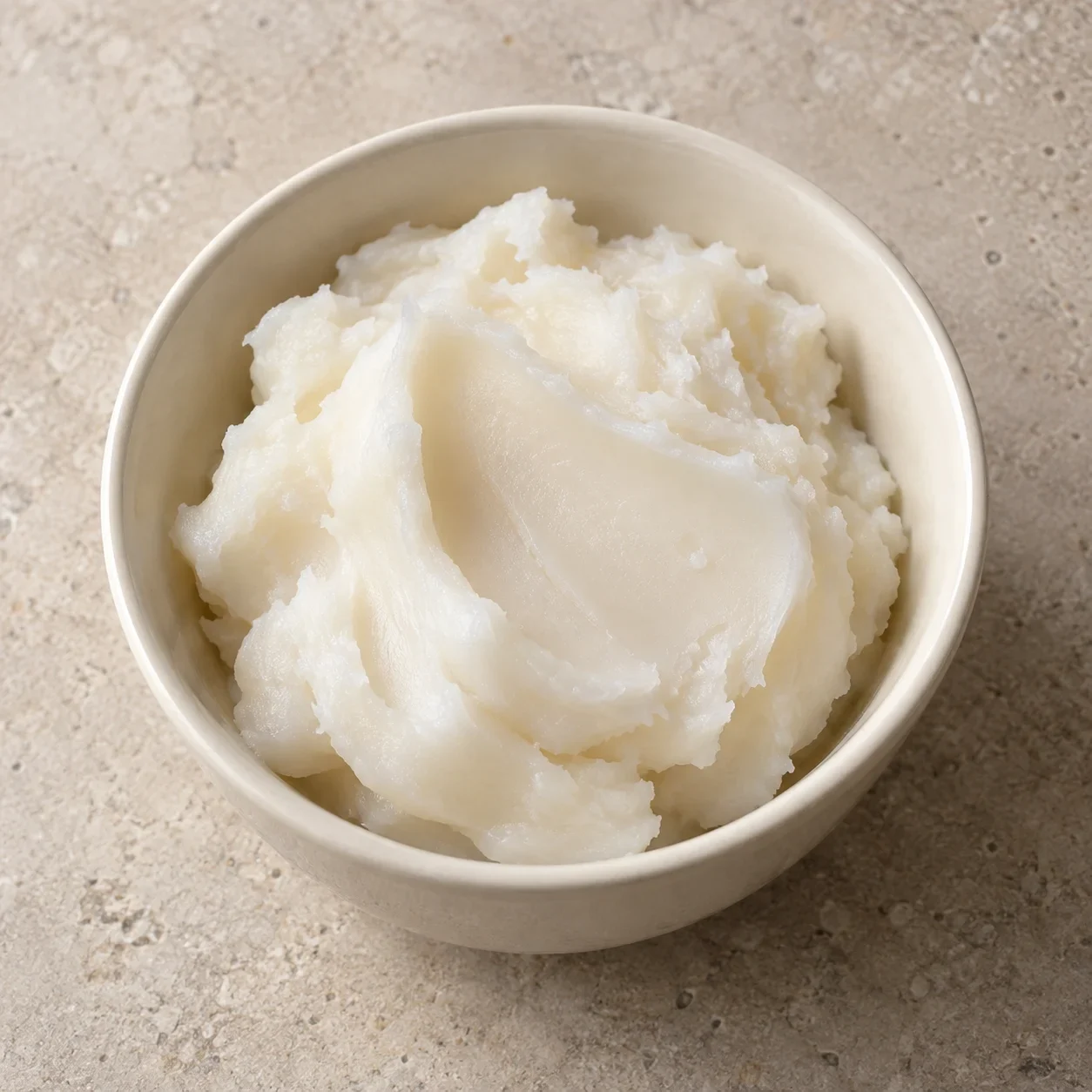
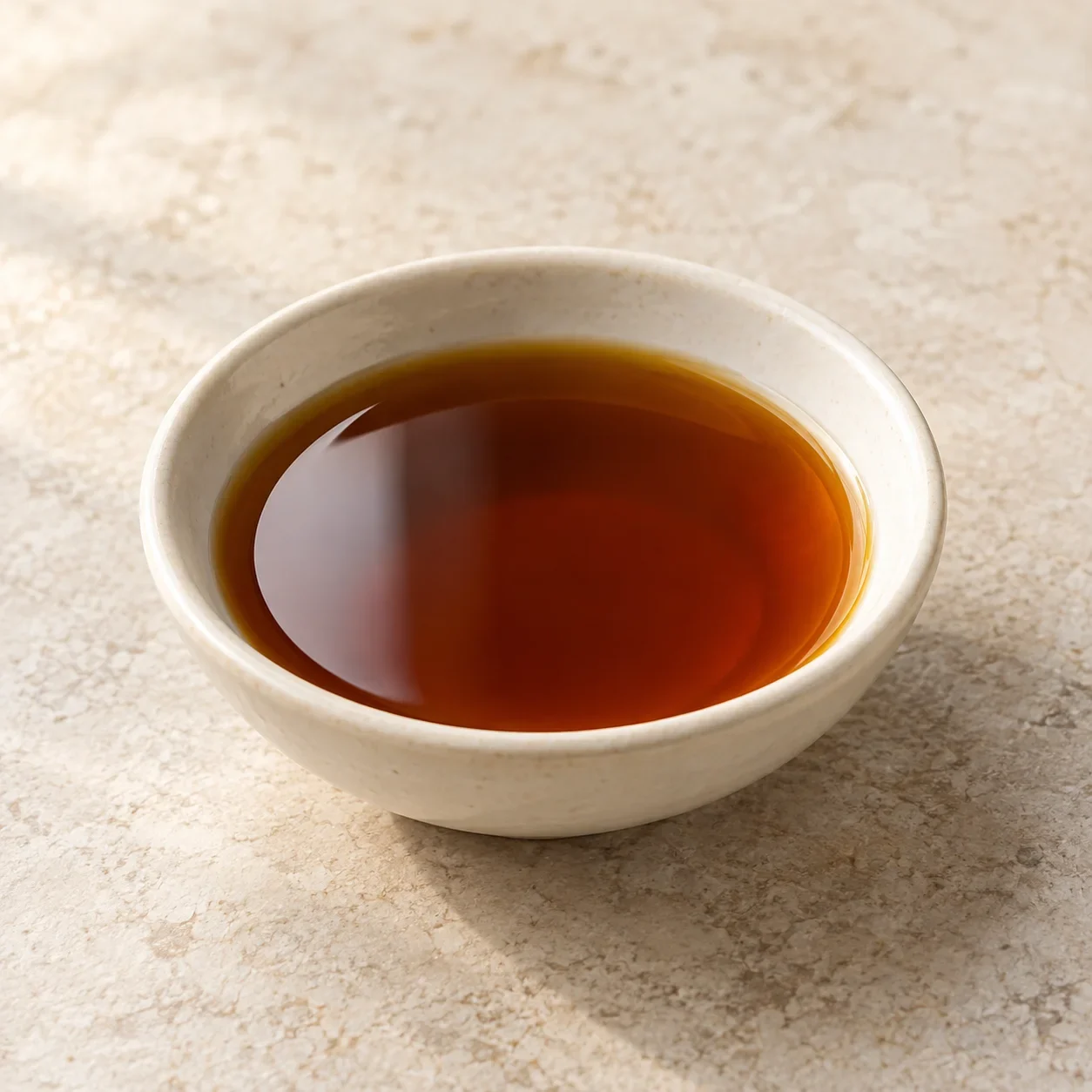
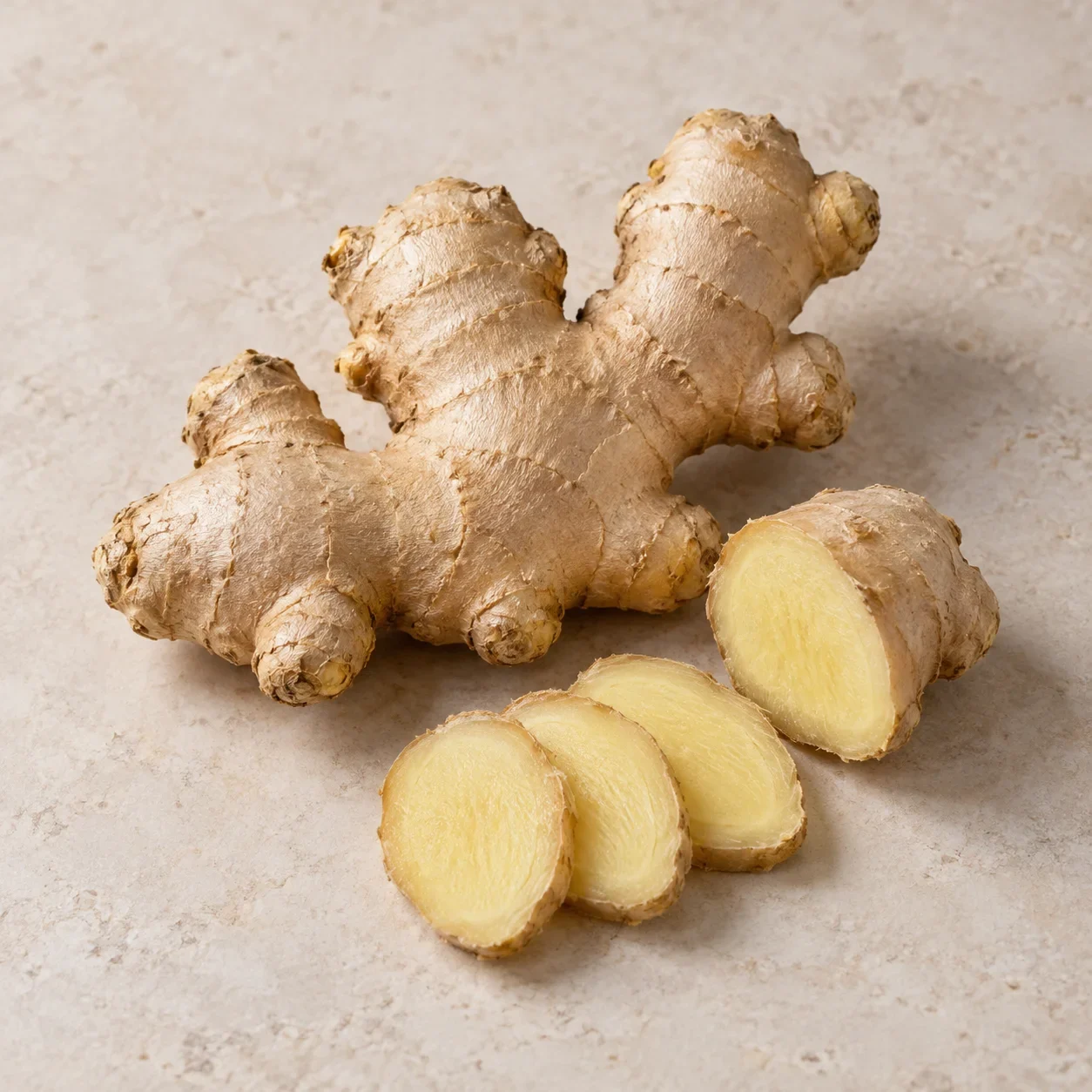


In some versions
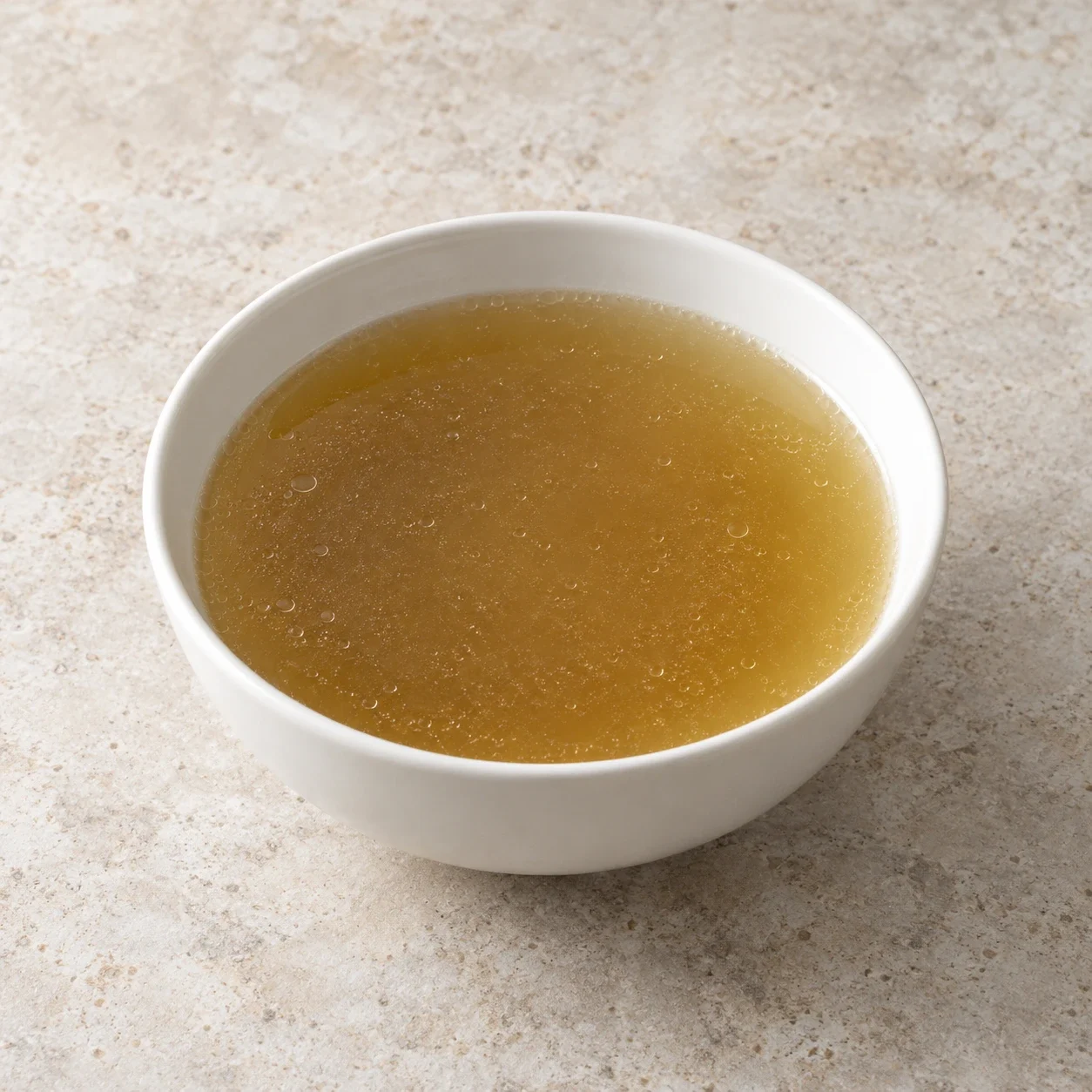
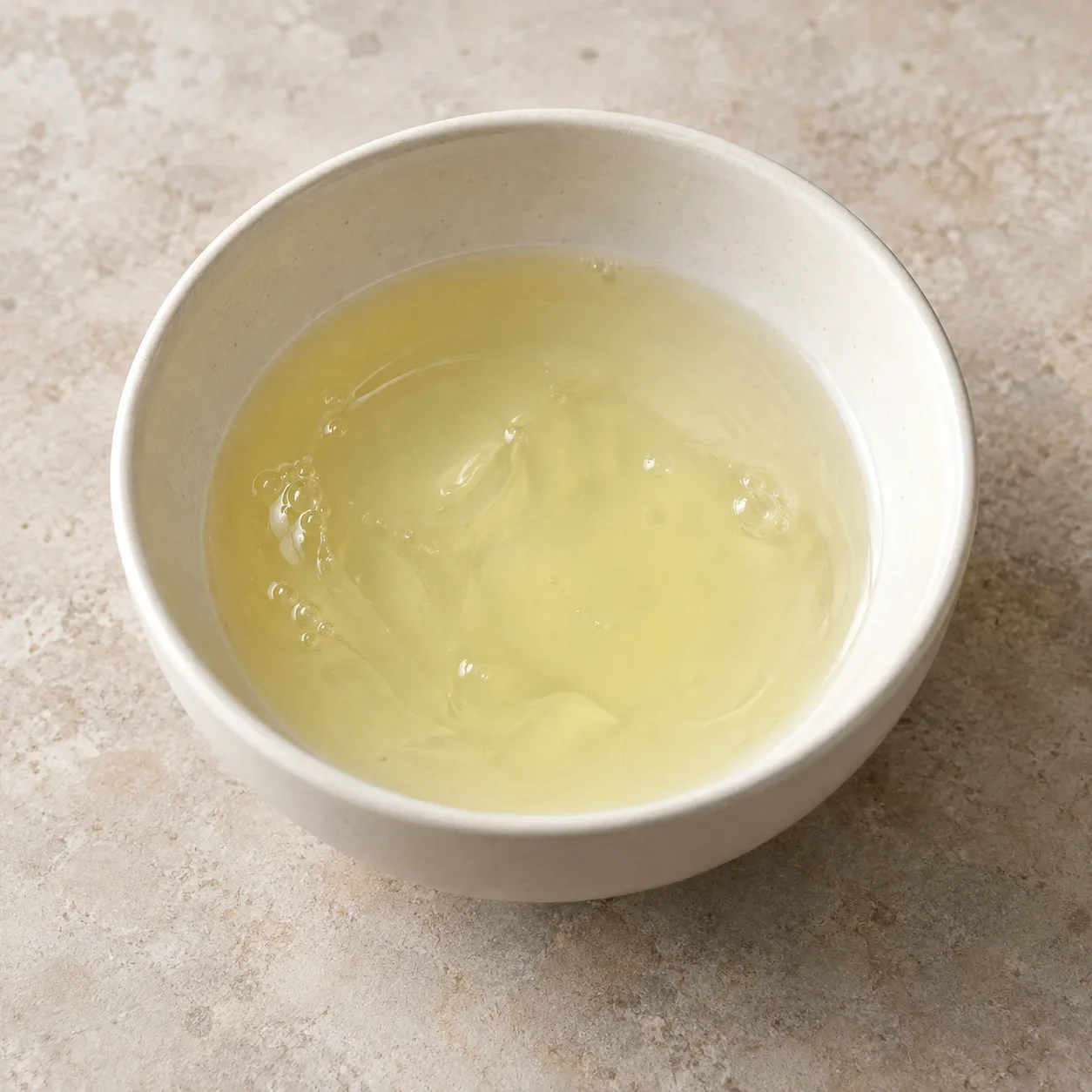
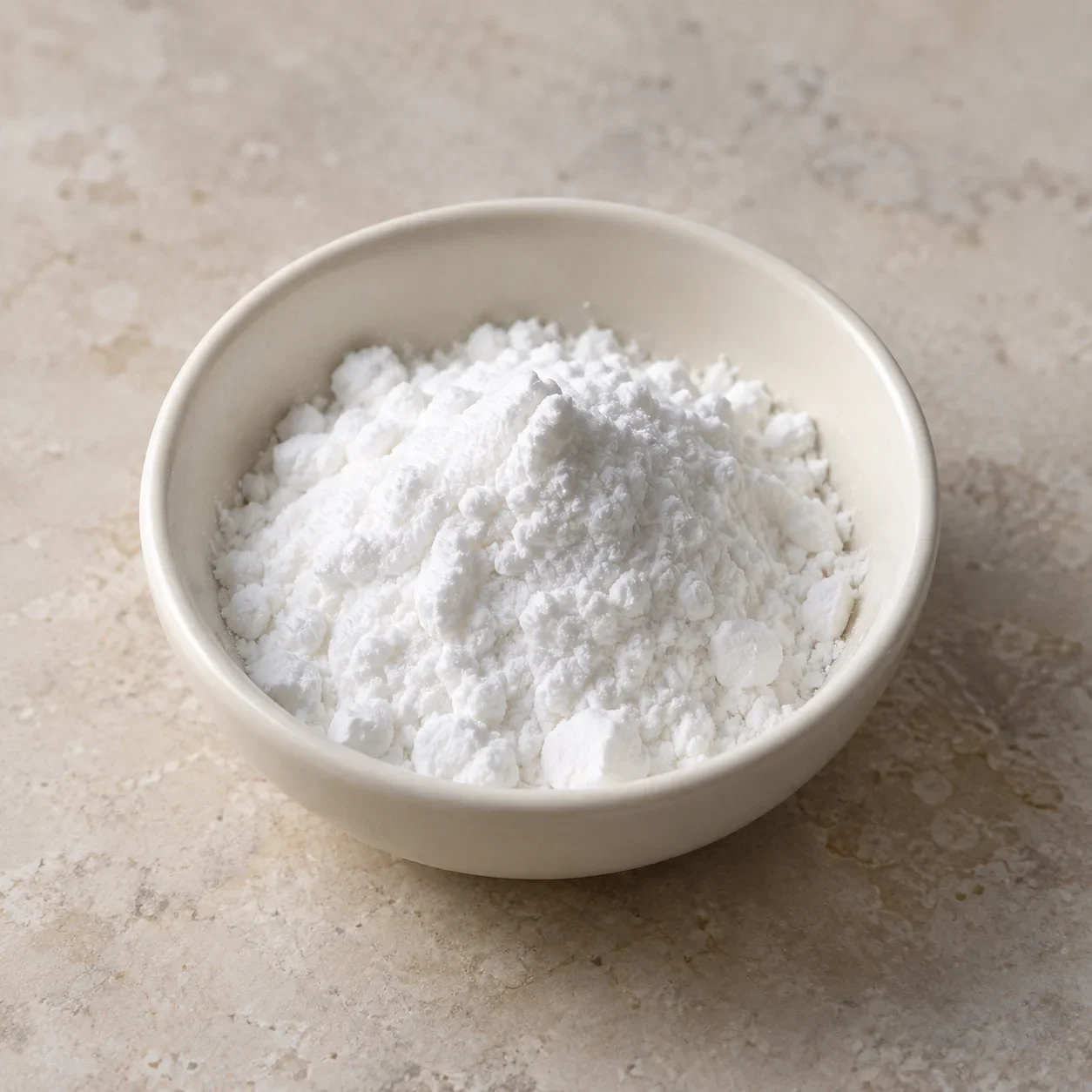
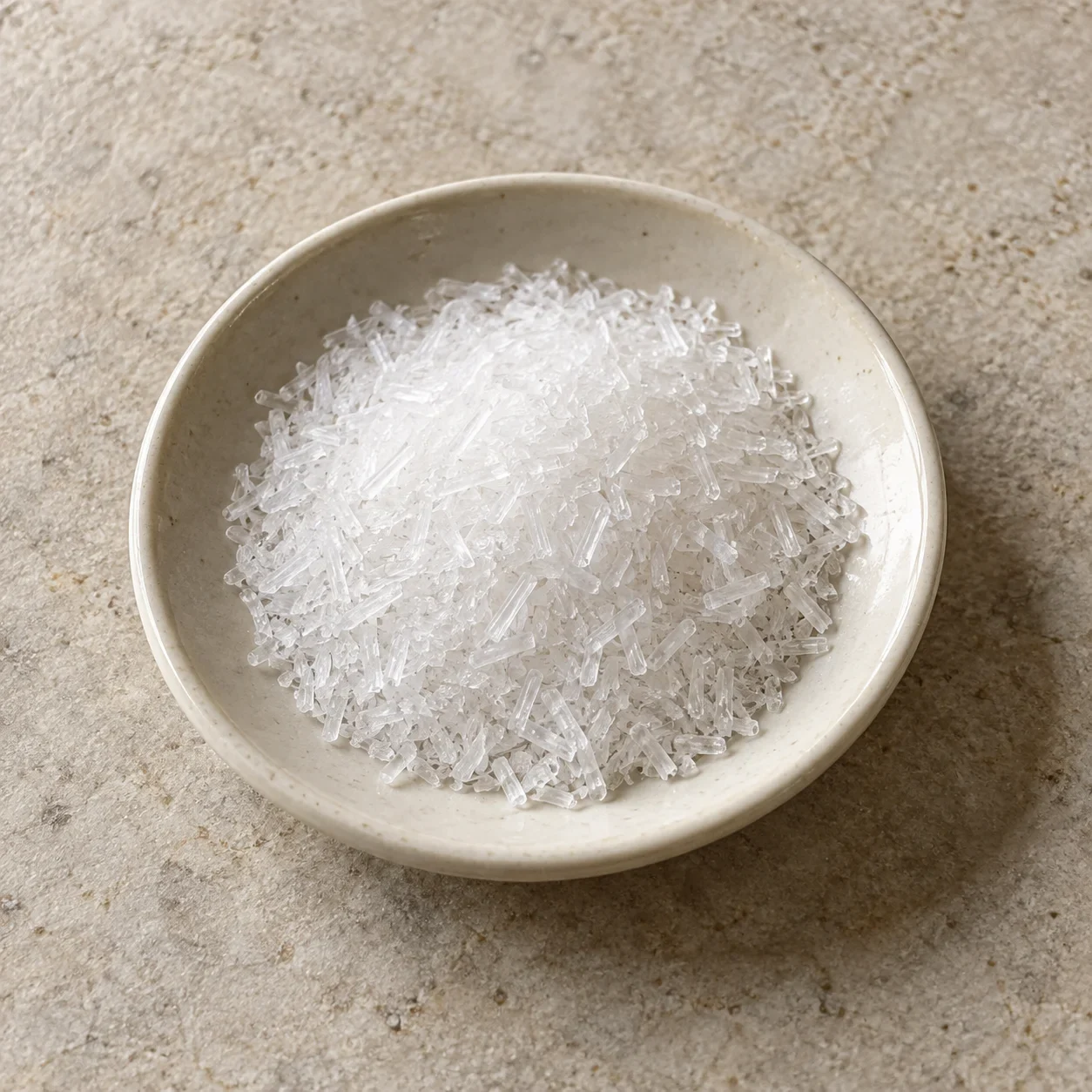
Recipes vary by restaurant.
How does it taste?
Rich eel and shrimp flavor, savory broth and a fragrant sesame-oil finish.
- Chili heat
- Texture
- Springy noodles, tender shrimp and fried eel whose crisp edges soften in the soup.
- How it’s made
- Deboned eel is fried in rapeseed oil, then cooked with lard and aromatics; sesame oil finishes the dish. The noodles absorb seasoned broth and eel juices. Shrimp are cooked separately, often after a light egg-white and starch coating.
Onion, green garlic or scallion, stock and seasoning vary. Soy sauce, rice wine, sugar, salt and MSG feature in representative recipes. The basic bowl need not contain chili; ask before adding chili oil.
A CONNECTION TO PLACE
Origin & regional roots
Associated with Zhejiang.
Ask if they have it first
请问你们有虾爆鳝面吗?
Do you have this item?
A LITTLE SOMETHING TO READ
Story & history
A noodle-shop contrast of textures
This account describes a tradition or story, rather than an established historical fact.
Hangzhou noodle shops prepare eel and shrimp separately before bringing them together over noodles. The three-oil technique—rapeseed oil, lard and sesame oil—builds aroma, while the broth carries the topping’s flavor into the noodles.