
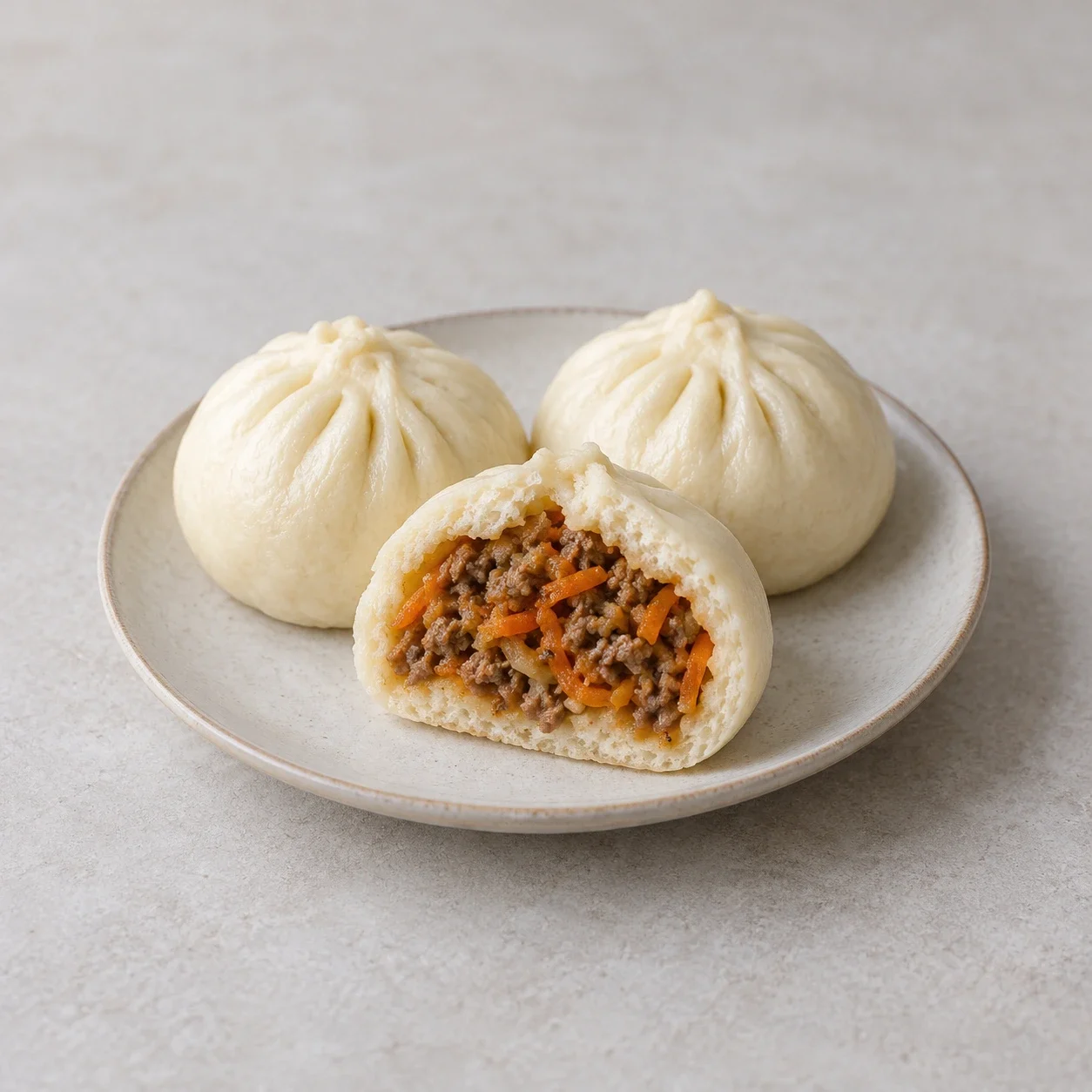
At the table
Break open a bun, allow the hot filling to cool, and eat in small bites. Remove any paper underneath.
Contains wheat and beef. The filling can be hot; ask about other seasonings if you have allergies.
A vegetable-named bun can contain meat: the carrot filling here includes beef.
GET TO KNOW THE DISH
What goes into it?
Explore some key ingredients below. Preparations may use additional seasonings and ingredients.
Salar banquets include several bun fillings; this description is specifically the beef-and-carrot version.
Typical ingredients
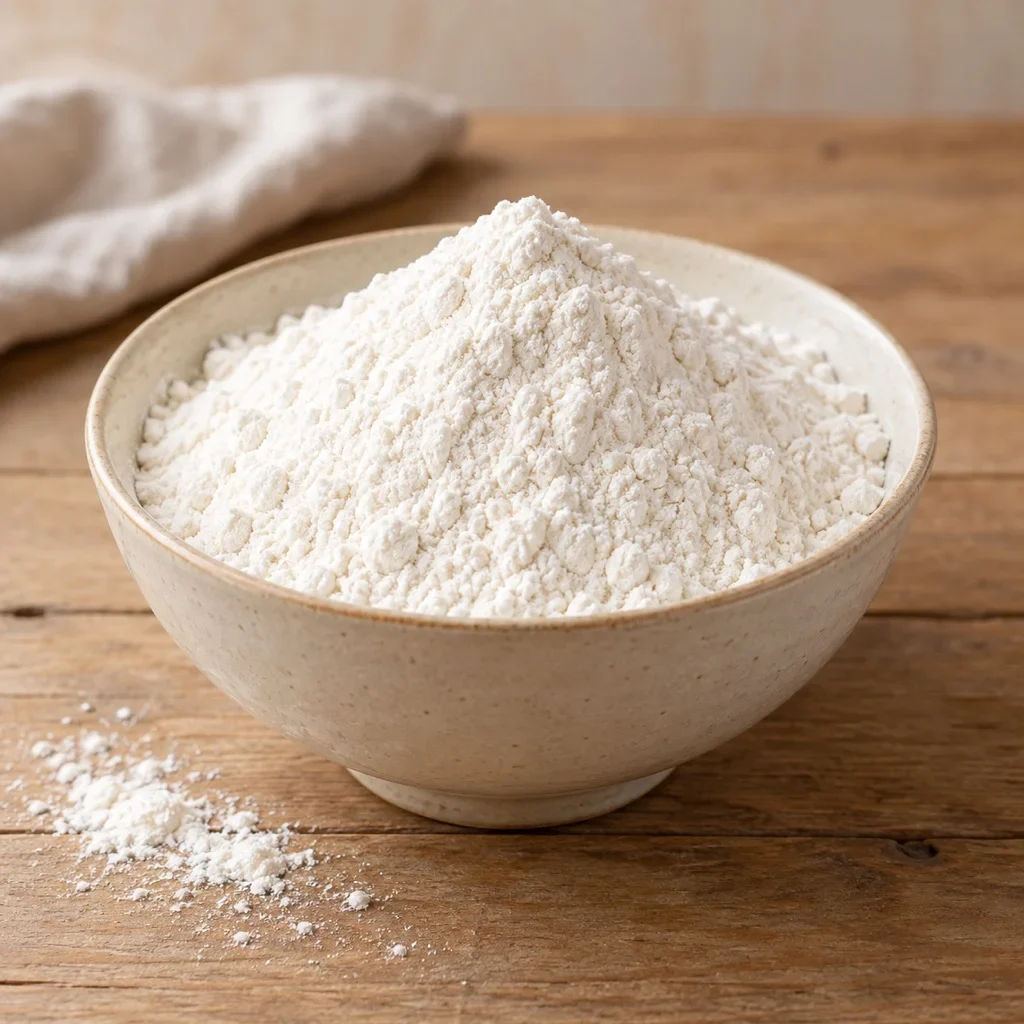
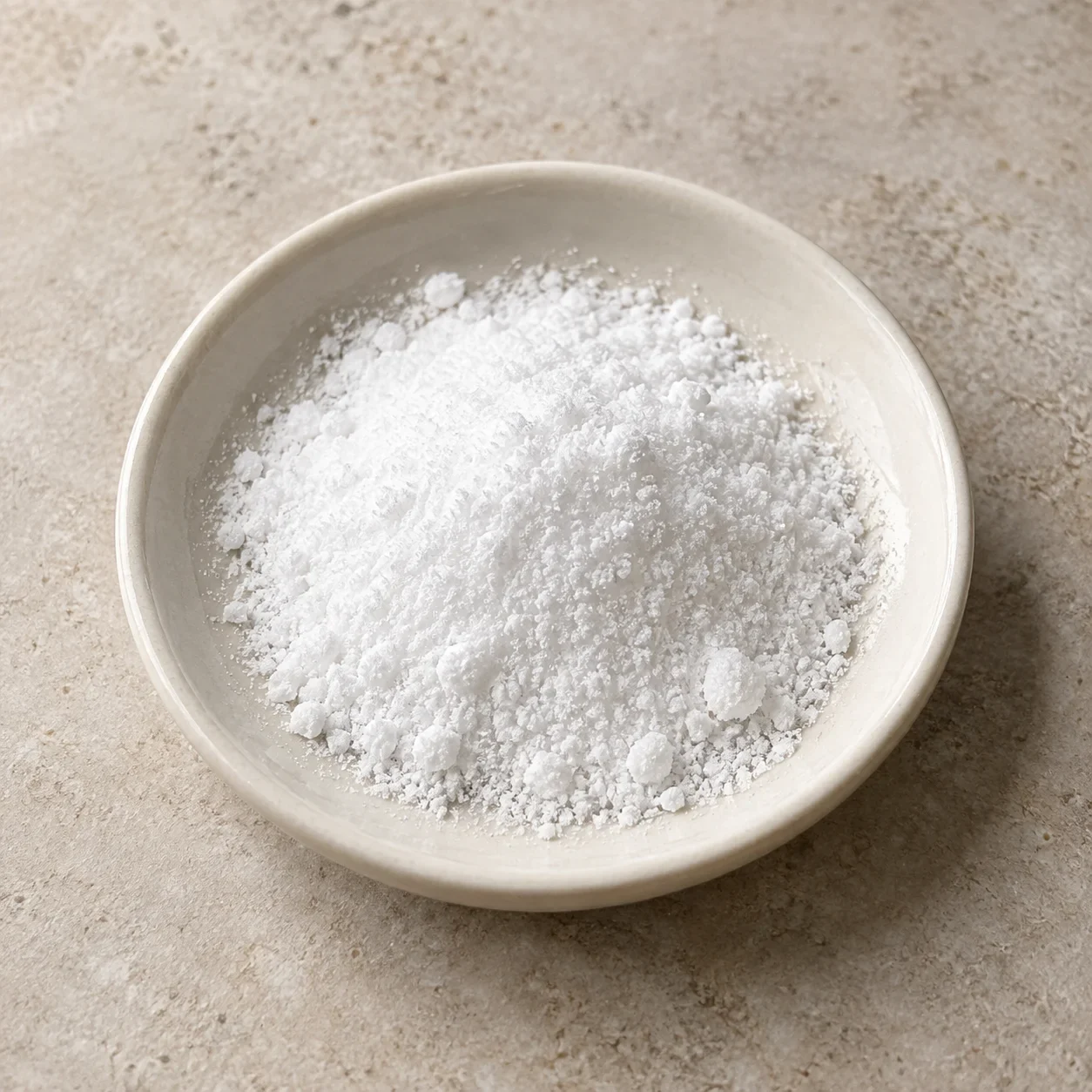
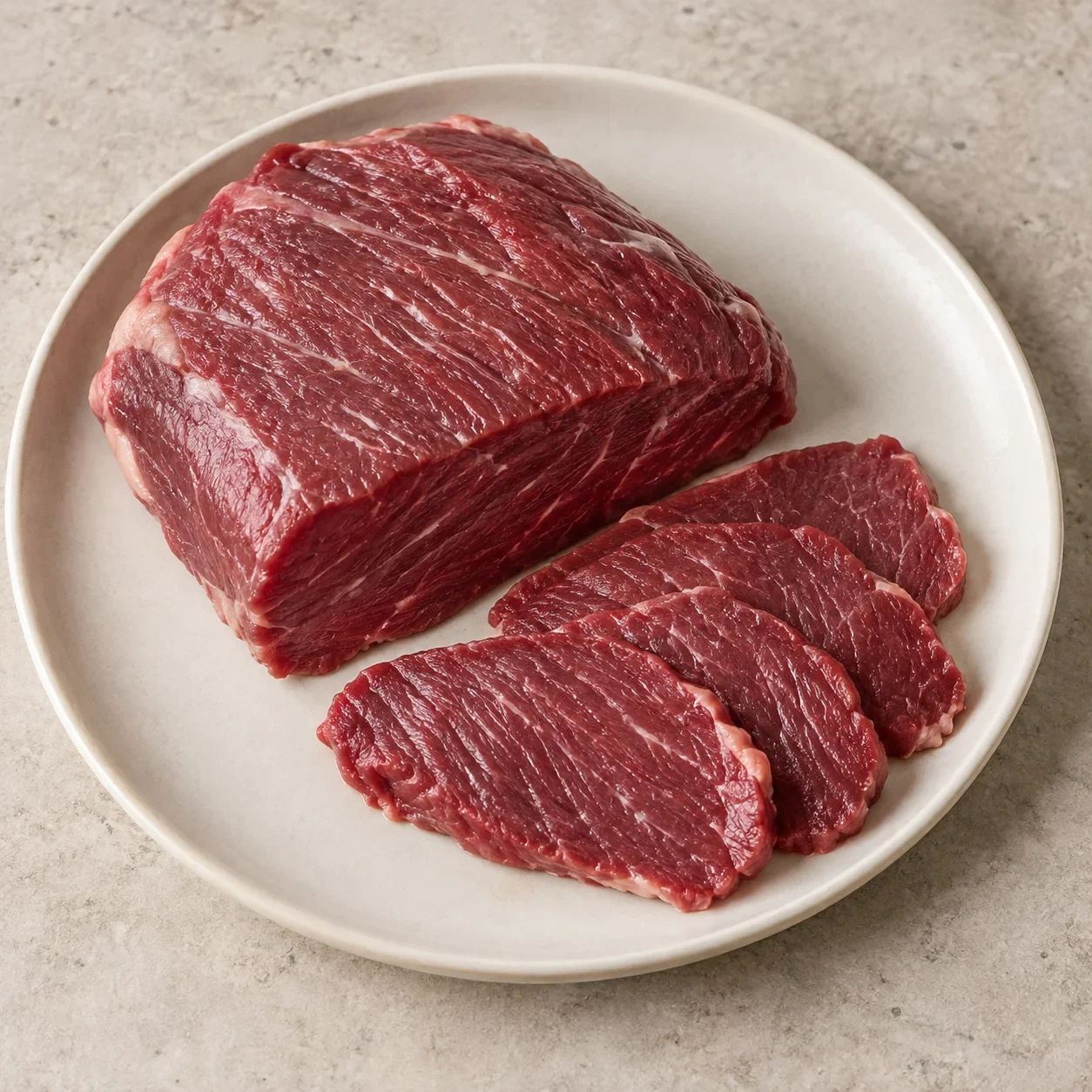
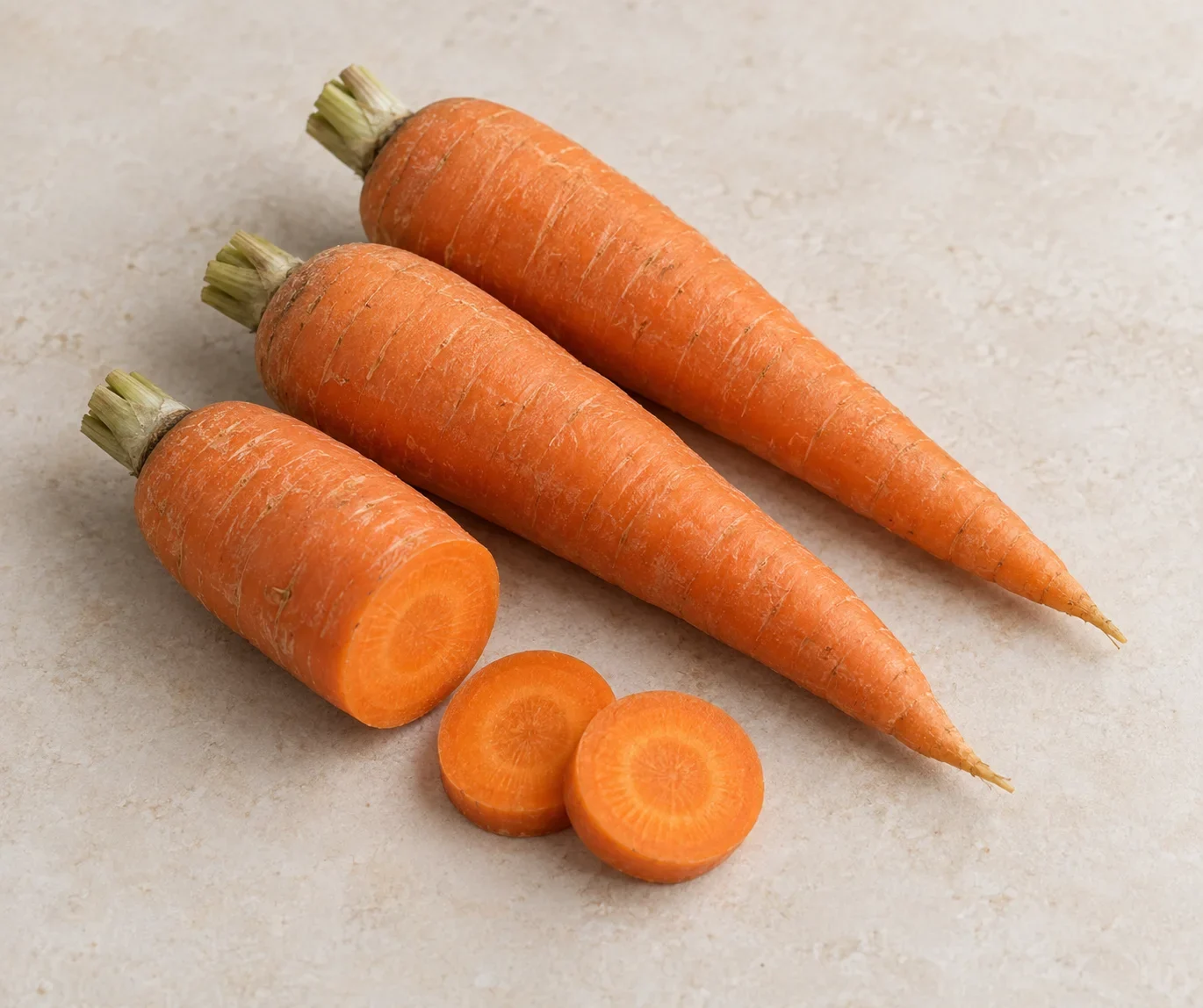
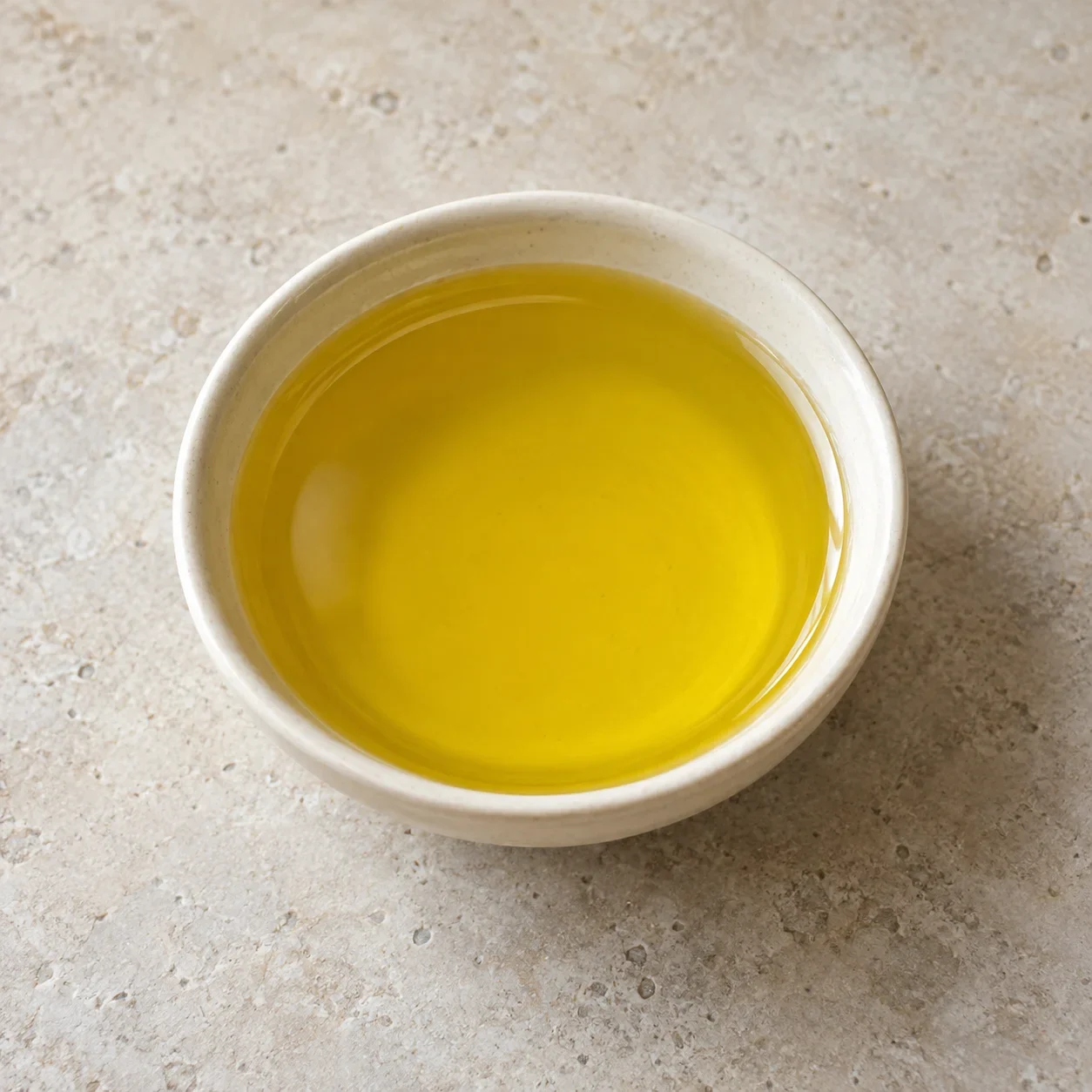
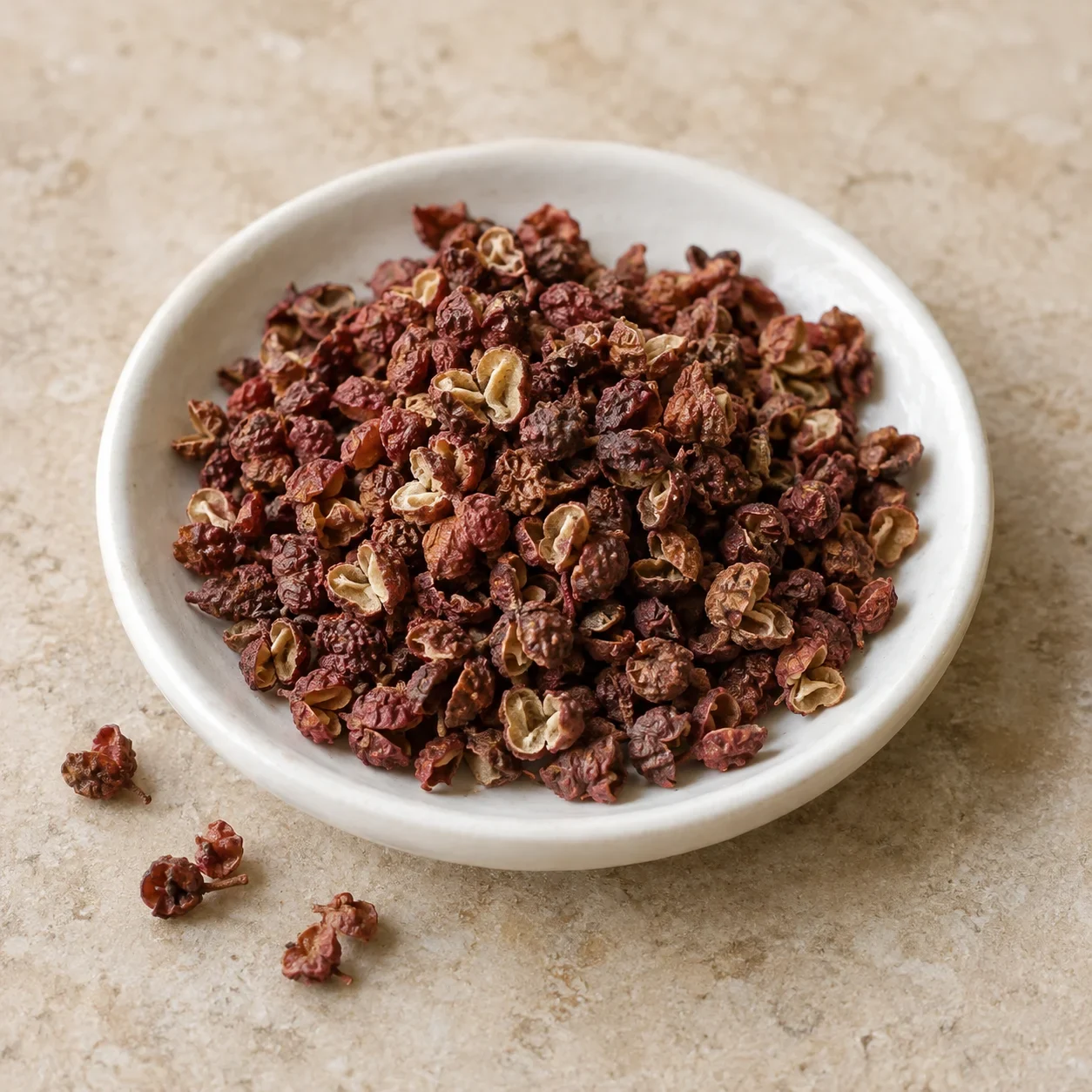
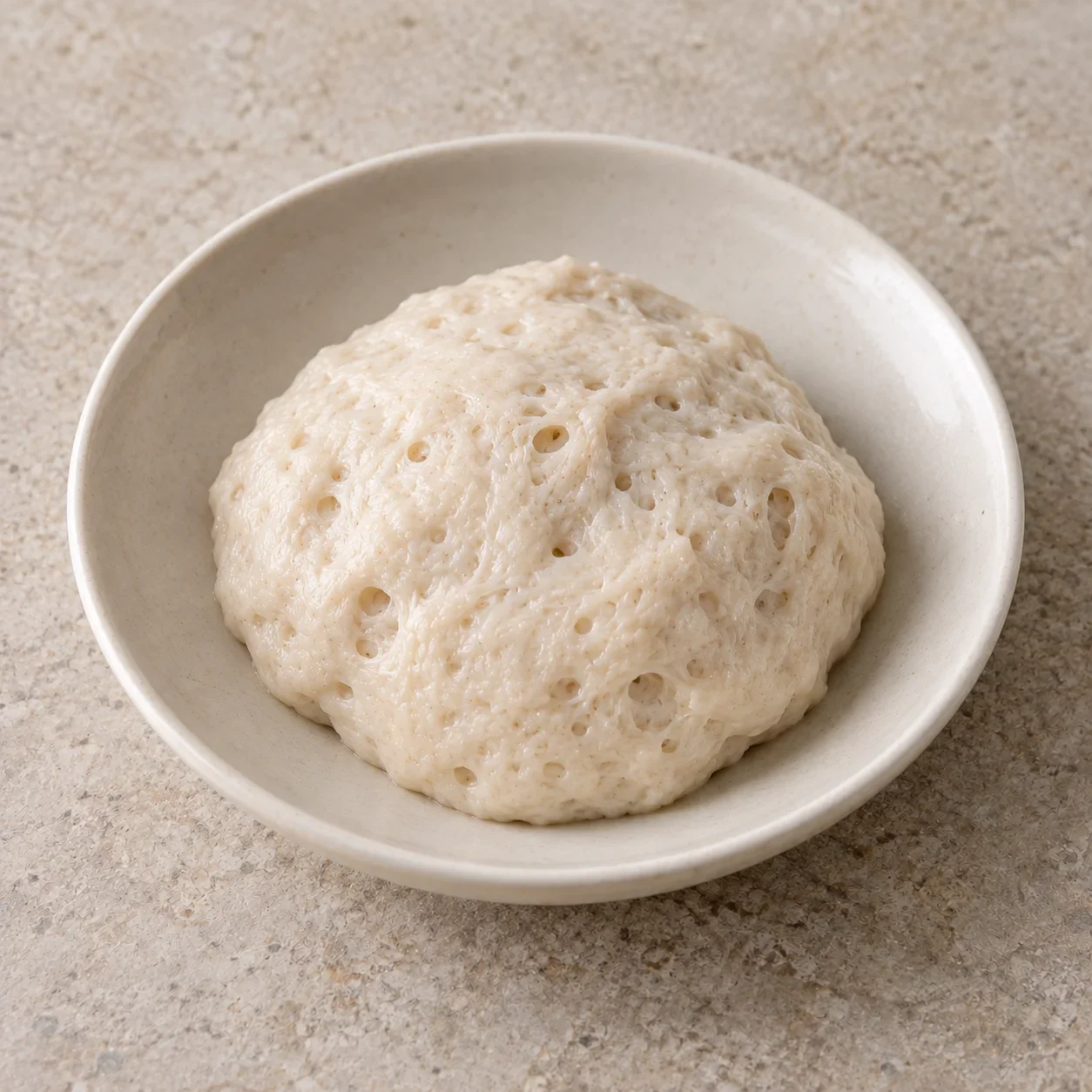
Recipes vary by restaurant.
How does it taste?
Savory beef, sweet carrot and aromatic Sichuan pepper.
- Chili heat
- Texture
- Soft fermented dough and tender cooked filling.
- How it’s made
- Beef mince and carrot are cooked in rapeseed oil with Sichuan pepper, then wrapped in fermented wheat dough adjusted with culinary alkali and steamed.
Salar banquets include several bun fillings; this description is specifically the beef-and-carrot version.
A CONNECTION TO PLACE
Origin & regional roots
Its origins are linked to Qinghai.
About this regional connection
Qinghai: Representative regional version; see linked source review.
Ask if they have it first
请问你们有撒拉包子吗?
Do you have this item?
A LITTLE SOMETHING TO READ
Story & history
Buns at a Salar feast
In Xunhua, steamed buns form part of the varied wheat foods on a Salar feast table. Different fillings offer contrast alongside other shared dishes.