
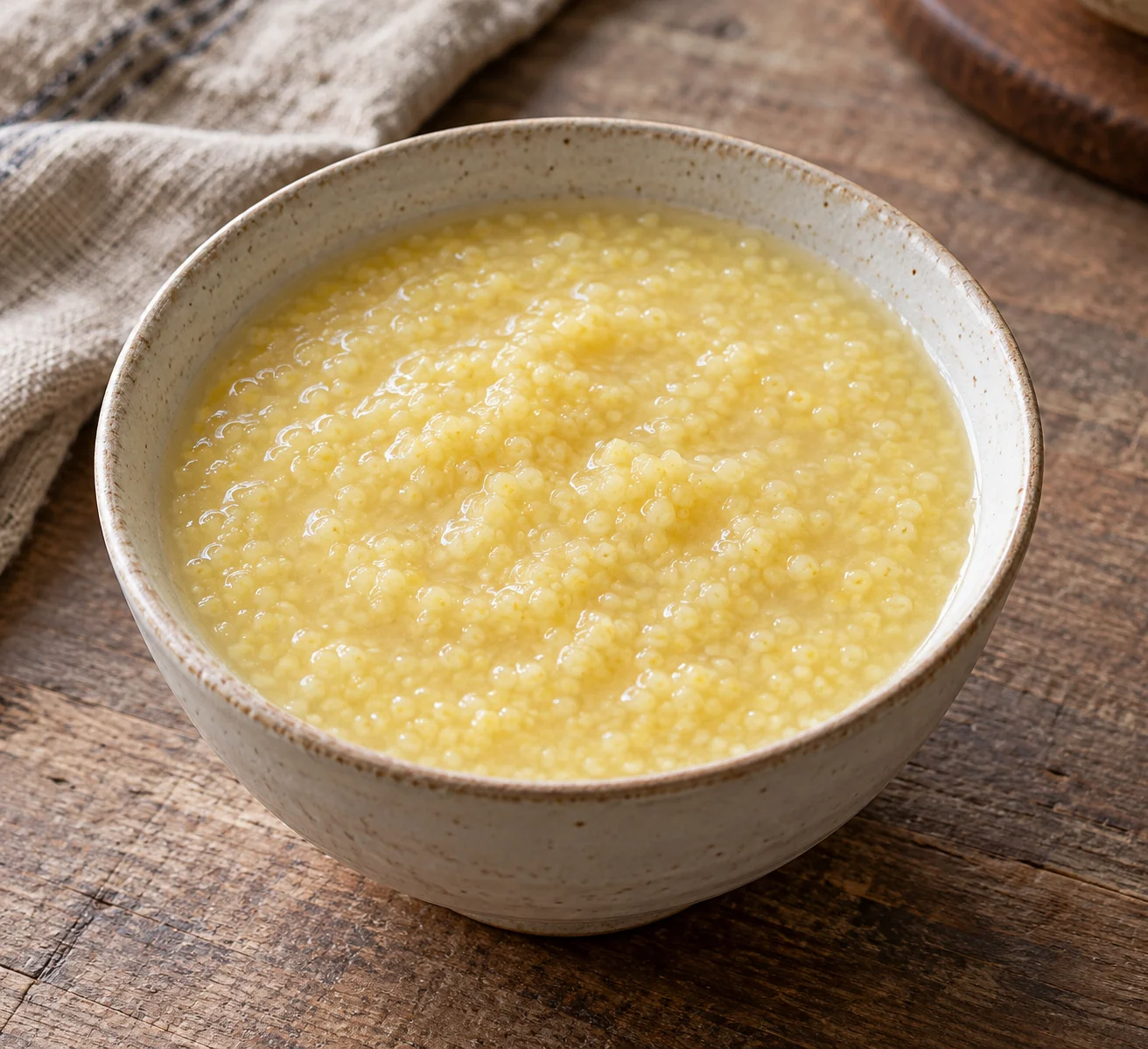
At the table
Eat with a spoon and add the offered condiments to taste. Ask whether the bowl is plain or already mixed with seasoned oil or meat.
The plain grain base is plant-based, but toppings and seasoned fats may contain meat or lard. Check the whole serving before choosing it as vegetarian or vegan. Fermentation does not make a dish allergen-free; grain mixtures and condiments vary.
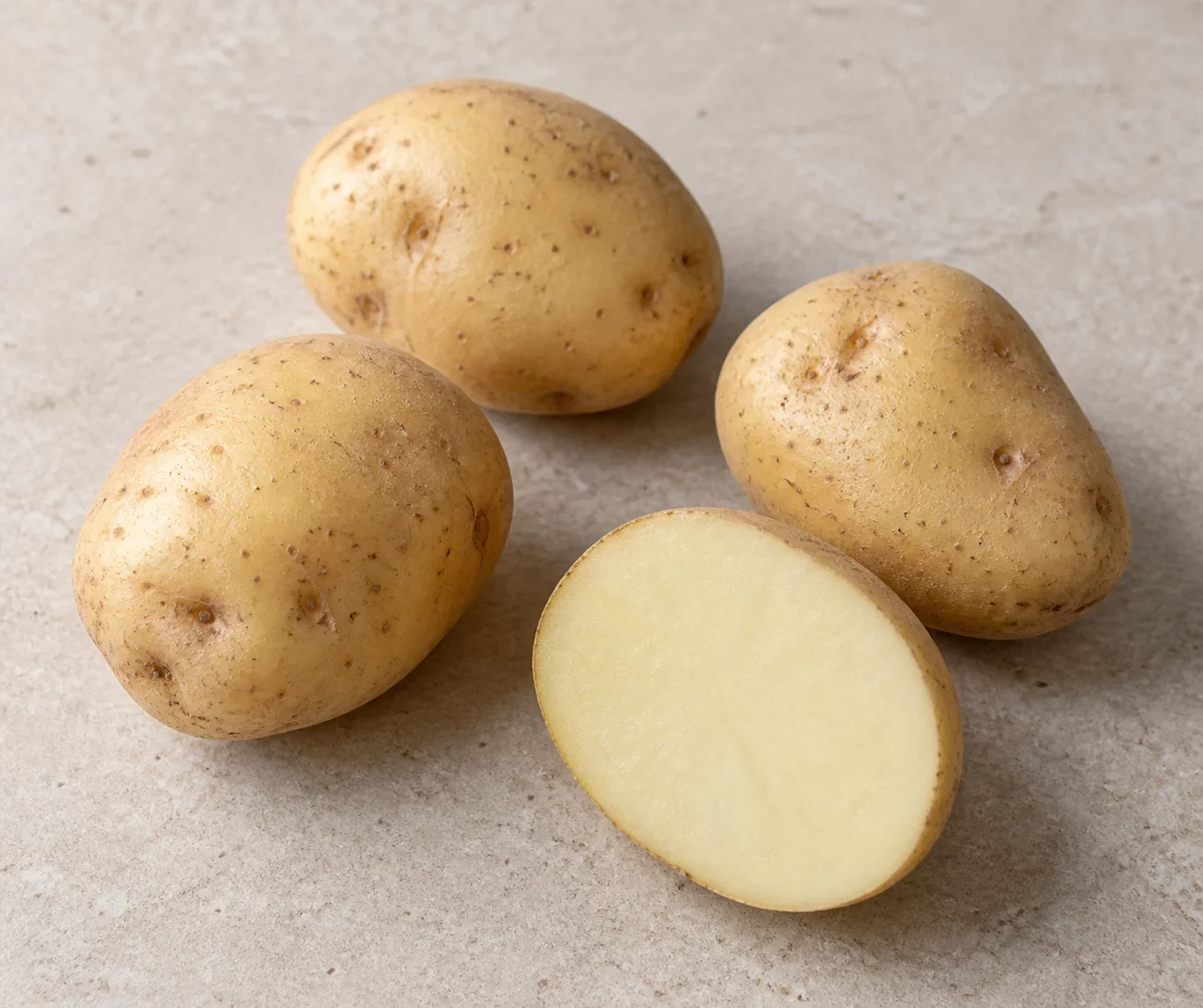
Potato is a common addition in Zhungeer. Other versions use rice or other grains and vegetables; stir-fried sour porridge is a separate preparation.
GET TO KNOW THE DISH
What goes into it?
Explore some key ingredients below. Preparations may use additional seasonings and ingredients.
Potato is a common addition in Zhungeer. Other versions use rice or other grains and vegetables; stir-fried sour porridge is a separate preparation.
Typical ingredients
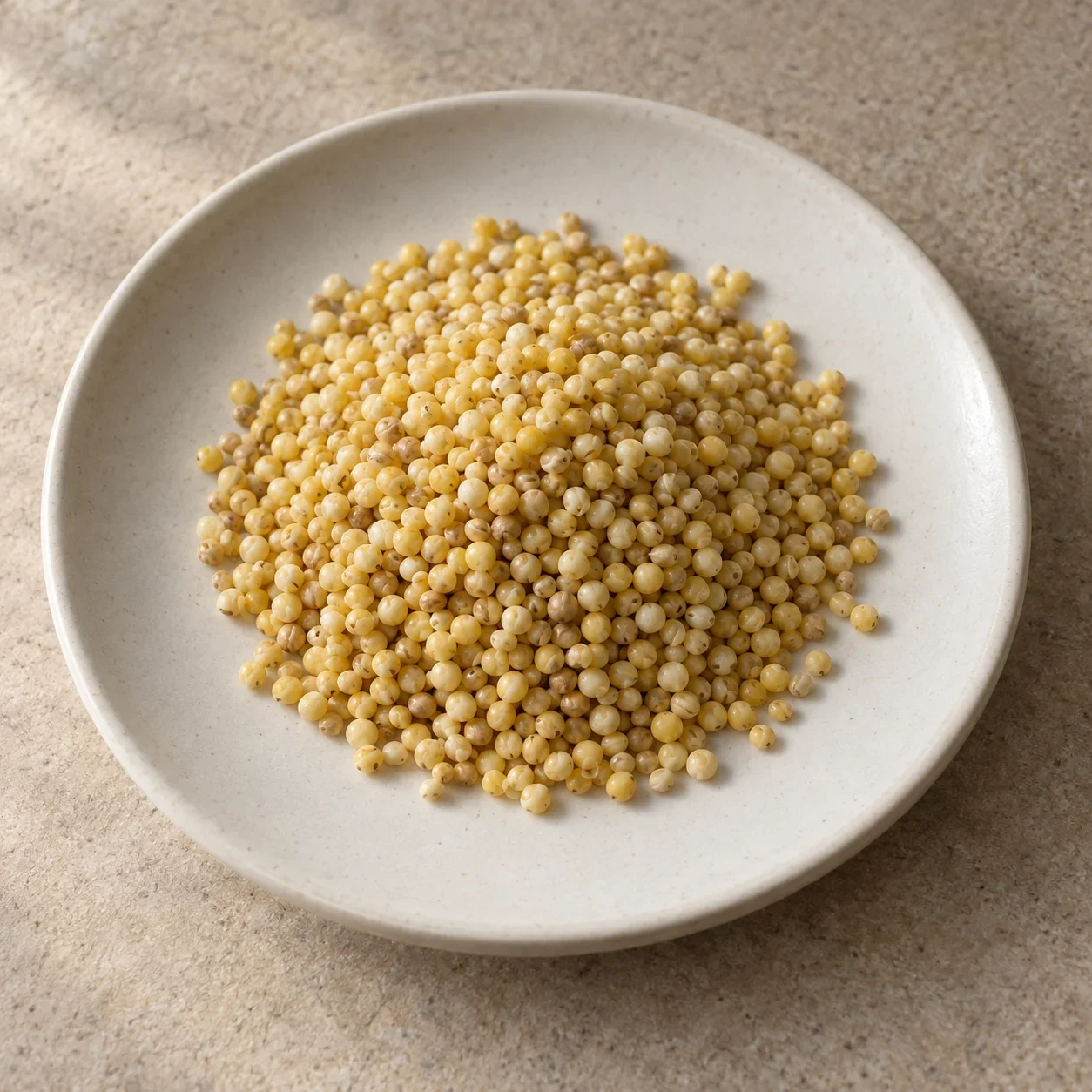
In some versions
Recipes vary by restaurant.
How does it taste?
Tangy with a gentle grain aroma; the plain porridge has no chilli heat. Added oils and condiments change the flavour.
- Chili heat
- Texture
- Soft cooked grains in a thick, spoonable porridge; thinner and firmer versions are also served.
- How it’s made
- Hulled proso millet is traditionally fermented in a sour grain starter, then boiled and stirred until soft.
Potato is a common addition in Zhungeer. Other versions use rice or other grains and vegetables; stir-fried sour porridge is a separate preparation.
A CONNECTION TO PLACE
Origin & regional roots
Associated with Inner Mongolia.
About this regional connection
Inner Mongolia: Zhungeer local government account documents western Inner Mongolian sour porridge.
Ask if they have it first
请问你们有糜米酸粥吗?
Do you have this item?
A LITTLE SOMETHING TO READ
Story & history
Sour porridge in western Inner Mongolia
In Zhungeer households, a jar of sour grain liquid traditionally provides the starter for the next batch. The resulting sour porridge is a familiar breakfast food.