
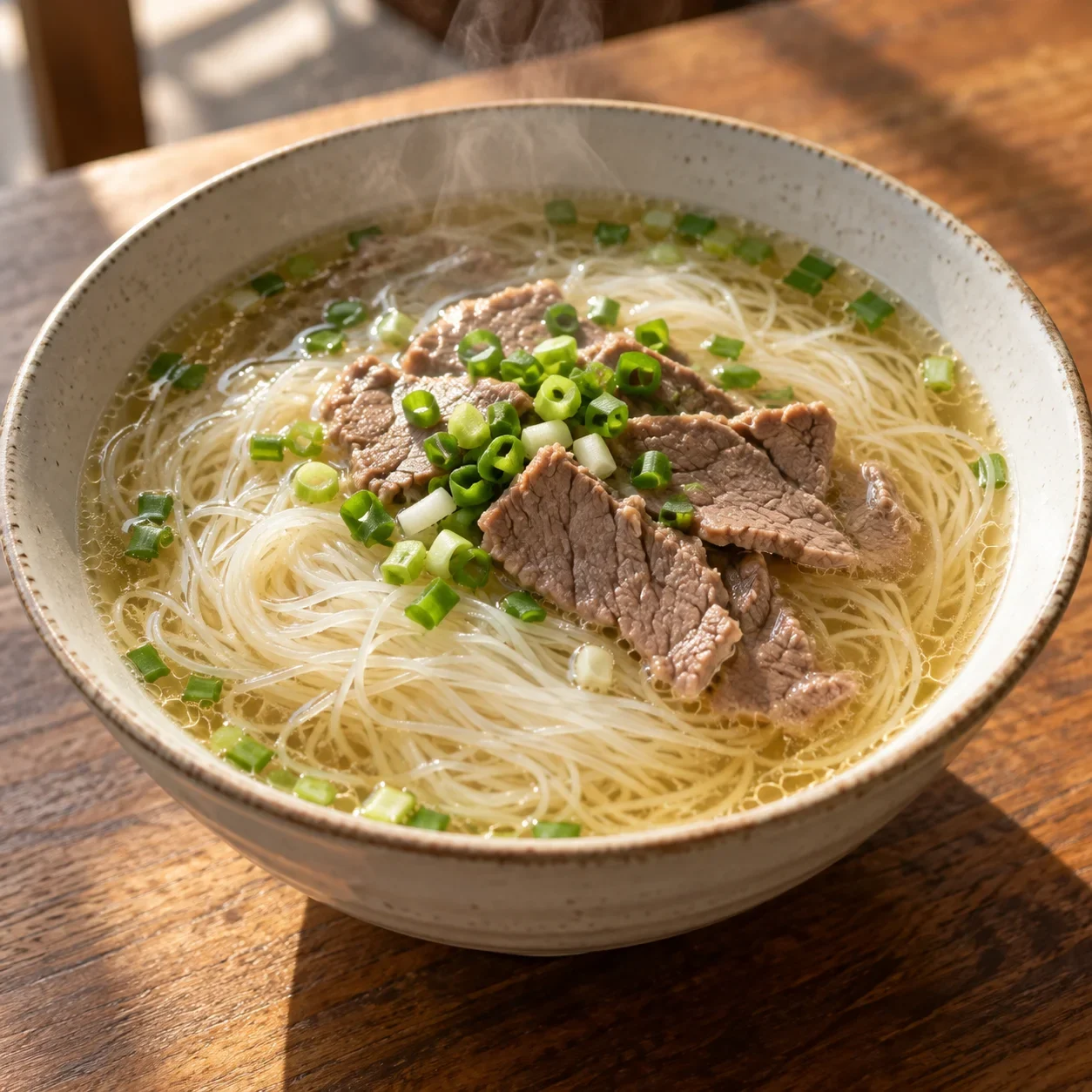
At the table
Use chopsticks or a fork for the fine noodles and a spoon for the broth. Let a small portion cool before eating; try the topping and broth before adding condiments.
The bone stock and meat or offal topping are animal-derived. Ask which topping and seasonings are used, including chili and allergens. Rice noodles alone do not make the whole bowl vegetarian or guarantee it is wheat-free.
GET TO KNOW THE DISH
What goes into it?
Explore some key ingredients below. Preparations may use additional seasonings and ingredients.
Toppings and their seasoning vary.
Typical ingredients
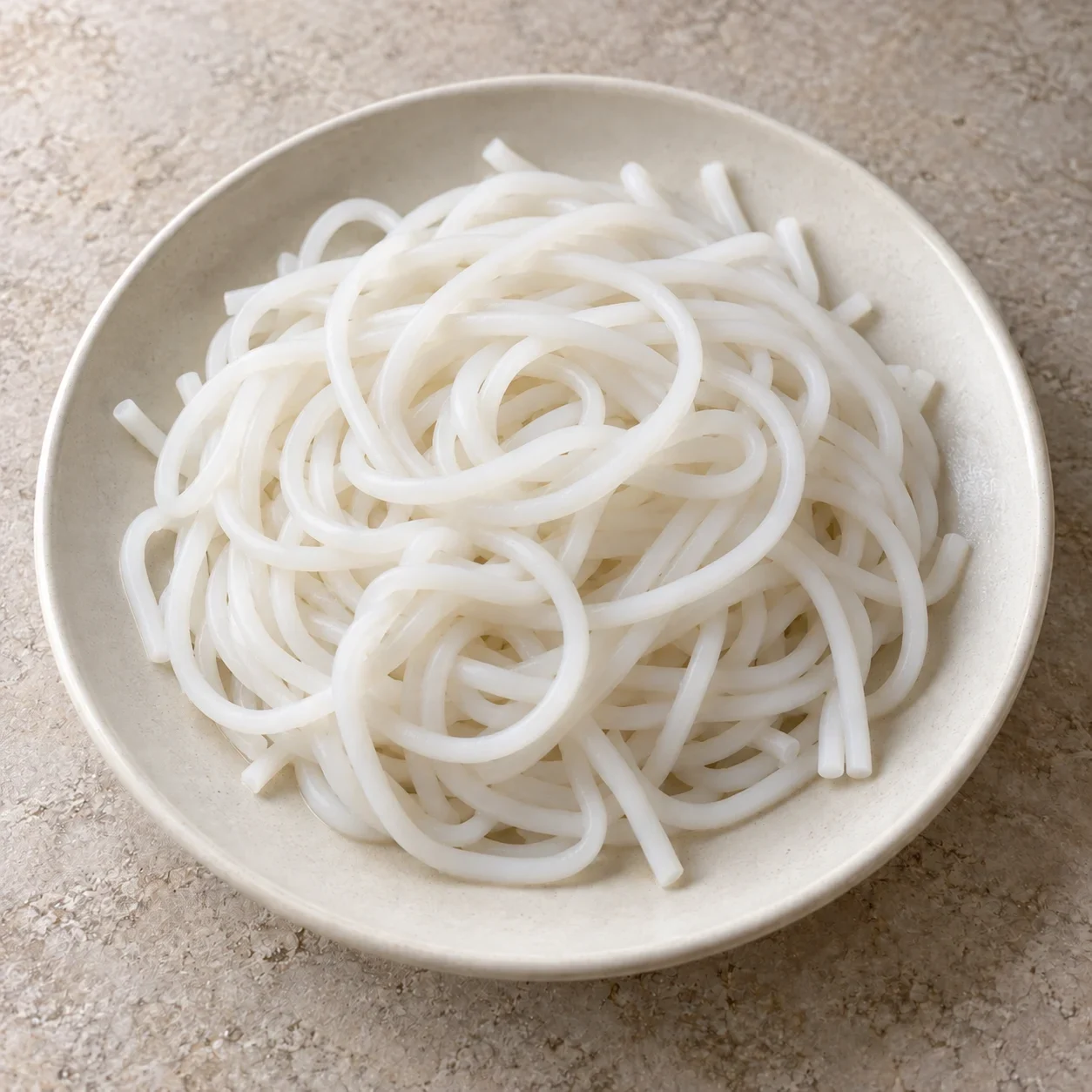
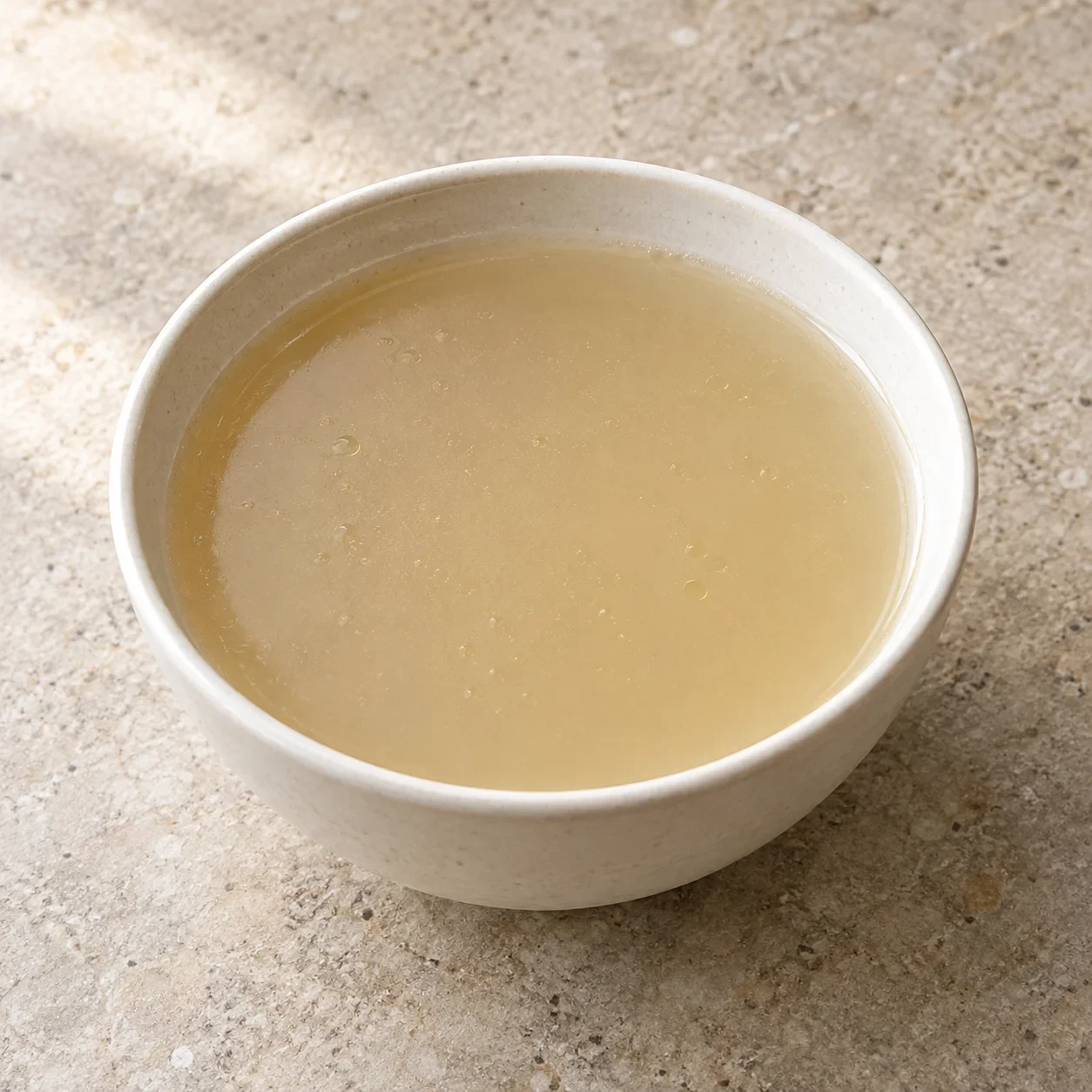
In some versions
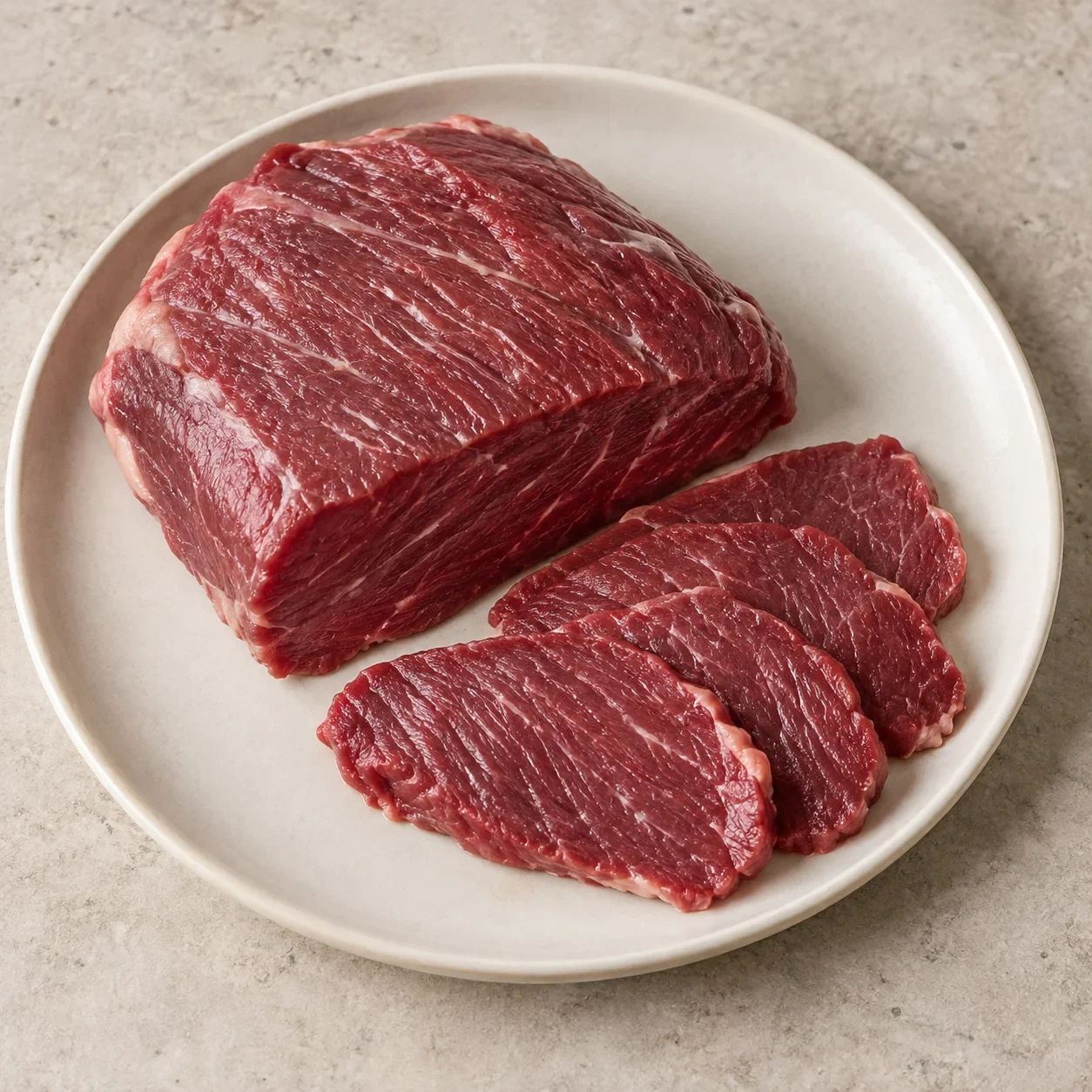
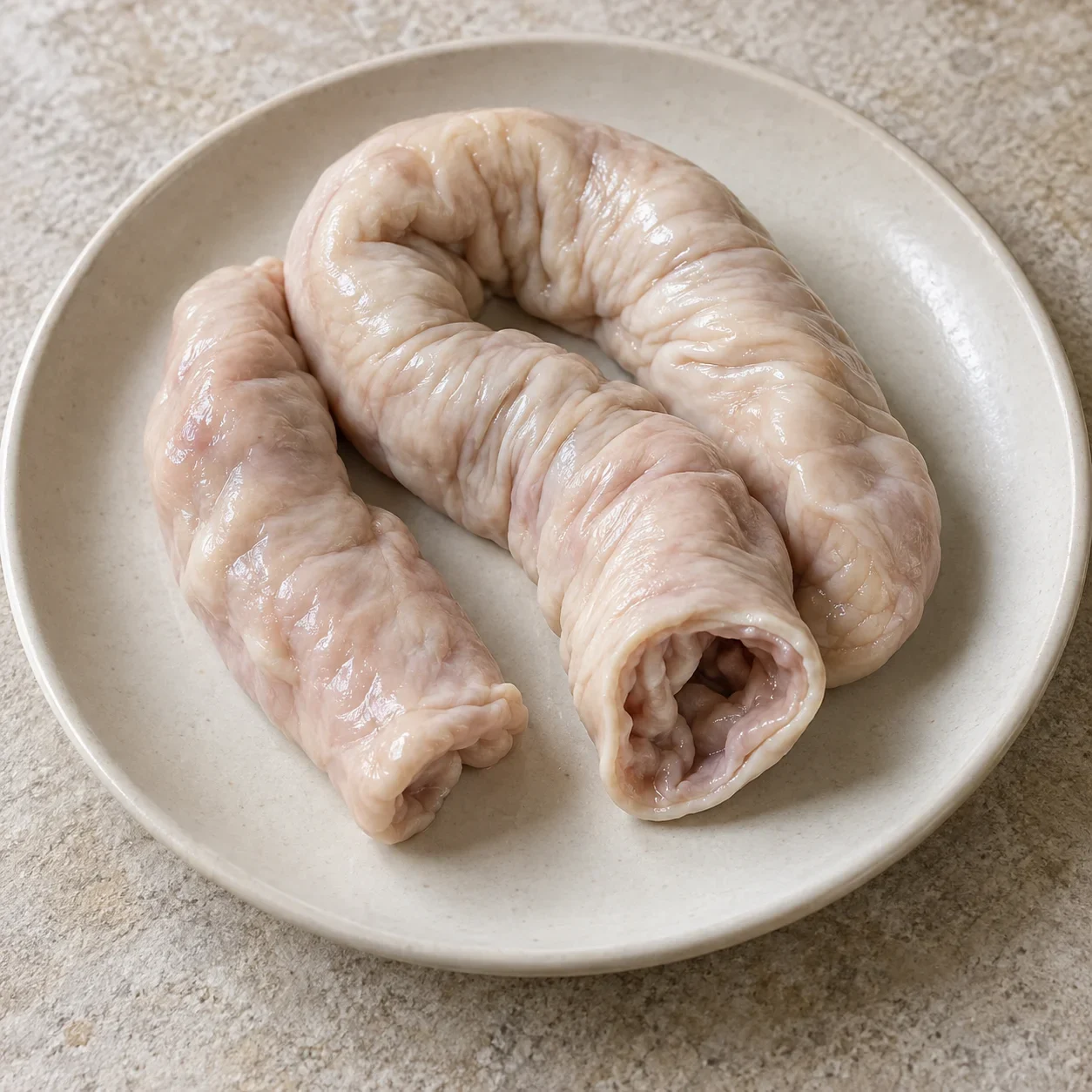
Recipes vary by restaurant.
How does it taste?
Savory broth with the flavor of the chosen topping.
- Chili heat
- Heat not recorded
- Texture
- Fine, supple rice strands with a resilient bite.
- How it’s made
- Make thin rice noodles by soaking, grinding and steam-extruding rice; briefly heat in stock and add cooked toppings.
Toppings and their seasoning vary.
A CONNECTION TO PLACE
Origin & regional roots
Associated with Sichuan.
About this regional connection
Sichuan: Associated with Mianyang, Sichuan.
Ask if they have it first
请问你们有绵阳米粉吗?
Do you have this item?
A LITTLE SOMETHING TO READ
Story & history
Three stages behind Mianyang’s fine noodles
Three stages shape this local specialty: making the noodles, cooking the toppings and briefly heating the strands in stock. Rice is soaked, ground, steamed and extruded into very fine noodles. Beef or pork-intestine toppings supply another layer of flavor. The quick dunk in hot bone stock brings the thin strands and savory broth together.