
At the table
Mix the cooled strips and gluten pieces with the dressing and eat with chopsticks. Ask for less chili before the vendor mixes it.
Contains wheat, gluten and sesame; the dressing is usually spicy. Ask about the complete sauce ingredients if you have allergies.
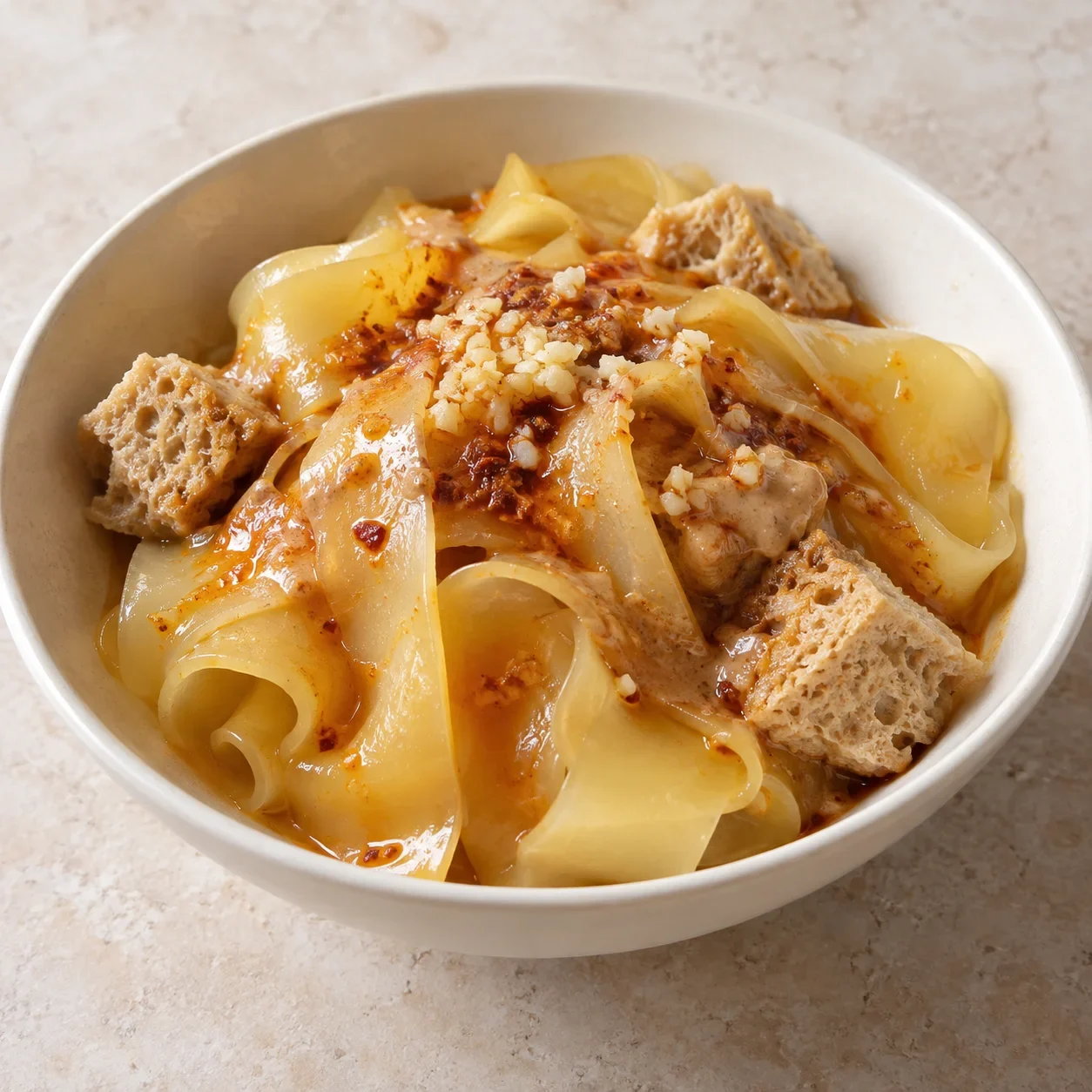
Water-washed niangpi separates starch slurry from gluten and is dressed with garlic, chili oil and sesame paste. Gaodan niangpi steams flour batter directly without washing.
Only consider this for a child who can manage chewy wheat strips and when the vendor confirms the chili-oil dressing can be left off; share a small portion.
Recipes vary. Ask the restaurant about ingredients and serving before you order.
GET TO KNOW THE DISH
What goes into it?
Explore some key ingredients below. Preparations may use additional seasonings and ingredients.
Water-washed niangpi separates starch slurry from gluten and is dressed with garlic, chili oil and sesame paste. Gaodan niangpi steams flour batter directly without washing.
Typical ingredients
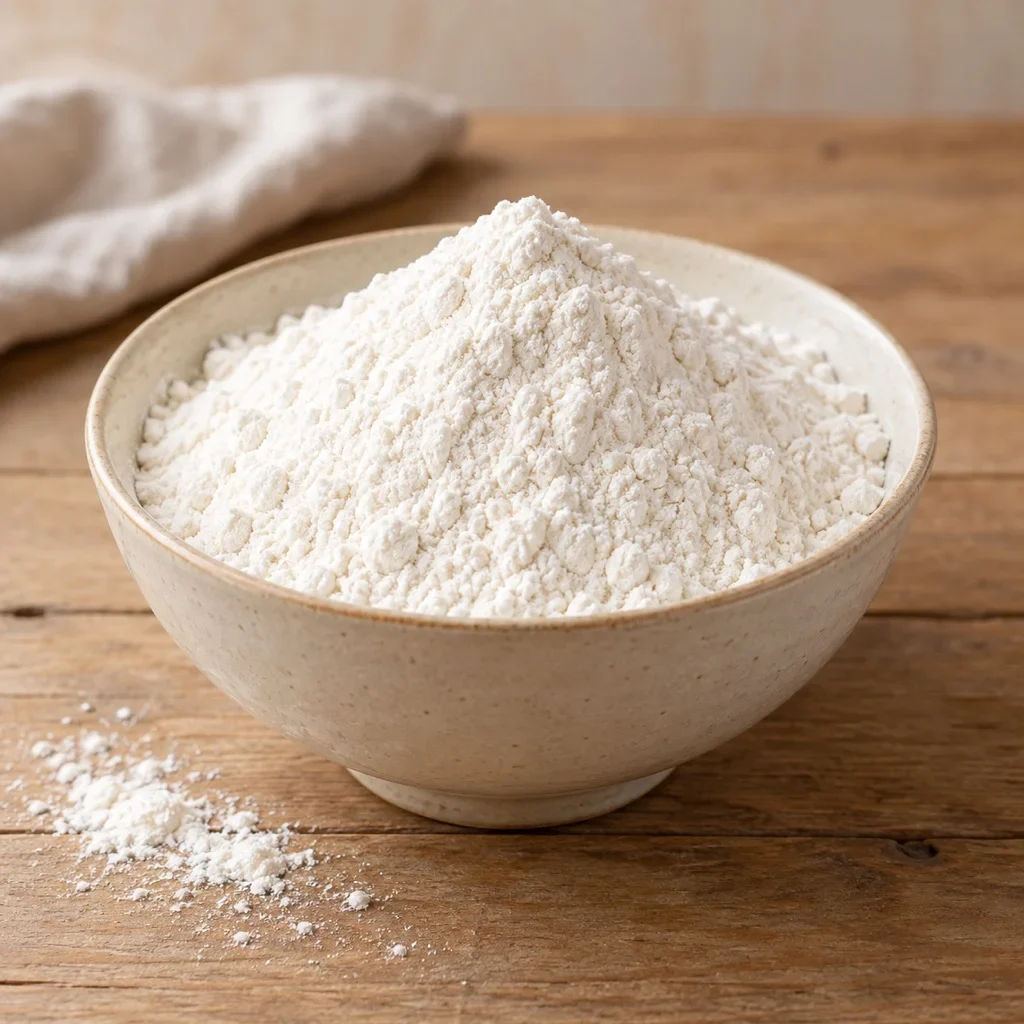
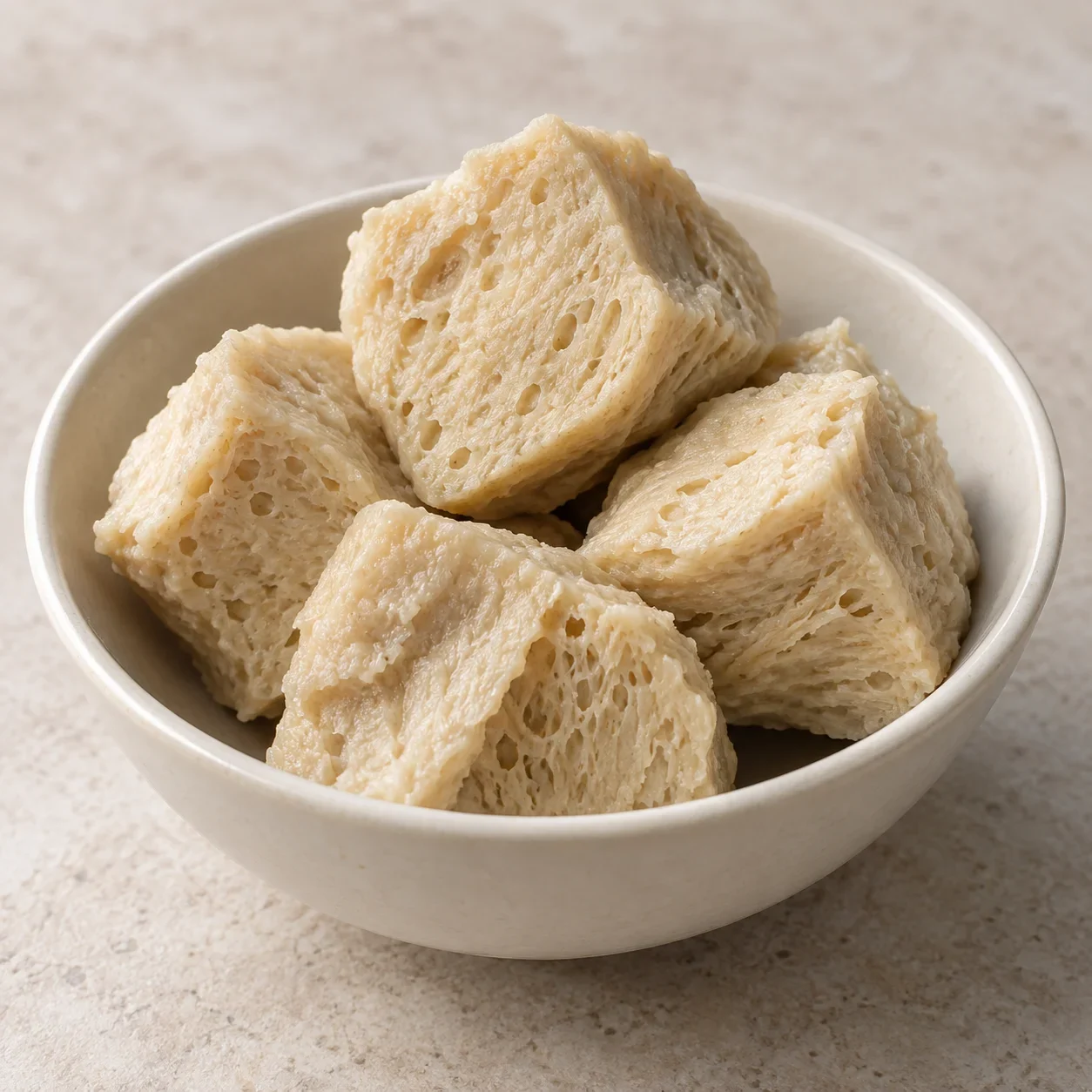
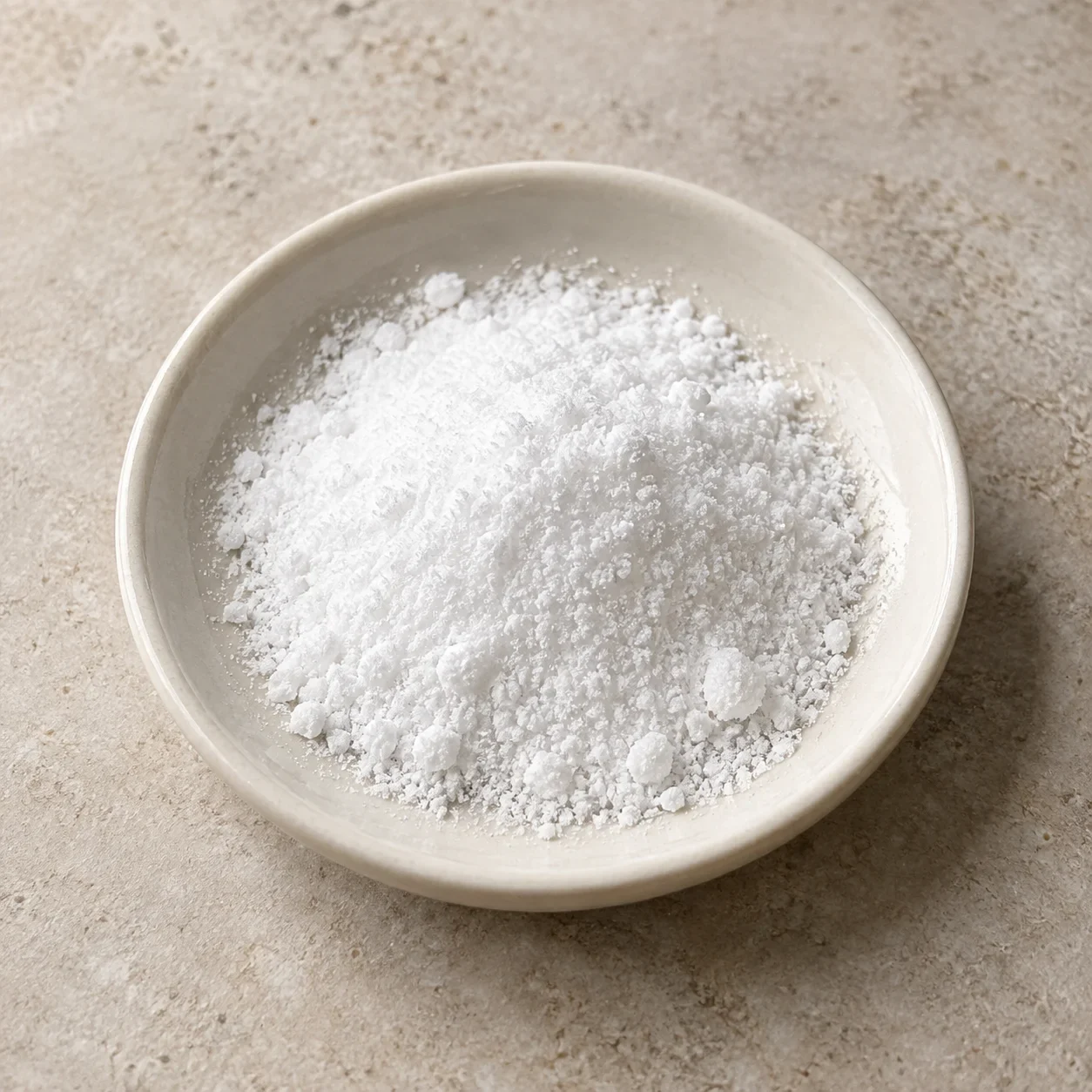
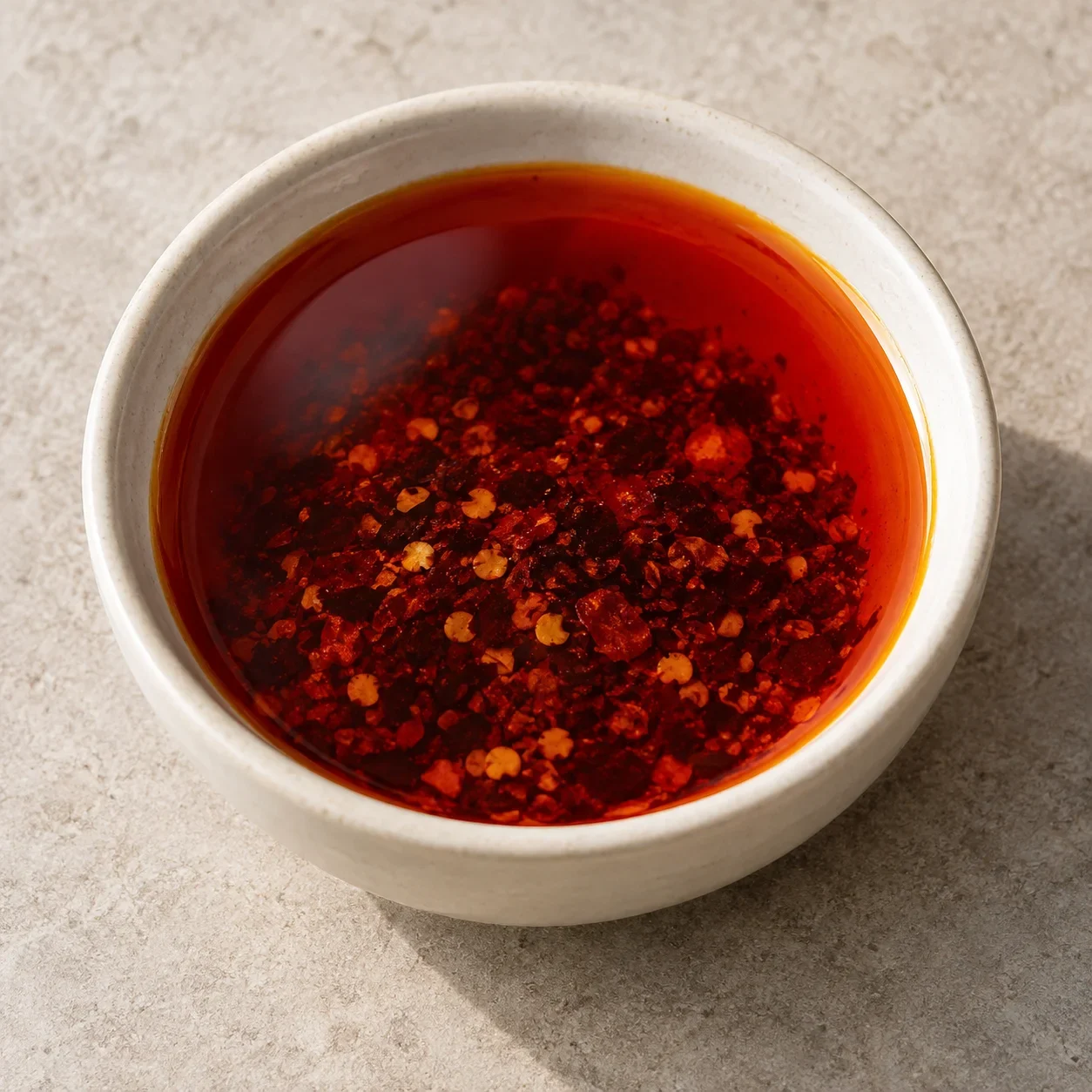
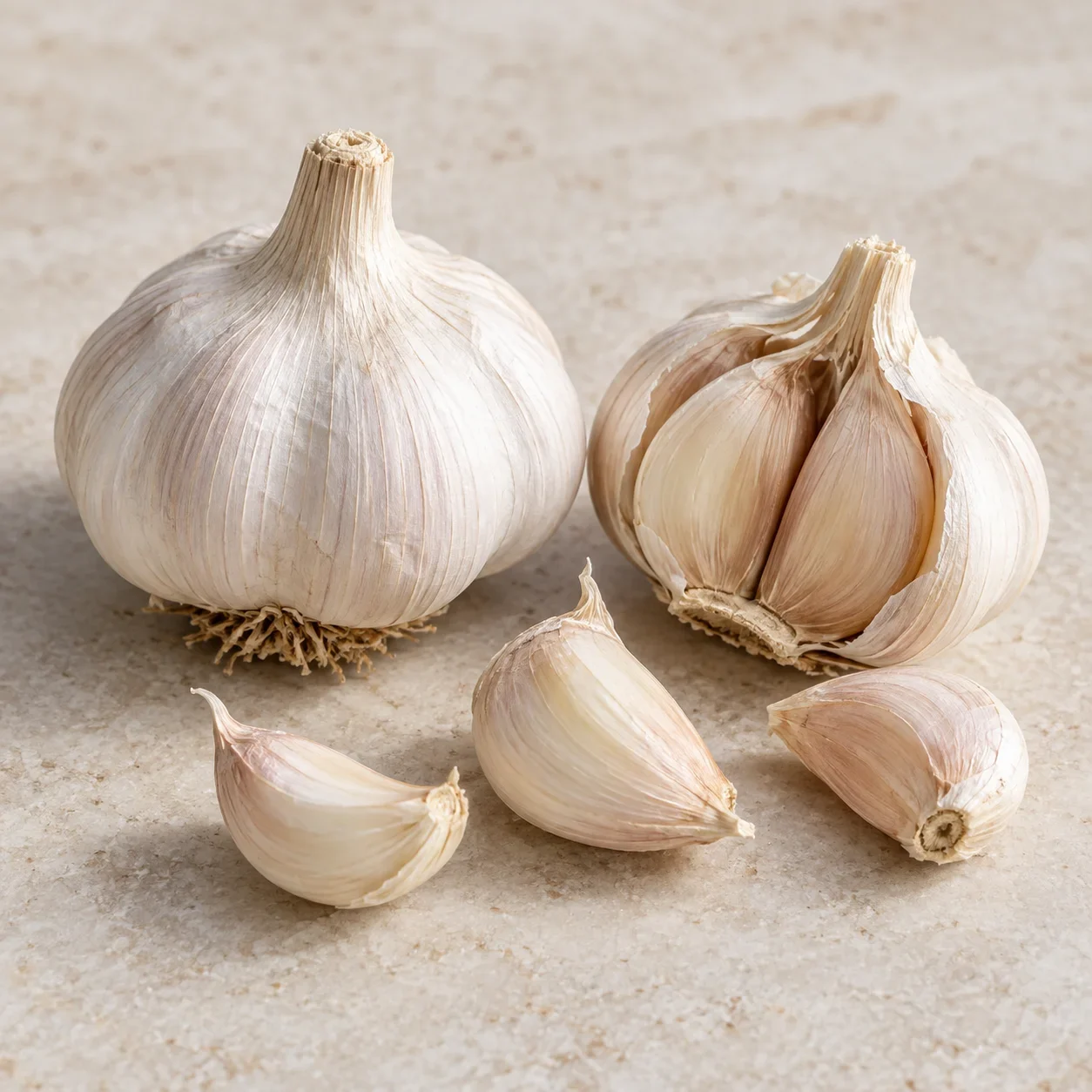
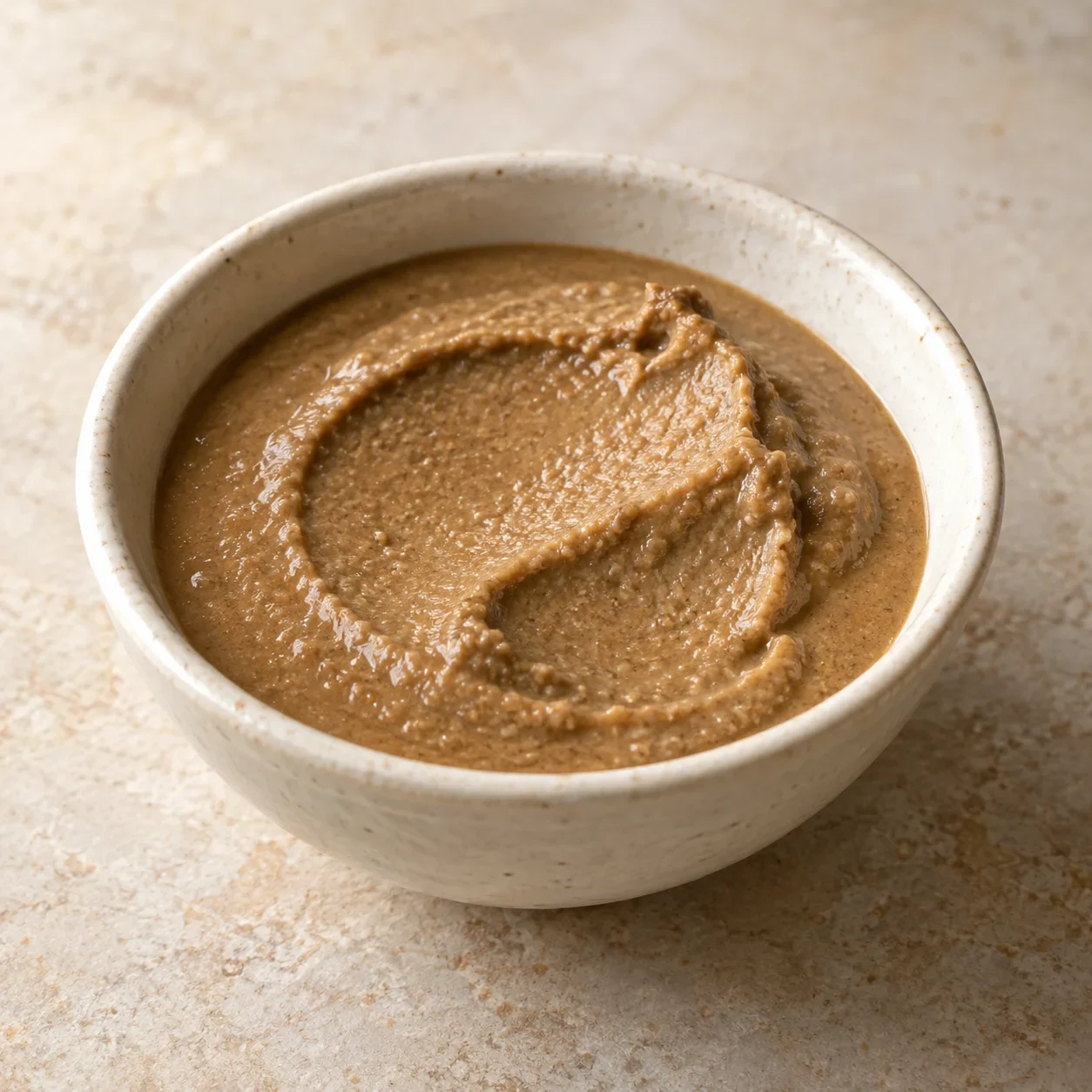
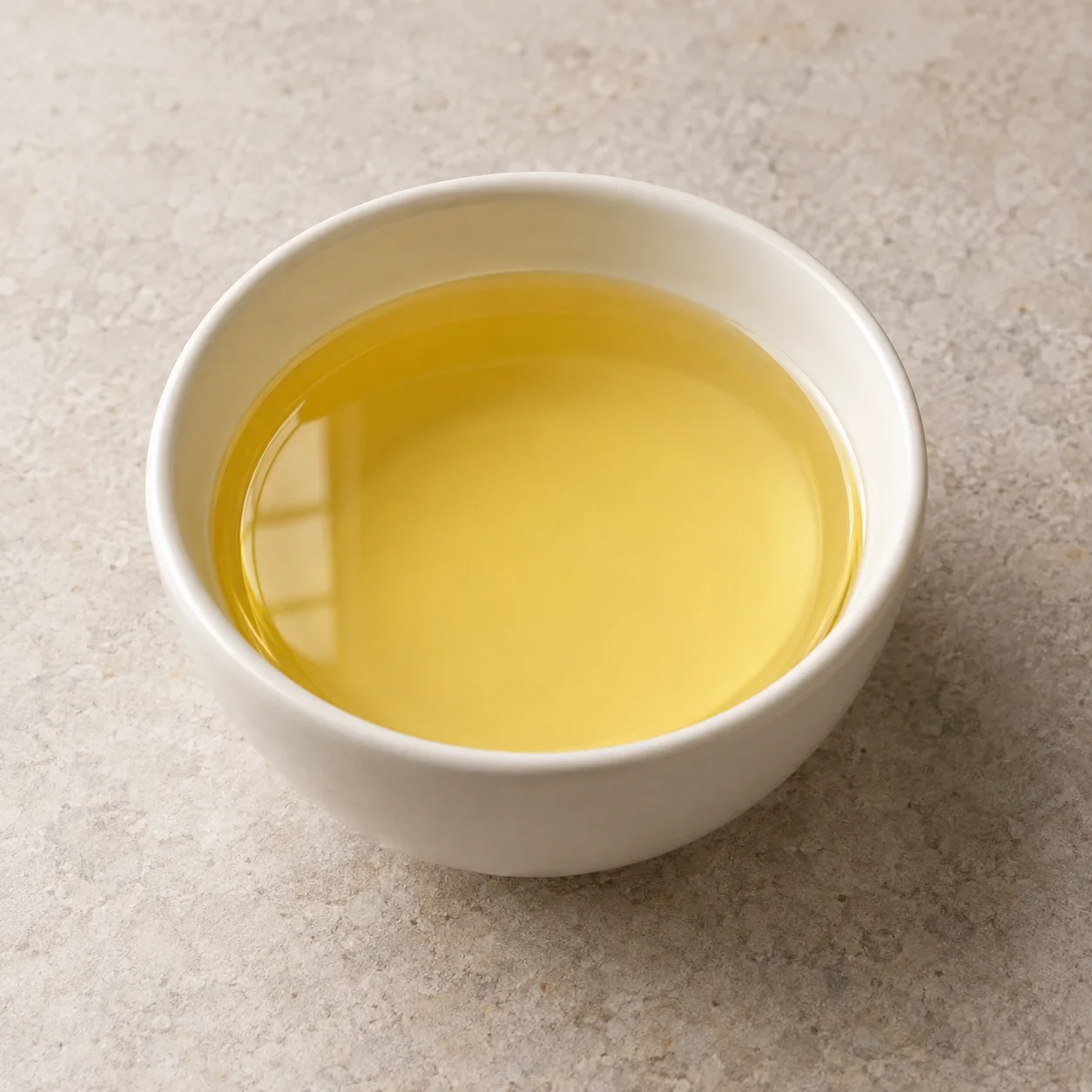
Recipes vary by restaurant.
How does it taste?
Chili heat, garlic and nutty sesame.
- Chili heat
- Texture
- Springy, yielding strips with porous wheat gluten in the washed version.
- How it’s made
- Wash dough to separate gluten and starch slurry, steam the sheets and gluten separately, cool and dress.
Water-washed niangpi separates starch slurry from gluten and is dressed with garlic, chili oil and sesame paste. Gaodan niangpi steams flour batter directly without washing.
A CONNECTION TO PLACE
Origin & regional roots
Associated with Gansu.
About this regional connection
Gansu: Regional association, without a claim of exclusive origin or local availability.
Ask if they have it first
请问你们有兰州酿皮吗?
Do you have this item?
A LITTLE SOMETHING TO READ
Story & history
The high carrying pole behind Lanzhou’s gaodan niangpi
This account describes a tradition or story, rather than an established historical fact.
Lanzhou niangpi has more than one style. Local tradition links gaodan niangpi to a Xianyang vendor, Gao Laosan, who is said to have brought it to Lanzhou in 1931 and sold it near Puzhao Temple and the City God Temple. The story explains “gaodan” through his unusually high carrying pole and the vendor’s surname, Gao. Unlike the water-washed version, gaodan niangpi steams wheat batter without first washing out the gluten. It is one strand of Lanzhou’s niangpi tradition, not the origin of every style.