
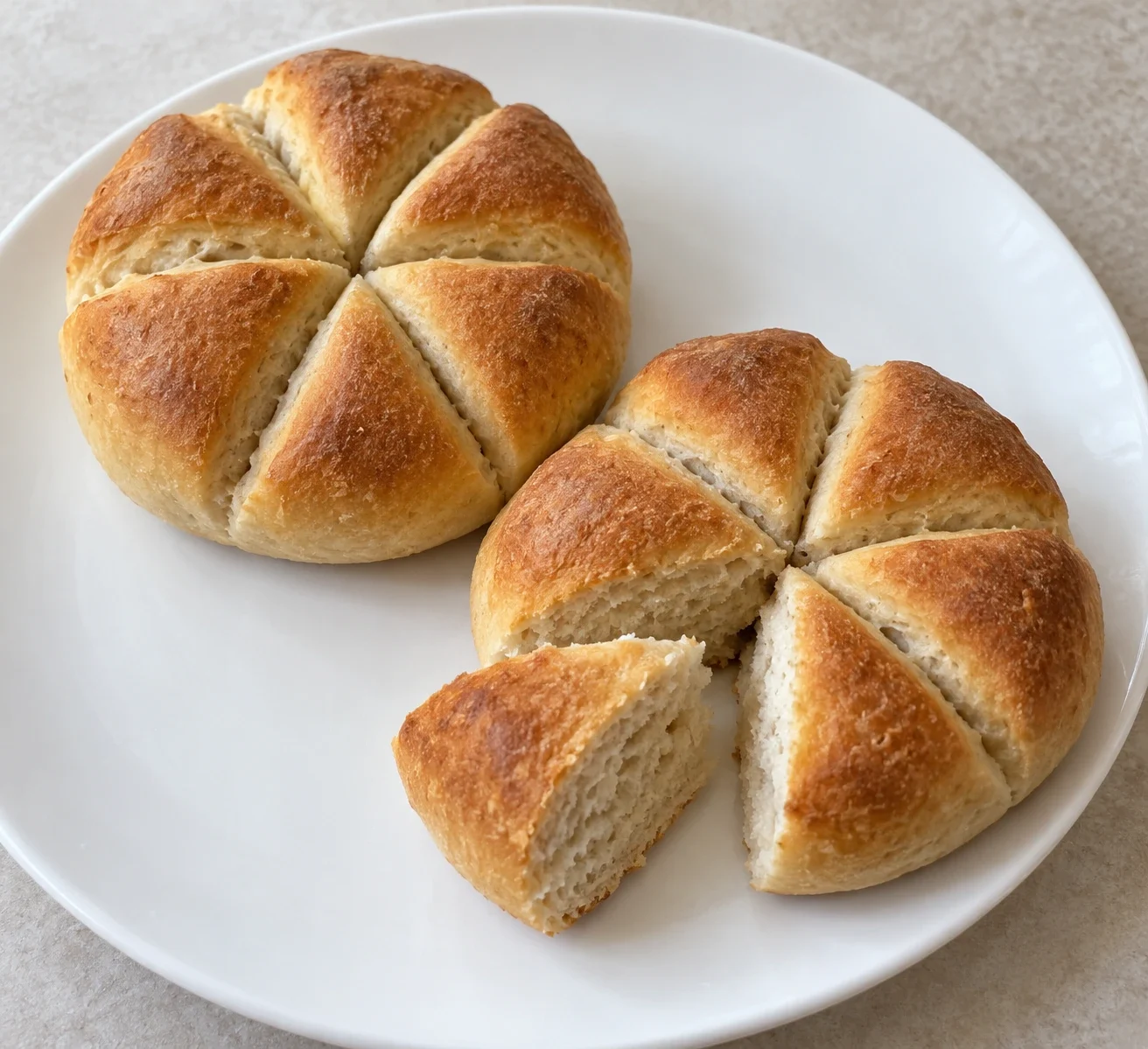
At the table
Break off a lobe and eat in small bites. Ask whether the available version is sweet or savory.
Contains wheat. The crust can be firm; recipes and added ingredients vary.
Sweet and savory versions exist. This six-lobed sweet version is one preparation, not a standard recipe for every bakery.
GET TO KNOW THE DISH
What goes into it?
Explore some key ingredients below. Preparations may use additional seasonings and ingredients.
Sweet and savory versions exist. This six-lobed sweet version is one preparation, not a standard recipe for every bakery.
Typical ingredients
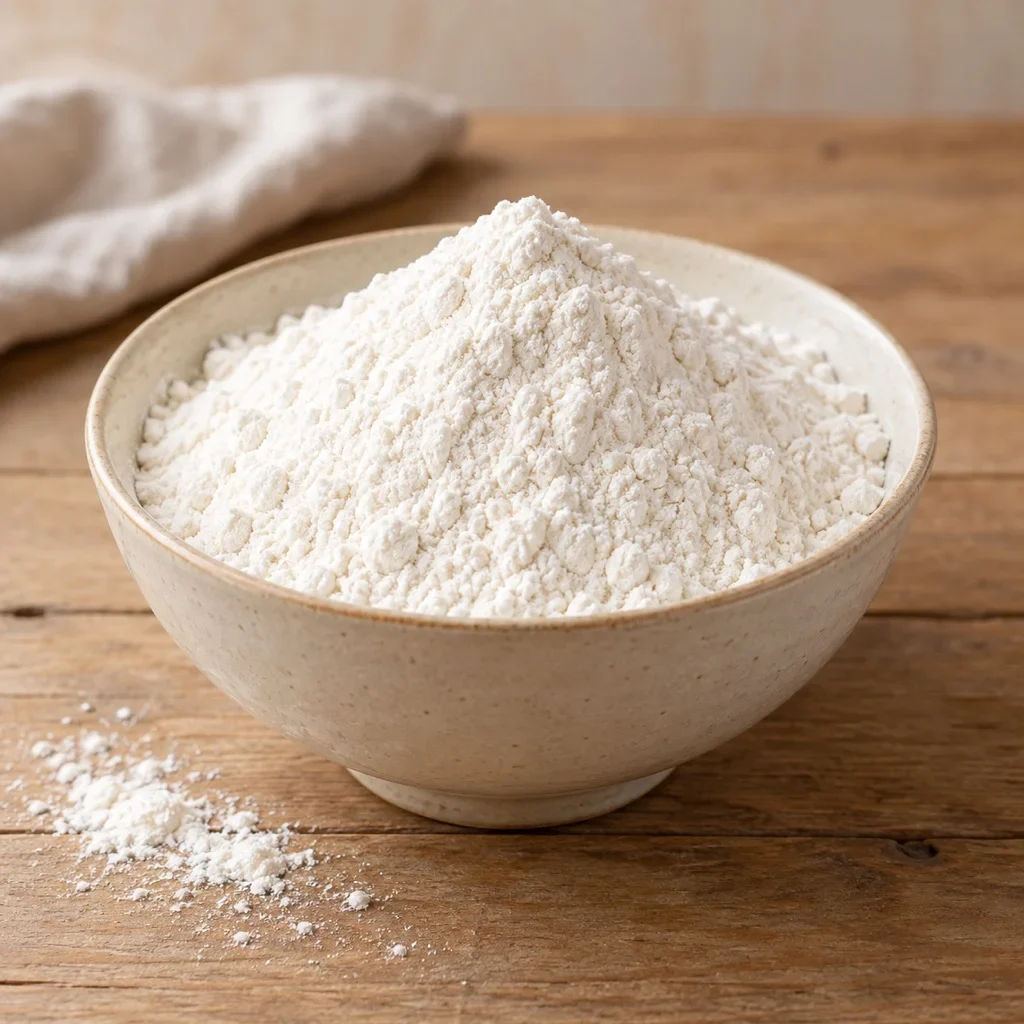
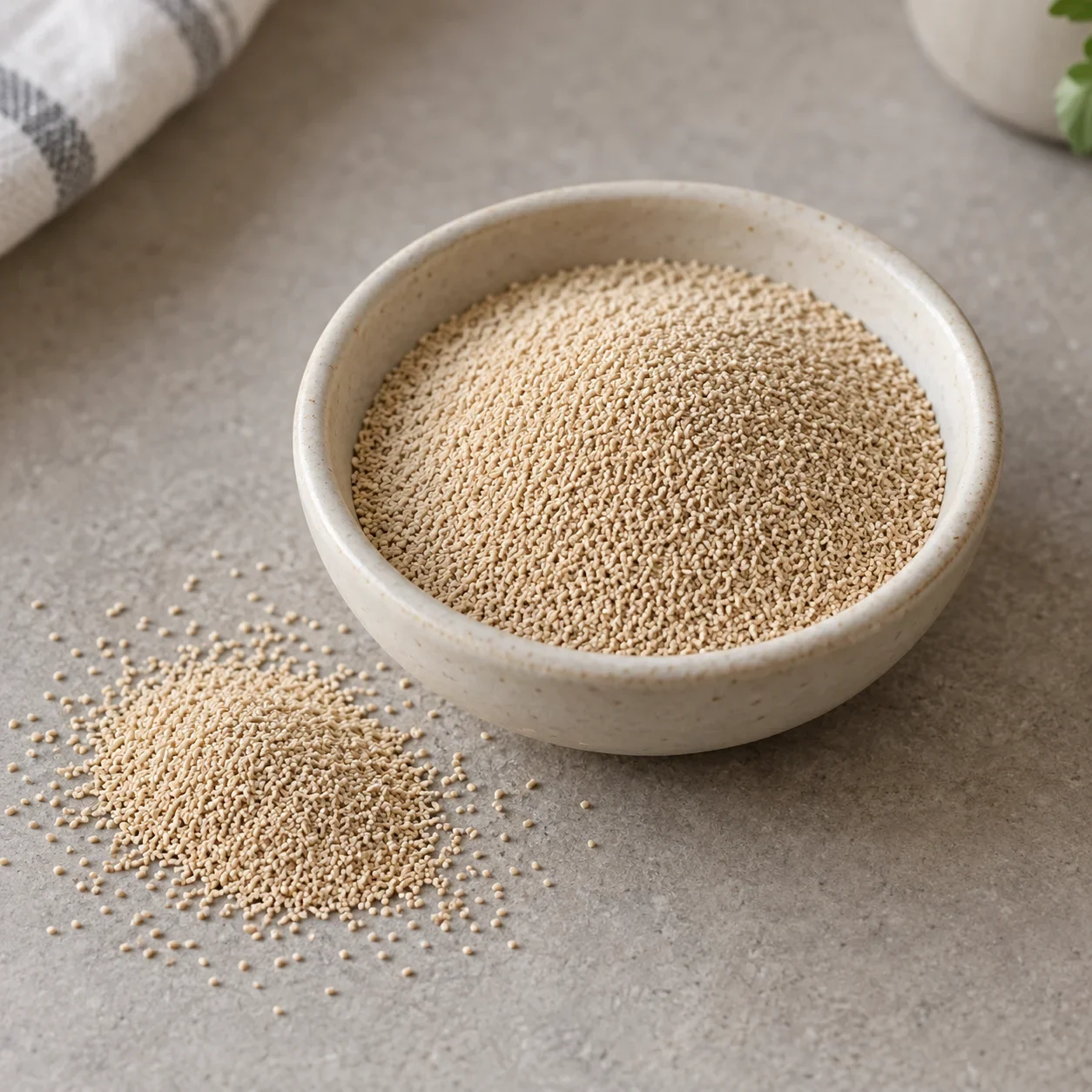
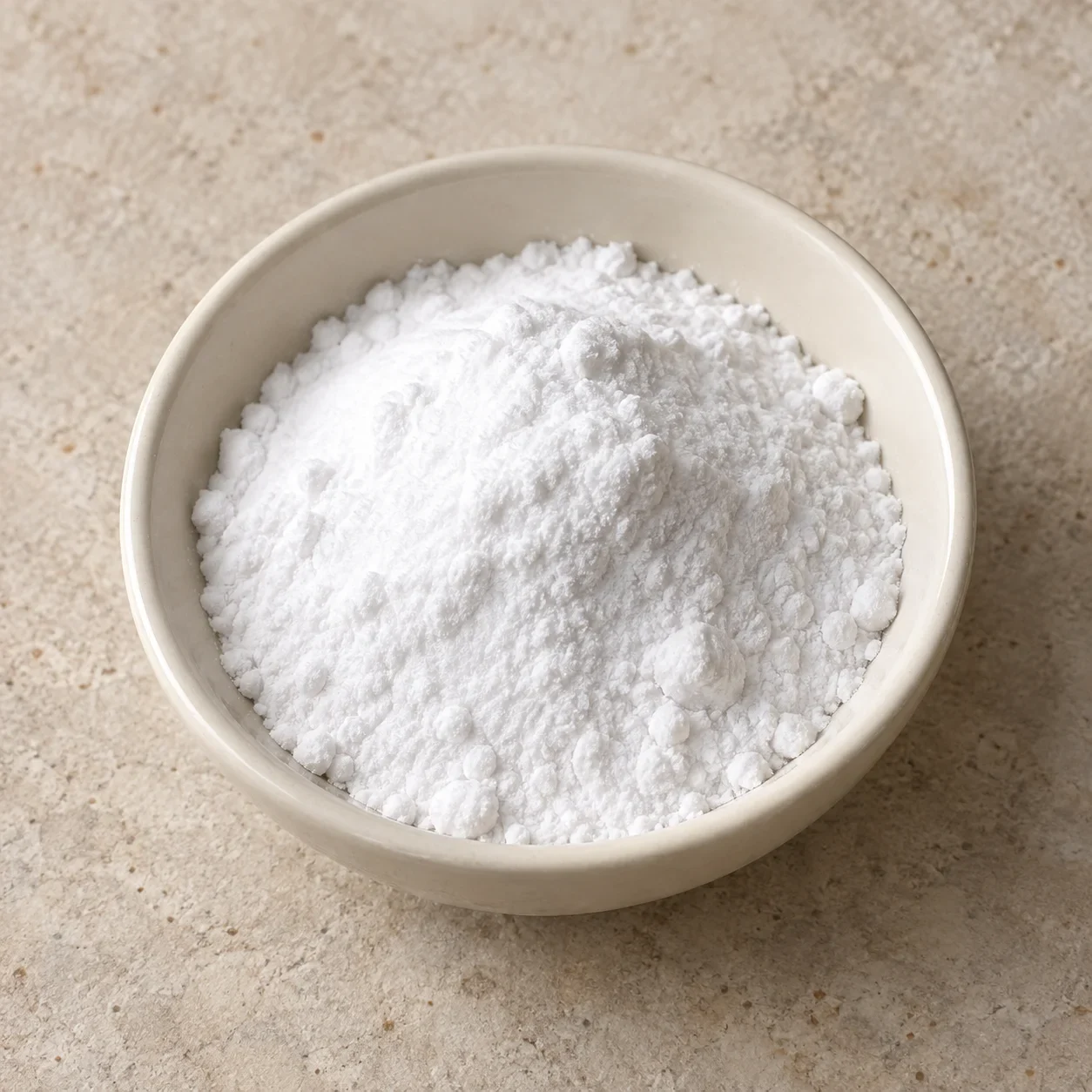
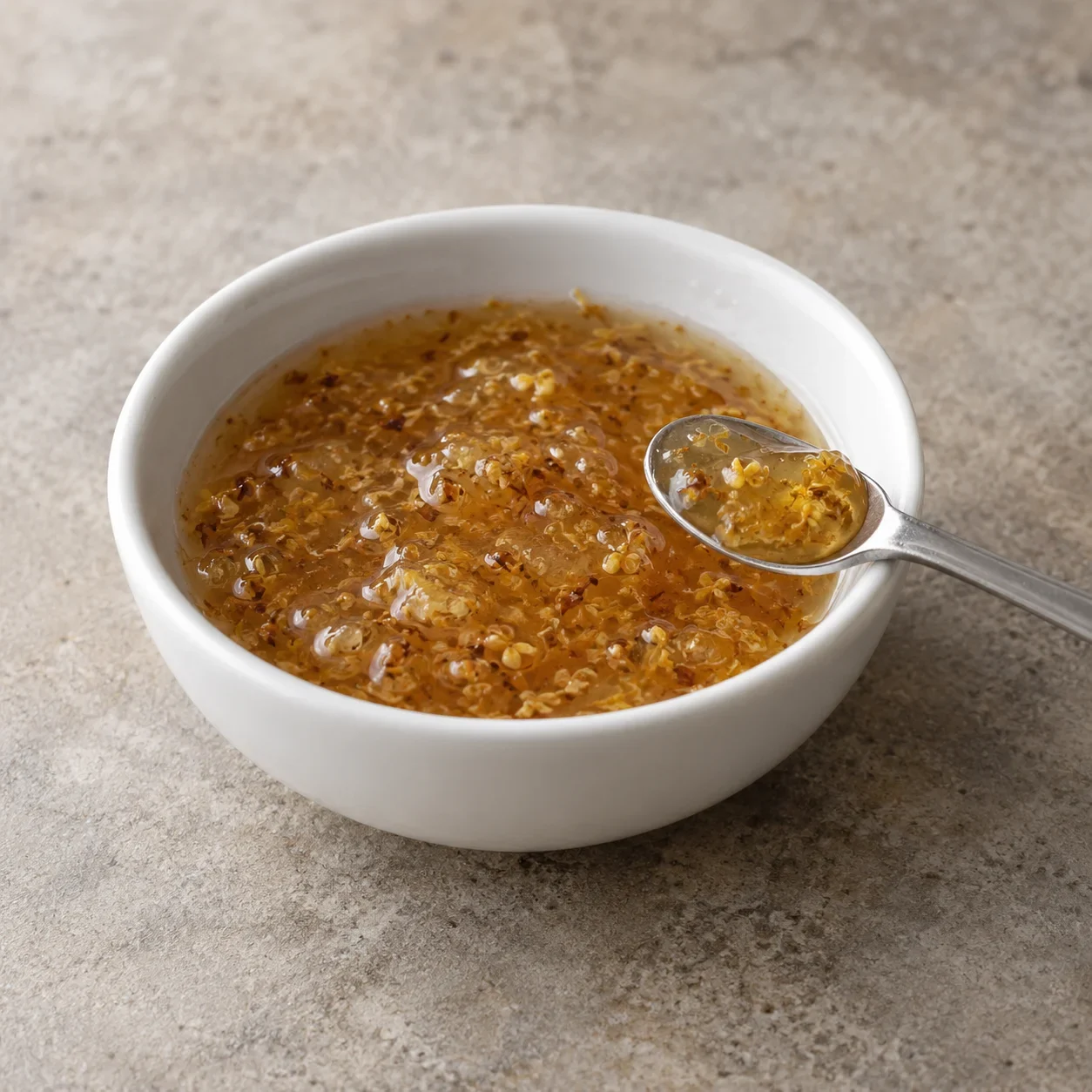

Recipes vary by restaurant.
How does it taste?
Mildly sweet wheat flavor with a light osmanthus scent.
- Chili heat
- Texture
- A crisp crust when freshly baked and a soft, chewy center.
- How it’s made
- Wheat dough with yeast, water and sweetened osmanthus is fermented, kneaded with baking soda, divided and cut into connected lobes, then baked on a lightly oiled tray.
Sweet and savory versions exist. This six-lobed sweet version is one preparation, not a standard recipe for every bakery.
A CONNECTION TO PLACE
Origin & regional roots
Associated with Jiangsu.
About this regional connection
Jiangsu: Yangzhou and Zhenjiang baking traditions; no mistaken Jingjiang/Taizhou attribution.
Ask if they have it first
请问你们有金刚脐吗?
Do you have this item?
A LITTLE SOMETHING TO READ
Story & history
A familiar Jiangsu bakery snack
This account describes a tradition or story, rather than an established historical fact.
Jingangqi is associated with Jiangsu bakery and breakfast traditions. In Zhenjiang it is also called 京江脐; related claw-shaped buns are called 老虎脚爪. The cut lobes open during baking.