
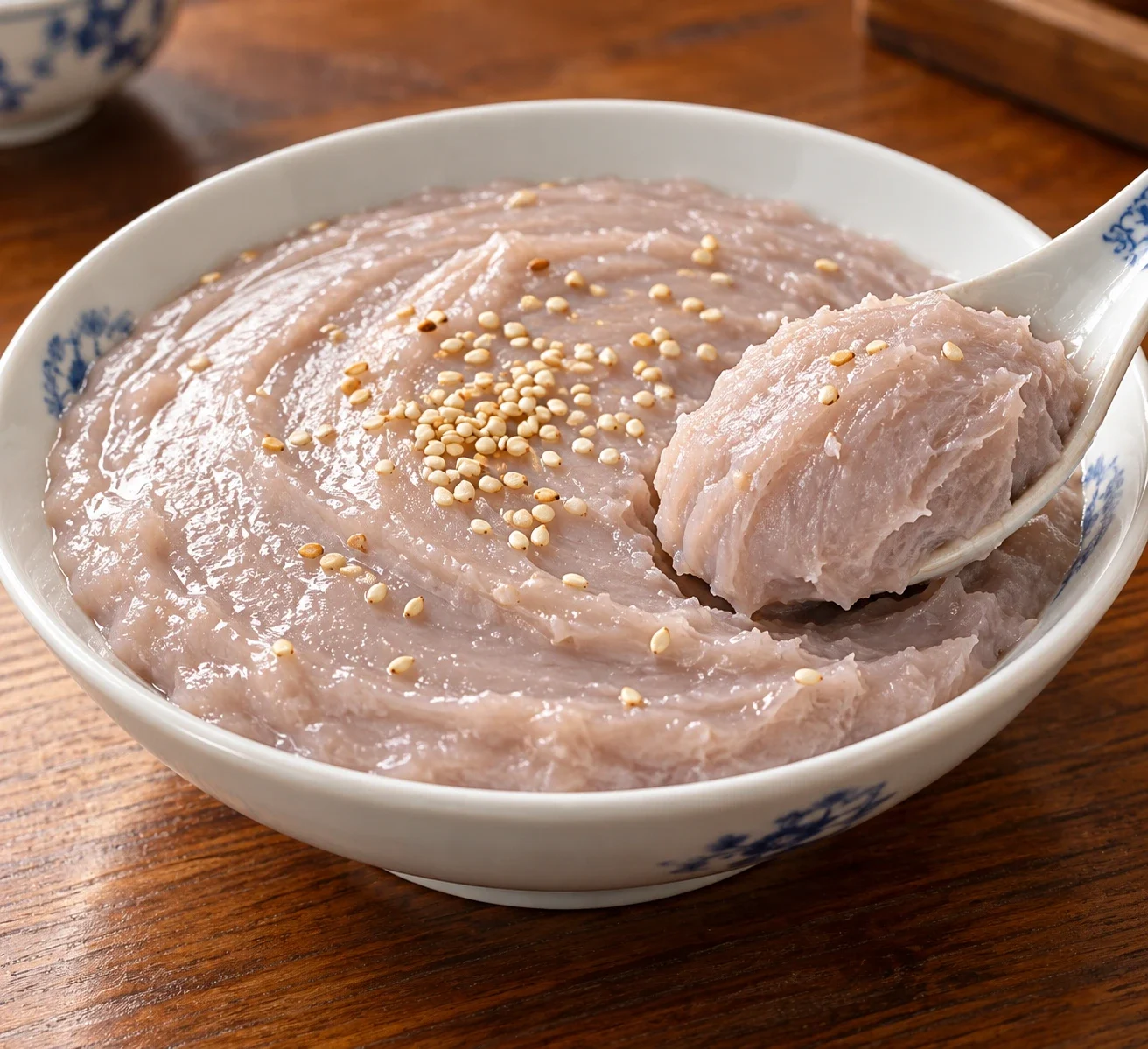
At the table
Eat small spoonfuls. Let the centre cool before tasting; a glossy surface with little visible steam can still cover very hot paste.
Ask whether it contains lard, milk and sesame. Taro does not make this version vegetarian.
Milk is an addition in this version, not a universal ingredient. Other versions use fruit or seed garnishes; ask before assuming a plant-based recipe.
GET TO KNOW THE DISH
What goes into it?
Explore some key ingredients below. Preparations may use additional seasonings and ingredients.
Milk is an addition in this version, not a universal ingredient. Other versions use fruit or seed garnishes; ask before assuming a plant-based recipe.
Typical ingredients
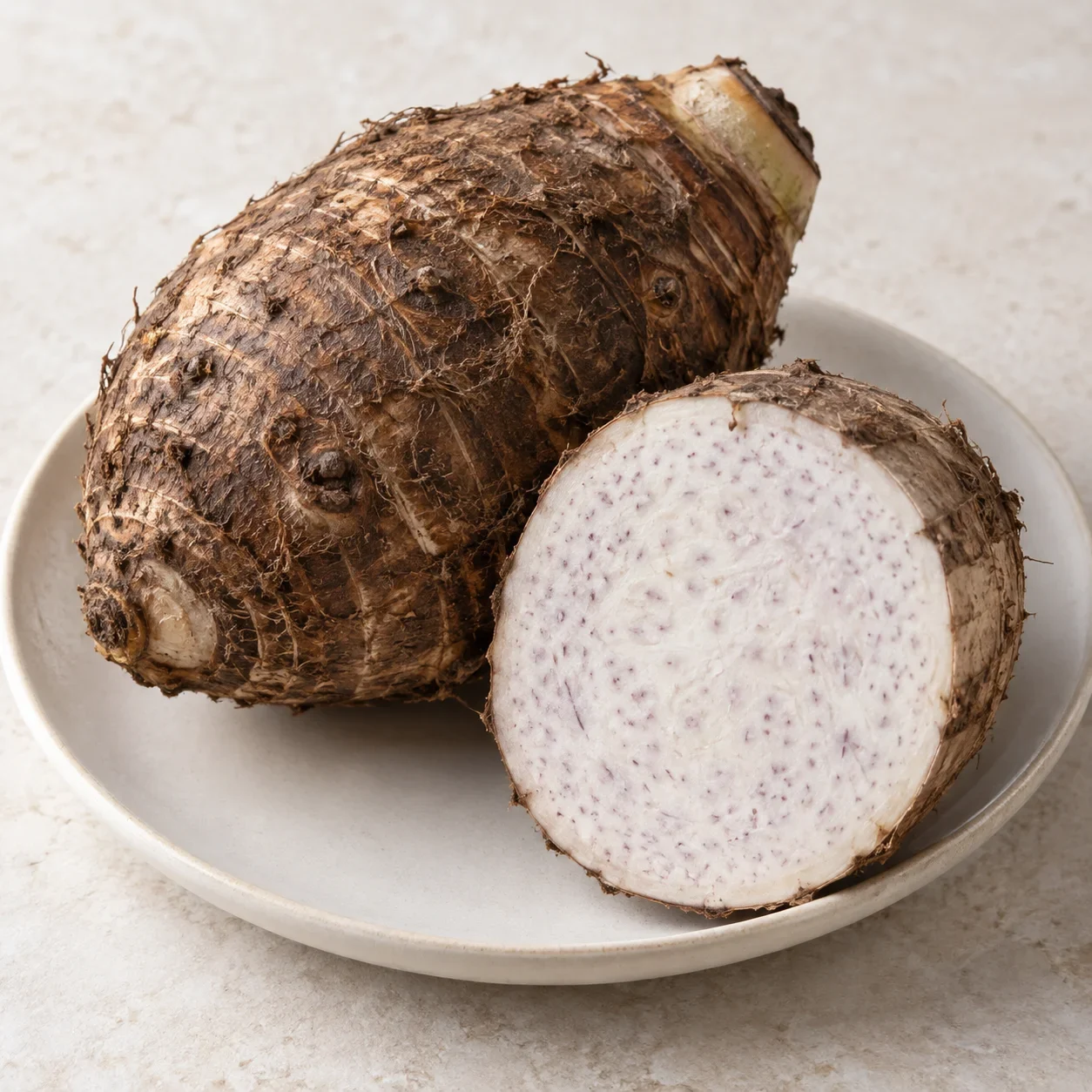
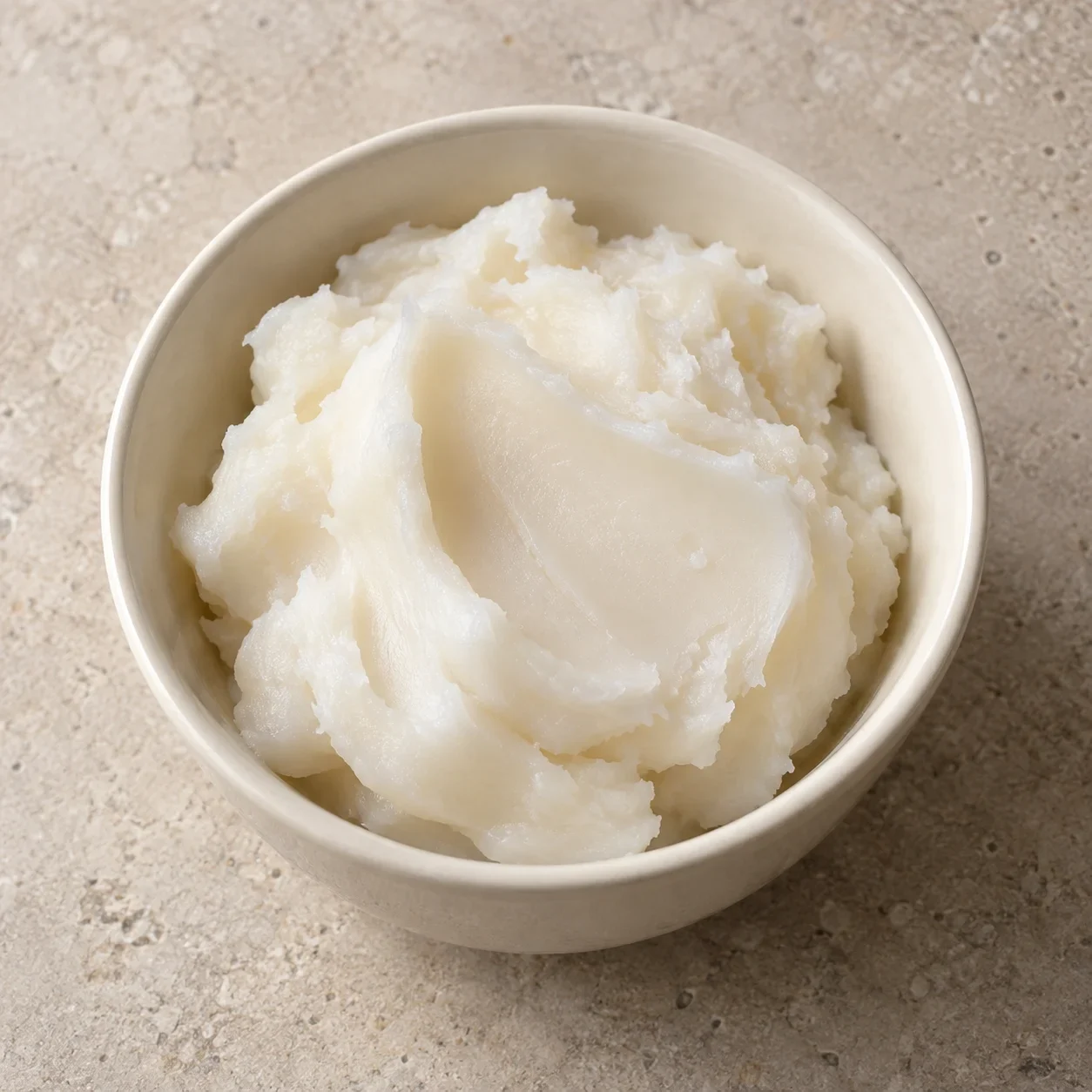

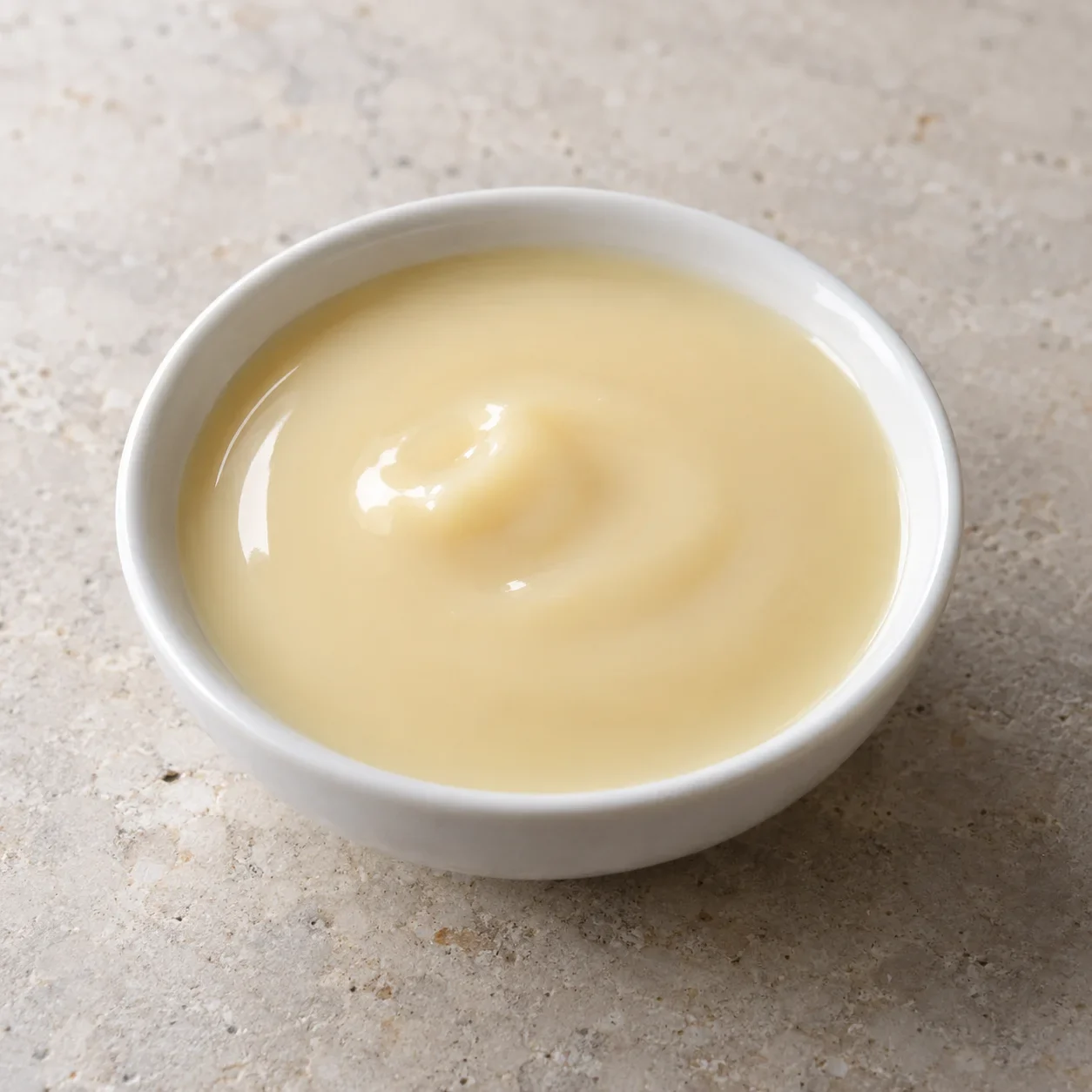
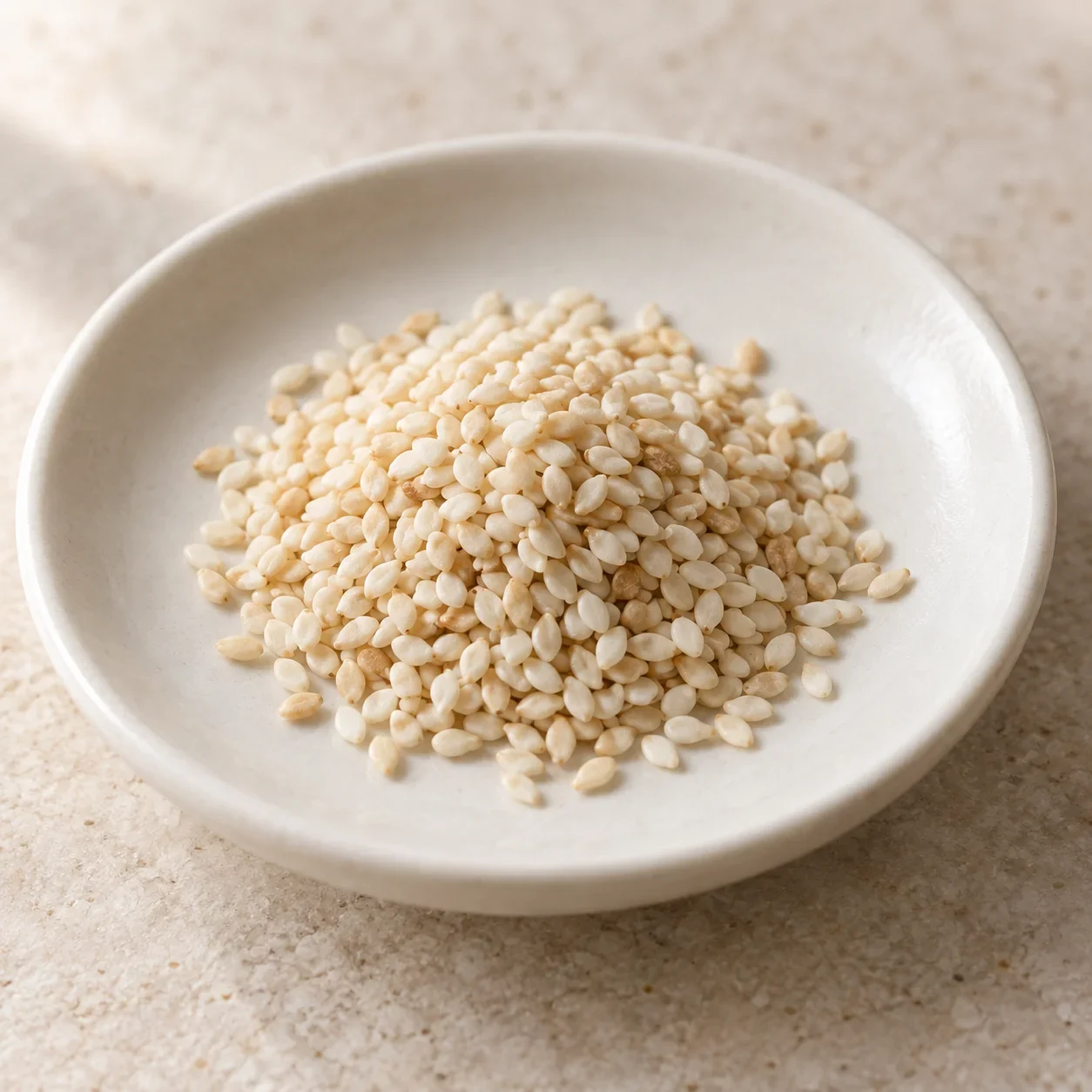
Recipes vary by restaurant.
How does it taste?
Sweet taro, rich lard and milky notes, with sesame aroma.
- Chili heat
- Texture
- Dense, smooth and softly spoonable, with fine taro fibres.
- How it’s made
- Steam peeled taro until soft and mash finely. Mix in a little water, lard, sugar and condensed milk, steam again and sprinkle with sesame.
Milk is an addition in this version, not a universal ingredient. Other versions use fruit or seed garnishes; ask before assuming a plant-based recipe.
A CONNECTION TO PLACE
Origin & regional roots
Associated with Fujian.
About this regional connection
Fujian: Local culinary association; not a claim of exclusive origin.
Ask if they have it first
请问你们有福州芋泥吗?
Do you have this item?
A LITTLE SOMETHING TO READ
Story & history
Fuzhou sweet taro paste
Fuzhou taro paste is a Fujian dessert associated with banquet endings. Thorough mashing and mixing fat into the taro create its characteristic smooth richness.