
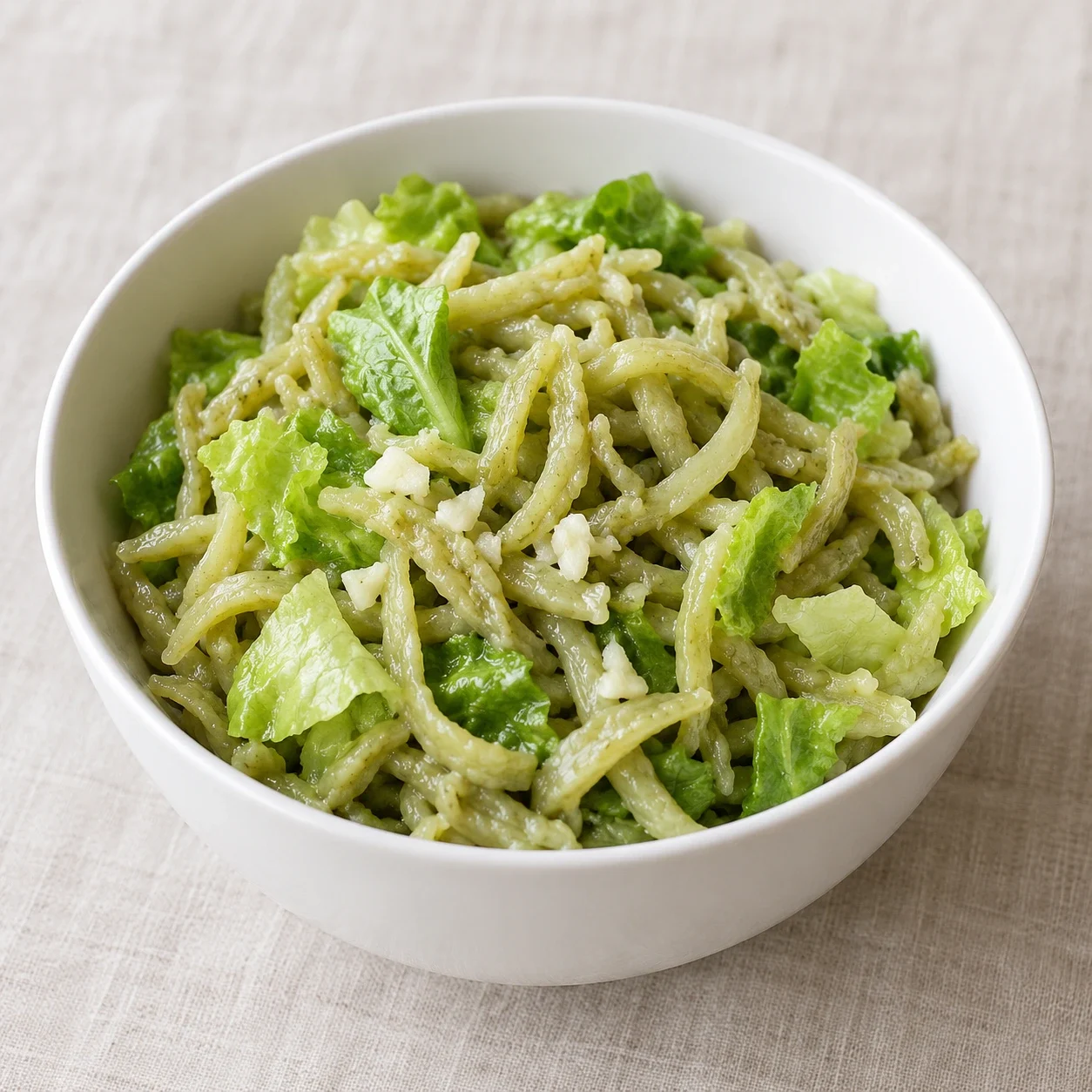
At the table
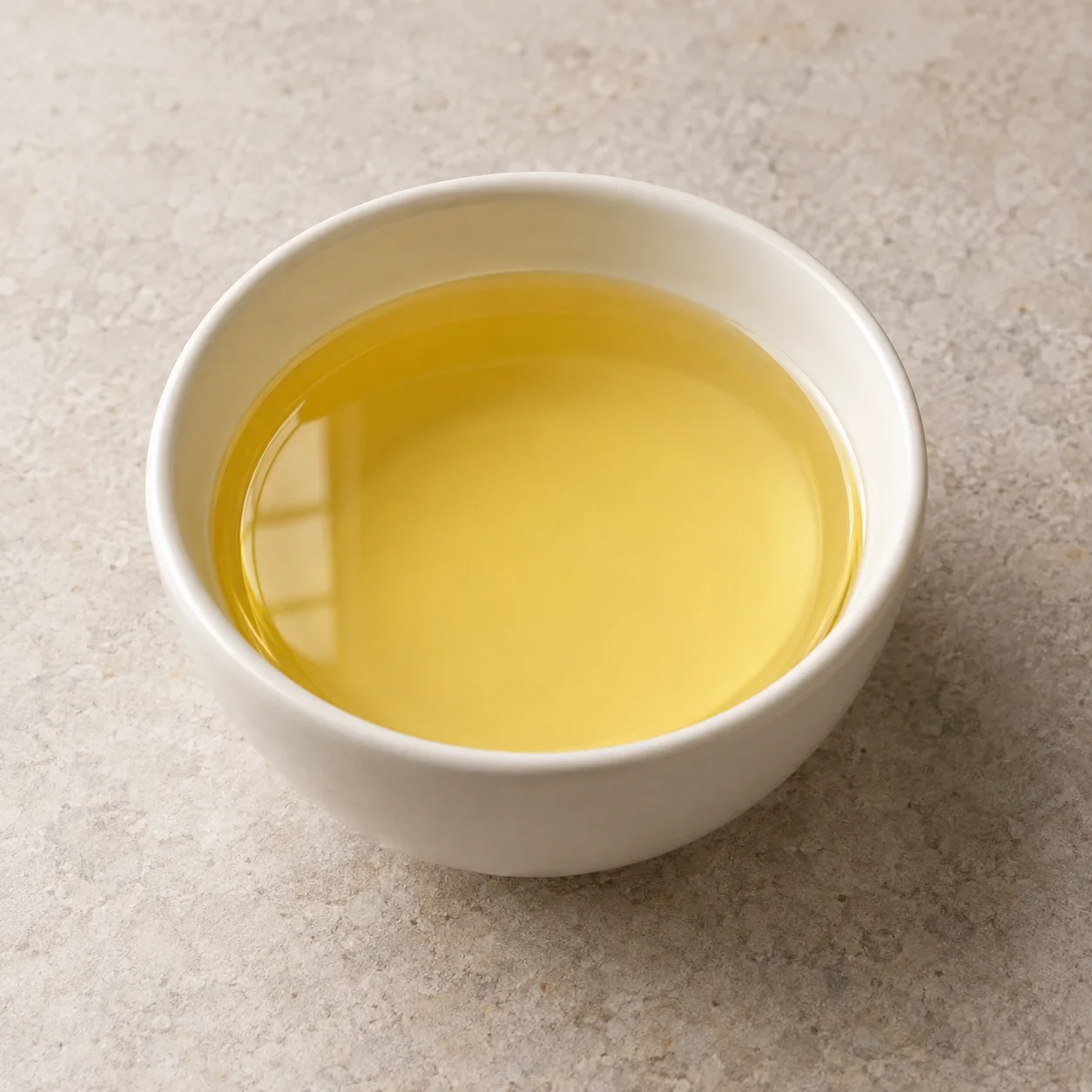
Mix the leaves and dressing through the strands and eat with chopsticks or a spoon. Ask which grain and oil are used, and whether chili or other toppings have been added.
Barley contains gluten. Garlic can taste sharp even without chili. The dressing oil is unspecified in the representative account; other toppings need separate checking.
Barley contains gluten. Garlic can taste sharp even without chili. The dressing oil is unspecified in the representative account; other toppings need separate checking.
GET TO KNOW THE DISH
What goes into it?
Explore some key ingredients below. Preparations may use additional seasonings and ingredients.
Barley contains gluten. Garlic can taste sharp even without chili. The dressing oil is unspecified in the representative account; other toppings need separate checking.
Typical ingredients
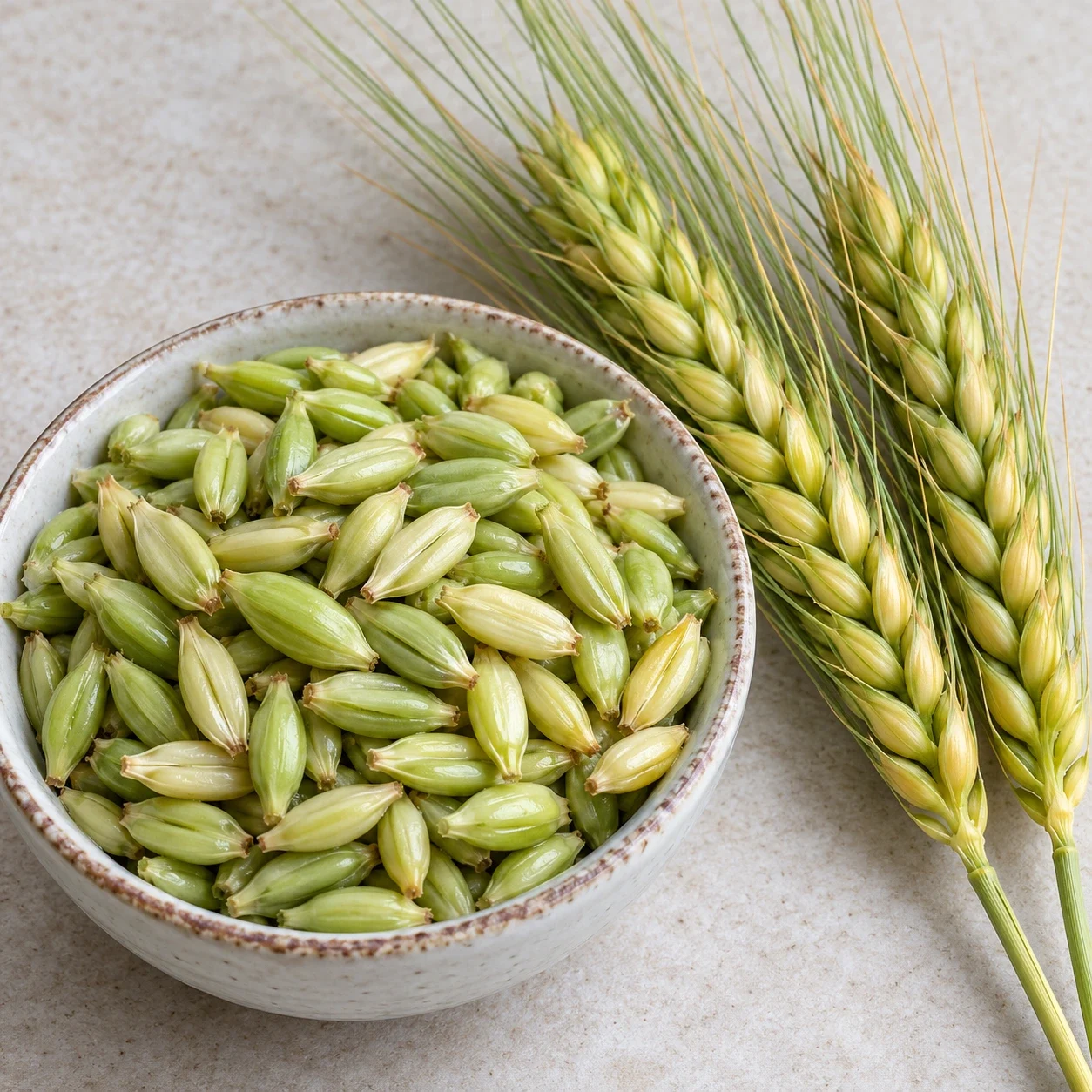
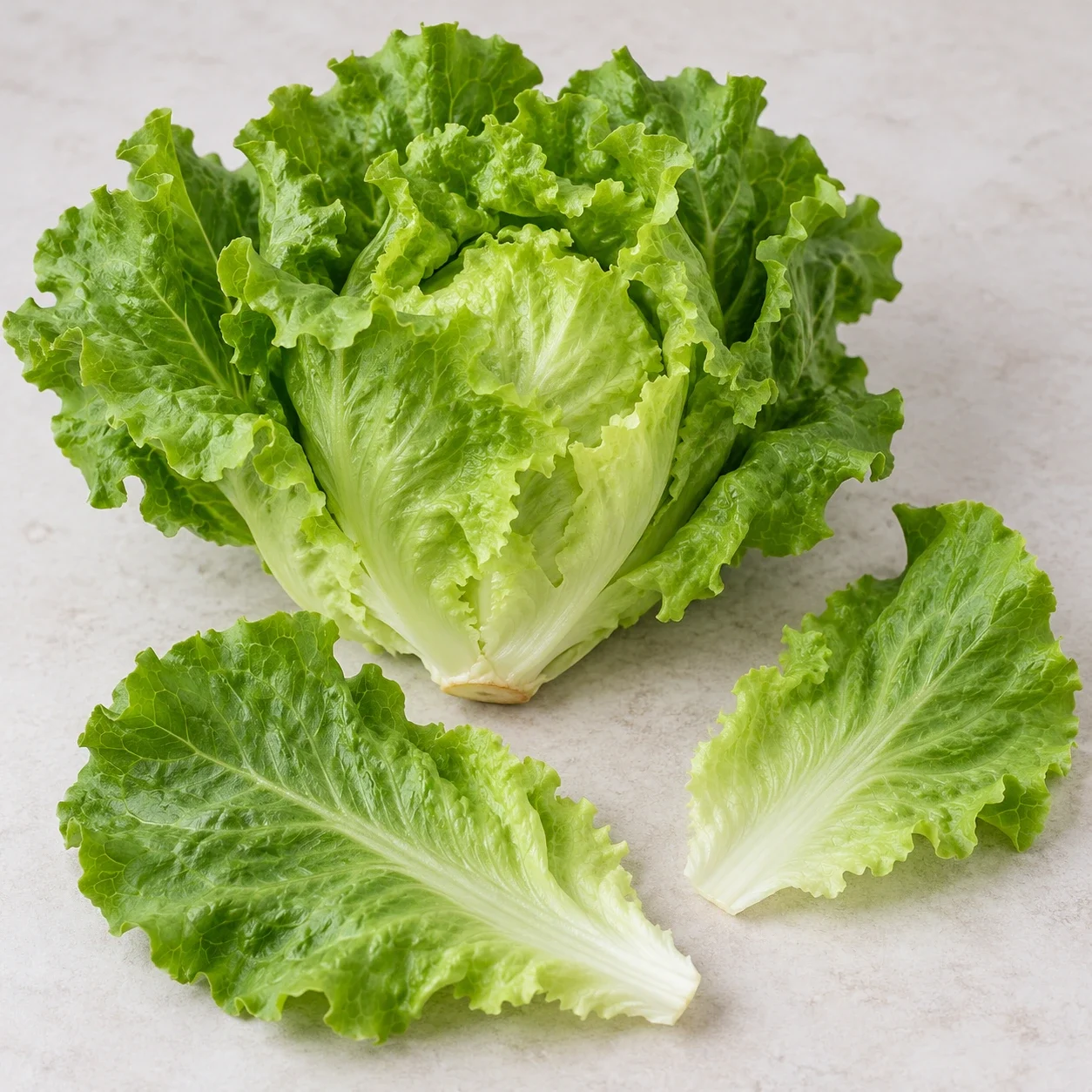
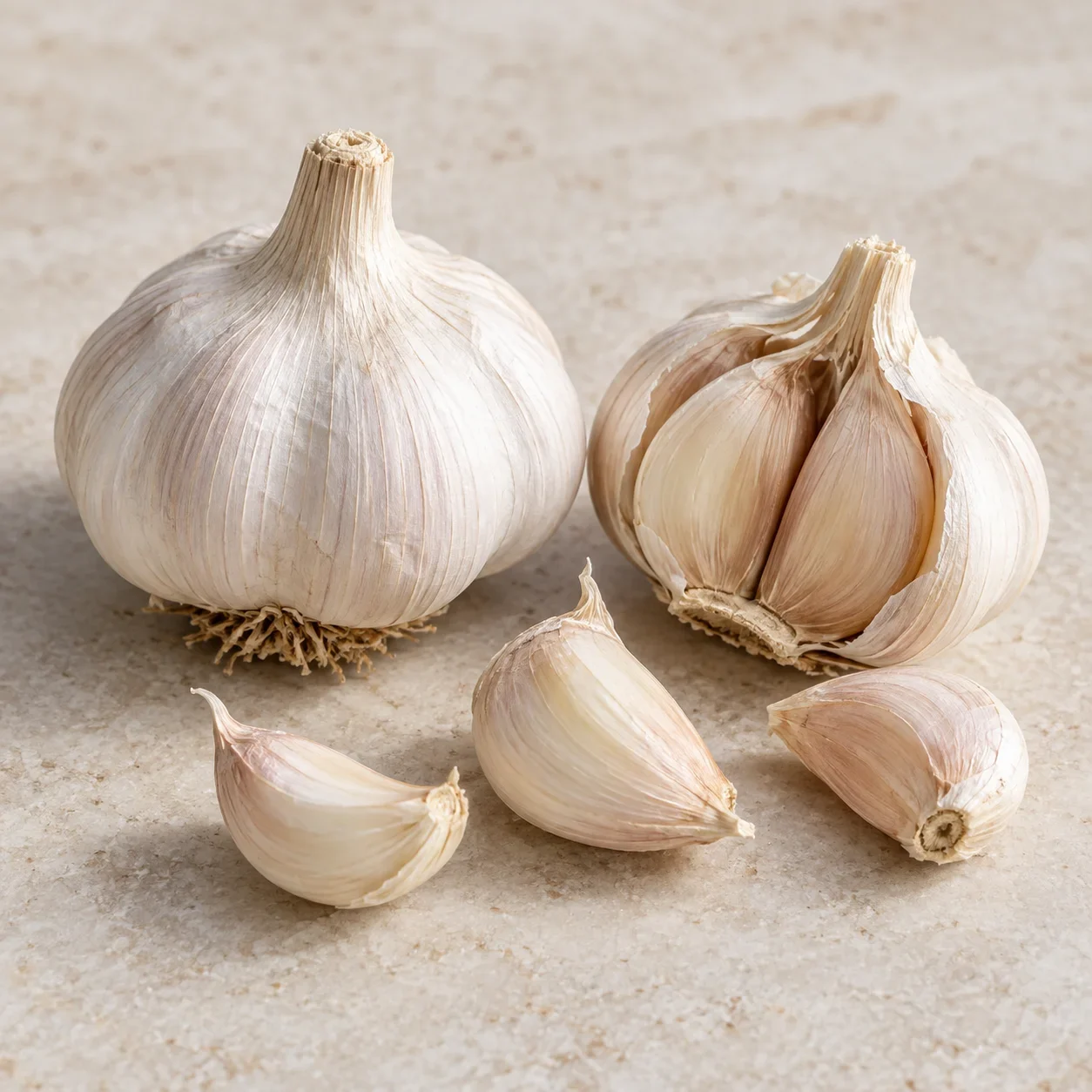

Recipes vary by restaurant.
How does it taste?
Short greenish strands made from tender barley grains, with a fresh grain aroma and a soft, lightly chewy bite. The Dingzhou version is mixed with lettuce leaves, garlic, oil and salt.
- Chili heat
- Texture
- Short greenish strands made from tender barley grains, with a fresh grain aroma and a soft, lightly chewy bite. The Dingzhou version is mixed with lettuce leaves, garlic, oil and salt.
- How it’s made
- Cook barley ears as they begin to yellow, then rub and winnow away husks and awns. Stone-mill the tender cooked grains into short strands. Toss with lettuce leaves, minced garlic, cooking oil and salt.
Barley contains gluten. Garlic can taste sharp even without chili. The dressing oil is unspecified in the representative account; other toppings need separate checking.
A CONNECTION TO PLACE
Origin & regional roots
Associated with Hebei.
About this regional connection
Hebei: Dingzhou barley-based representative of wider northern nianzhuan family.
Ask if they have it first
请问你们有定州碾碾转儿吗?
Do you have this item?
A LITTLE SOMETHING TO READ
Story & history
Dingzhou young-barley strands
Dingzhou's nianzhuan turns tender barley into strands by cooking and stone milling instead of mixing flour dough. It belongs to northern China's seasonal young-grain food traditions; other regions also make nianzhuan, sometimes with wheat.