
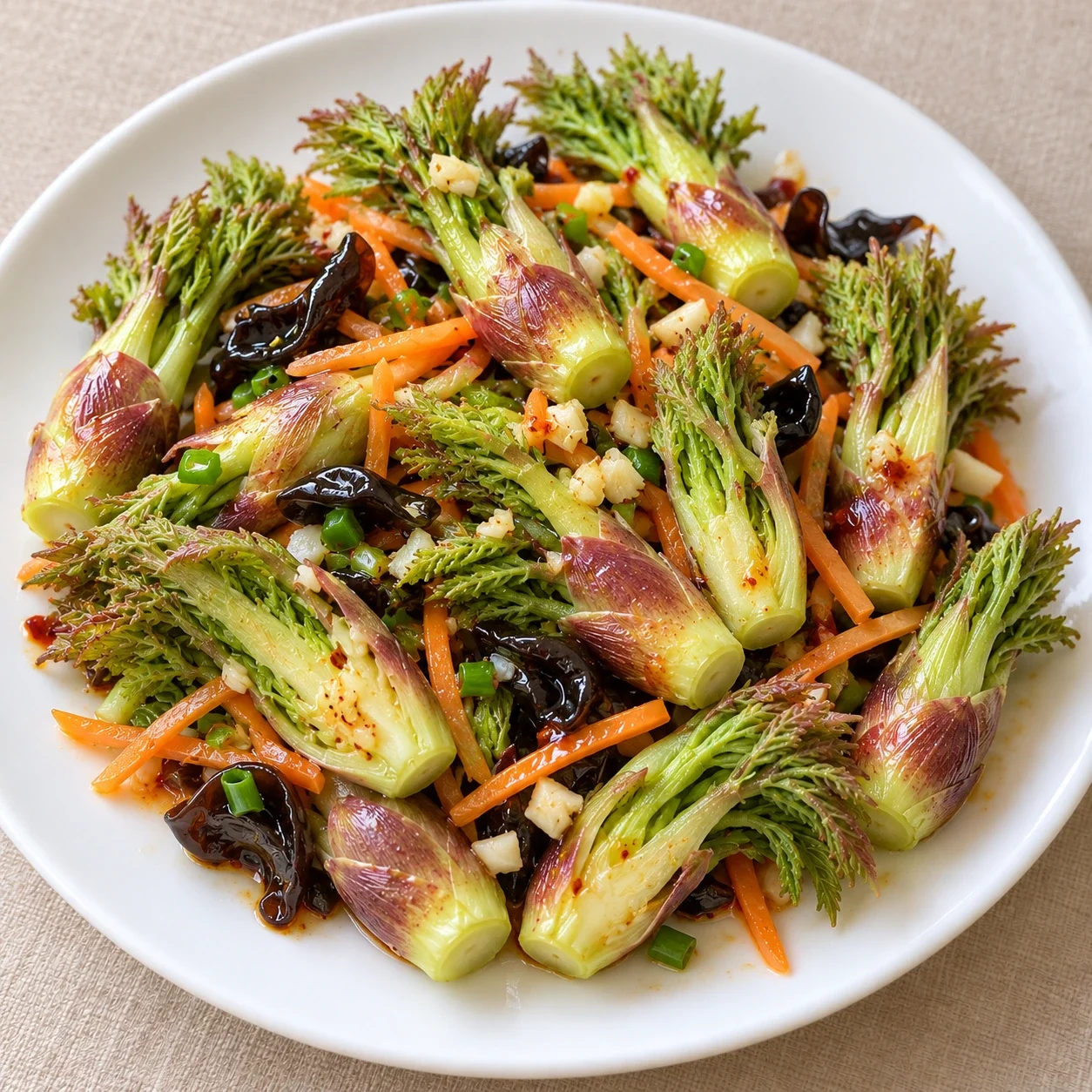
At the table
Lift small portions with chopsticks and mix in the dressing. Eat the tender buds; set aside any unusually woody piece.
Ask about the chili oil and other seasonings if avoiding animal products. This is a prepared vegetable dish, not advice to identify or collect wild plants.
Dressing and side vegetables vary. Dried or pickled shoots taste different; stir-fried versions with cured pork are separate preparations.
GET TO KNOW THE DISH
What goes into it?
Explore some key ingredients below. Preparations may use additional seasonings and ingredients.
Dressing and side vegetables vary. Dried or pickled shoots taste different; stir-fried versions with cured pork are separate preparations.
Typical ingredients
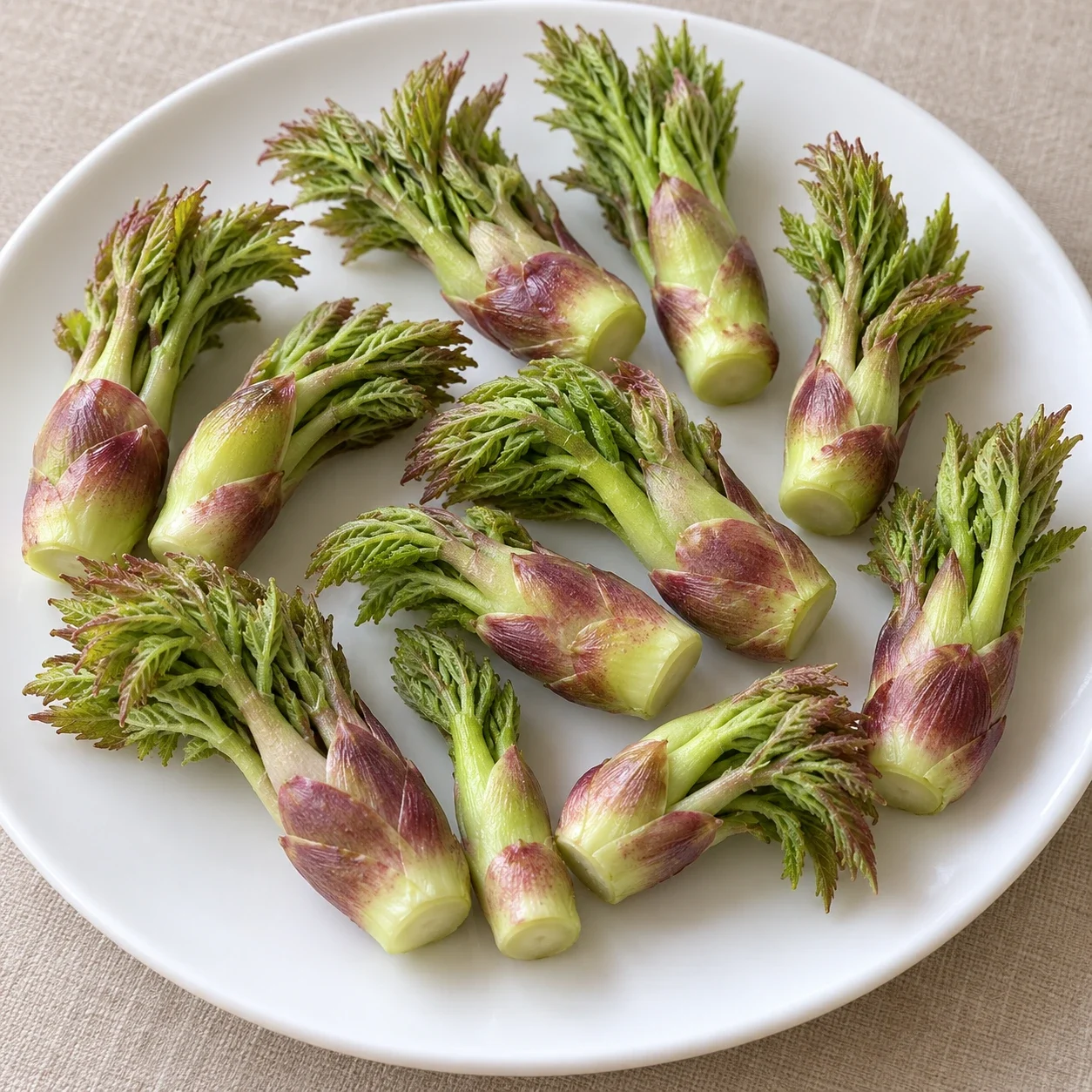
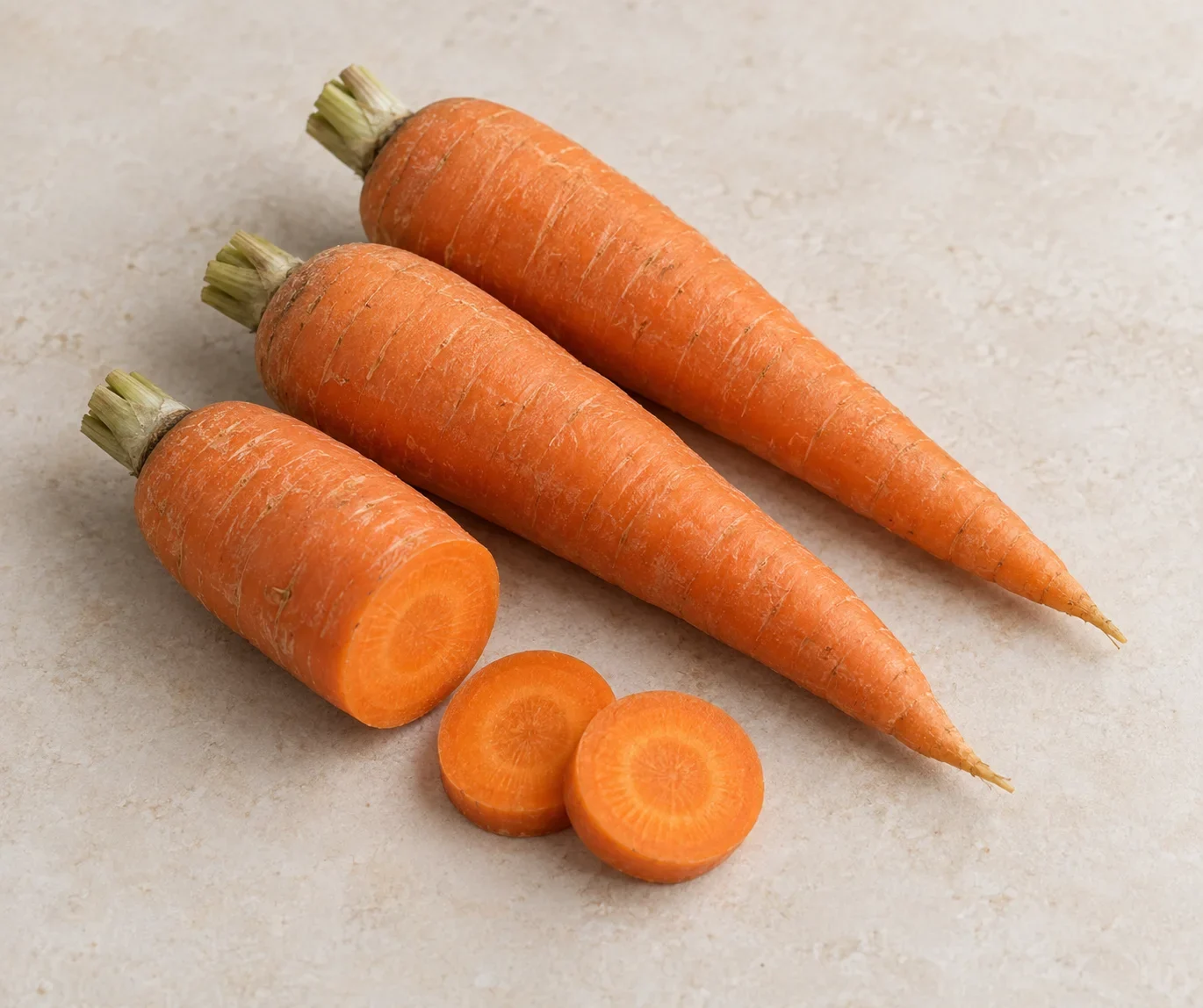
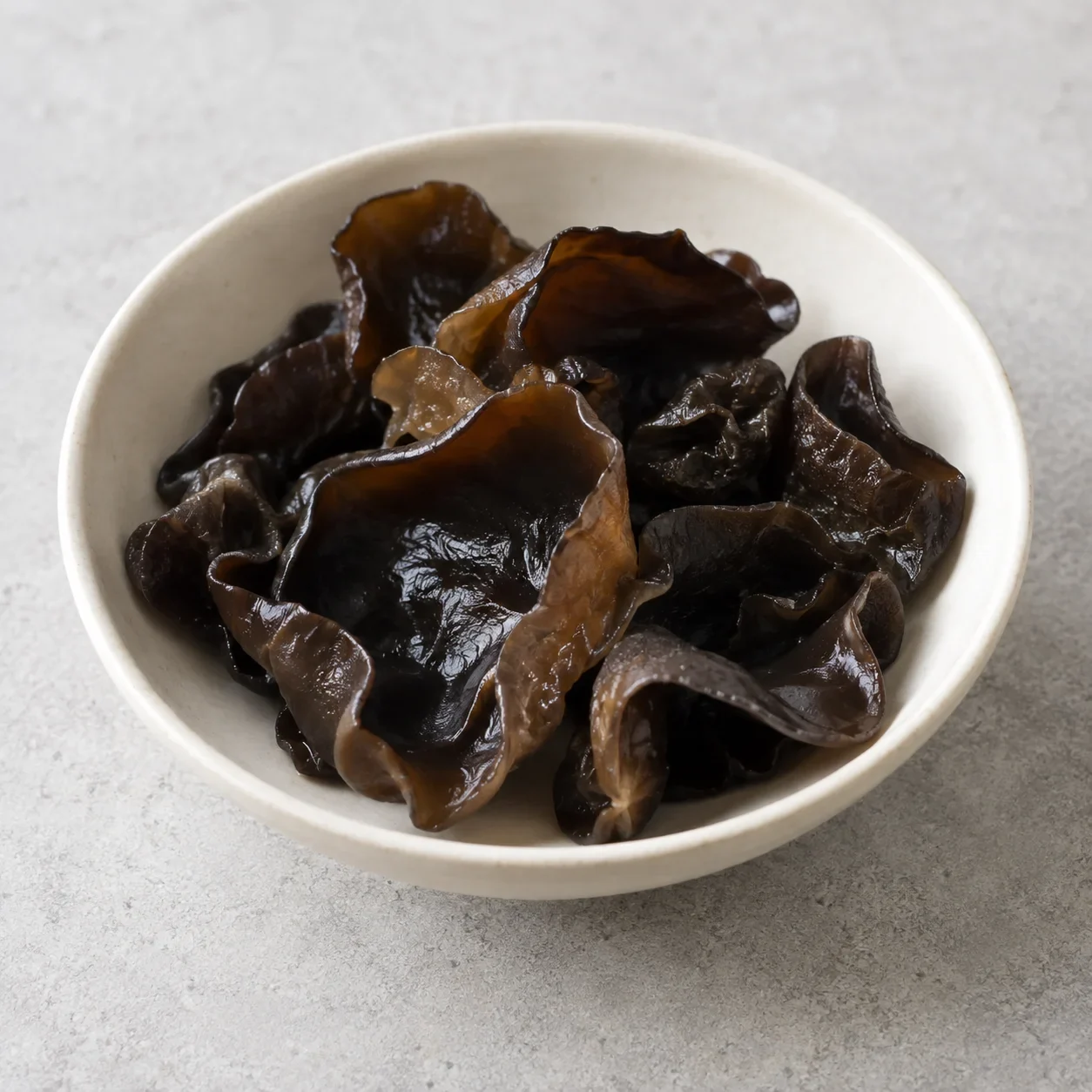
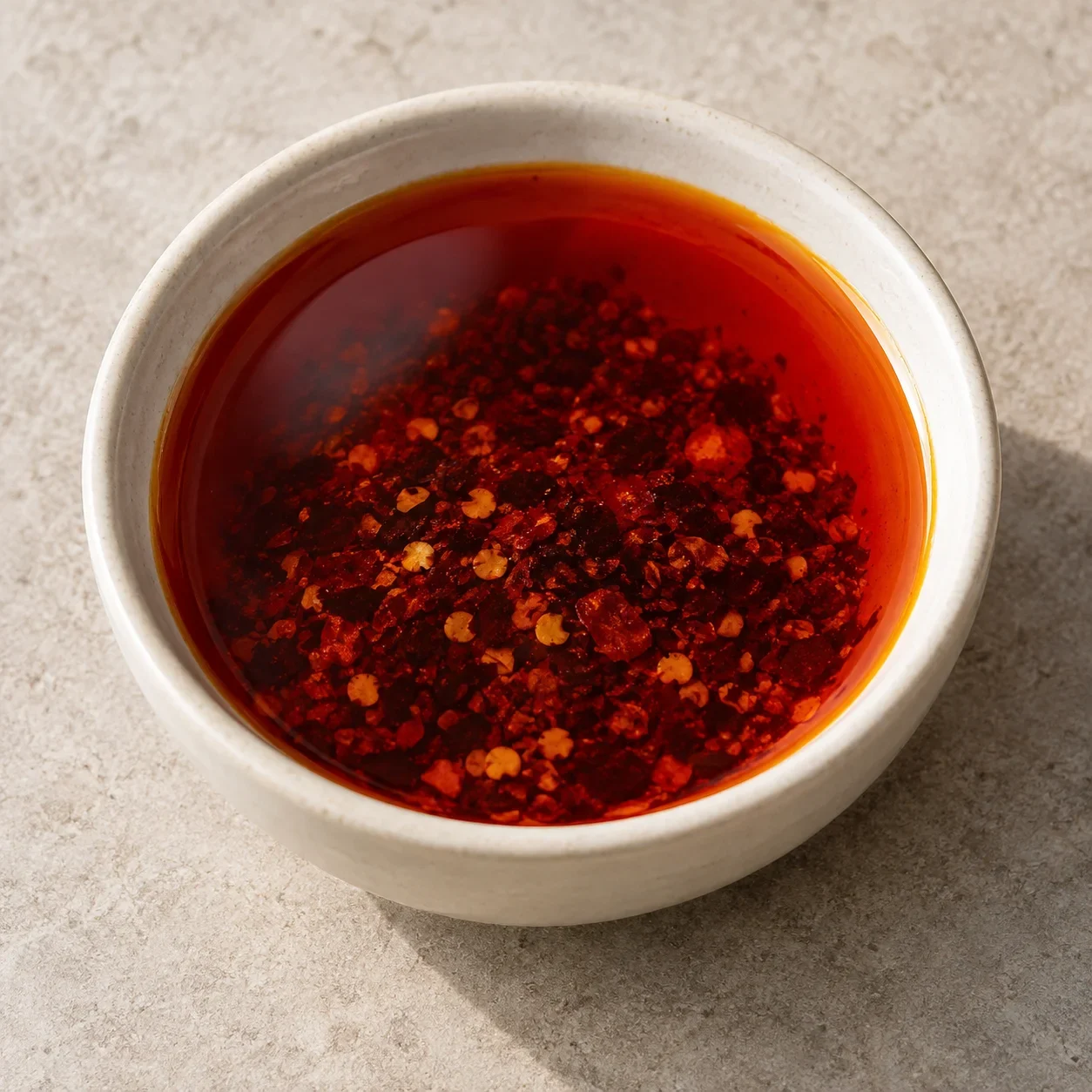

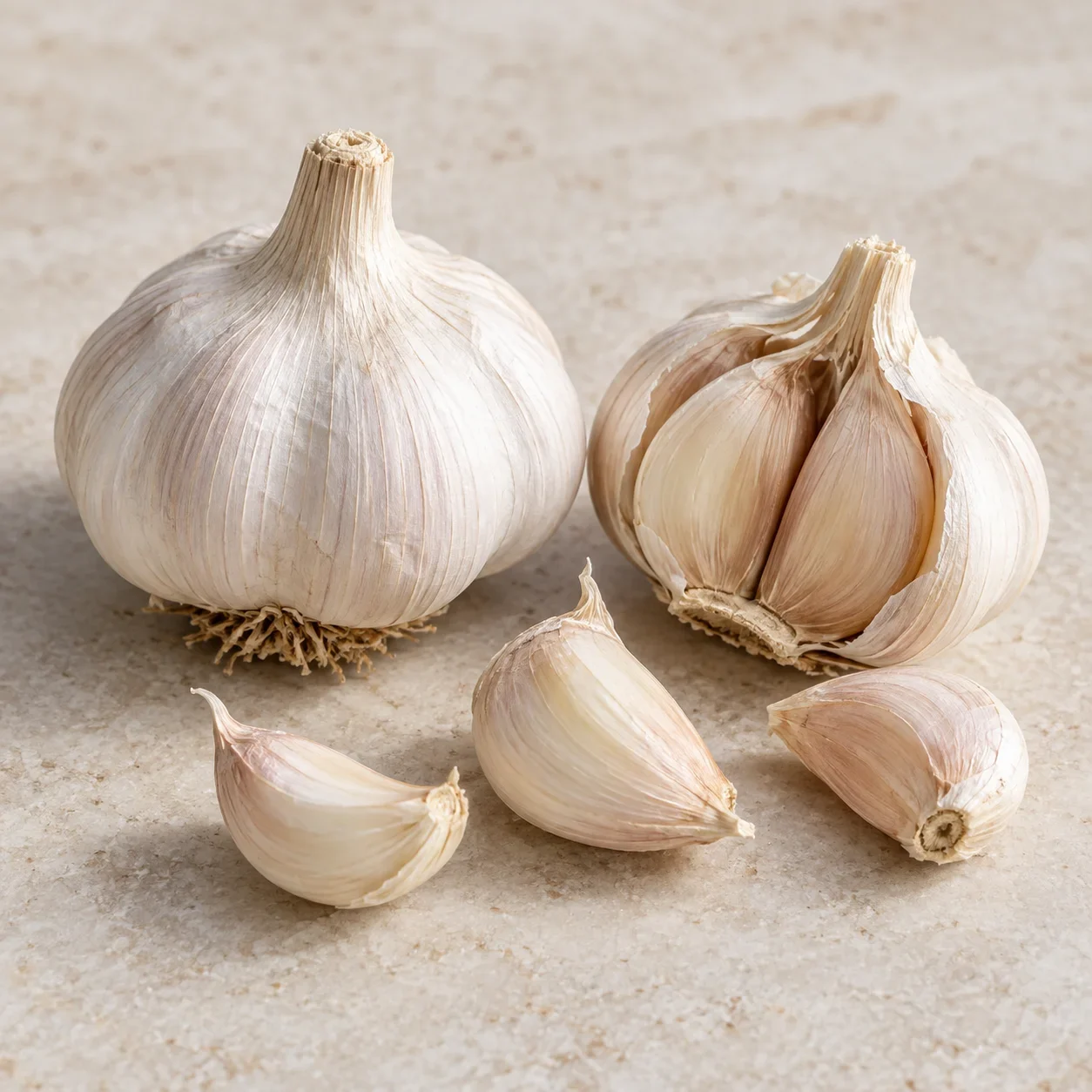
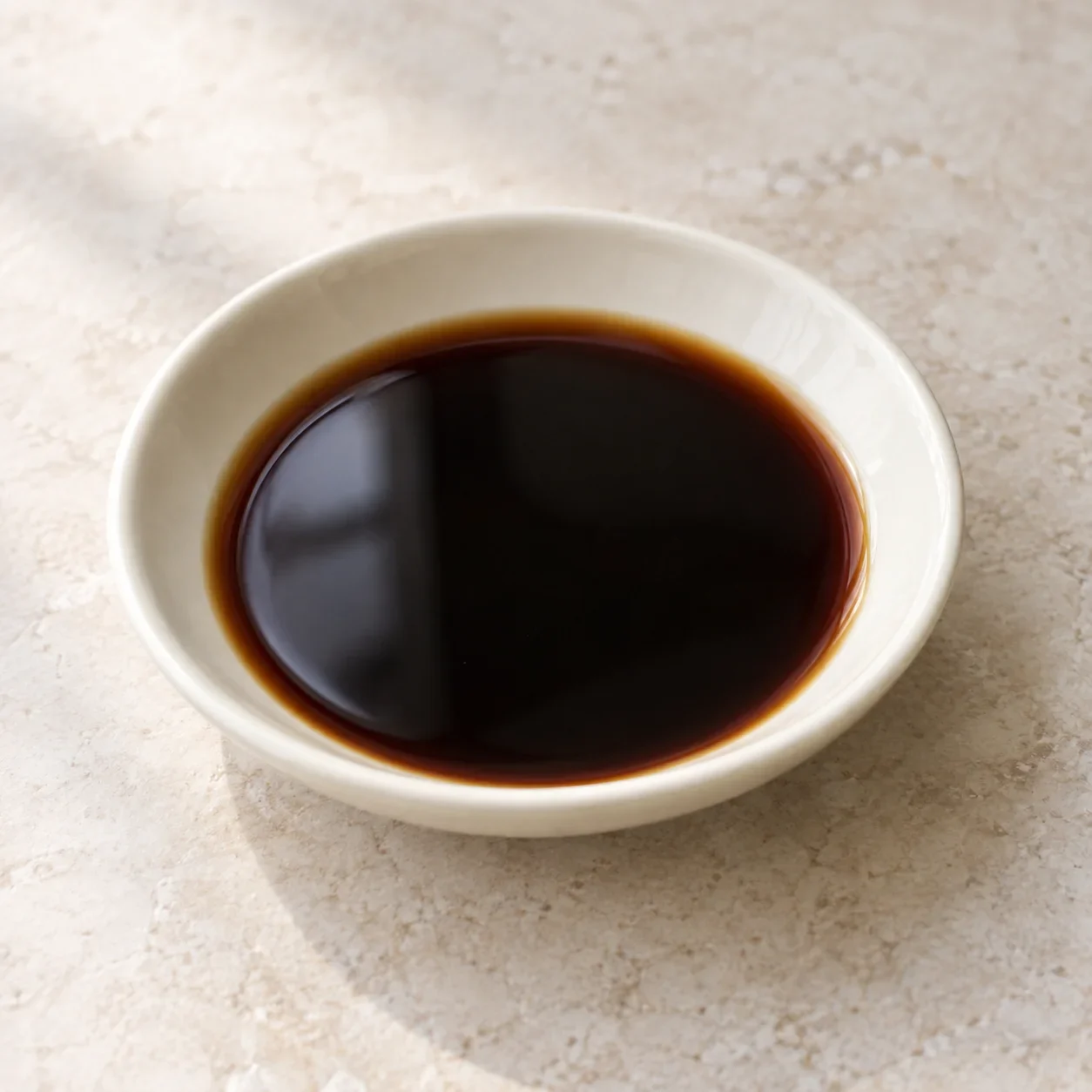

Recipes vary by restaurant.
How does it taste?
Fresh, slightly bitter greens with garlic, vinegar and chili-oil warmth.
- Chili heat
- Texture
- Tender-crisp buds, softer folded leaflets and springy wood ear.
- How it’s made
- Tender buds are trimmed, split, blanched and cooled, then tossed with carrot shreds, cooked wood ear, scallion, garlic, vinegar, salt and vegetable-based chili oil.
Dressing and side vegetables vary. Dried or pickled shoots taste different; stir-fried versions with cured pork are separate preparations.
A CONNECTION TO PLACE
Origin & regional roots
Associated with Gansu.
About this regional connection
Gansu: Spring shoots are used for cold vegetable dishes in southeastern Gansu.
Ask if they have it first
请问你们有凉拌乌龙头吗?
Do you have this item?
A LITTLE SOMETHING TO READ
Story & history
Spring buds on the Gansu table
This account describes a tradition or story, rather than an established historical fact.
Around spring, wulongtou buds appear in southeastern Gansu markets. Blanching and cooling them for dressed plates is one local way to enjoy their brief fresh season.