
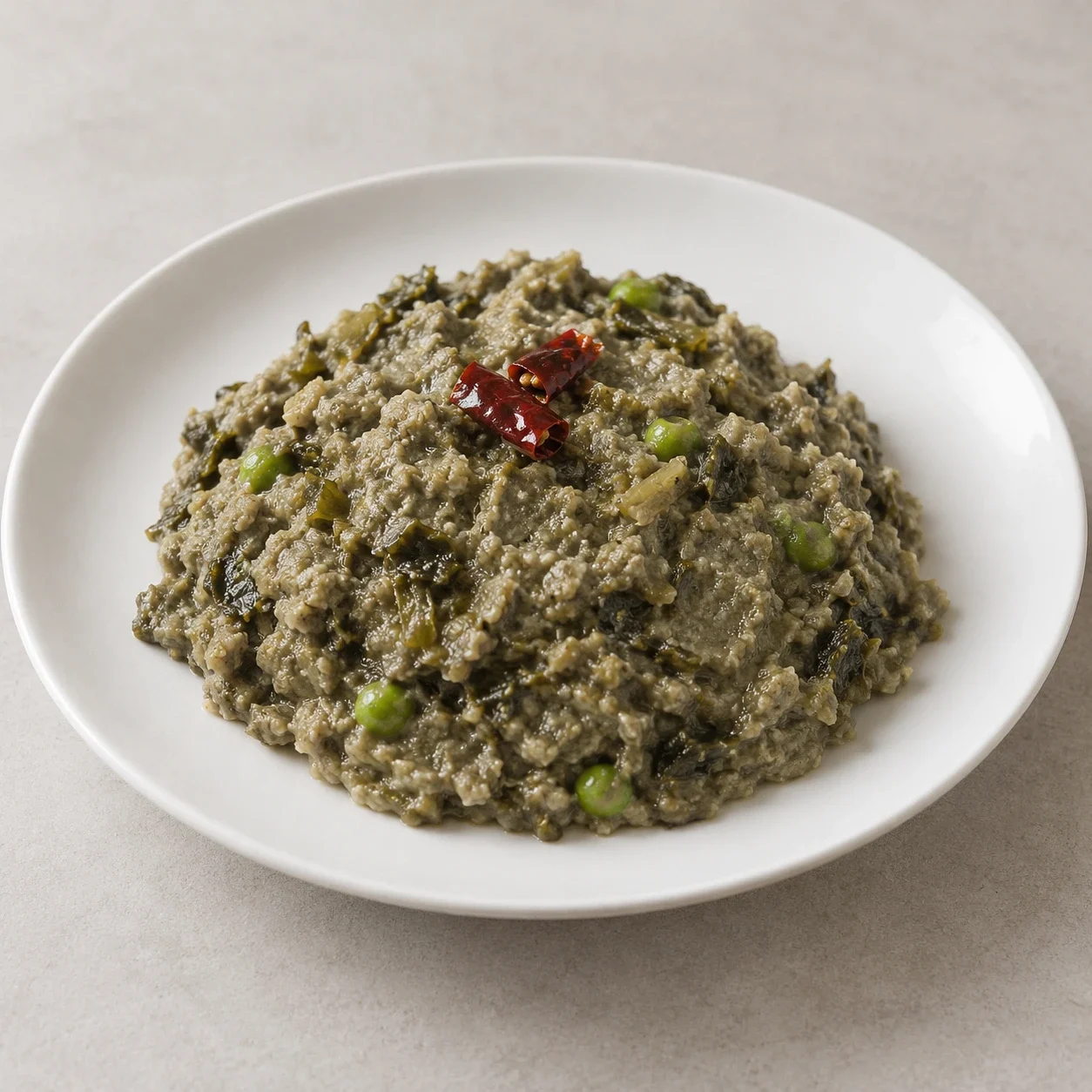
At the table
Try a small spoonful warm, then eat it with rice or noodles. Mix in the chili topping only to your taste; the fermented sourness is part of its character.
Often contains animal fat and soy; sauces may contain wheat. Ask about meat, oil and seasoning if vegetarian or avoiding allergens. Chili and hot oil can be intense.
The representative version uses sheep fat, yellow soybean paste and pickled mustard greens. Some cooks add beans or sprouts; their type and other additions vary.
Offer a cooled, small, mild portion only if the child can manage the texture. Mash any whole beans, remove chili pieces, and check salt, ingredients and allergens.
Recipes vary. Ask the restaurant about ingredients and serving before you order.
GET TO KNOW THE DISH
What goes into it?
Explore some key ingredients below. Preparations may use additional seasonings and ingredients.
Sheep fat is traditional, but pork fat or vegetable oil also occur. Added beans, greens, meat and chili vary; vegetable oil alone does not make the whole dish vegetarian.
Typical ingredients
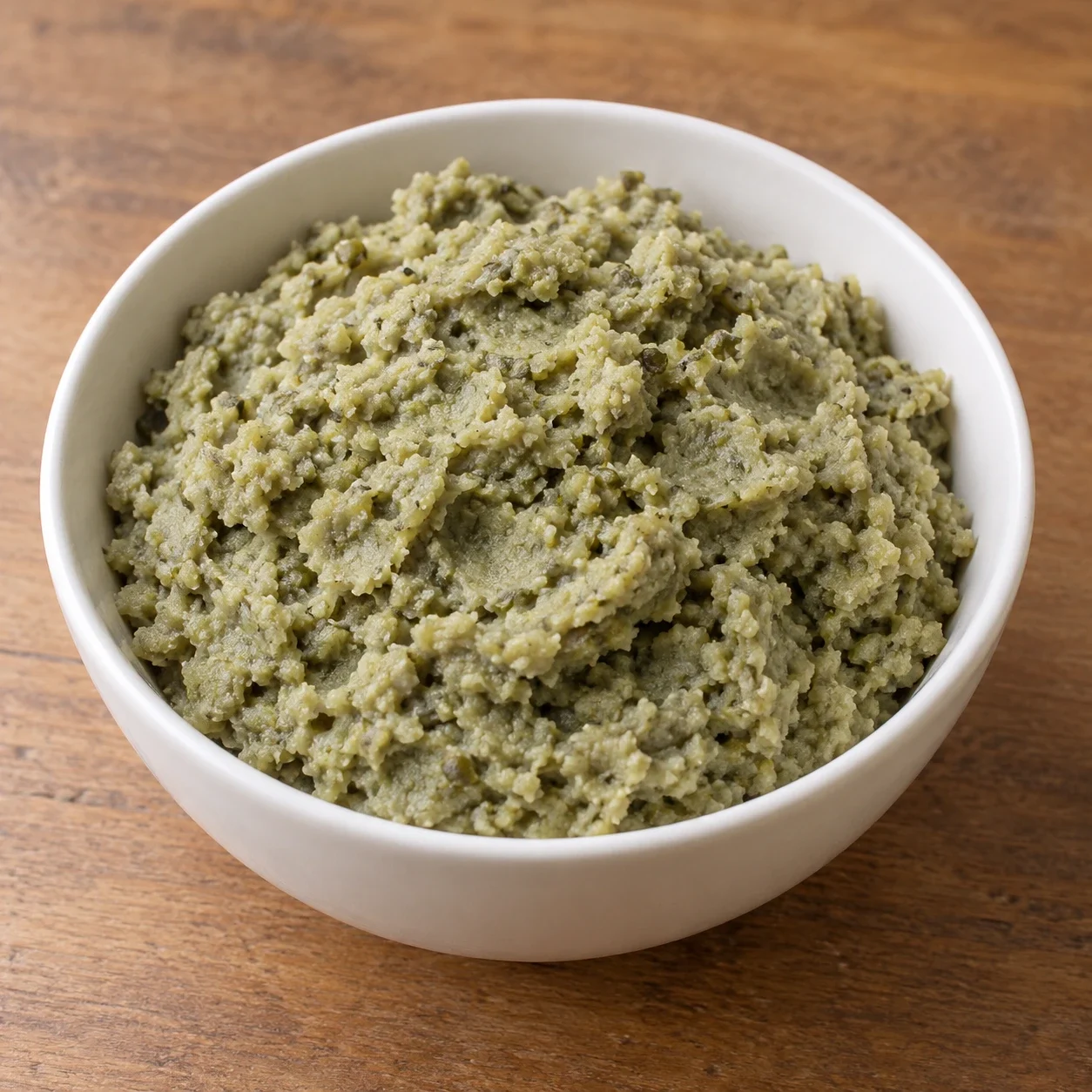
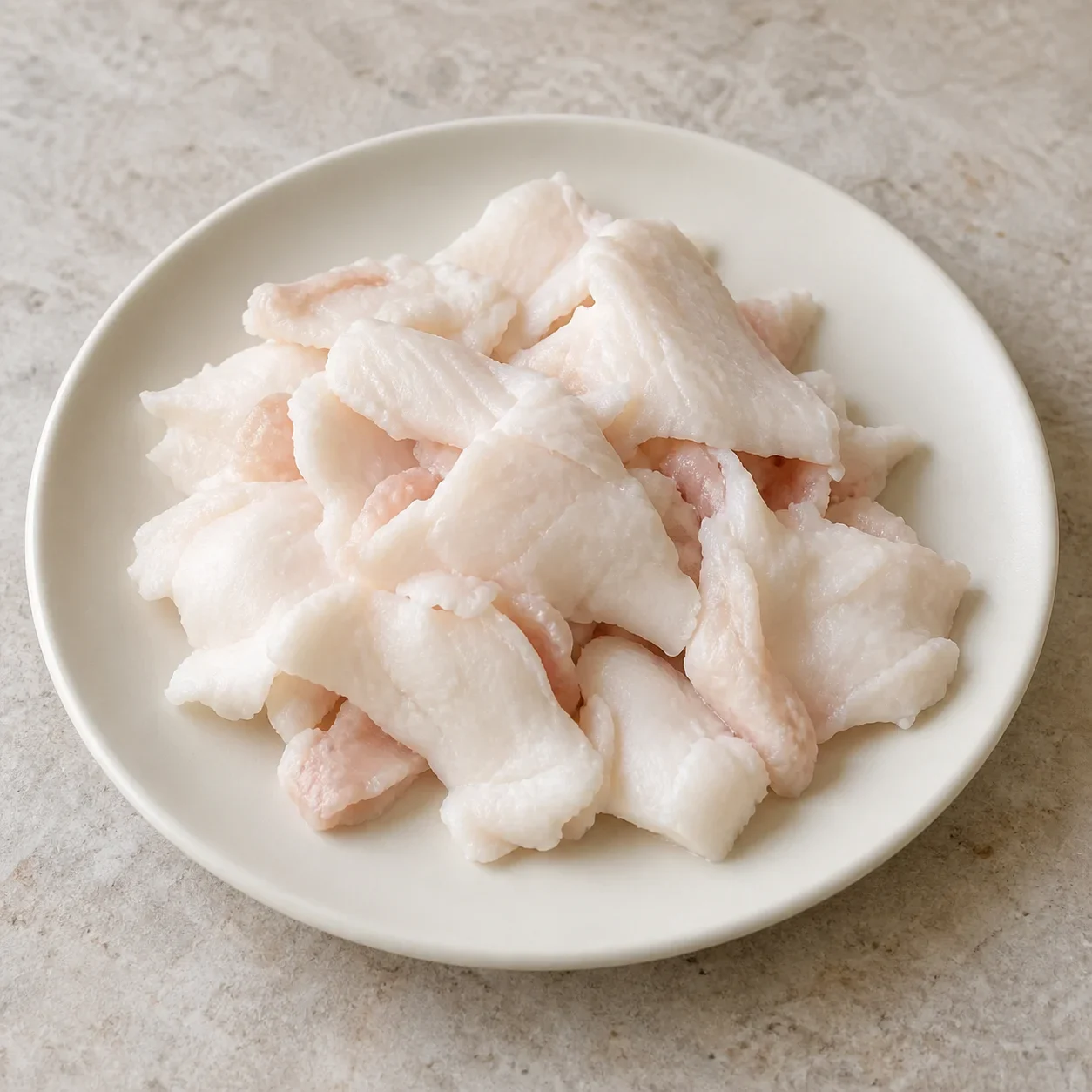
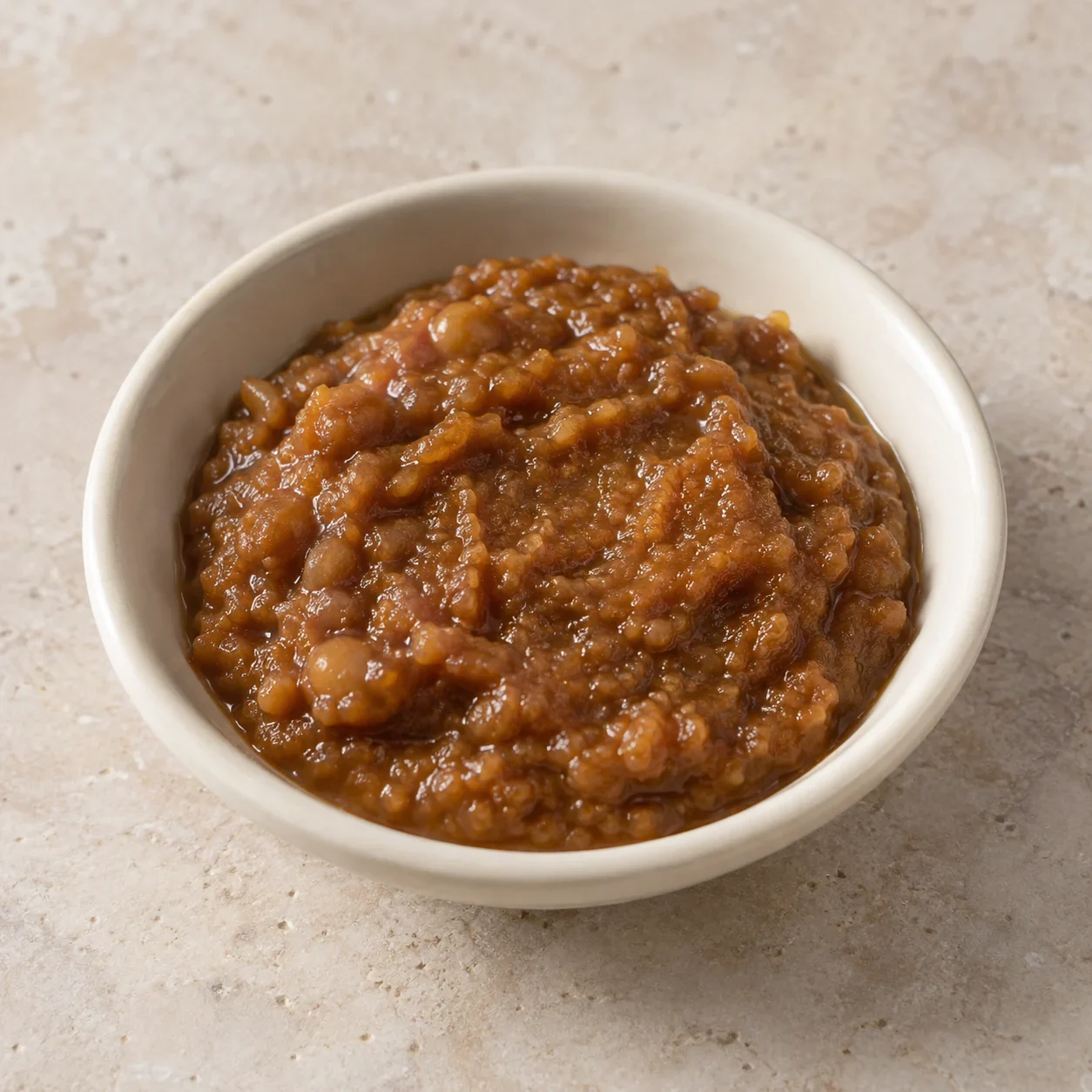
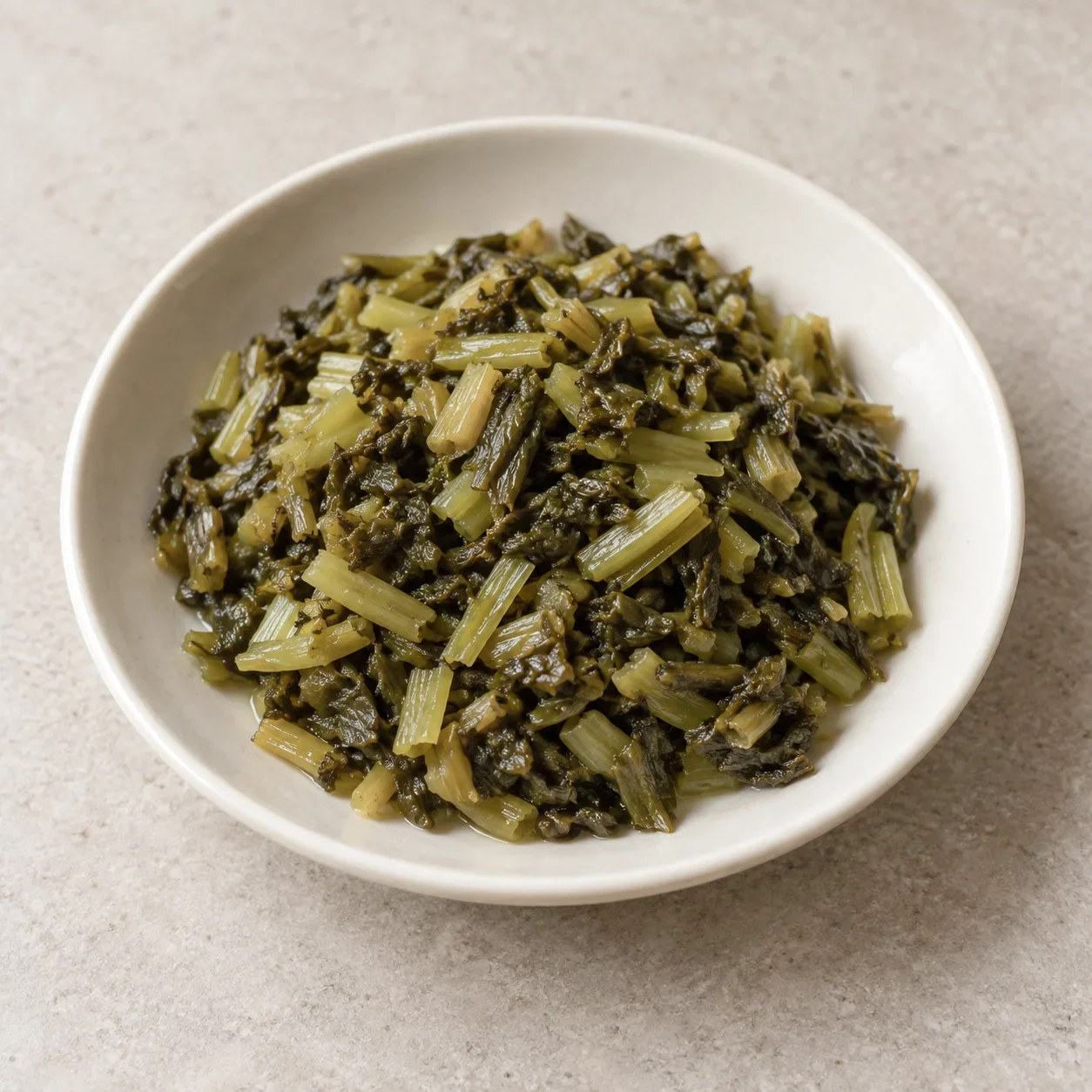
In some versions
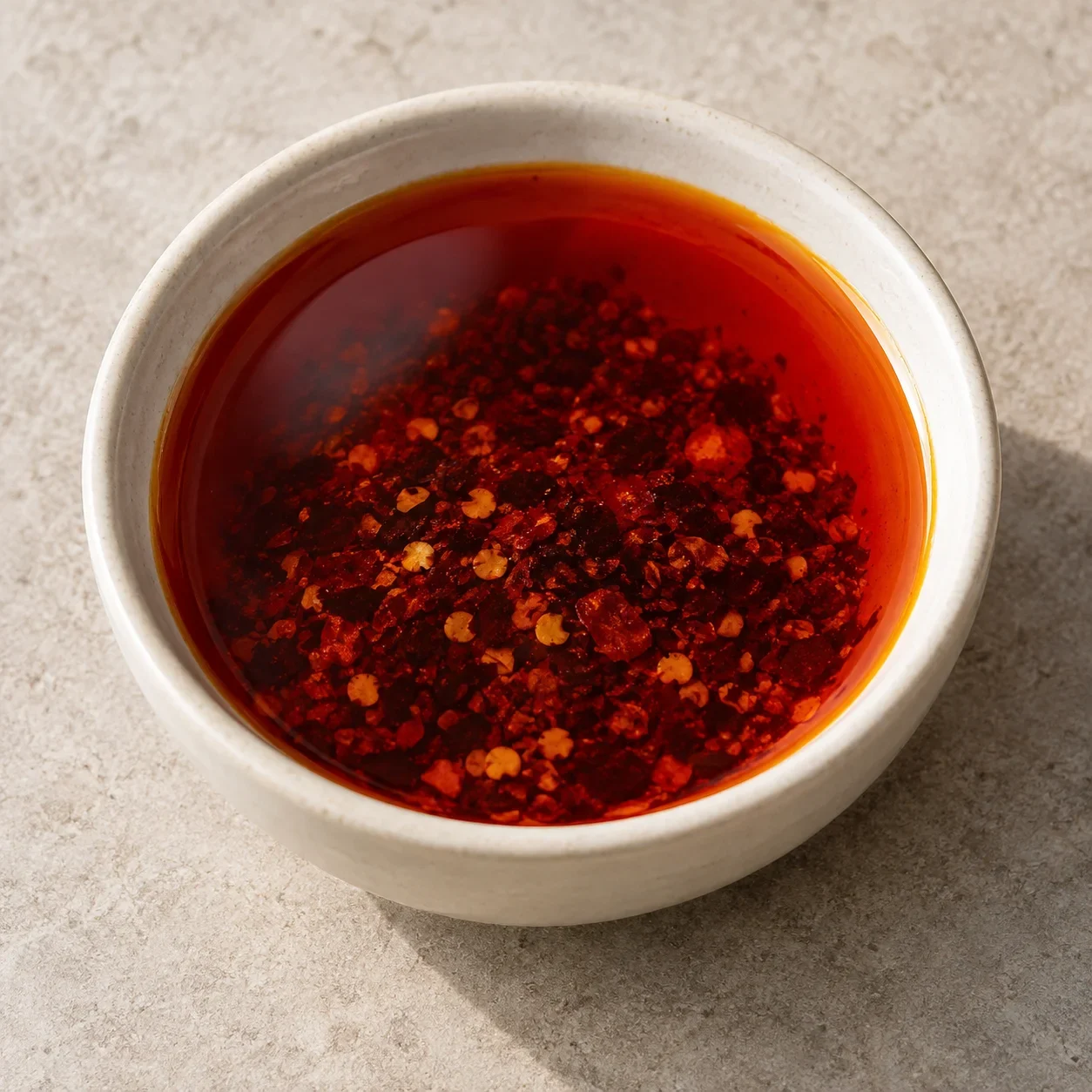
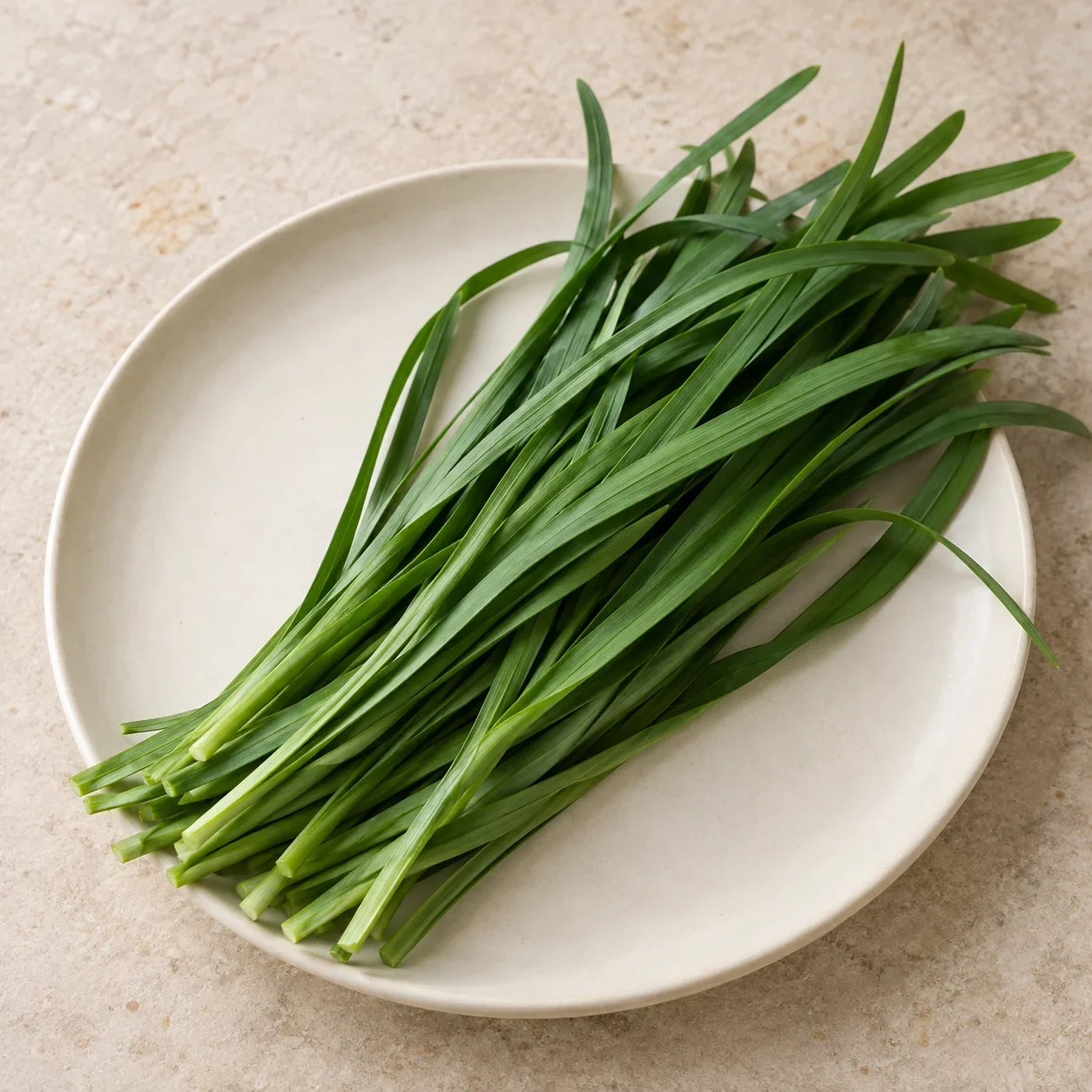
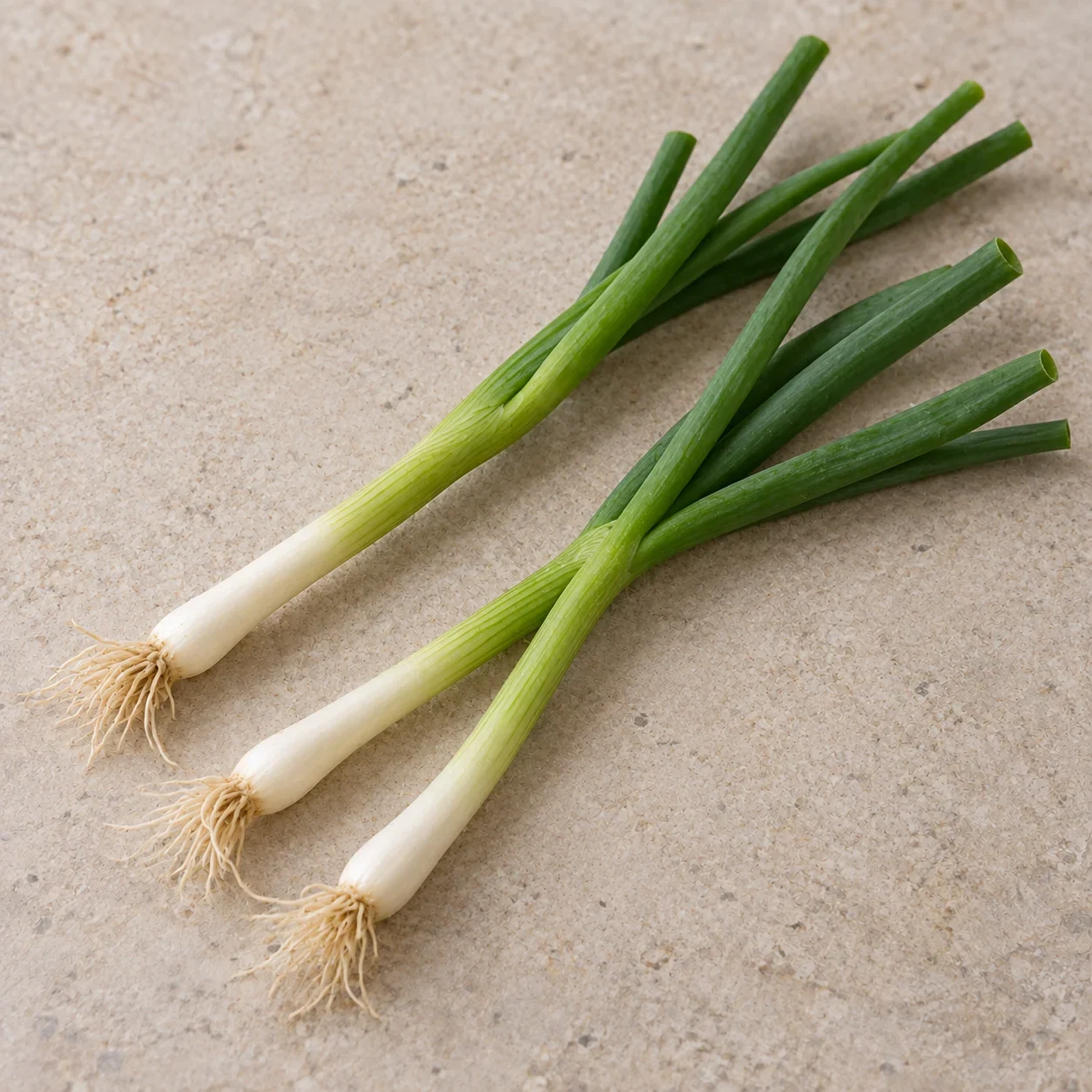
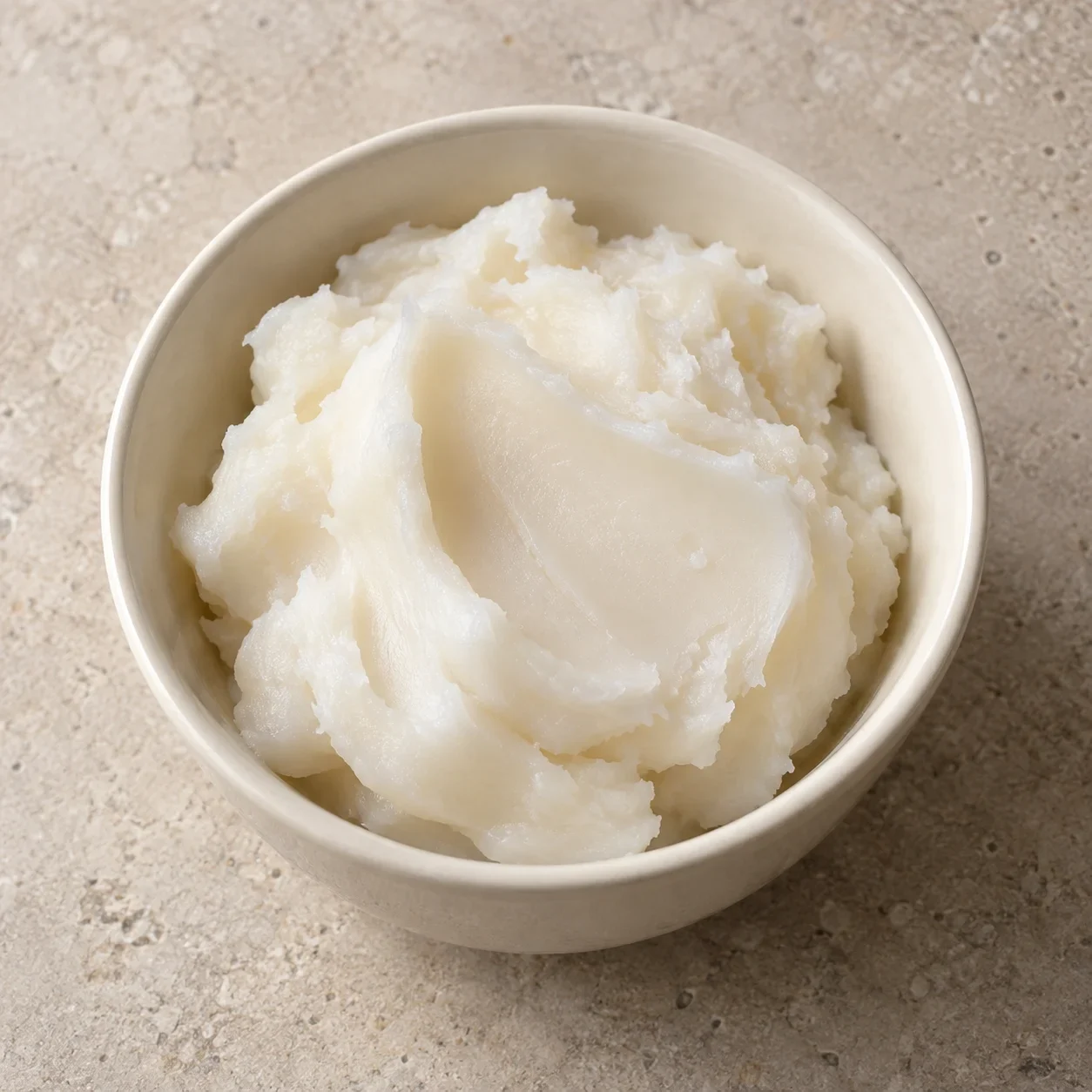
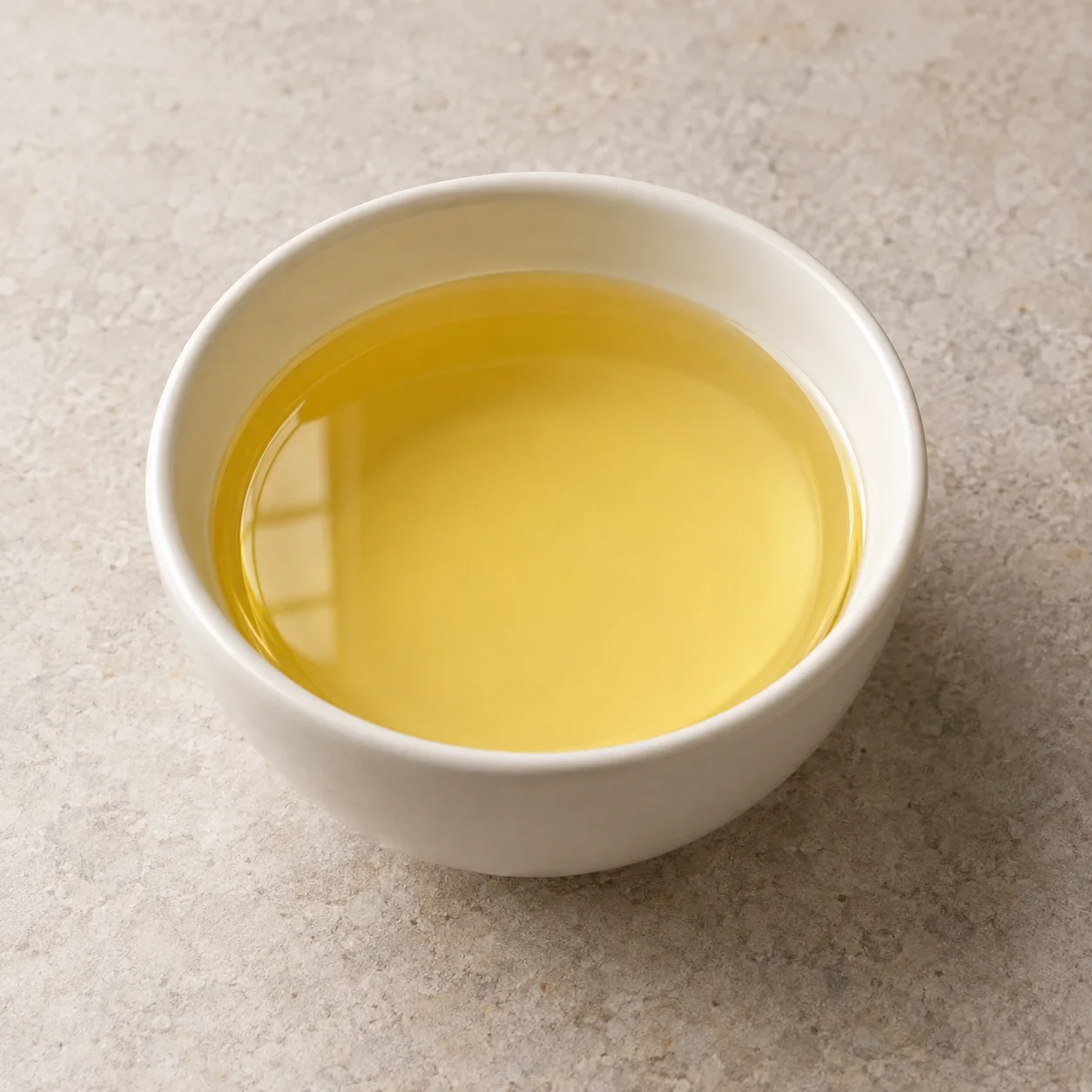
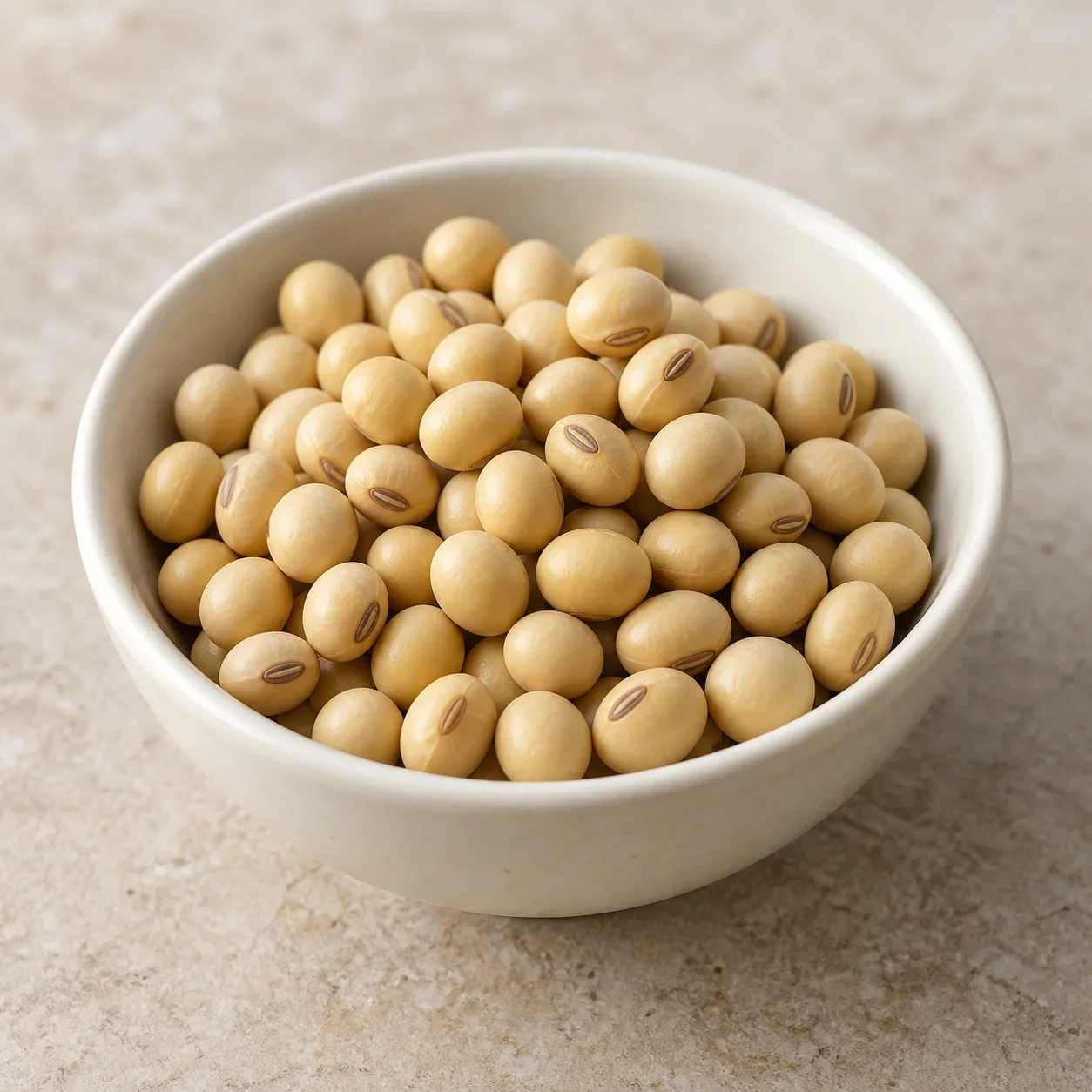
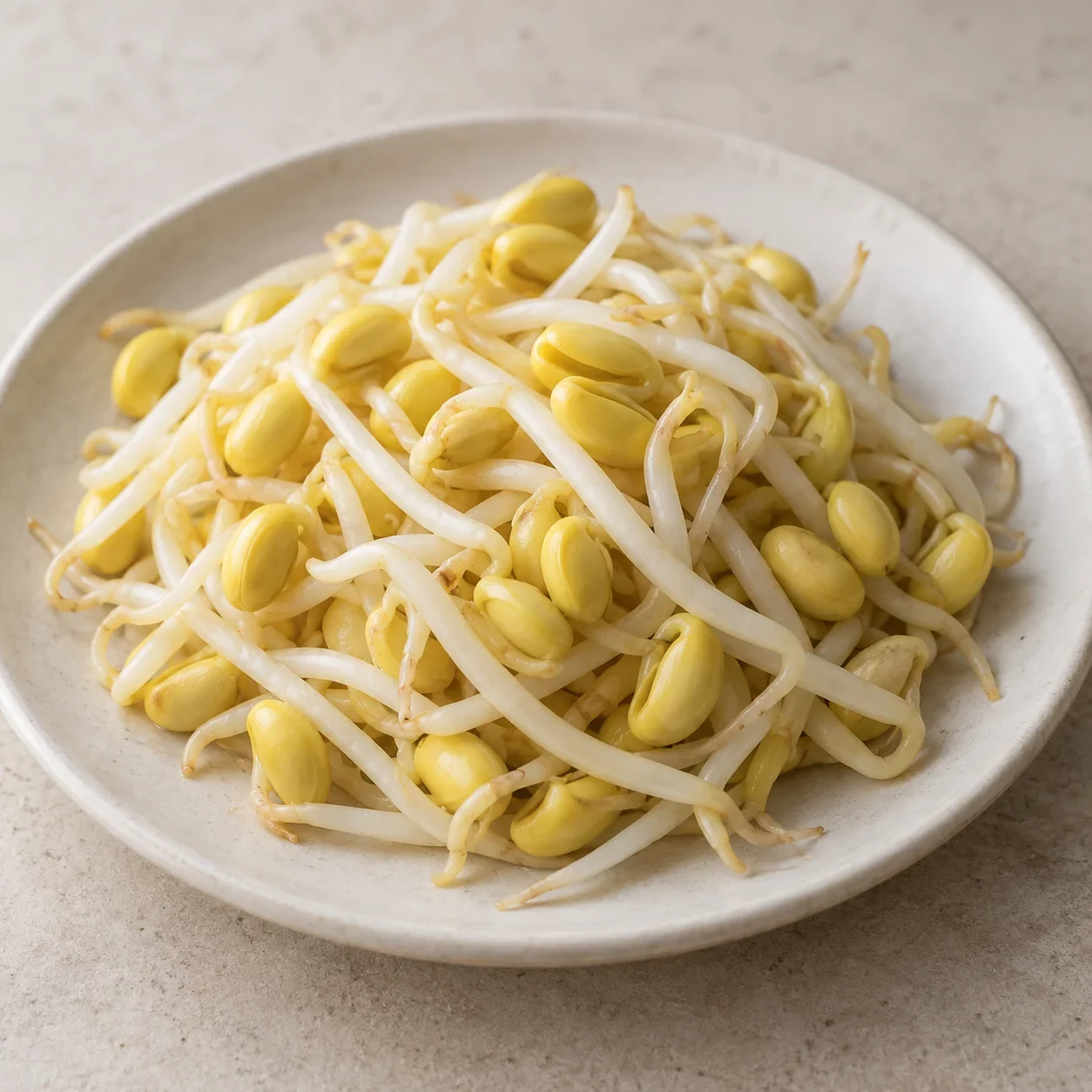
Recipes vary by restaurant.
How does it taste?
Tangy and savory, with rich fat and fermented bean-paste aromas. A chili-oil topping can make it mildly spicy or hotter.
- Chili heat
- Texture
- Soft, moist and slightly grainy, with chopped greens and sometimes whole beans.
- How it’s made
- Stir and simmer the pulp with fat, bean paste and pickled greens until thick and cohesive. Some versions finish with chili oil and chives or scallion.
Sheep fat is traditional, but pork fat or vegetable oil also occur. Added beans, greens, meat and chili vary; vegetable oil alone does not make the whole dish vegetarian.
A CONNECTION TO PLACE
Origin & regional roots
Associated with Beijing.
About this regional connection
Beijing: Beijing processing and dish directly described in municipal account and cookbook; no exclusiveorigin orimperialclaim.
Ask if they have it first
请问你们有炒麻豆腐吗?
Do you have this item?
A LITTLE SOMETHING TO READ
Story & history
Ma doufu and douzhi from one mung-bean workshop
Ma doufu and douzhi share a workshop history. In old Beijing mung-bean processing, the thin liquid became fermented douzhi, while a thicker middle slurry was cooked and drained into ma doufu. That slurry was a by-product of making starch and vermicelli; stir-frying it with sheep fat, yellow soybean paste and pickled mustard greens made an inexpensive, savory snack. The link helps distinguish two foods from one bean-processing process, though preparations can vary.