
GET TO KNOW THE DISH
What goes into it?
Explore some key ingredients below. Preparations may use additional seasonings and ingredients.
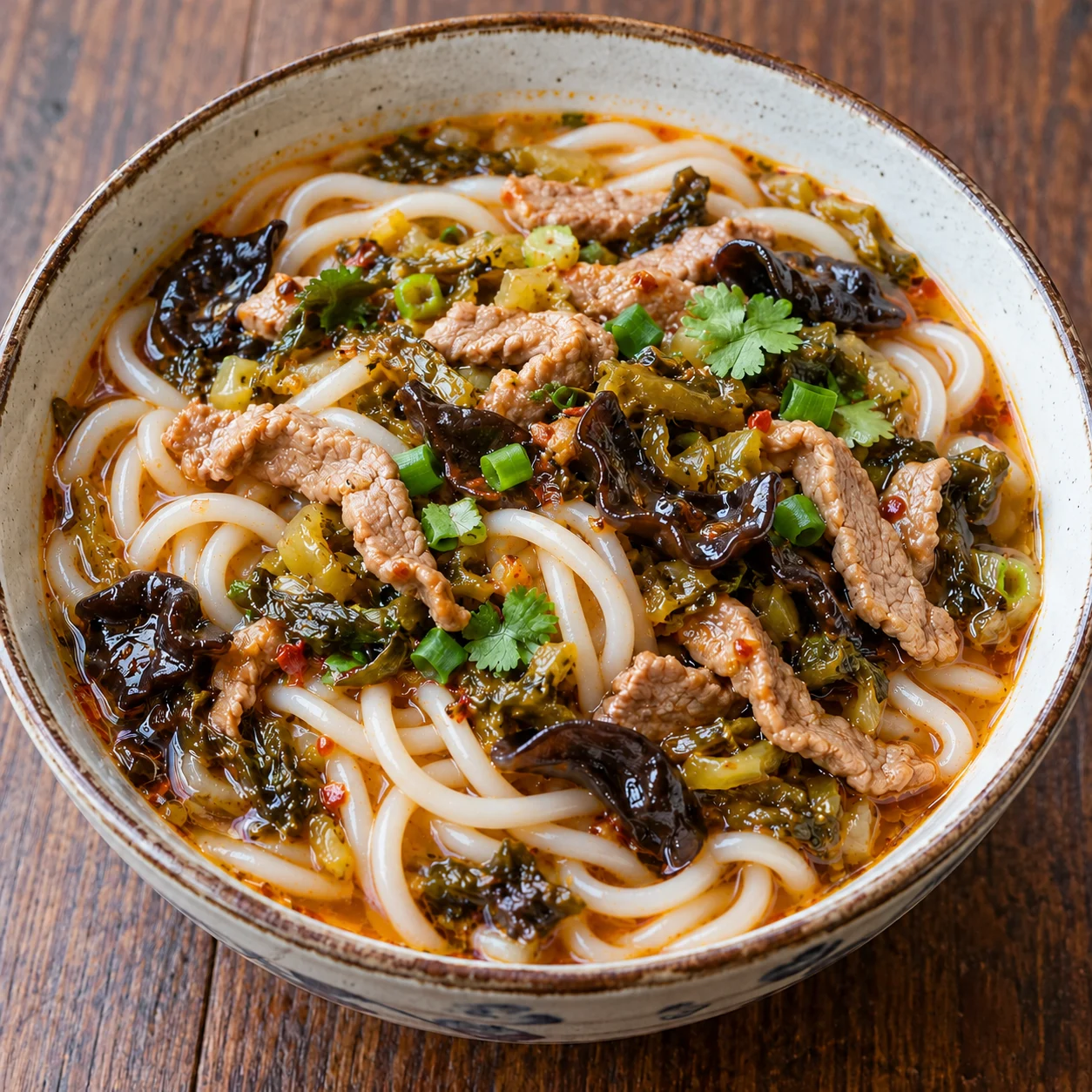
This is one pork-and-wood-ear preparation. Other bowls use mushroom, different pickles or other mazi; flat noodles also occur. These choices are not all ingredients in one standard bowl.
Typical ingredients
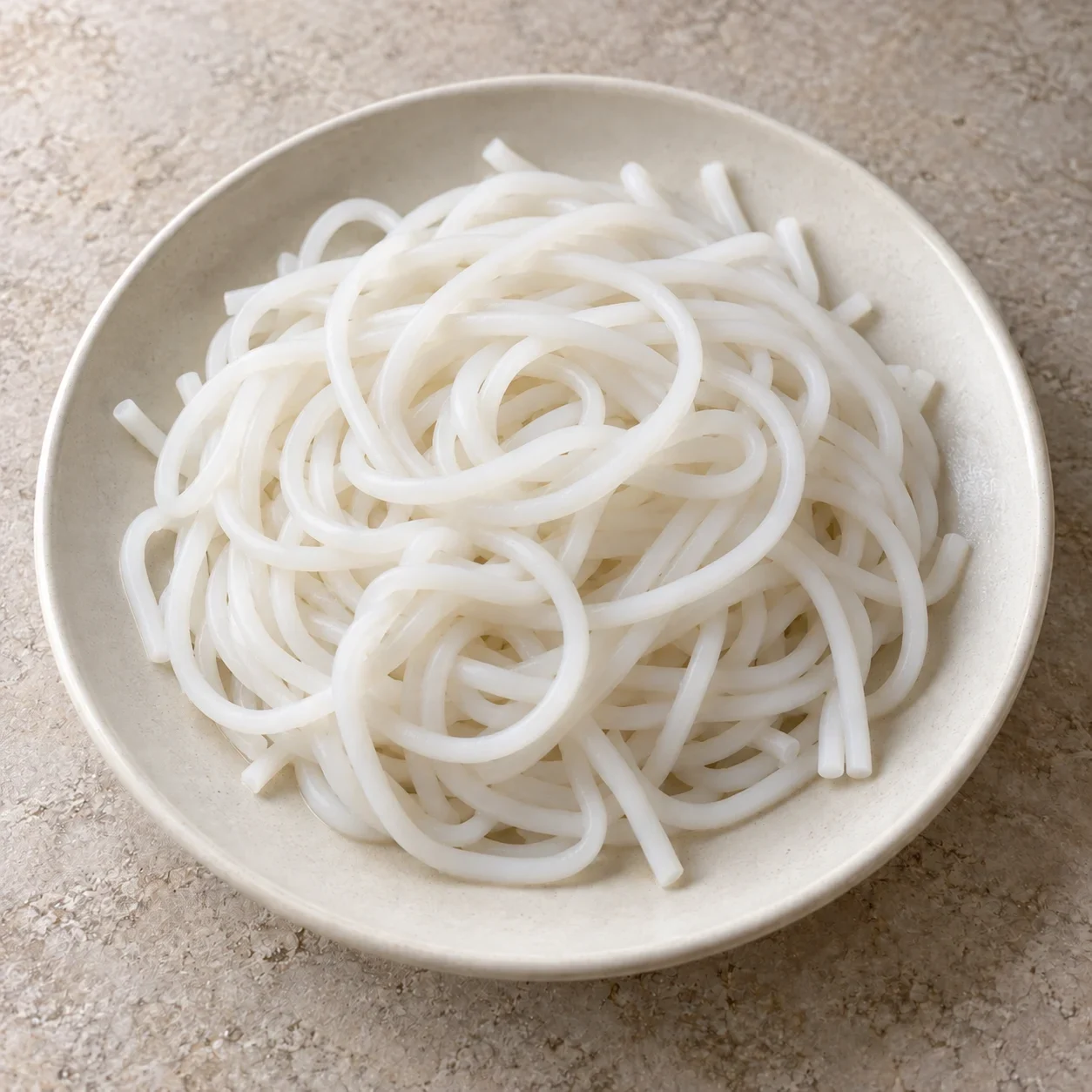
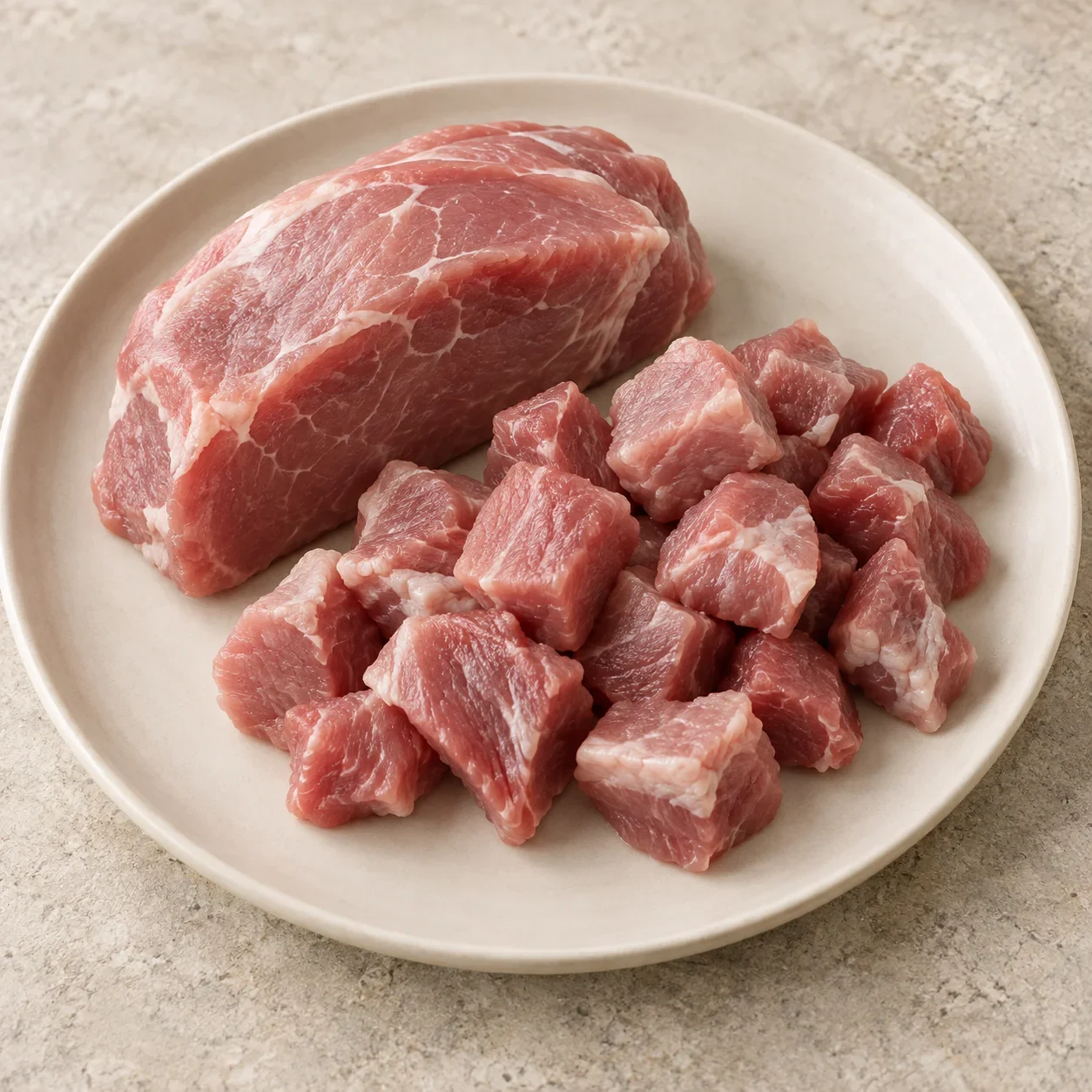
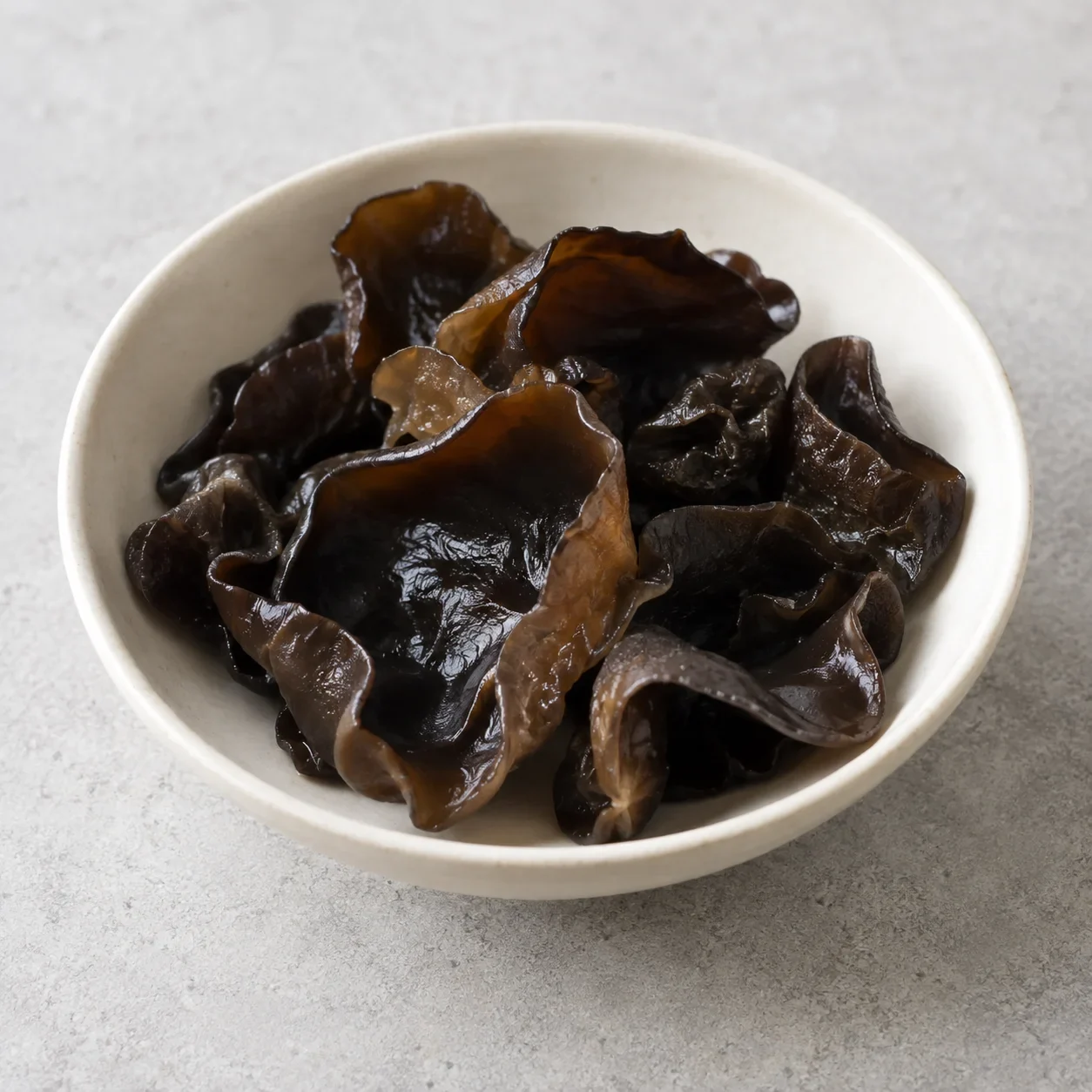
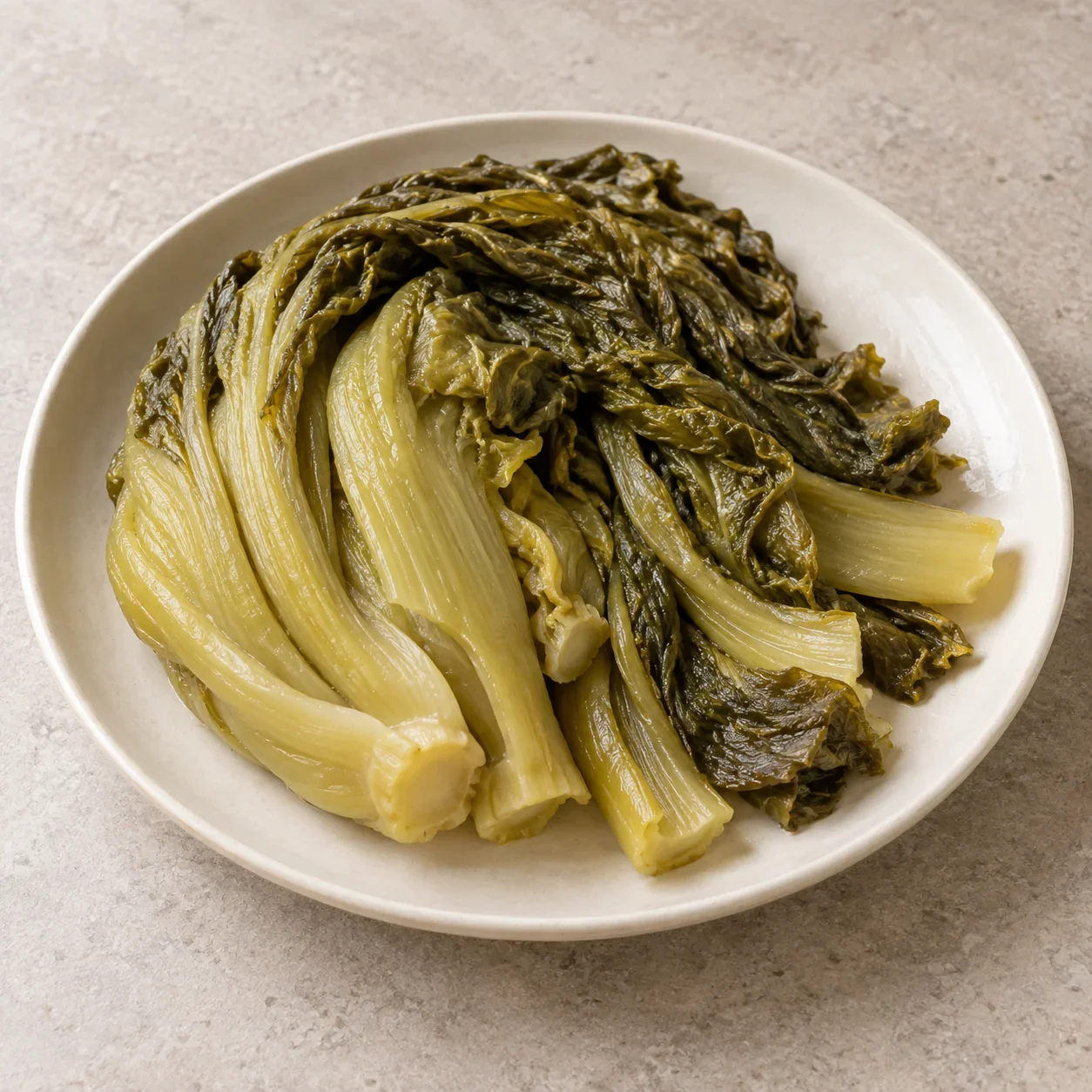
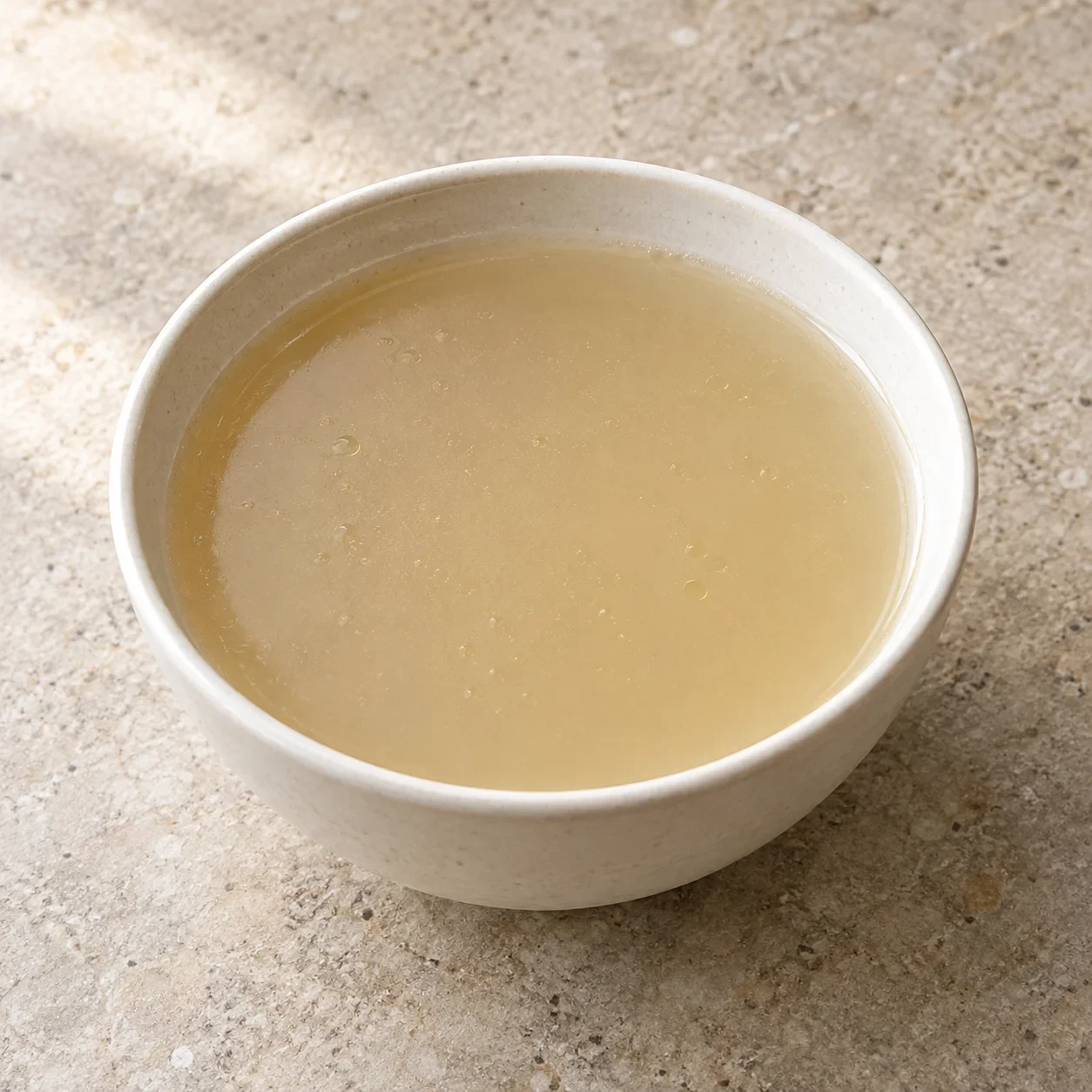
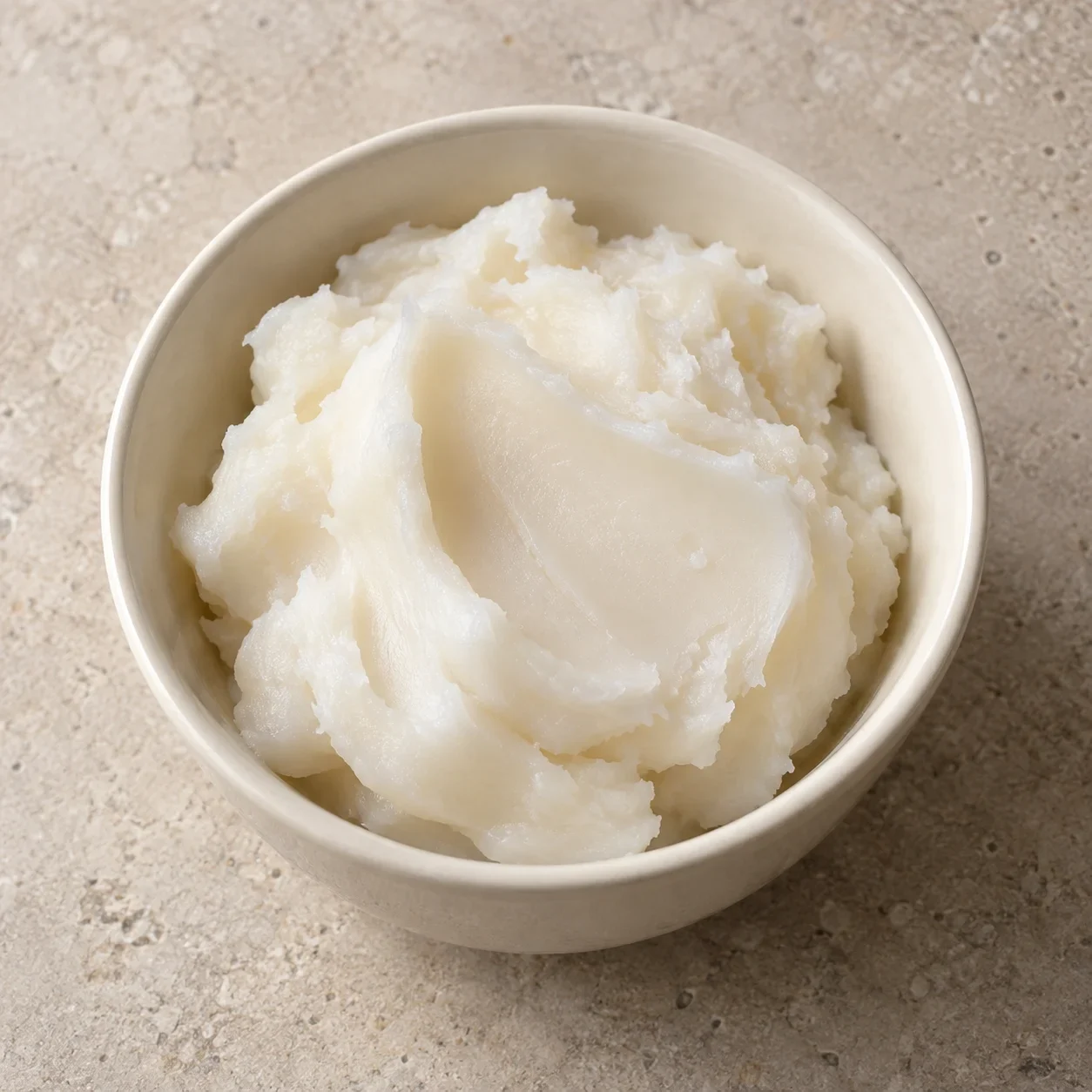


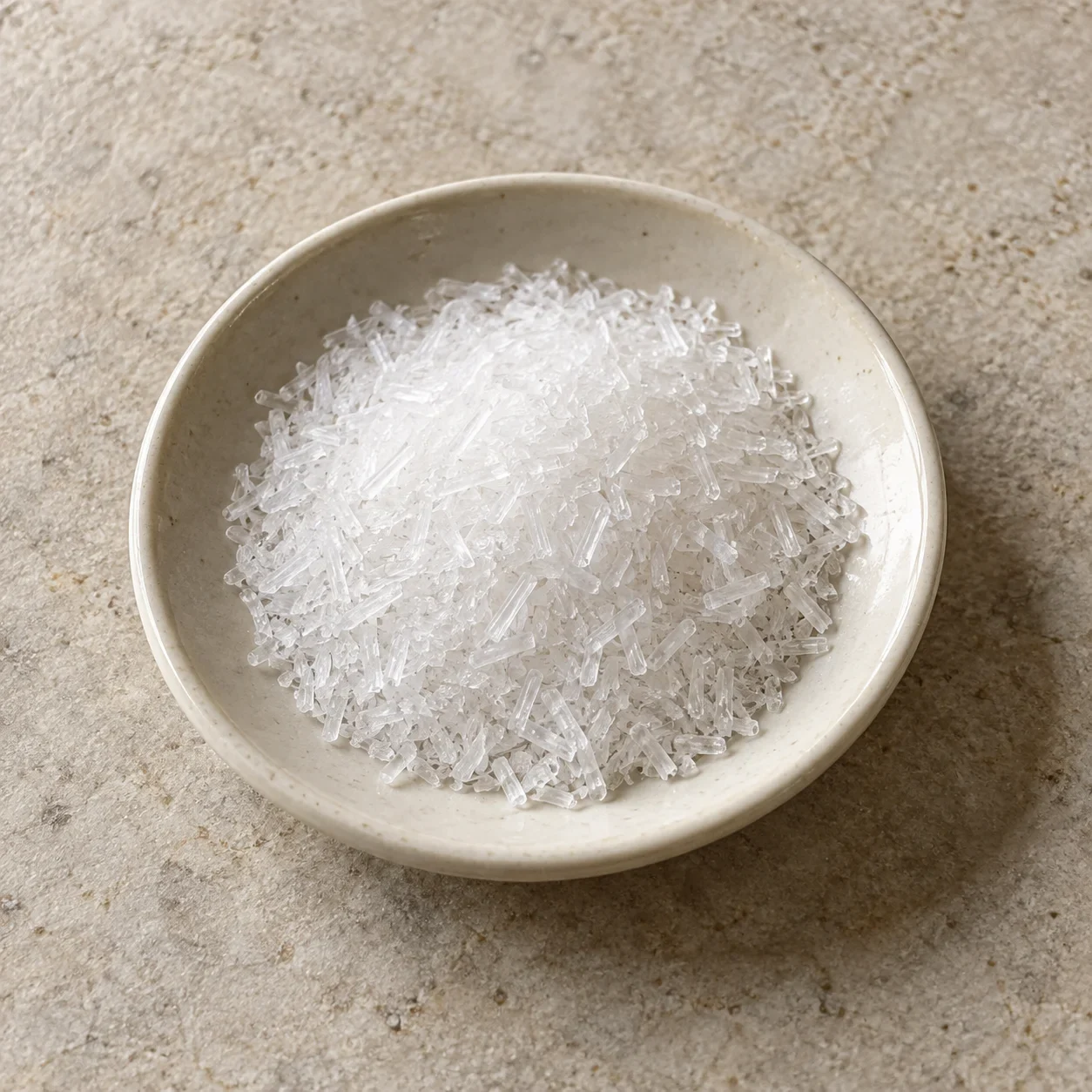

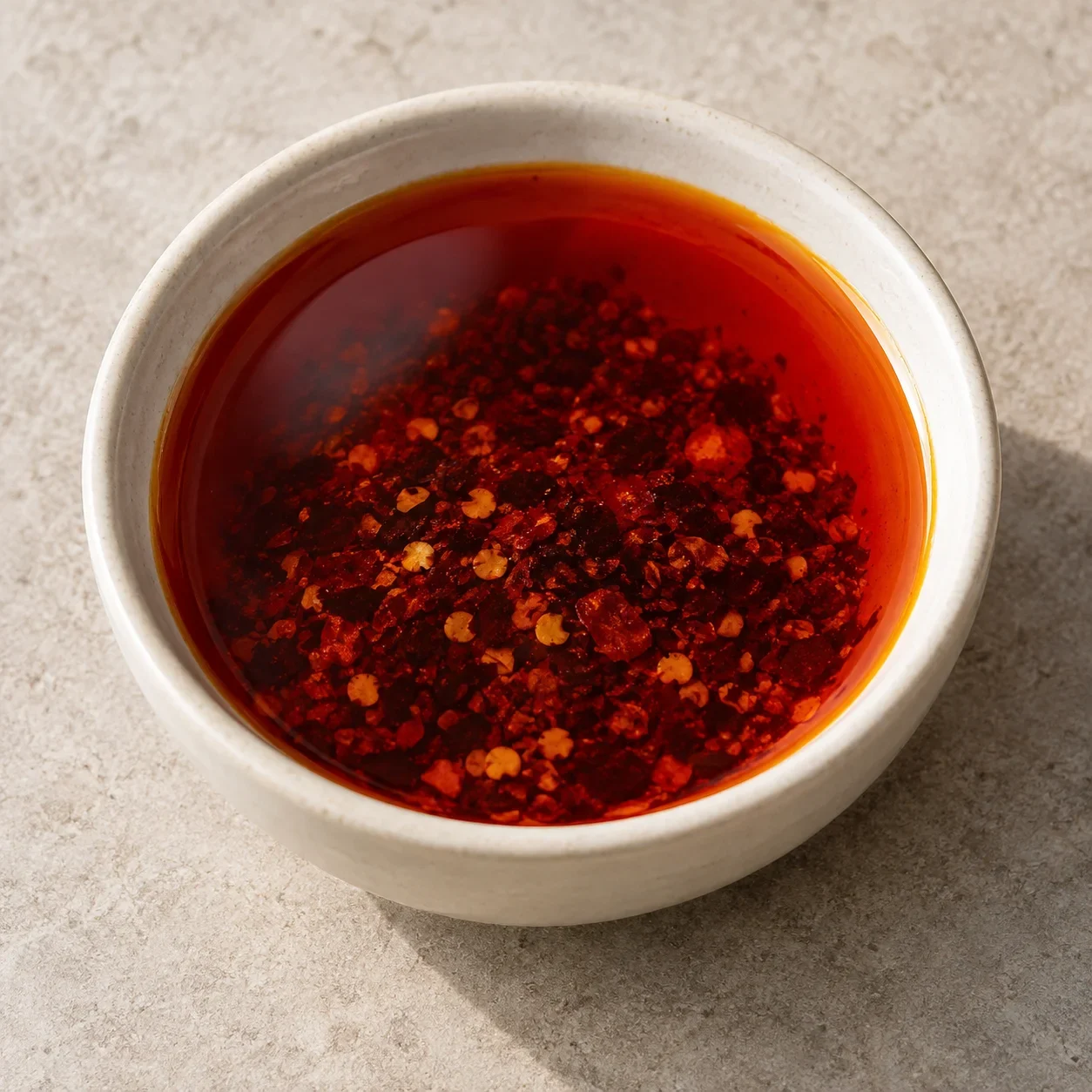

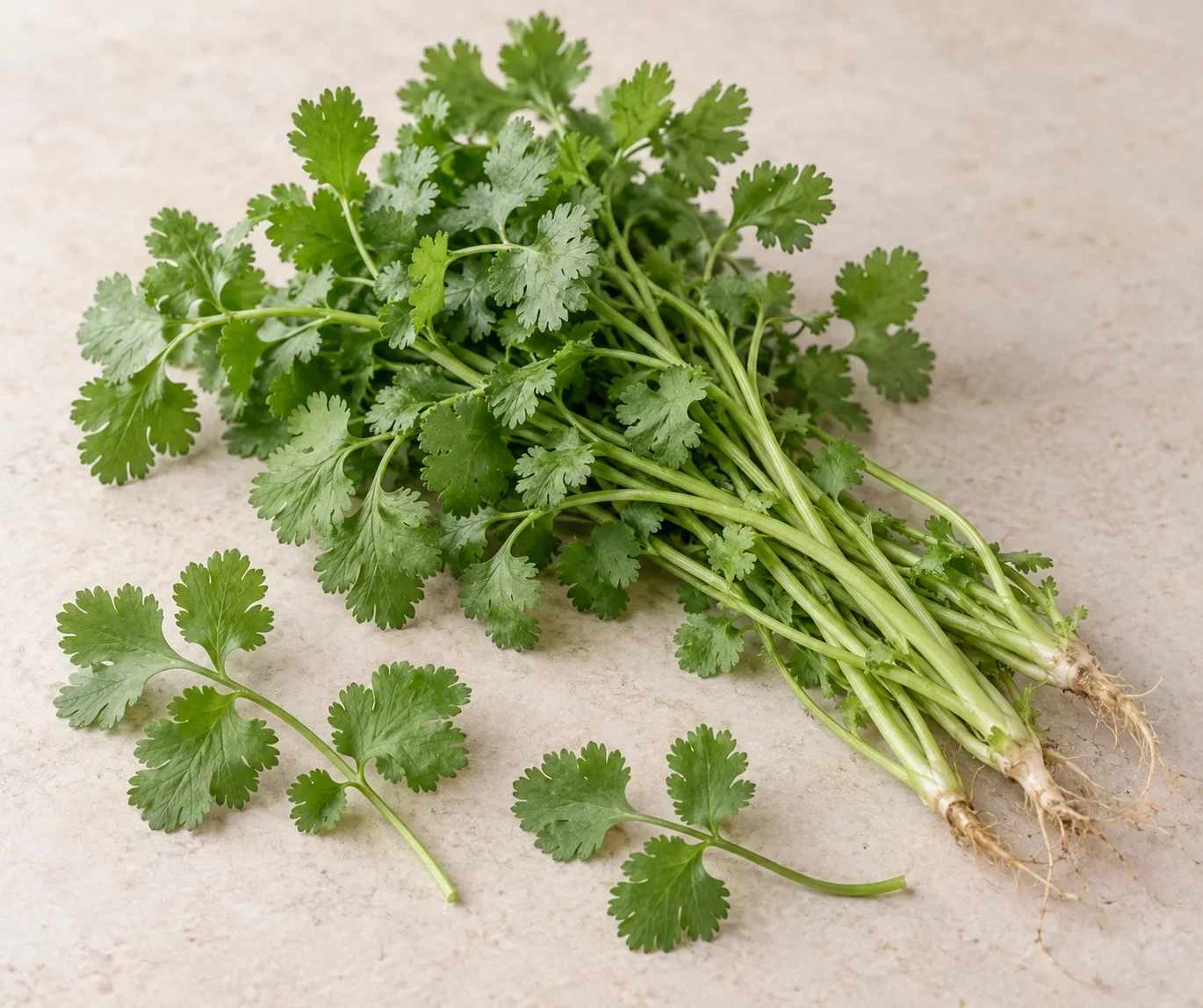
Recipes vary by restaurant.
How does it taste?
Savory broth and pork, tangy pickled greens and chili oil in this version. Chili levels vary by topping and seasoning.
- Chili heat
- Texture
- Soft round noodles, tender pork and springy wood-ear fungus.
- How it’s made
- Cooked rice noodles go into bone broth seasoned with lard, salt, MSG, soy sauce and chili oil. Pork strips seasoned with salt and soy sauce are stir-fried with wood-ear in cooking oil, then added with pickled greens, scallion and coriander.
This is one pork-and-wood-ear preparation. Other bowls use mushroom, different pickles or other mazi; flat noodles also occur. These choices are not all ingredients in one standard bowl.
A CONNECTION TO PLACE
Origin & regional roots
Associated with Hunan.
About this regional connection
Hunan: Changsha noodle-shop and breakfast tradition.
Ask if they have it first
请问你们有长沙米粉吗?
Do you have this item?
A LITTLE SOMETHING TO READ
Story & history
Breakfast built around the topping
This account describes a tradition or story, rather than an established historical fact.
Changsha’s morning noodle-shop culture centers on soft rice noodles and a choice of mazi. Broths, toppings and table condiments differ, making the order more specific than simply asking for rice noodles.