
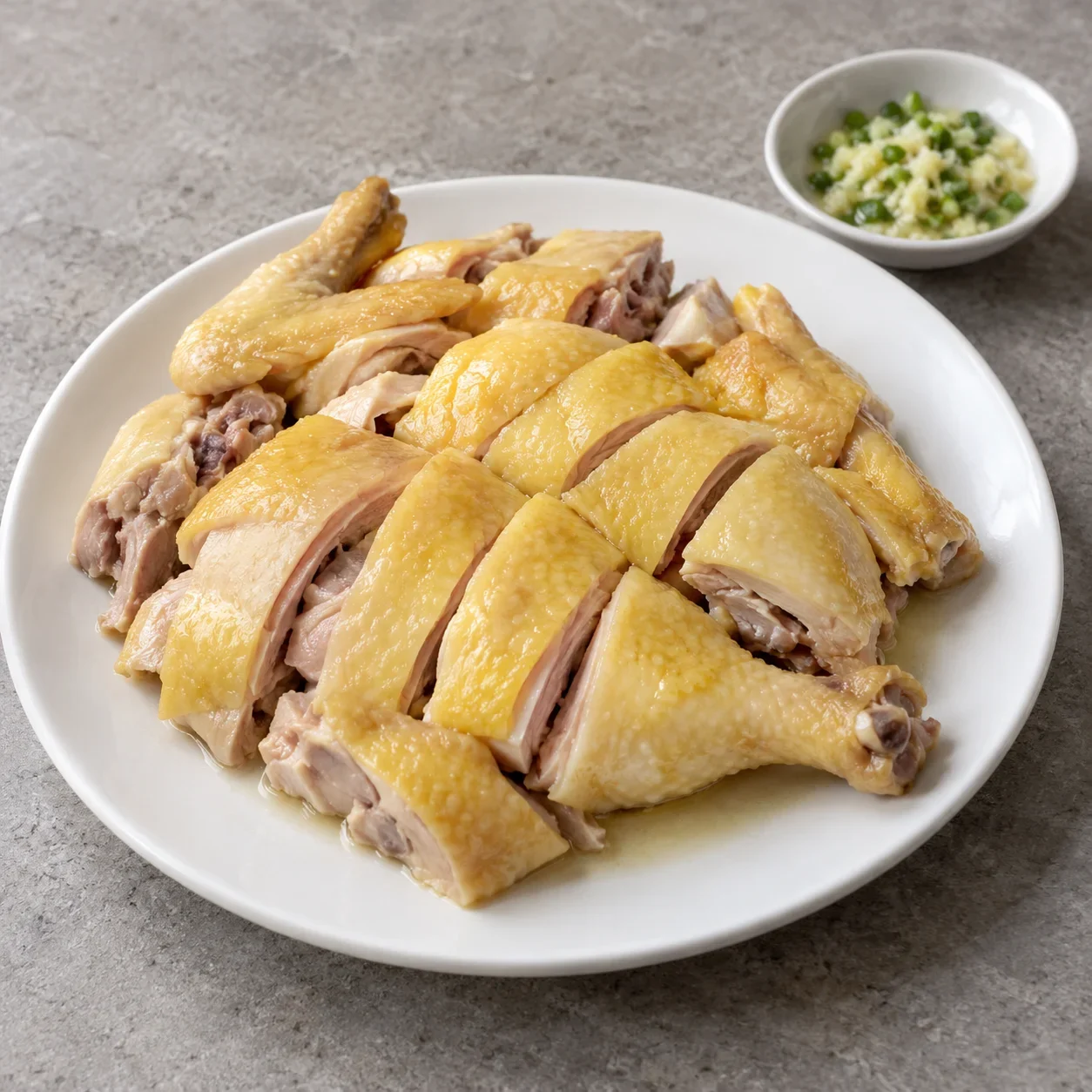
At the table
Take a piece onto your plate, separate meat from bones, then dip lightly. Ask “蘸料可以单独放吗?” for sauce on the side.
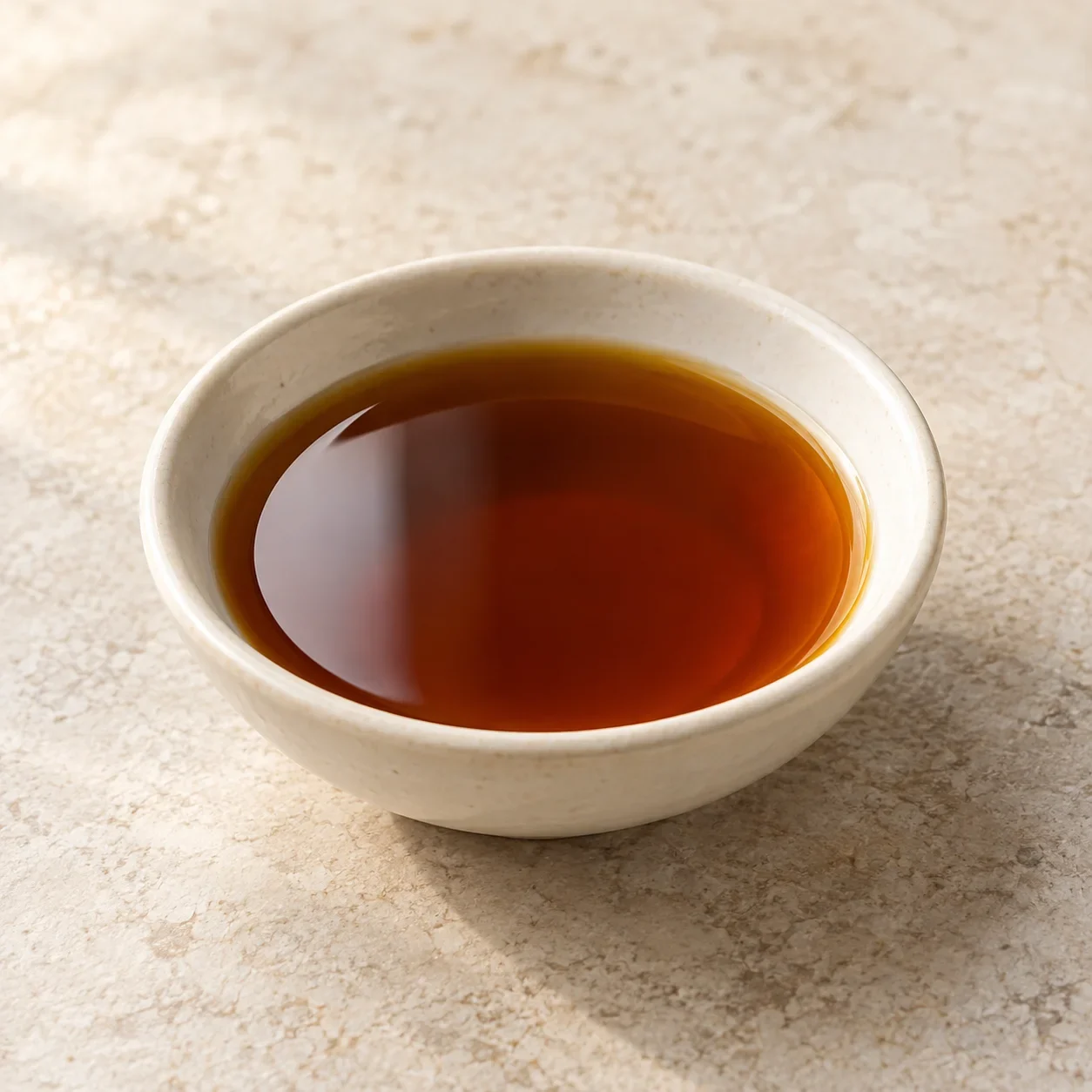
Watch for small bone fragments. The dip may contain sesame oil or rice wine; ask if avoiding sesame or alcohol.
Ask which dip is served and whether rice wine is used. White-cut describes the preparation, not boneless meat.
GET TO KNOW THE DISH
What goes into it?
Explore some key ingredients below. Preparations may use additional seasonings and ingredients.
Steamed versions also exist. Rice wine may be used in cooking or in the dip; sauces vary.
Typical ingredients
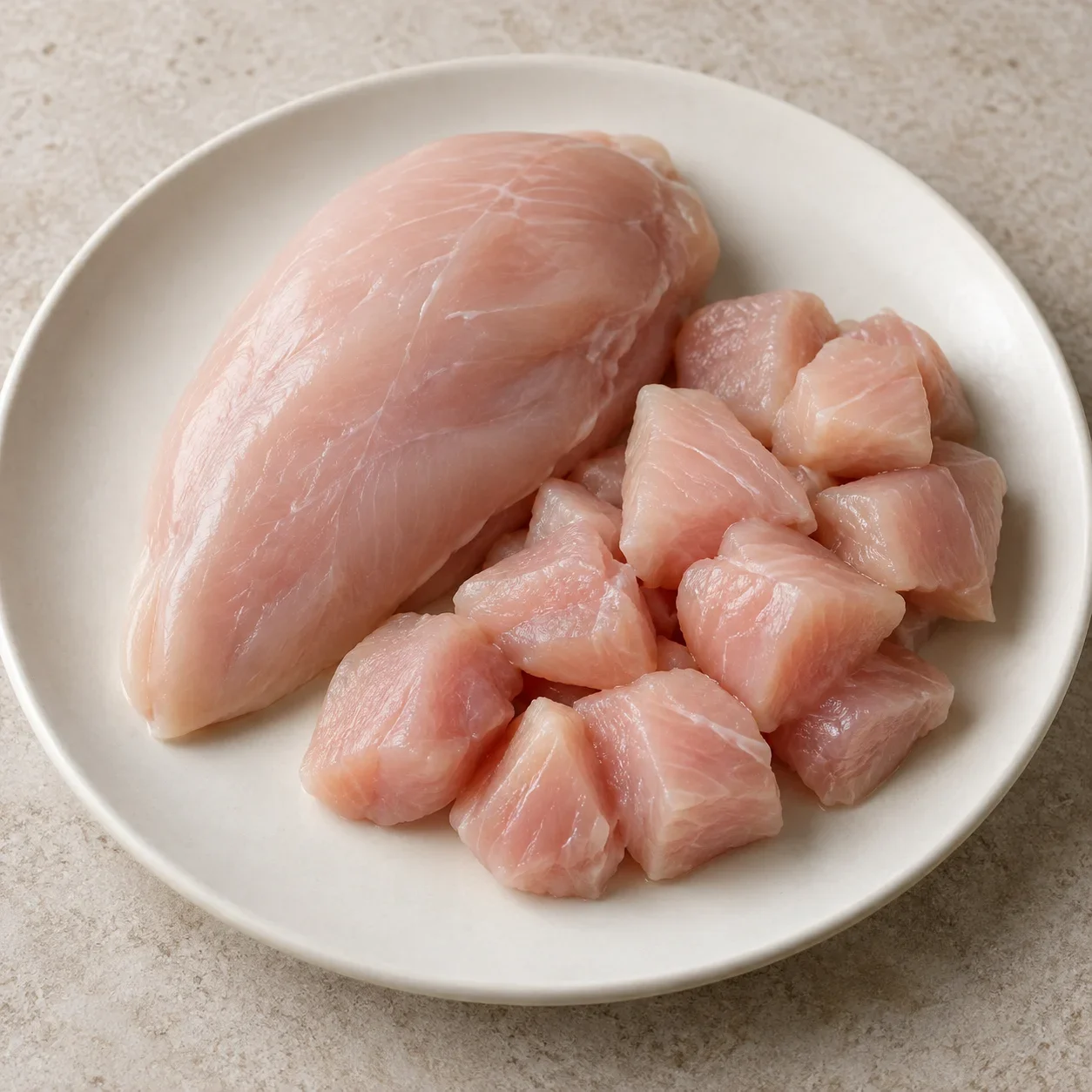
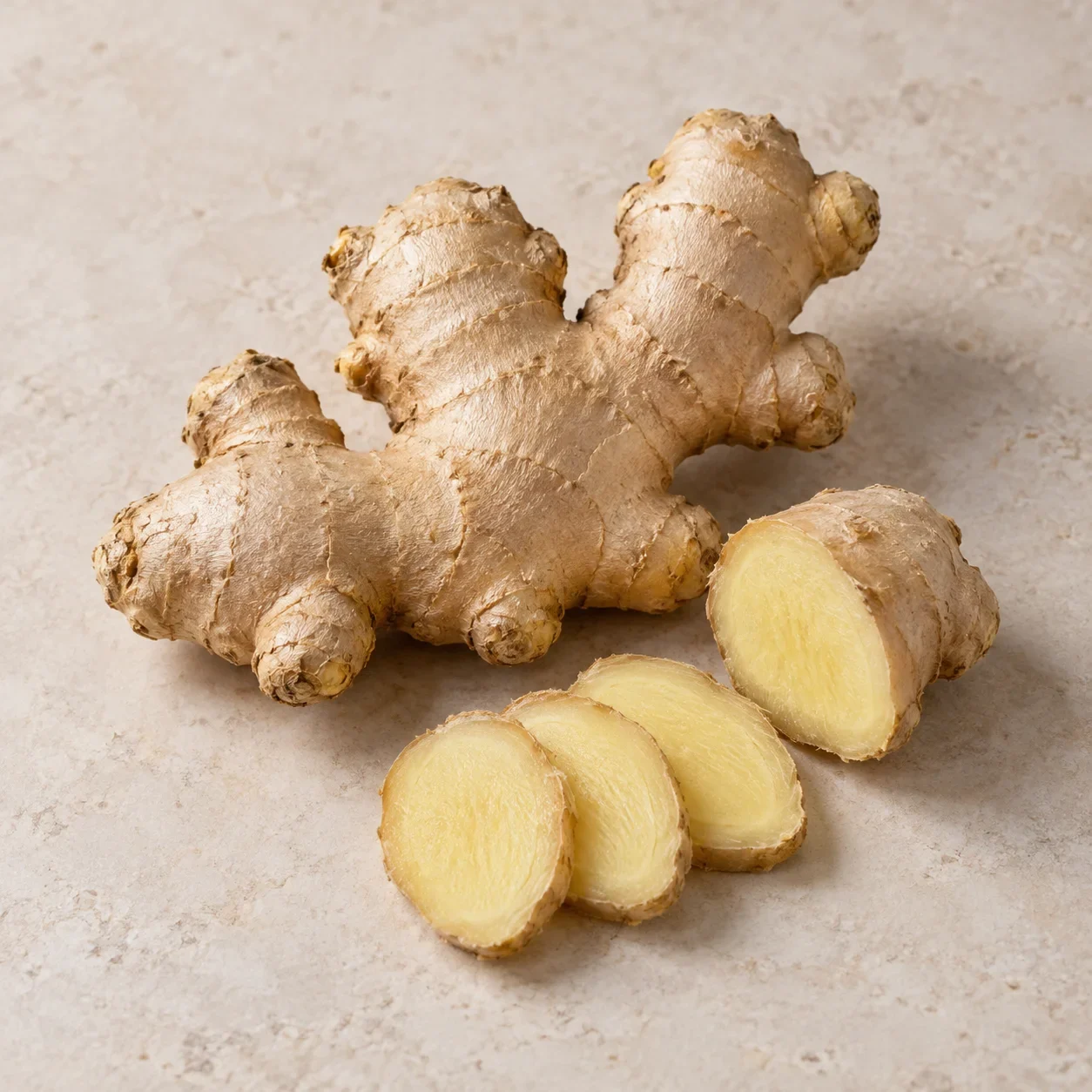


In some versions
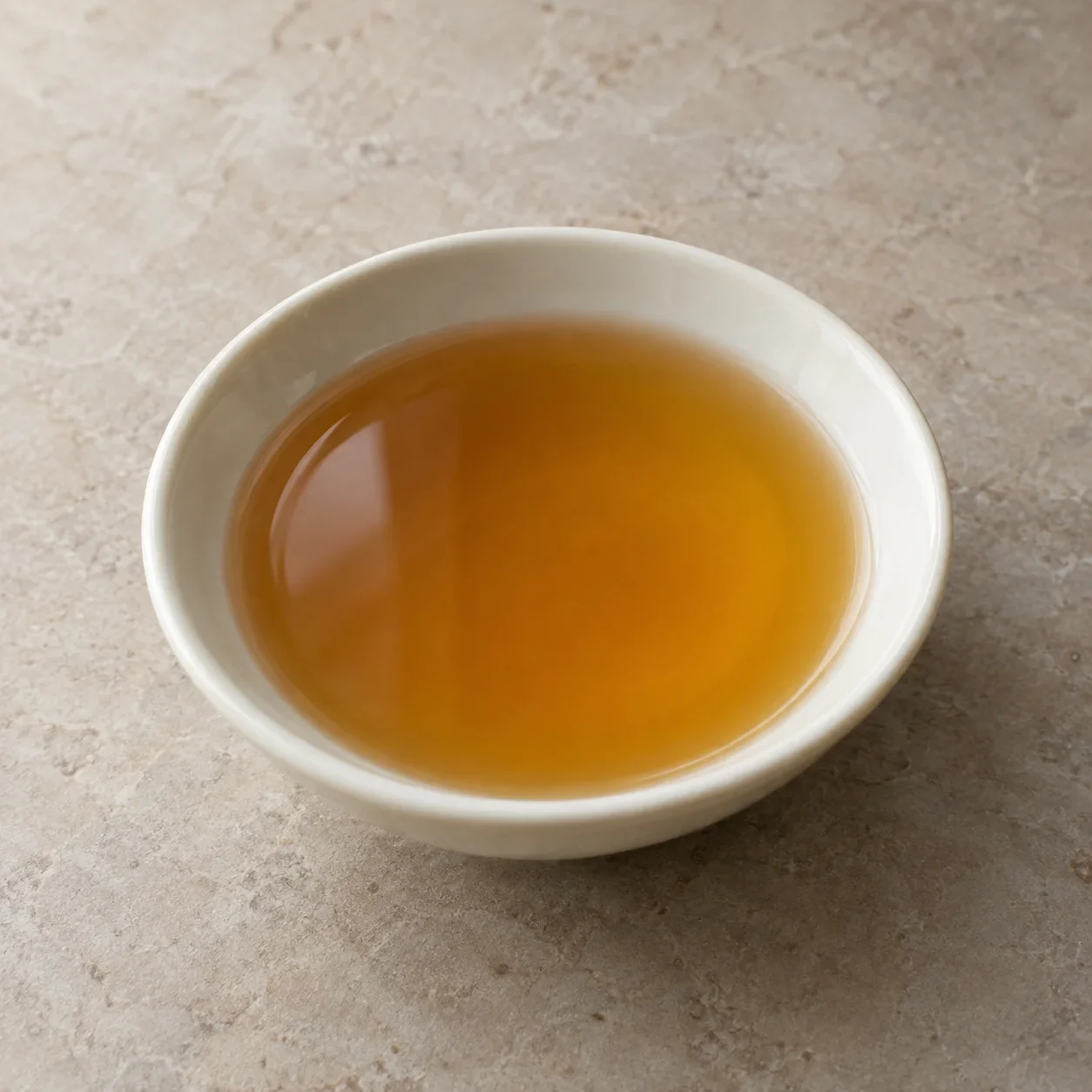
Recipes vary by restaurant.
How does it taste?
Chicken savor with salty ginger-scallion fragrance, without chili in this version.
- Chili heat
- Texture
- Tender meat with a firm bite and supple skin; chopped bones remain.
- How it’s made
- The whole chicken is gently cooked in water until cooked through, cooled and chopped. Ginger, scallion, salt and sesame oil make a separate dipping sauce.
Steamed versions also exist. Rice wine may be used in cooking or in the dip; sauces vary.
A CONNECTION TO PLACE
Origin & regional roots
Associated with Fujian.
Ask if they have it first
请问你们有白斩河田鸡吗?
Do you have this item?
A LITTLE SOMETHING TO READ
Story & history
A Changting Hakka shared dish
This account describes a tradition or story, rather than an established historical fact.
Hetian takes its name from the town in Changting, Fujian. White-cut chicken is associated with local family celebrations and hospitality, with simple seasoning keeping the chicken’s flavor prominent.