
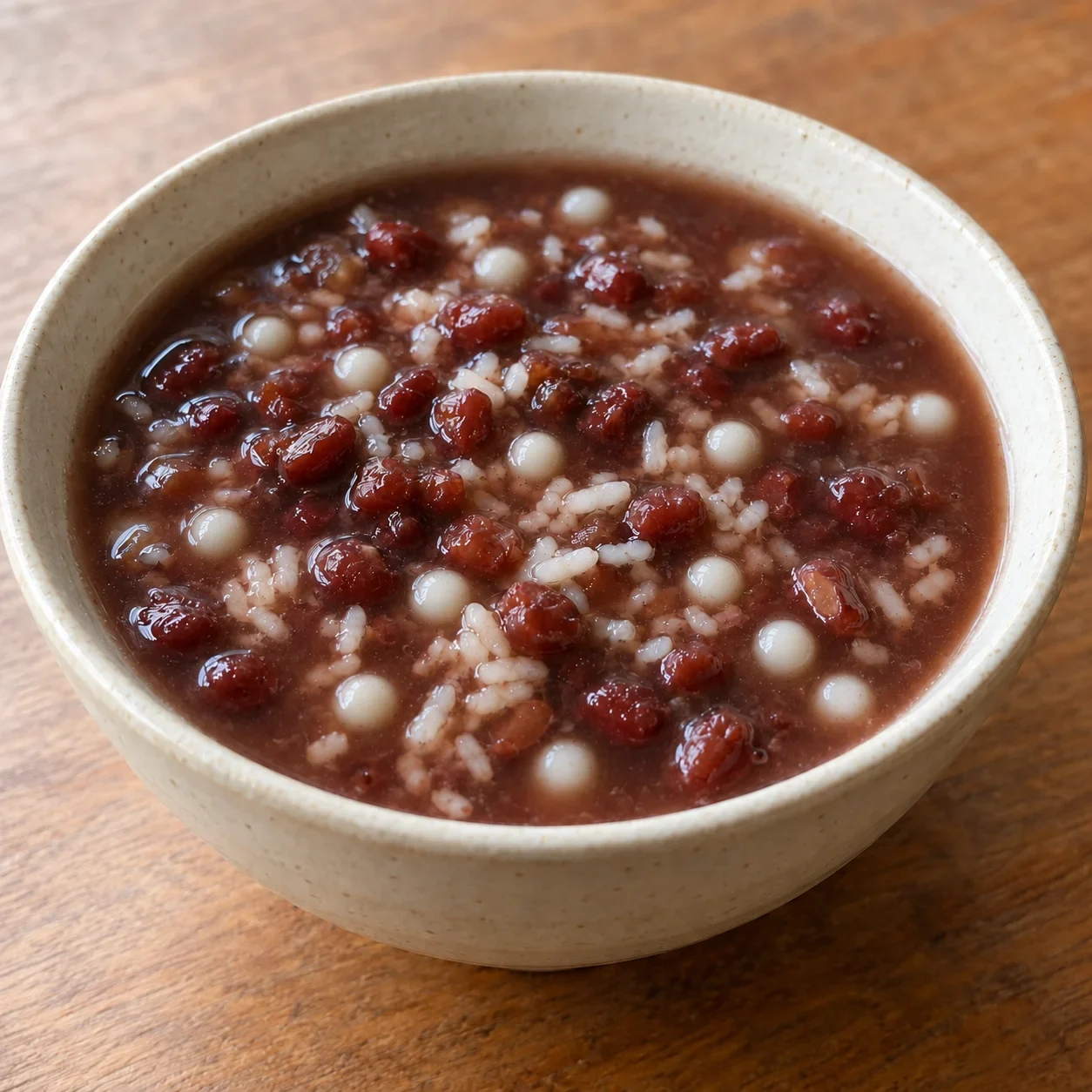
At the table
Eat with a spoon, allowing the hot soup to cool. Chew the sticky rice balls rather than swallowing them whole.
Sweet fermented rice contains alcohol; the finished amount varies, so do not assume the soup is alcohol-free. Sticky rice balls need careful chewing. Ask about added ingredients and allergens.
GET TO KNOW THE DISH
What goes into it?
Explore some key ingredients below. Preparations may use additional seasonings and ingredients.
Sweetness, thickness and osmanthus vary. The representative version uses small unfilled balls, not large filled tangyuan.
Typical ingredients
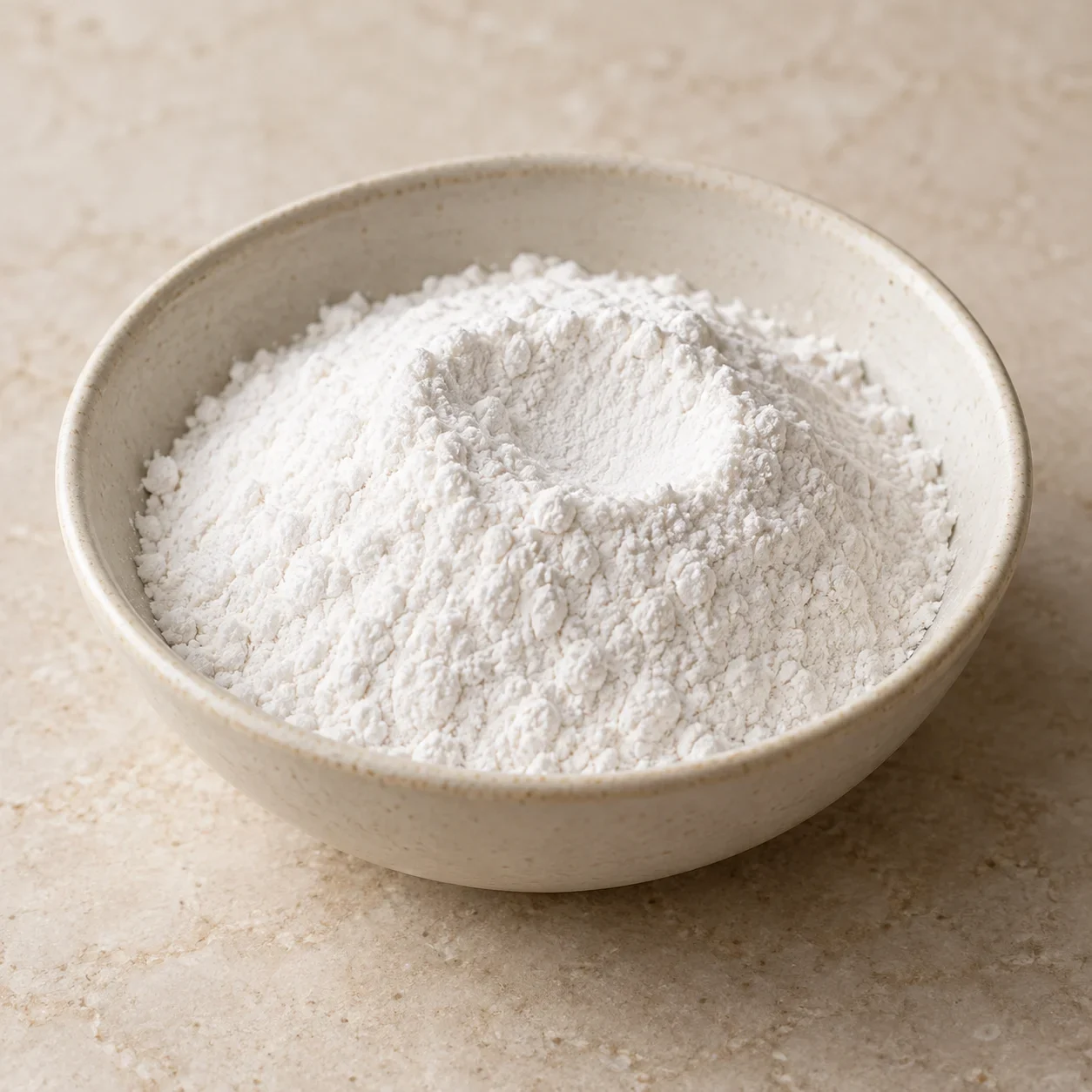
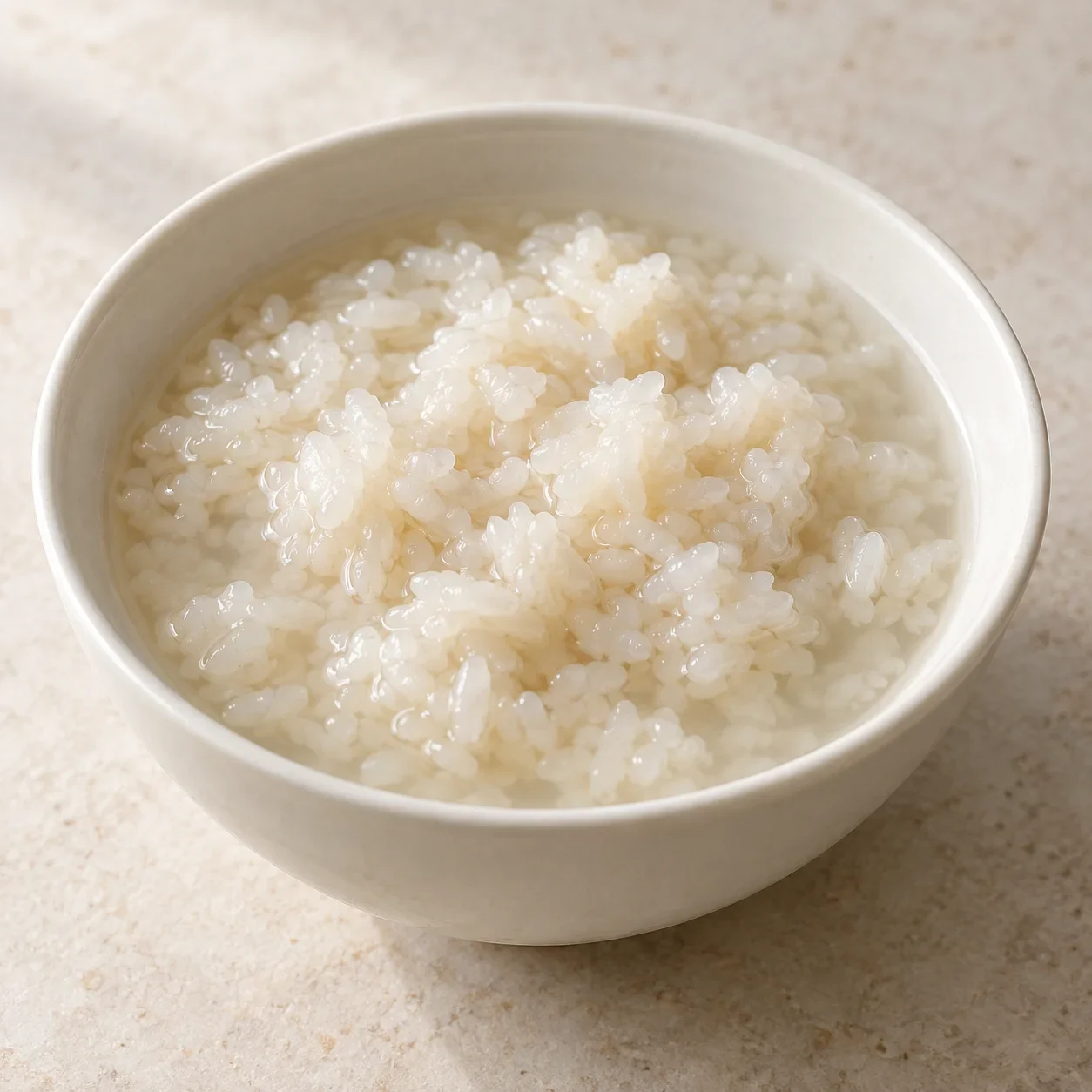
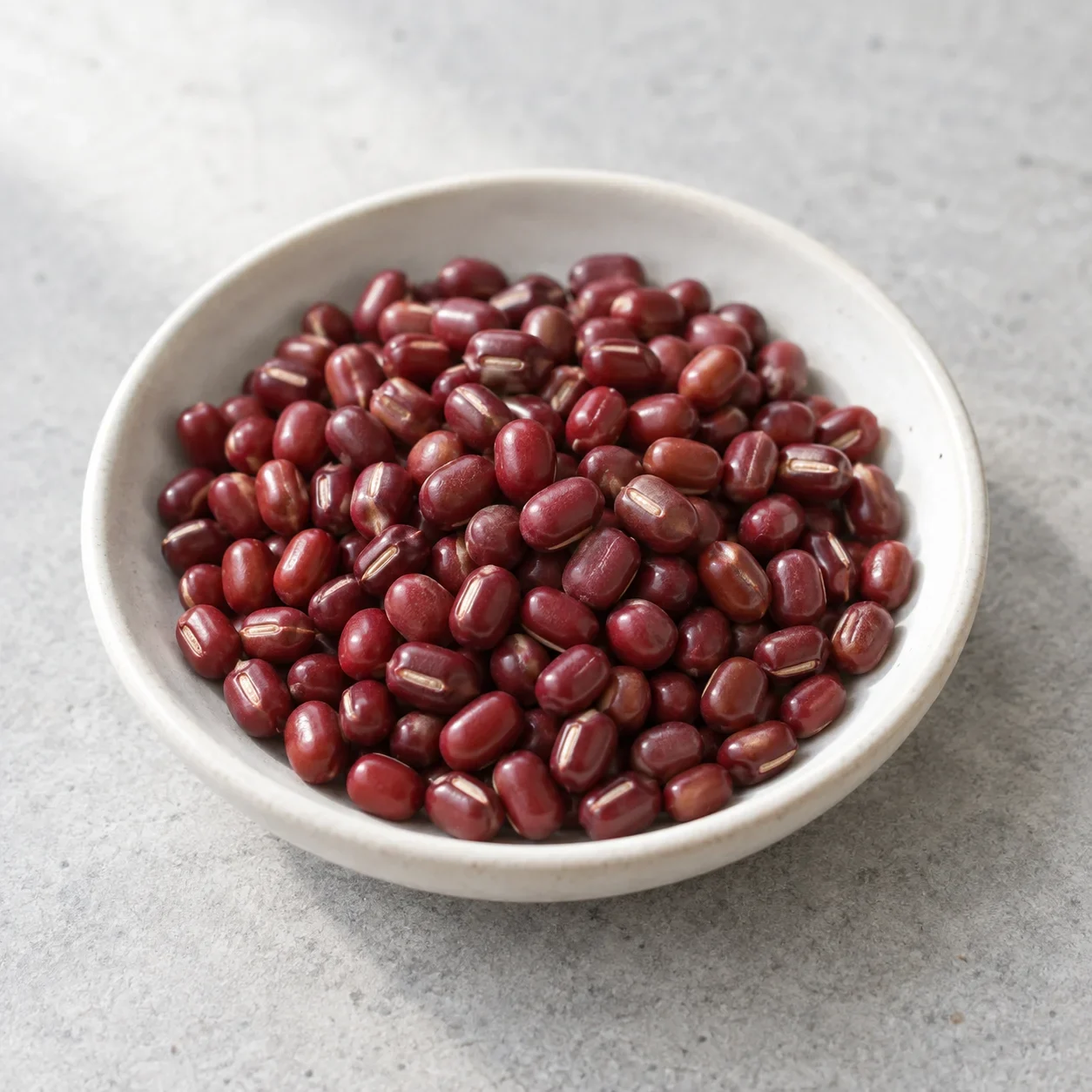
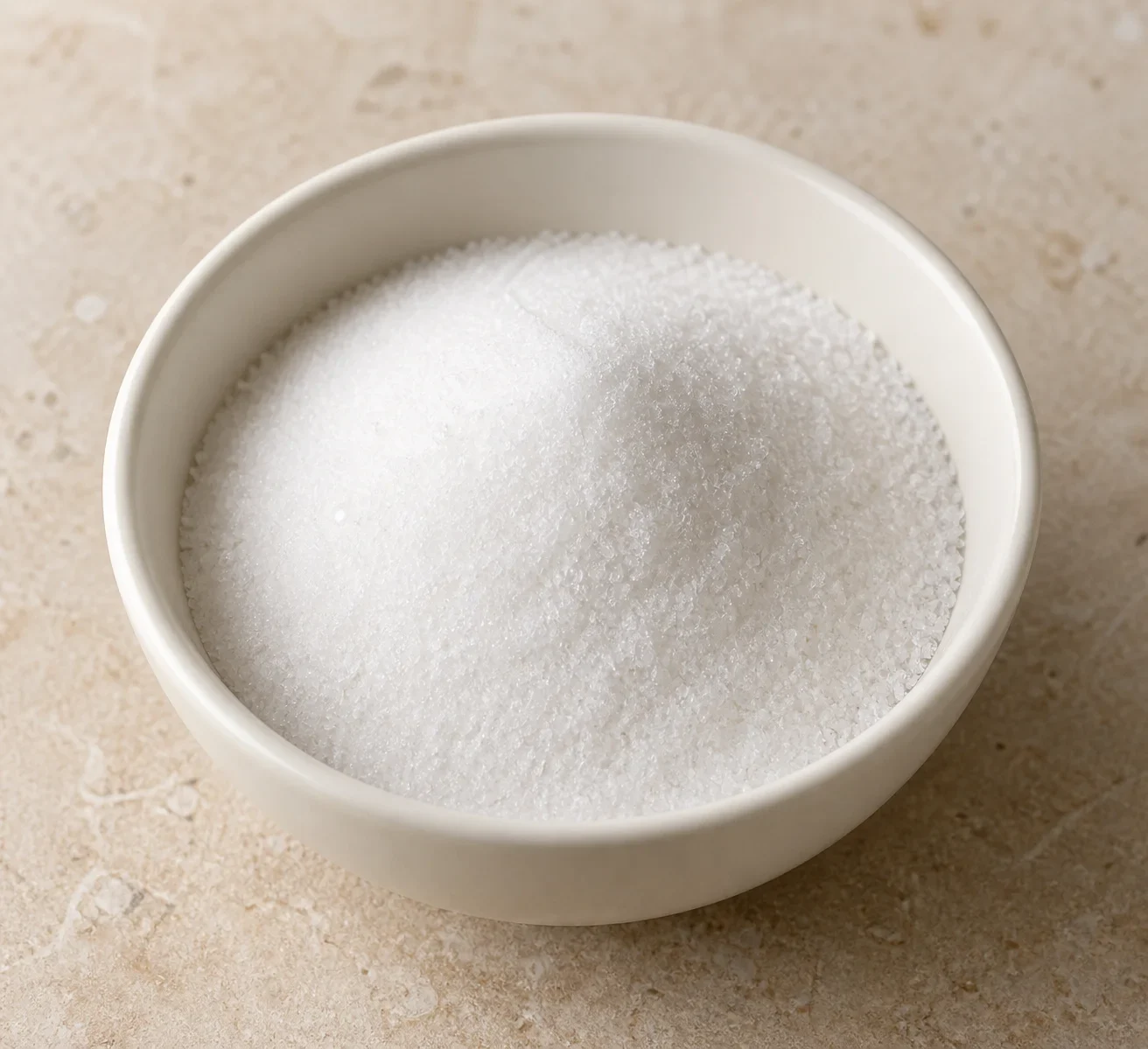
In some versions
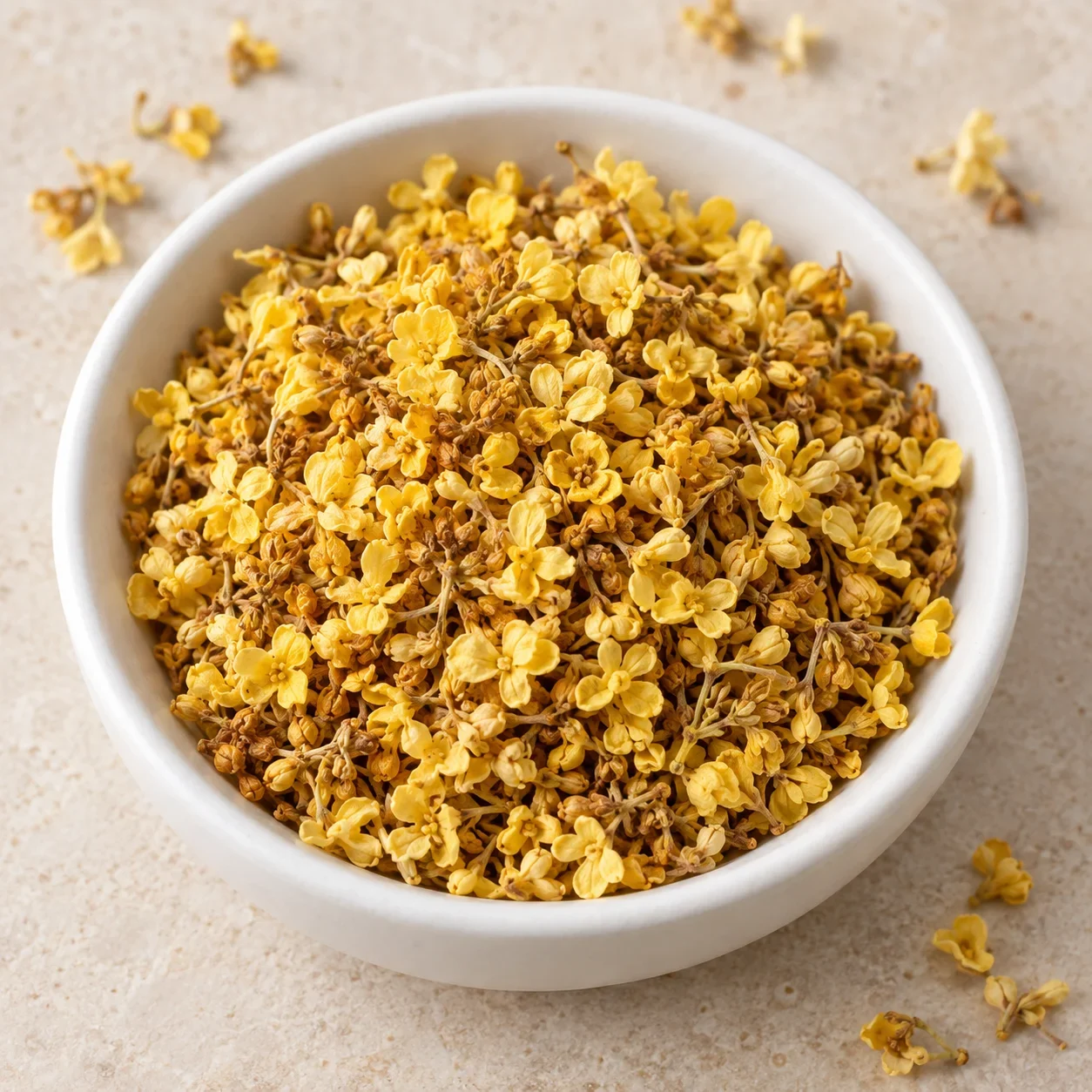
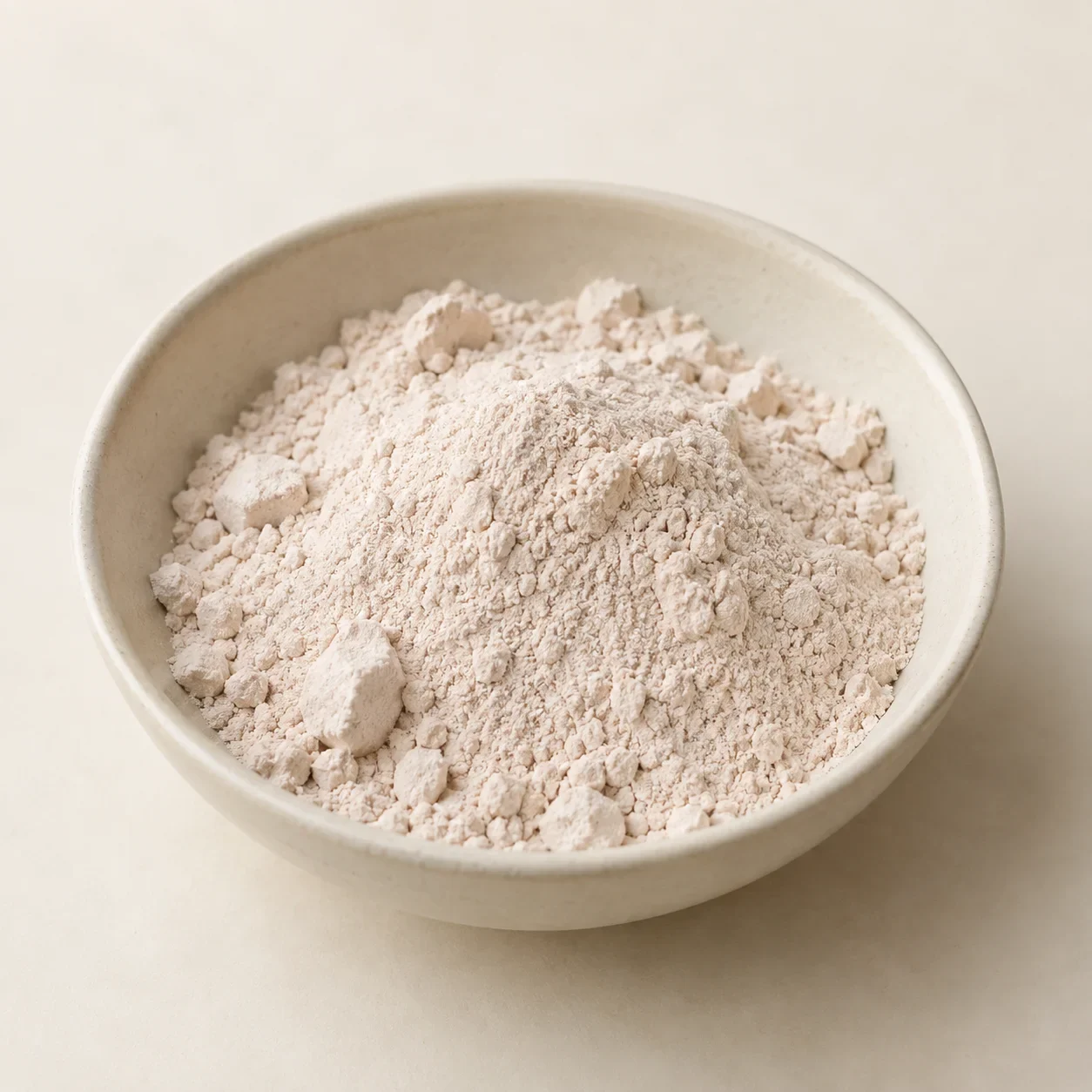
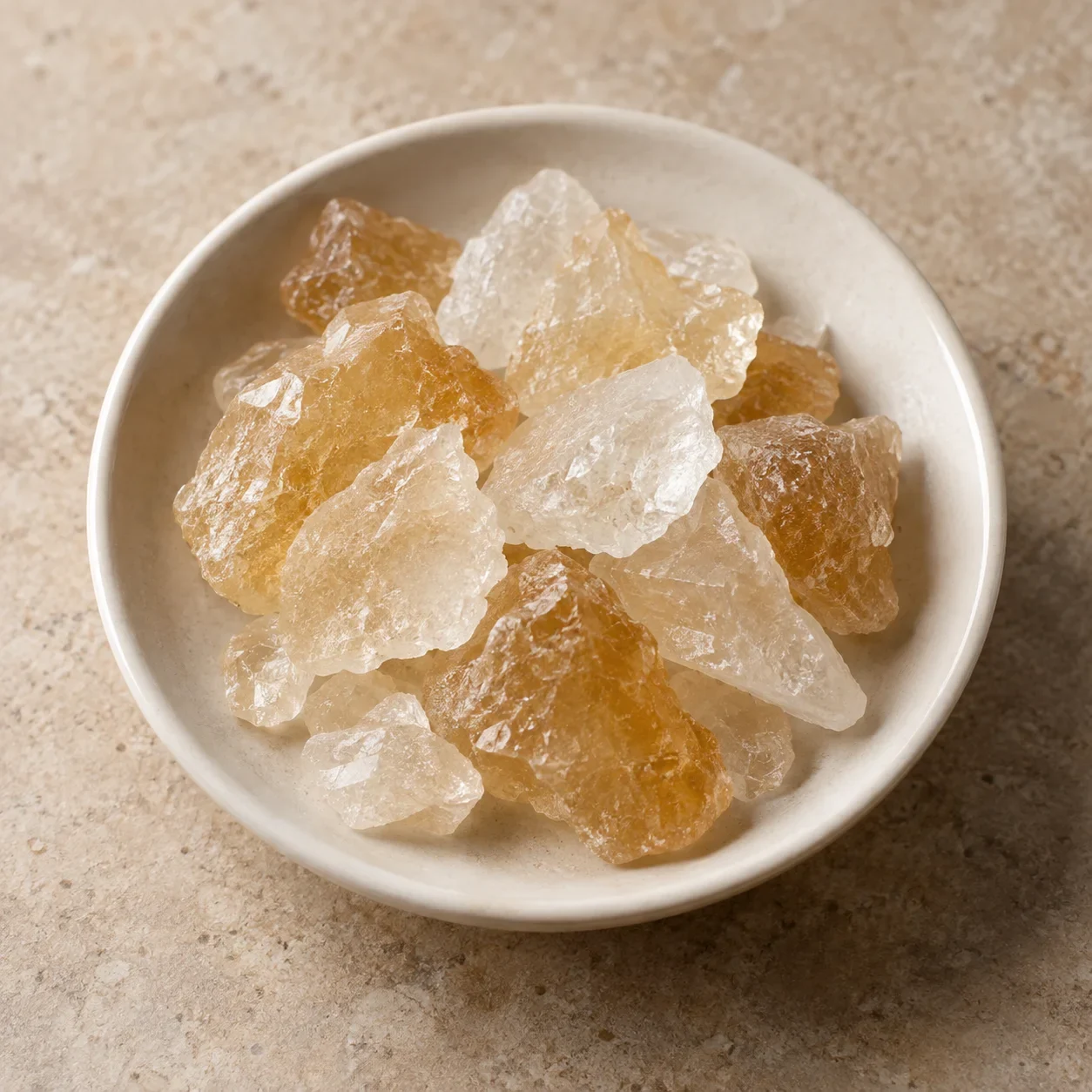
Recipes vary by restaurant.
How does it taste?
Sweet beans and fermented-rice aroma, with floral notes when osmanthus is added.
- Chili heat
- Texture
- Chewy little rice balls and soft beans in a soup that may be thickened.
- How it’s made
- Cook adzuki beans until soft; combine with boiled small rice balls and sweet fermented rice. Sweeten to taste and, if used, thicken with lotus-root starch and add osmanthus.
Sweetness, thickness and osmanthus vary. The representative version uses small unfilled balls, not large filled tangyuan.
A CONNECTION TO PLACE
Origin & regional roots
Associated with Jiangsu.
About this regional connection
Jiangsu: Nanjing sweet-shop tradition.
Ask if they have it first
请问你们有赤豆酒酿元宵吗?
Do you have this item?
A LITTLE SOMETHING TO READ
Story & history
A Nanjing Sweet-Soup Tradition
Nanjing’s sweet-soup shops bring together soft red beans, small chewy rice balls and fragrant sweet fermented rice. Lotus-root starch can give the soup a silky thickness, while osmanthus adds a floral note. These spoonable sweets belong to the city’s everyday snack culture, including the afternoon snack tradition known locally as xiazhou.