At the table
Stir gently to coat the noodles and use a spoon for the gravy. Ask “蒜醋可以另外放吗?” for garlic vinegar separately; confirm any extra toppings before ordering.
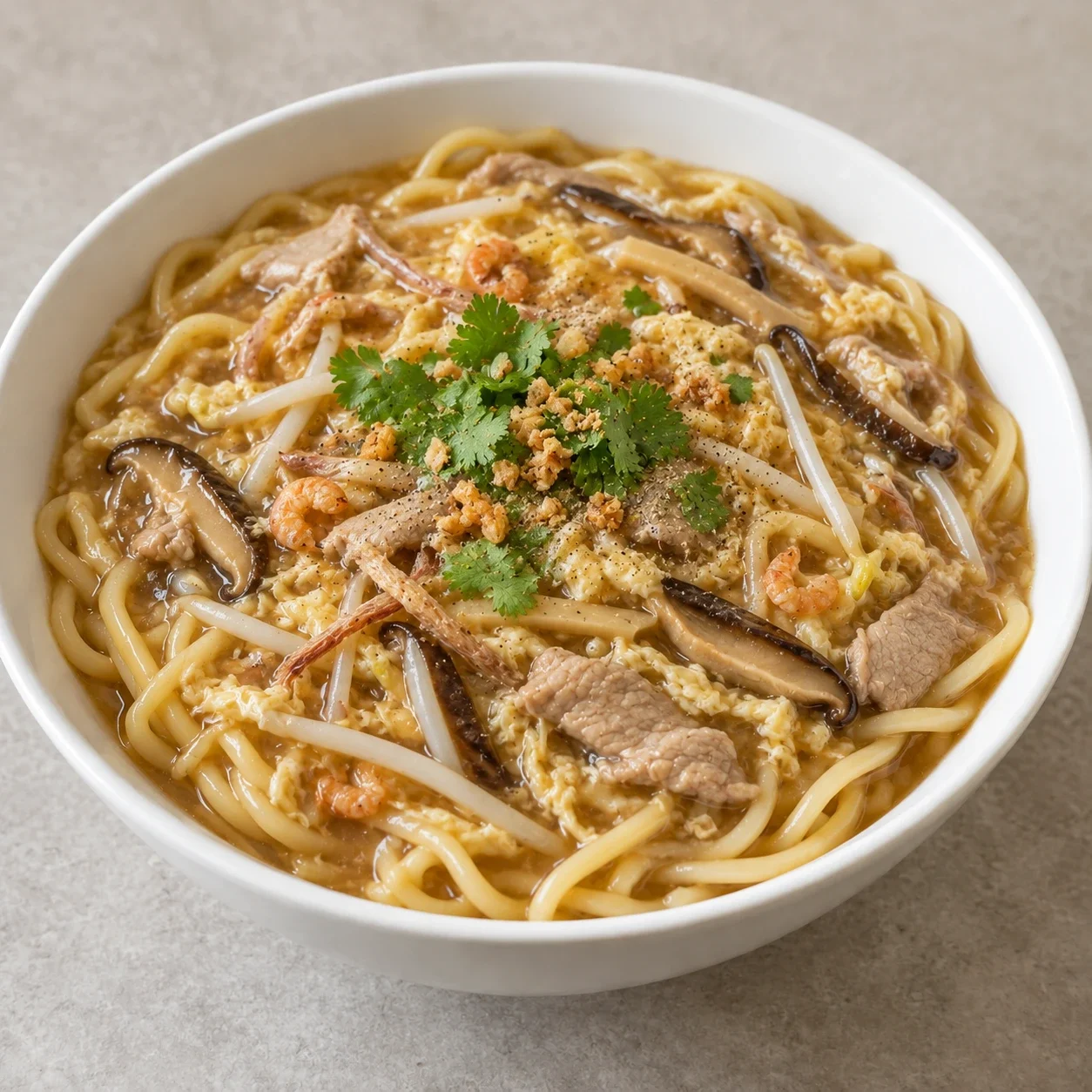
Wheat, soy sauce, egg, shrimp and squid are present in this version. Other seafood may be added; ask about the broth and toppings if avoiding them.
Ask which egg and seafood are used. No chili is built into this version, but sauces and extra toppings can change the flavor.
GET TO KNOW THE DISH
What goes into it?
Explore some key ingredients below. Preparations may use additional seasonings and ingredients.
Egg type, seafood and toppings vary. Some versions add dried scallops; extra braised or fried toppings are separate choices.
Typical ingredients
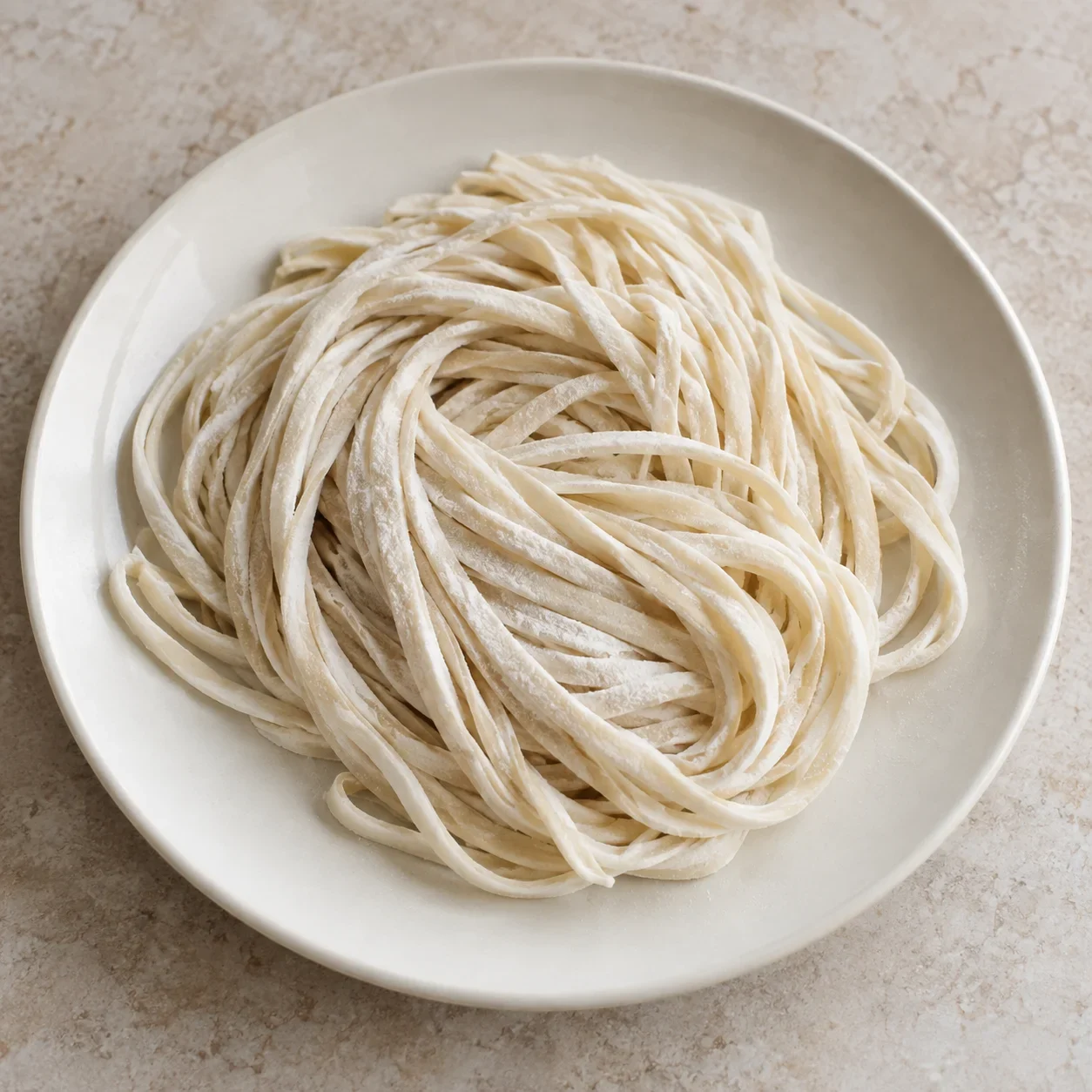
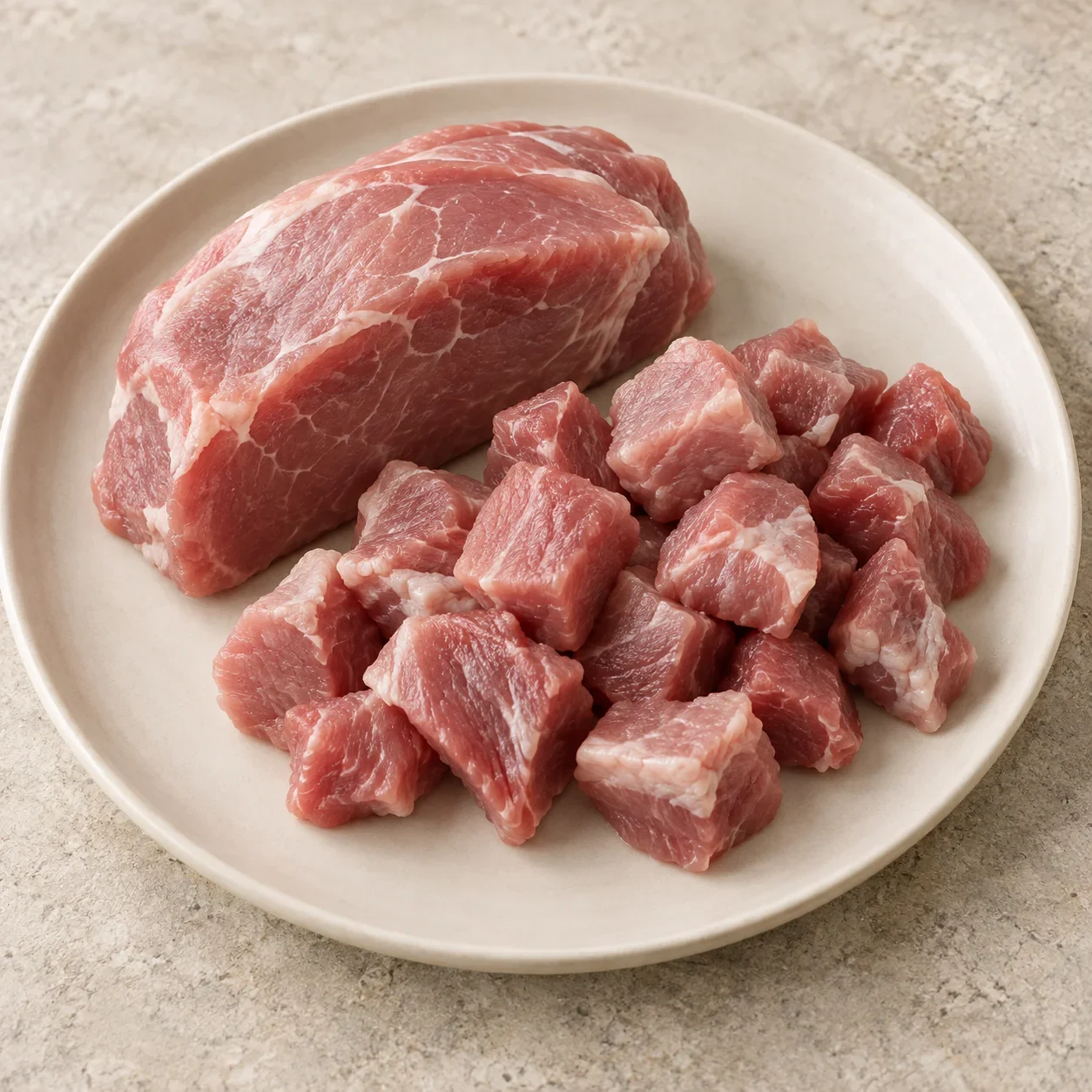
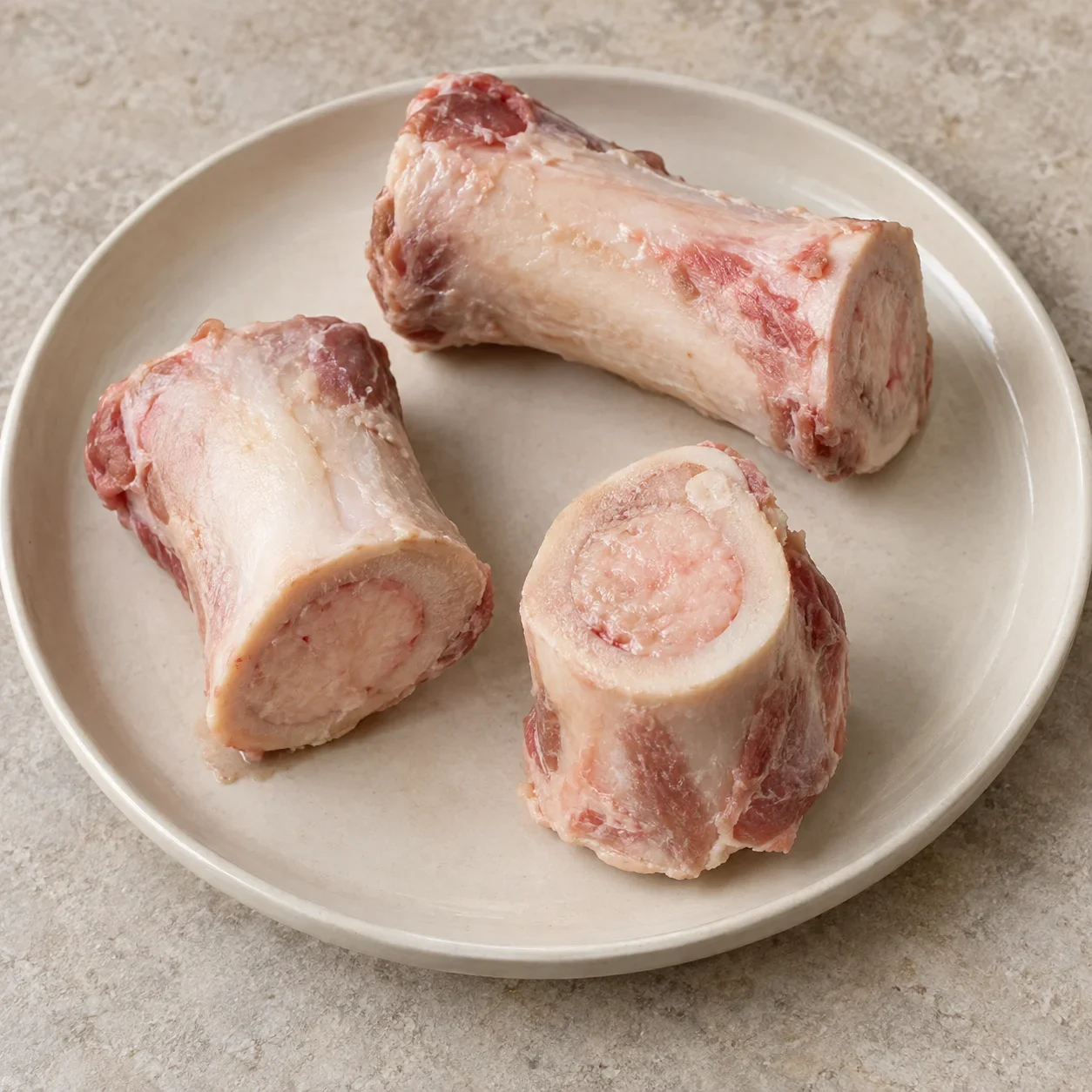
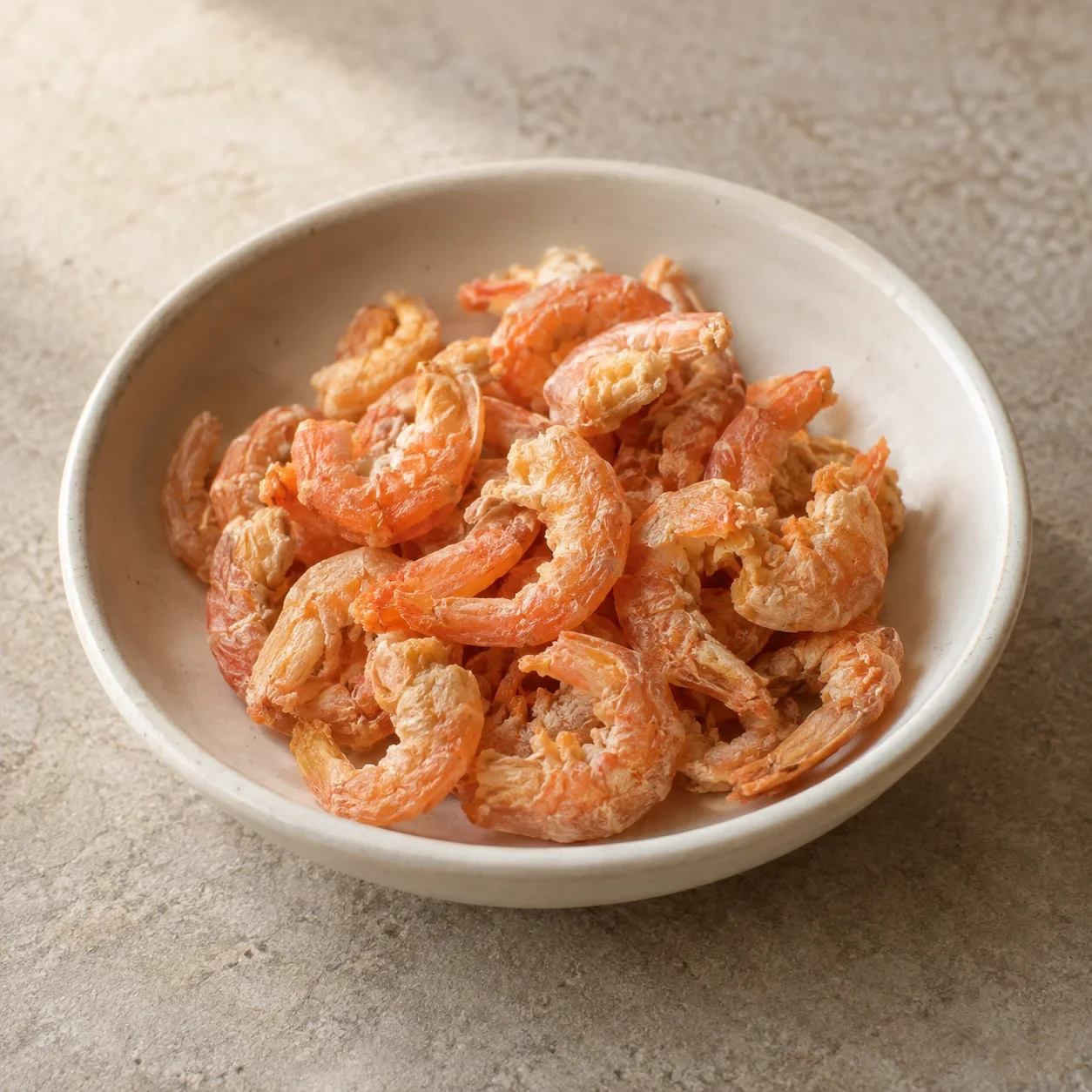
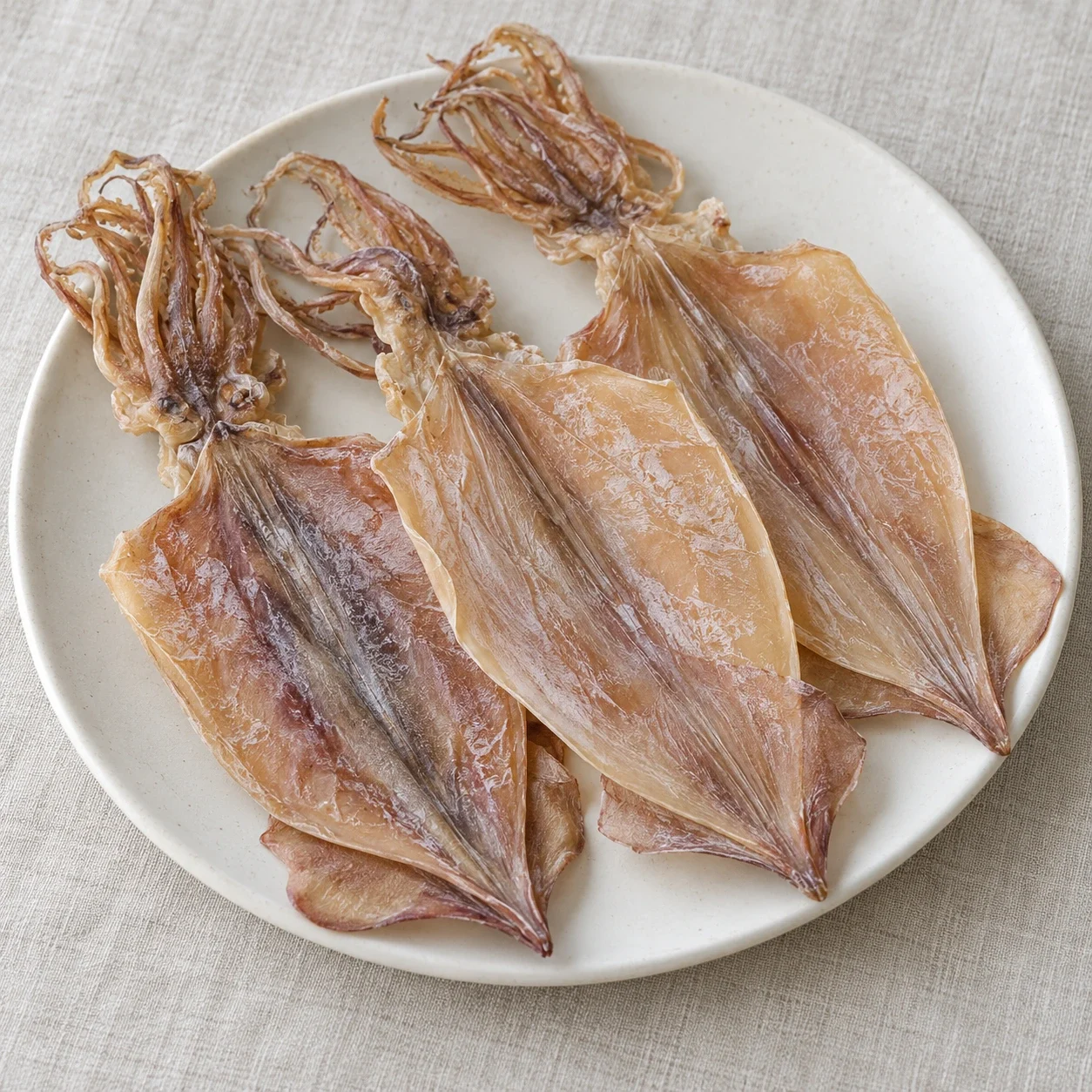
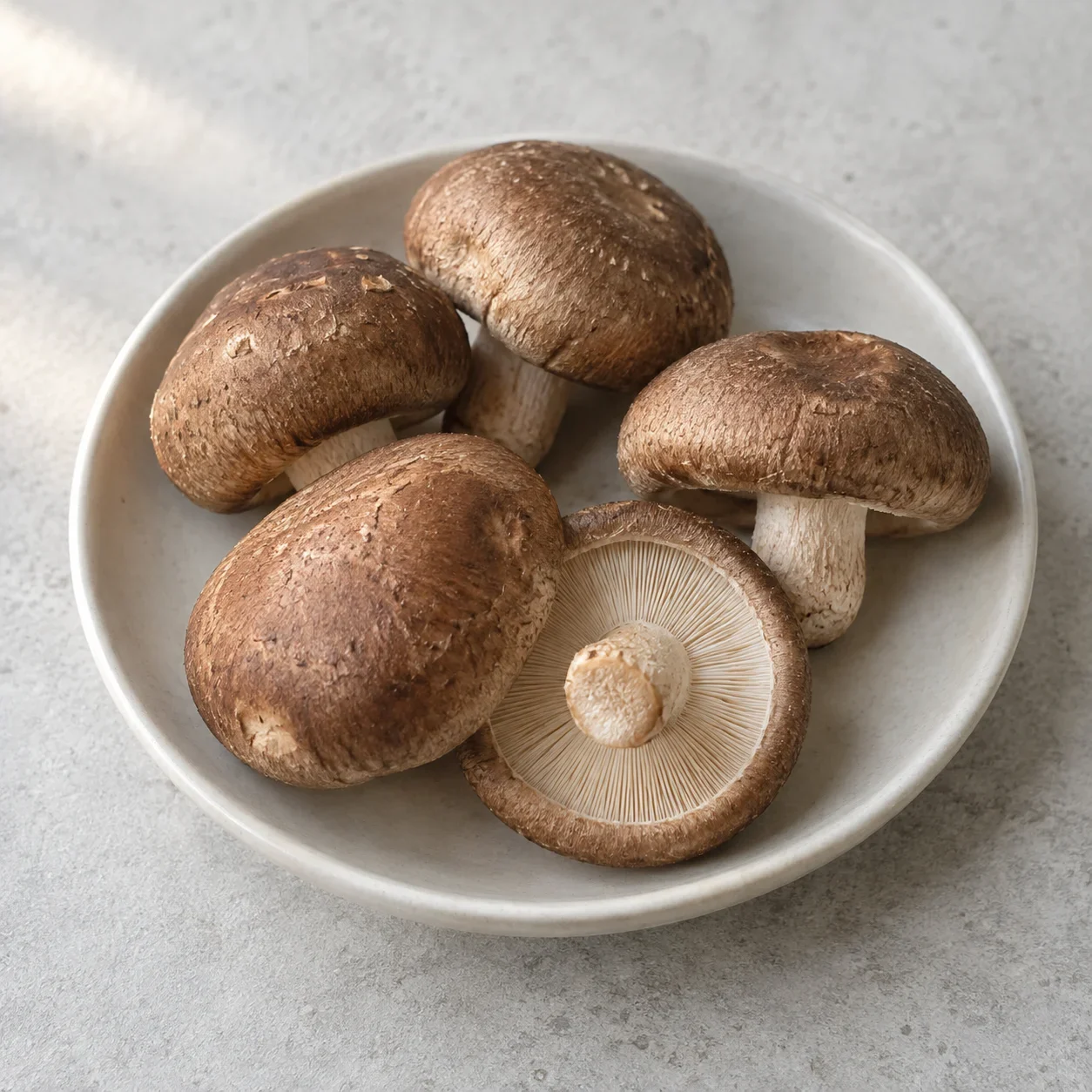
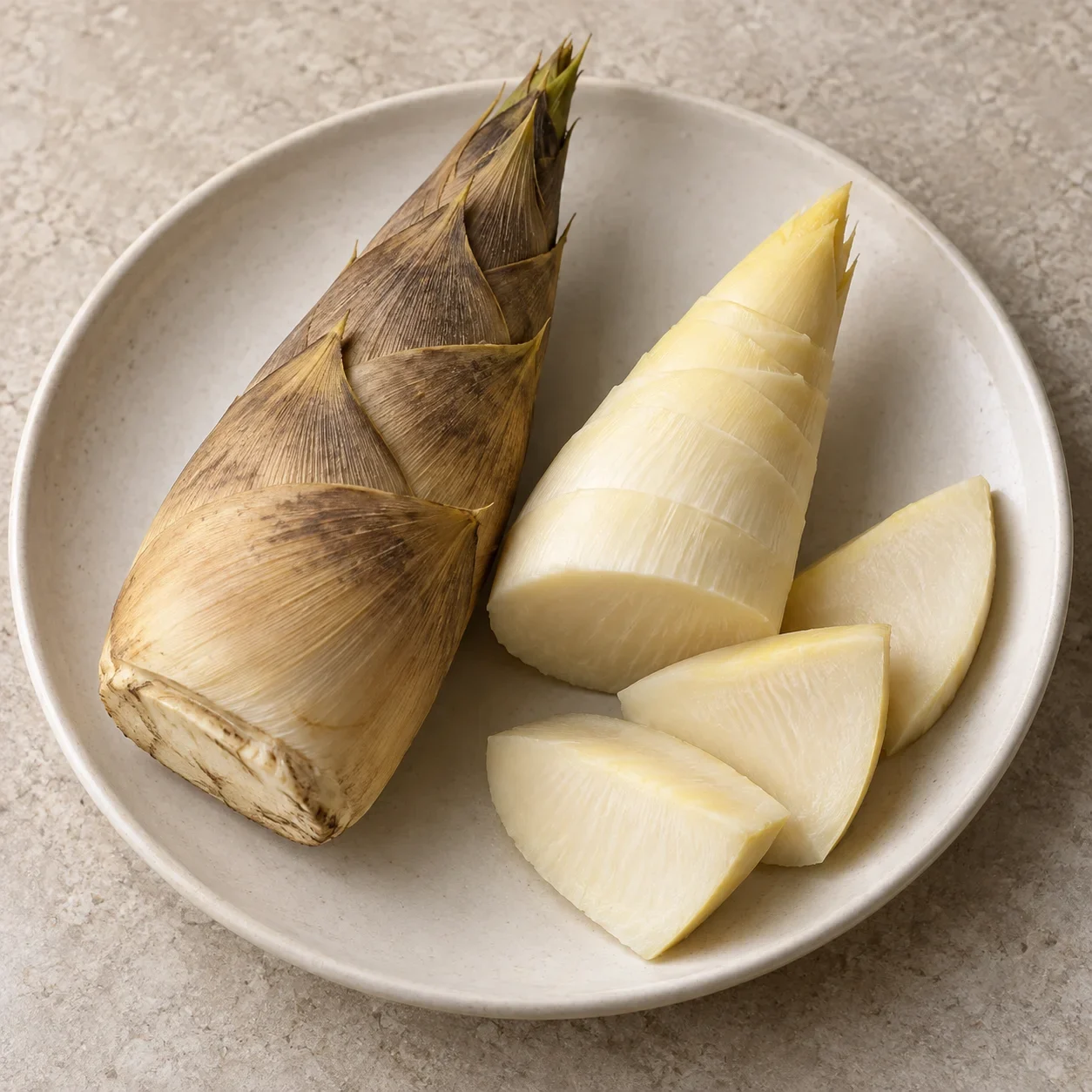
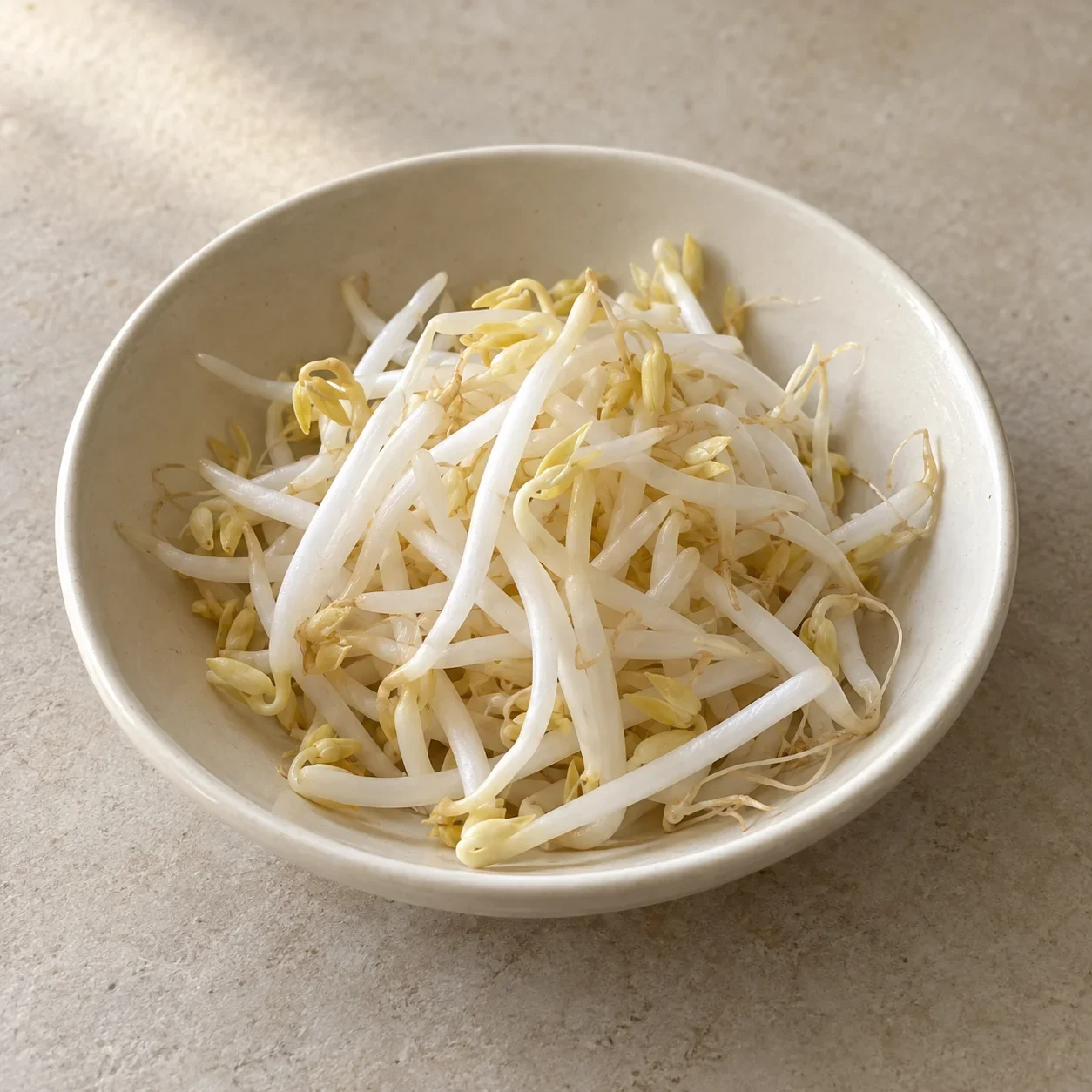
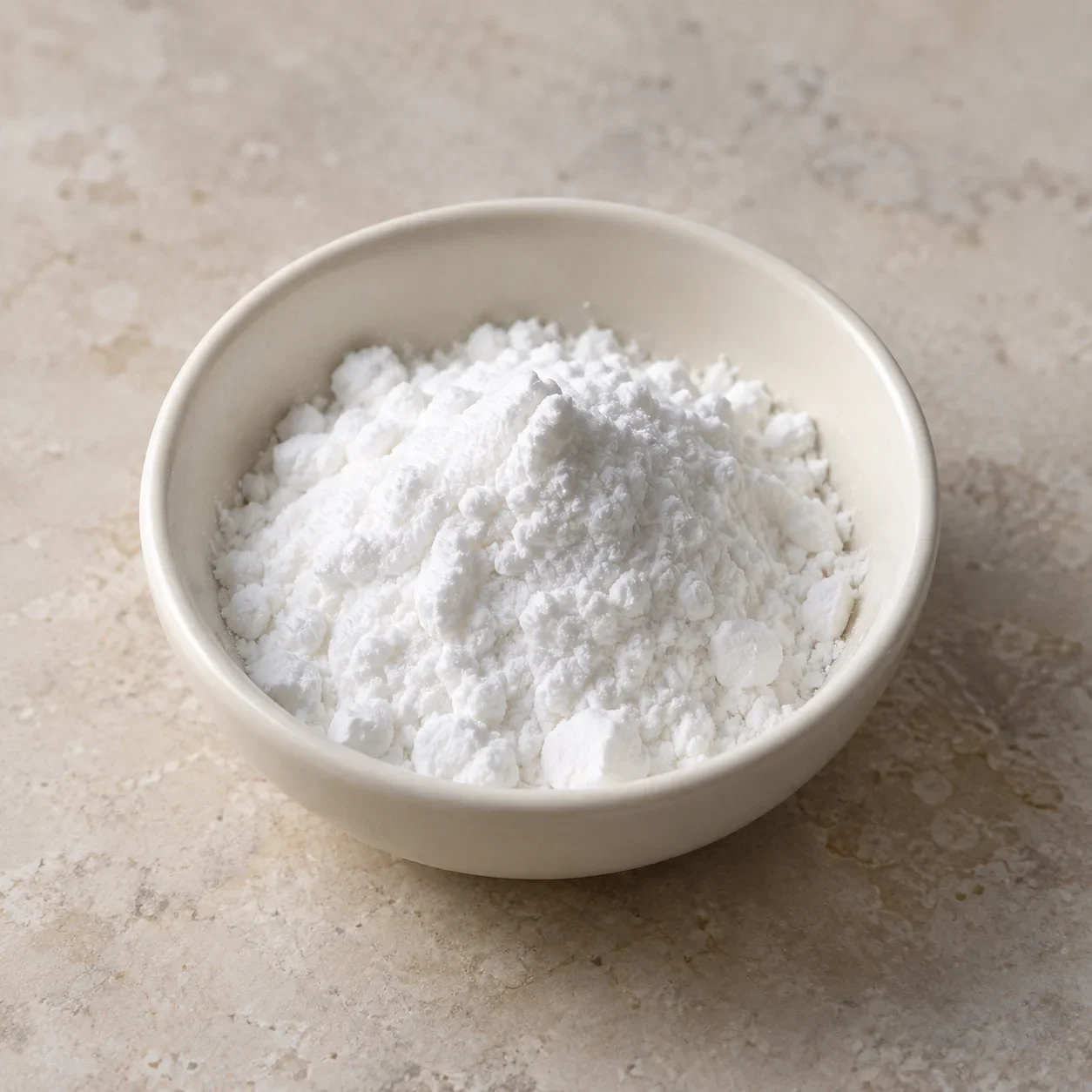
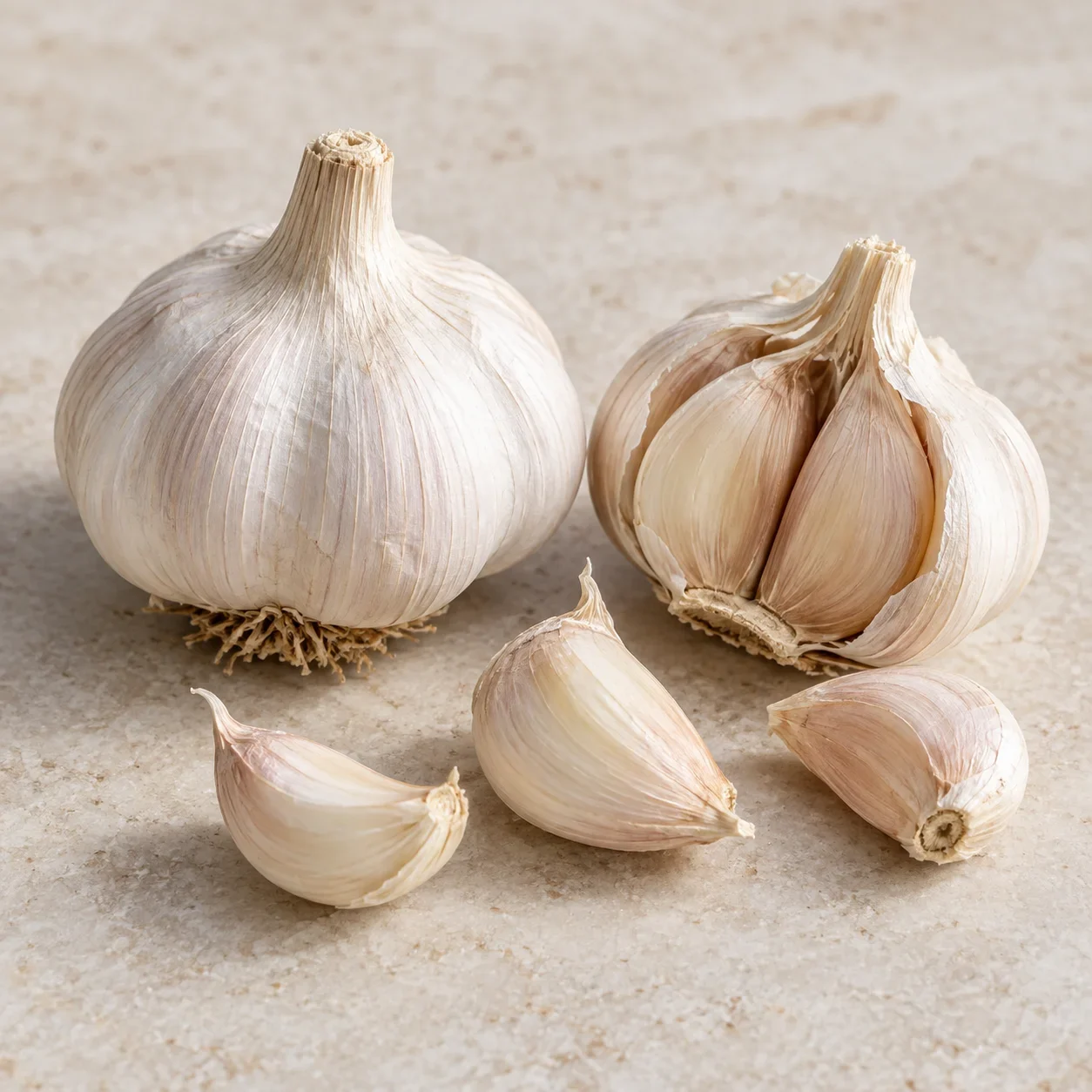



In some versions
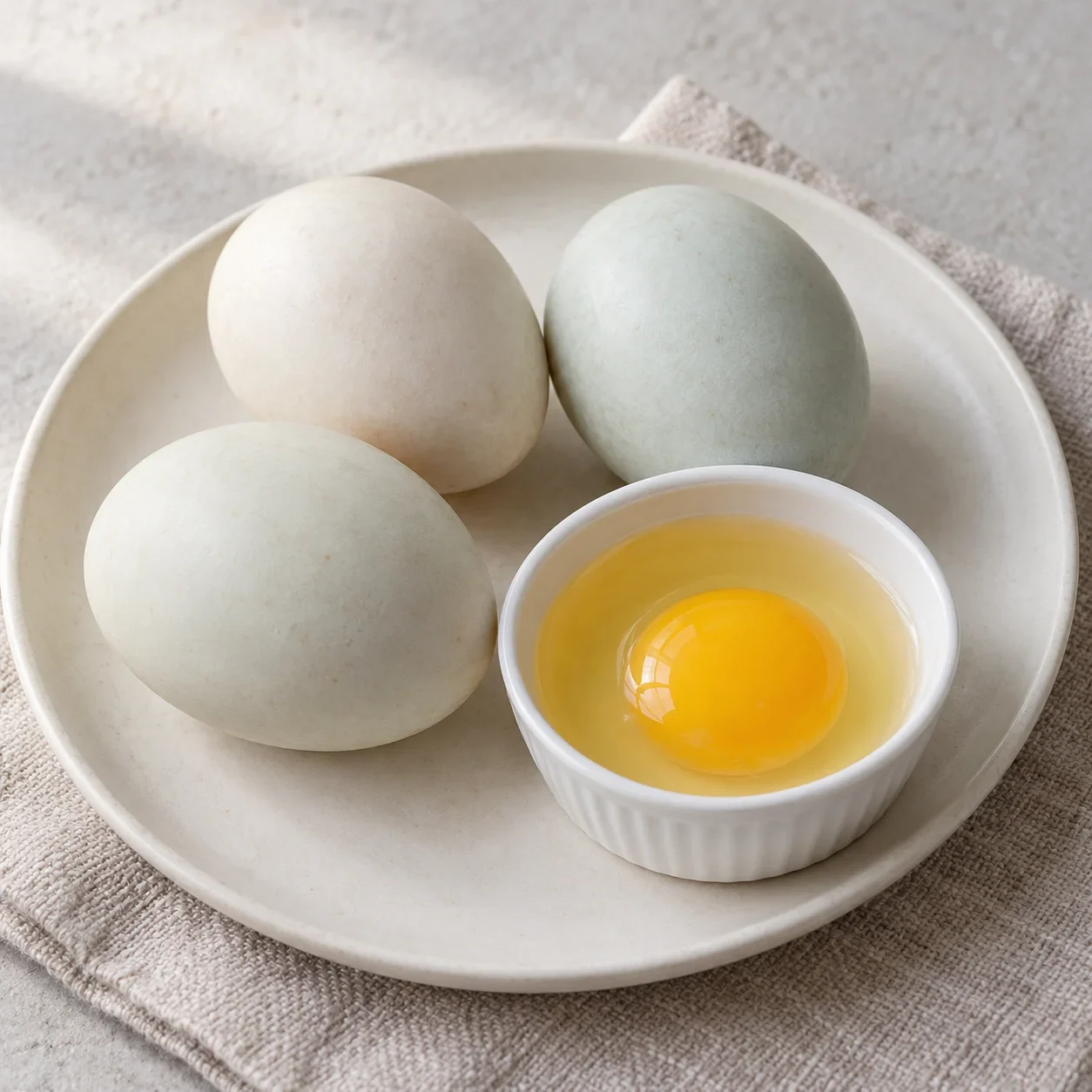
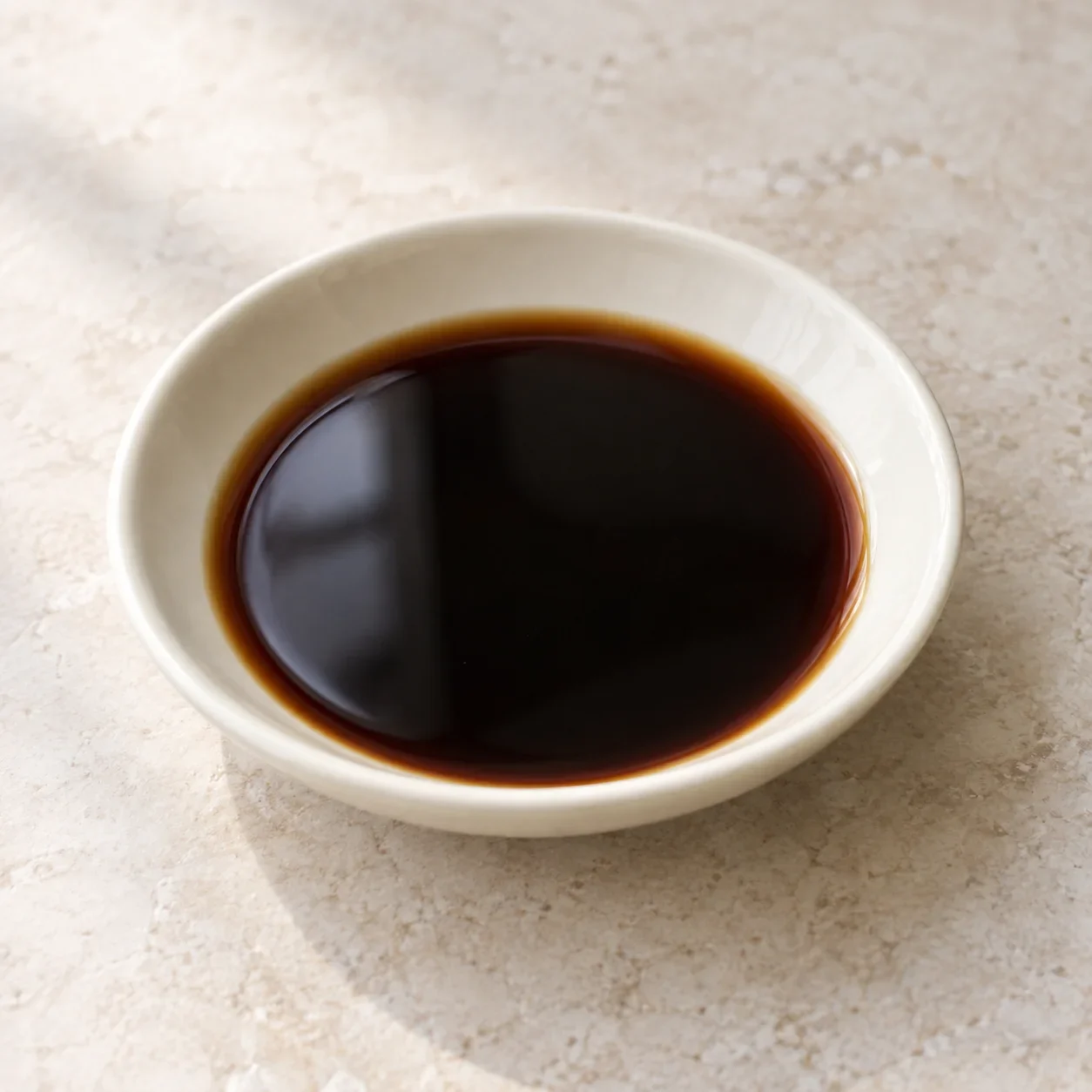
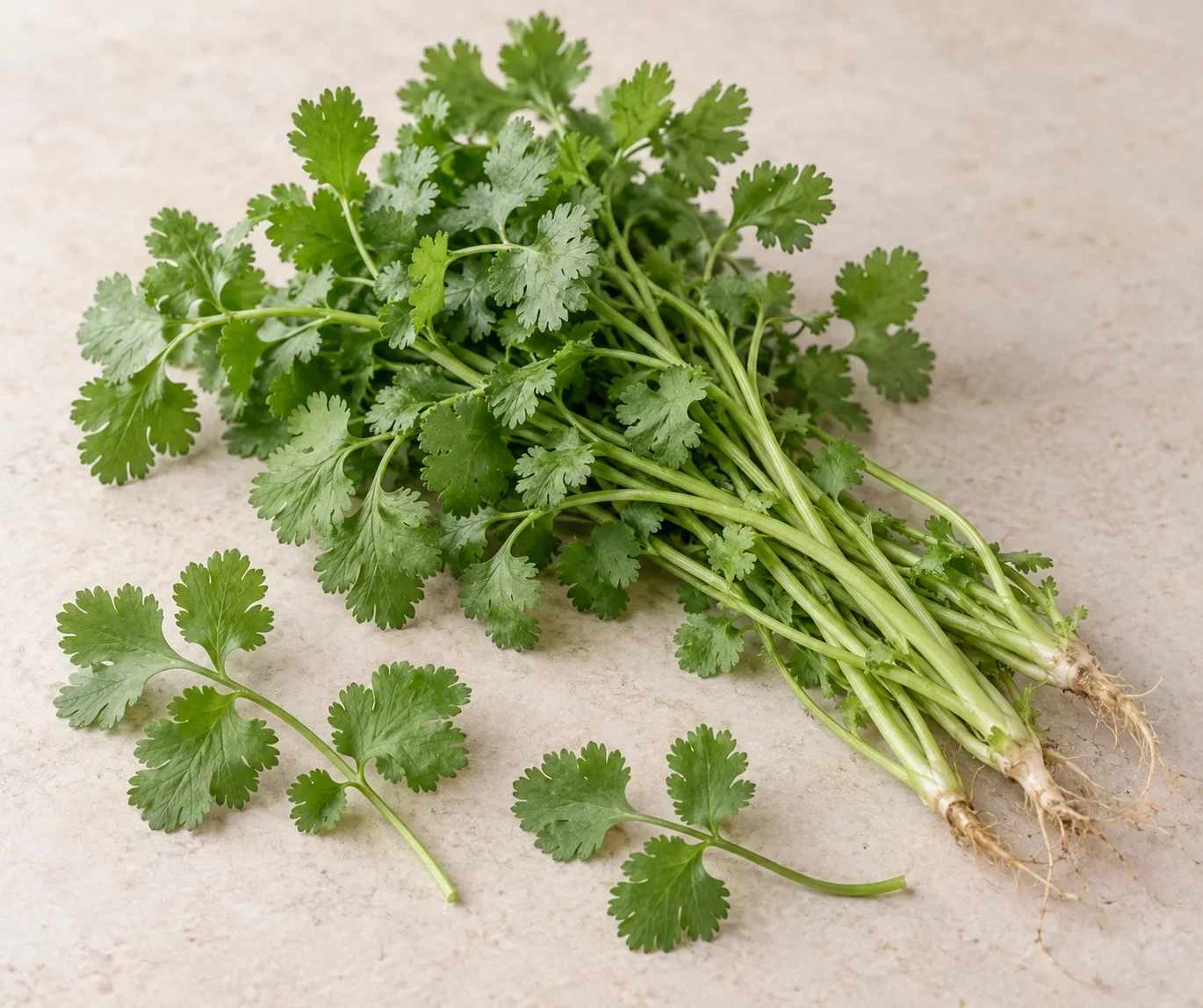
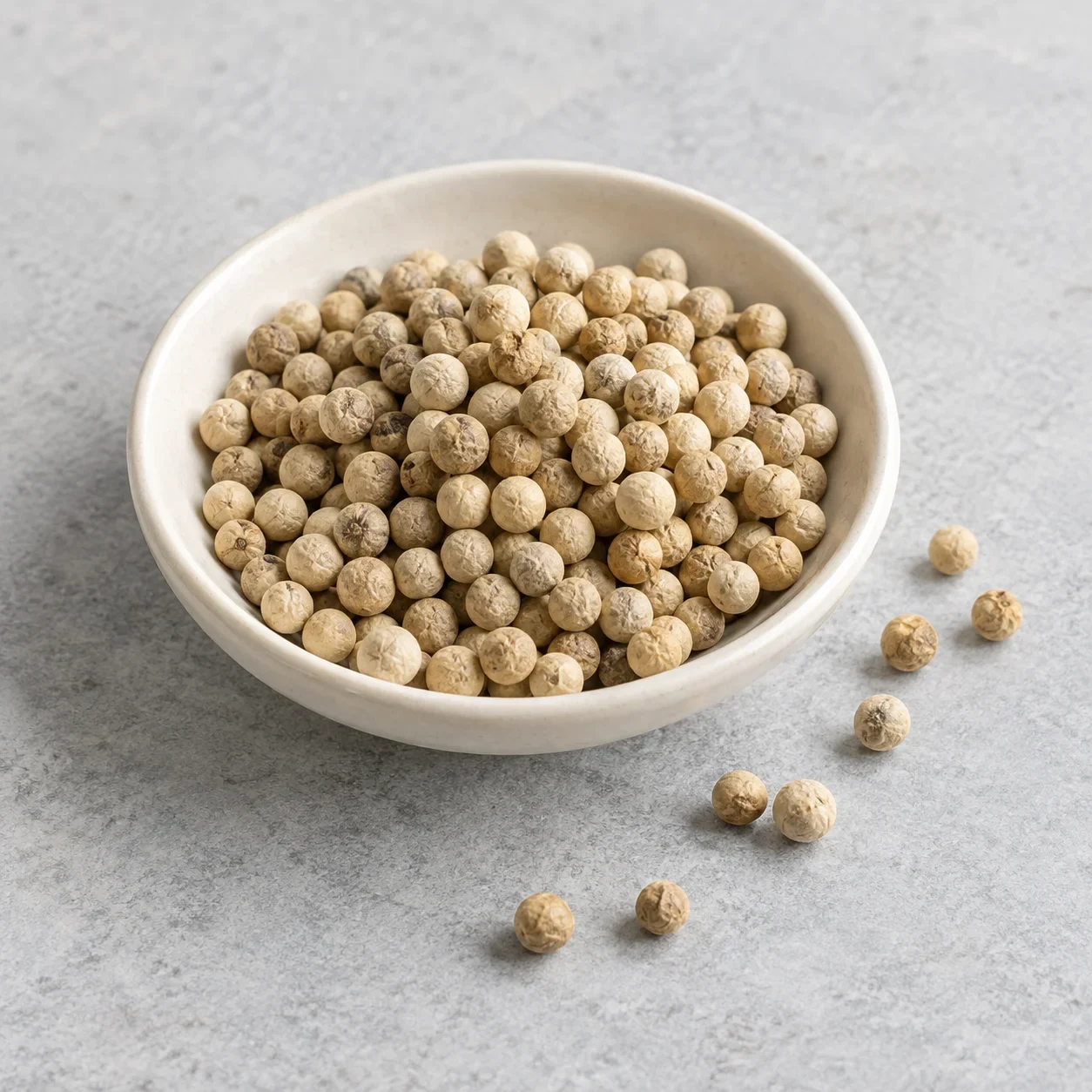

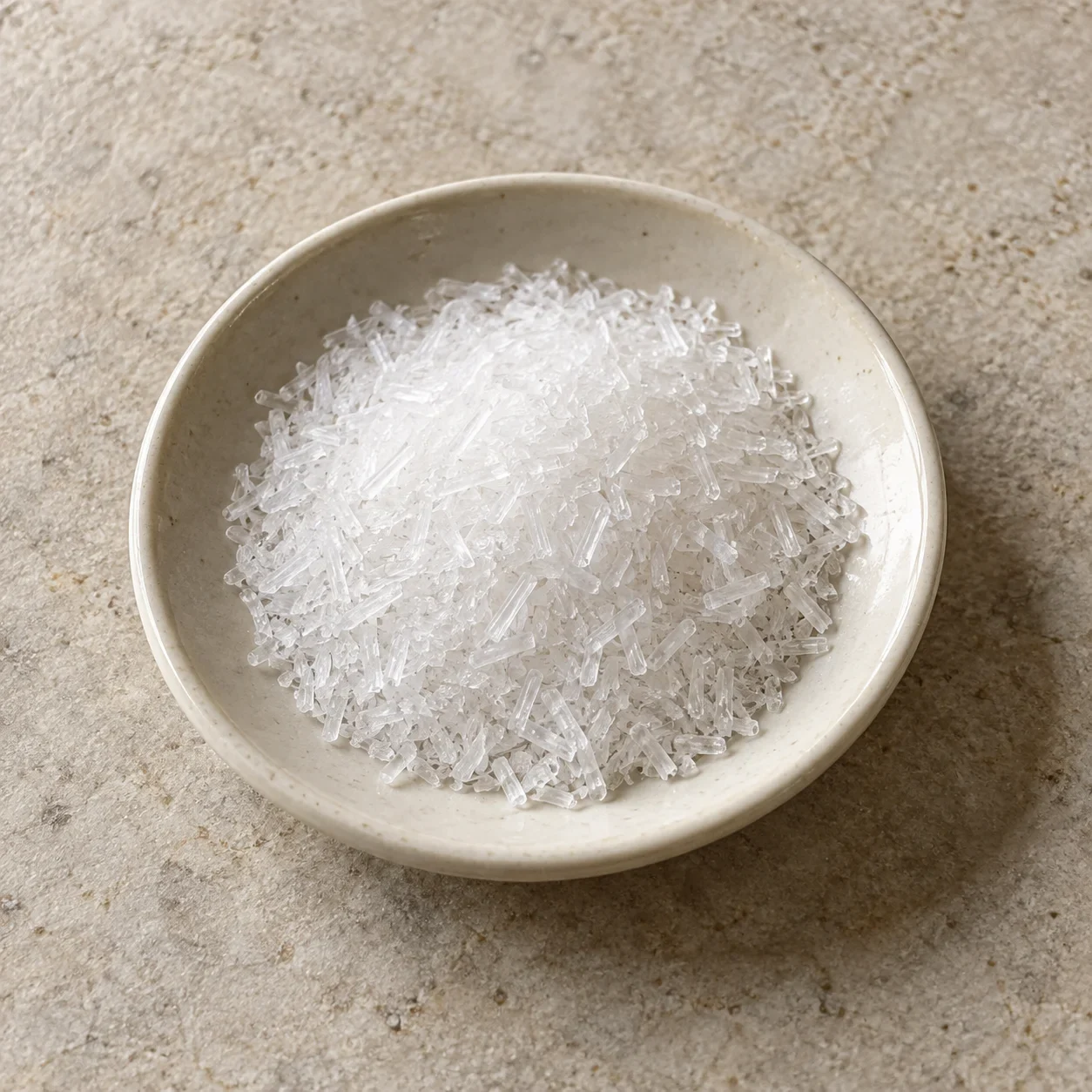
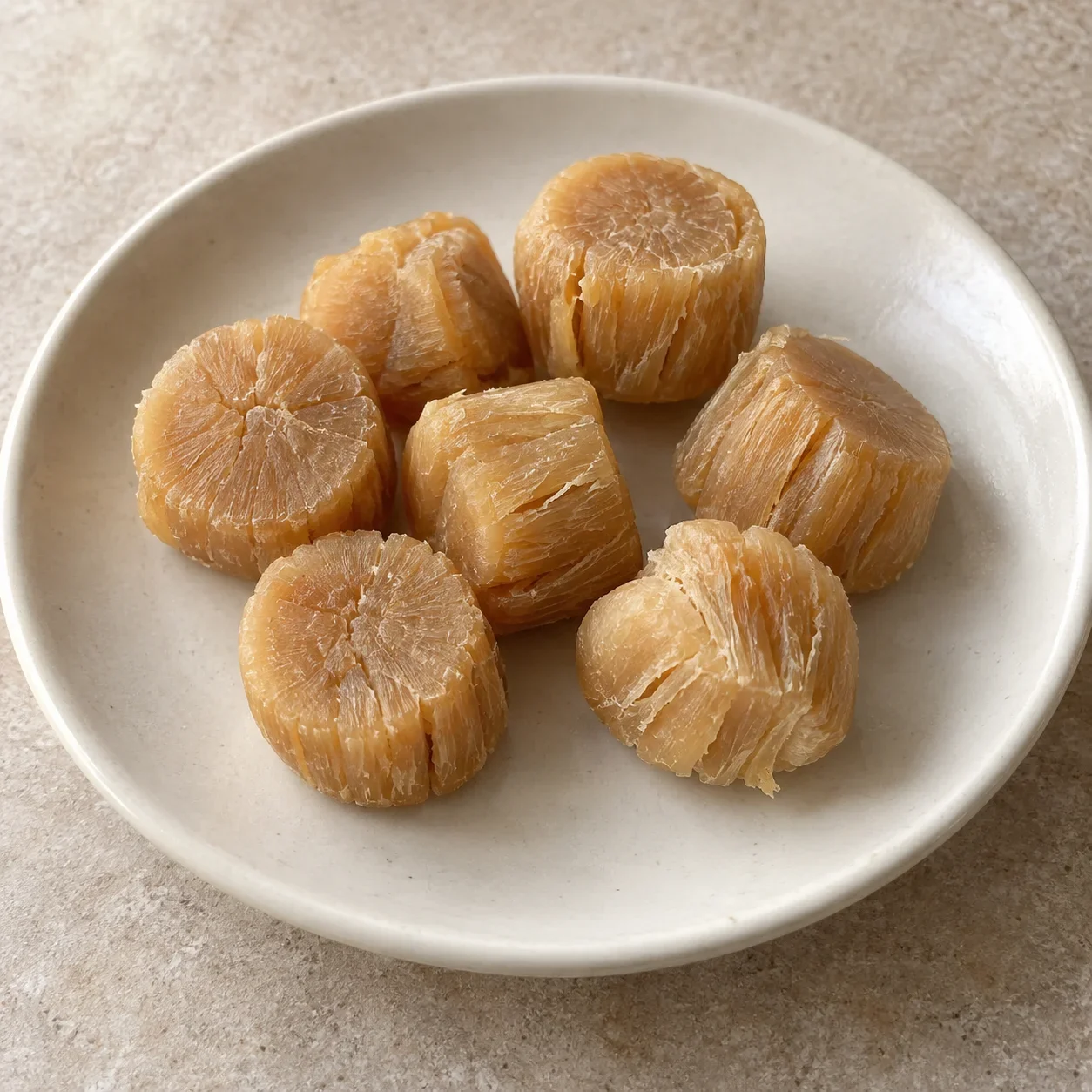
Recipes vary by restaurant.
How does it taste?
Savory pork and dried seafood, with garlic and a little vinegar; pepper adds warmth, not chili heat.
- Chili heat
- Texture
- Springy noodles with smooth, flowing gravy, tender pork and crisp sprouts.
- How it’s made
- Cooked noodles and blanched mung bean sprouts receive pork-bone broth enriched with the toppings, starch and duck egg. Fried garlic, coriander and garlic vinegar finish the bowl.
Egg type, seafood and toppings vary. Some versions add dried scallops; extra braised or fried toppings are separate choices.
A CONNECTION TO PLACE
Origin & regional roots
Associated with Fujian.
Ask if they have it first
请问你们有漳州卤面吗?
Do you have this item?
A LITTLE SOMETHING TO READ
Story & history
From family gatherings to noodle shops
This account describes a tradition or story, rather than an established historical fact.
Zhangzhou lu mian is served at family gatherings and celebrations as well as everyday noodle shops. Its defining feature is the lightly thickened broth poured over alkaline noodles, rather than a single fixed set of toppings.