At the table
Mix the cooked toppings through the noodles and eat while warm. If the topping arrives separately, add it to the noodles before mixing.
Contains shrimp and wheat. Egg, soy, sesame and animal stock may also be used; confirm the recipe if you have an allergy. The broth and toppings can be hot.
This is not a vegetarian or vegan dish. Ask whether it is served mixed or in soup, and check any added sauces or stock.
GET TO KNOW THE DISH
What goes into it?
Explore some key ingredients below. Preparations may use additional seasonings and ingredients.
Soup and mixed-noodle versions both exist. Stock, egg white, starch, cooking wine and sesame oil may be used.
Typical ingredients
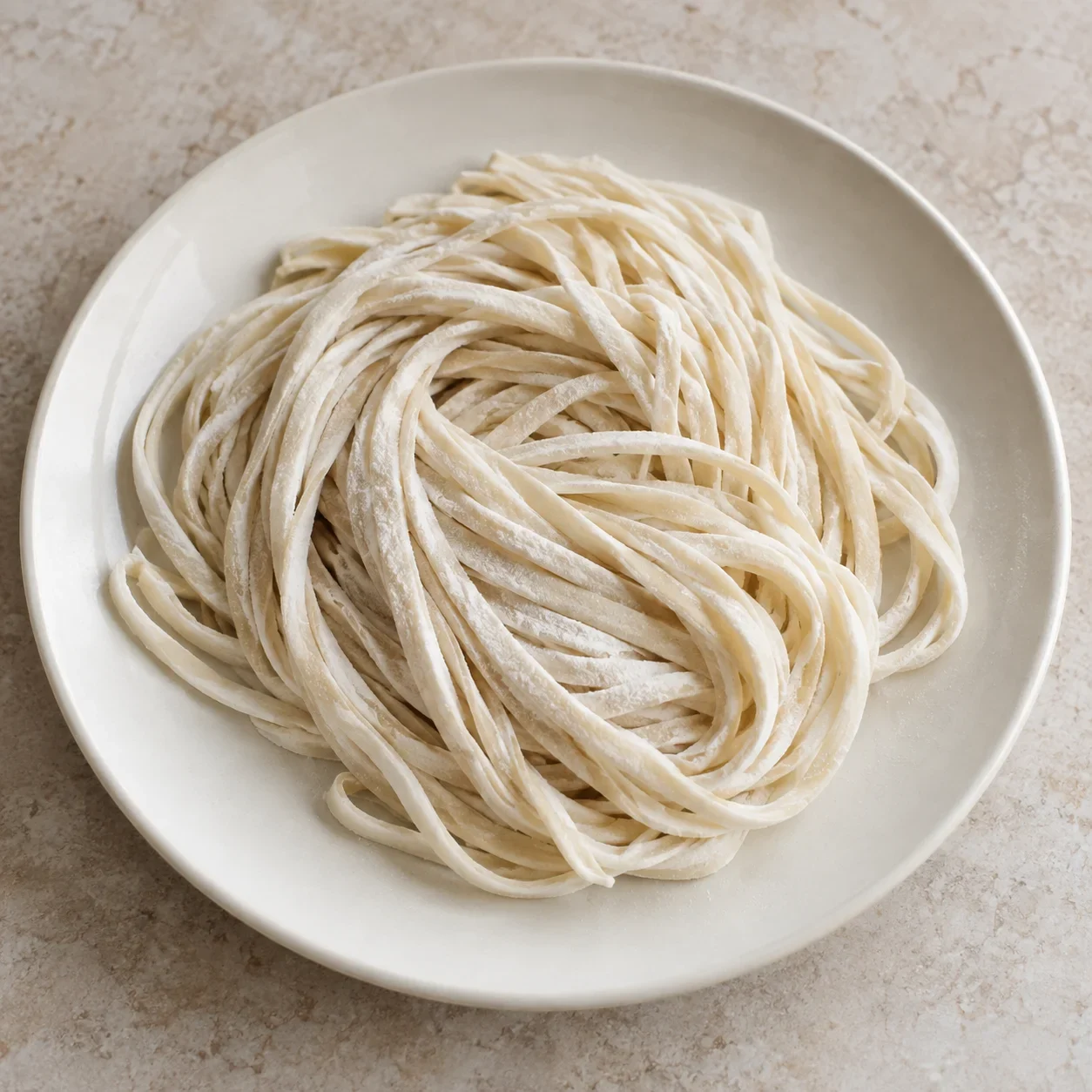
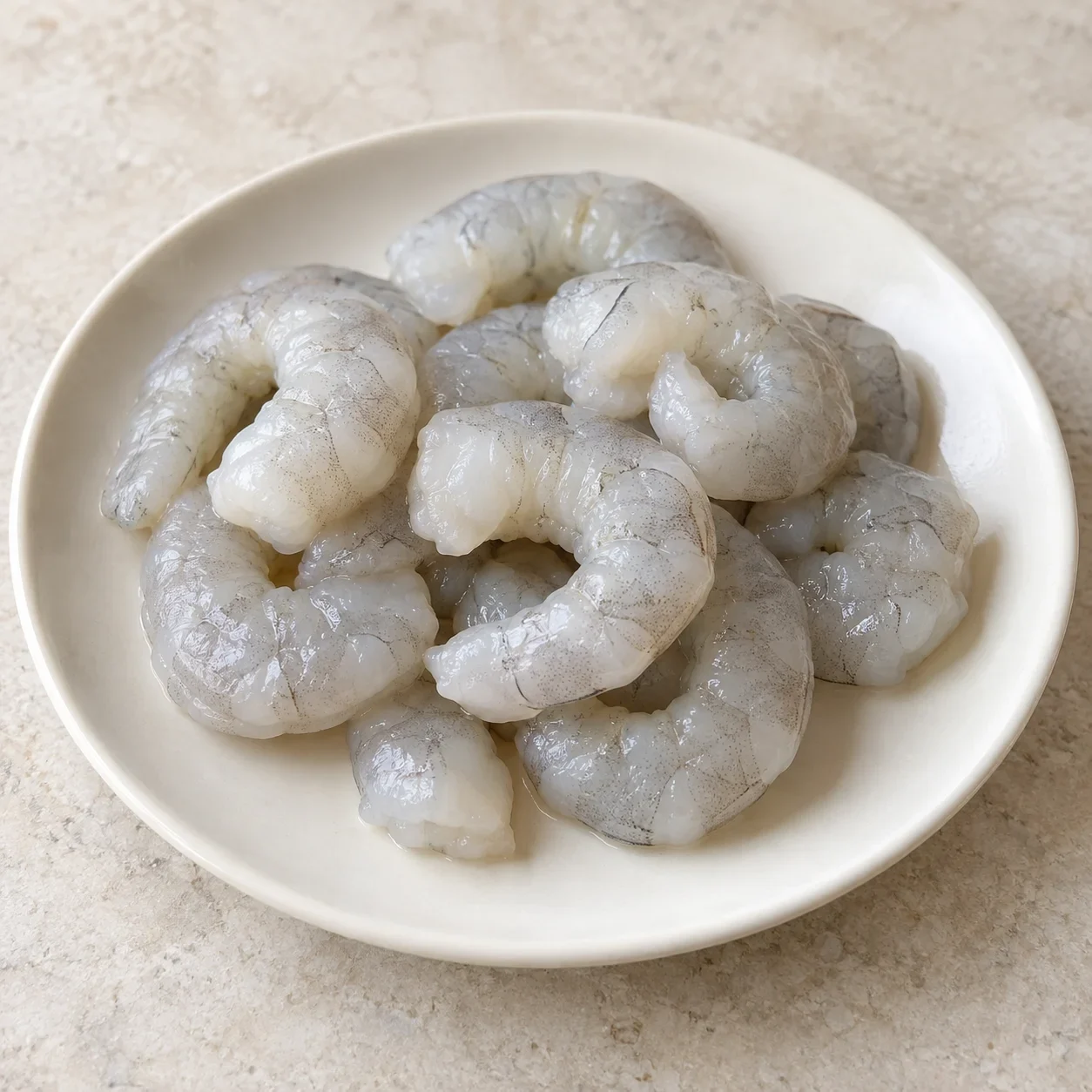
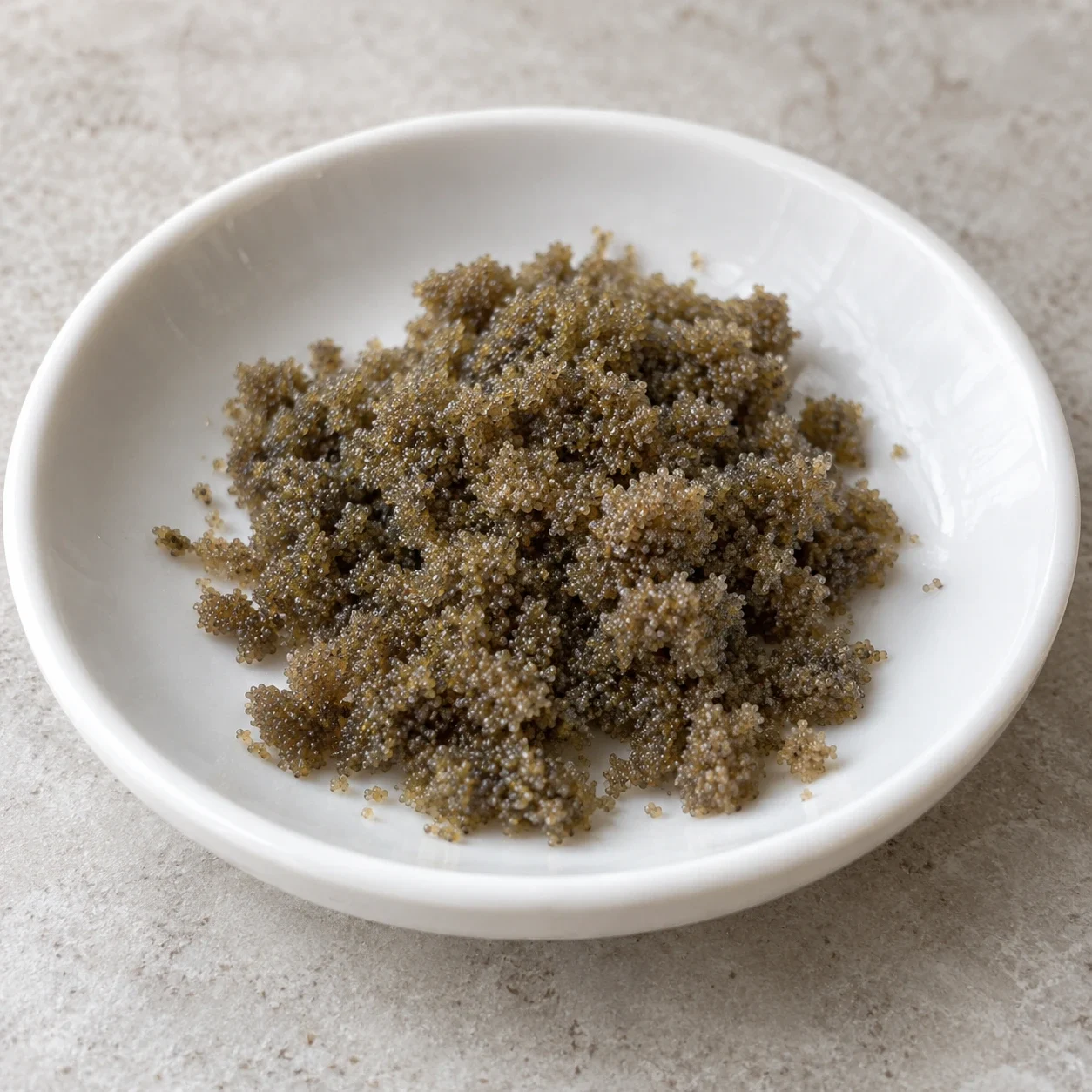
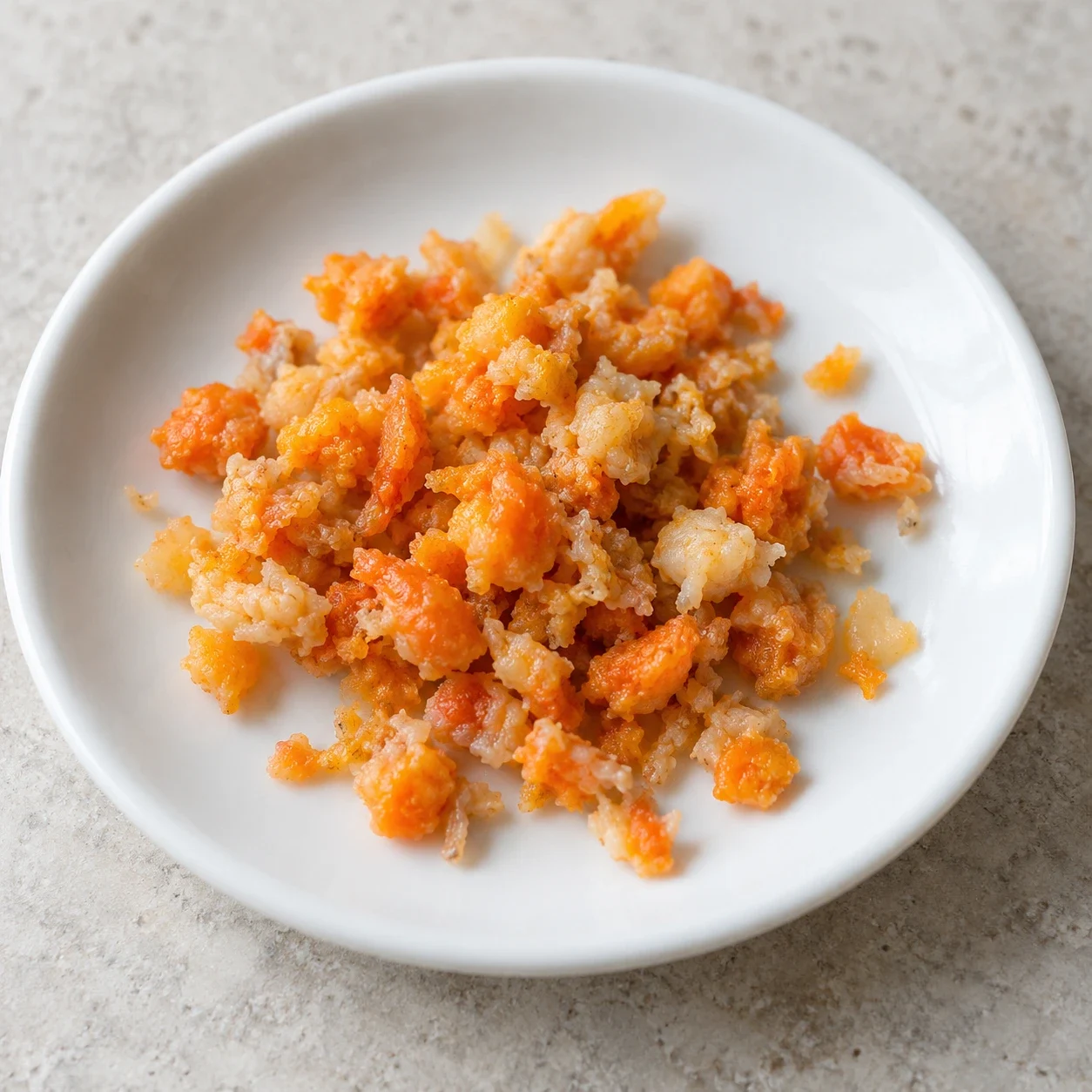
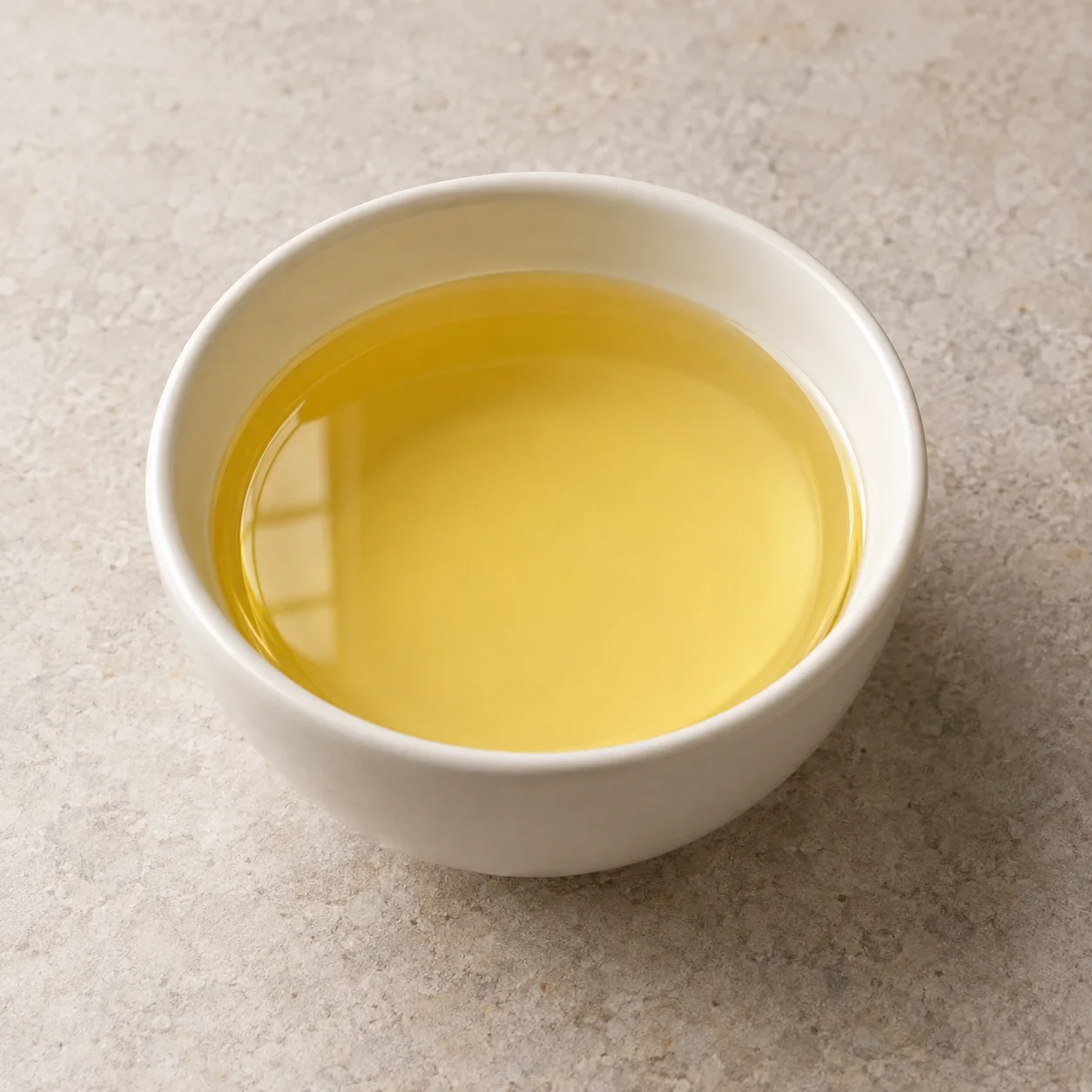

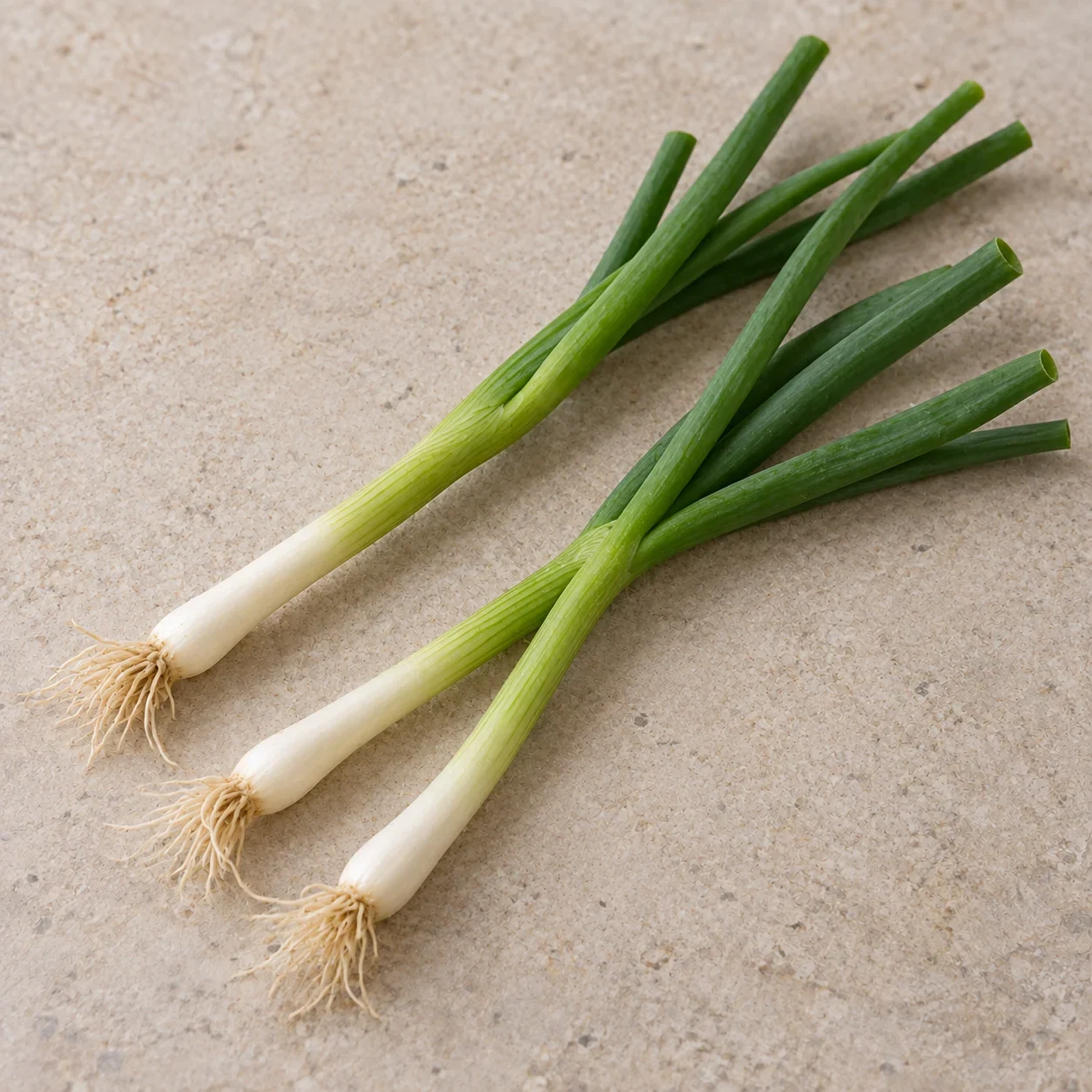
In some versions
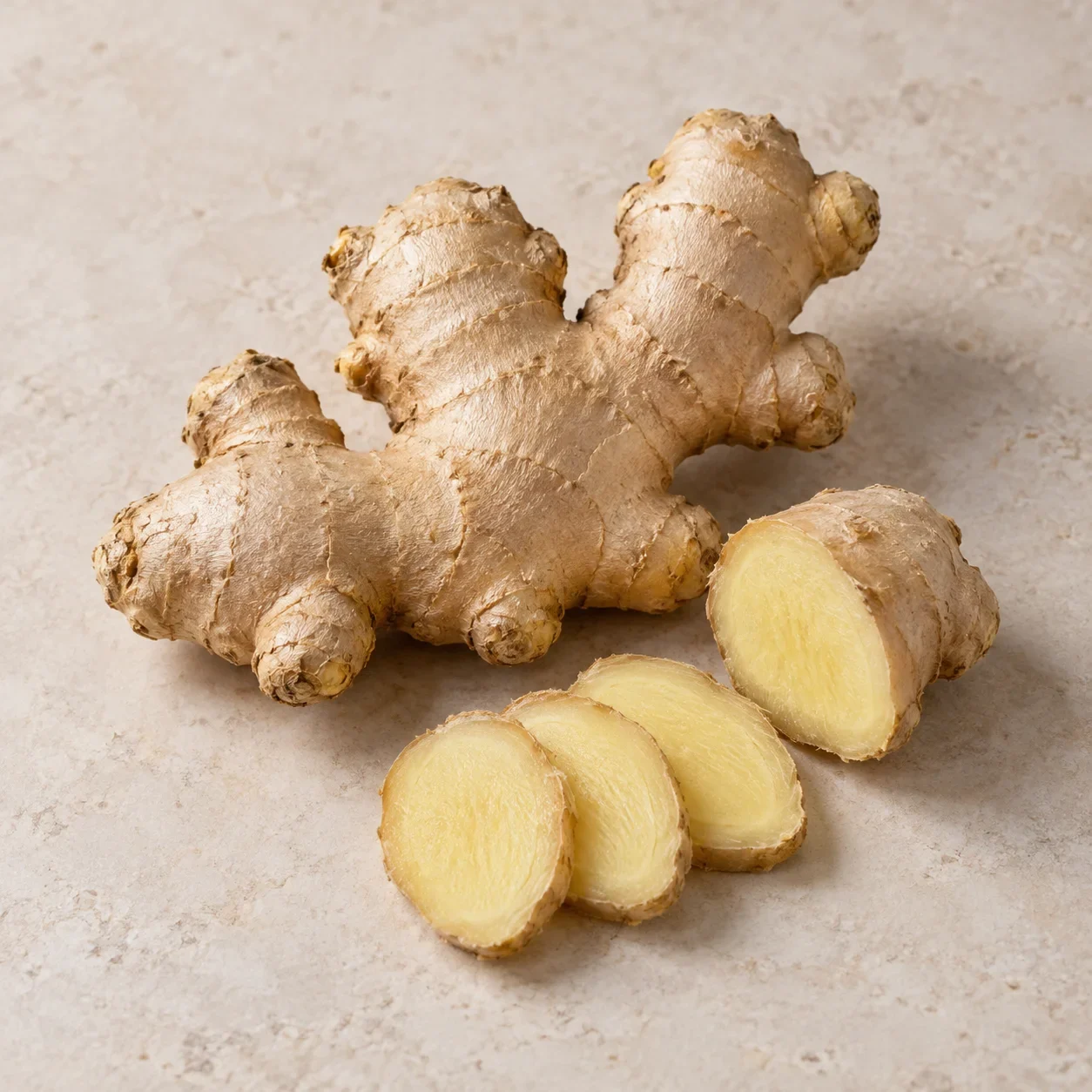
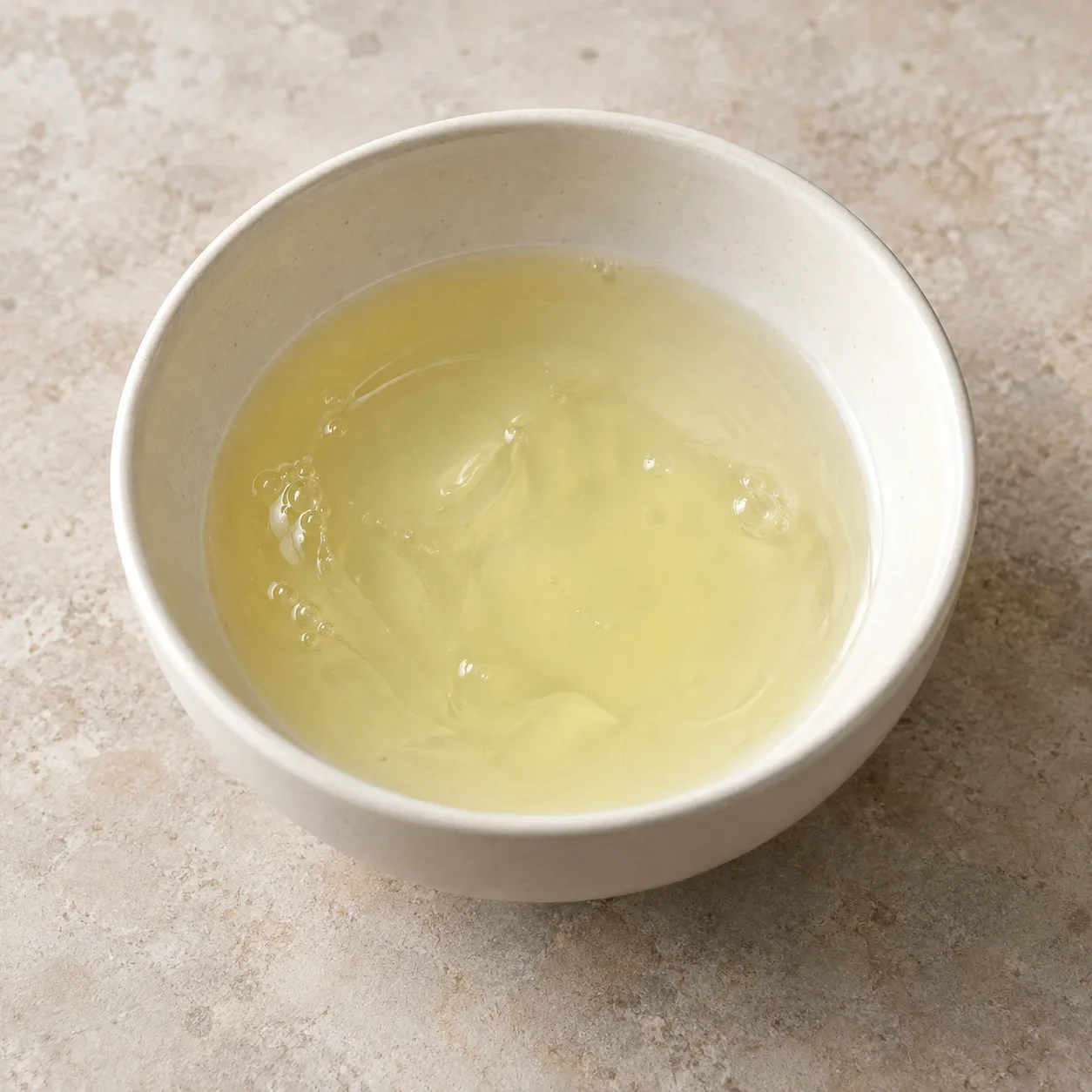
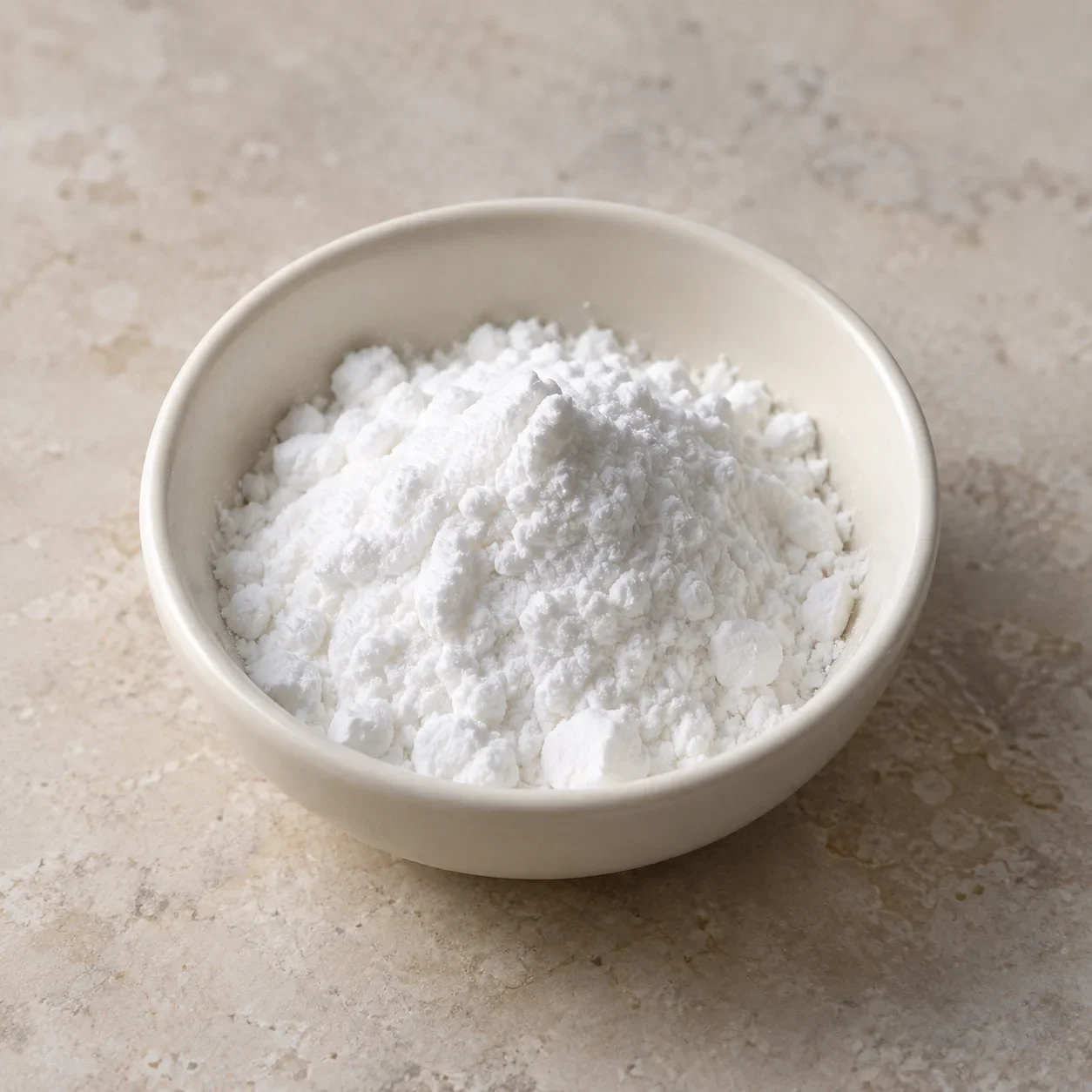
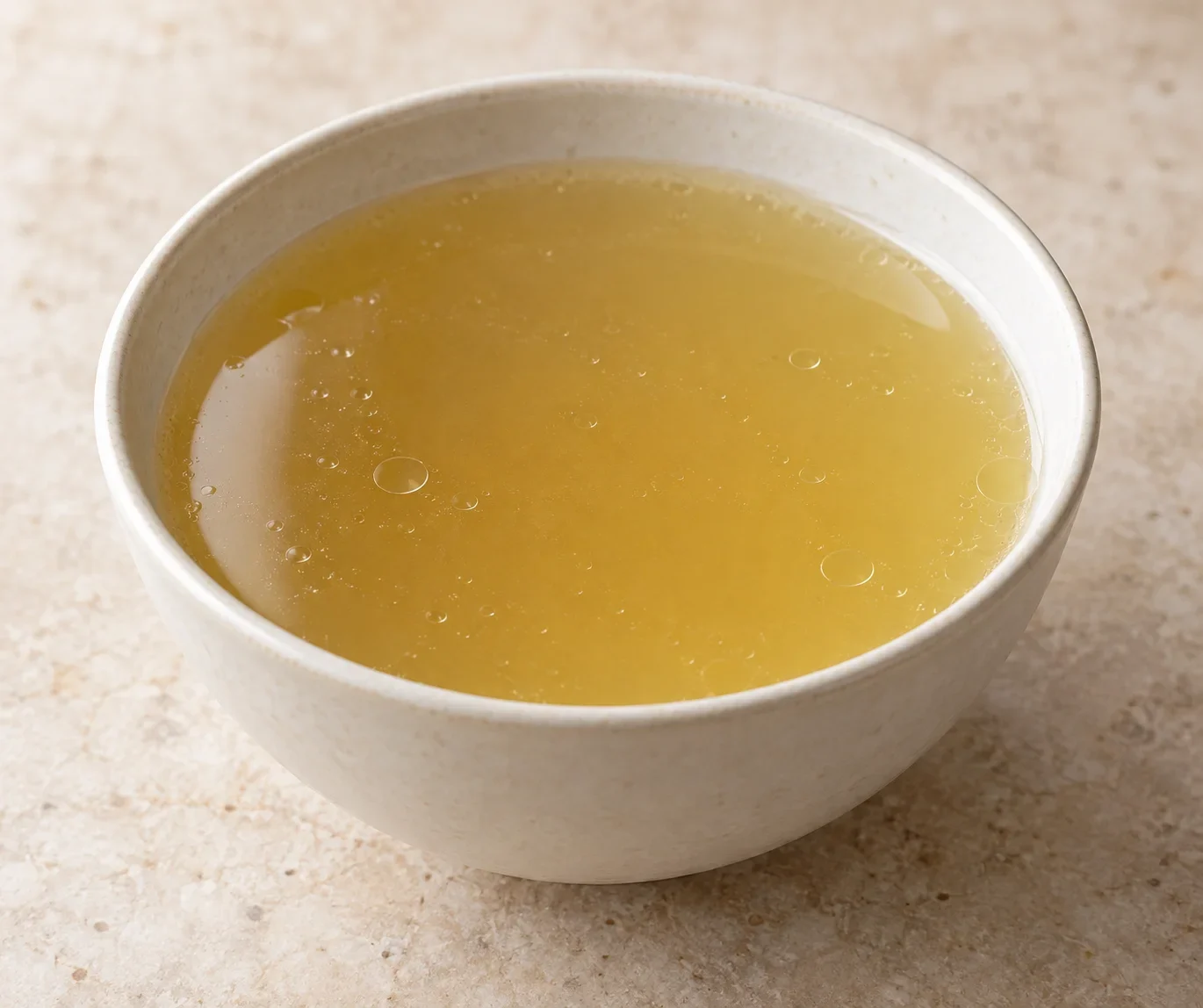
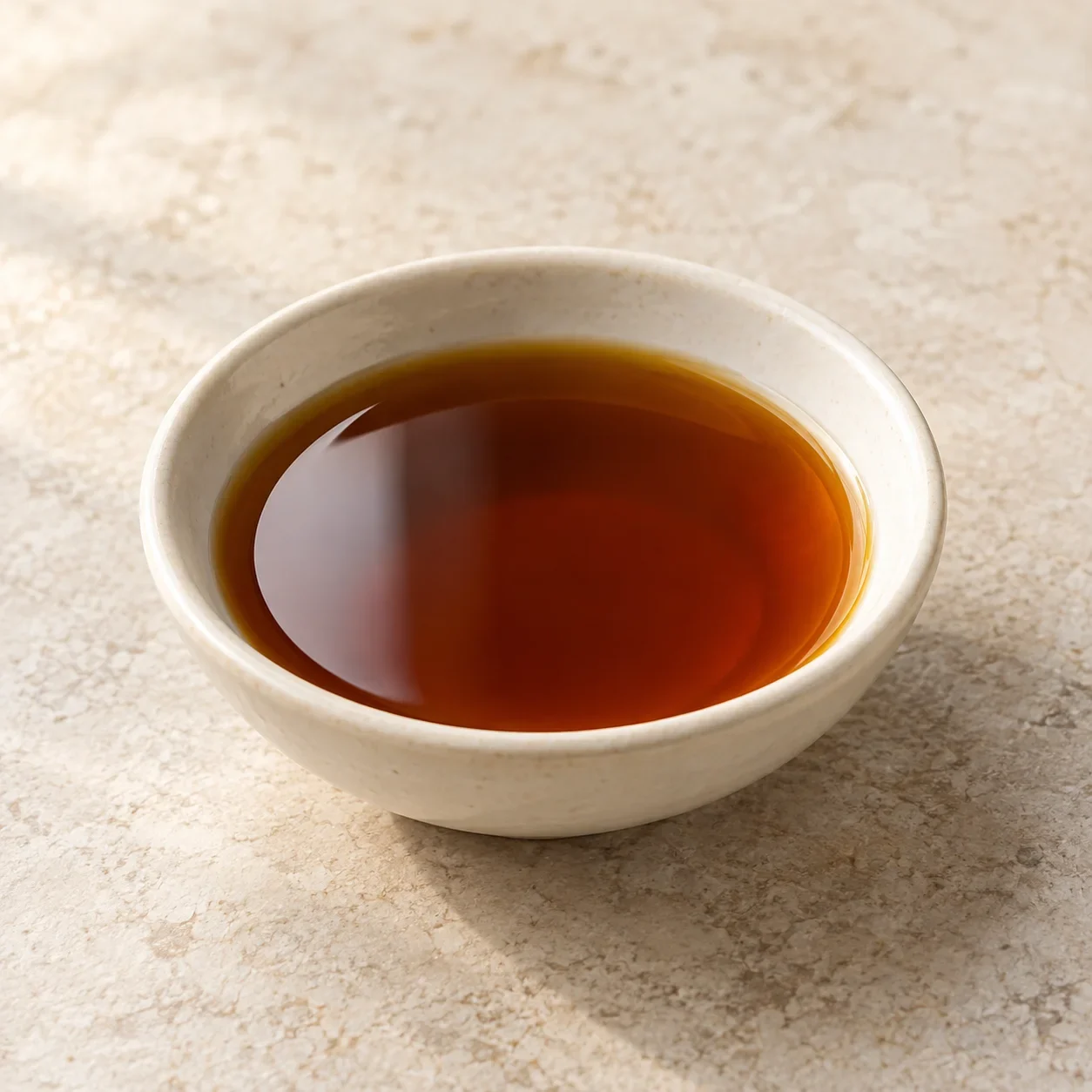
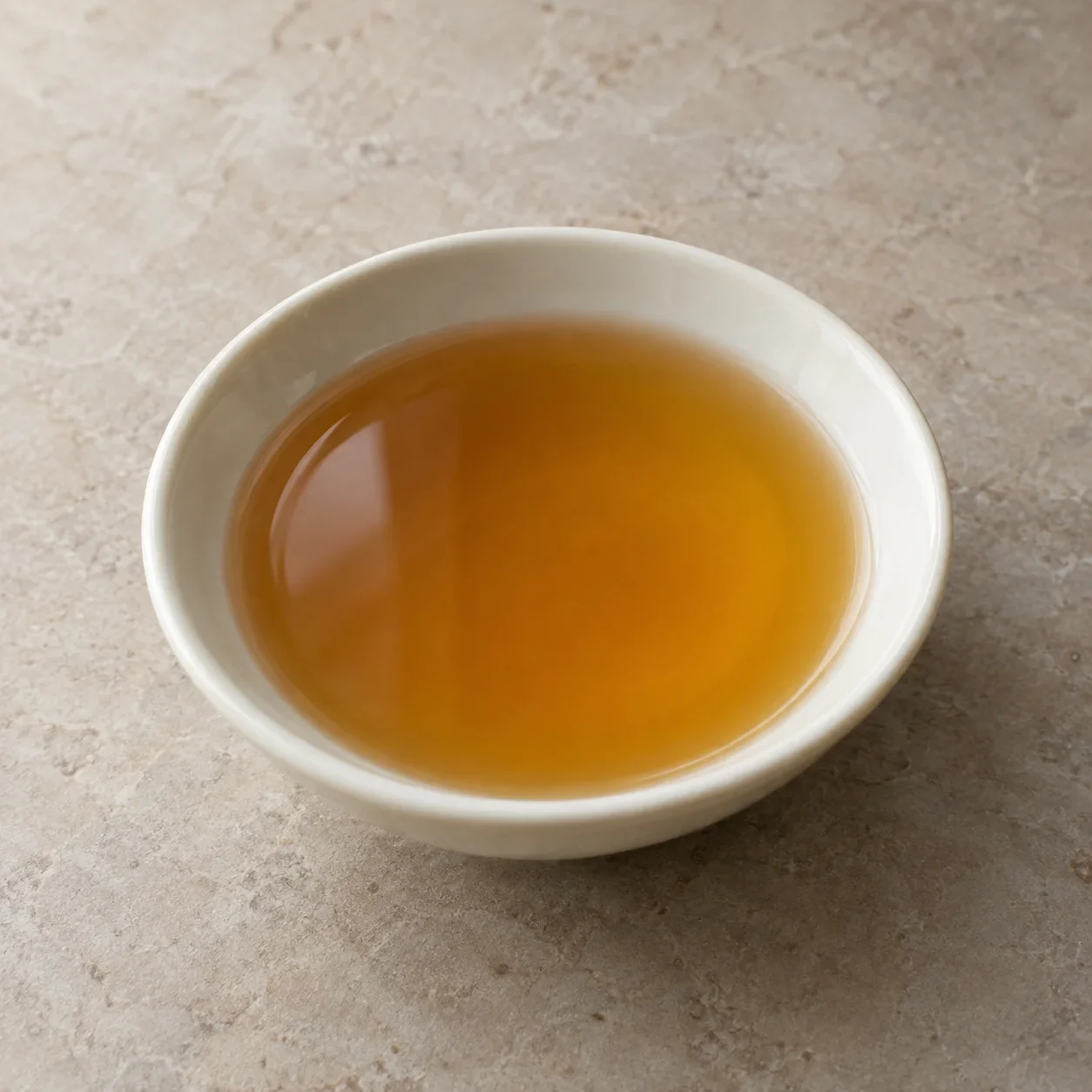
Recipes vary by restaurant.
How does it taste?
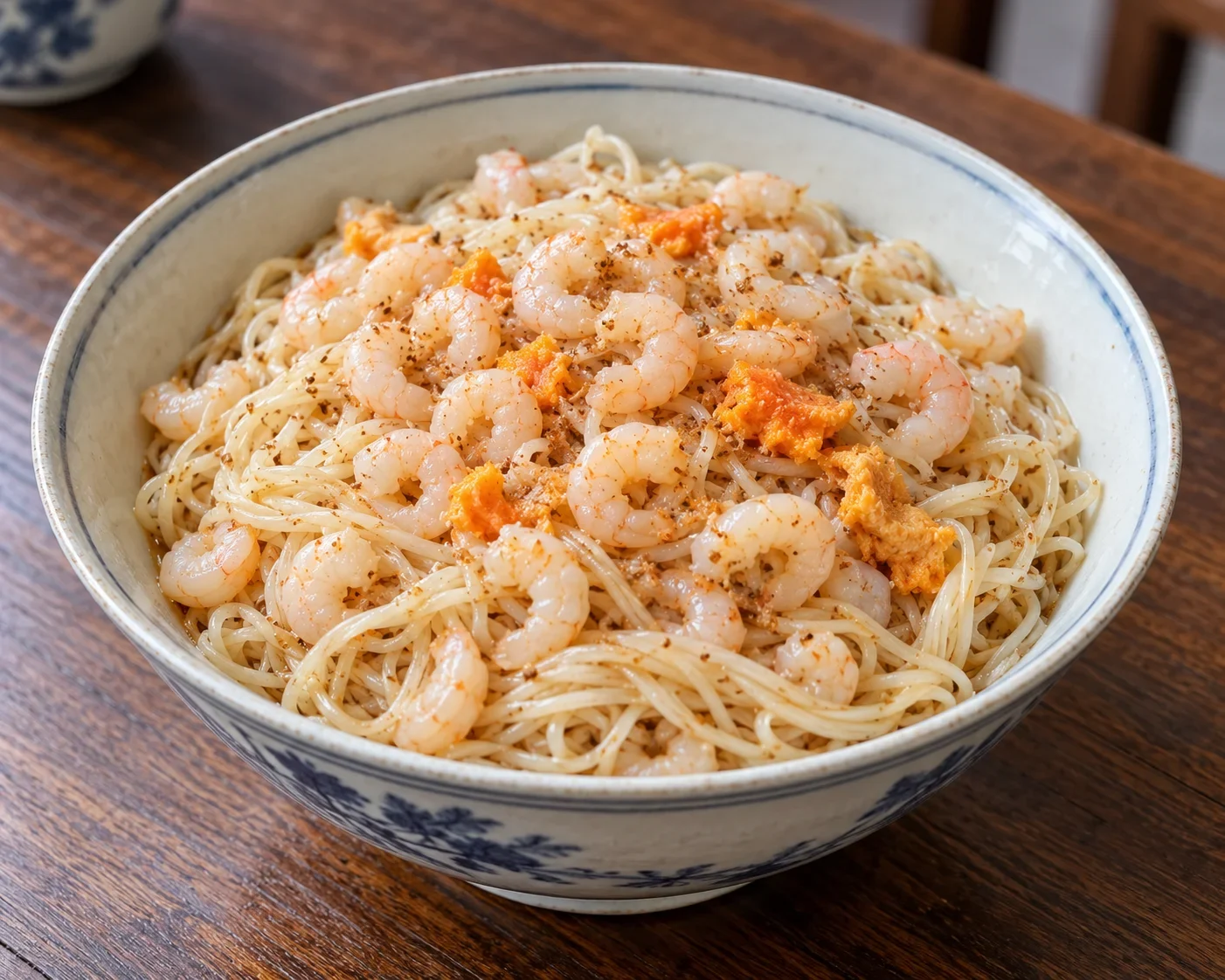
Savory shrimp sweetness and a richer roe flavor, usually without chili.
- Chili heat
- Texture
- Fine, springy noodles with tender shrimp, tiny roe grains and soft pieces of xianao.
- How it’s made
- Prepare and cook the three shrimp parts, then serve with boiled wheat noodles. Ginger, scallion and seasonings vary by recipe.
Soup and mixed-noodle versions both exist. Stock, egg white, starch, cooking wine and sesame oil may be used.
A CONNECTION TO PLACE
Origin & regional roots
Associated with Jiangsu.
About this regional connection
Jiangsu: Suzhou three-shrimp noodle specialty
Ask if they have it first
请问你们有三虾面吗?
Do you have this item?
A LITTLE SOMETHING TO READ
Story & history
Three parts of a seasonal shrimp
This account describes a tradition or story, rather than an established historical fact.
In Suzhou, three-shrimp noodles celebrate the season when freshwater shrimp carry eggs. The name refers to three parts, not three species: shrimp meat, eggs carried under the abdomen, and xianao from the head region. Despite its name meaning “shrimp brain,” xianao is roe tissue, not the brain. Separating the small parts takes care; together they give the noodles layers of shrimp flavor.