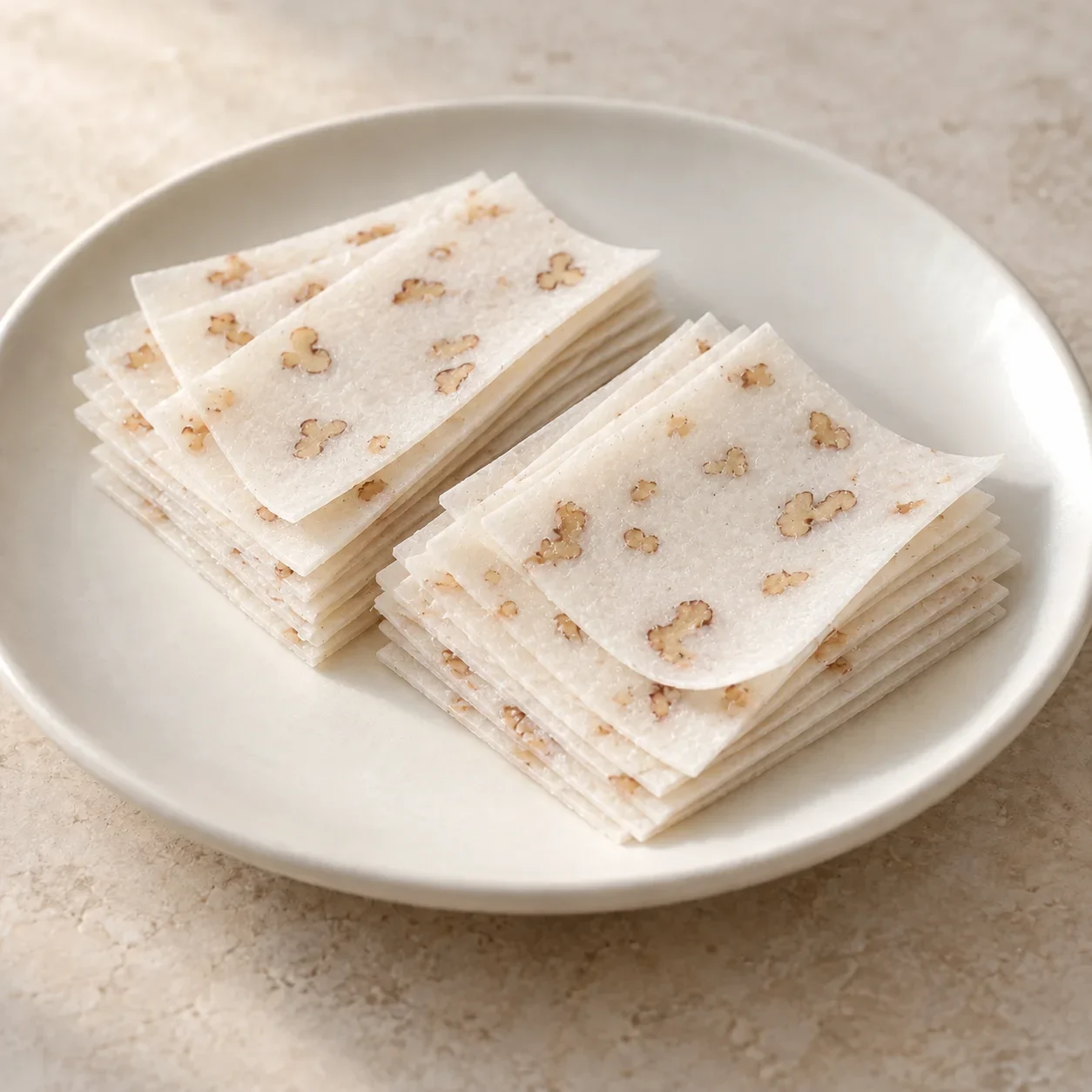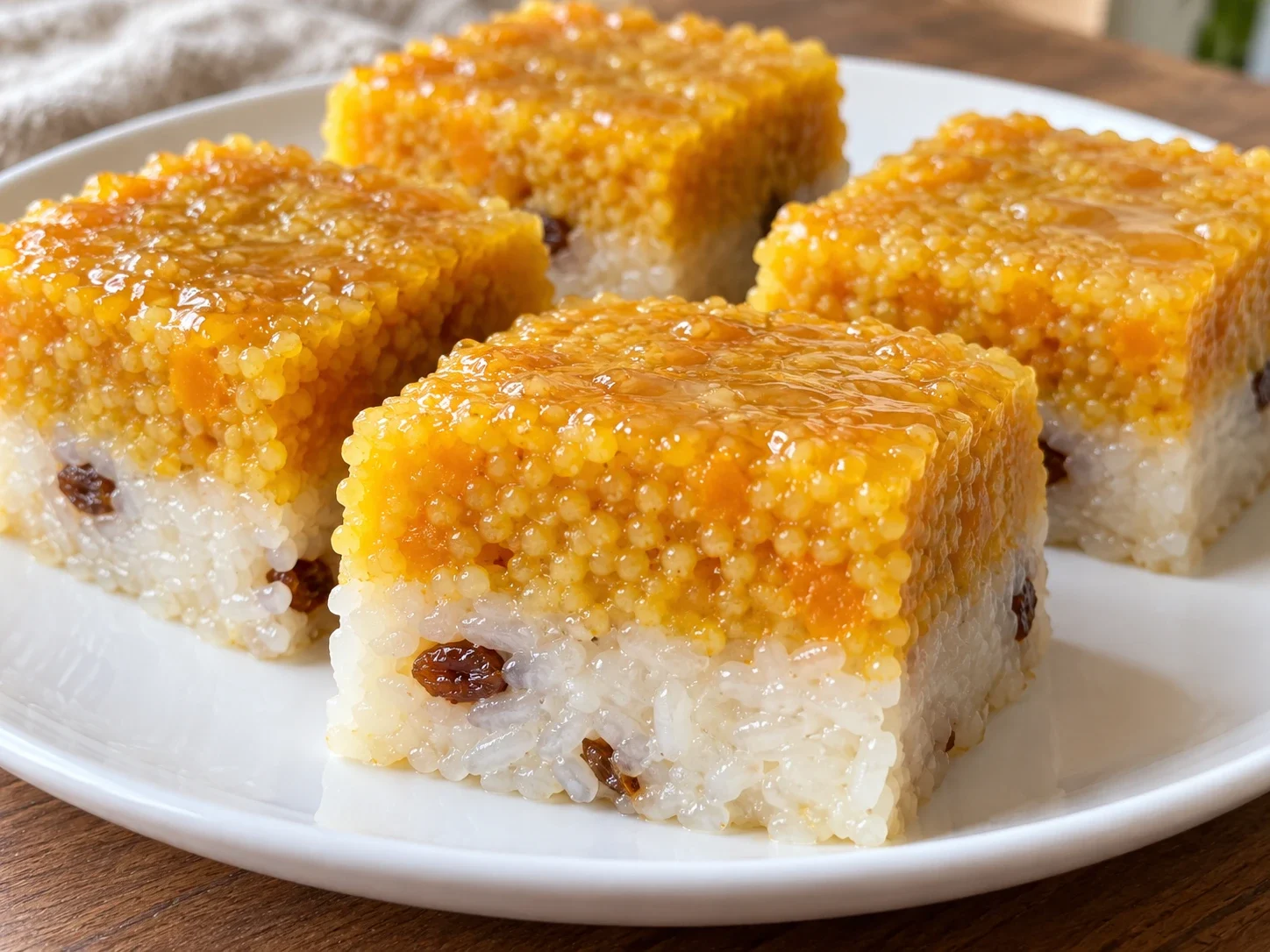
At the table
Eat small pieces with a fork or spoon; no reheating or mixing is needed. Extra syrup is optional.
Sticky cake needs small bites. Contains honey and uses fermented-rice liquid; ask about dairy, honey and fermentation when these matter.
Other versions use dates, different dried fruits, yogurt soaking liquid or sweet floral toppings. This version contains honey, with no dairy added.
GET TO KNOW THE DISH
What goes into it?
Explore some key ingredients below. Preparations may use additional seasonings and ingredients.
Other versions use dates, different dried fruits, yogurt soaking liquid or sweet floral toppings. This version contains honey, with no dairy added.
Typical ingredients
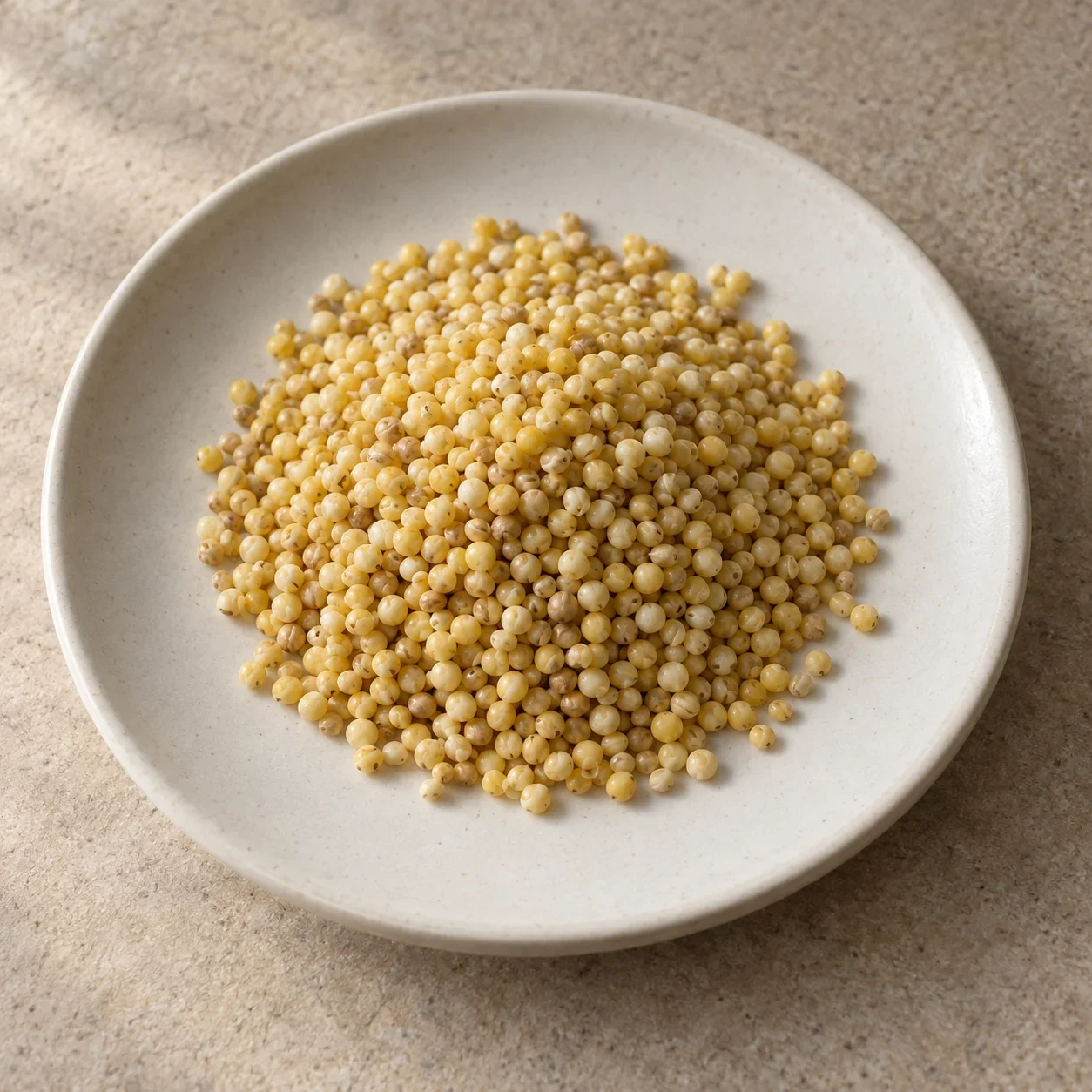
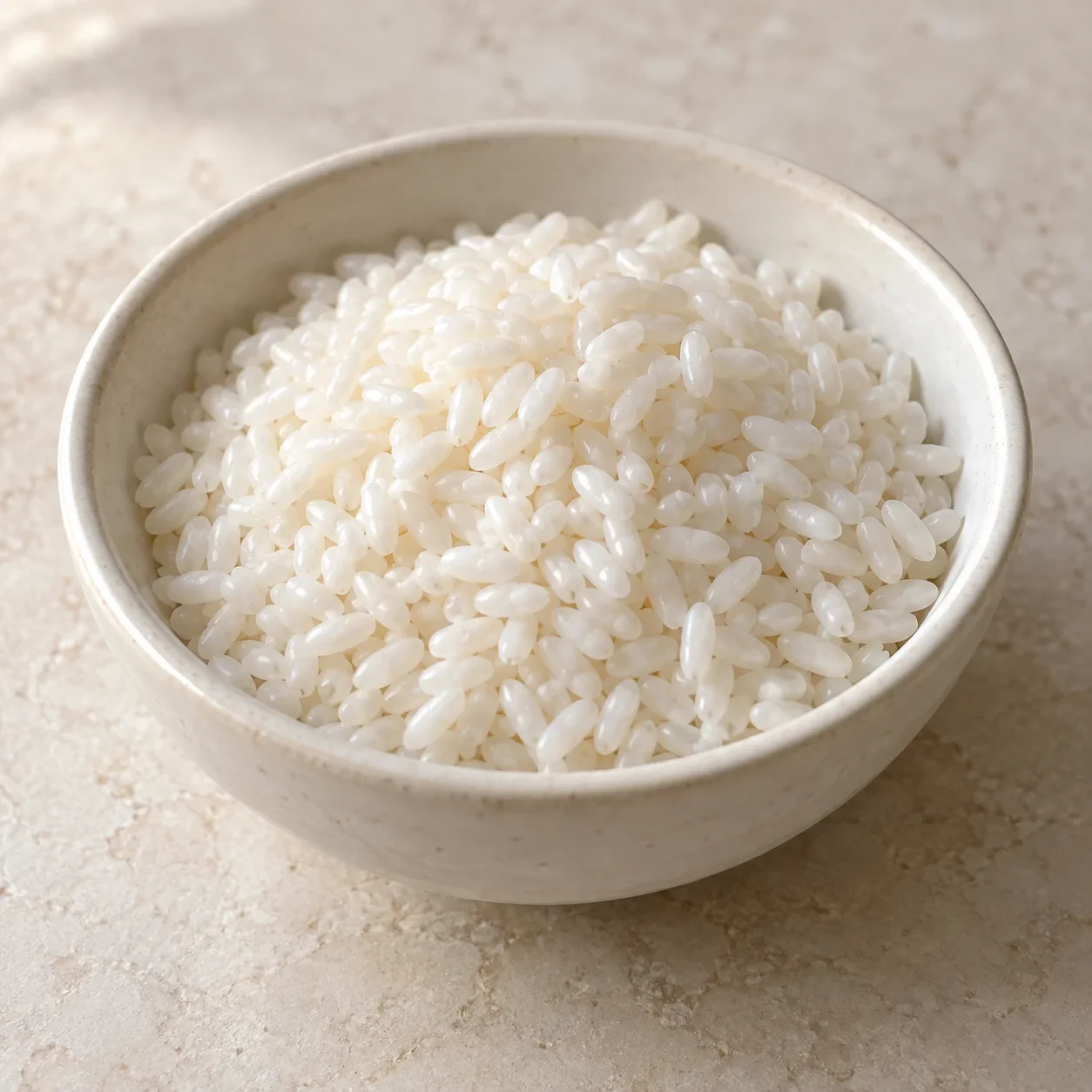
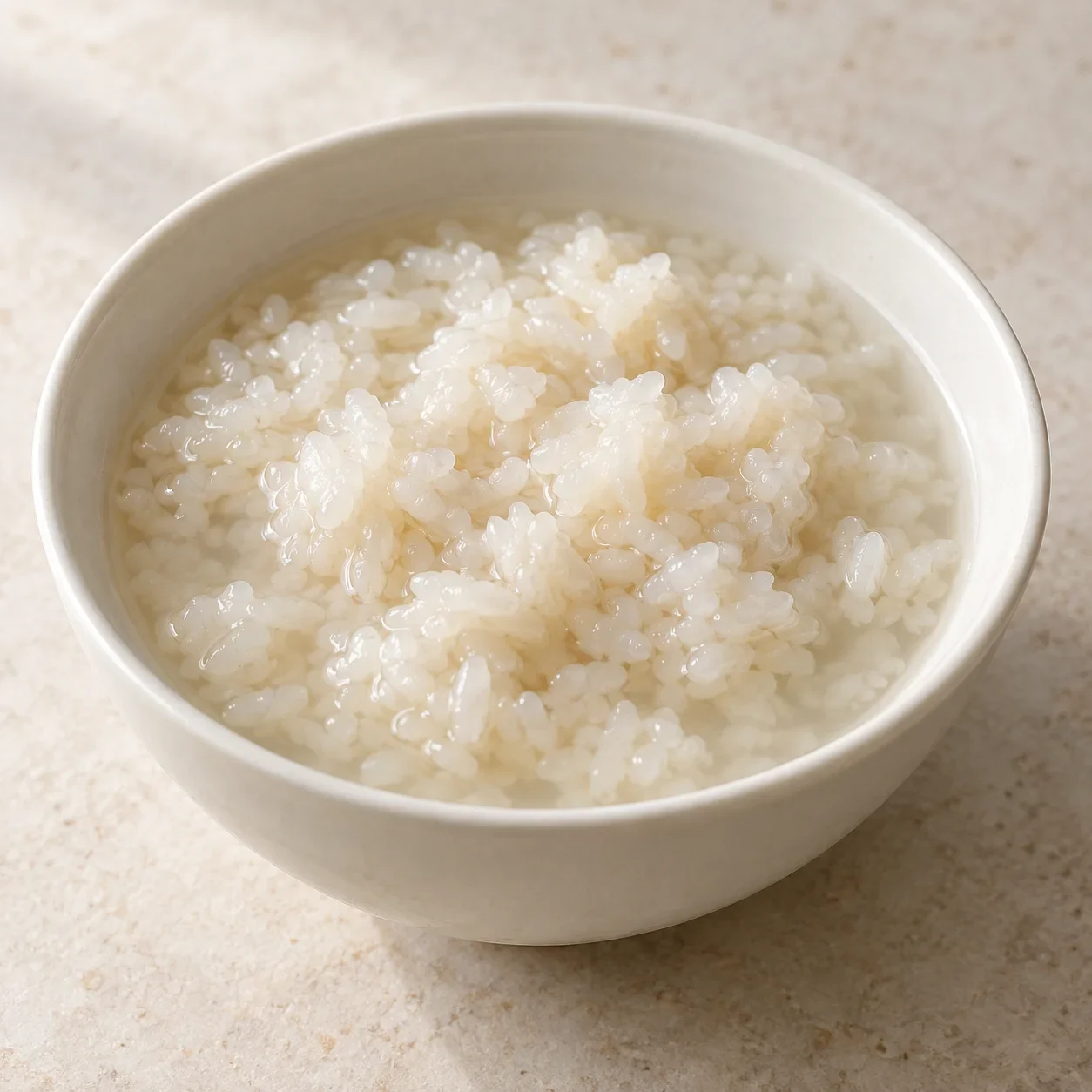
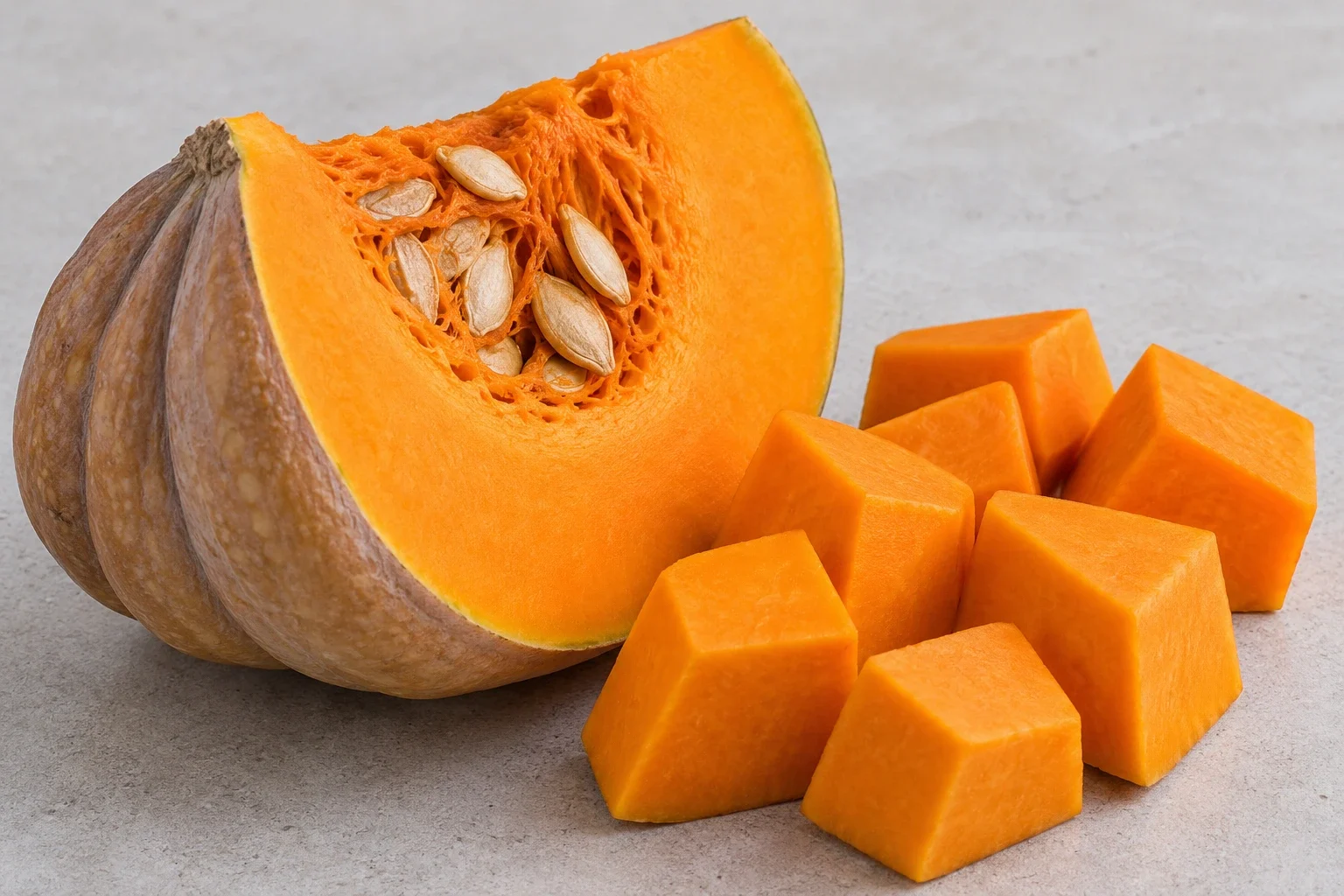
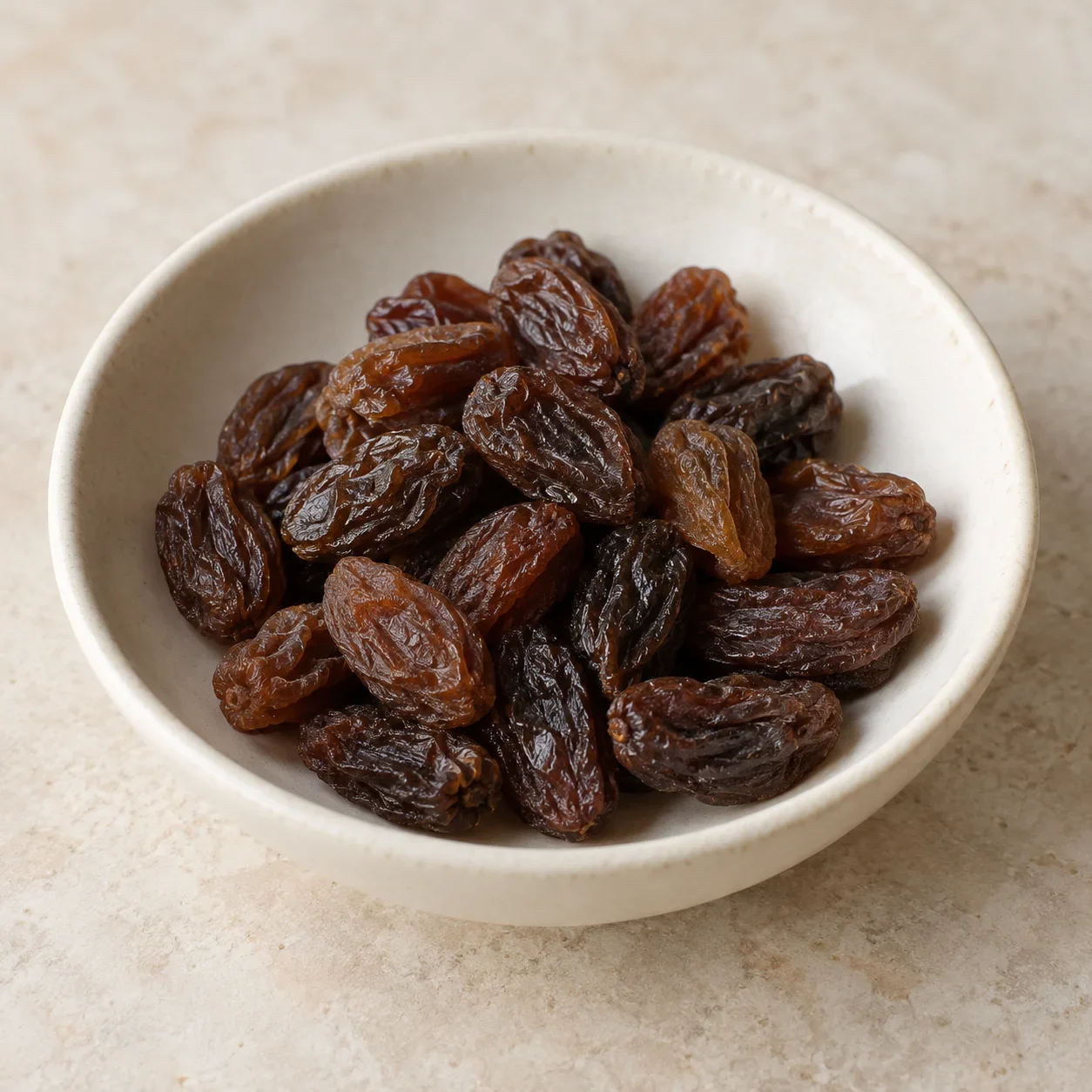

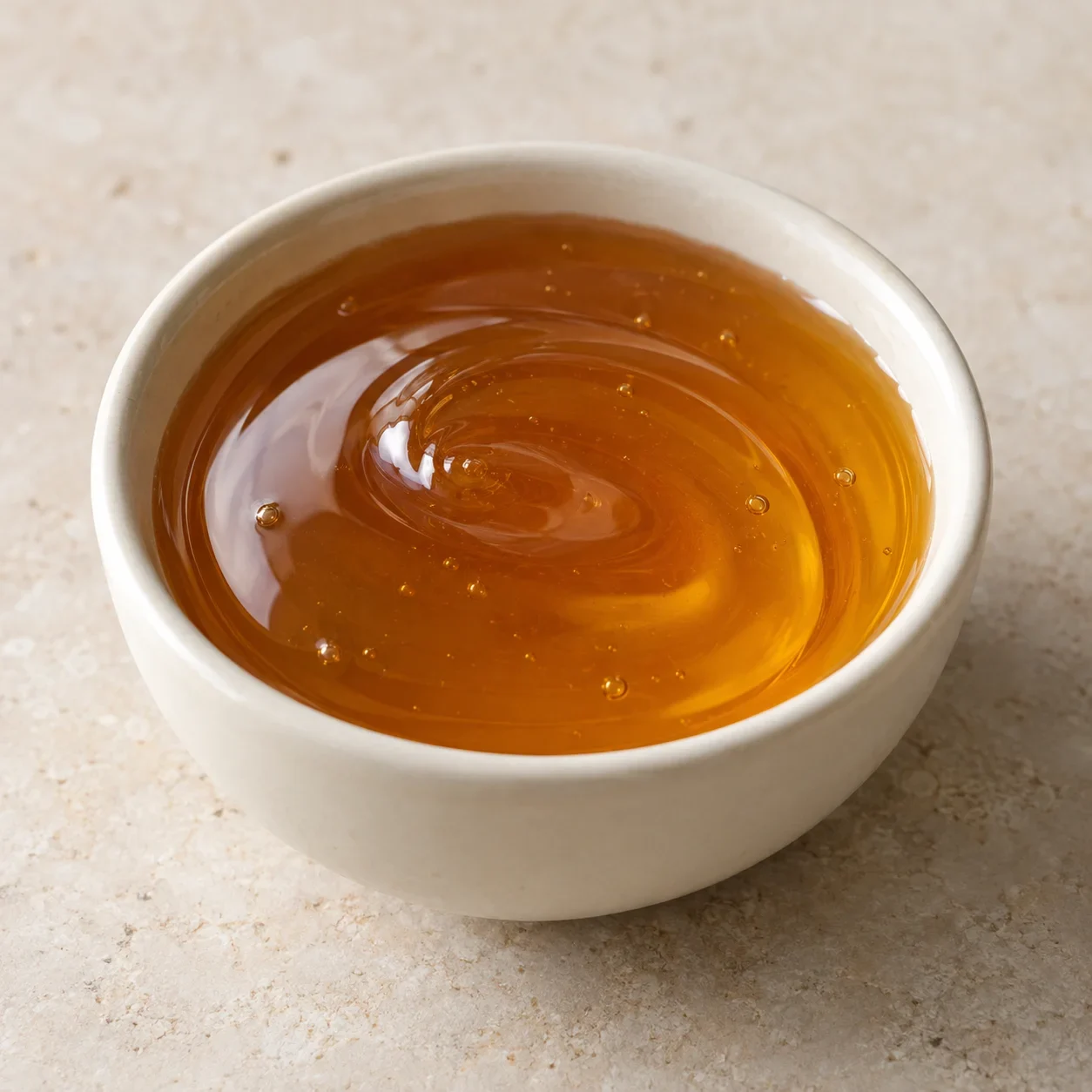
Recipes vary by restaurant.
How does it taste?
Sweet grain and dried-fruit flavors with a faint fermented note.
- Chili heat
- Texture
- Moist, compact and sticky-chewy, not fluffy.
- How it’s made
- Soak the grains separately in filtered sweet fermented-rice liquid, rinse and steam with water; steam pumpkin with the millet. Stir in sugar, mix raisins into the rice, press into honey-water-coated molds in two layers, chill and slice.
Other versions use dates, different dried fruits, yogurt soaking liquid or sweet floral toppings. This version contains honey, with no dairy added.
A CONNECTION TO PLACE
Origin & regional roots
Associated with Shanxi.
About this regional connection
Shanxi: Associated with Datong and broader northern Chinese grain-cake traditions; selected modern layered version is not exclusive to Shanxi.
Ask if they have it first
请问你们有黄米凉糕吗?
Do you have this item?
A LITTLE SOMETHING TO READ
Story & history
Northern grains in a chilled sweet
This account describes a tradition or story, rather than an established historical fact.
Yellow-millet cold cakes belong to northern Chinese grain traditions, including Datong's festival food culture. Layered white-rice versions show how the cake also appears as a modern dessert.