
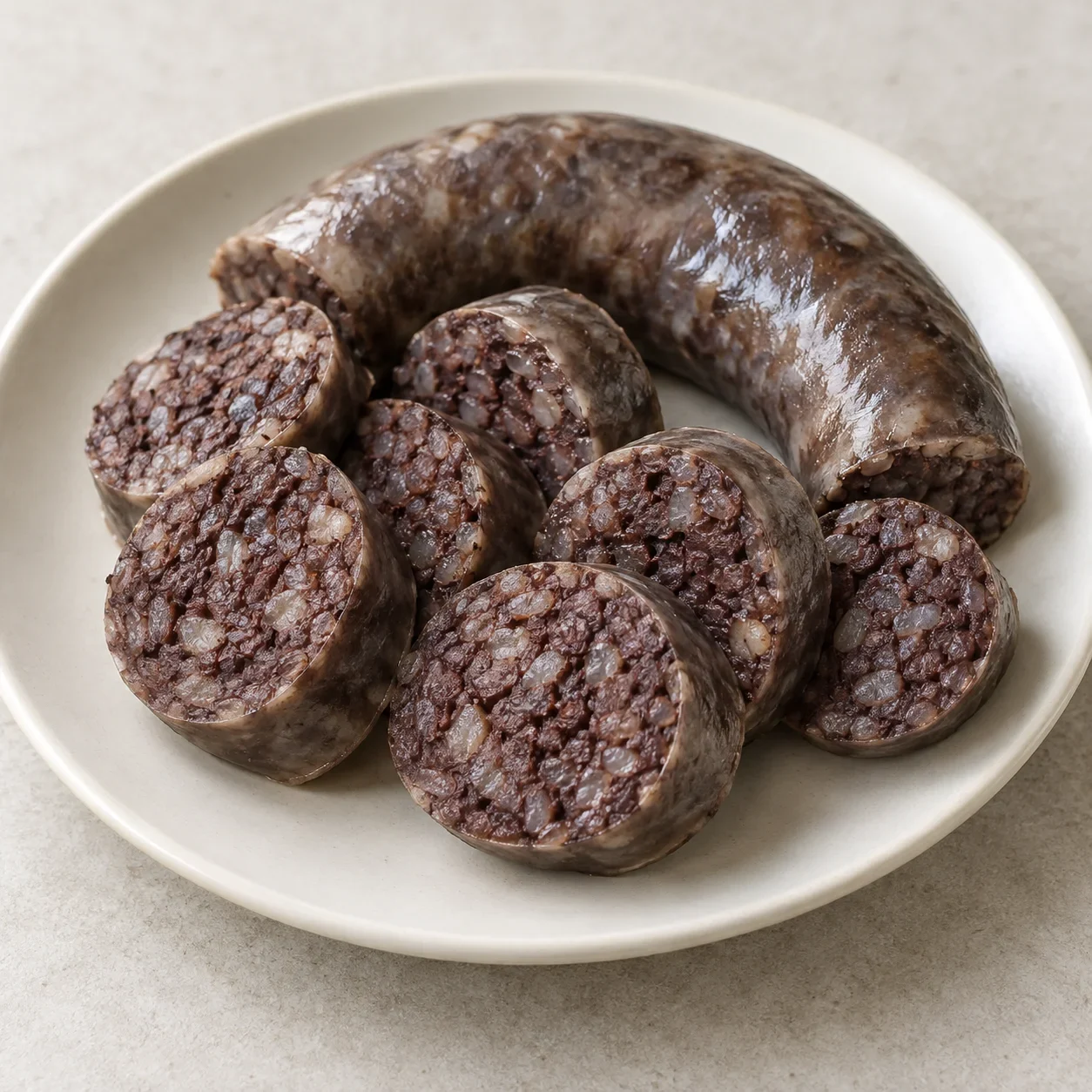
At the table
Eat in small pieces and chew the casing thoroughly. Let hot filling cool first.
Contains pork blood, pork fat and pork intestine. Soy sauce and soybean oil are used; soy sauce may contain wheat. The casing can be chewy.
The basic boiled version described here has no chili added; heat 0 refers to this version. Seasonings and sauces vary between preparations.
GET TO KNOW THE DISH
What goes into it?
Explore some key ingredients below. Preparations may use additional seasonings and ingredients.
Served alone or incorporated into other dishes.
Typical ingredients
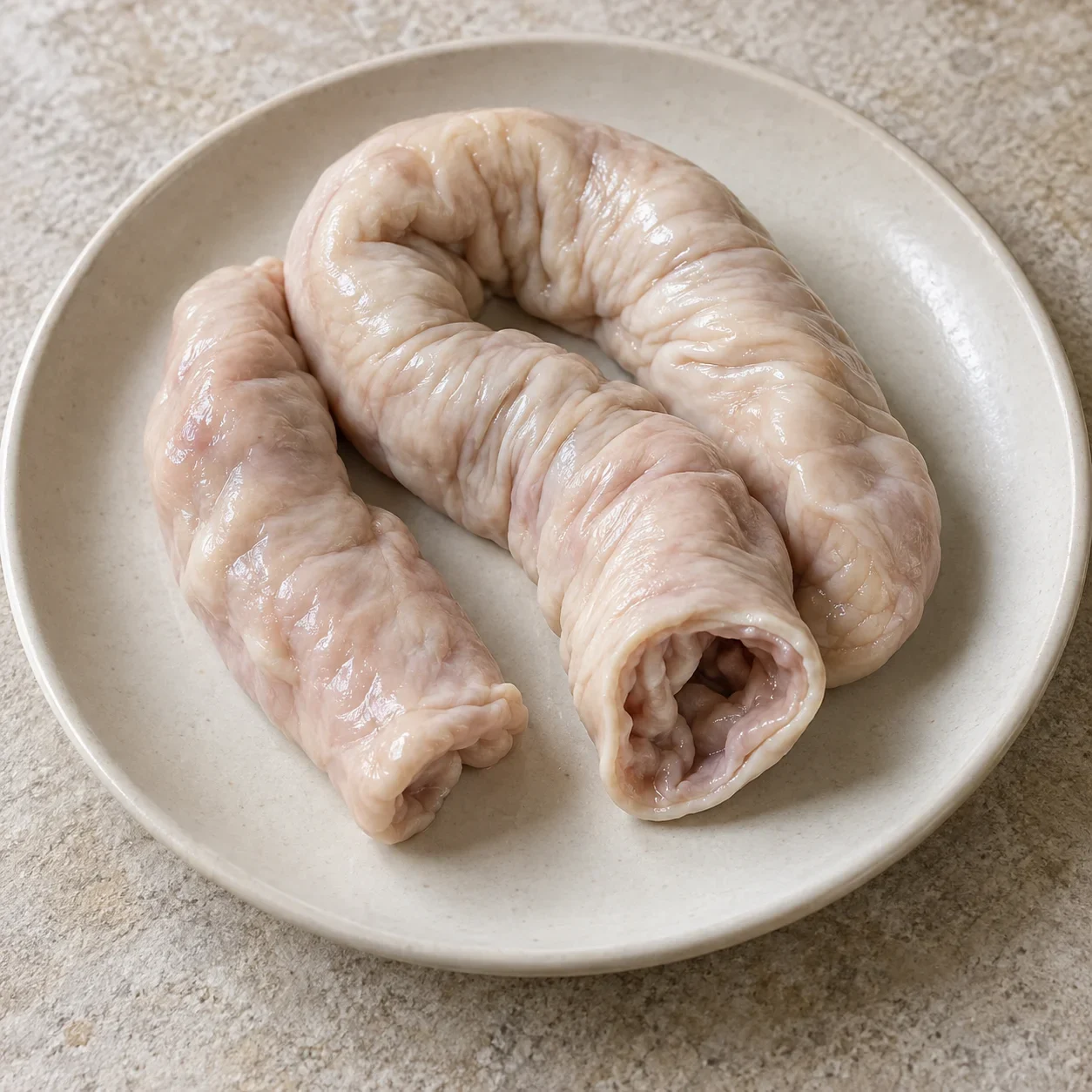
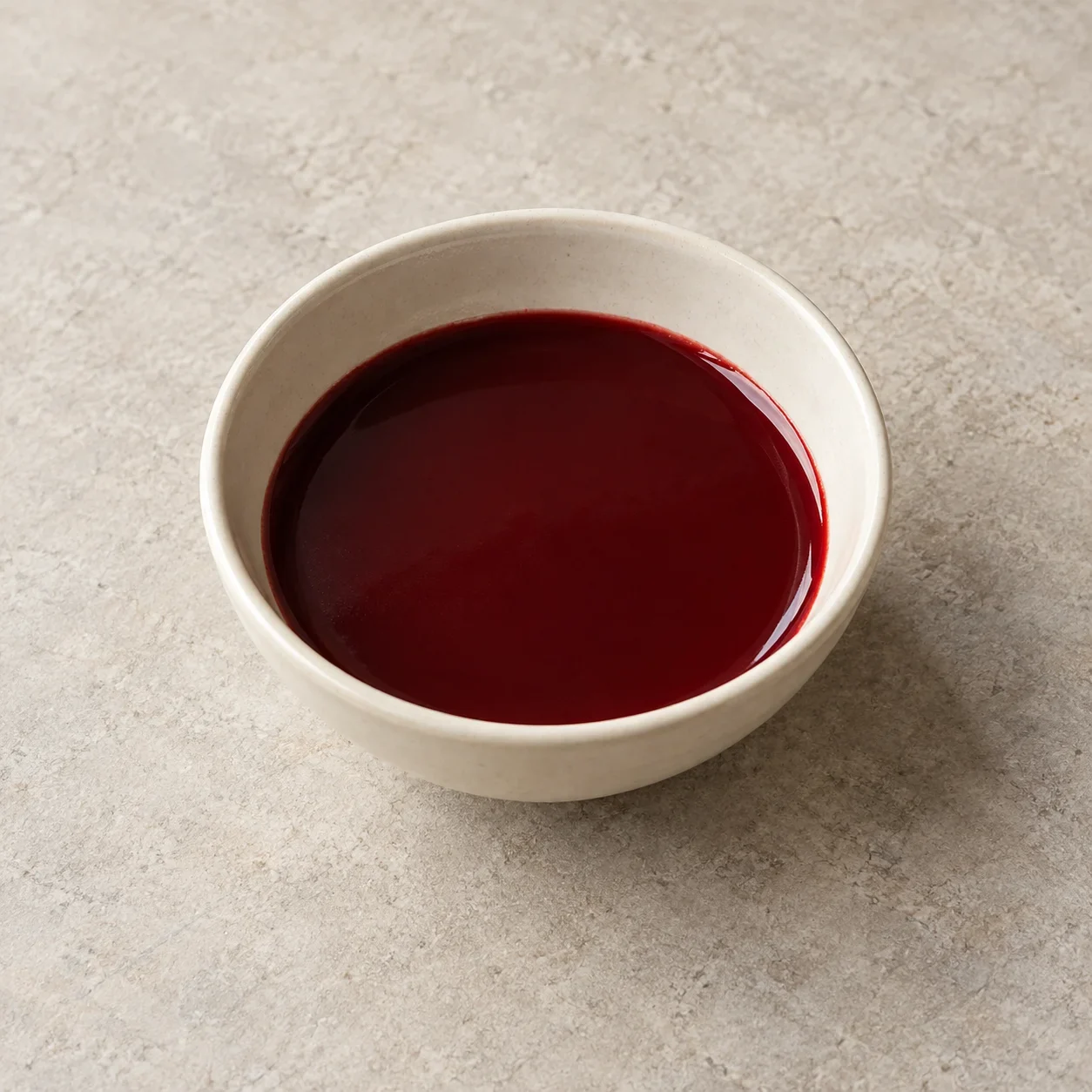
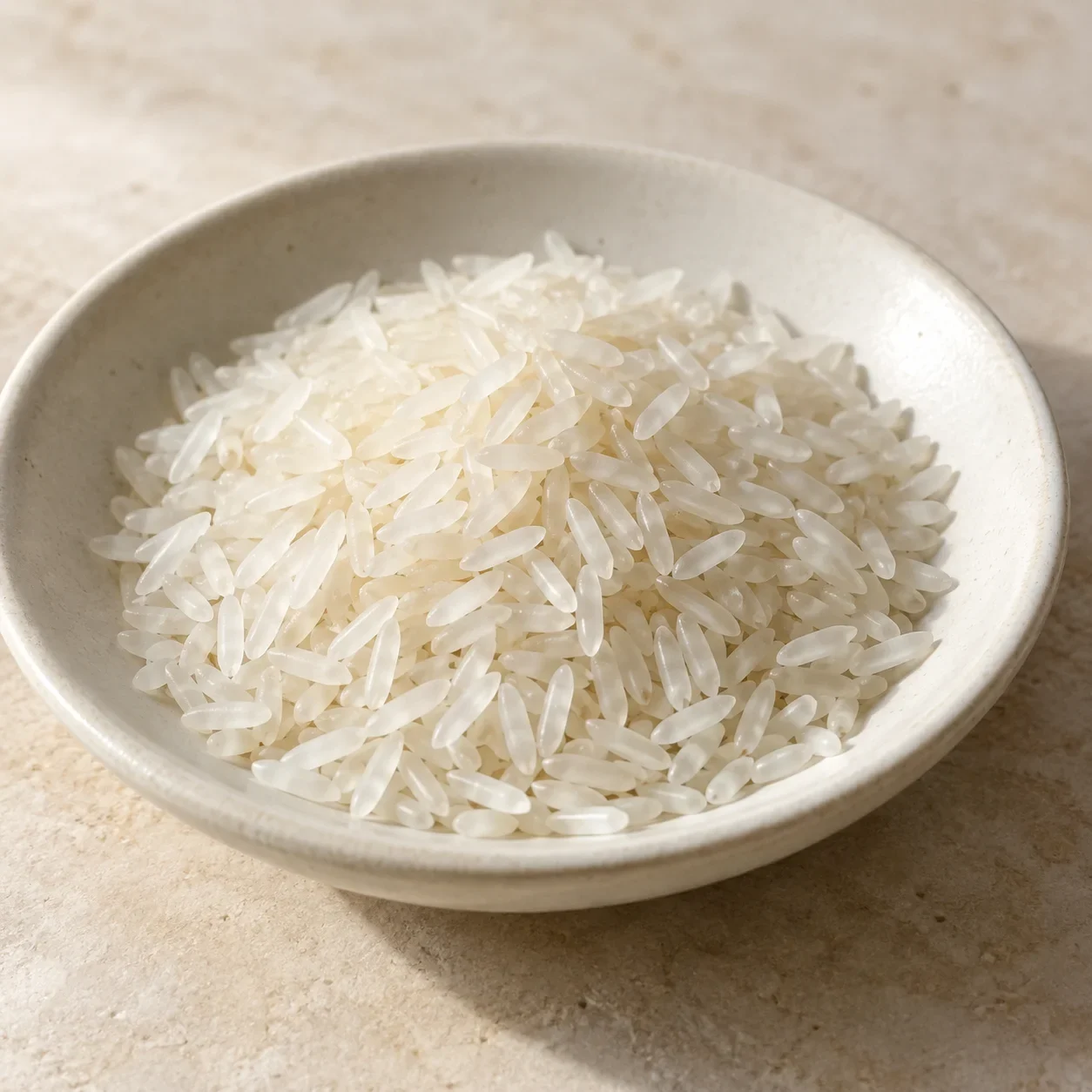
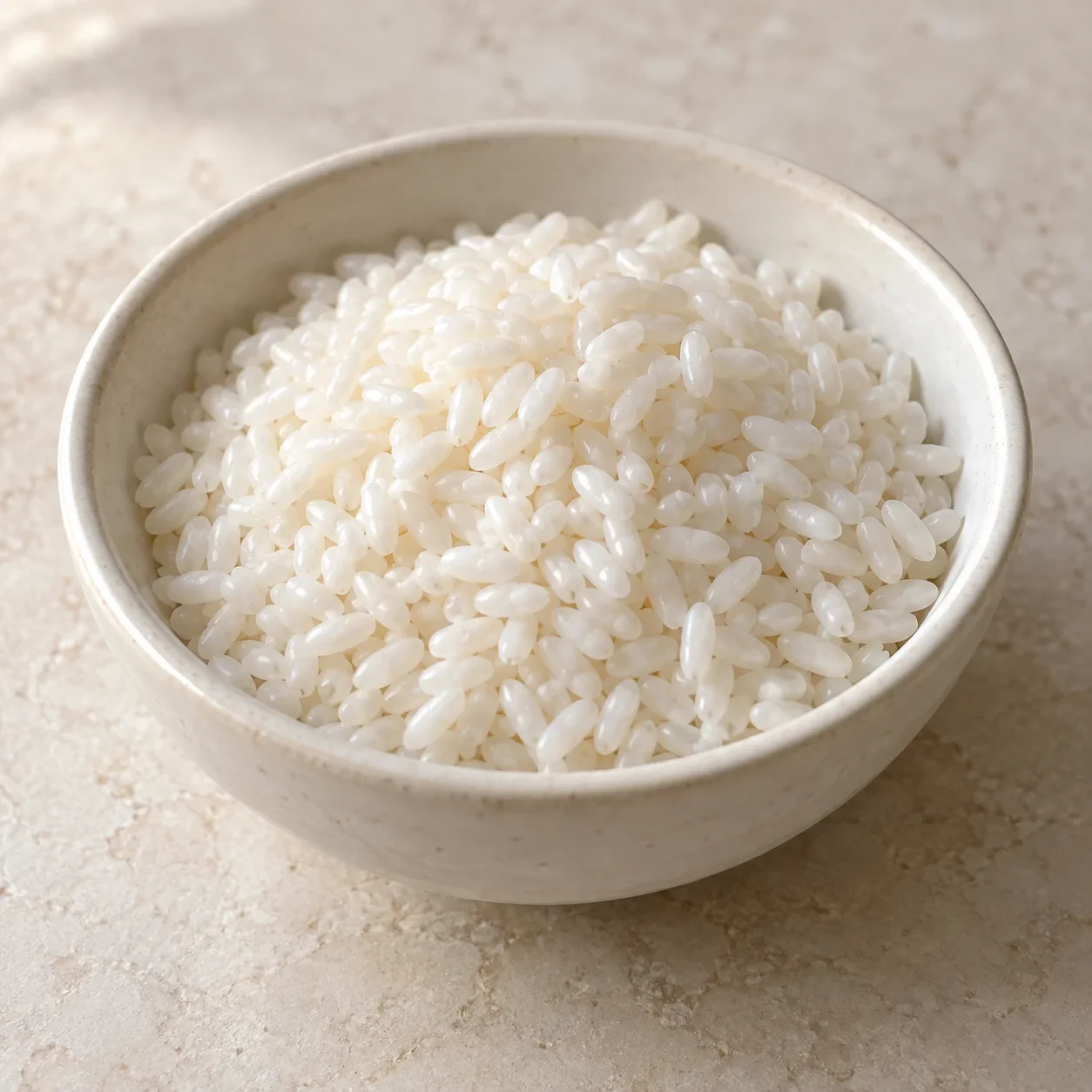
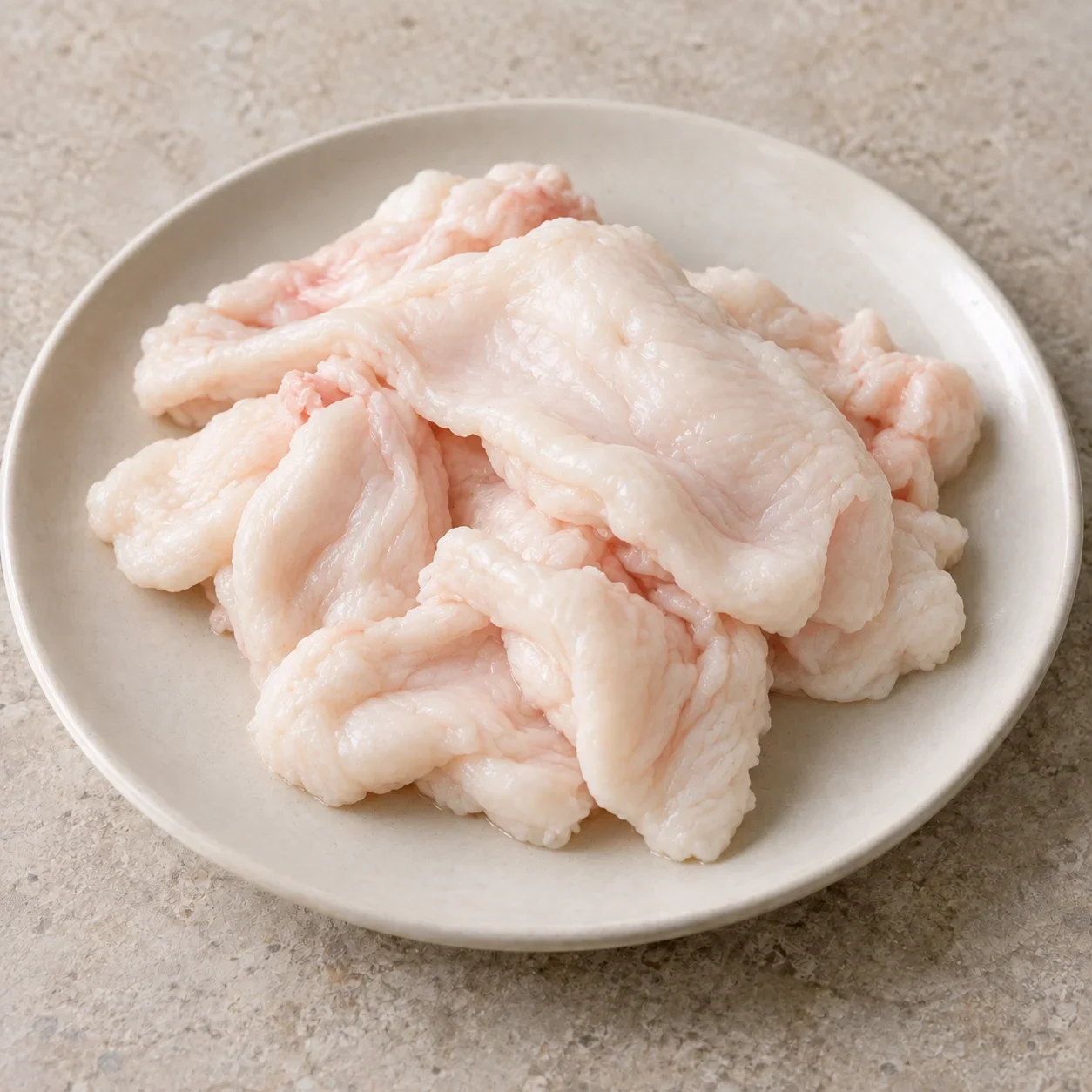



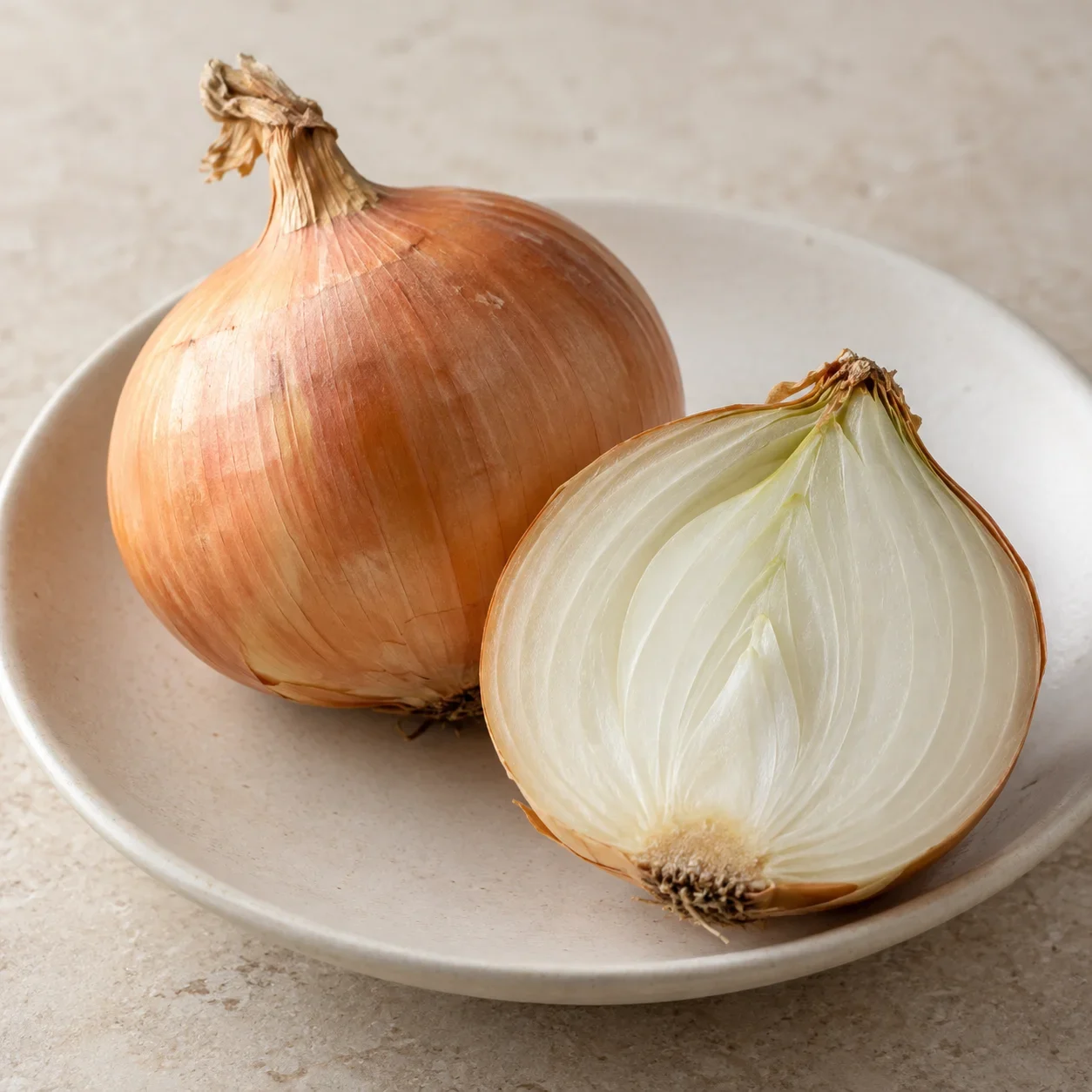
Recipes vary by restaurant.
How does it taste?
Savory
- Chili heat
- Texture
- Soft, cohesive rice filling with a chewy casing
- How it’s made
- Fill cleaned intestines with seasoned rice mixture and boil.
Served alone or incorporated into other dishes.
A CONNECTION TO PLACE
Origin & regional roots
Associated with Jilin.
Ask if they have it first
请问你们有延边米肠吗?
Do you have this item?
A LITTLE SOMETHING TO READ
Story & history
Rice in a savory casing
This account describes a tradition or story, rather than an established historical fact.
Rice sausage is part of Korean-Chinese food culture in Yanbian. Rice and glutinous rice are mixed with pork blood, pork fat, onions and seasonings, then cooked in a pork-intestine casing. It can be eaten on its own or used in other dishes. The name highlights rice, but this is a pork-based food.