
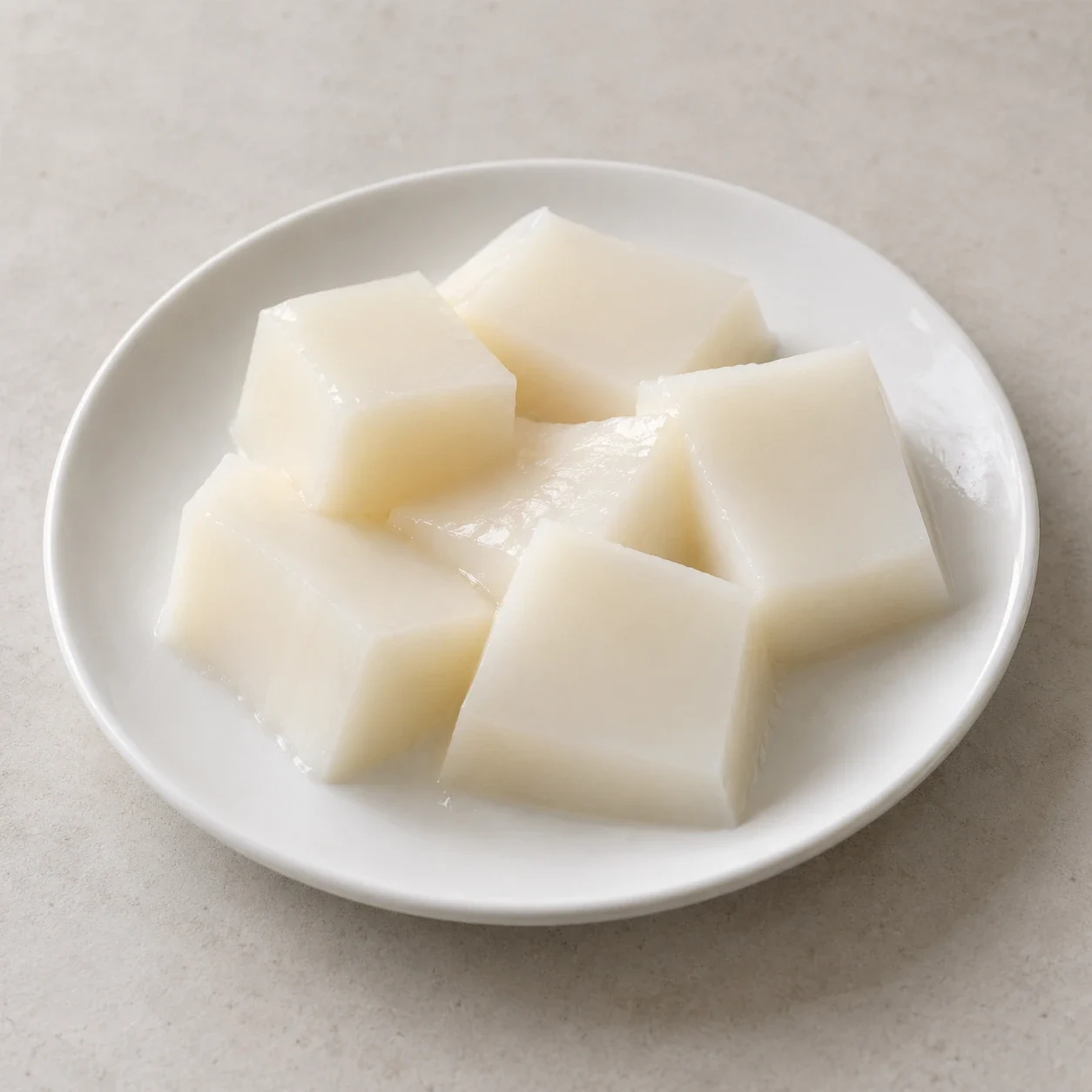
At the table
Eat chilled with a spoon, taking small bites. Try the plain dessert before adding more syrup or toppings.
The described version contains milk and apricot kernels. Ask about the exact kernels, dairy, setting ingredient and toppings if you have allergies or dietary restrictions. Do not eat raw, unprocessed apricot kernels or their powder.
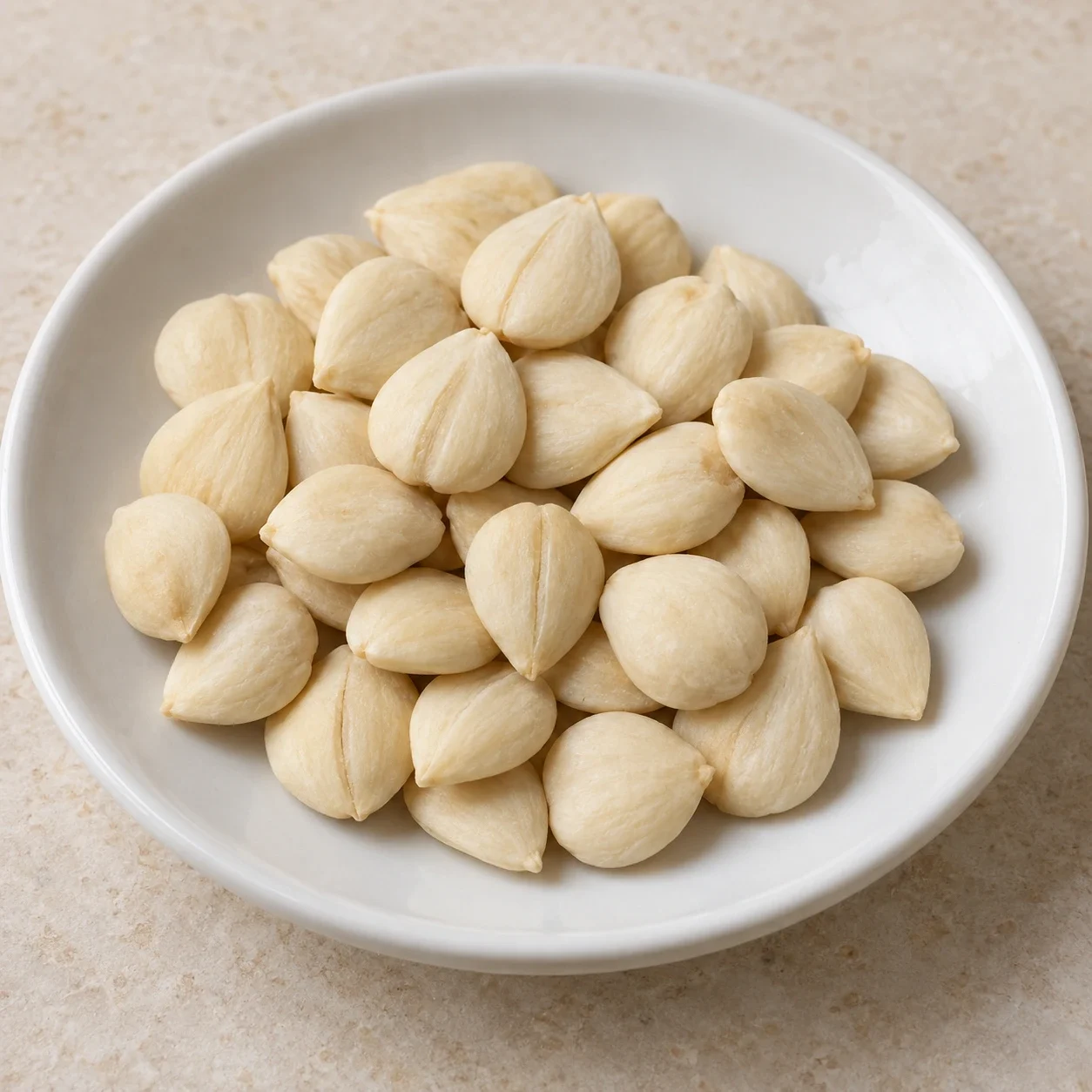
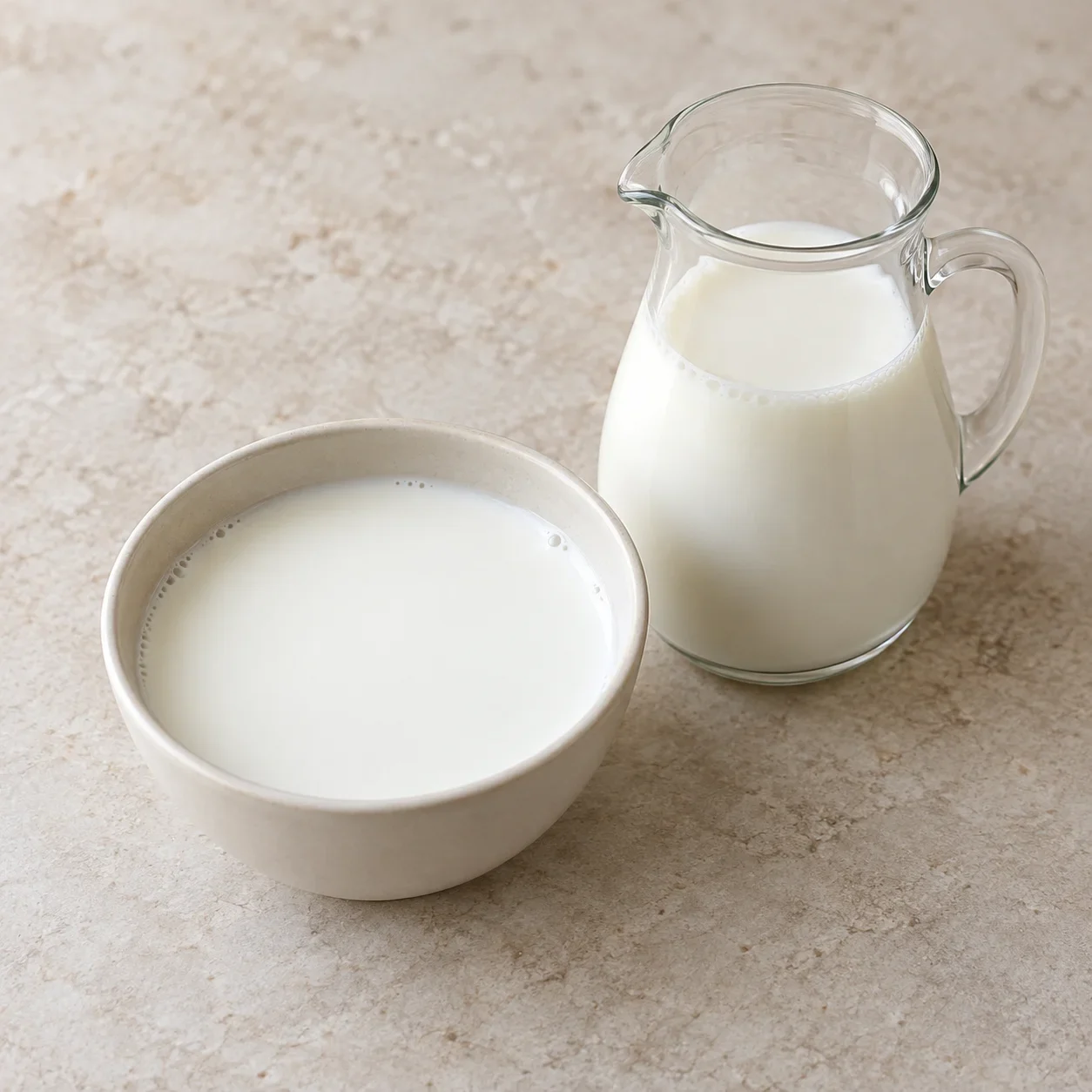
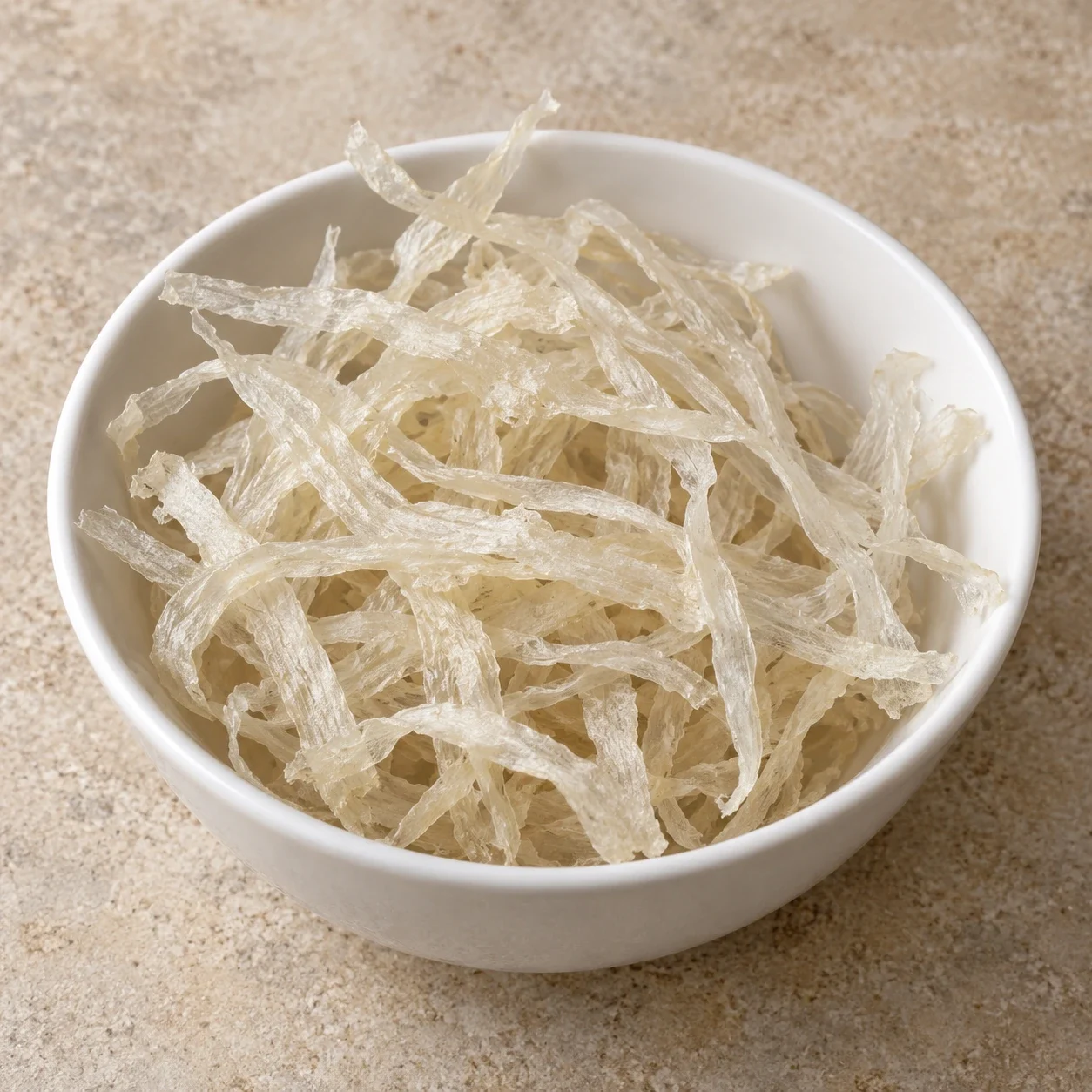
The representative recipe uses sweet apricot kernels, milk, agar and rock sugar, with sweetened osmanthus optional. The name alone does not guarantee the same ingredients in every shop.
Only offer small spoon-sized pieces if the child can manage a slippery set dessert. Check ingredients and allergies, supervise eating, and do not equate sweetness or softness with suitability for every child.
Recipes vary. Ask the restaurant about ingredients and serving before you order.
GET TO KNOW THE DISH
What goes into it?
Explore some key ingredients below. Preparations may use additional seasonings and ingredients.
Recipes and toppings vary. Milk, fruit, sweetened osmanthus and the setting ingredient should be checked for the particular serving.
Typical ingredients
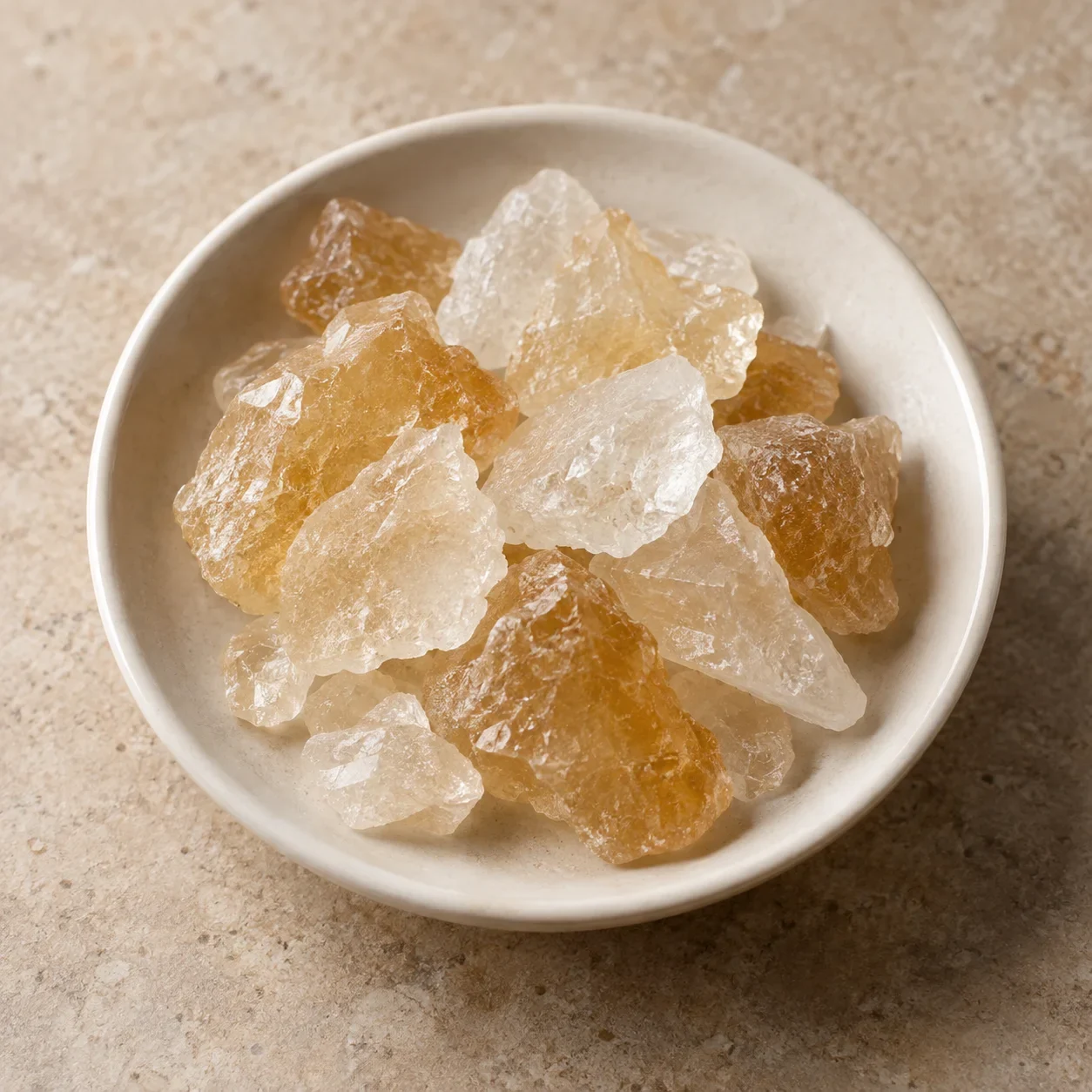
In some versions
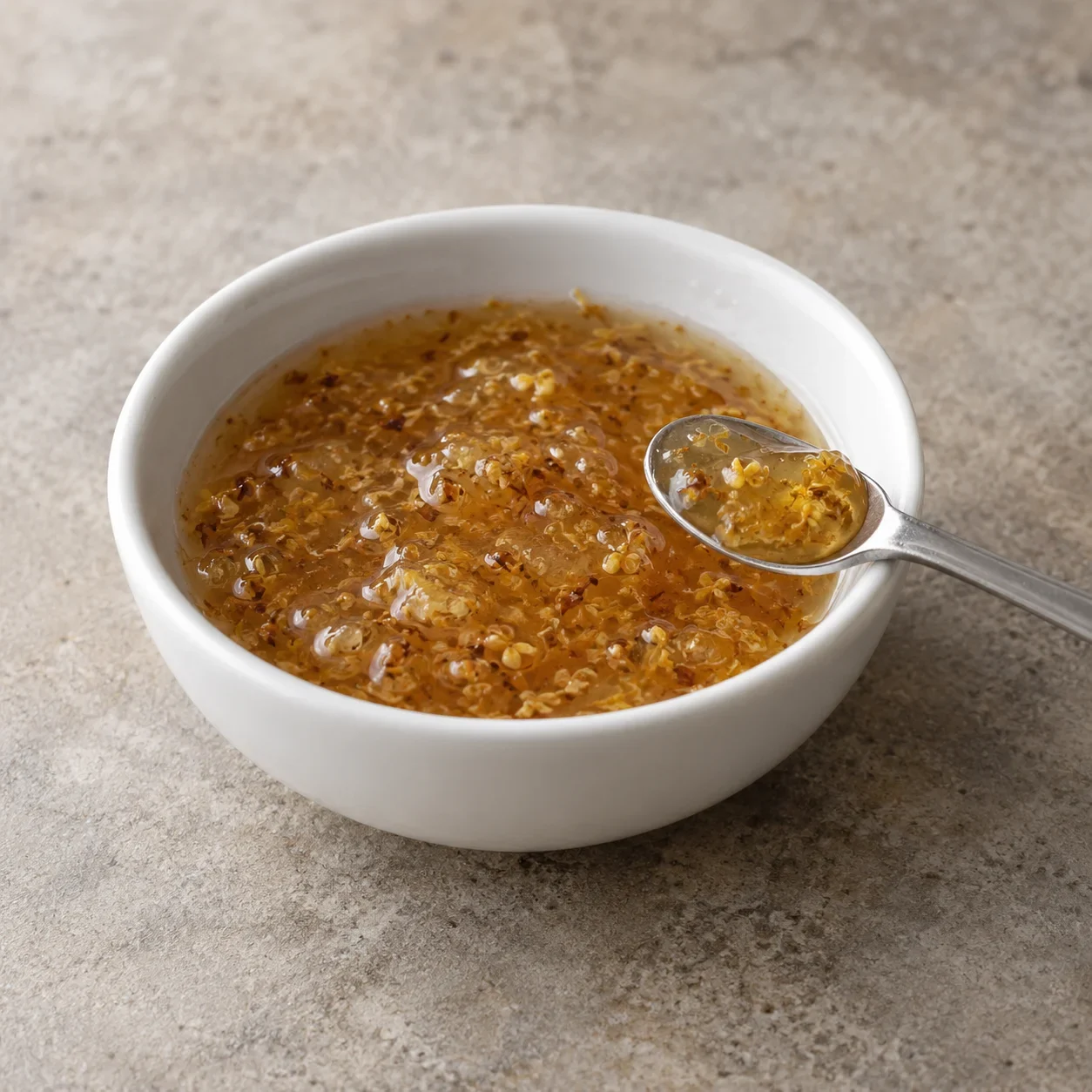
Recipes vary by restaurant.
How does it taste?
Sweet and milky with an almond-like kernel aroma; an optional sweetened-osmanthus topping adds a floral note.
- Chili heat
- Texture
- Smooth and tender but firm enough to cut, with a slight springiness. Firmness varies with the setting ingredient and recipe.
- How it’s made
- Strained sweet-apricot-kernel milk is heated with milk, sugar and agar, then cooled until set and cut into pieces.
Recipes and toppings vary. Milk, fruit, sweetened osmanthus and the setting ingredient should be checked for the particular serving.
A CONNECTION TO PLACE
Origin & regional roots
Associated with Beijing.
About this regional connection
Beijing: Beijing dessert and seasonal custom supported; no exclusiveorigin. National same-name Tainan heldgrouping not created as duplicate.
Ask if they have it first
请问你们有杏仁豆腐吗?
Do you have this item?
A LITTLE SOMETHING TO READ
Story & history
The summer “tofu” in a Beijing seasonal pairing
This account describes a tradition or story, rather than an established historical fact.
Beijing has a seasonal pairing: a local saying recommends “tofu in summer, tea in winter.” Here the summer tofu means almond tofu, while the winter tea means sesame-topped millet mush called miancha. The pairing places this smooth almond sweet within the city’s hot-weather food tradition. Like other local sayings, it captures a food custom rather than a rule followed by every household.