
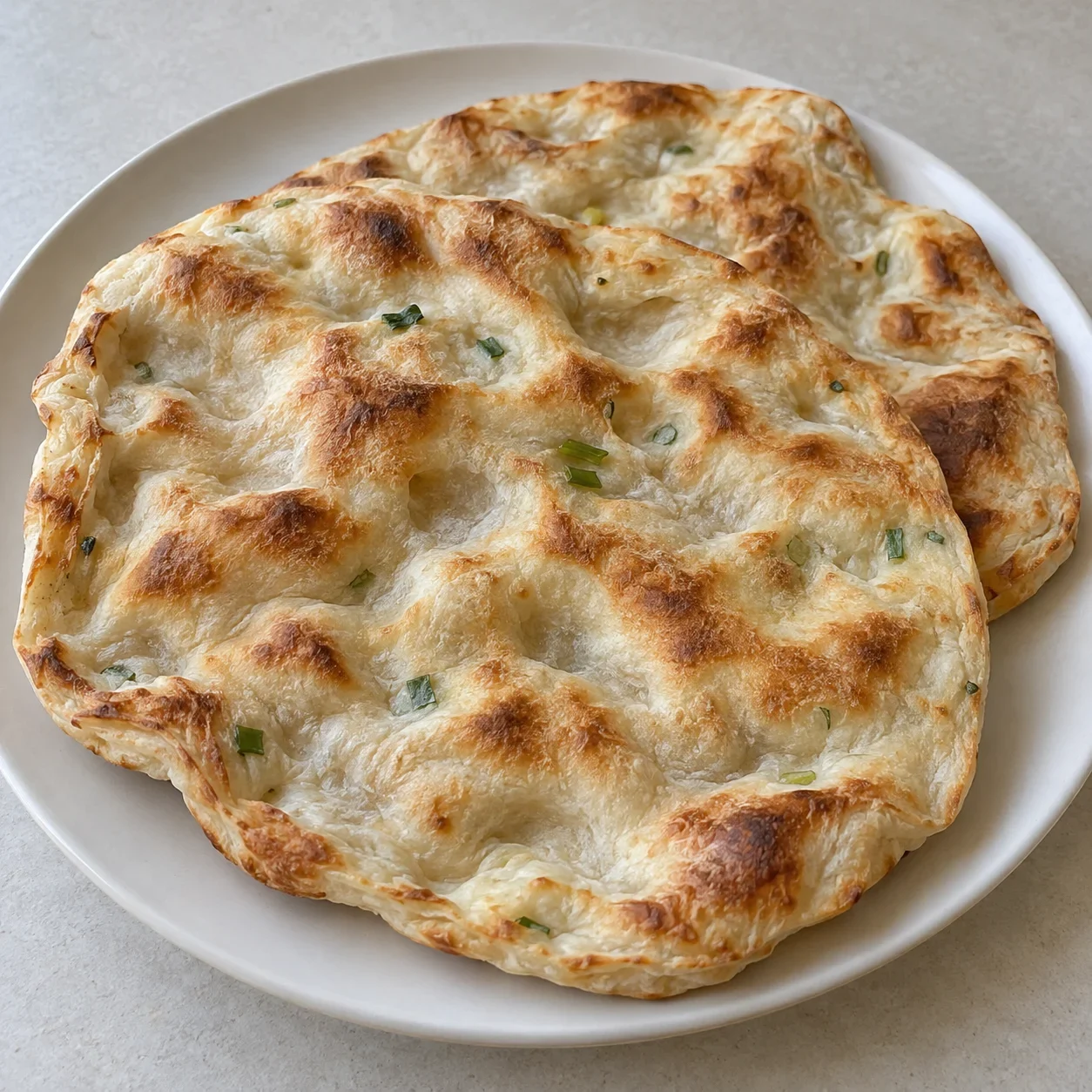
At the table
Break off a piece once it is comfortable to handle. If you avoid pork, ask “有猪油吗?” (“Does it contain lard?”).
Contains wheat and pork-derived lard; not vegetarian or vegan. Some other versions contain sesame. Seasoning blends and crispness vary; firm bread may be difficult for young children to chew.
The scallion version uses lard and pepper salt; sesame and fennel belong to other versions. No chili is added separately, but pepper-salt blends can differ.
GET TO KNOW THE DISH
What goes into it?
Explore some key ingredients below. Preparations may use additional seasonings and ingredients.
Plain black-sesame flatbreads and fennel-seasoned Heyang versions also occur. Their fats and seasonings differ; the scallion version here contains lard.
Typical ingredients
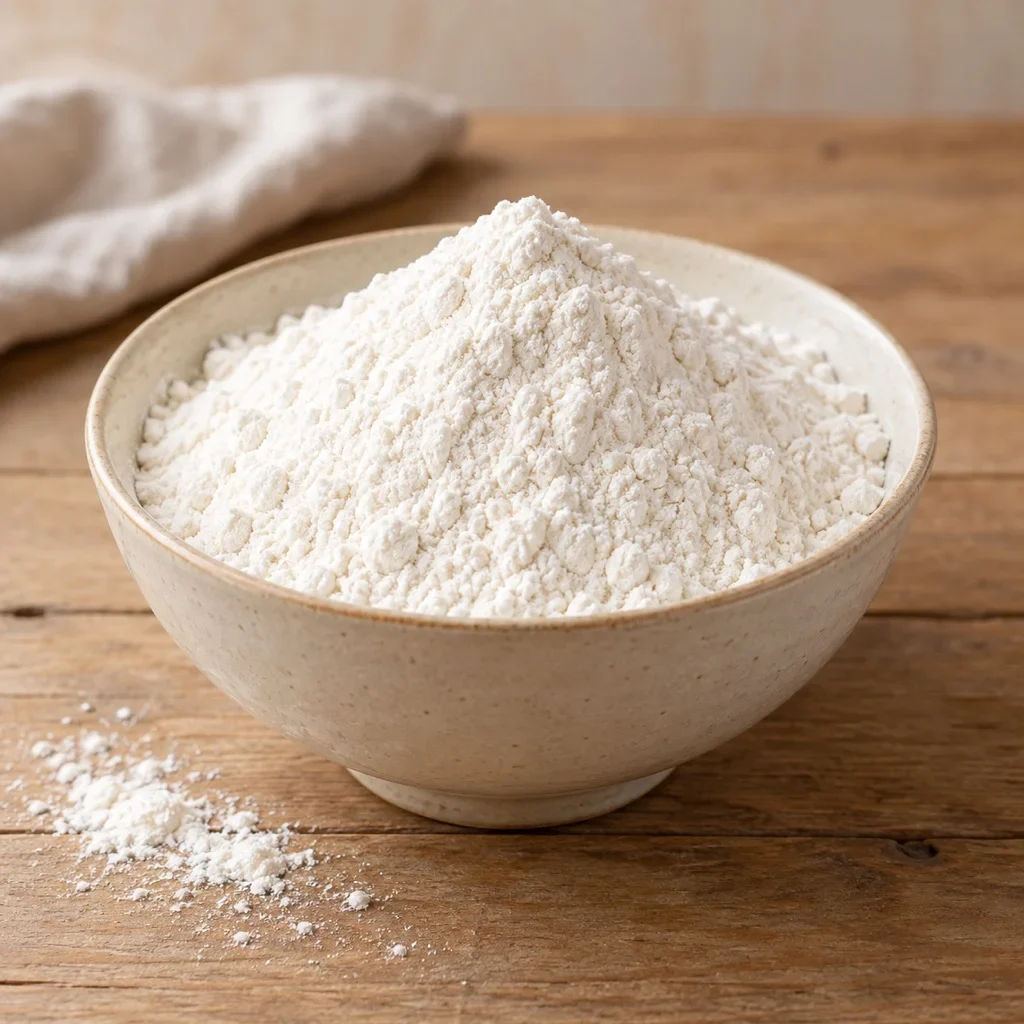

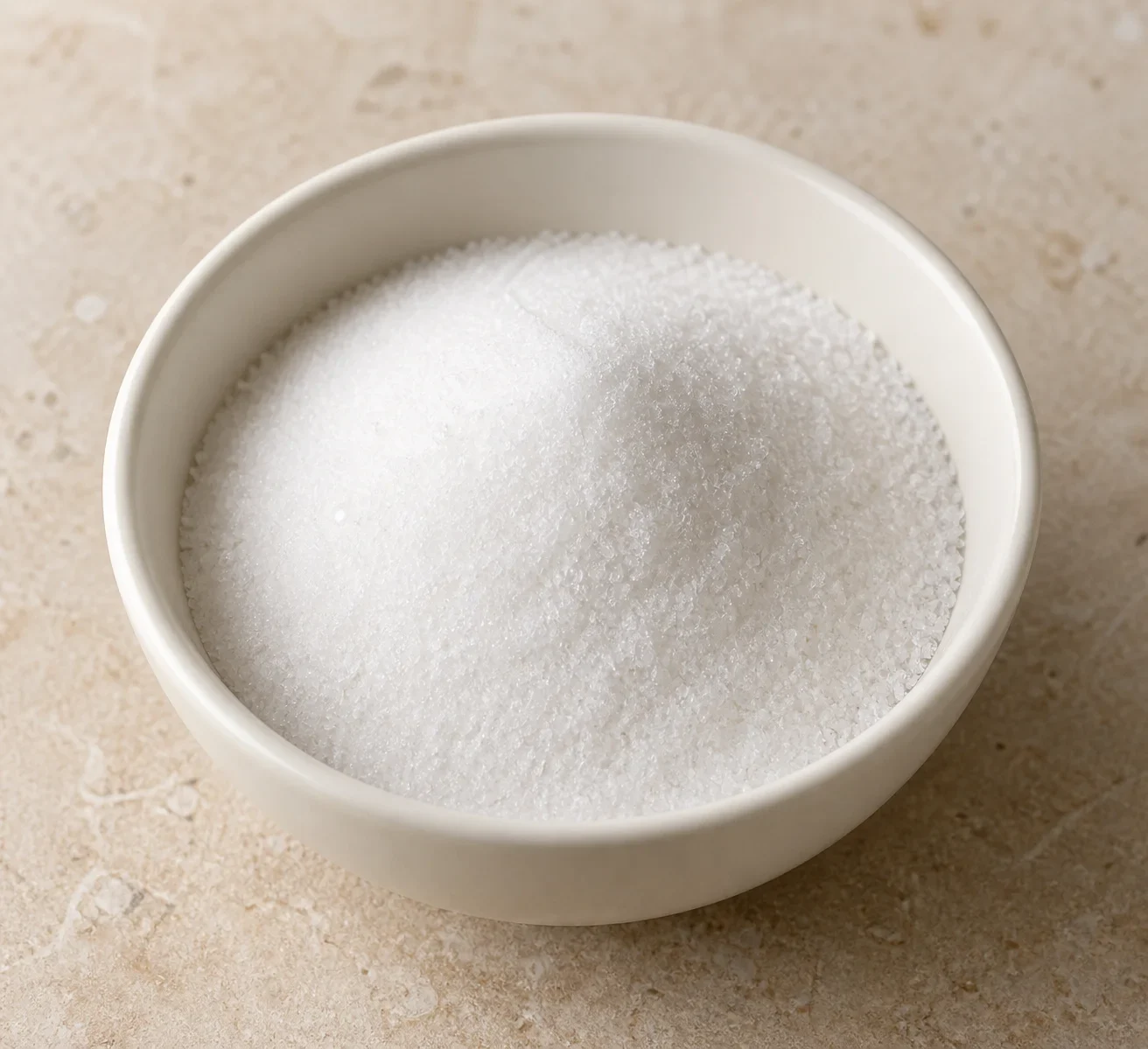
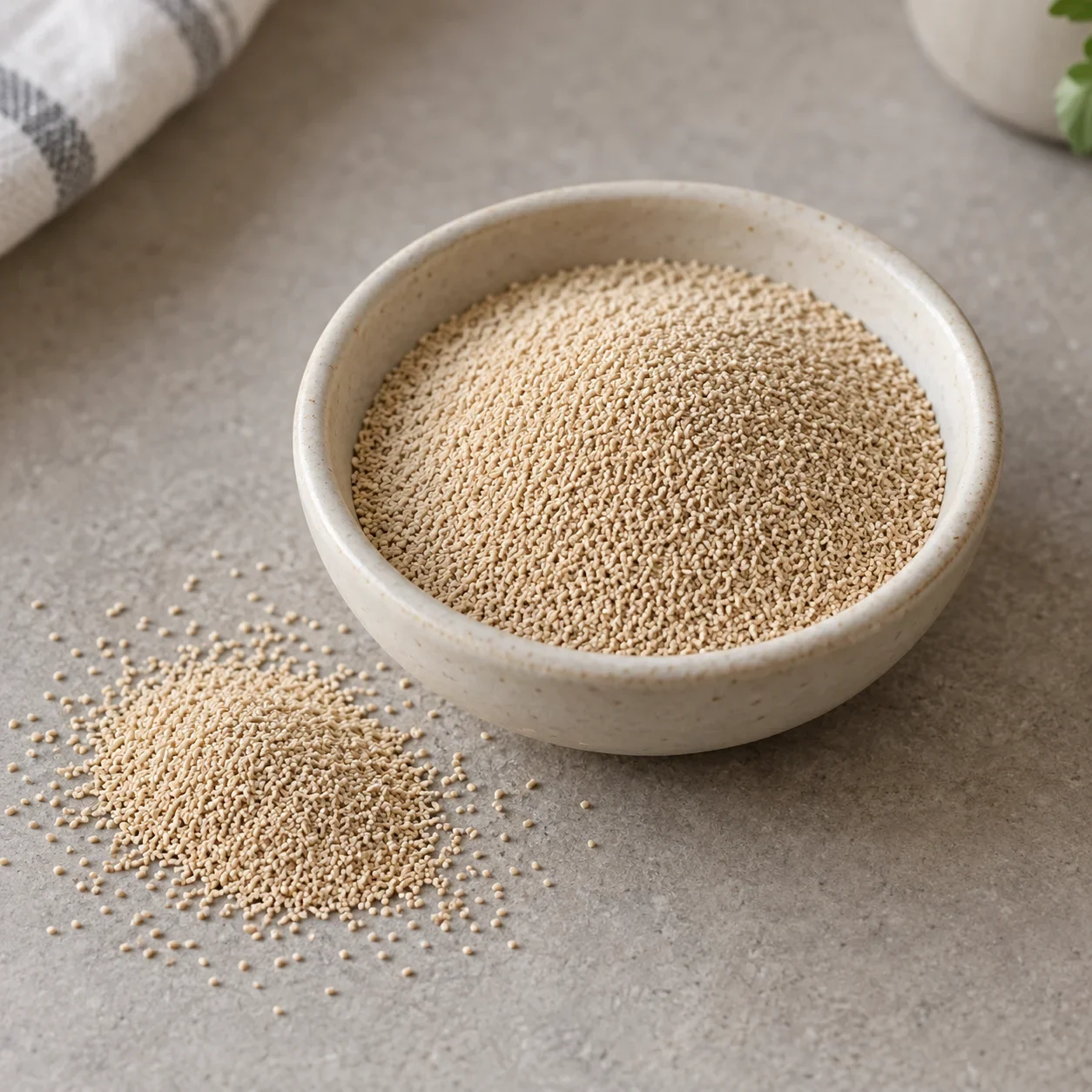
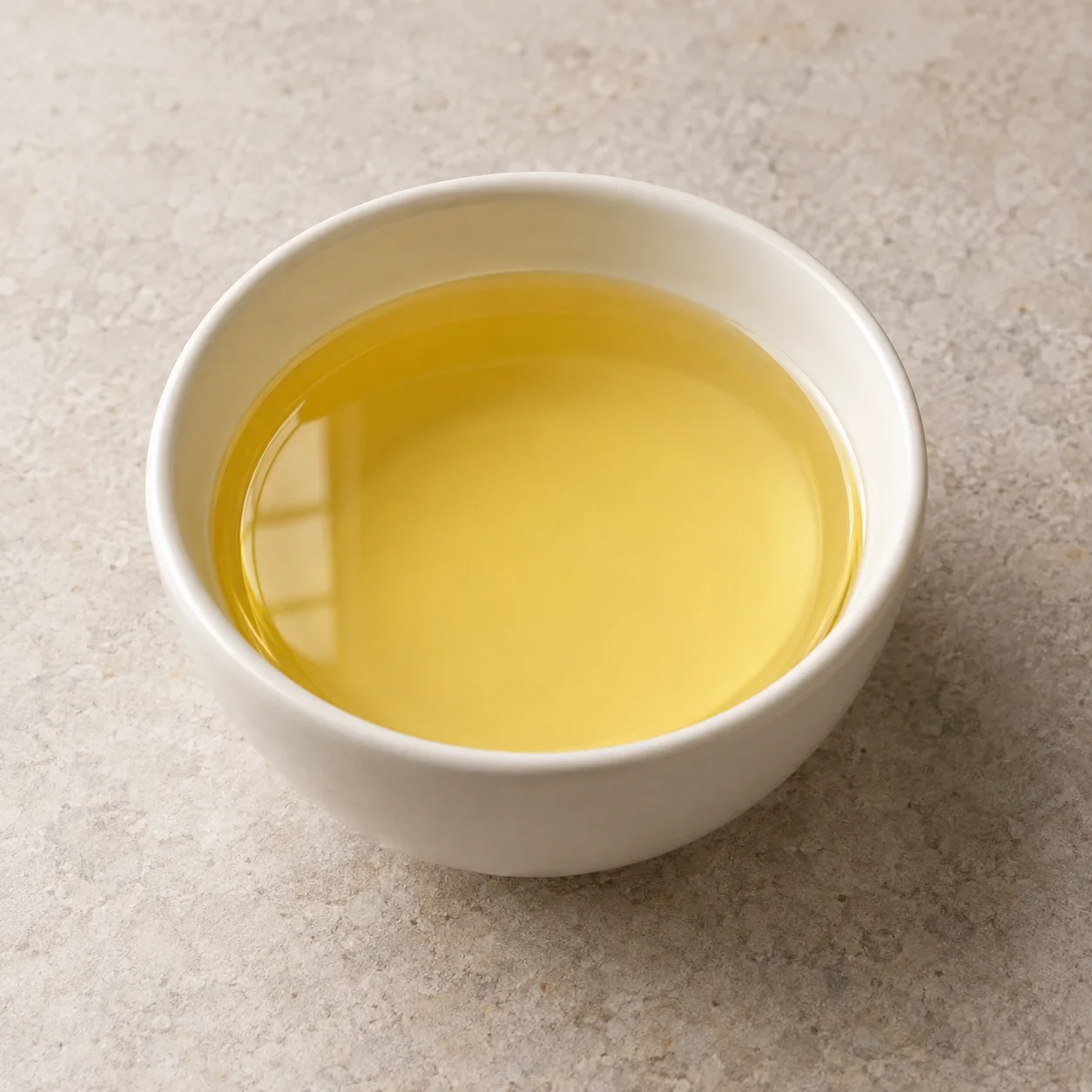
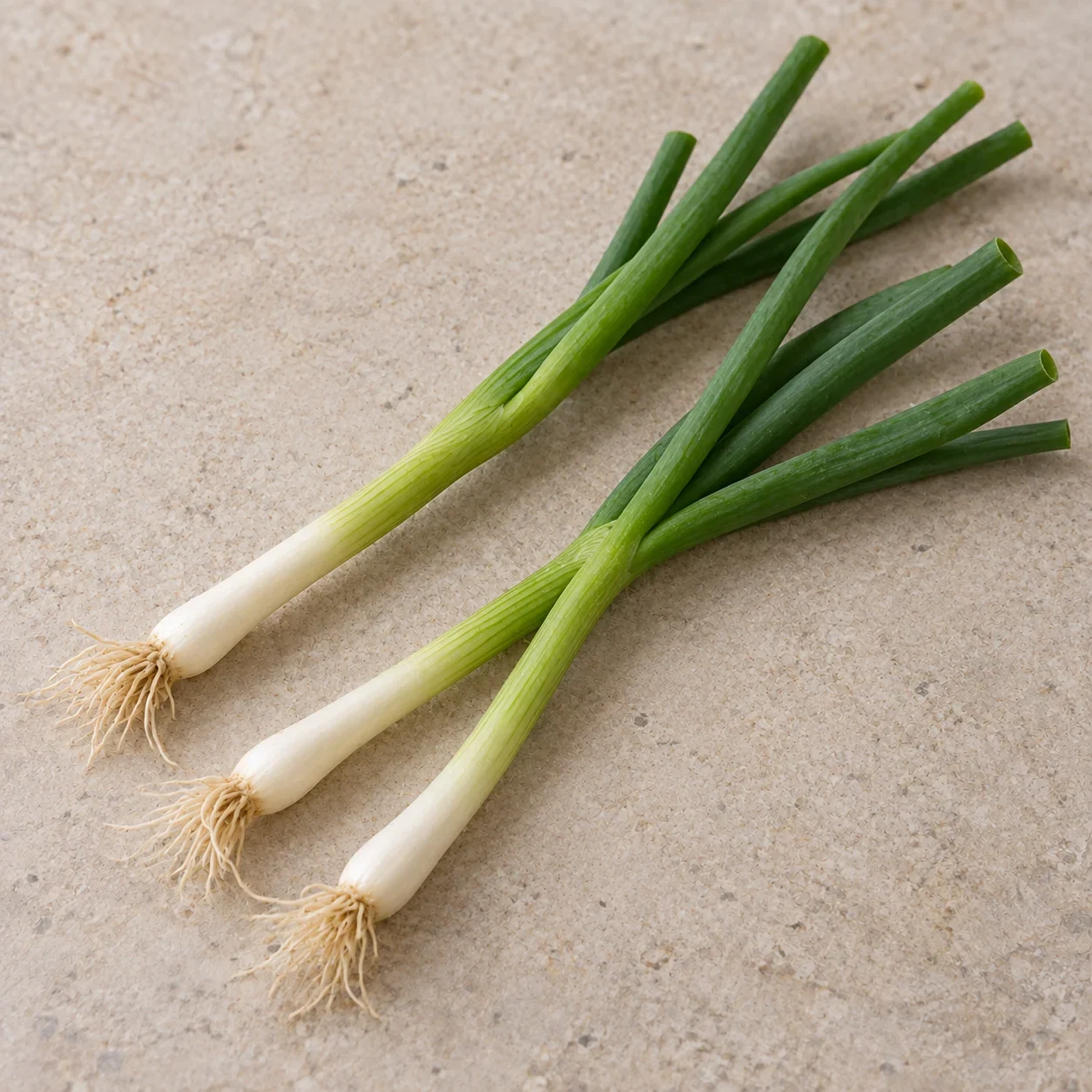
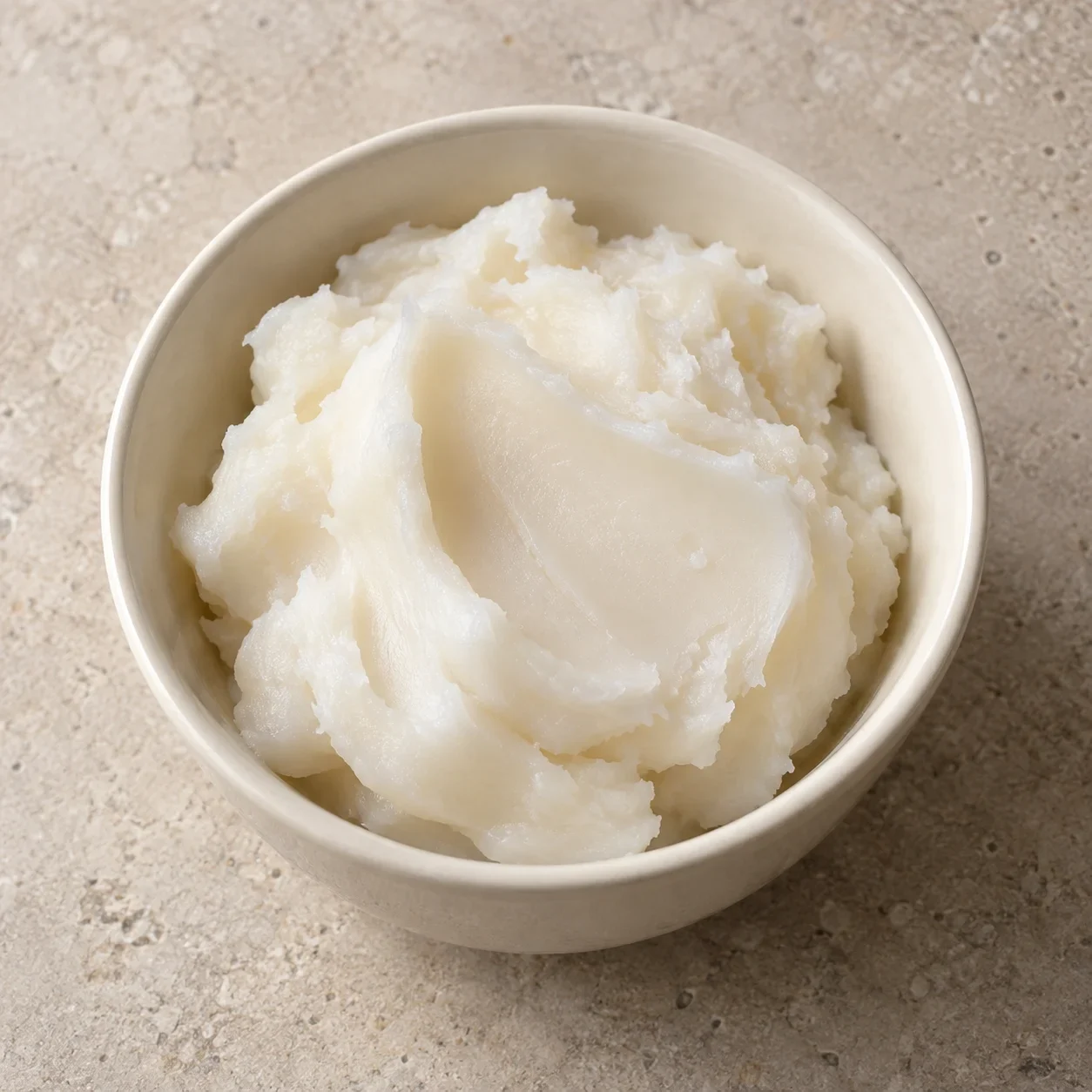
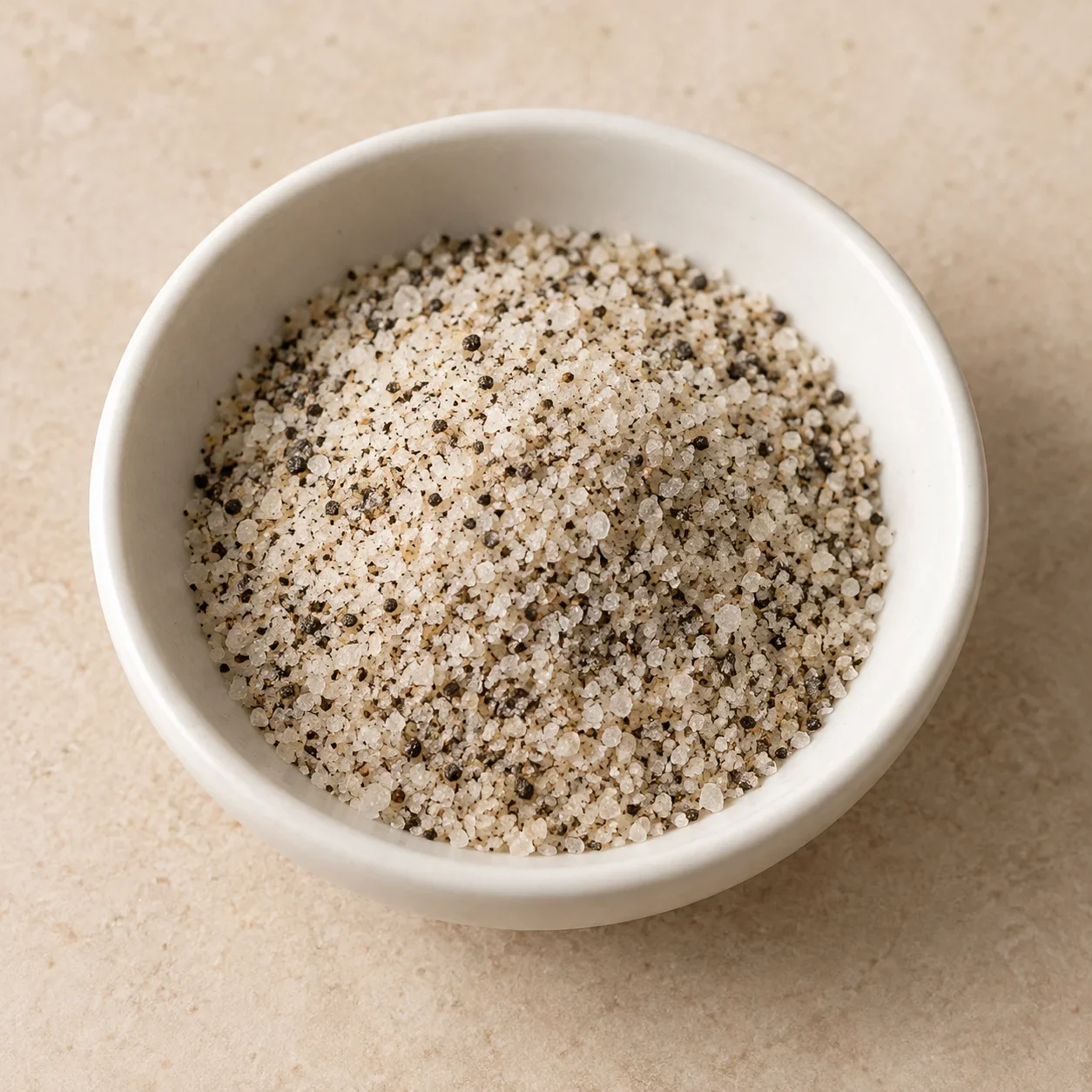
In some versions
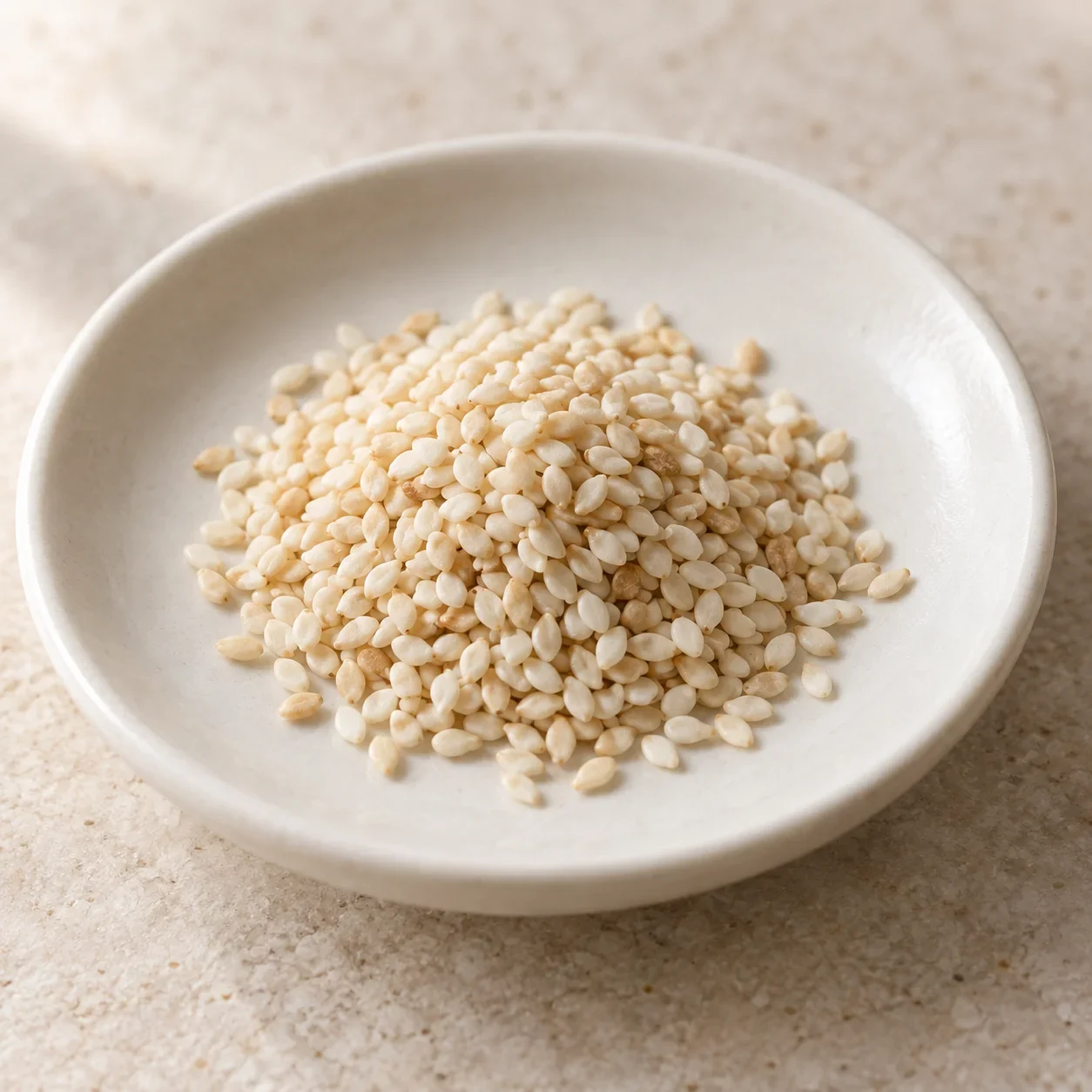
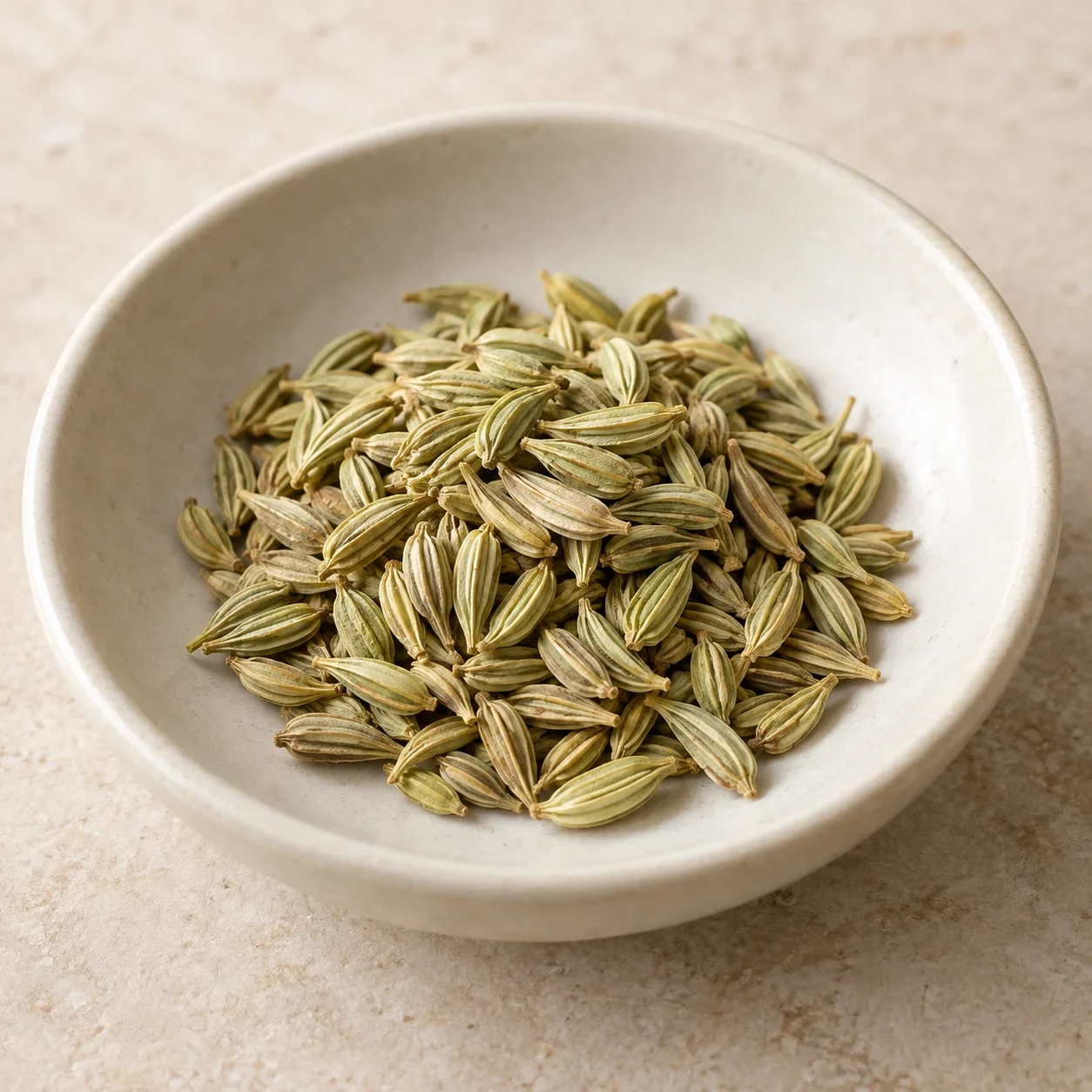
Recipes vary by restaurant.
How does it taste?
Toasted wheat, scallion and savoury pepper salt, with rich pork fat.
- Chili heat
- Texture
- Firm and crisp after cooling, with dimples made by the heated pebbles.
- How it’s made
- Leavened dough is spread with lard, scallions and pepper salt, rolled, flattened and baked between heated pebbles.
Plain black-sesame flatbreads and fennel-seasoned Heyang versions also occur. Their fats and seasonings differ; the scallion version here contains lard.
A CONNECTION TO PLACE
Origin & regional roots
Associated with Shaanxi.
About this regional connection
Shaanxi: Directly read CRI Shaanxi article describes the Heyang version; exclusive origin not established.
Ask if they have it first
请问你们有石子馍吗?
Do you have this item?
A LITTLE SOMETHING TO READ
Story & history
The pebbles leave their signature
This account describes a tradition or story, rather than an established historical fact.
Shizi means pebbles: hot stones press dimples into the bread as it bakes. In Heyang, the flatbread is also taken on journeys or given to relatives and friends. Some thin rounds become firmer as they cool. Ask whether you are getting a plain, sesame or scallion version.