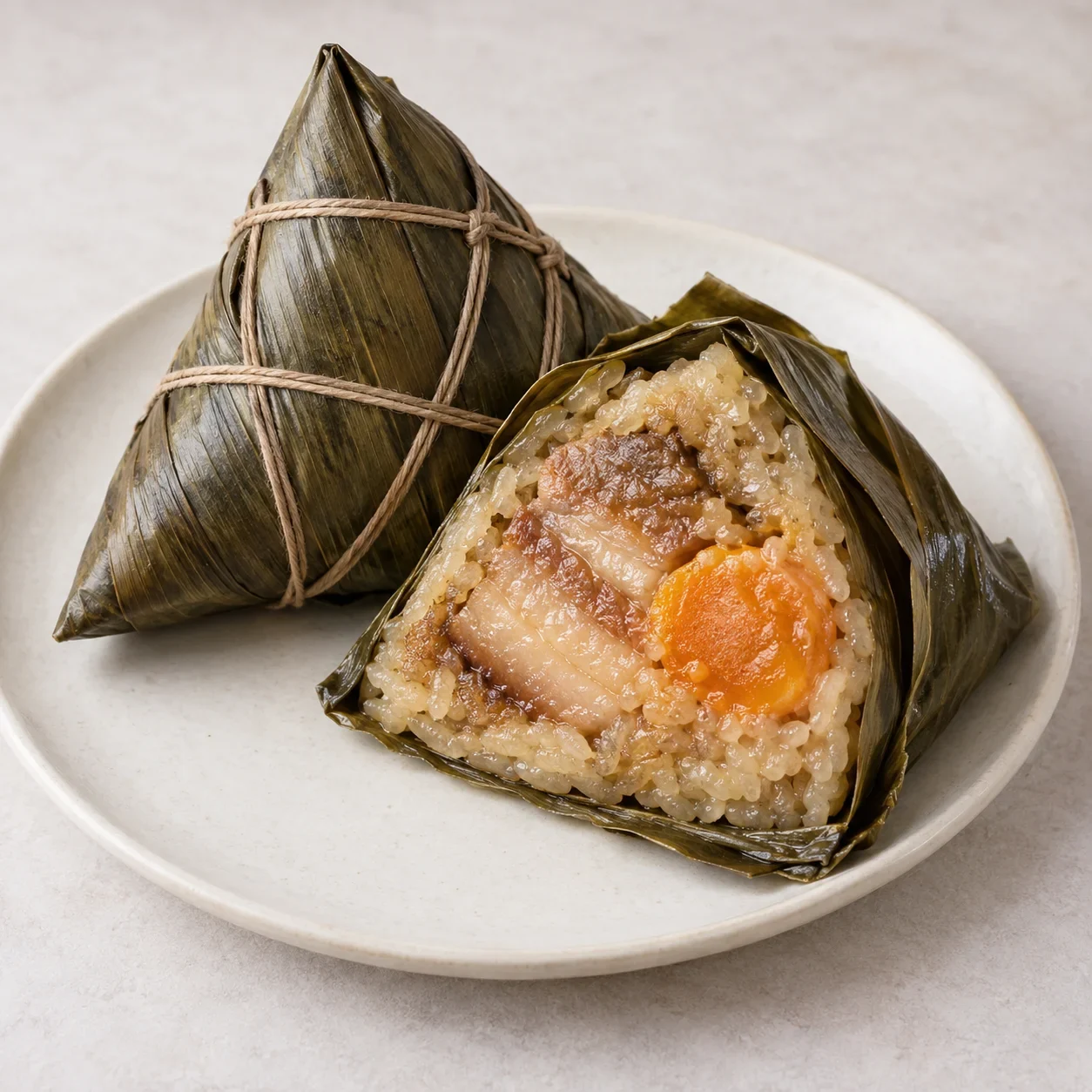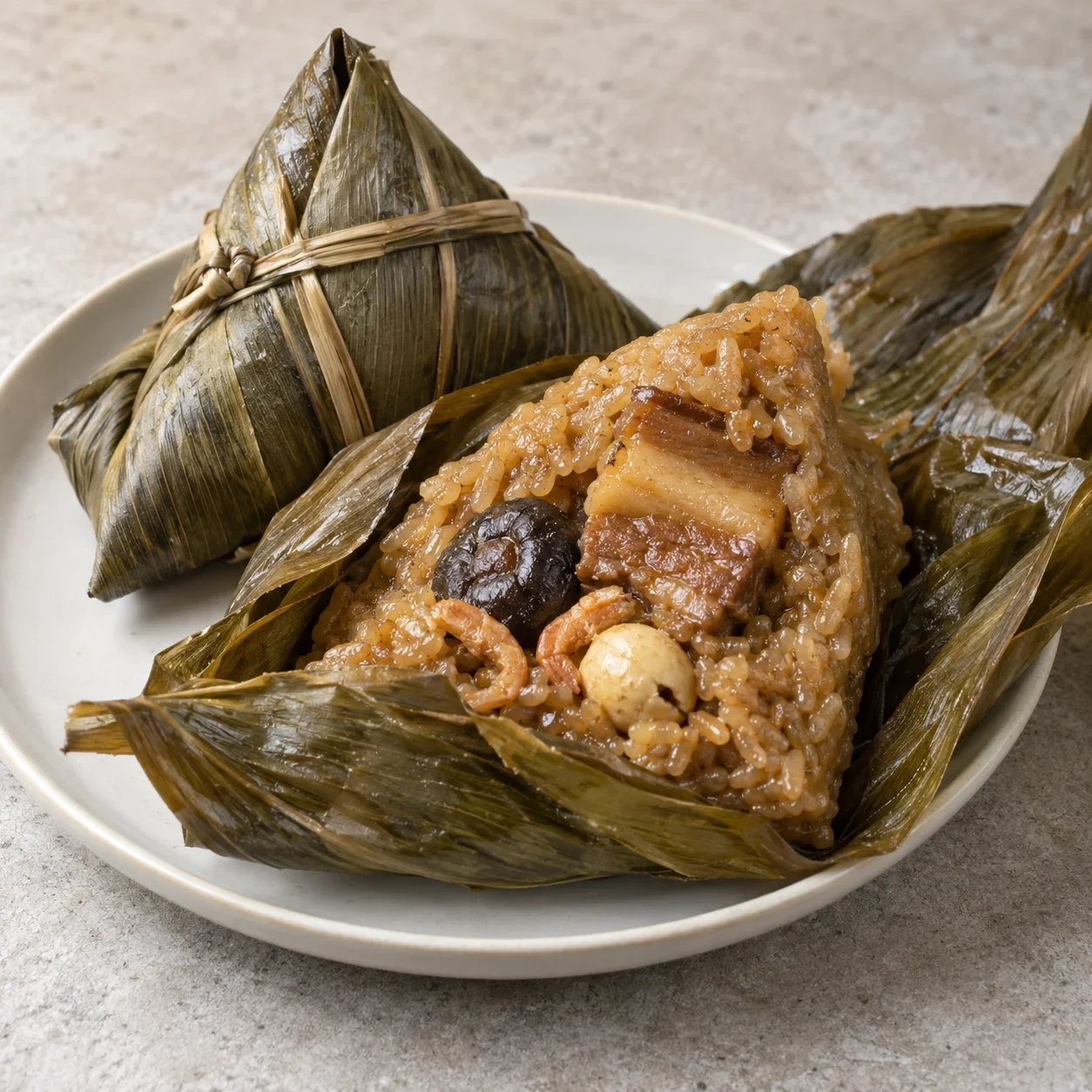
At the table
Remove the string and leaves, then break up the rice on a plate with chopsticks or a spoon. Eat rice and filling together; ask “酱料可以另外放吗?” for any sauce on the side.
Do not eat the leaf or string. The rice is dense and sticky; take manageable bites. This version contains pork, shrimp, soy sauce and chestnut.
Ask about fillings, cooking wine and sauces. Optional ingredients do not mean they can be removed from an already wrapped dumpling.
GET TO KNOW THE DISH
What goes into it?
Explore some key ingredients below. Preparations may use additional seasonings and ingredients.
Fillings and seasoning vary. Chestnut, dried shrimp and mushroom are common additions, while rice wine or five-spice may flavor the filling.
Typical ingredients
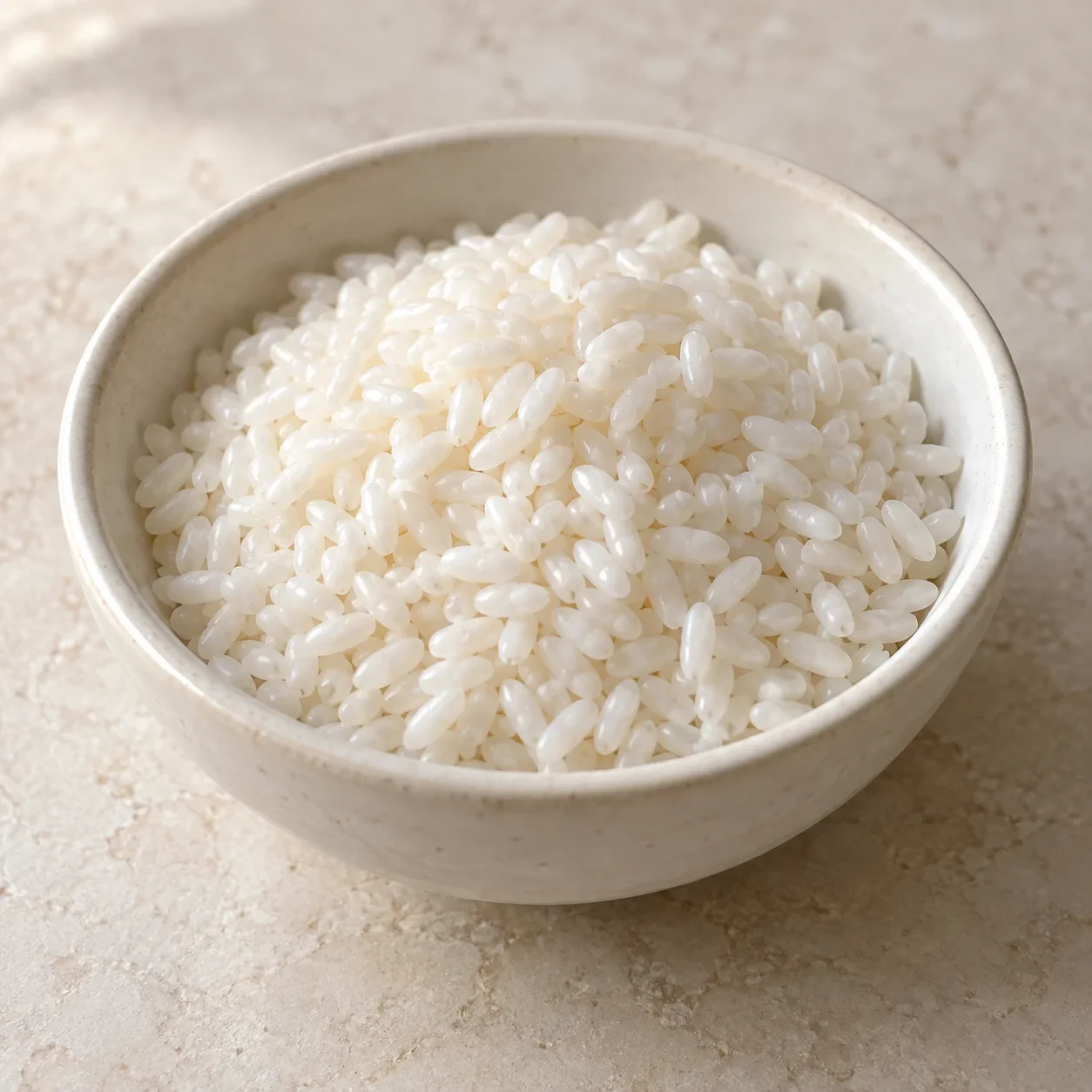
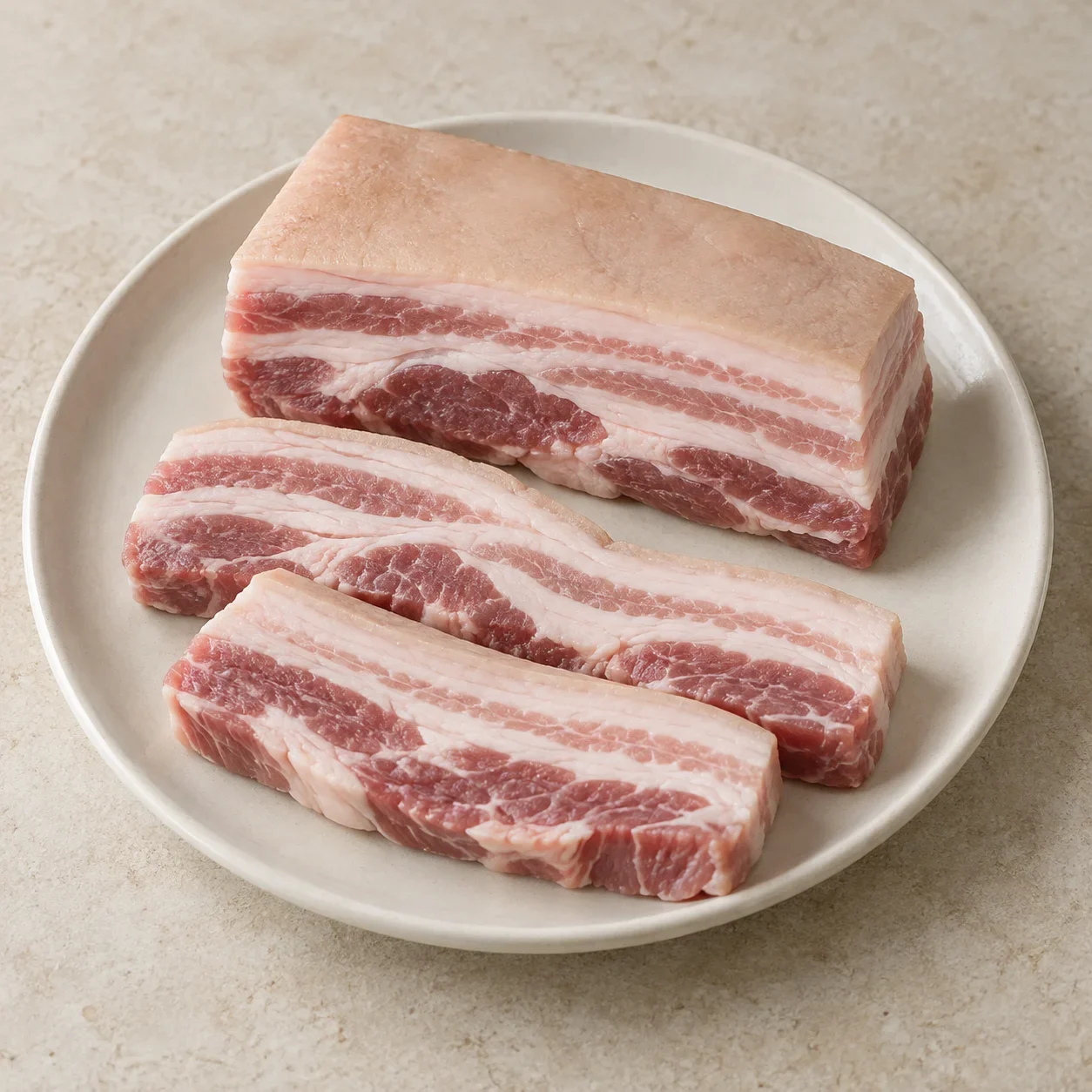
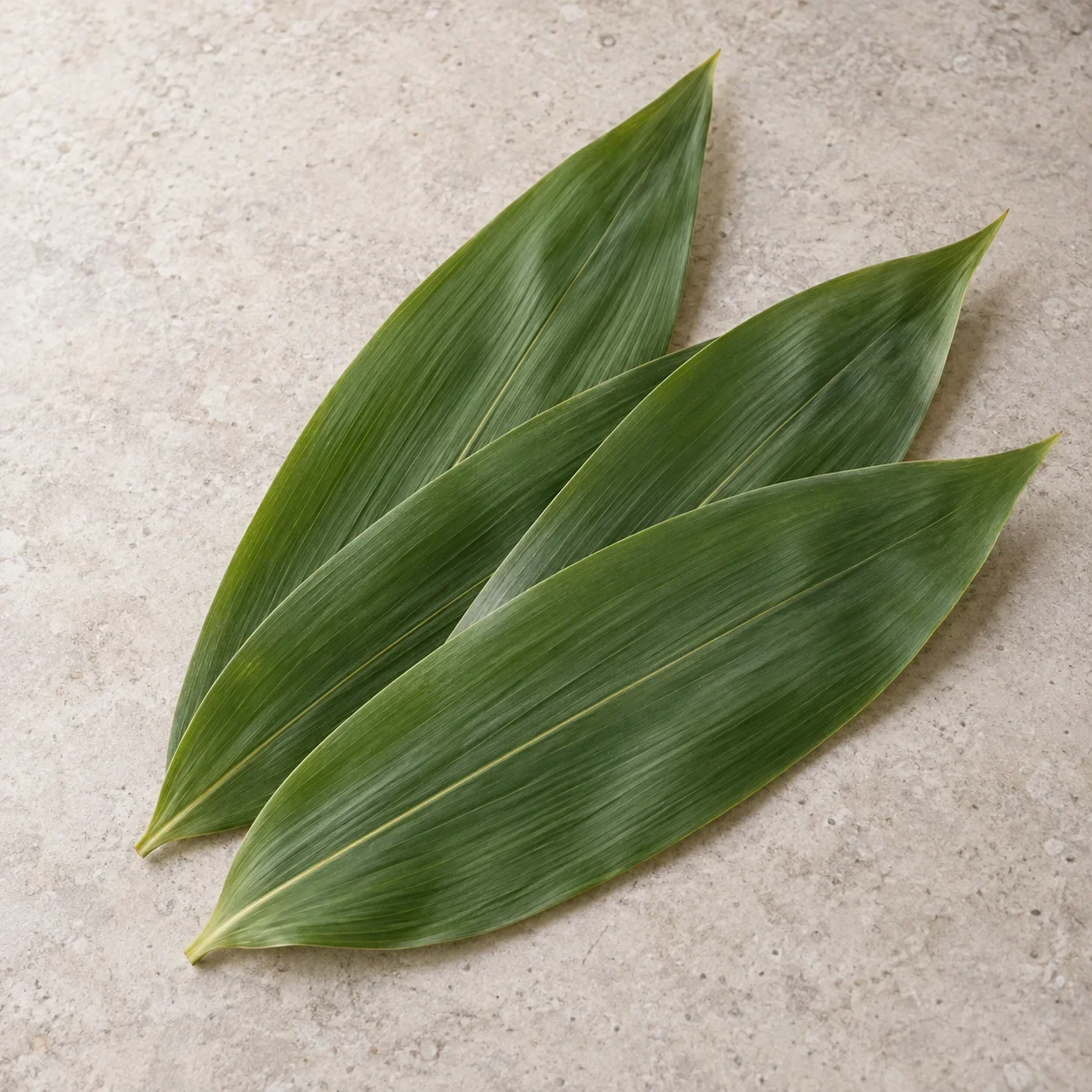
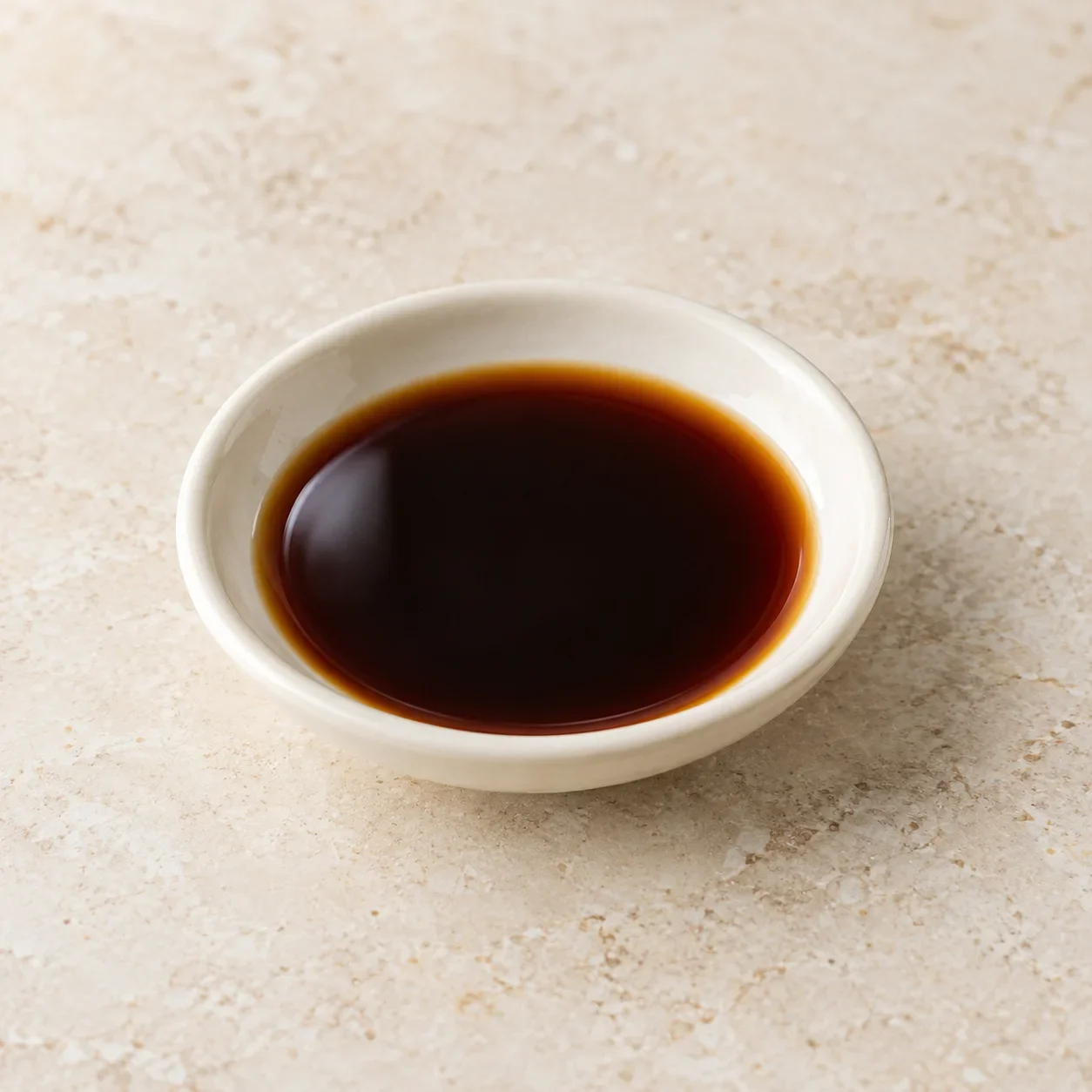
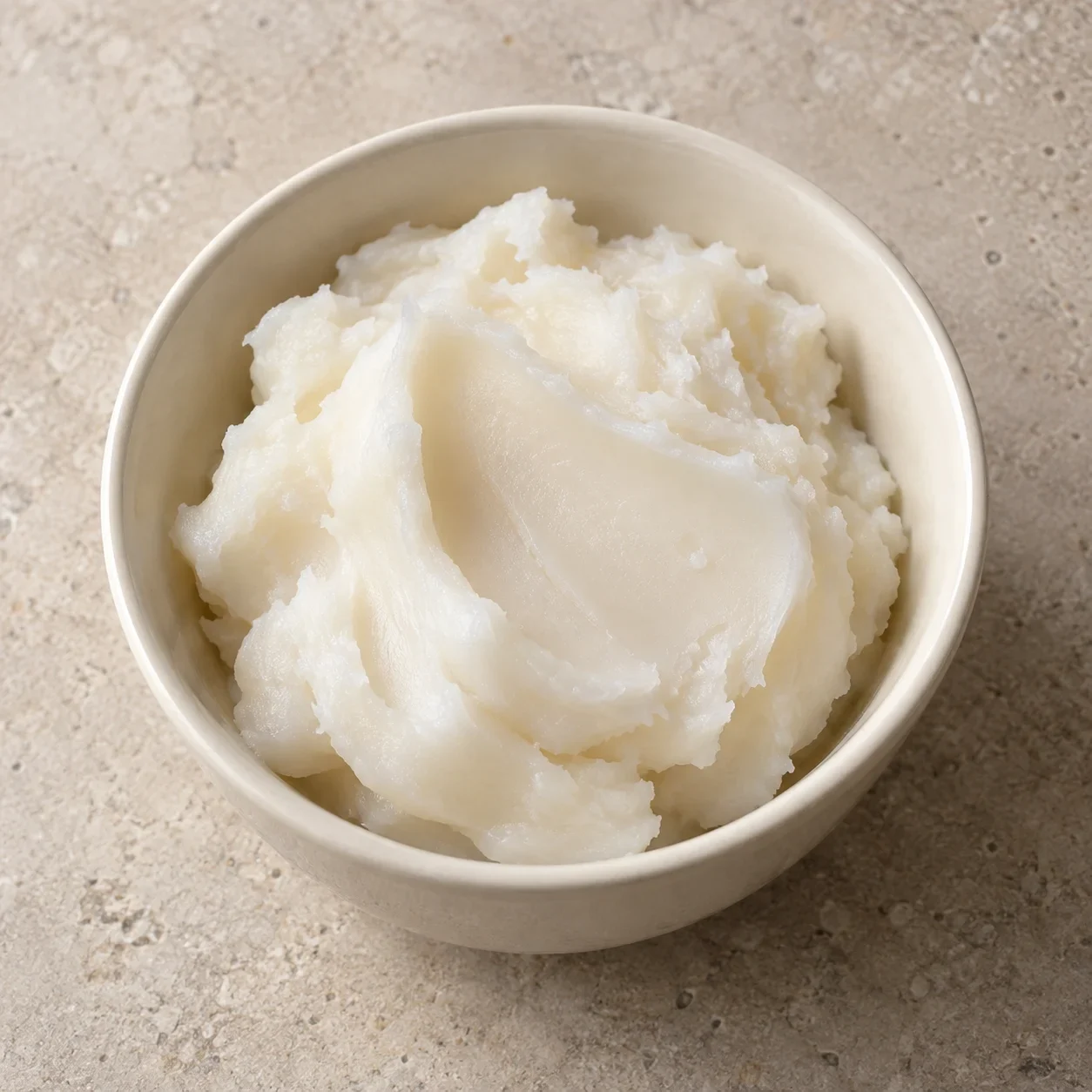
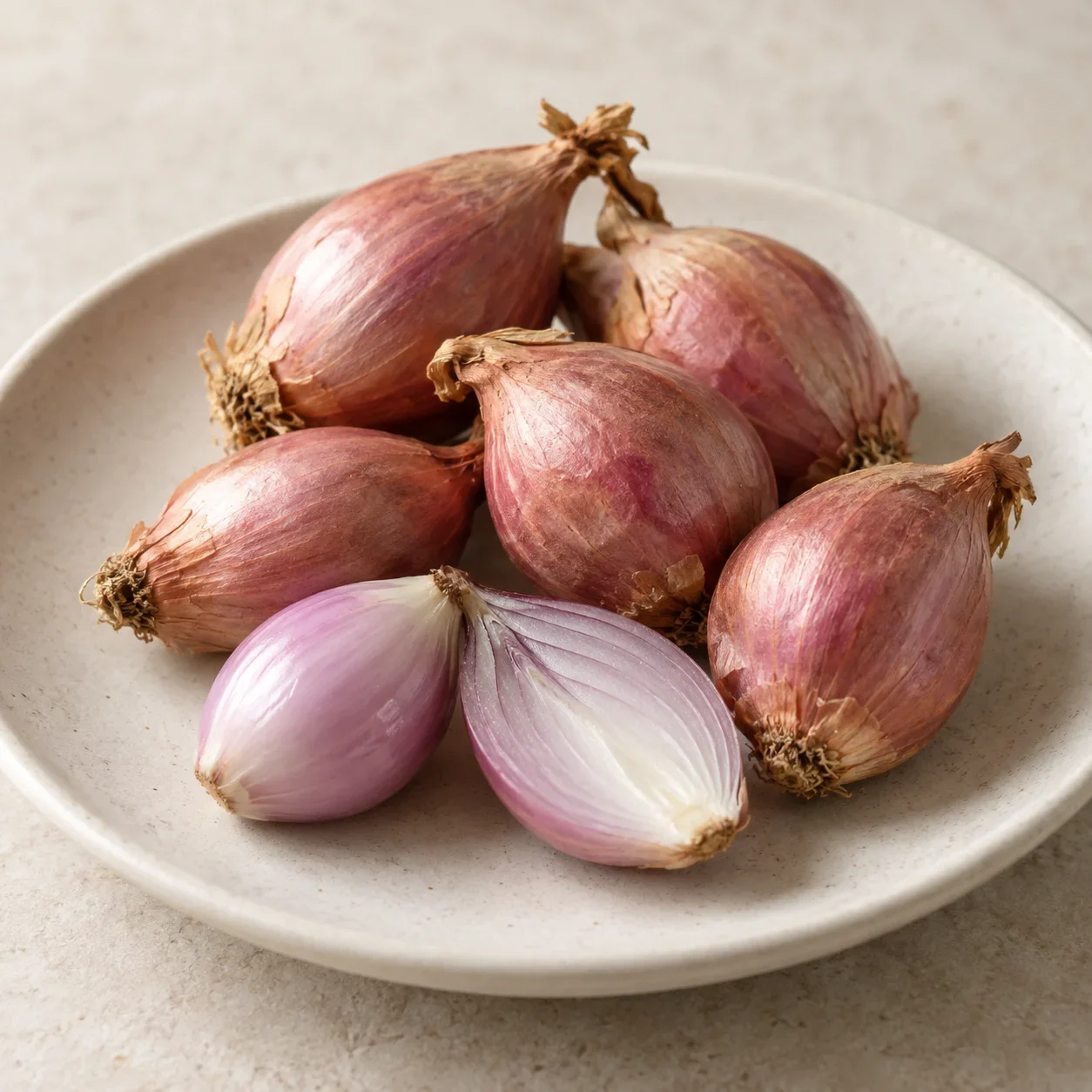
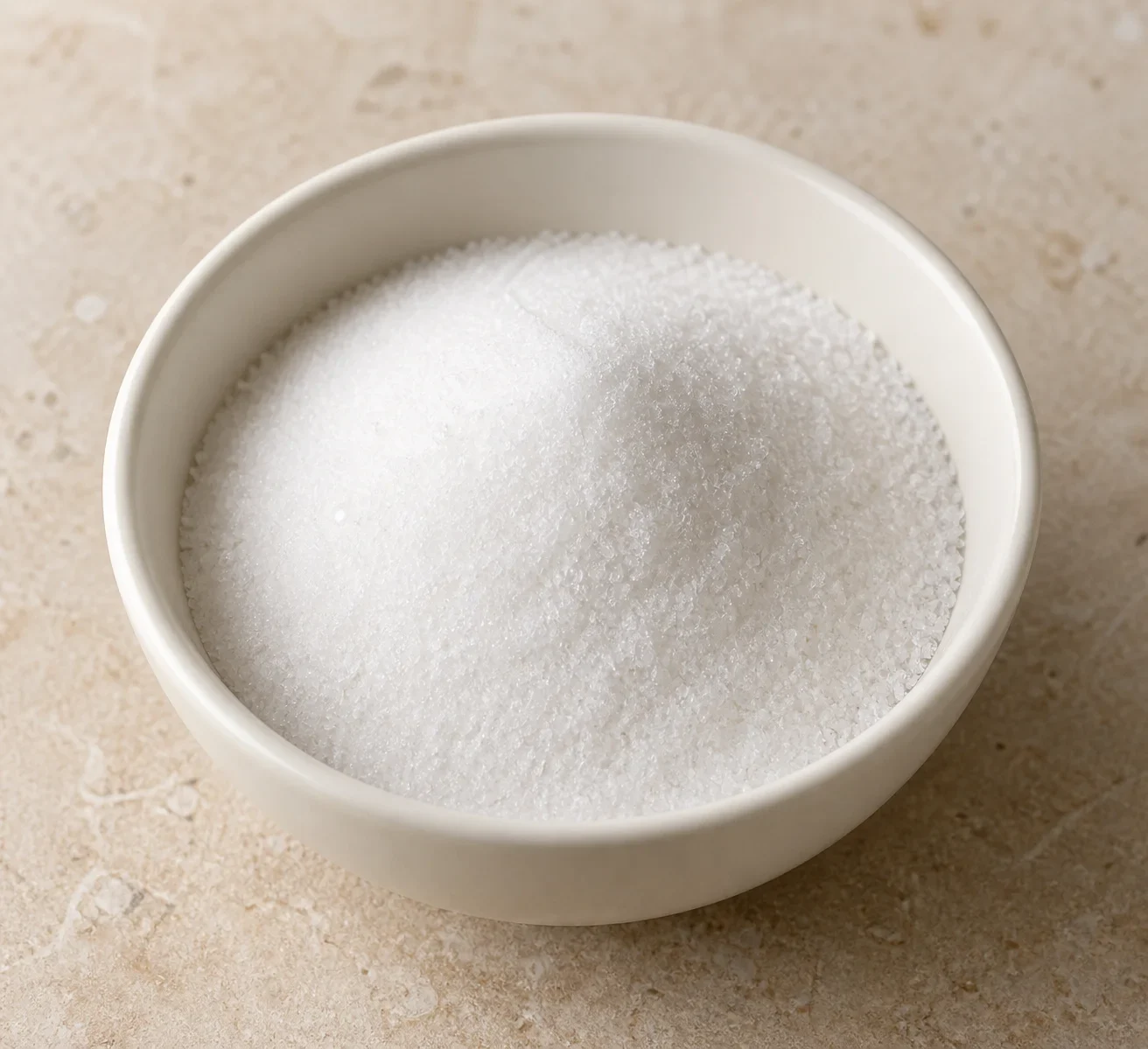

In some versions
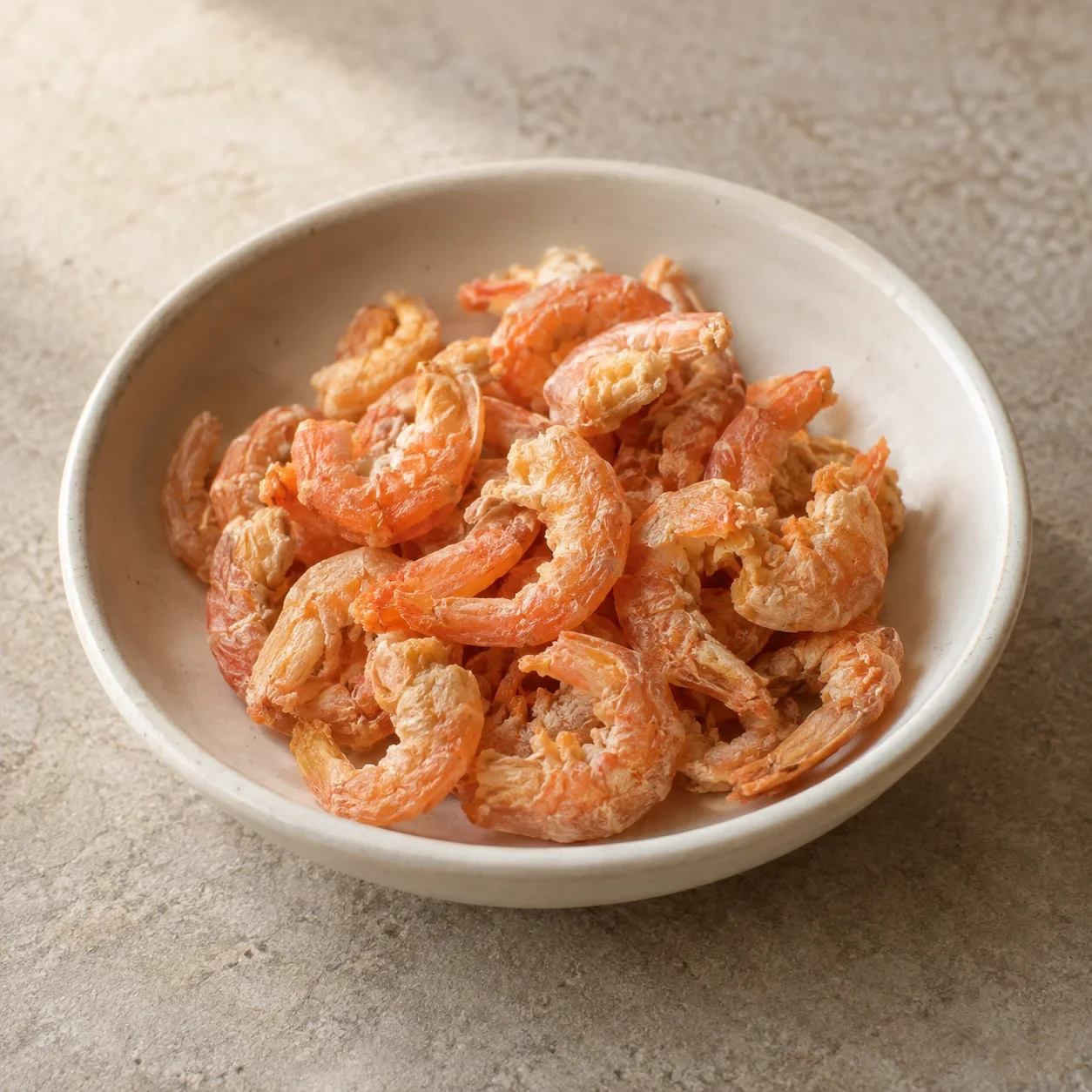
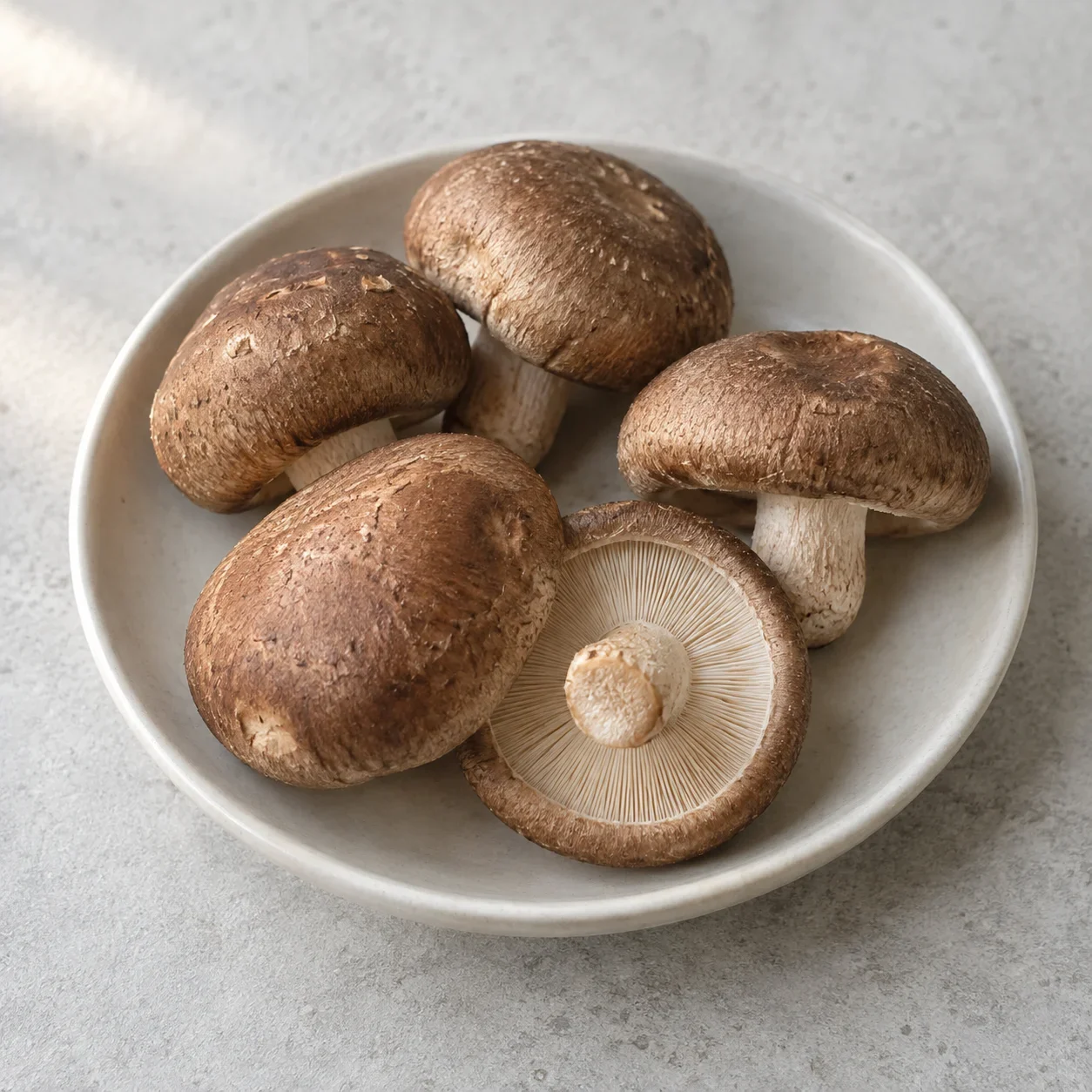
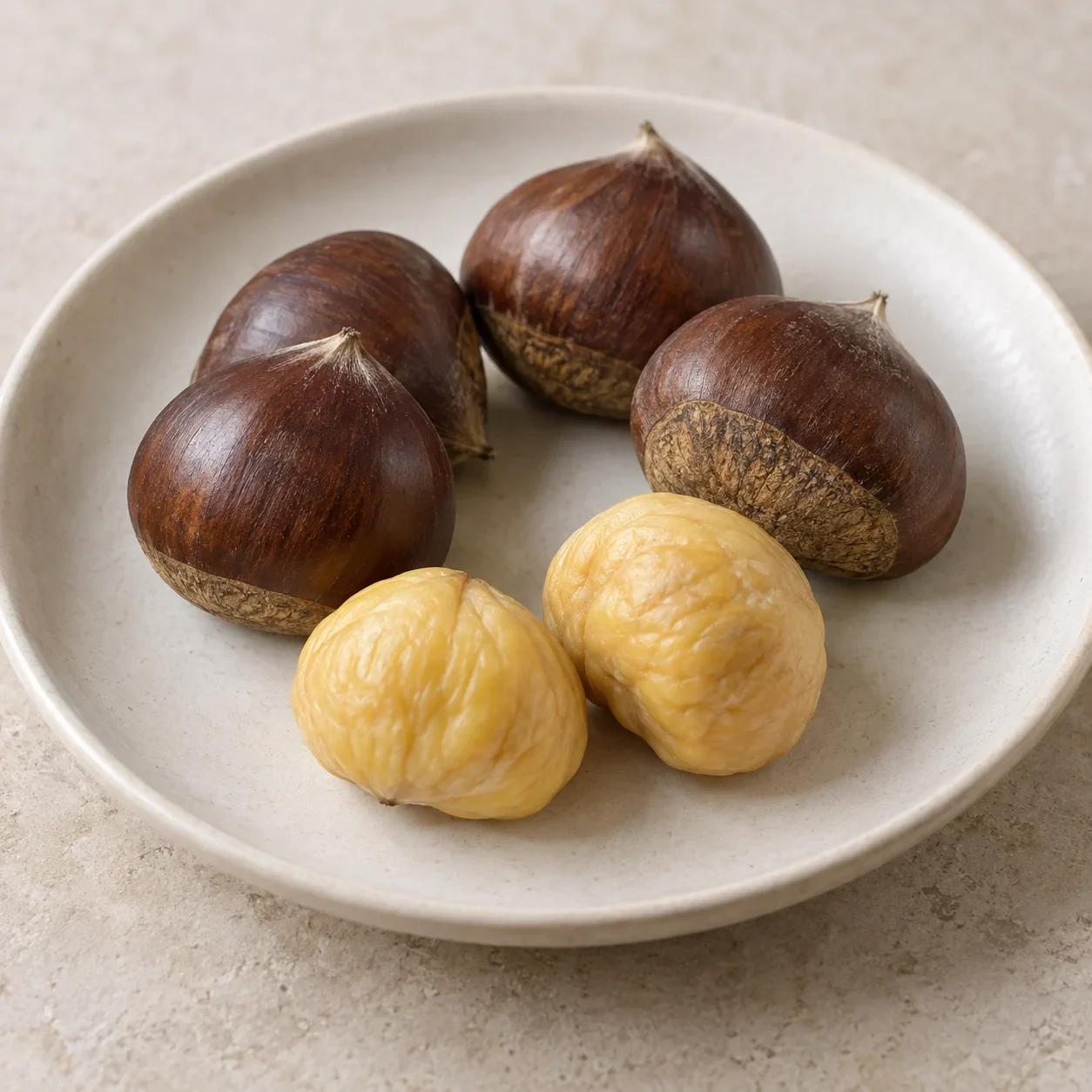
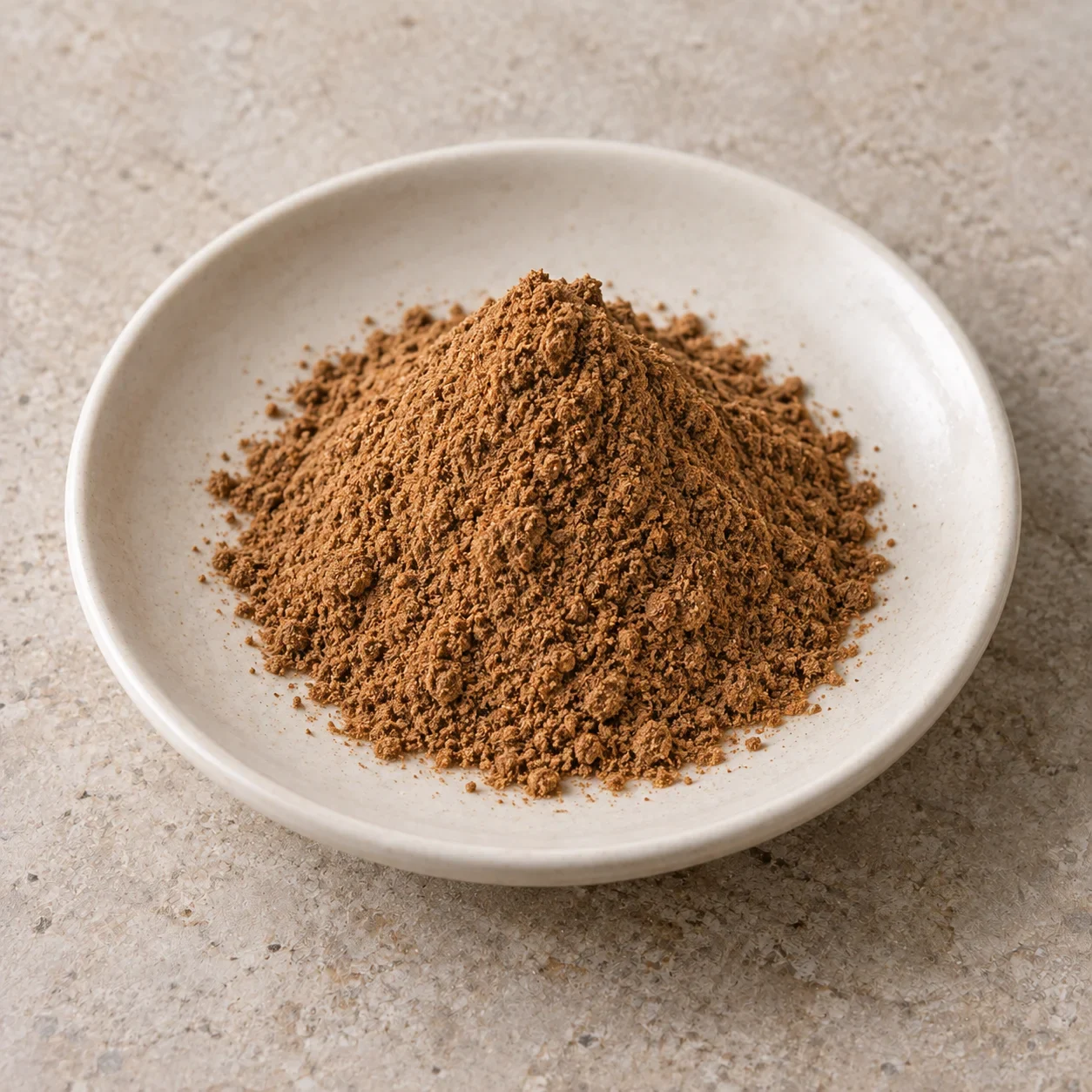
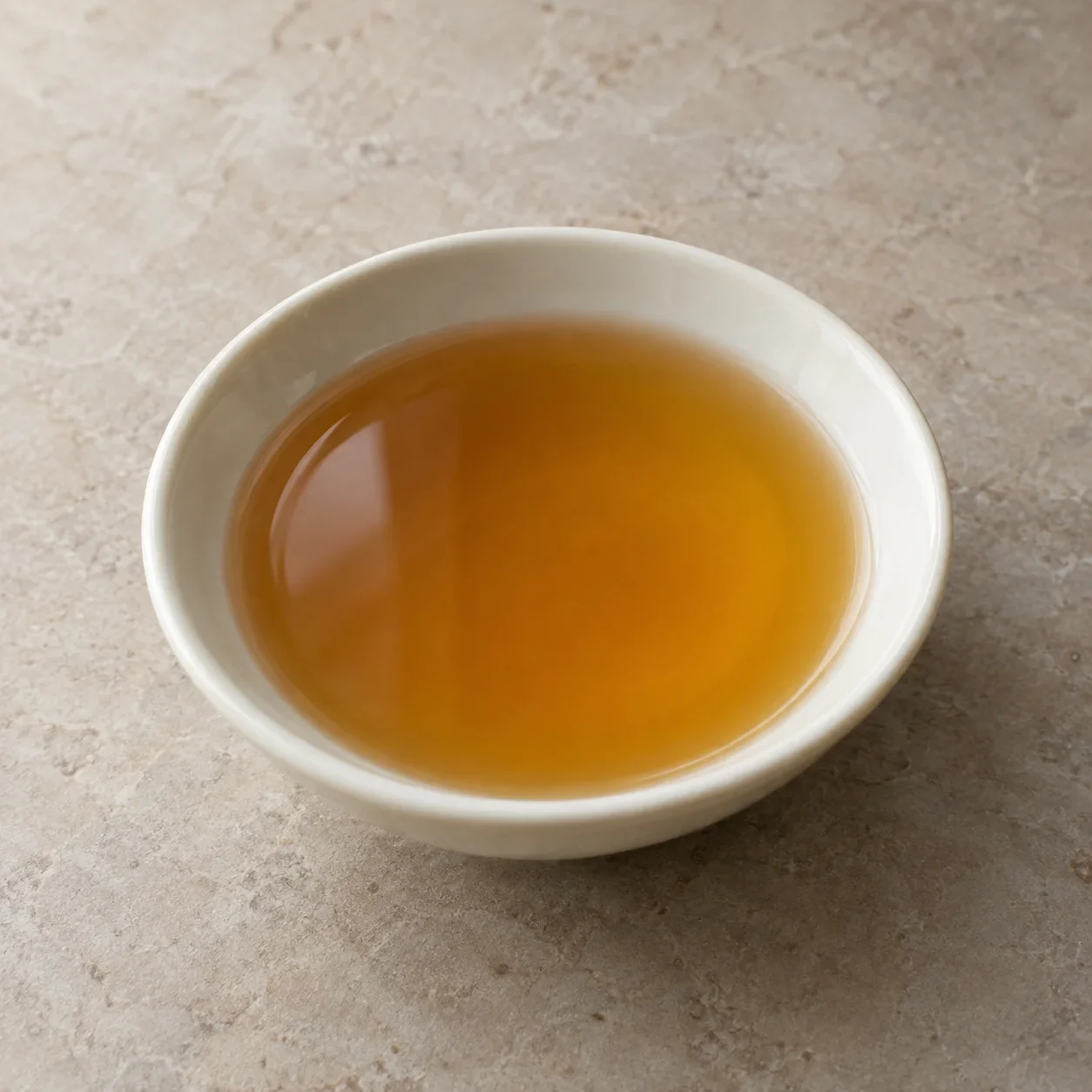
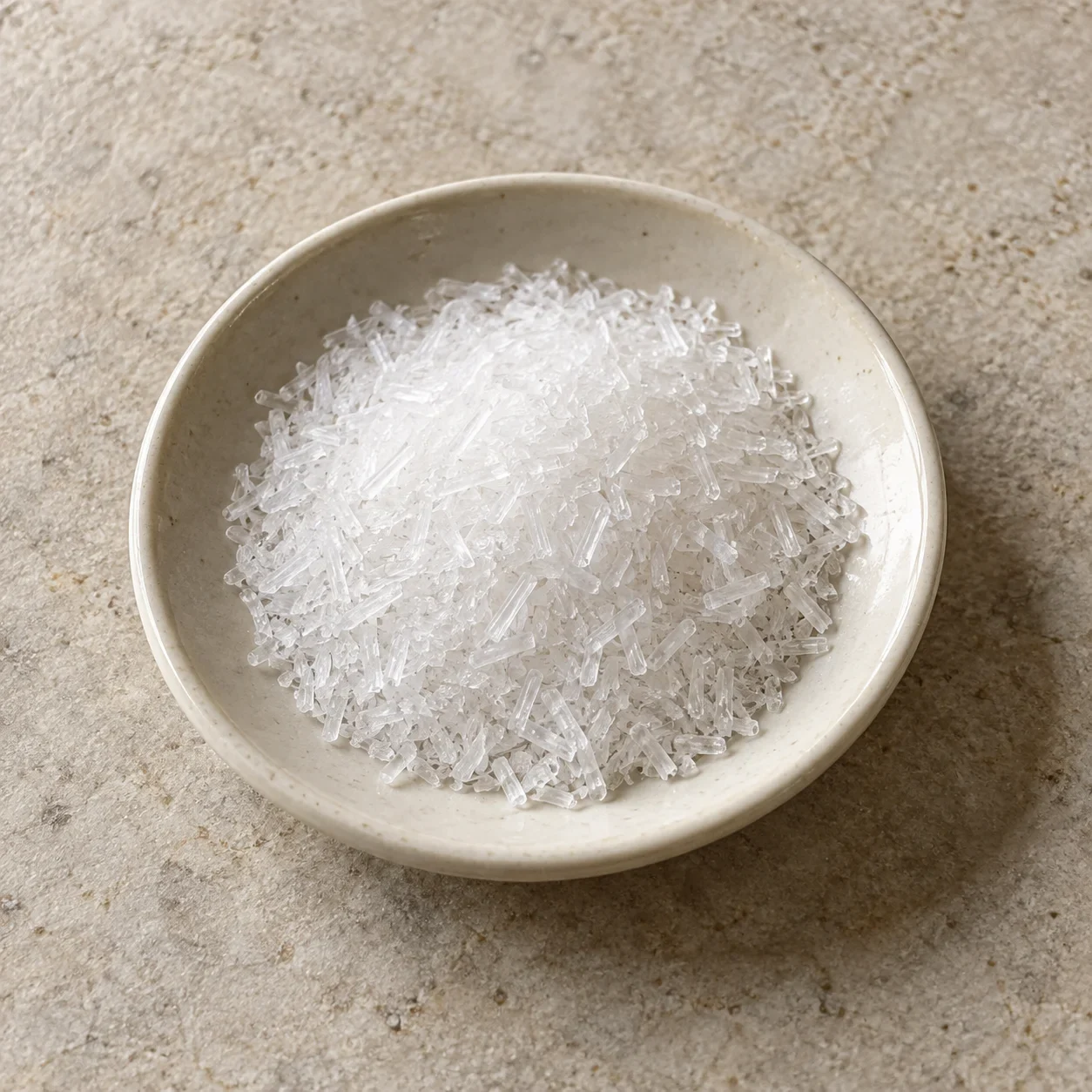
Recipes vary by restaurant.
How does it taste?
Savory soy and pork with a little sweetness and leaf fragrance; no built-in chili heat.
- Chili heat
- Texture
- Sticky but distinct rice grains with soft fatty pork, tender mushroom and crumbly chestnut.
- How it’s made
- Rice is seasoned with pork cooking juices and shallot; rice and prepared fillings are folded into leaves, tied and cooked through. This version is boiled; steamed versions also exist.
Fillings and seasoning vary. Chestnut, dried shrimp and mushroom are common additions, while rice wine or five-spice may flavor the filling.
A CONNECTION TO PLACE
Origin & regional roots
Associated with Fujian.
Ask if they have it first
请问你们有烧肉粽吗?
Do you have this item?
A LITTLE SOMETHING TO READ
Story & history
What shao means here
This account describes a tradition or story, rather than an established historical fact.
In Minnan speech, shao can mean hot: the name refers to a hot pork zongzi, not a grilled rice parcel. These savory parcels are part of southern Fujian’s Dragon Boat Festival food customs and everyday snack culture.