
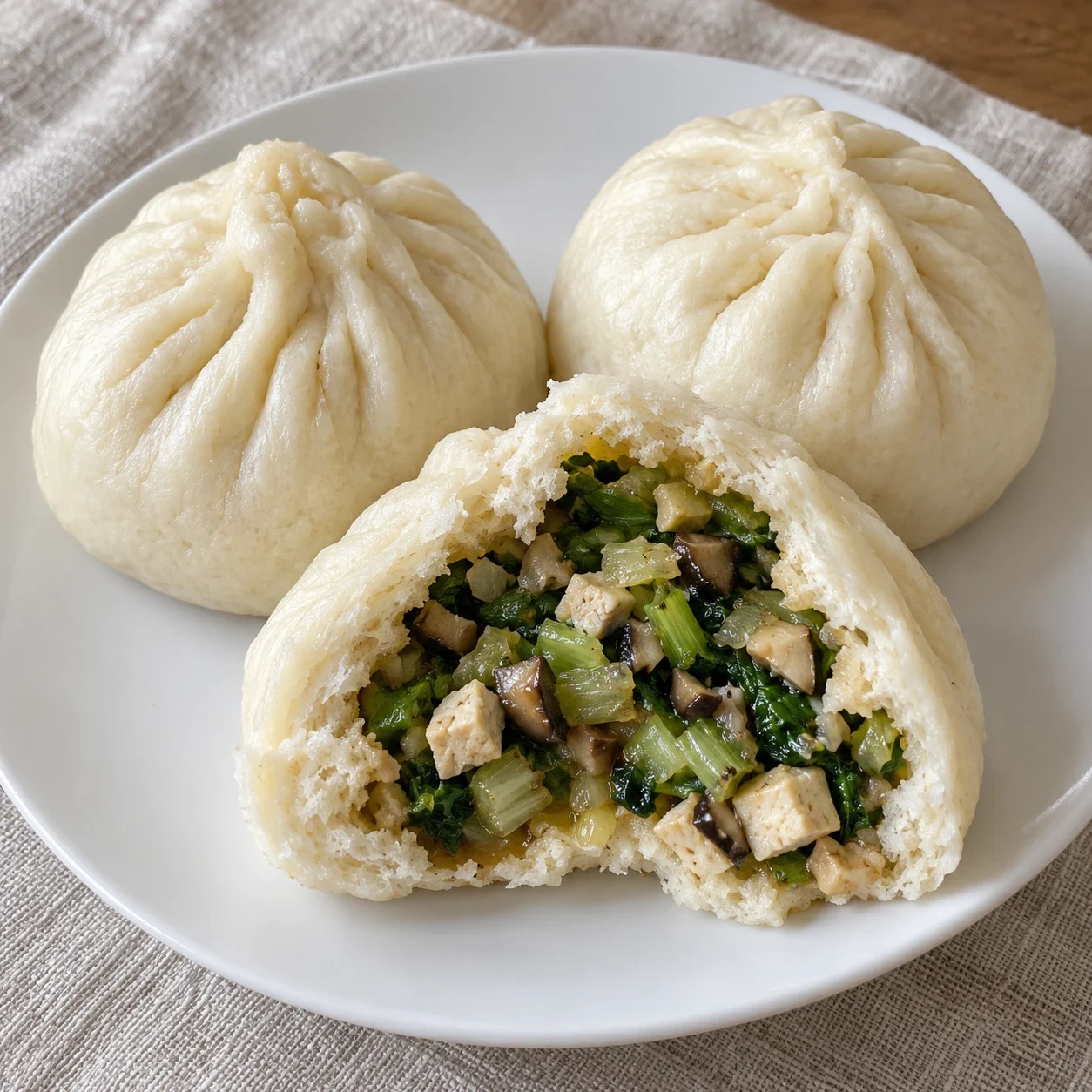
At the table
Remove any paper liner, split the bun and let the hot filling cool. Eat by hand or with chopsticks.
Contains wheat, soy, sesame and oyster sauce. This oyster-sauce version is not vegetarian or vegan.
Fillings and seasonings vary. Some versions use chicken seasoning. Confirm the actual sauce and oil if seeking a vegetarian or vegan bun.
GET TO KNOW THE DISH
What goes into it?
Explore some key ingredients below. Preparations may use additional seasonings and ingredients.
Fillings and seasonings vary. Some versions use chicken seasoning. Confirm the actual sauce and oil if seeking a vegetarian or vegan bun.
Typical ingredients
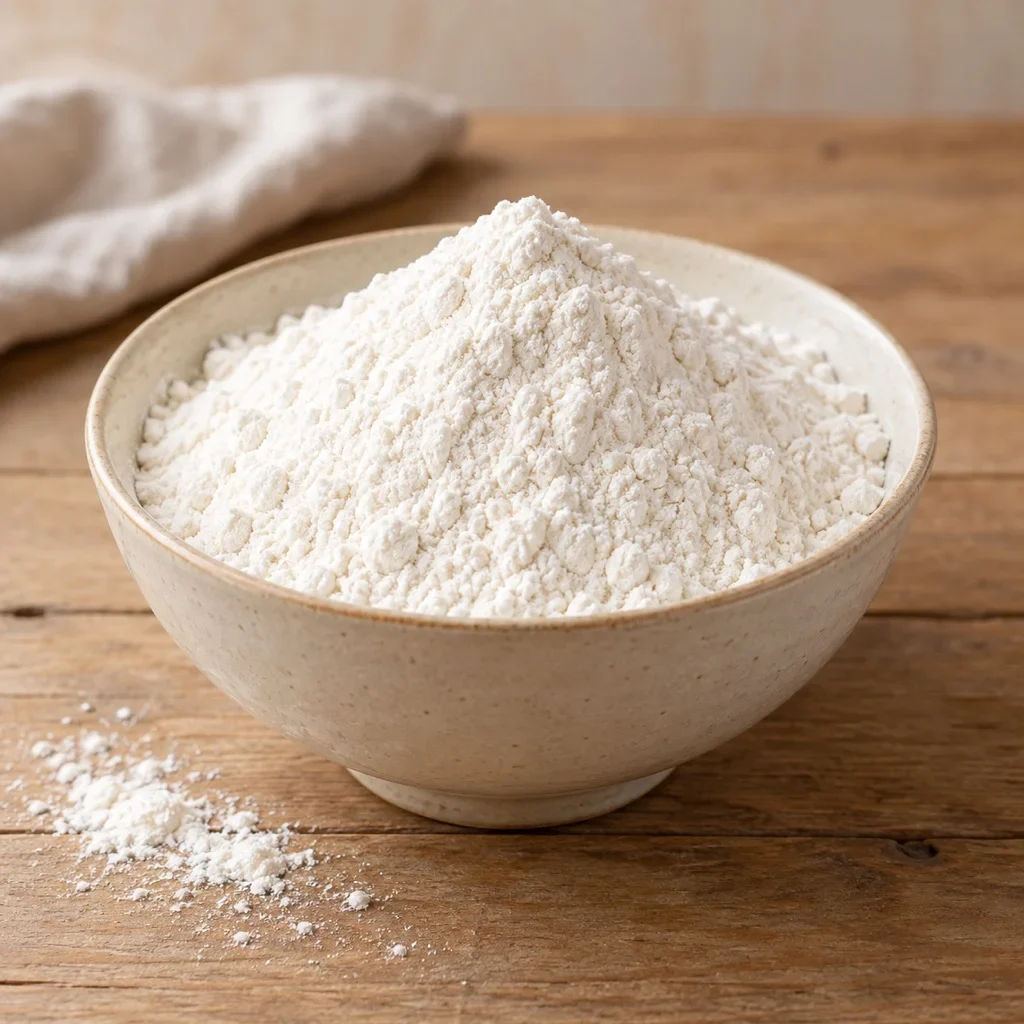
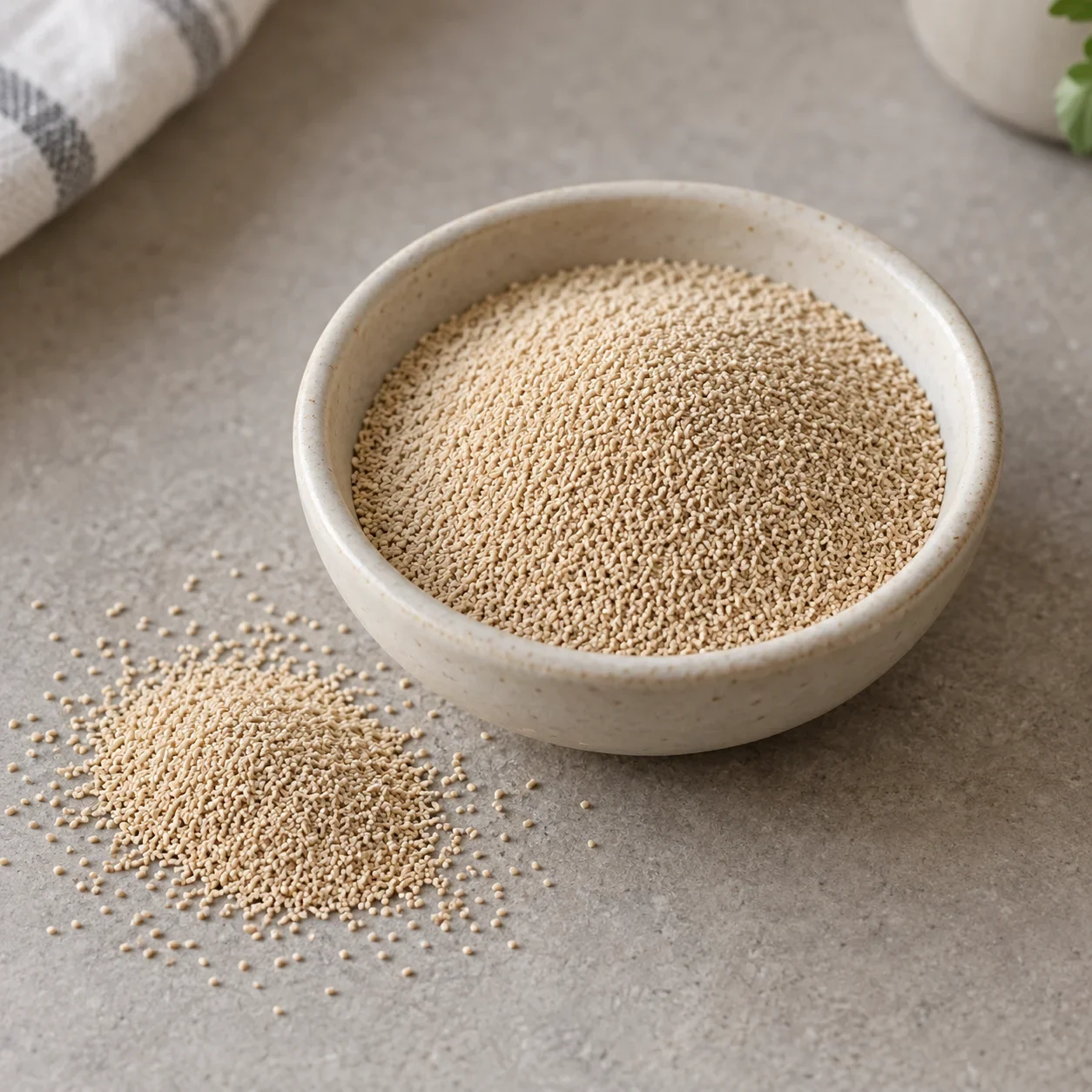
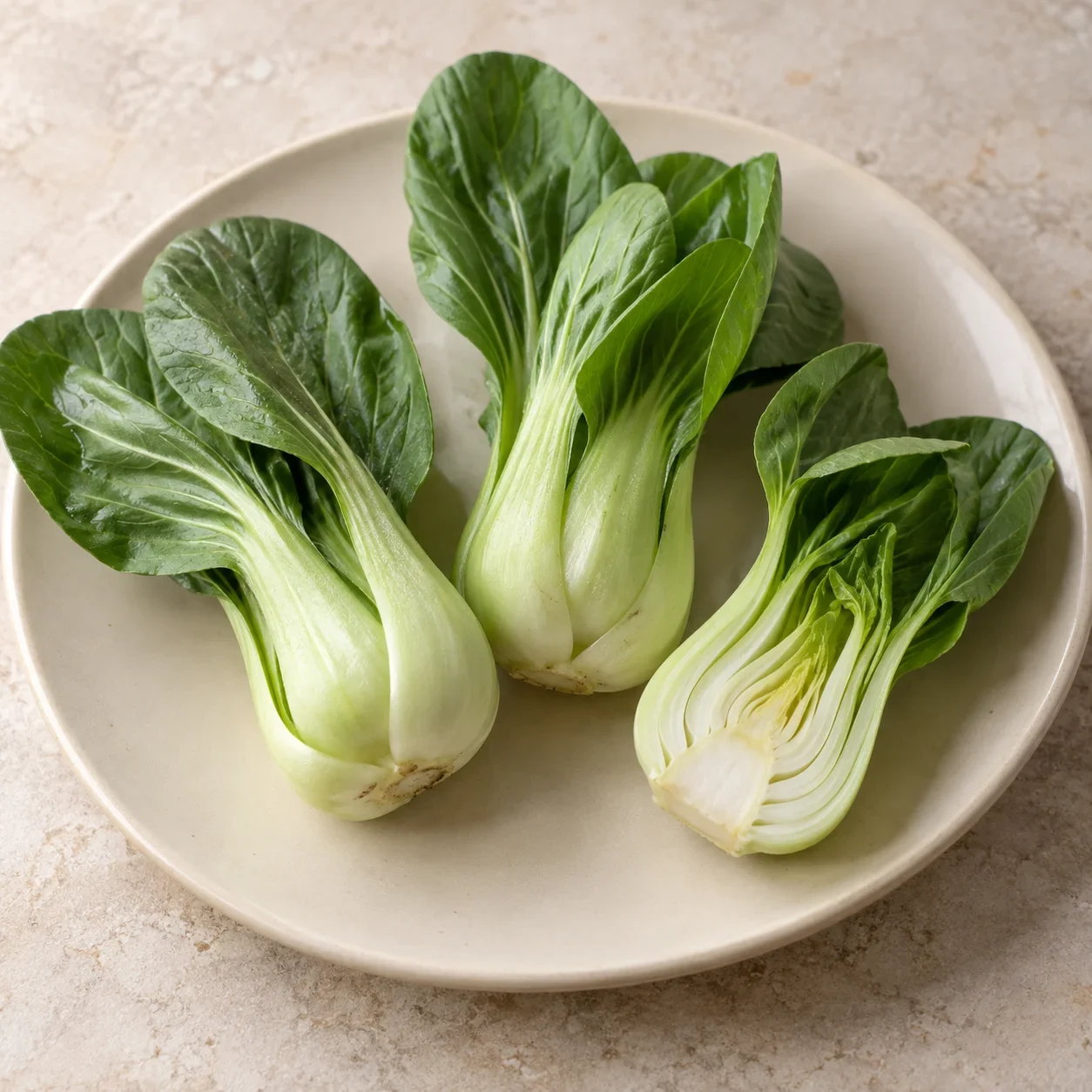
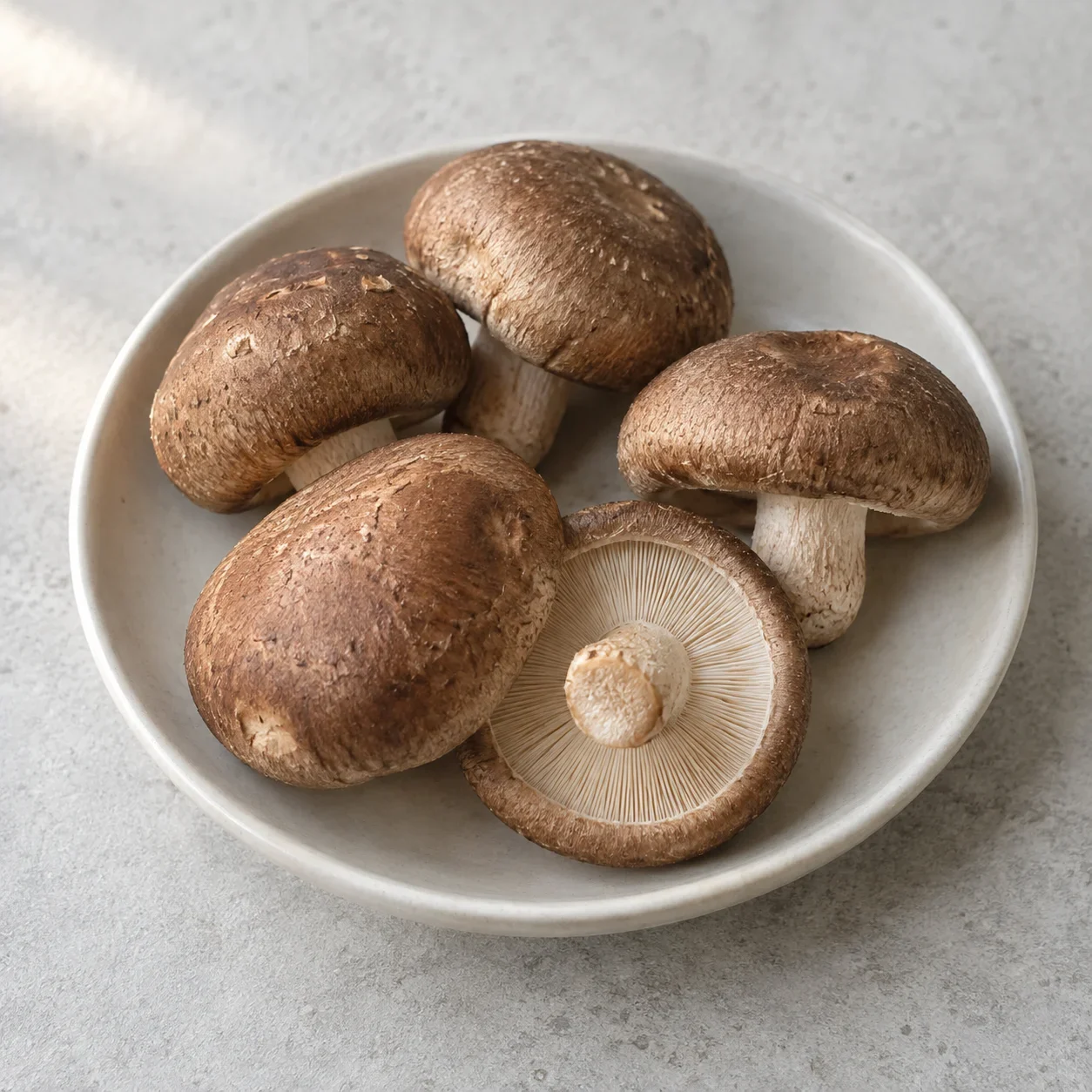
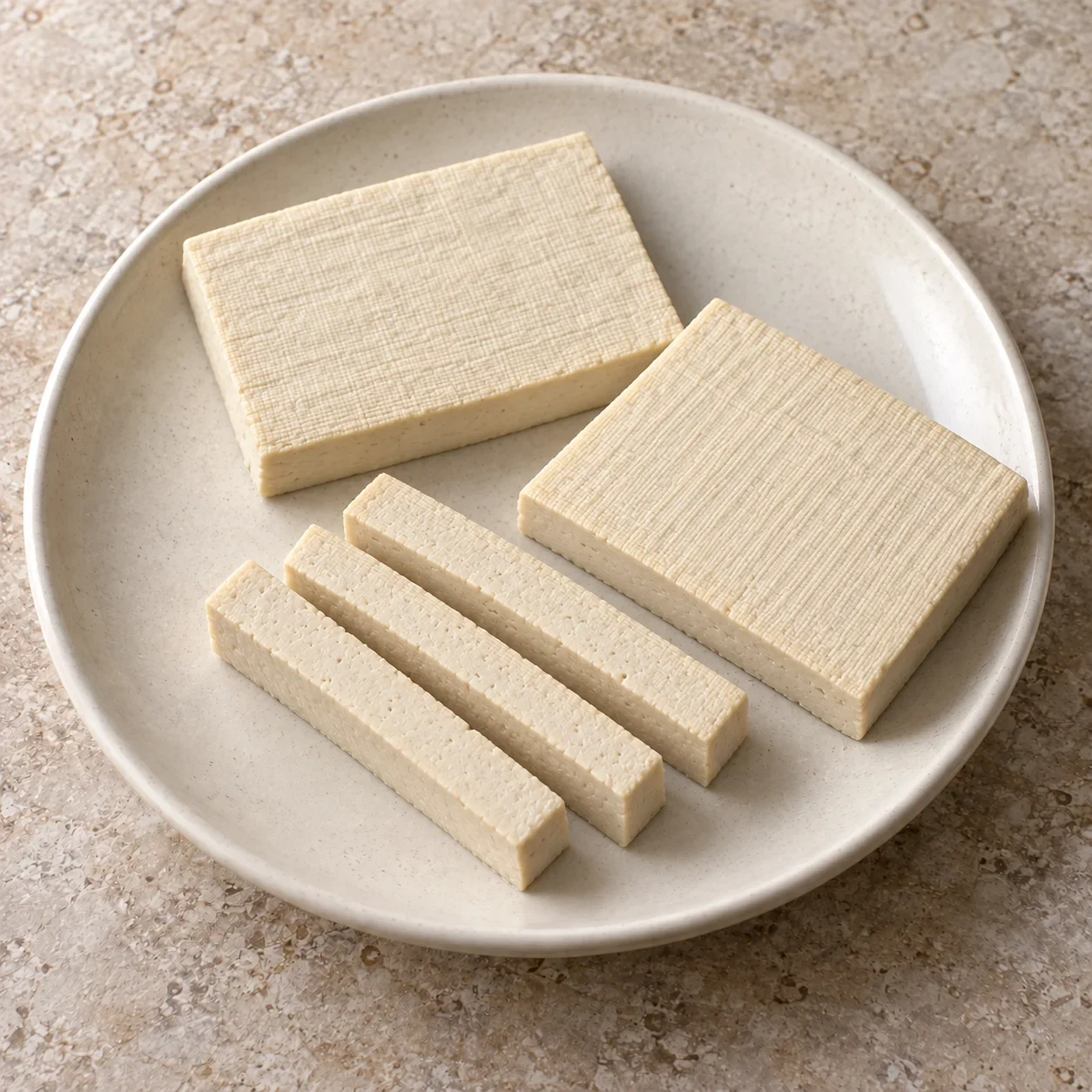
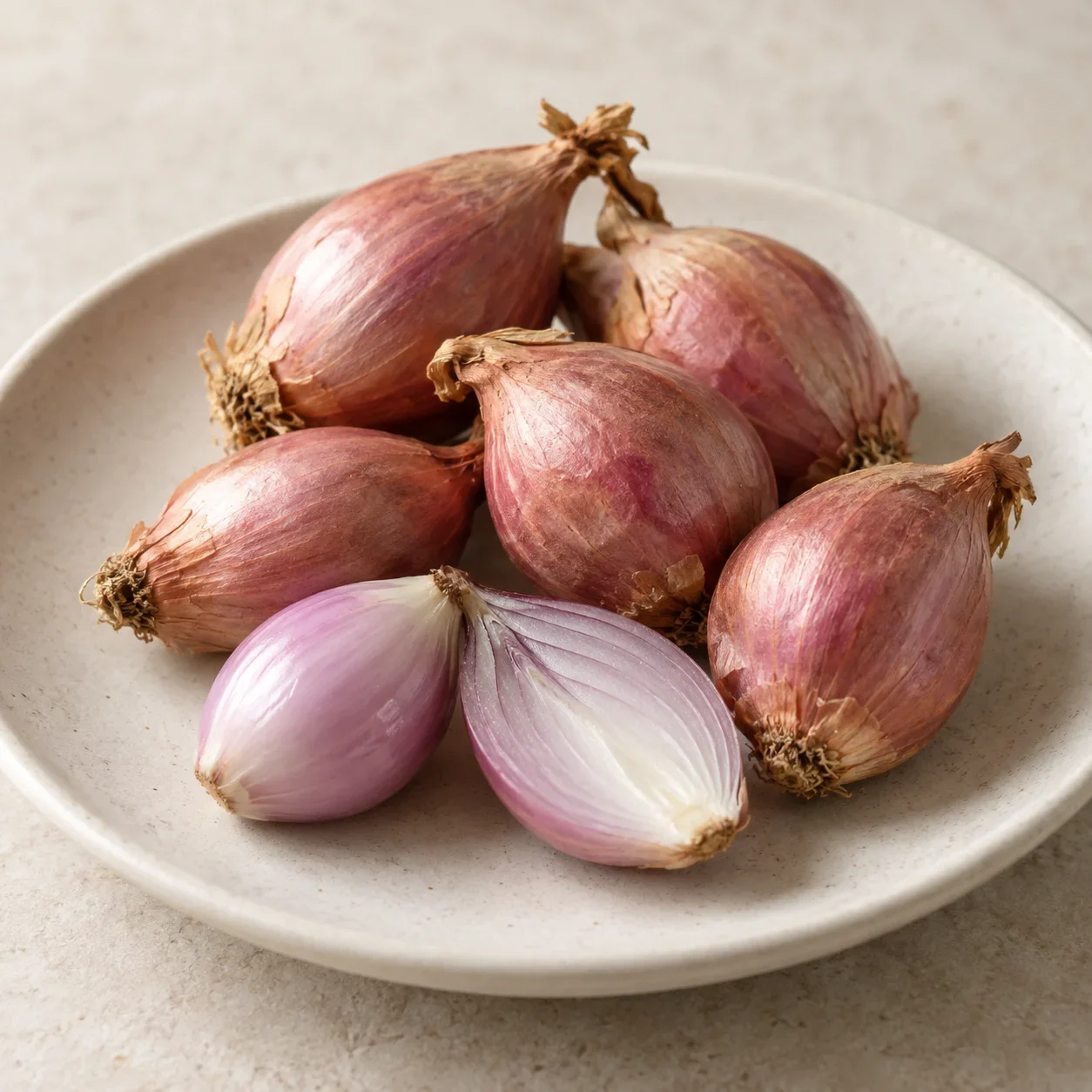

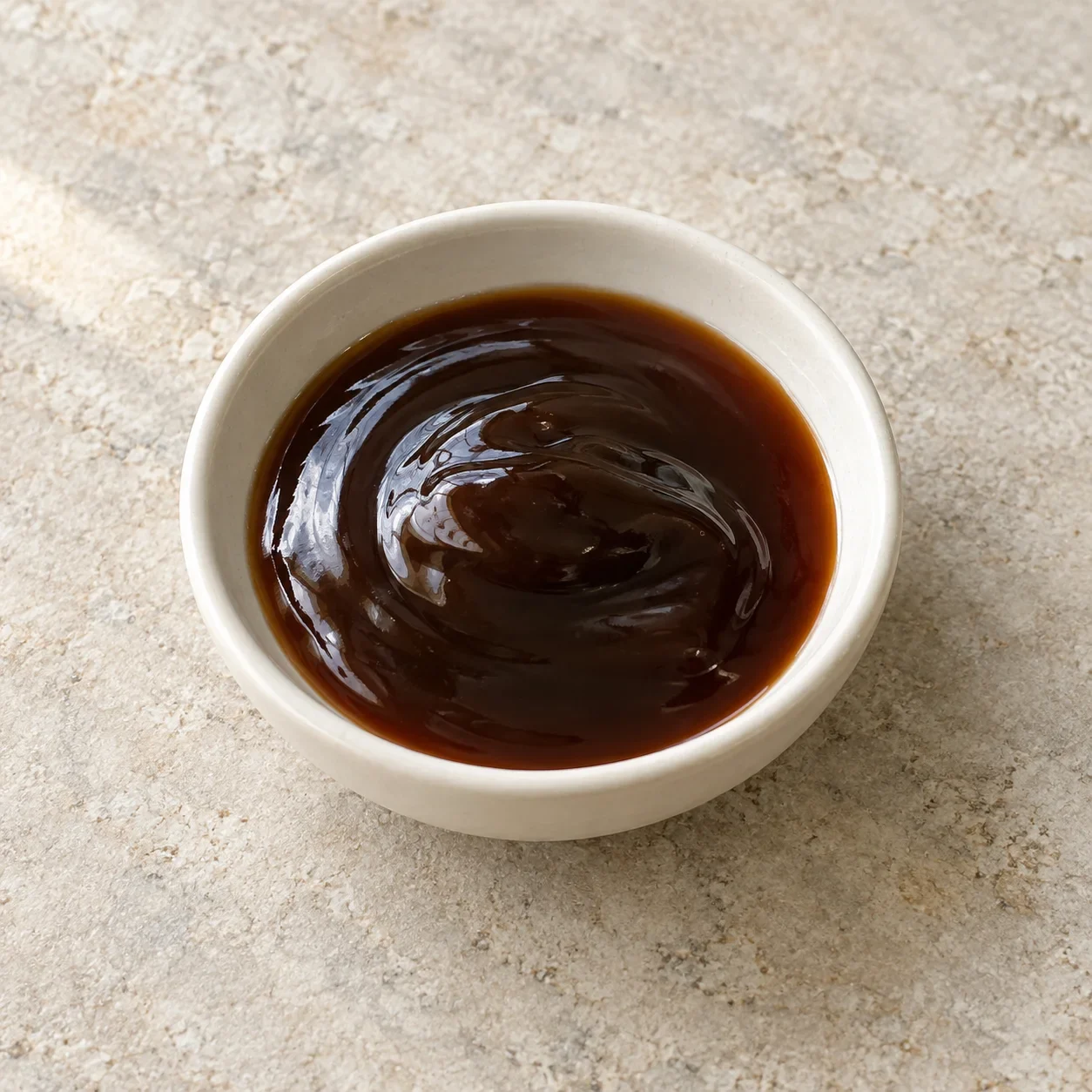
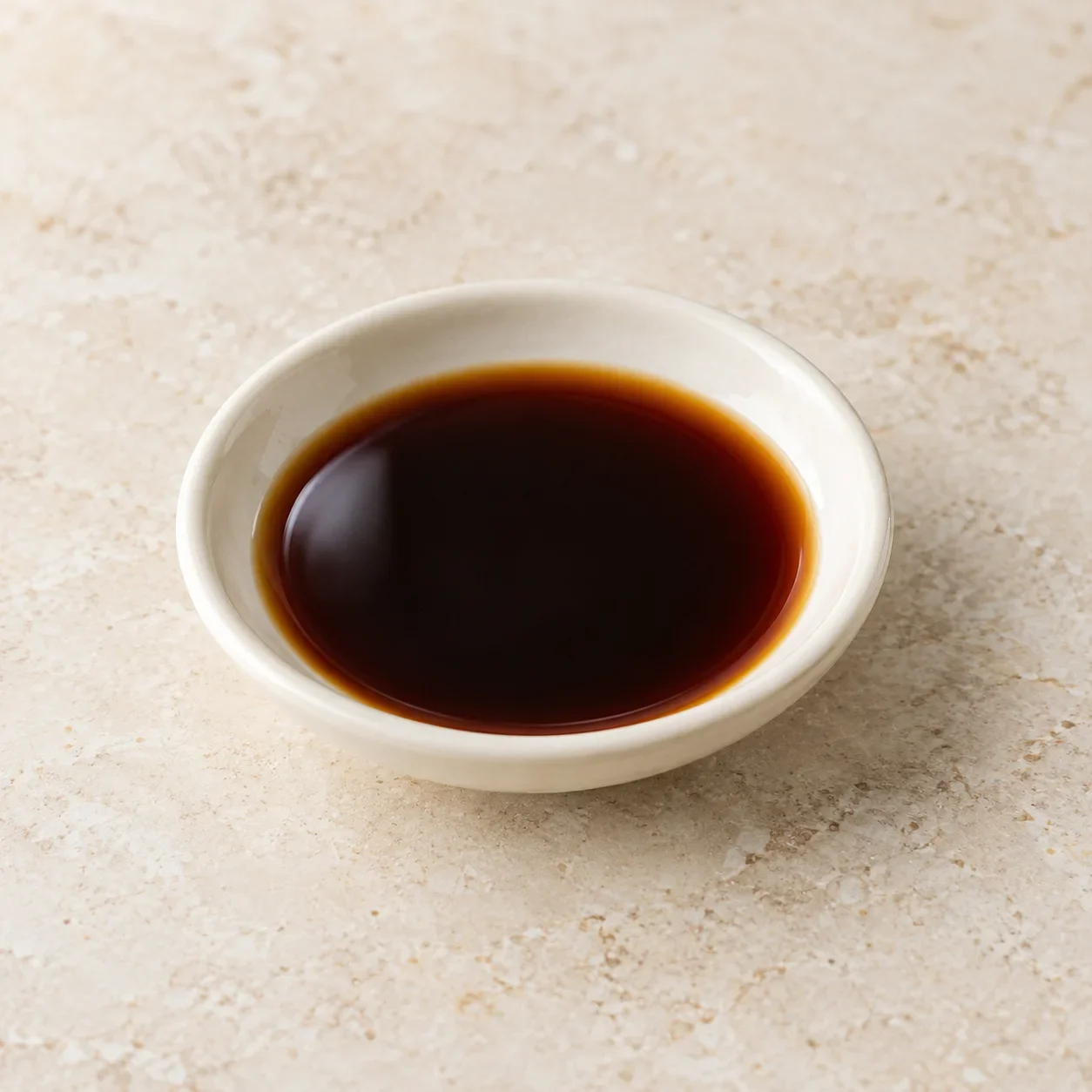
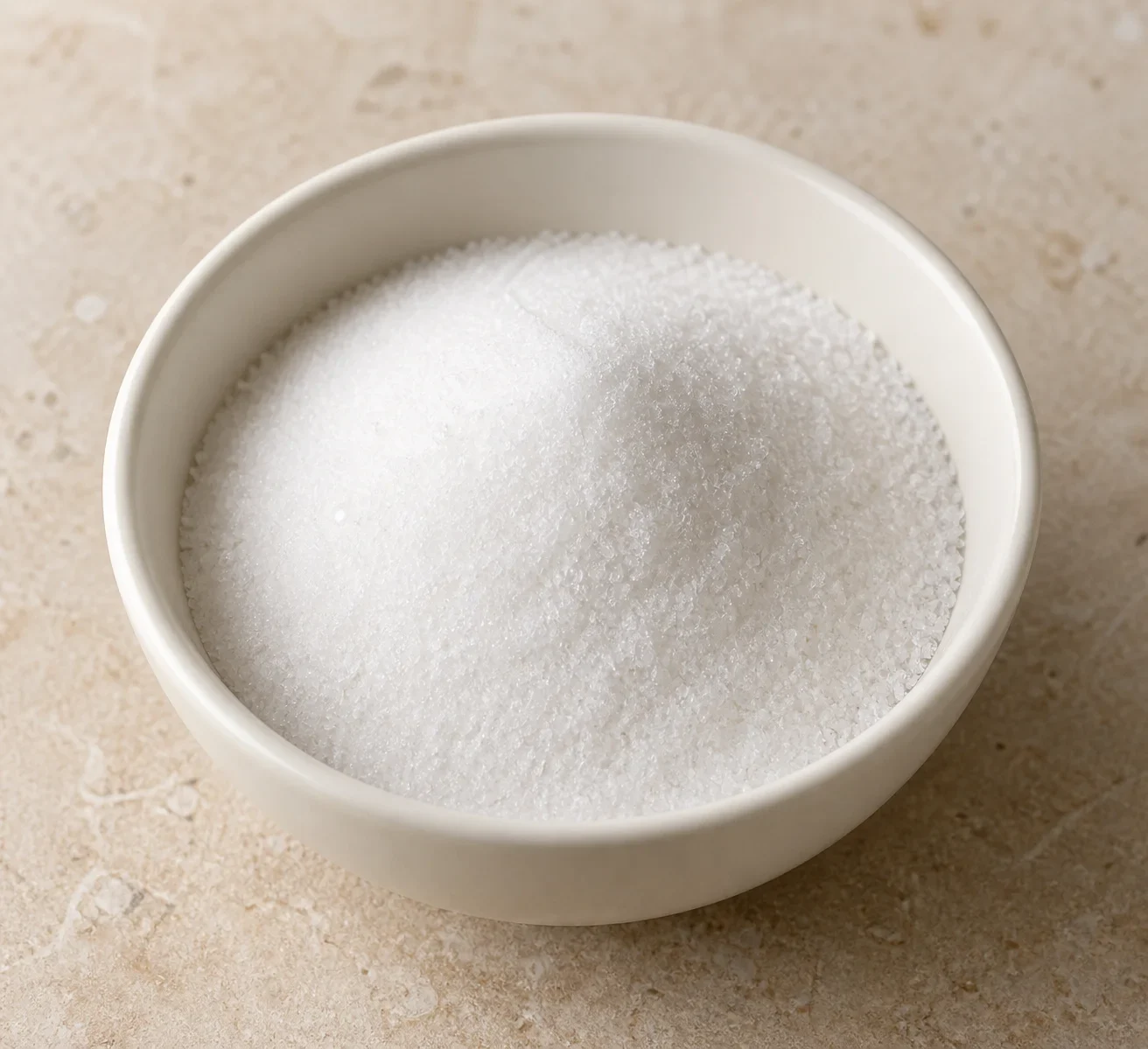
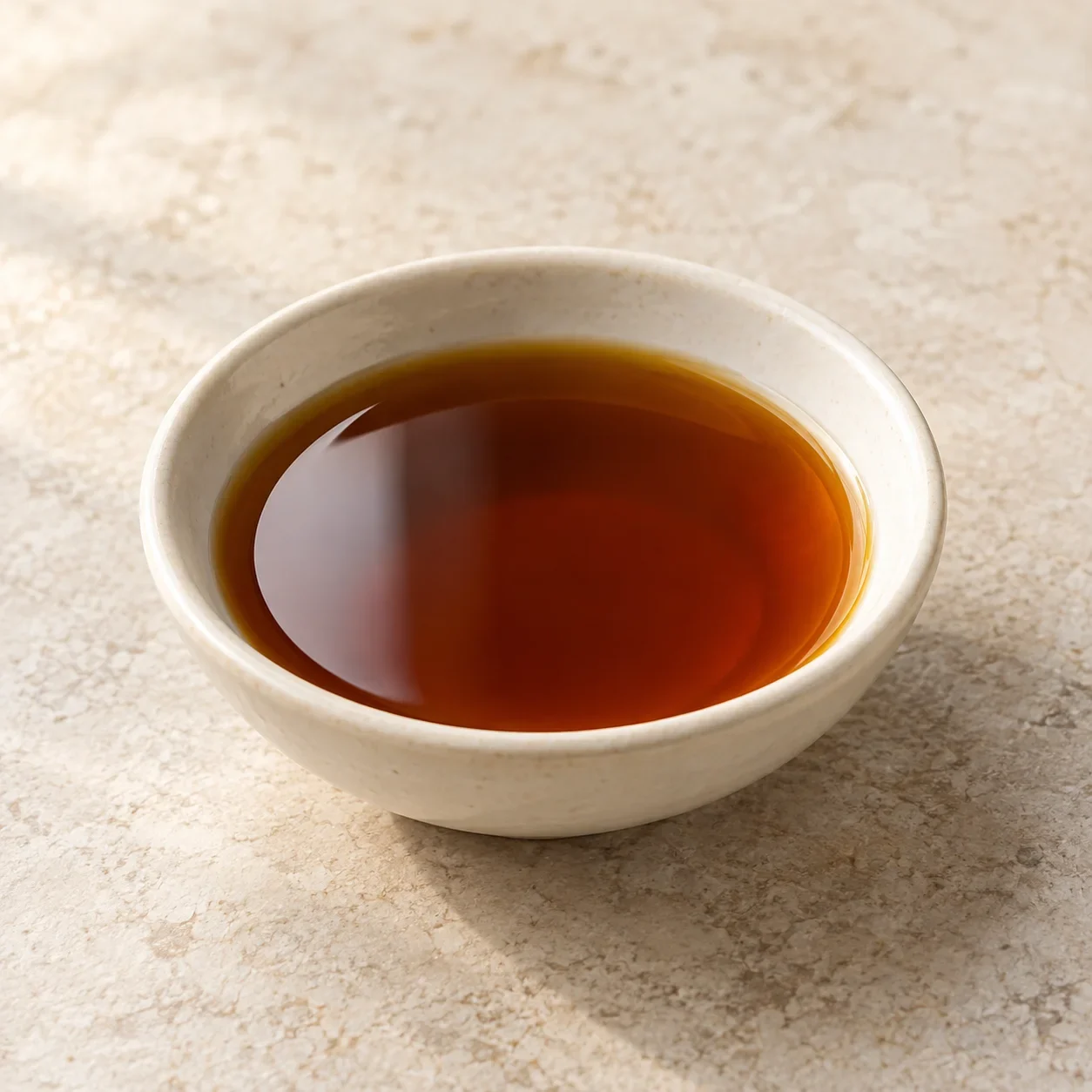
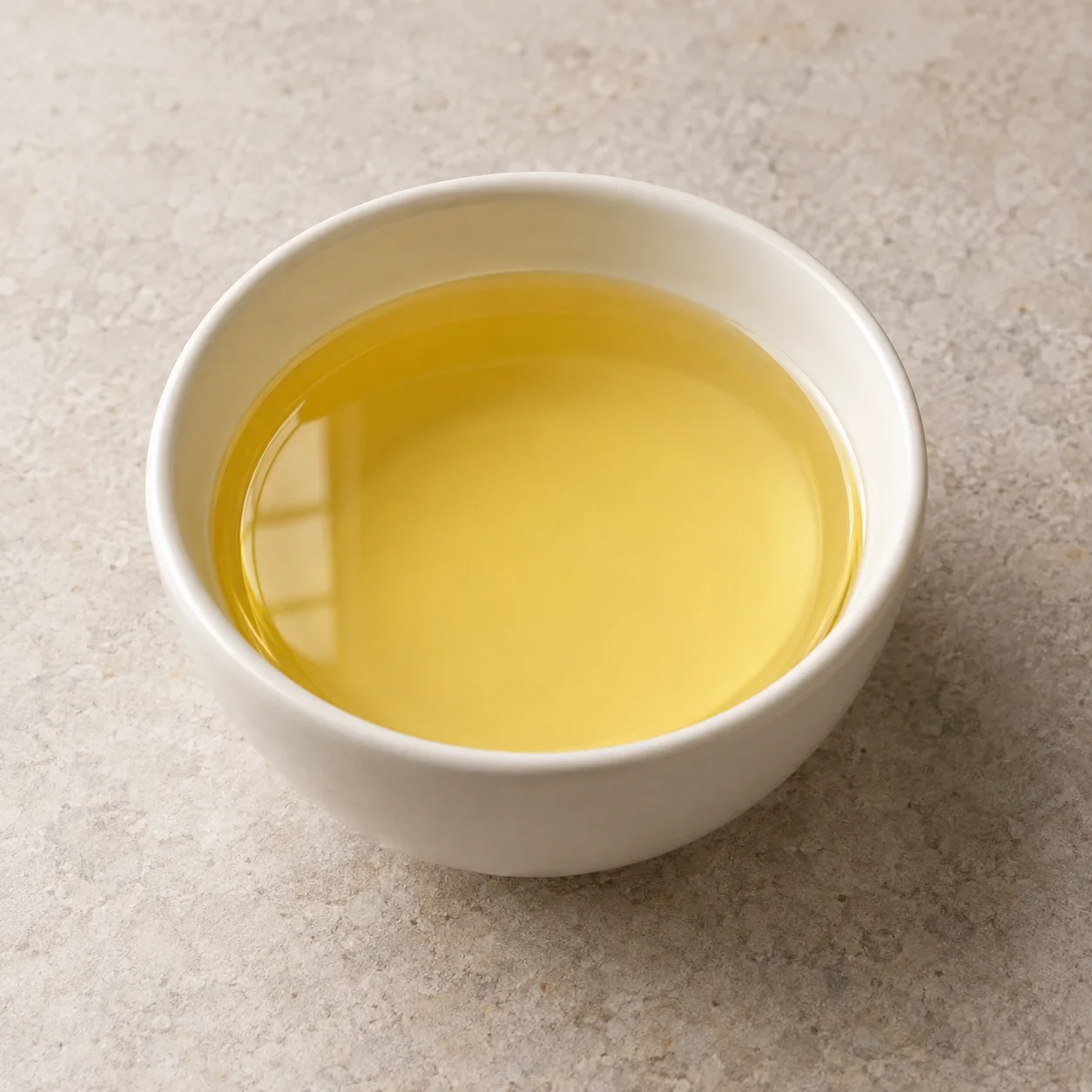
Recipes vary by restaurant.
How does it taste?
Savory mushrooms and greens with a little sweetness and sesame aroma.
- Chili heat
- Texture
- Soft risen dough around moist chopped greens and firmer tofu pieces.
- How it’s made
- Blanched greens are chopped and mixed with cooked mushrooms, tofu, shallot and seasonings. The filling is enclosed in risen wheat dough and steamed.
Fillings and seasonings vary. Some versions use chicken seasoning. Confirm the actual sauce and oil if seeking a vegetarian or vegan bun.
A CONNECTION TO PLACE
Origin & regional roots
Associated with Shanghai.
About this regional connection
Shanghai: Shanghai bokchoy, shiitake and pressed-tofu steamed bun version.
Ask if they have it first
请问你们有什锦素菜包吗?
Do you have this item?
A LITTLE SOMETHING TO READ
Story & history
Shanghai breakfast buns
This account describes a tradition or story, rather than an established historical fact.
Vegetable-filled bao are a familiar Shanghai breakfast. The pale steamed skin encloses a green filling, with mushrooms and tofu adding flavor and texture. “Cai mantou” can mean a filled vegetable bun here, rather than a plain mantou.