
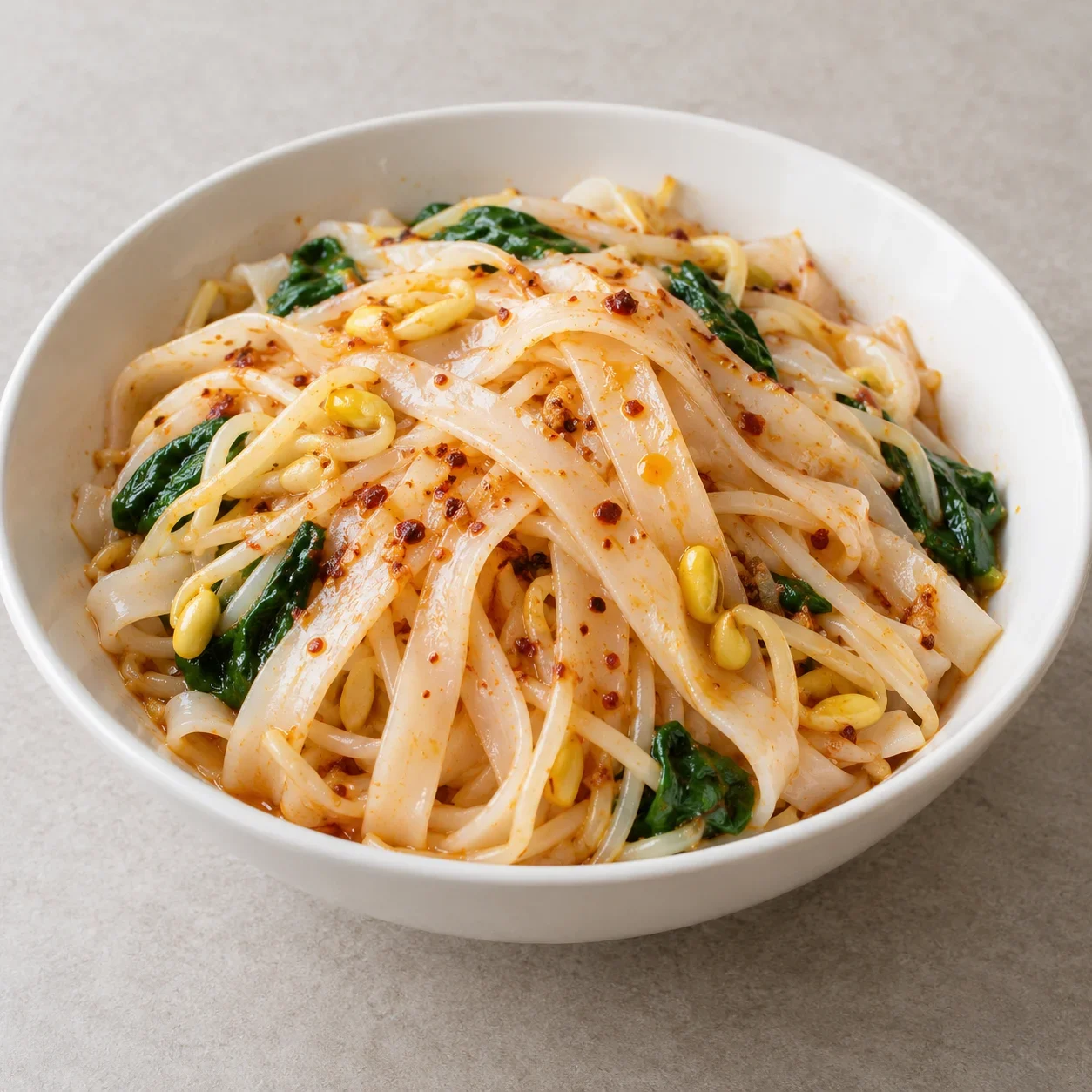
At the table
Toss the strips with the dressing and vegetables before eating. Ask about less chili oil if you prefer milder food.
Chili heat varies. Rice-based sheets do not guarantee a gluten-free or vegan serving; check the sauces, oil and preparation with the kitchen.
GET TO KNOW THE DISH
What goes into it?
Explore some key ingredients below. Preparations may use additional seasonings and ingredients.
Qinzhen rice mipi is generally served cold, and traditional rice-based mipi generally omits wheat gluten.
Typical ingredients
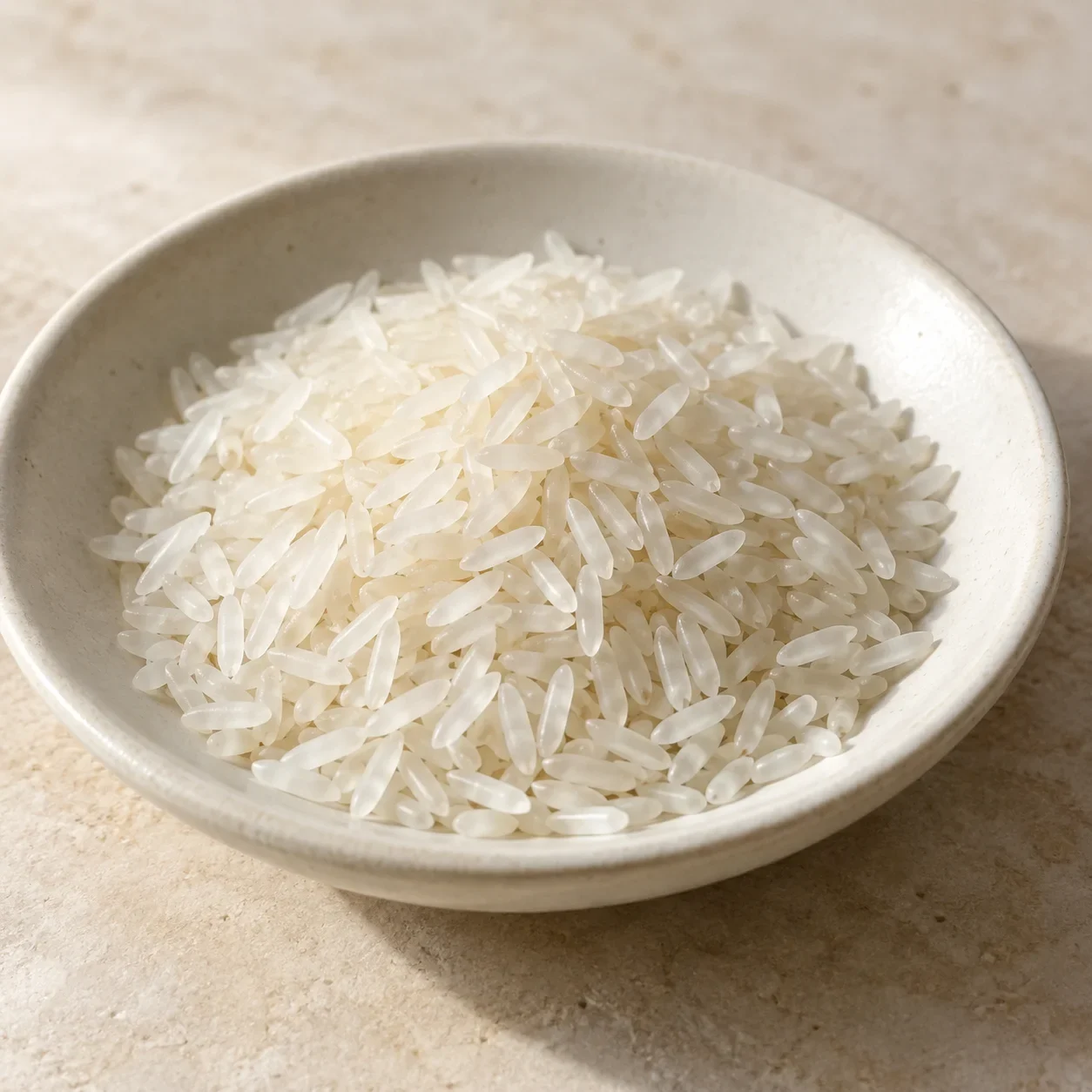
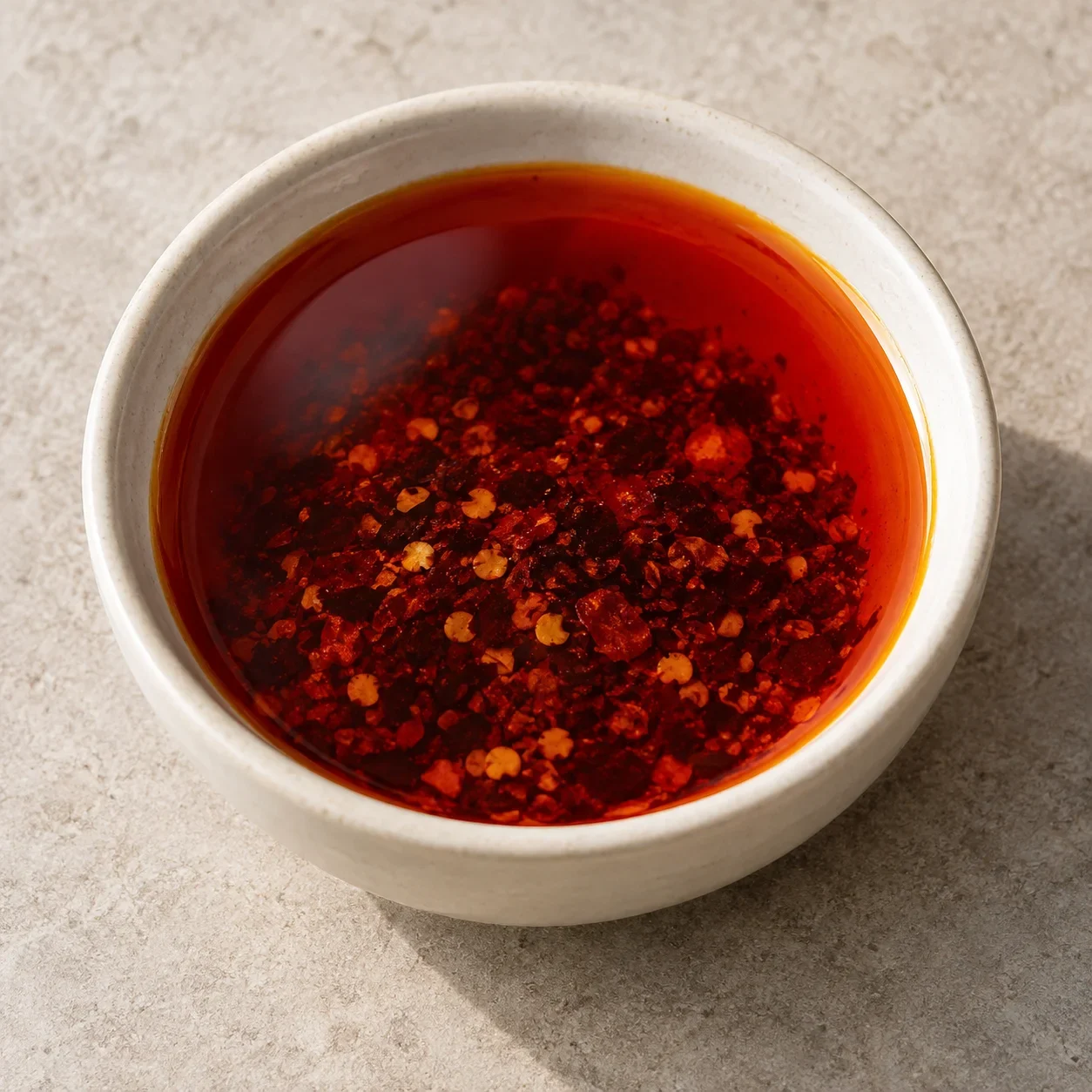
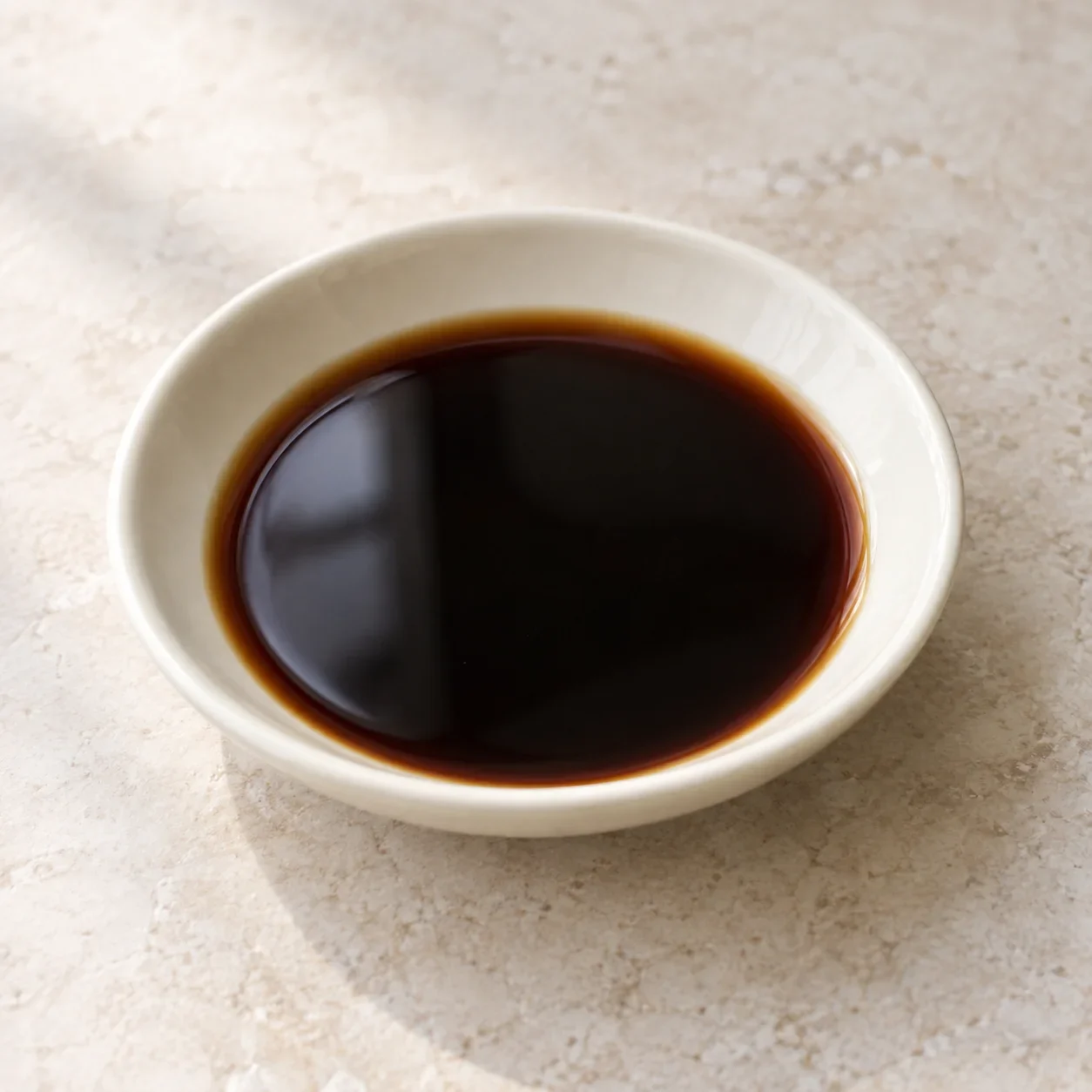

In some versions
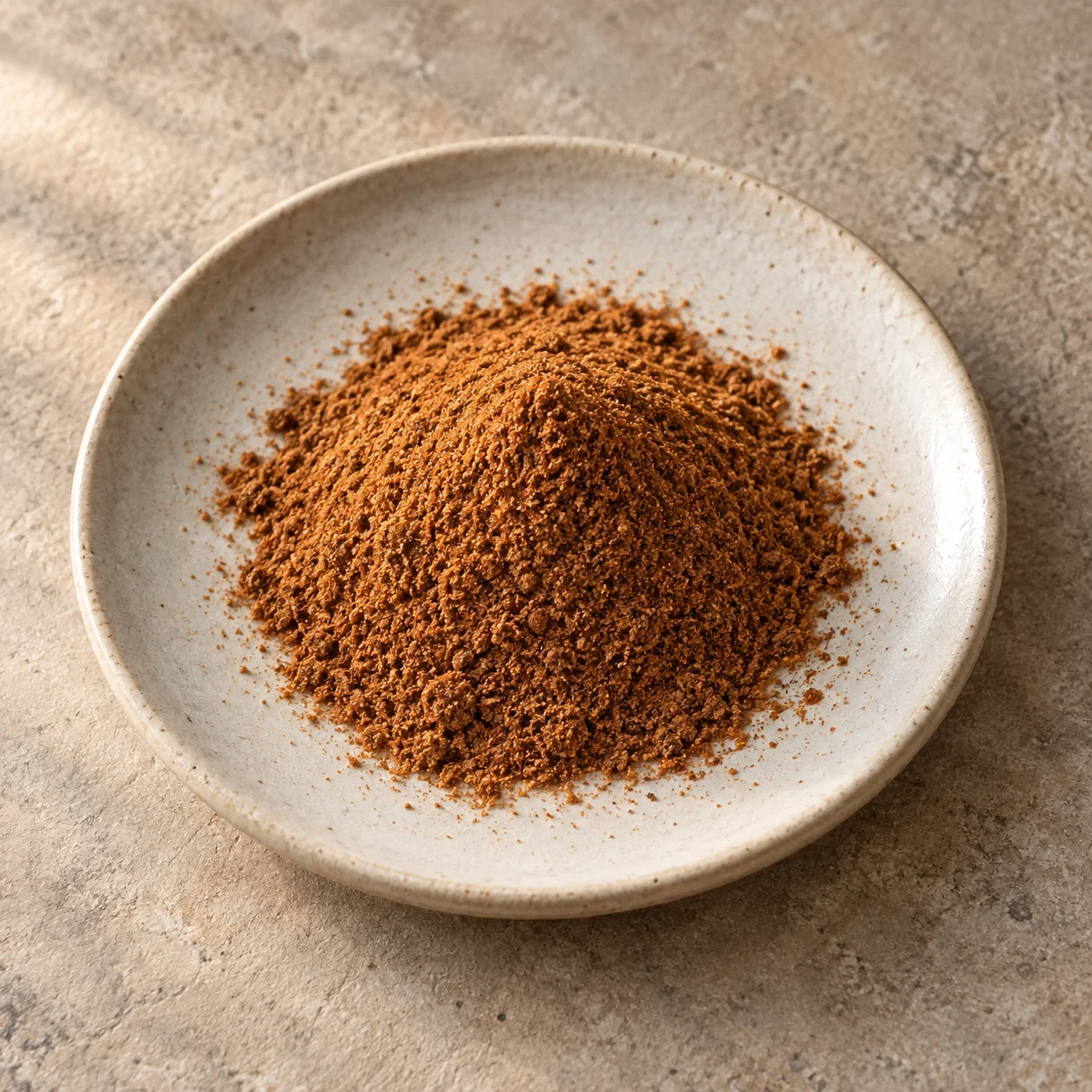
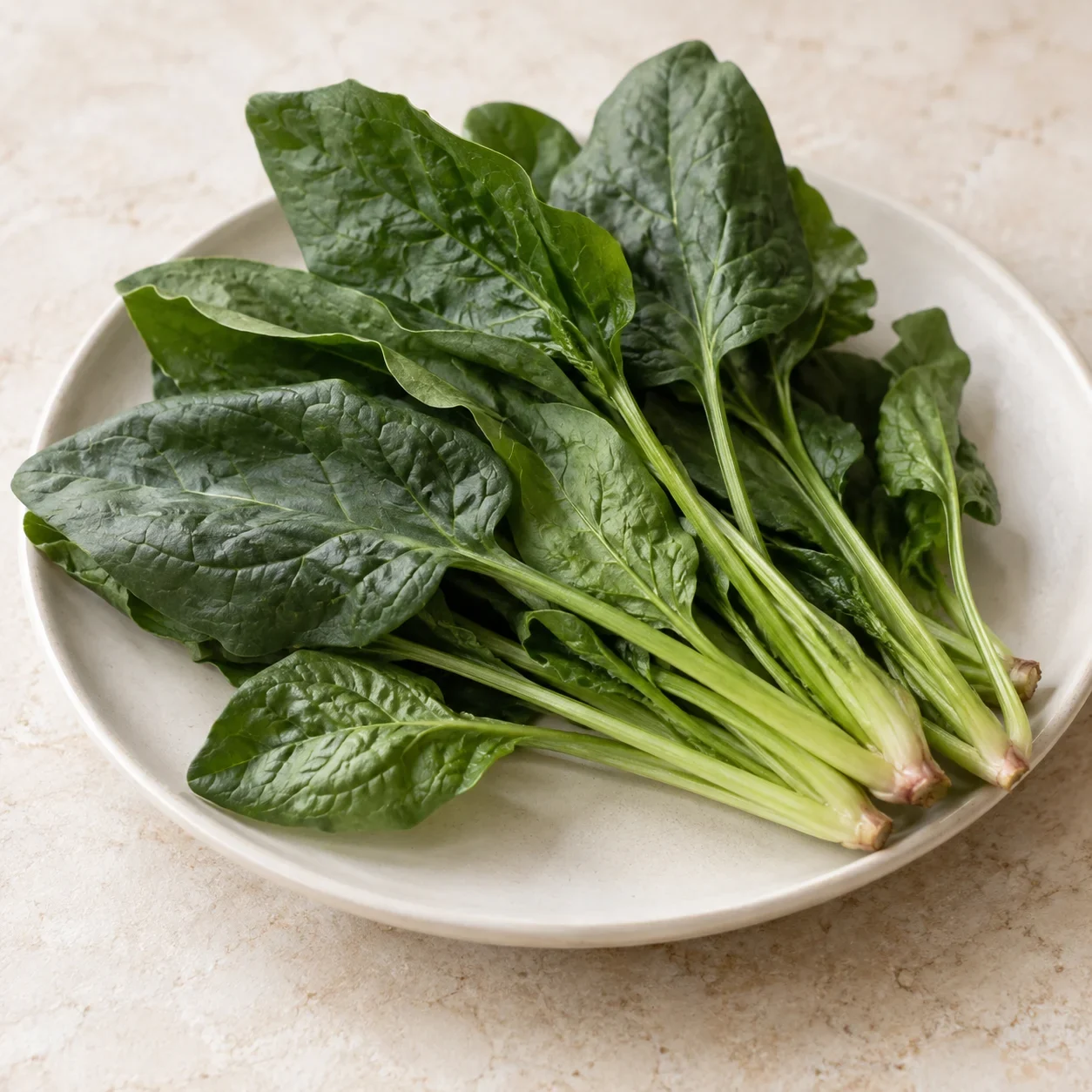
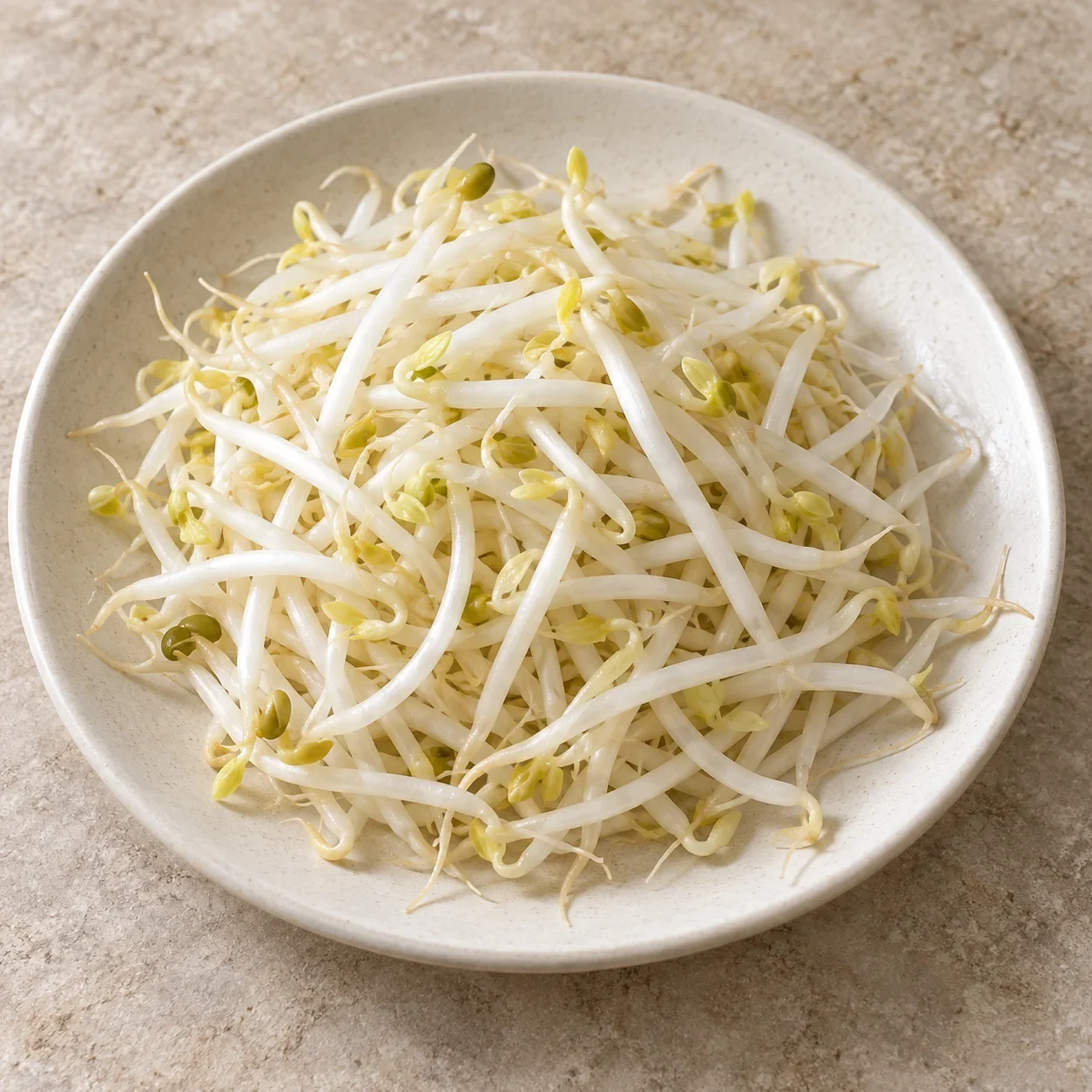
Recipes vary by restaurant.
How does it taste?
Rice aroma with chili oil, vinegar and five-spice seasoning in one serving style.
- Chili heat
- Texture
- Thin, soft, glossy rice sheets cut into strips.
- How it’s made
- Soak and mill rice, sieve the rice flour, mix it with warm water into a batter, and steam thin sheets. Cut the sheets into strips and dress with red chili oil, salt, five-spice seasoning and vinegar; cooked spinach leaves and bean sprouts can accompany them.
Qinzhen rice mipi is generally served cold, and traditional rice-based mipi generally omits wheat gluten.
A CONNECTION TO PLACE
Origin & regional roots
Associated with Shaanxi.
About this regional connection
Shaanxi: Shaanxi cultural-heritage account places Qinzhen rice mipi in the Xi’an Qinzhen area; exclusive origin not asserted.
Ask if they have it first
请问你们有秦镇米面凉皮吗?
Do you have this item?
A LITTLE SOMETHING TO READ
Story & history
Rice sheets in a family of cold noodles
Liangpi covers several kinds of sheet noodles. Qinzhen’s mipi belongs to the rice-based branch: soaked rice is milled and steamed into sheets, without the wheat-washing step used for many flour-based versions. It is generally dressed and eaten cold, with chili oil and vinegar bringing contrast to the gentle rice flavor.