
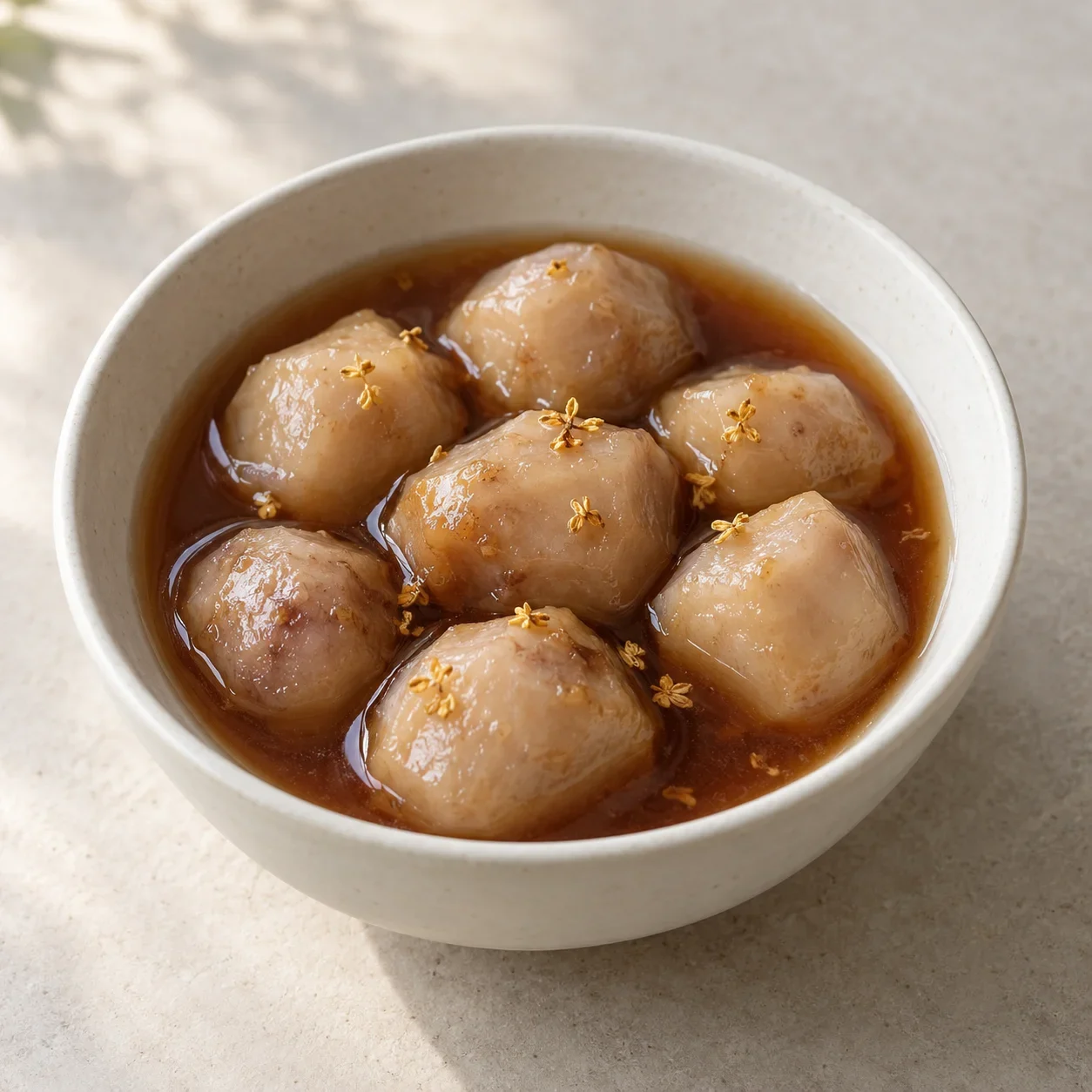
At the table
Use a spoon and let the syrup and taro cool before eating. Break larger pieces into small bites.
This is a sugary dessert. The usual taro, sugar, osmanthus and starch recipe is plant-based; confirm any extra ingredients if you have dietary restrictions.
Cool thoroughly and cut or mash the taro into pieces the child can manage. Offer a small portion; sweetness and softness alone do not make it suitable for every child.
Recipes vary. Ask the restaurant about ingredients and serving before you order.
GET TO KNOW THE DISH
What goes into it?
Explore some key ingredients below. Preparations may use additional seasonings and ingredients.
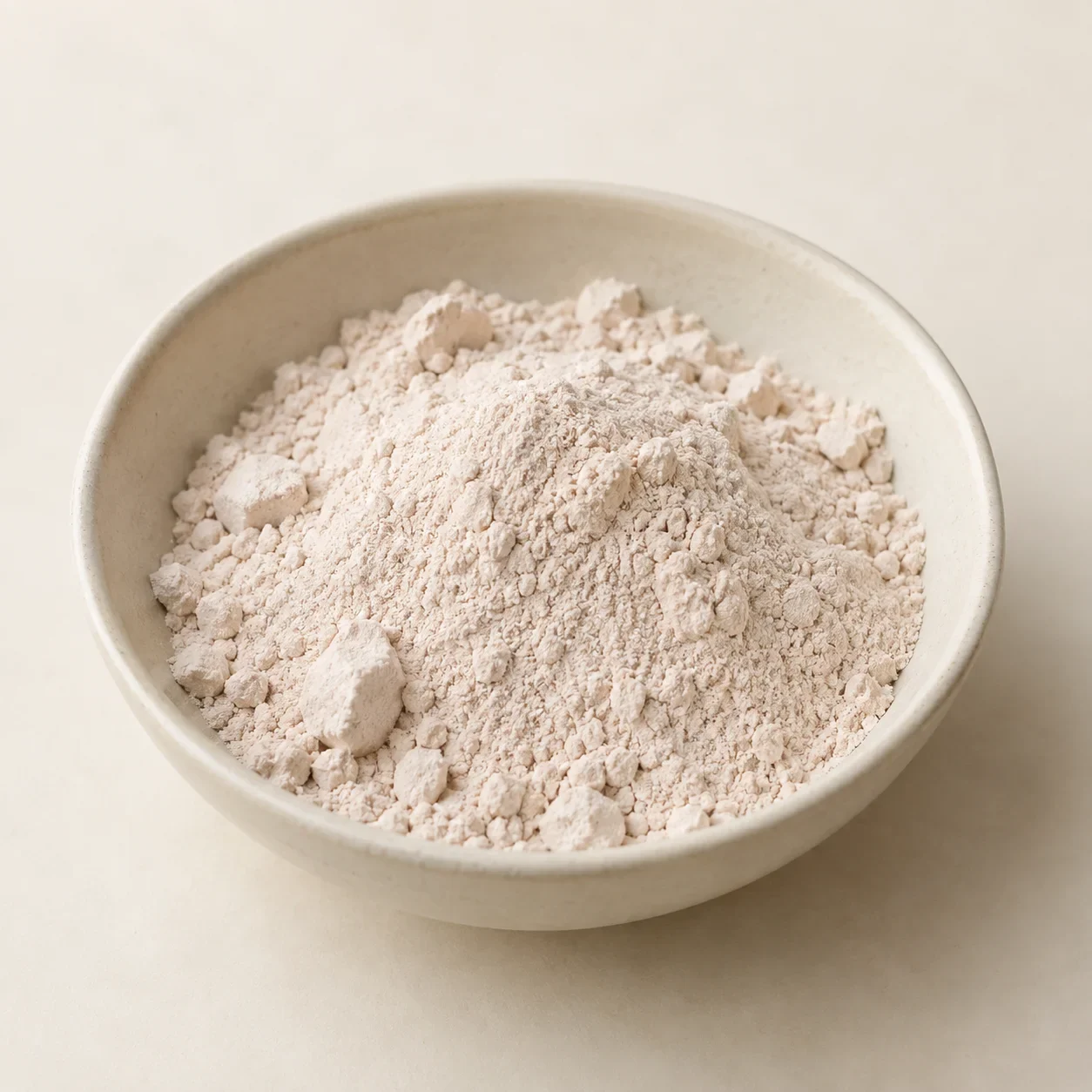
White sugar, rock sugar or brown sugar may be used; culinary alkali is optional. Lotus-root starch thickens the syrup.
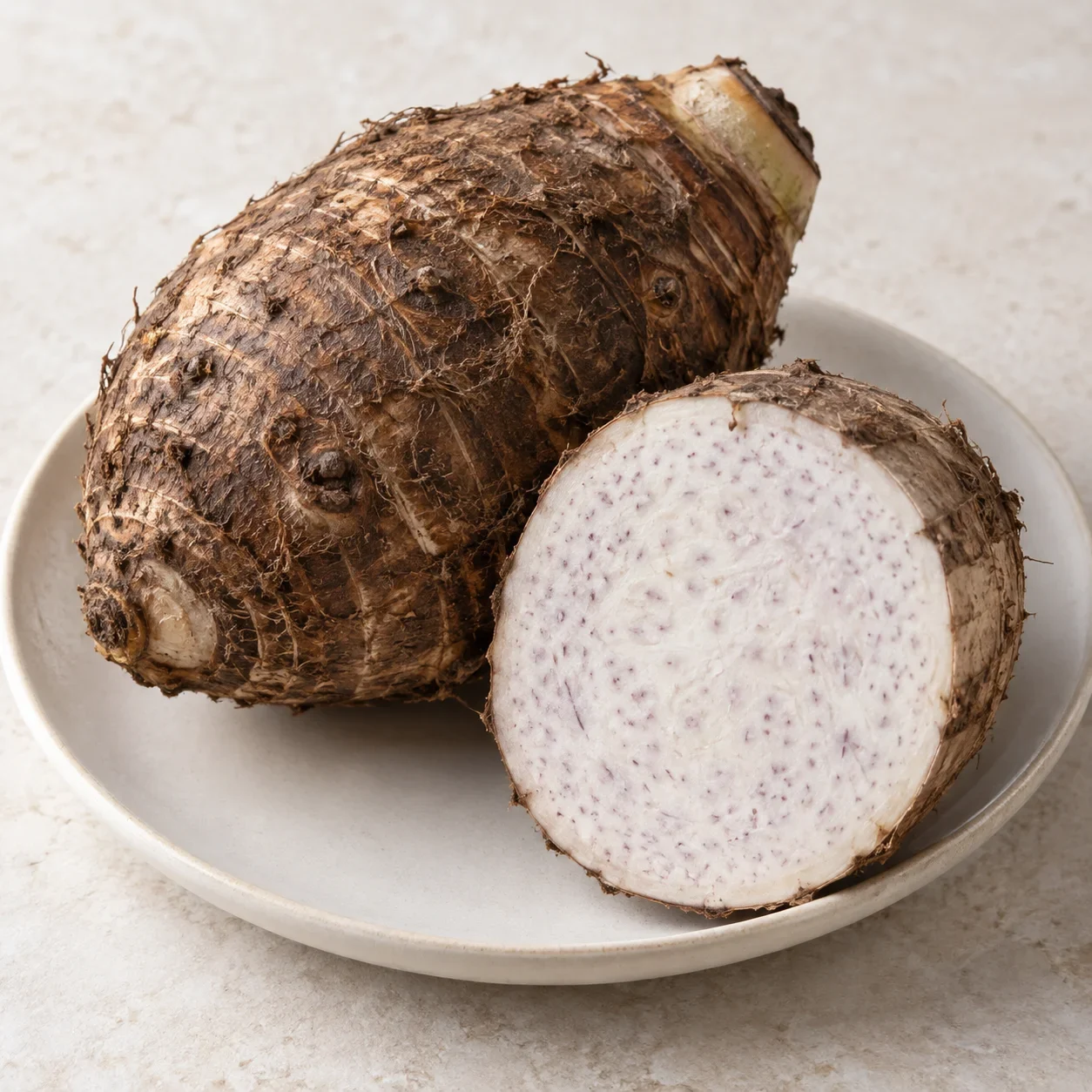
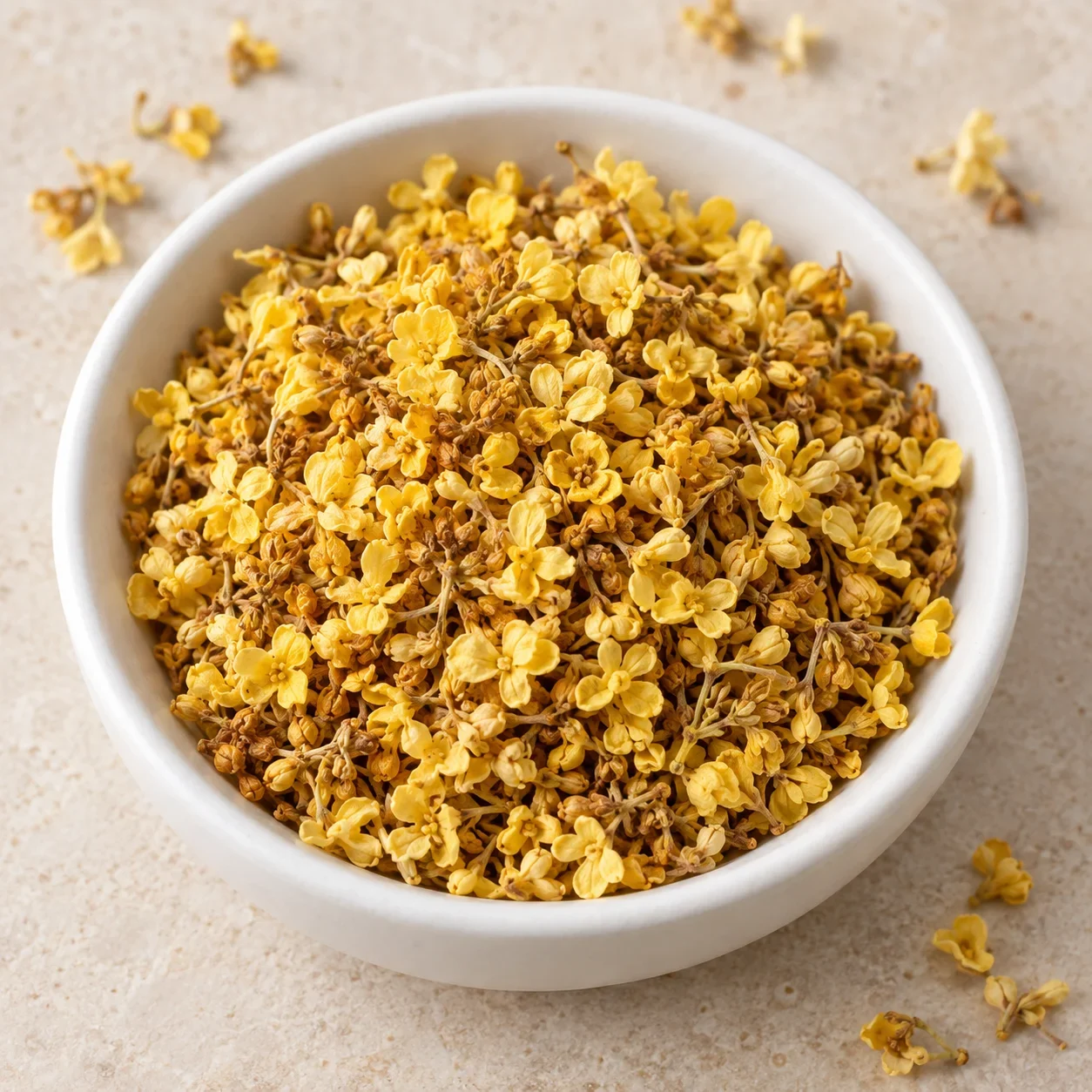
Typical ingredients

In some versions
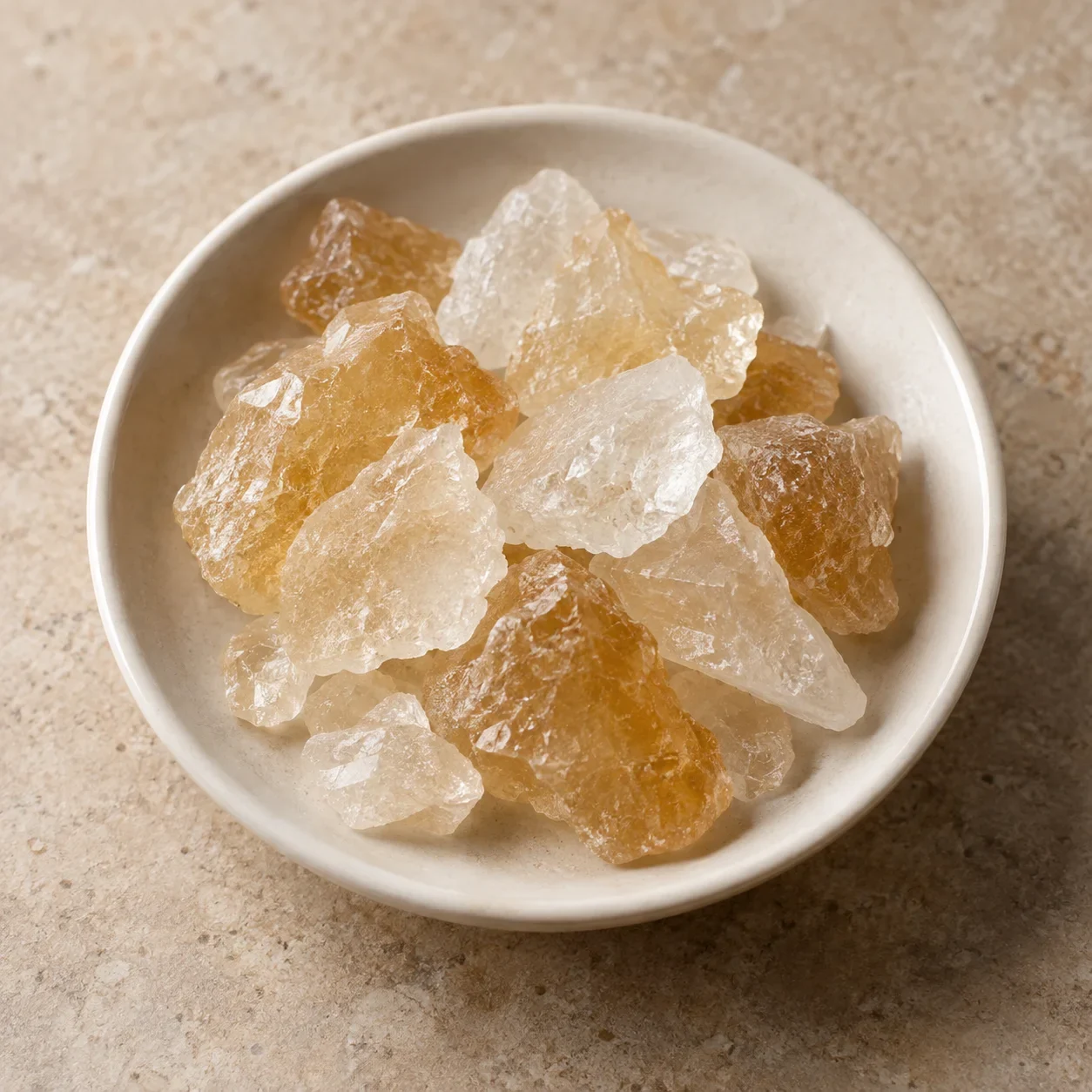
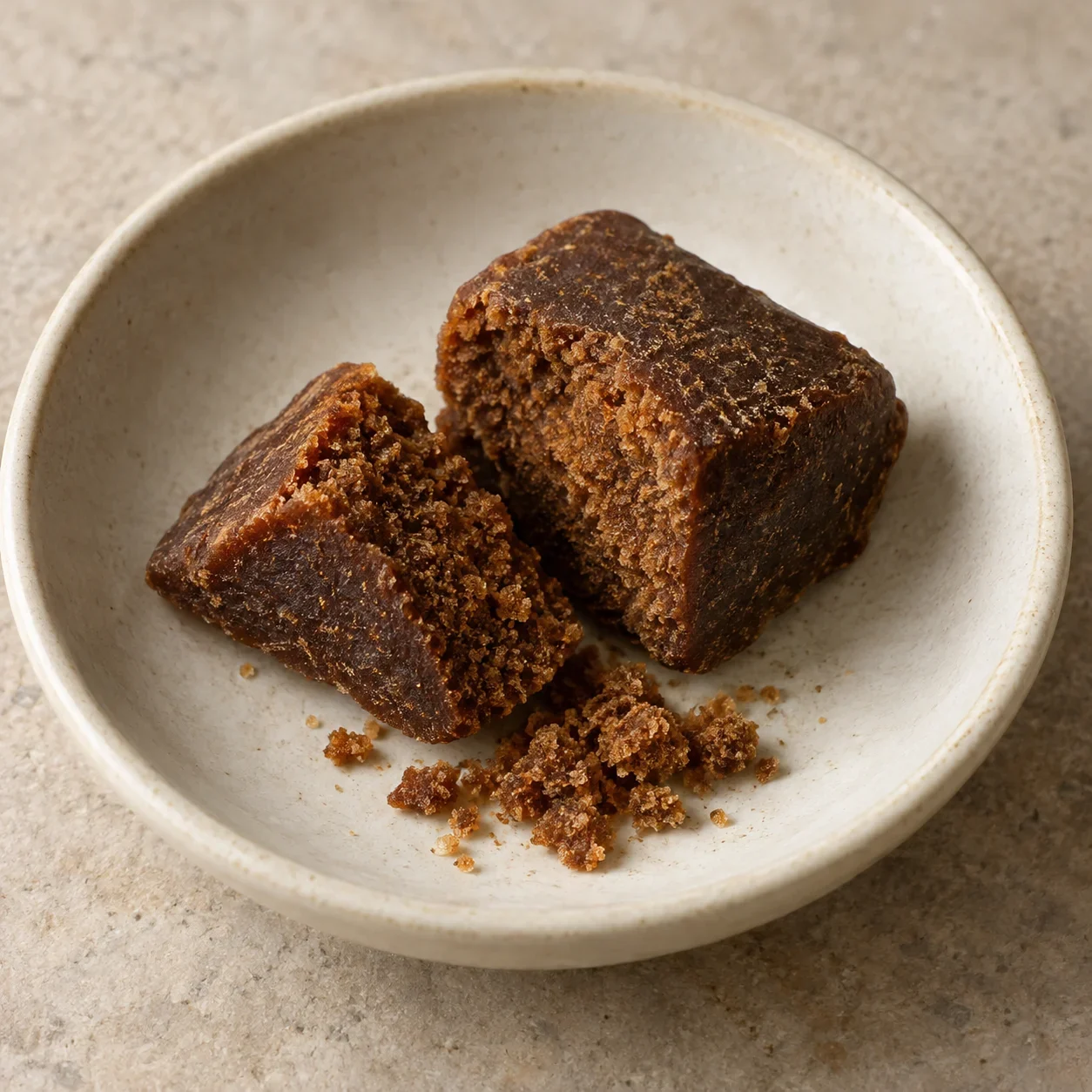
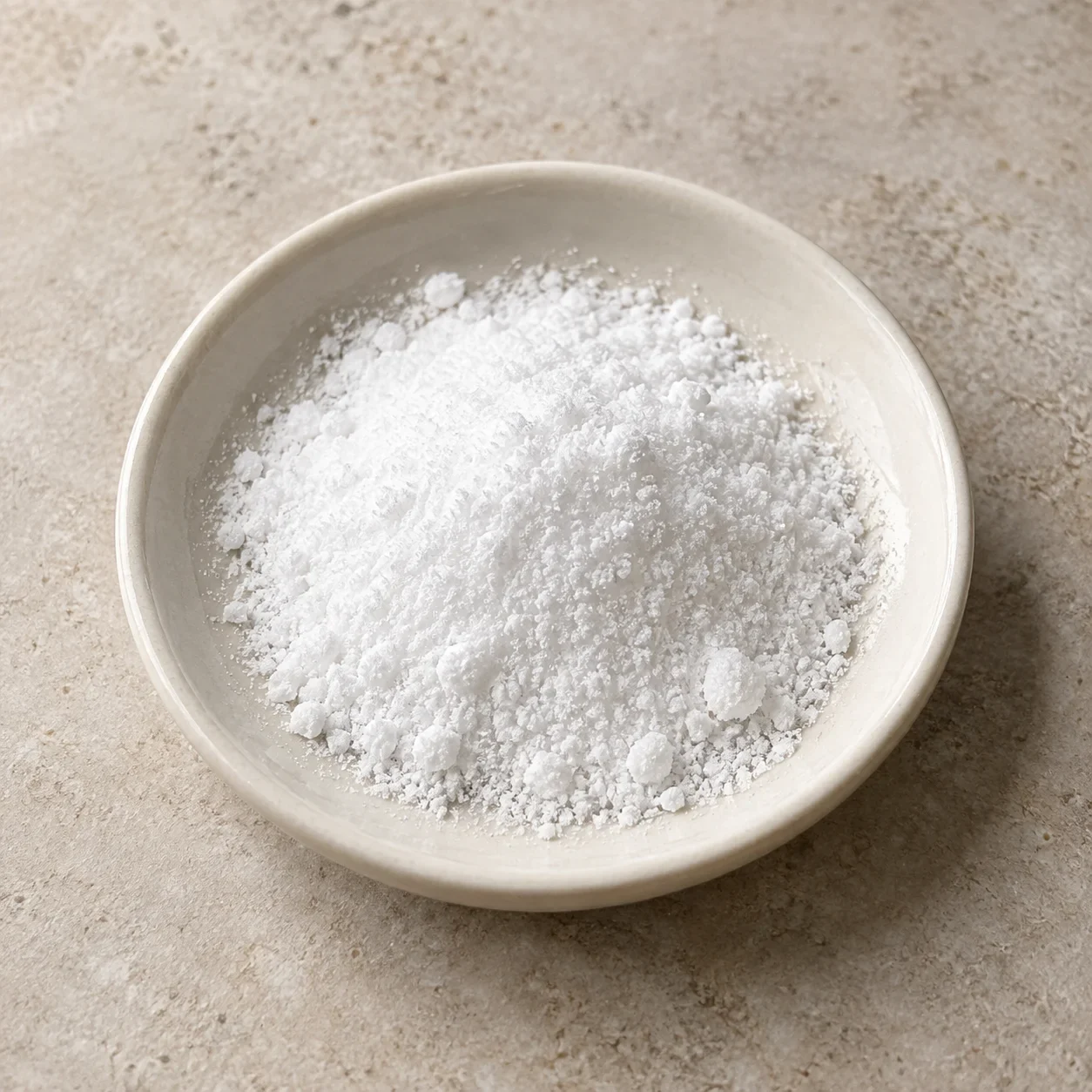
Recipes vary by restaurant.
How does it taste?
Sweet osmanthus fragrance over soft taro; syrup may taste lightly caramel from brown sugar.
- Chili heat
- Texture
- Soft, yielding taro pieces in a thick, glossy sweet sauce.
- How it’s made
- Peel small taro corms, leaving them whole or cutting them into pieces. Boil or steam, then simmer in sugar syrup until fully tender. Culinary alkali may be used for color. Stir in lotus-root starch mixed with cold water to thicken, then finish with sugared osmanthus.
White sugar, rock sugar or brown sugar may be used; culinary alkali is optional. Lotus-root starch thickens the syrup.
A CONNECTION TO PLACE
Origin & regional roots
Associated with Jiangsu.
About this regional connection
Jiangsu: Associated with Nanjing street sweets; not exclusive-origin monopoly.
Ask if they have it first
请问你们有糖芋苗吗?
Do you have this item?
A LITTLE SOMETHING TO READ
Story & history
A sweet bowl from Nanjing streets
Sweet taro belongs to Nanjing’s tradition of sweets sold by the bowl. It recalls itinerant vendors ladling hot taro into customers’ own bowls. The small taro corms, rather than leafy seedlings, become tender with cooking, while osmanthus gives the syrup its floral aroma and lotus-root starch adds a glossy body.