
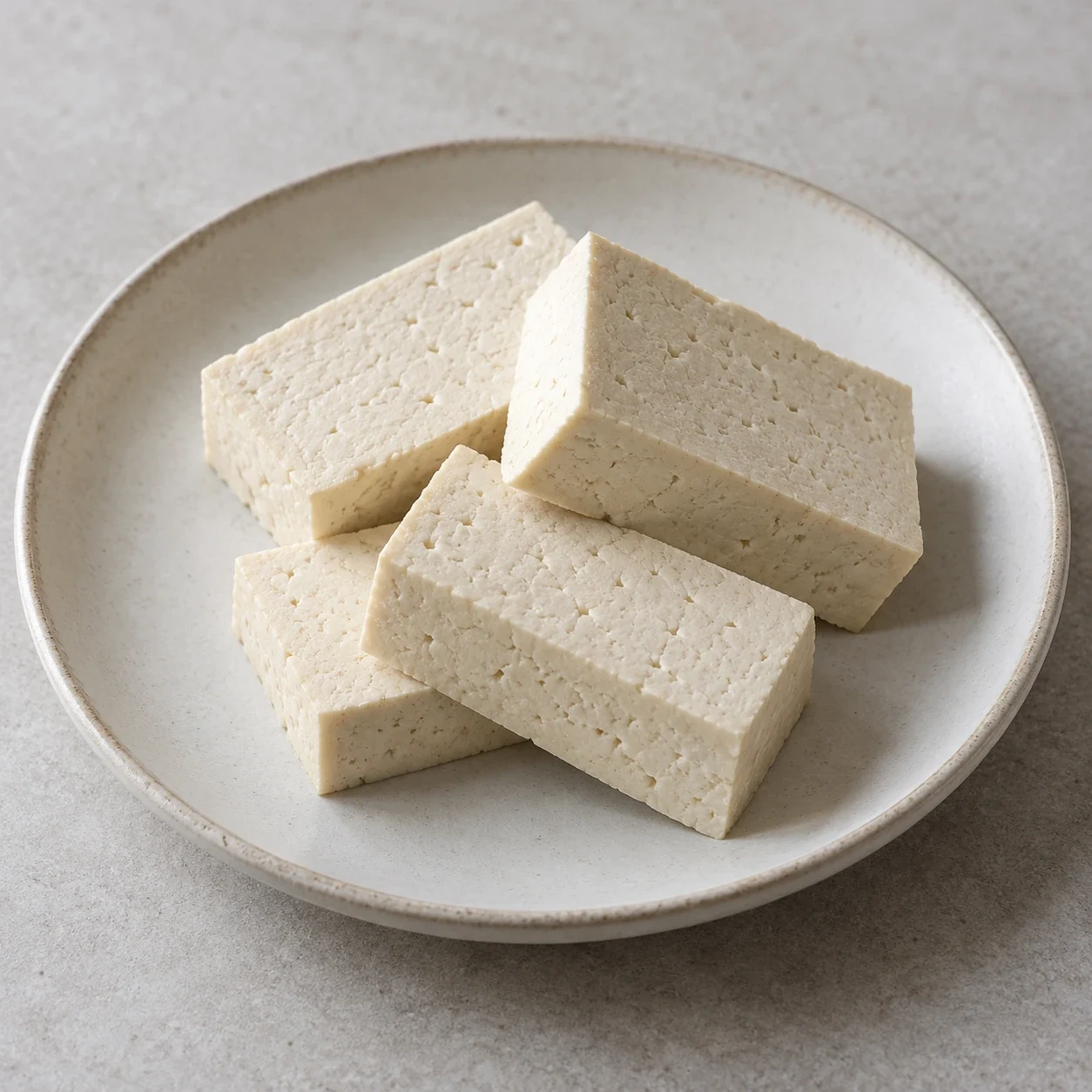
At the table
Try a small piece plain first. Use chopsticks or a spoon; if thick soy sauce is offered, dip lightly rather than covering the bean flavor.
Contains soy. Fresh tofu may be hot; dipping sauces may add wheat or other allergens.
This is the plain tofu. Soybean varieties and firmness vary; sauces and further cooking are separate choices.
GET TO KNOW THE DISH
What goes into it?
Explore some key ingredients below. Preparations may use additional seasonings and ingredients.
This is the plain tofu. Soybean varieties and firmness vary; sauces and further cooking are separate choices.
Typical ingredients
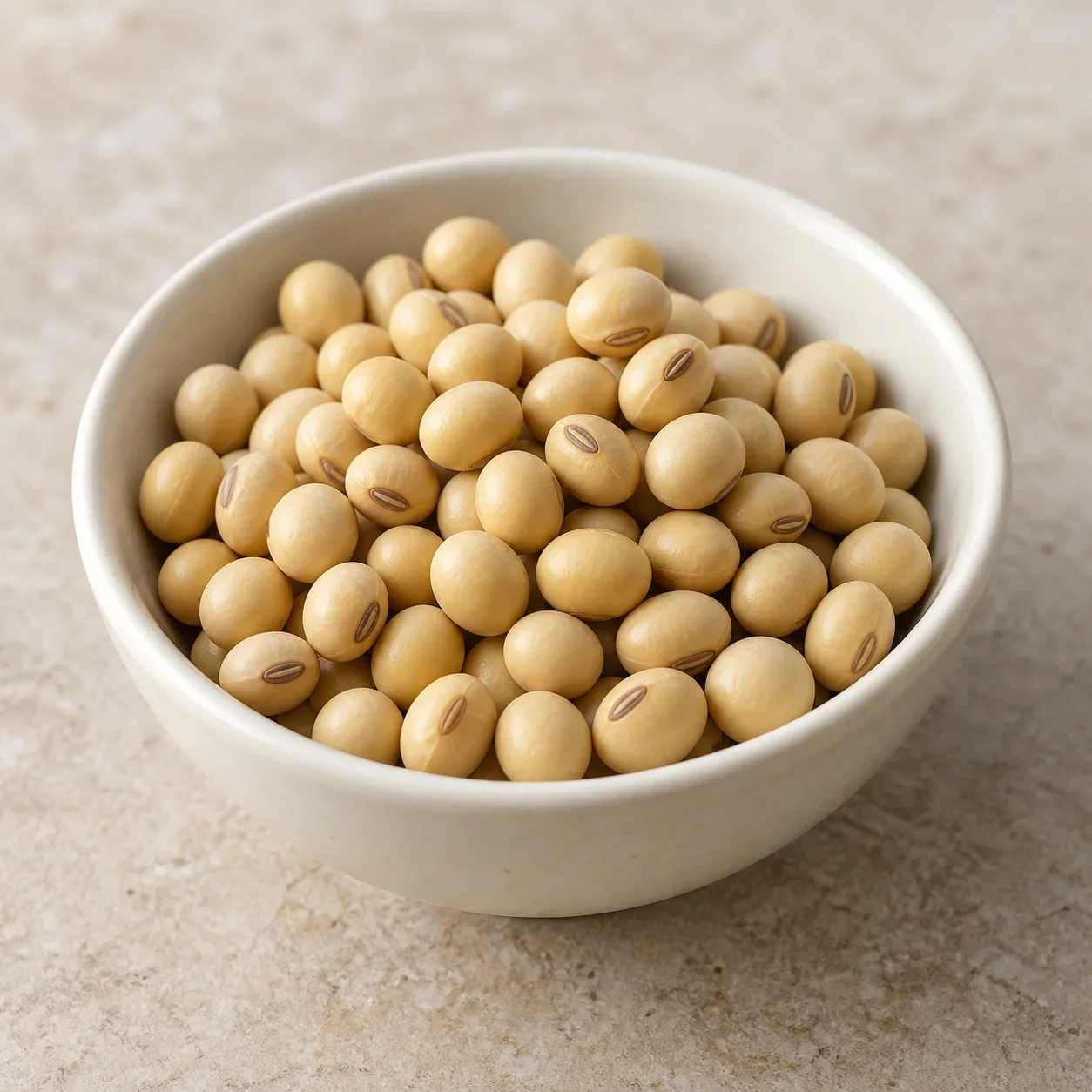
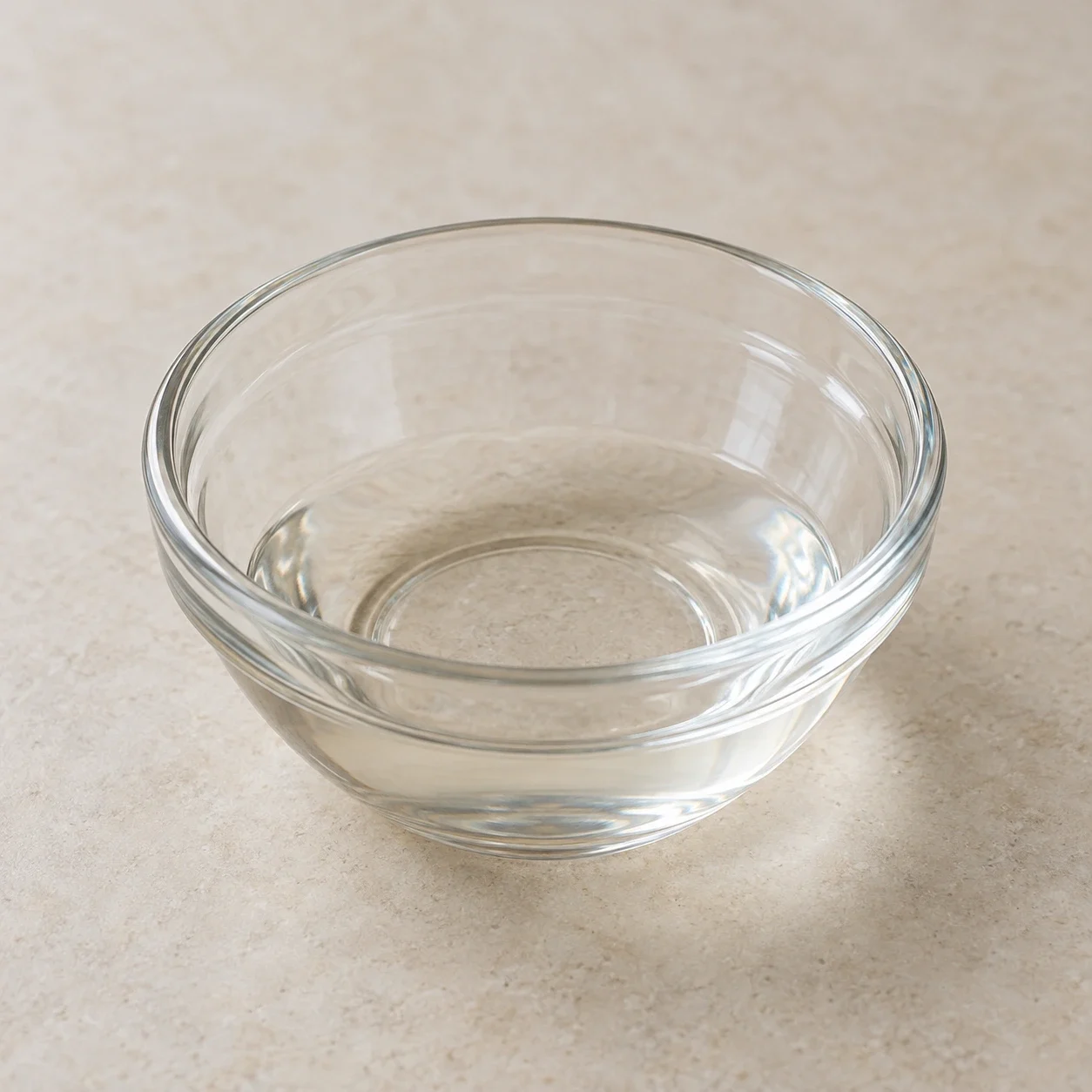
In some versions
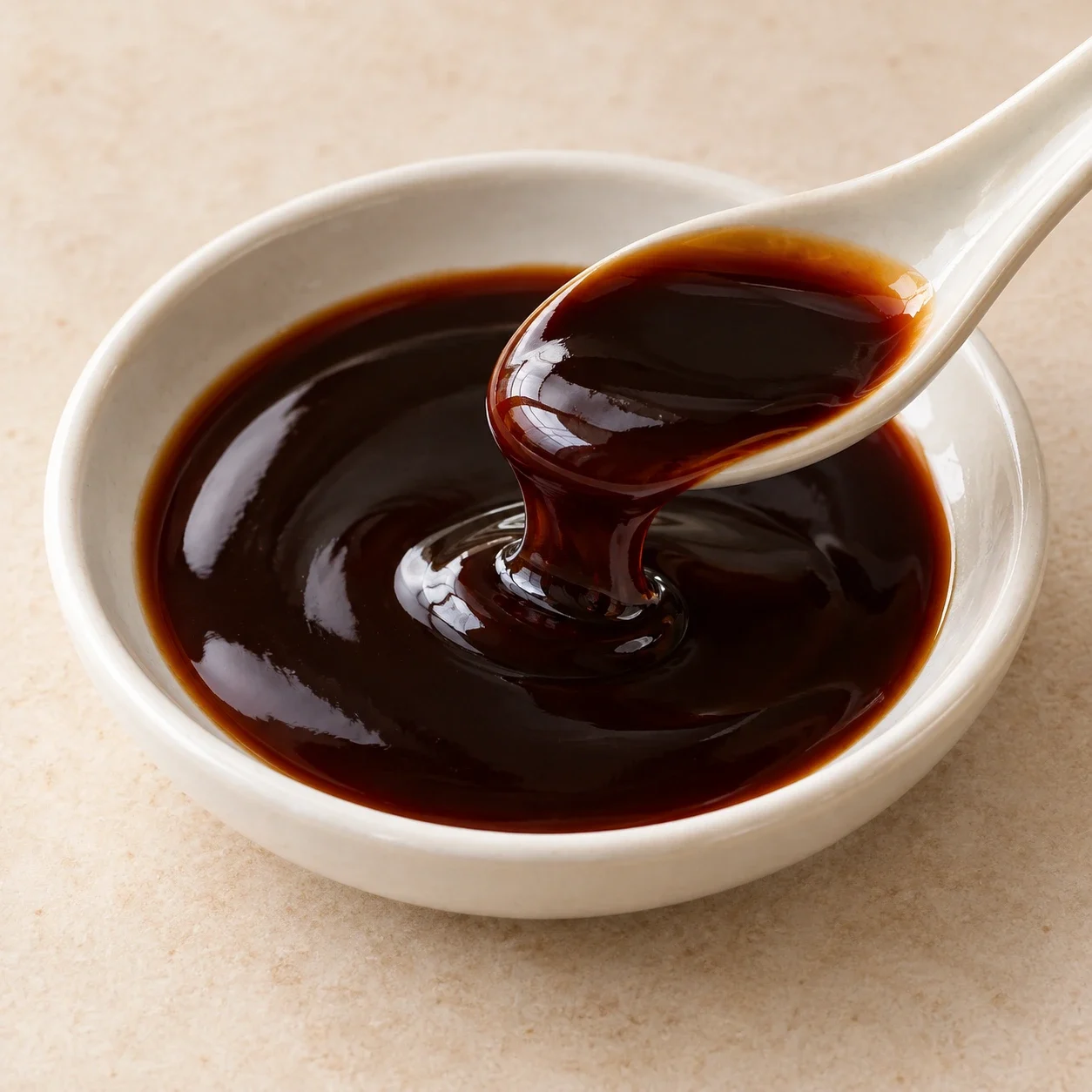
Recipes vary by restaurant.
How does it taste?
Mild soybean flavor with a faint saltiness.
- Chili heat
- Texture
- Dense, moist and slightly springy.
- How it’s made
- Cooked, filtered soy milk is curdled with clarified and heated local mineral brine, then pressed.
This is the plain tofu. Soybean varieties and firmness vary; sauces and further cooking are separate choices.
A CONNECTION TO PLACE
Origin & regional roots
Its origins are linked to Taiwan.
About this regional connection
Taiwan: Luoshan village, Fuli, Hualien; prepared local mineral-brine coagulant.
Ask if they have it first
请问你们有羅山泥火山豆腐吗?
Do you have this item?
A LITTLE SOMETHING TO READ
Story & history
A local landscape in a tofu-making tradition
This account describes a tradition or story, rather than an established historical fact.
Luoshan villagers used local mineral brine to make tofu at home. The practice later became part of village agricultural experiences, linking soybean growing, grinding and pressing. “Mud volcano” names the coagulant’s source, not a muddy topping.