
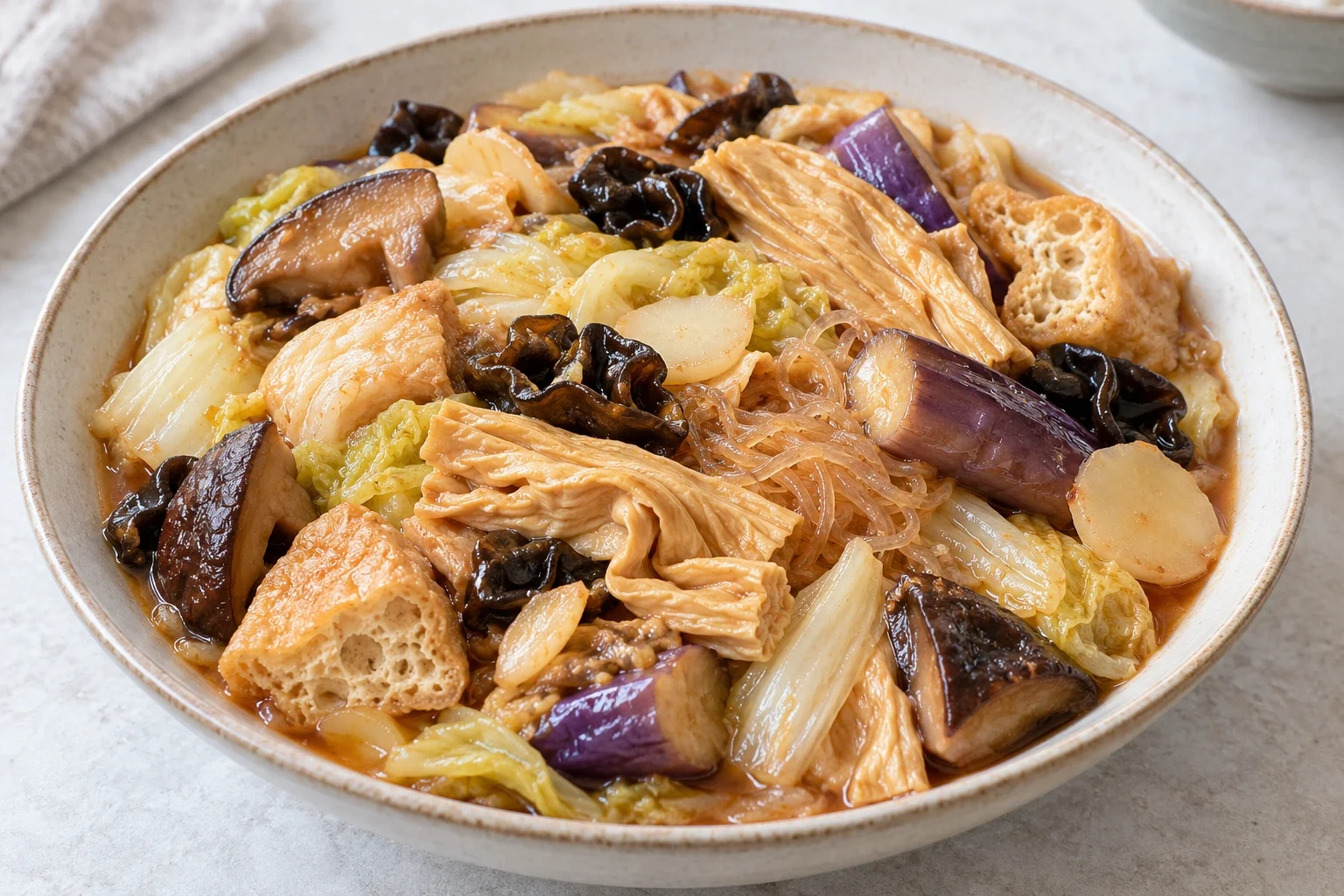
At the table
Share with rice; lift a mixture of vegetables and noodles to enjoy the contrasting textures.
Contains soy and sesame. Sauces may contain wheat; versions with oyster sauce contain molluscs. Cooking wine is used.
Vegetarian and vegan status is unconfirmed for this variable version; ask about oyster sauce, stock and oil.
GET TO KNOW THE DISH
What goes into it?
Explore some key ingredients below. Preparations may use additional seasonings and ingredients.
Ingredients vary by household. Oyster sauce is optional in this version; confirm the sauce and oil rather than relying on the name.
Typical ingredients
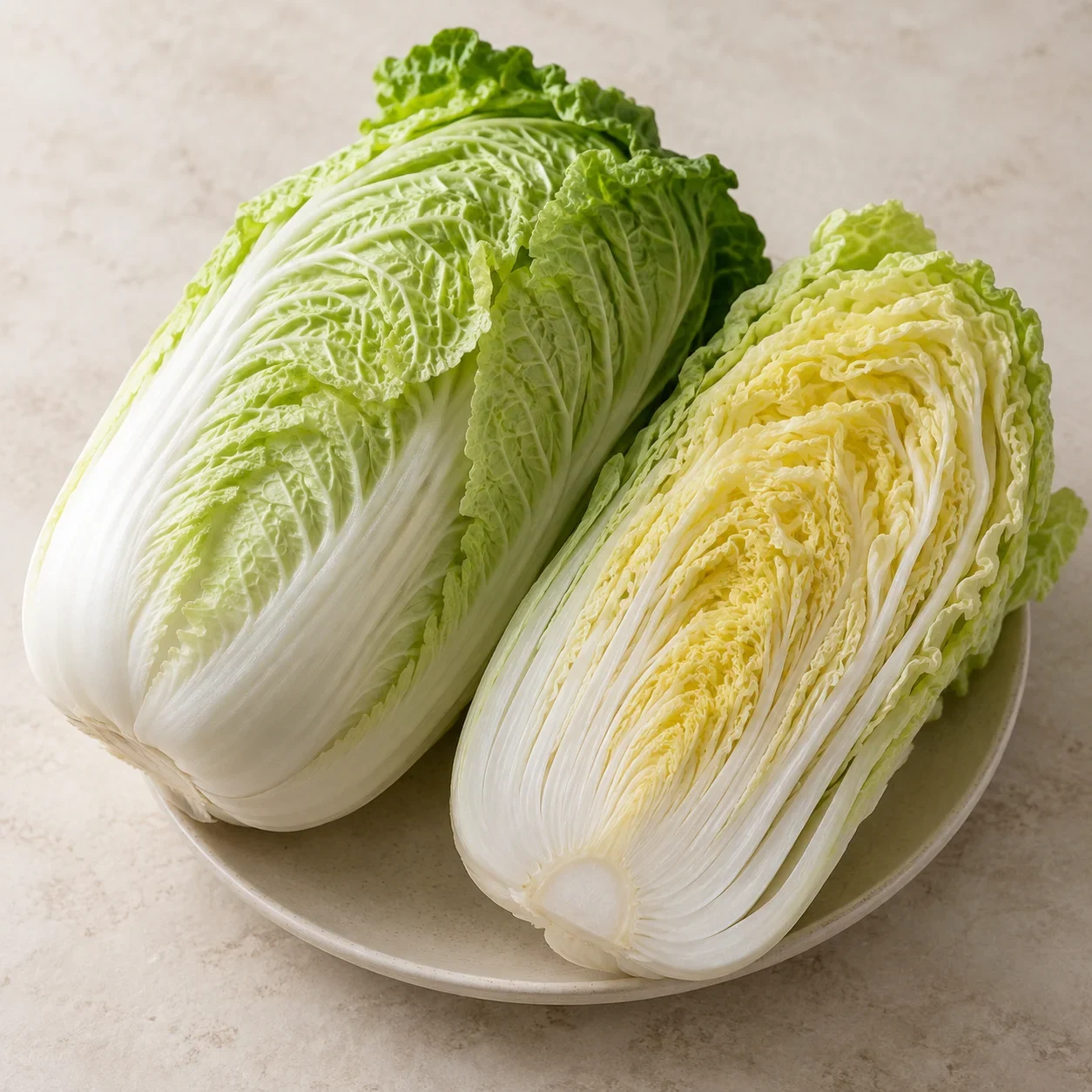
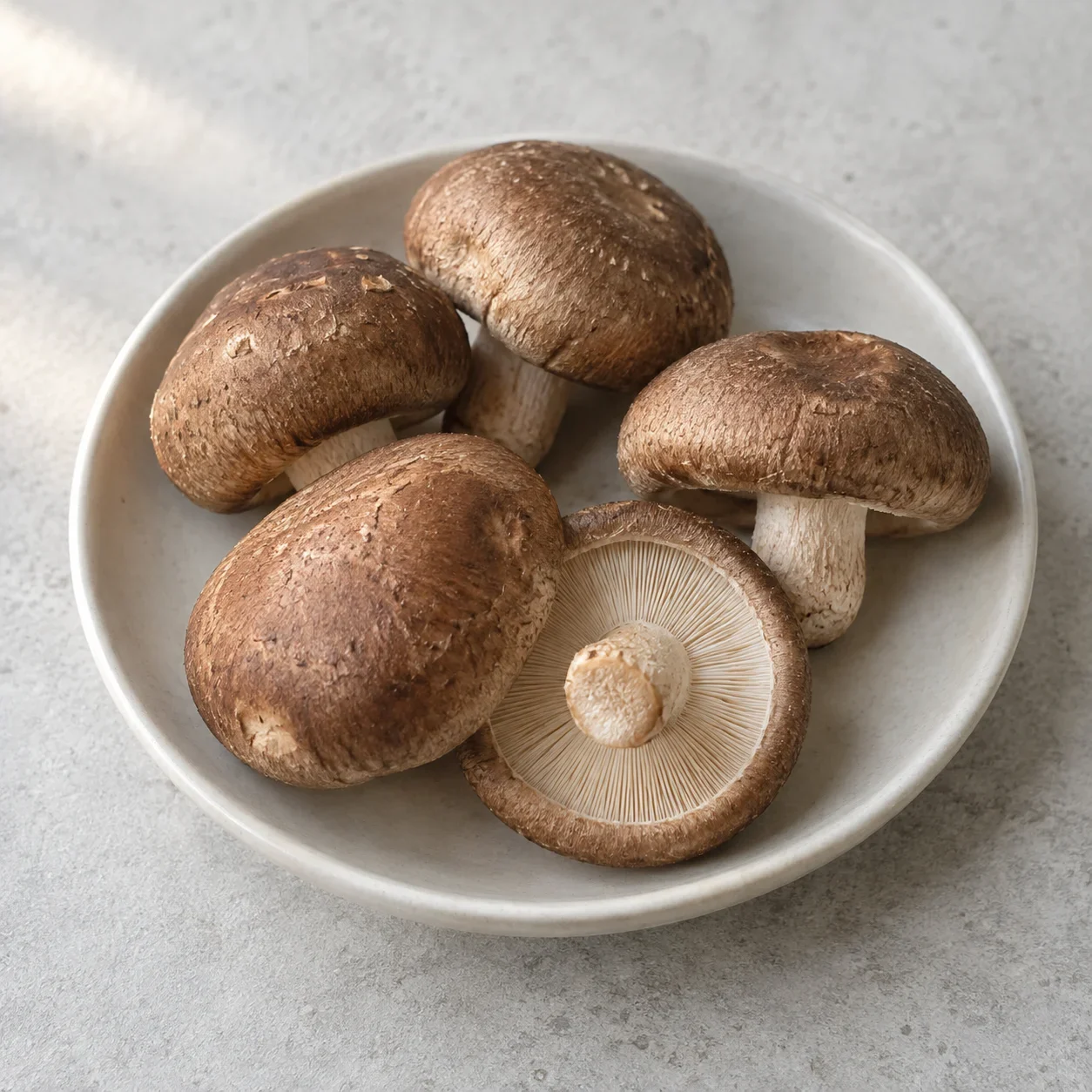
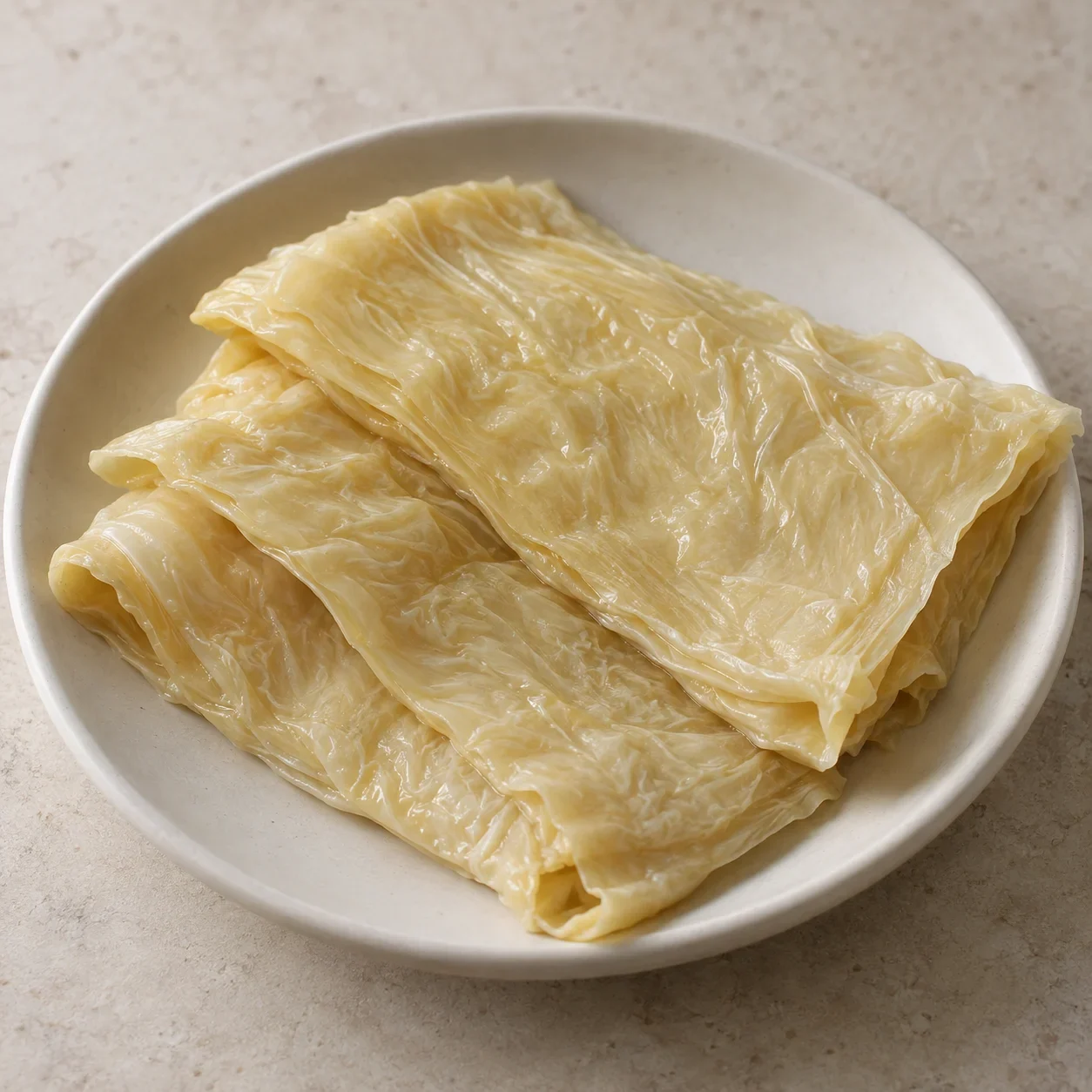
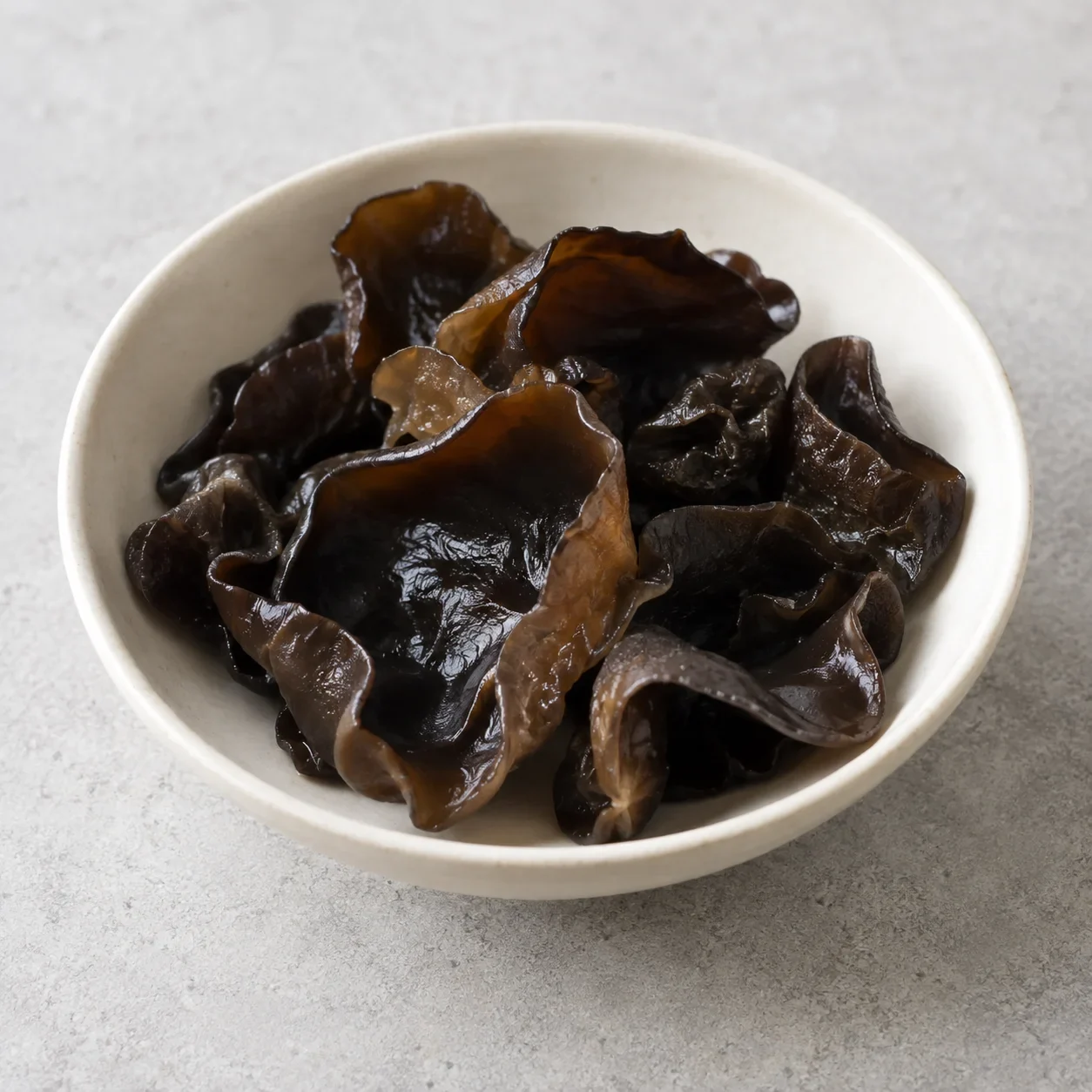
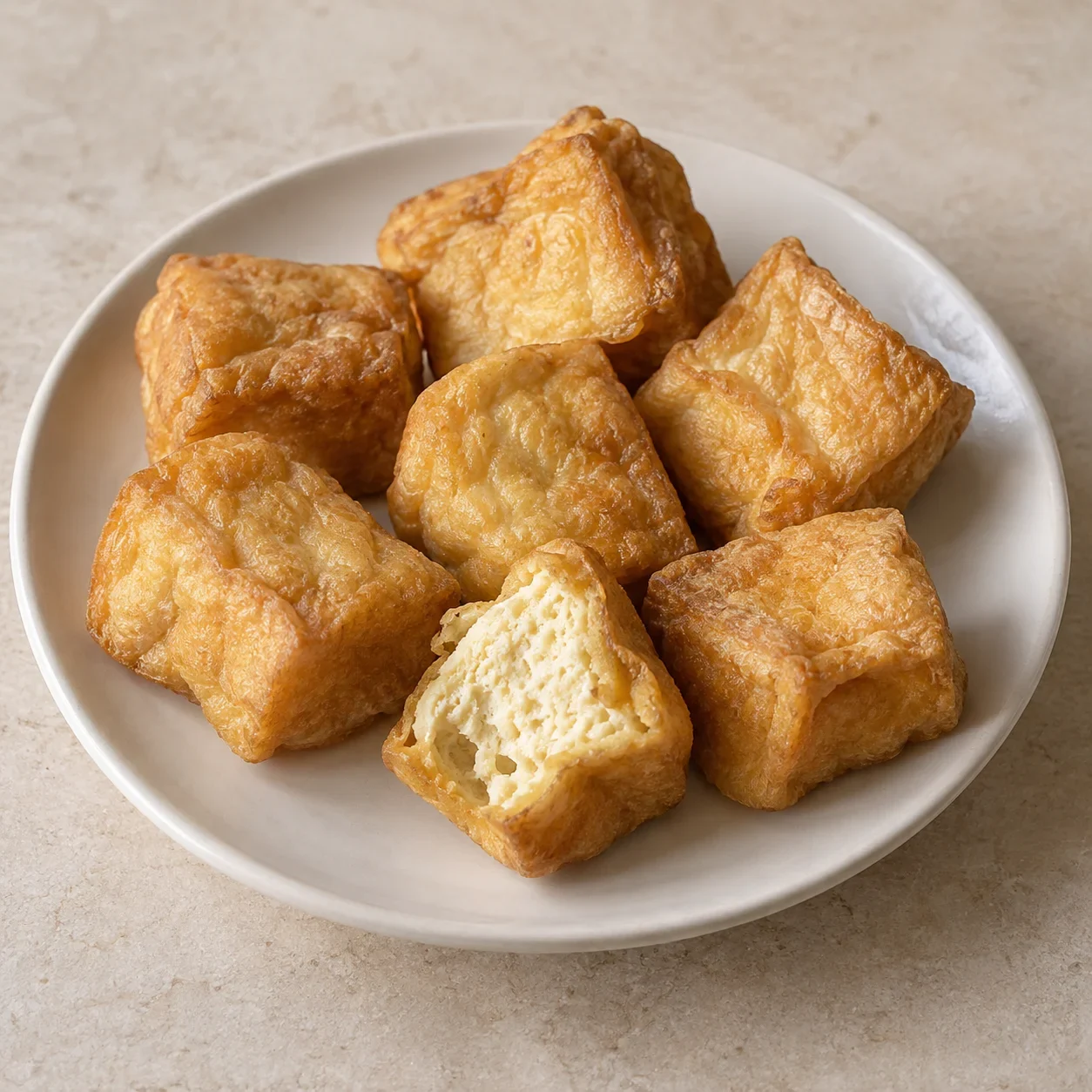
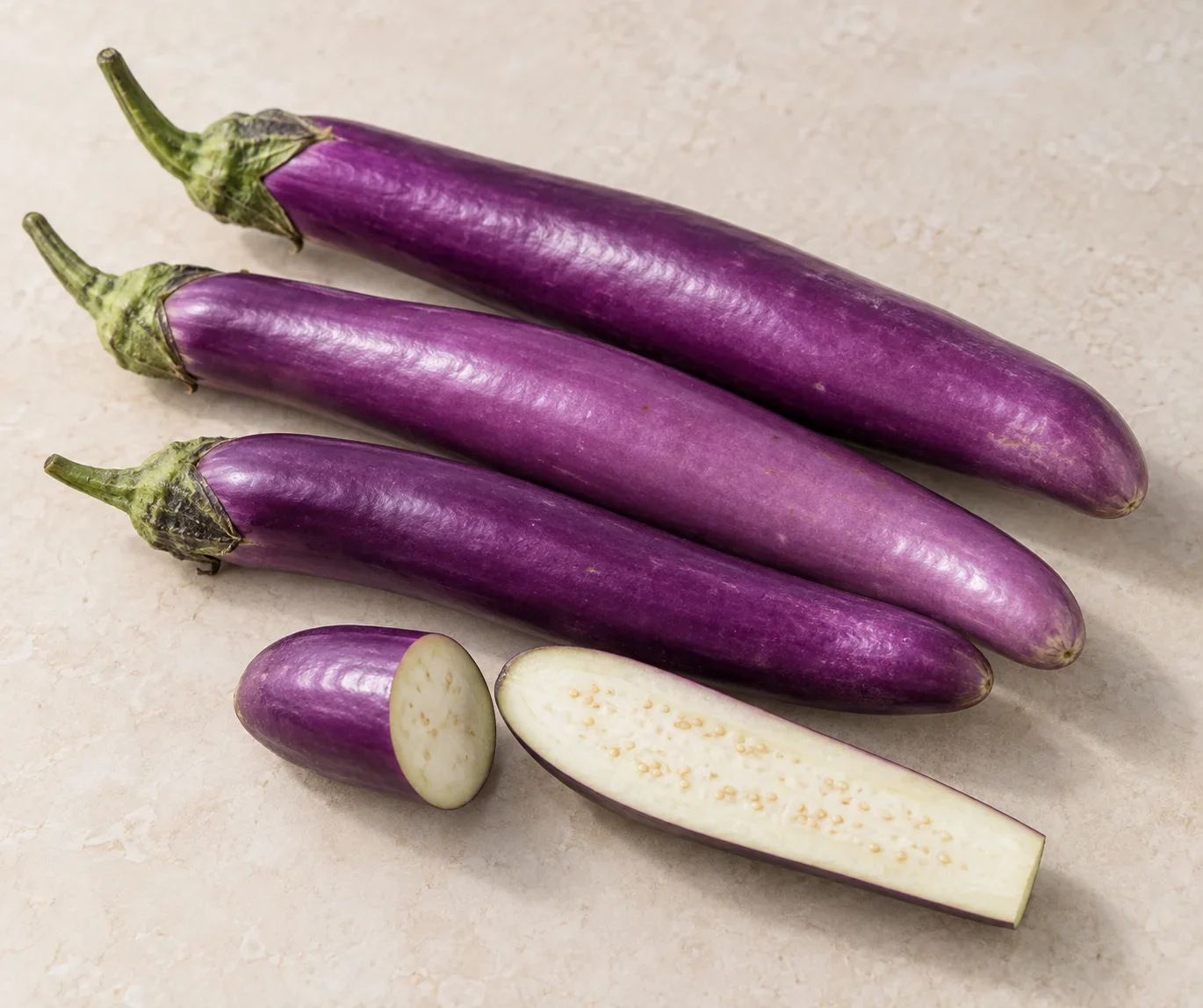
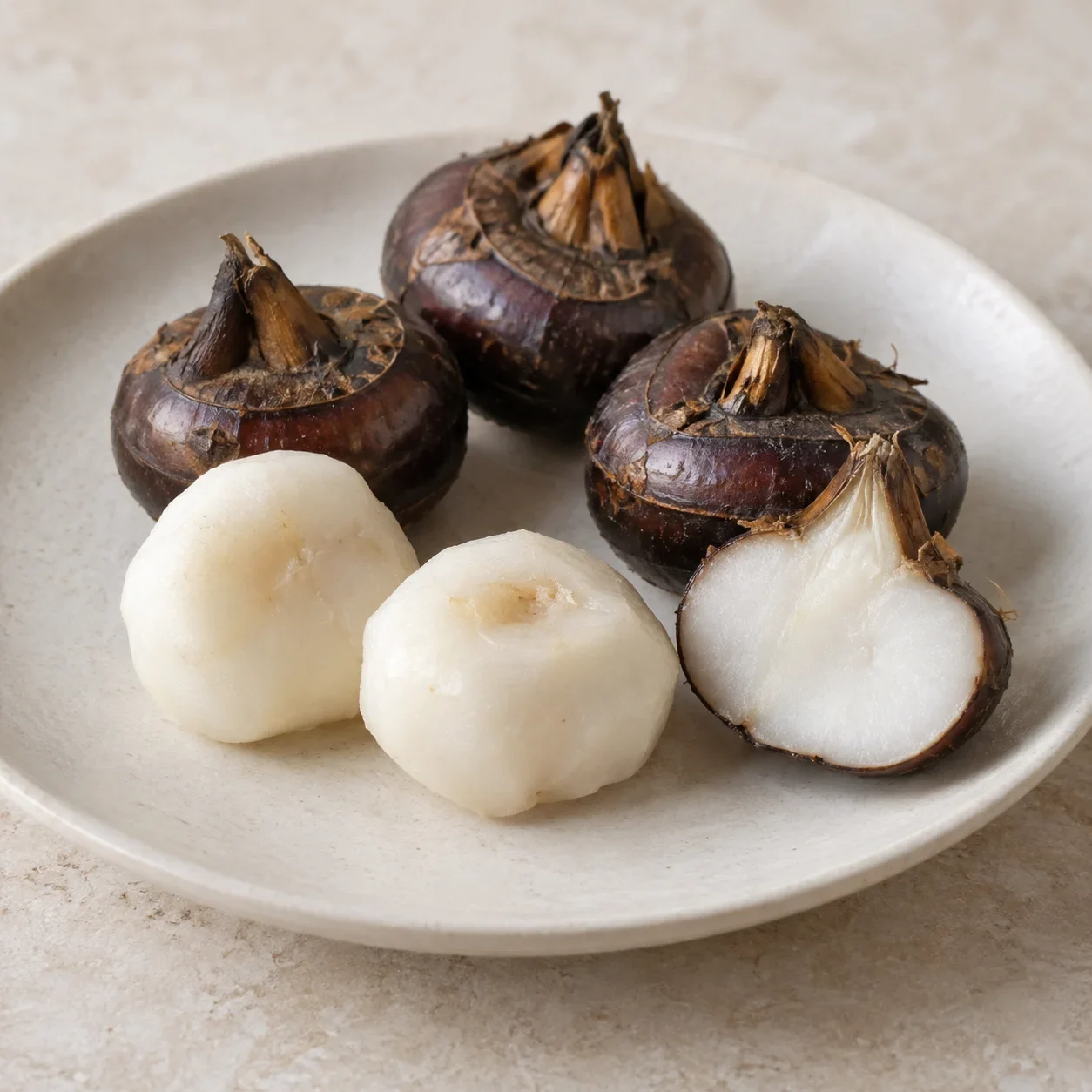
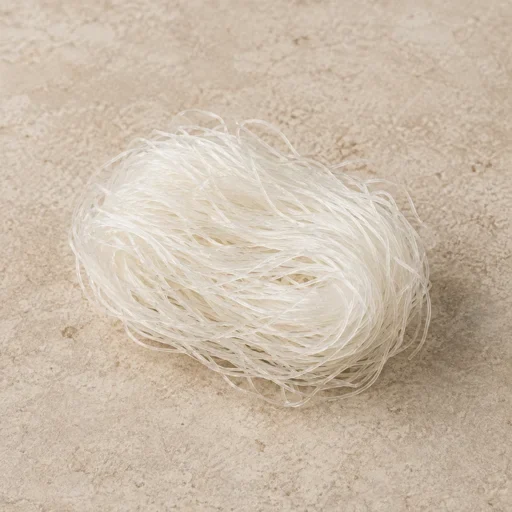
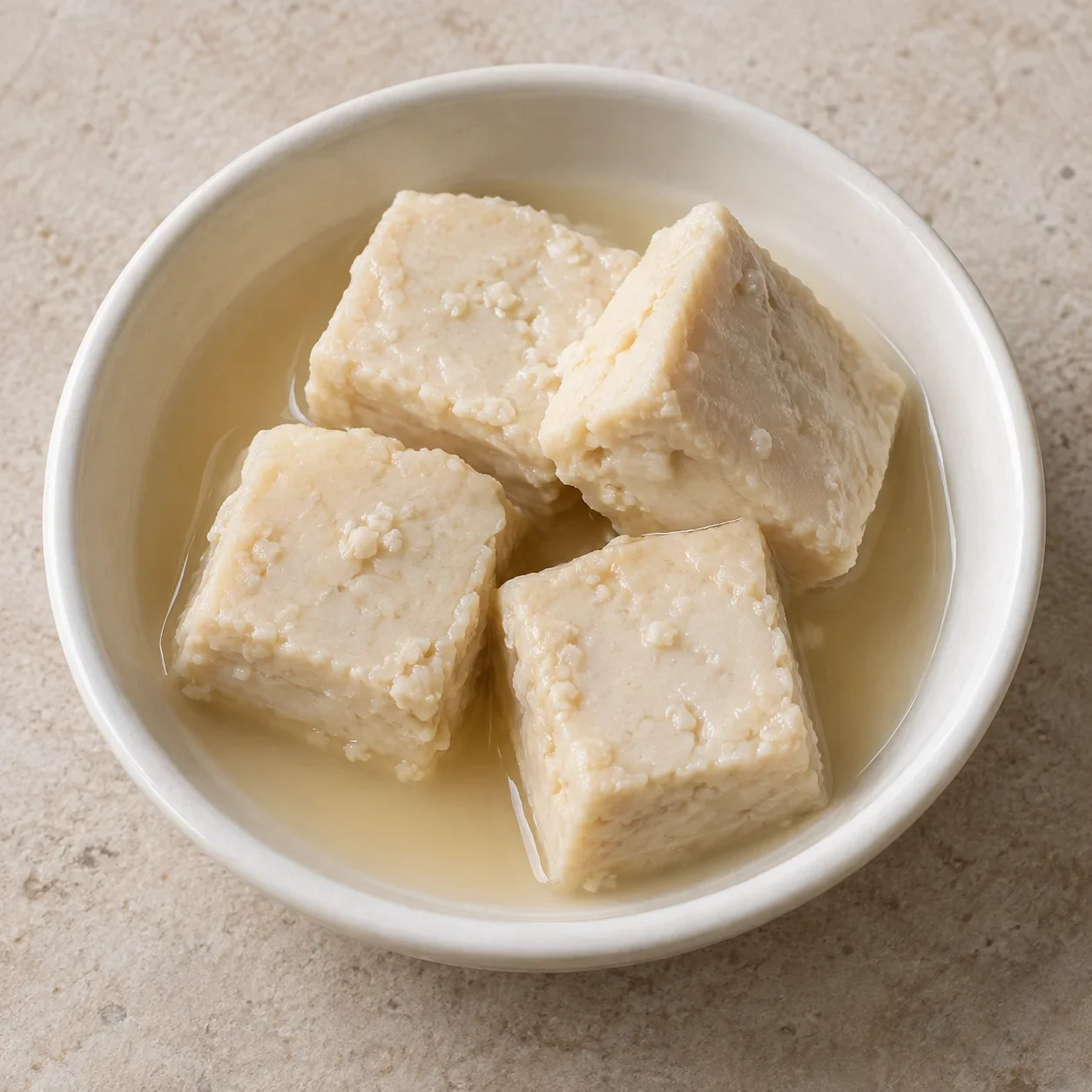

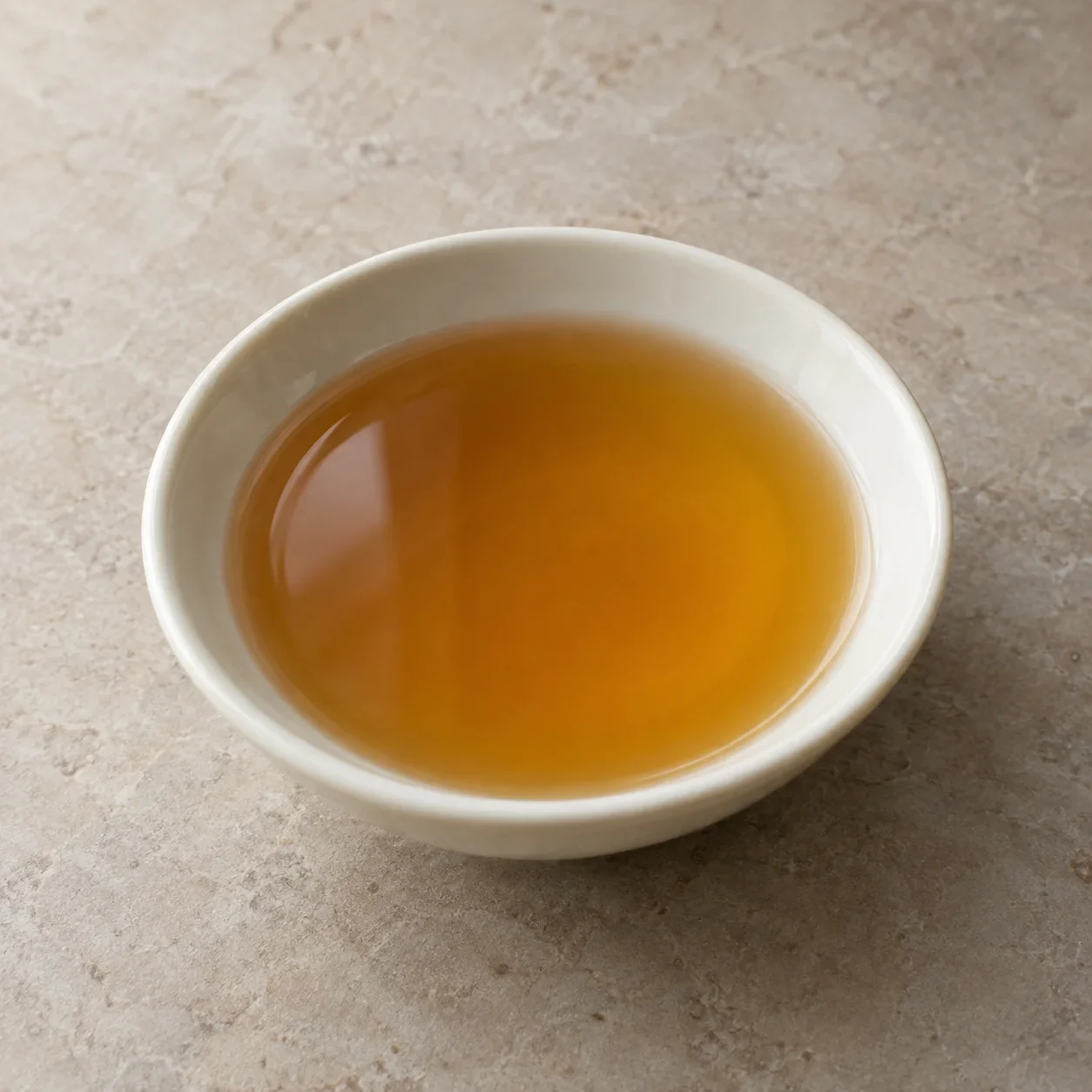


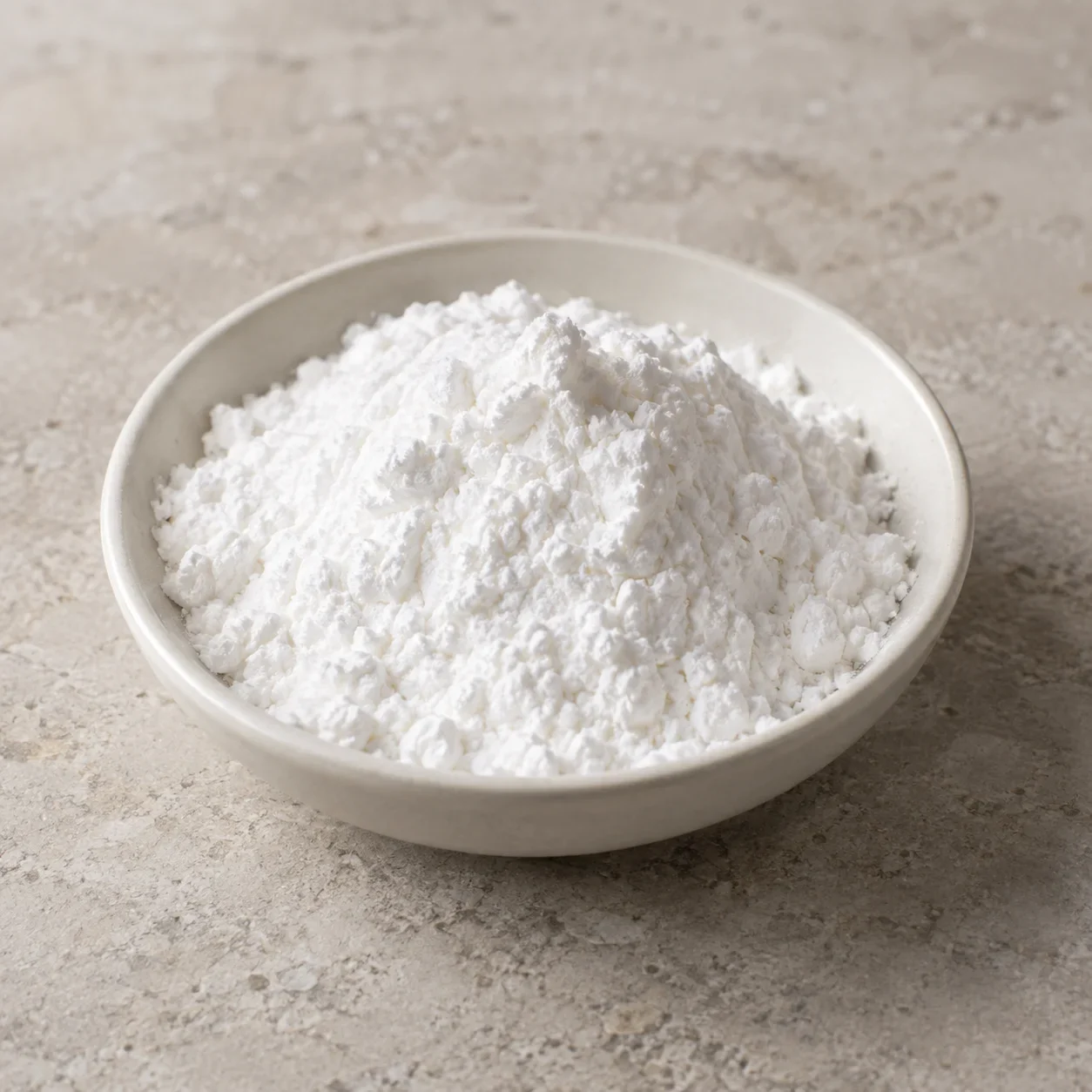
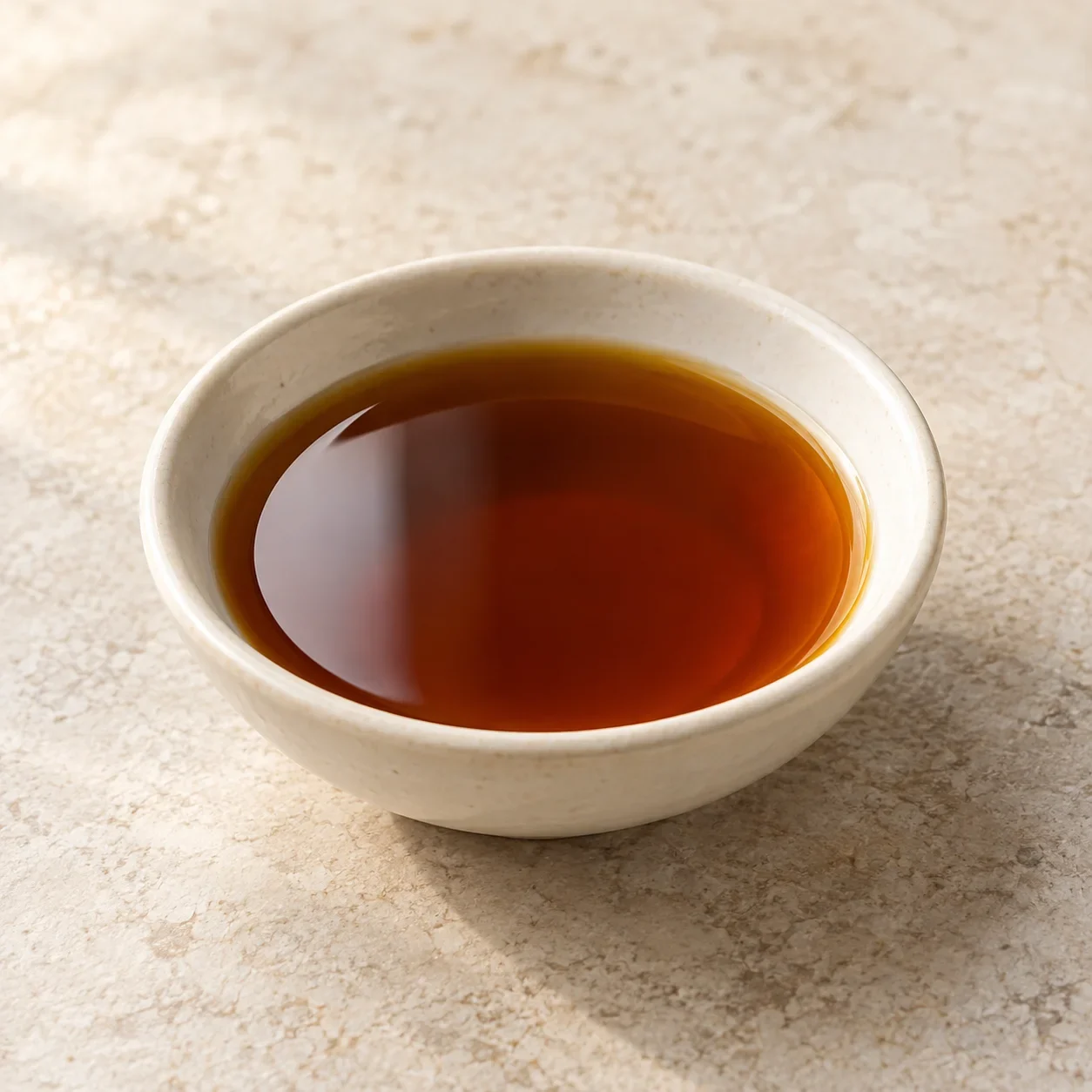
In some versions
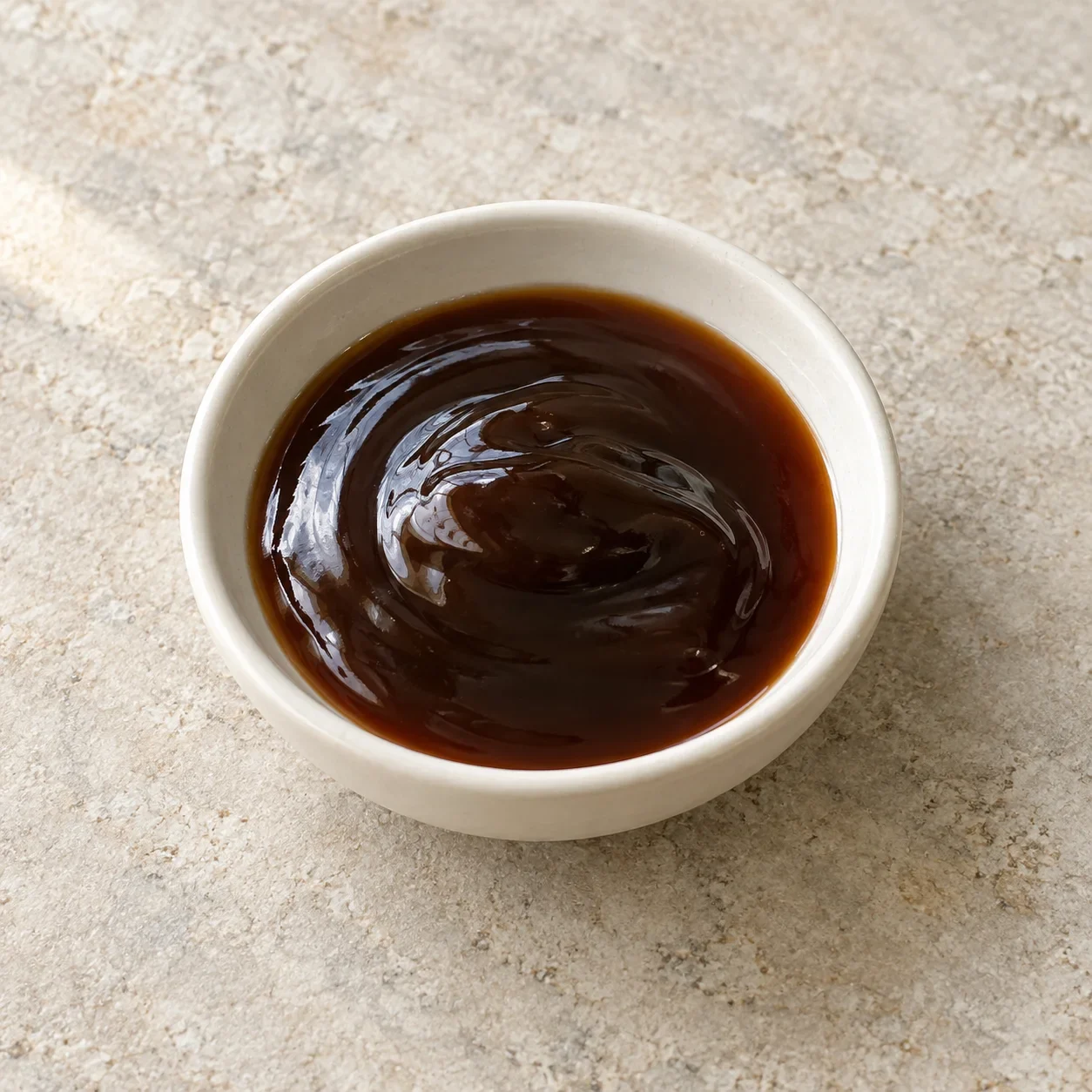
Recipes vary by restaurant.
How does it taste?
Savory fermented-tofu flavor with a little sweetness.
- Chili heat
- Texture
- Soft cabbage and eggplant, chewy soy-milk skin, springy fungus and crisp water chestnuts.
- How it’s made
- Braise the vegetables and rehydrated soy-milk skin with red fermented bean curd, cooking oil, Shaoxing wine, water, salt and sugar; add glass noodles and thicken lightly with cornstarch, with sesame oil for aroma.
Ingredients vary by household. Oyster sauce is optional in this version; confirm the sauce and oil rather than relying on the name.
A CONNECTION TO PLACE
Origin & regional roots
Associated with Guangdong.
About this regional connection
Guangdong: SelectedCantonese nam-yue version, notexclusiveorigin.
Ask if they have it first
请问你们有罗汉斋吗?
Do you have this item?
A LITTLE SOMETHING TO READ
Story & history
A New Year vegetable braise
This account describes a tradition or story, rather than an established historical fact.
Luohan zhai appears on Chinese New Year tables and takes different forms in different families. In the Cantonese nam-yue version, fermented red bean curd brings depth to vegetables and bean products.