
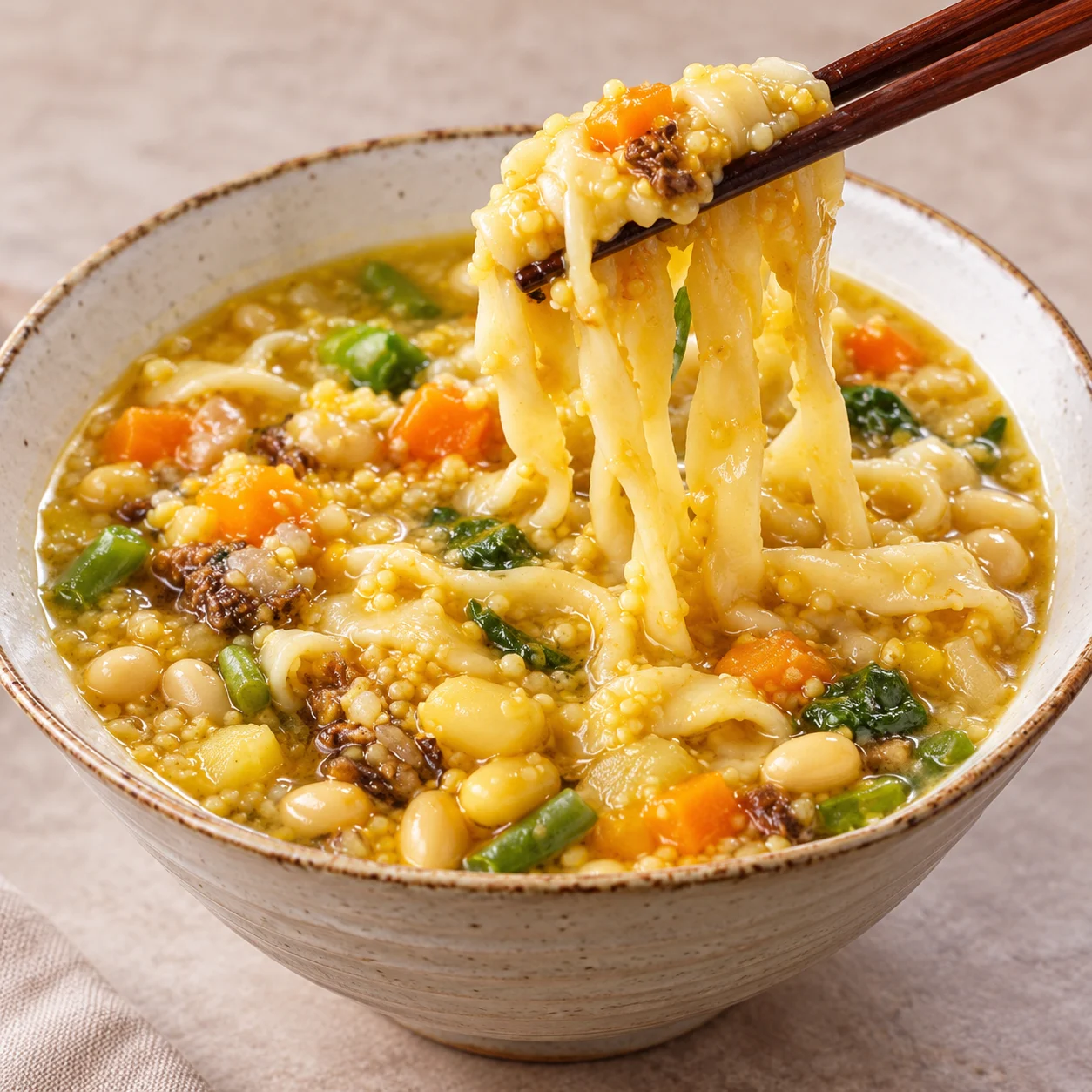
At the table
Use a spoon for the millet soup and chopsticks for the noodles and vegetables. Stir gently before taking a spoonful.
This noodle version contains wheat; beans may include soy. Confirm animal ingredients when needed.
The grains, noodles, vegetables and thickness vary by locality. Some versions add mutton. Ask about the cooking oil and broth rather than assuming every bowl is vegetarian.
GET TO KNOW THE DISH
What goes into it?
Explore some key ingredients below. Preparations may use additional seasonings and ingredients.
The grains, noodles, vegetables and thickness vary by locality. Some versions add mutton. Ask about the cooking oil and broth rather than assuming every bowl is vegetarian.
Typical ingredients
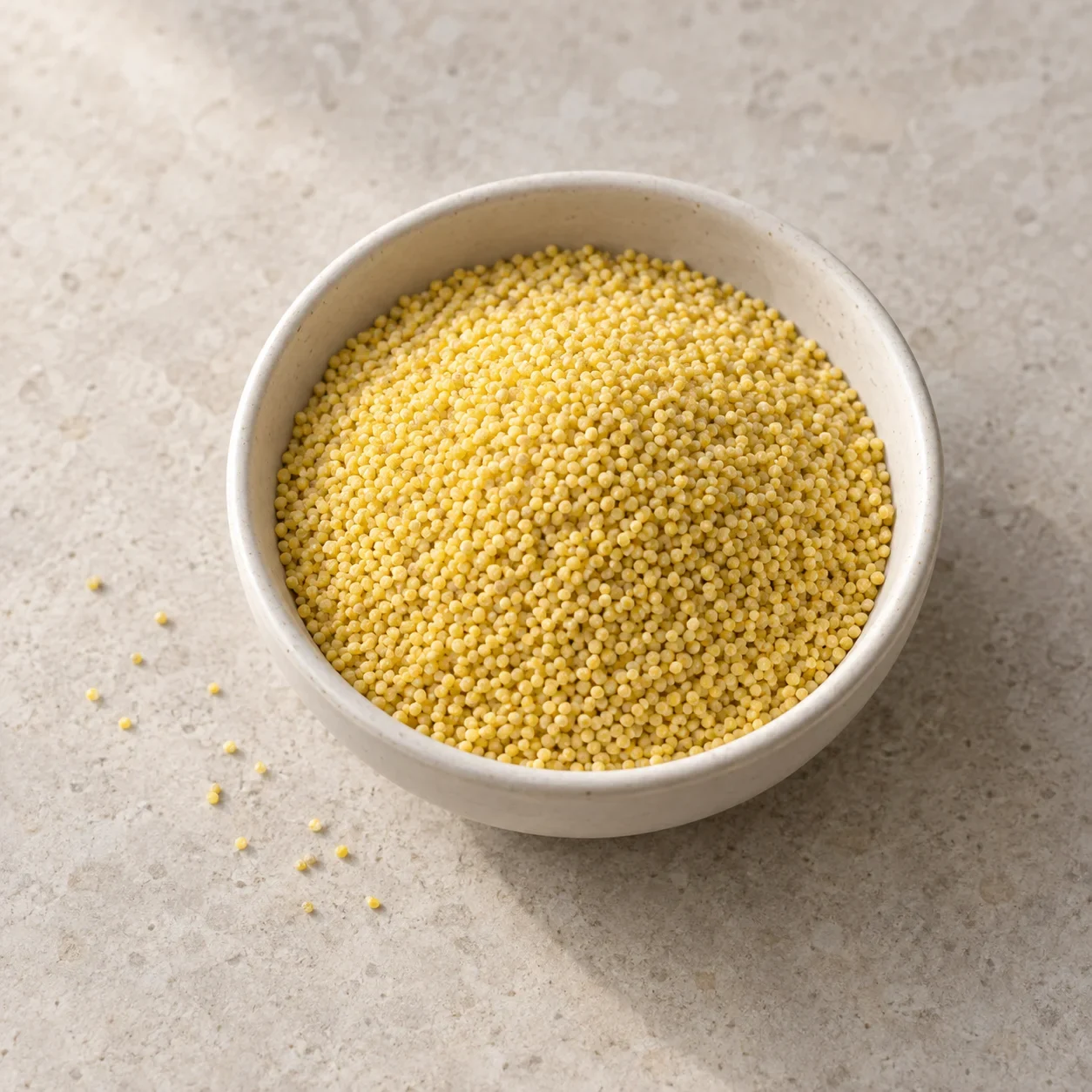
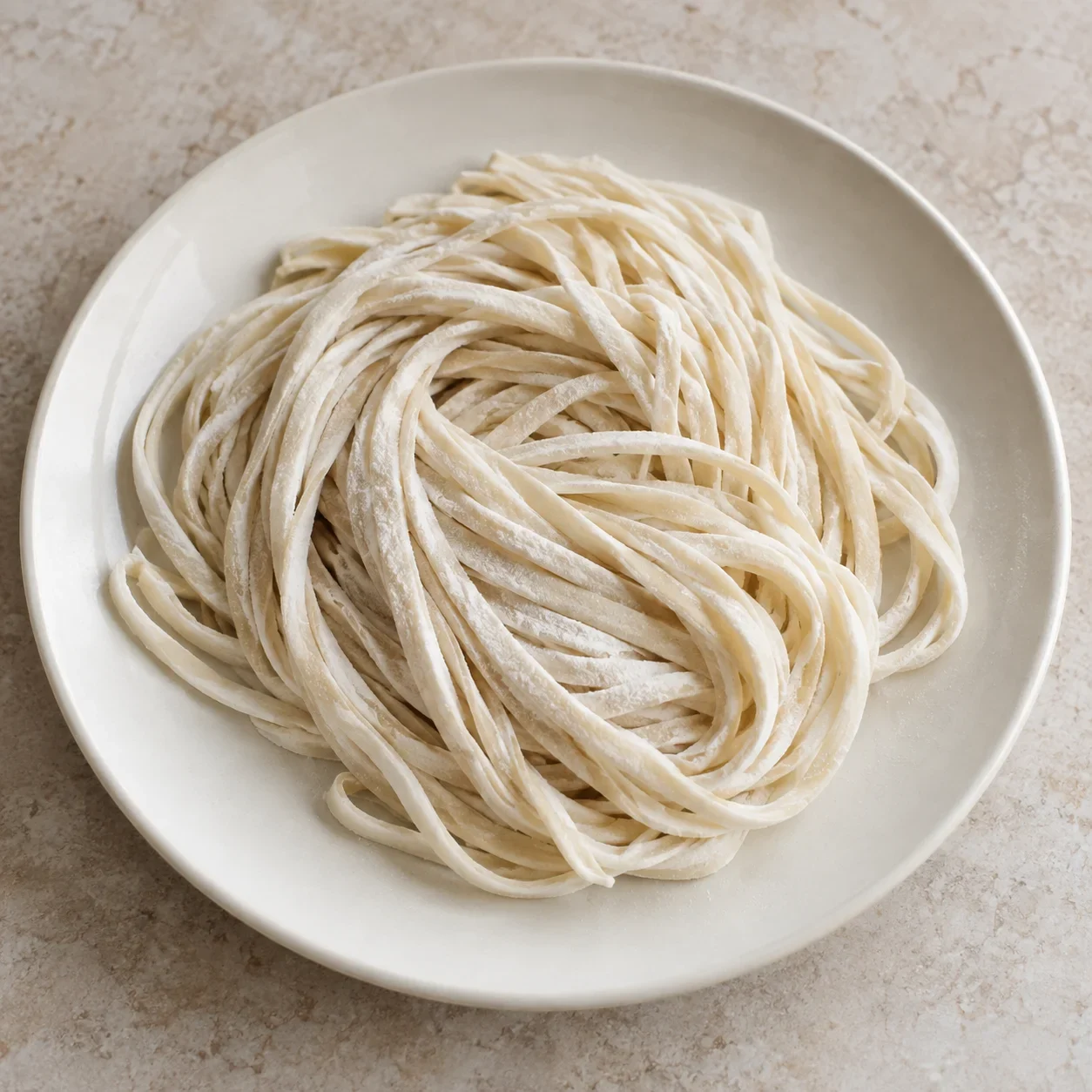


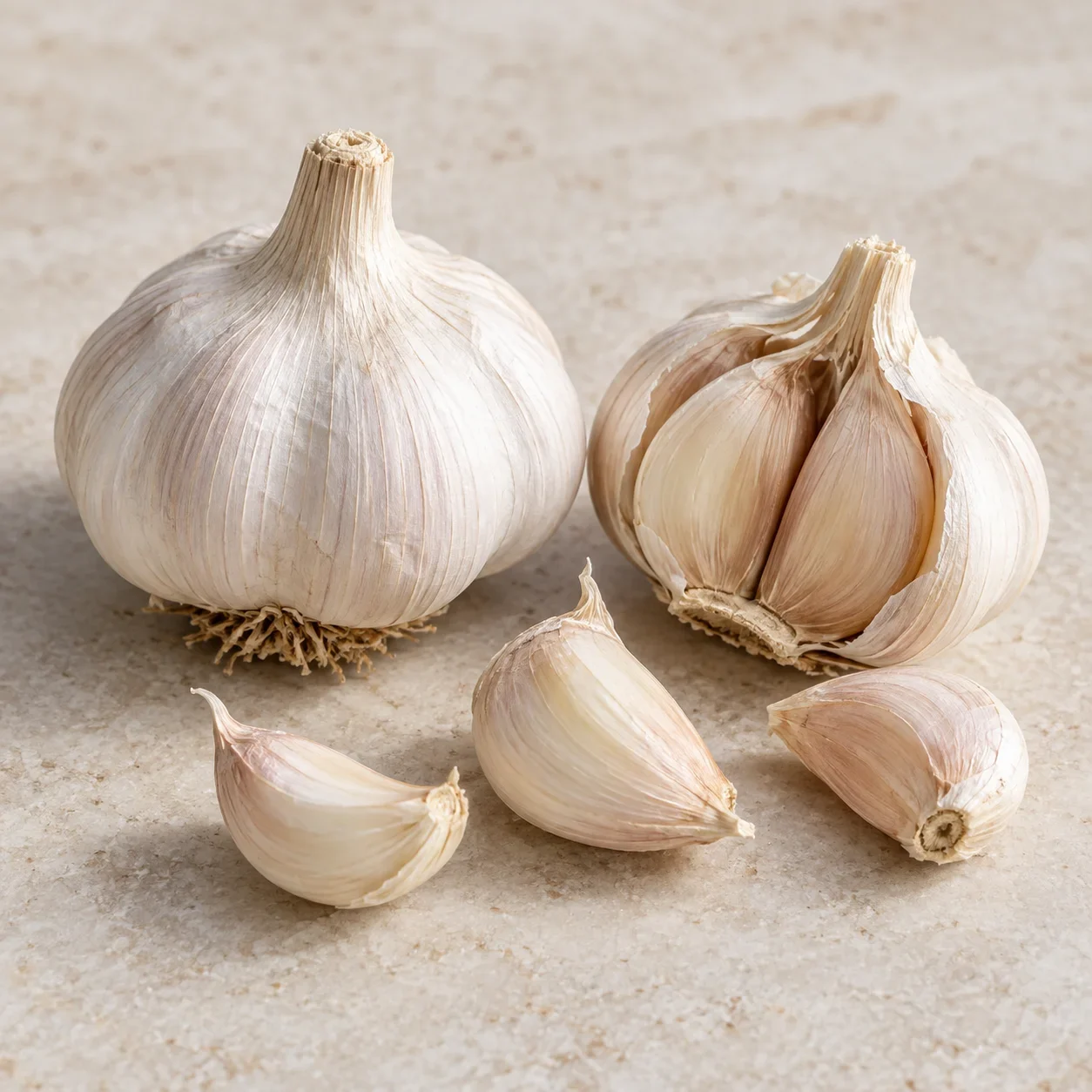

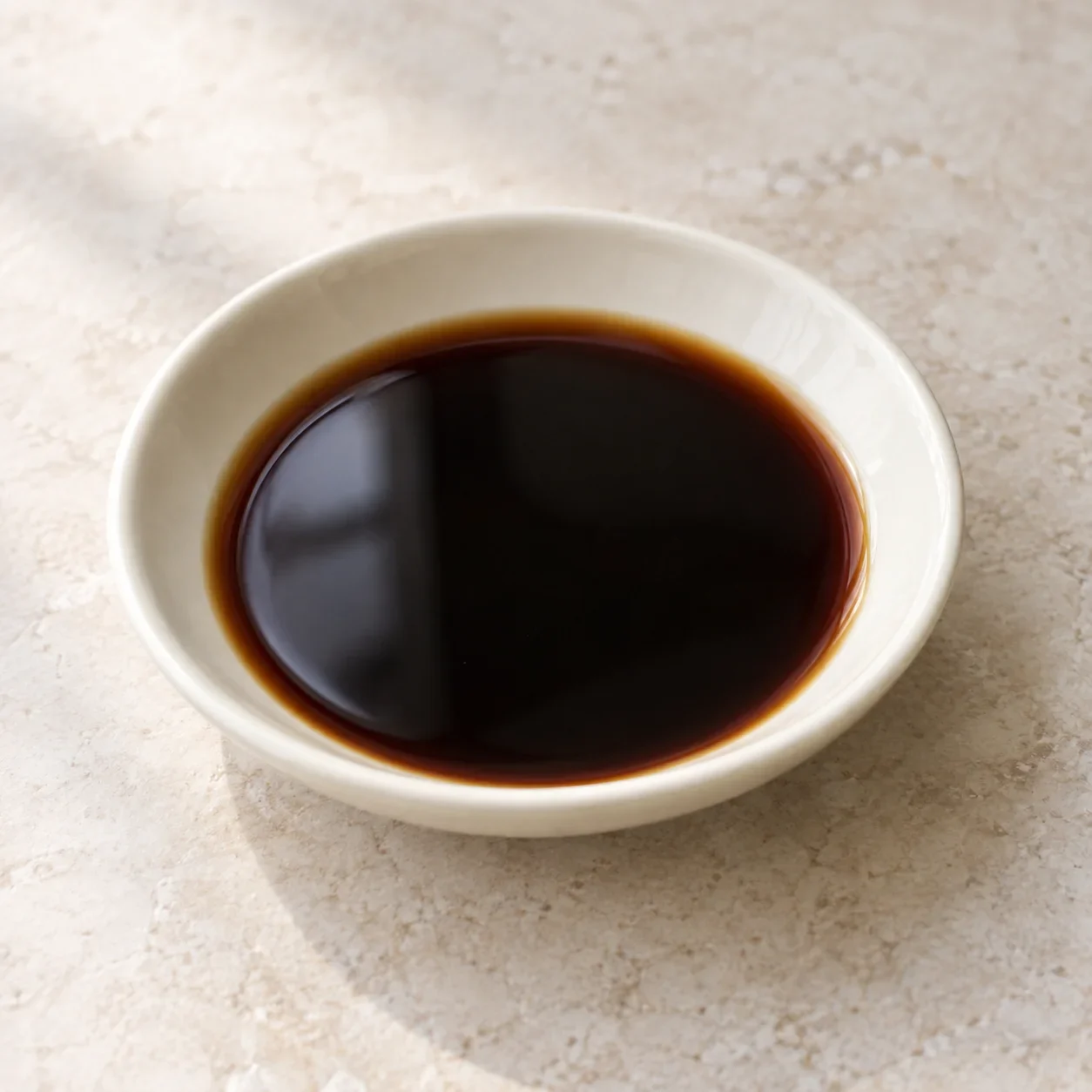
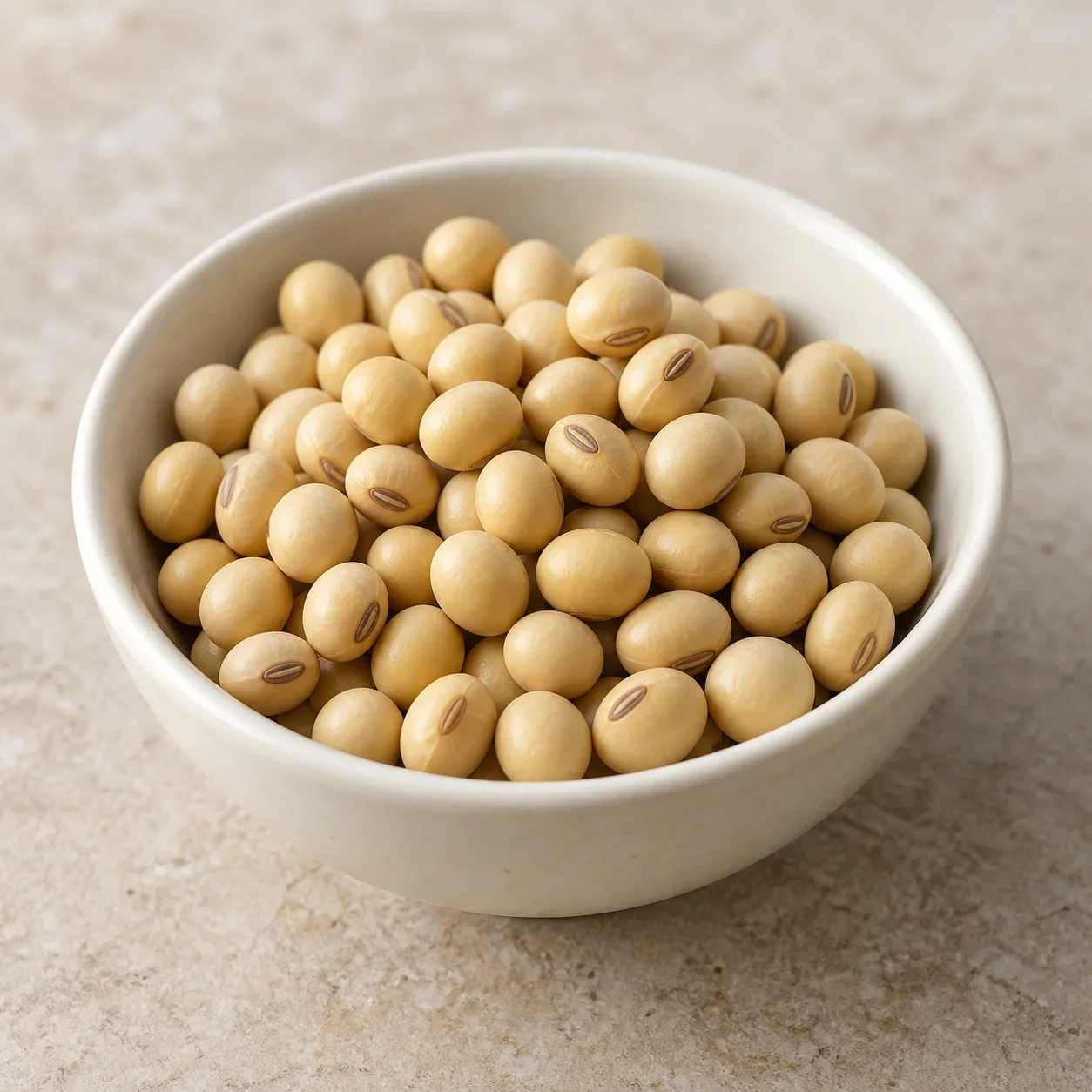
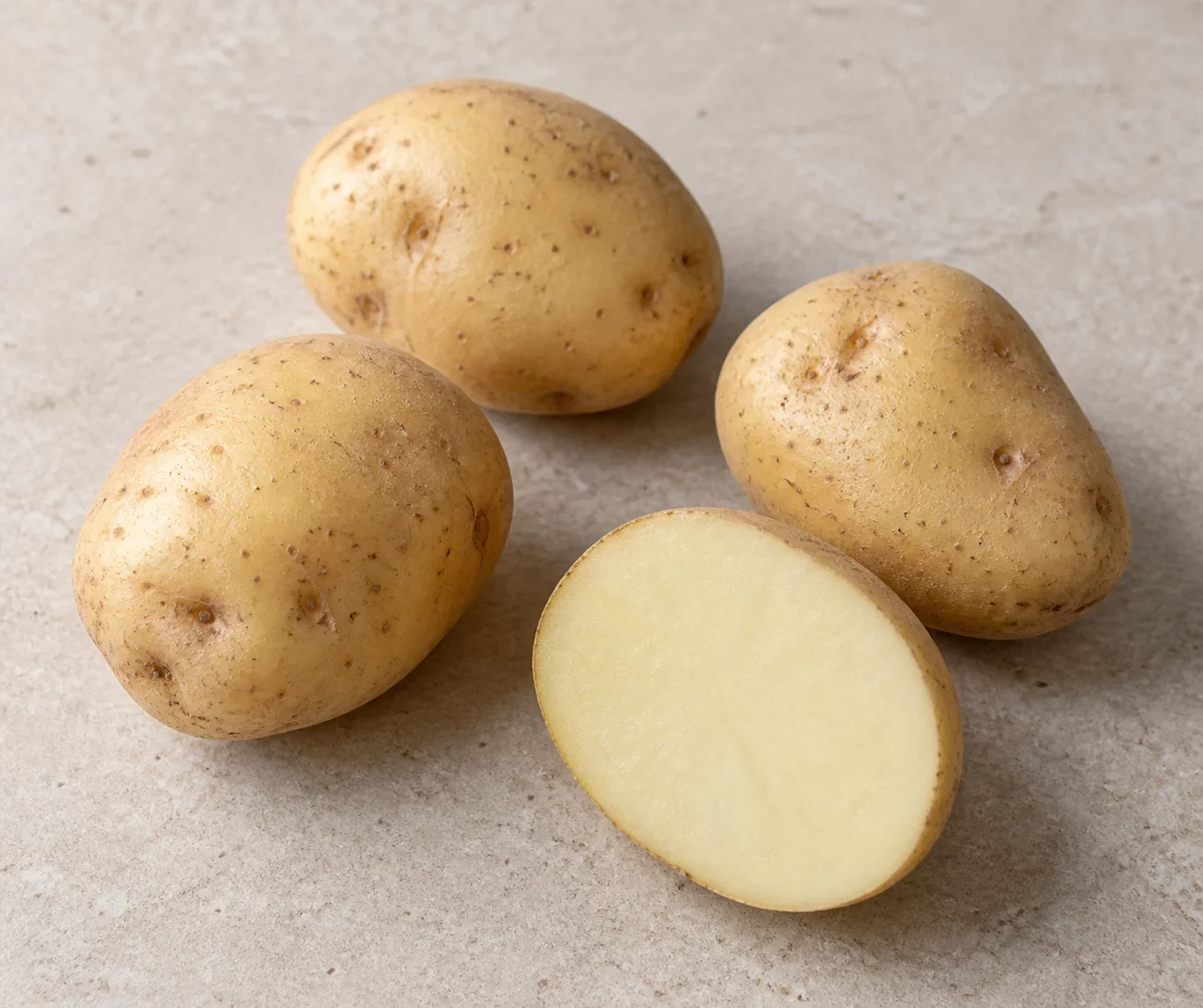
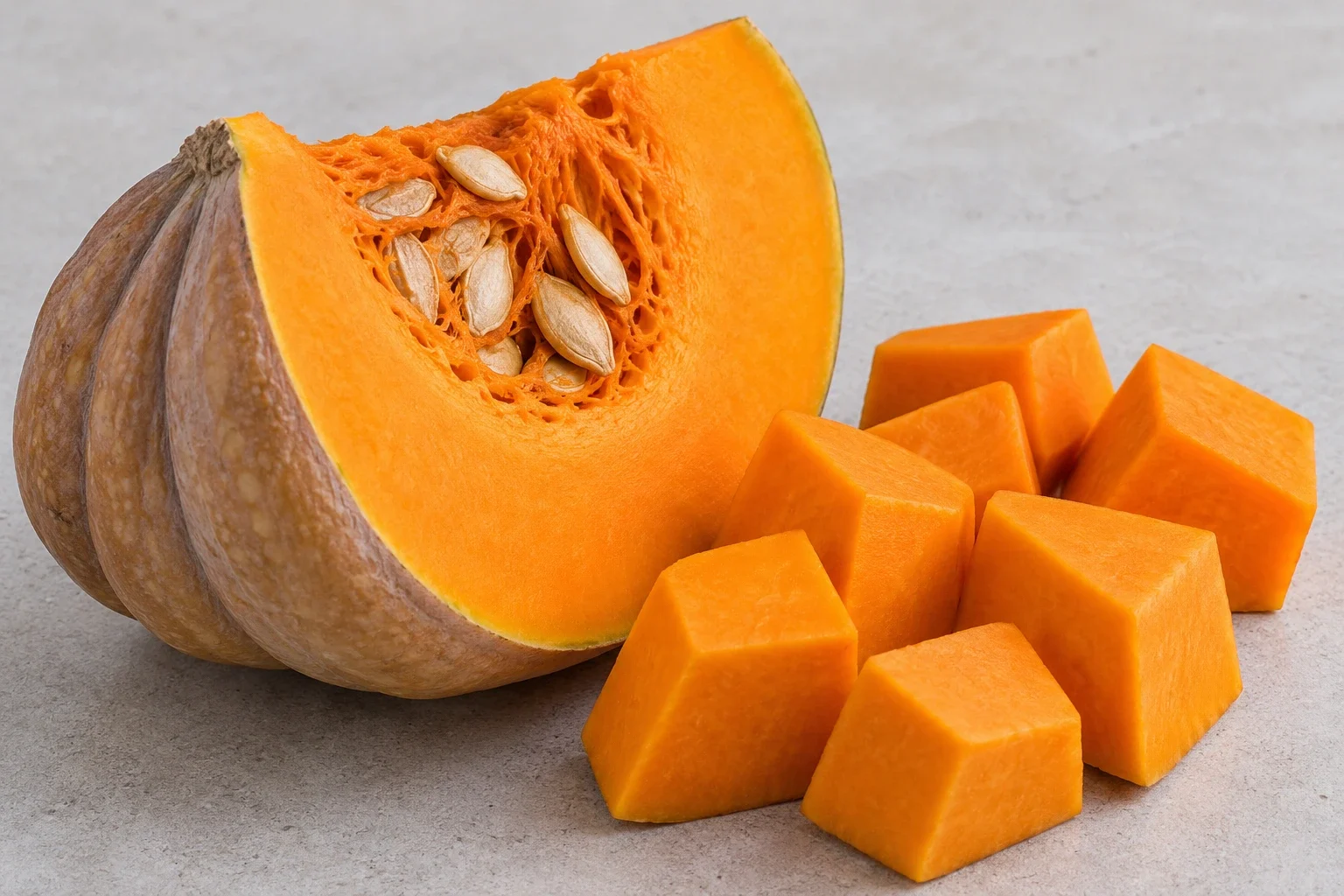
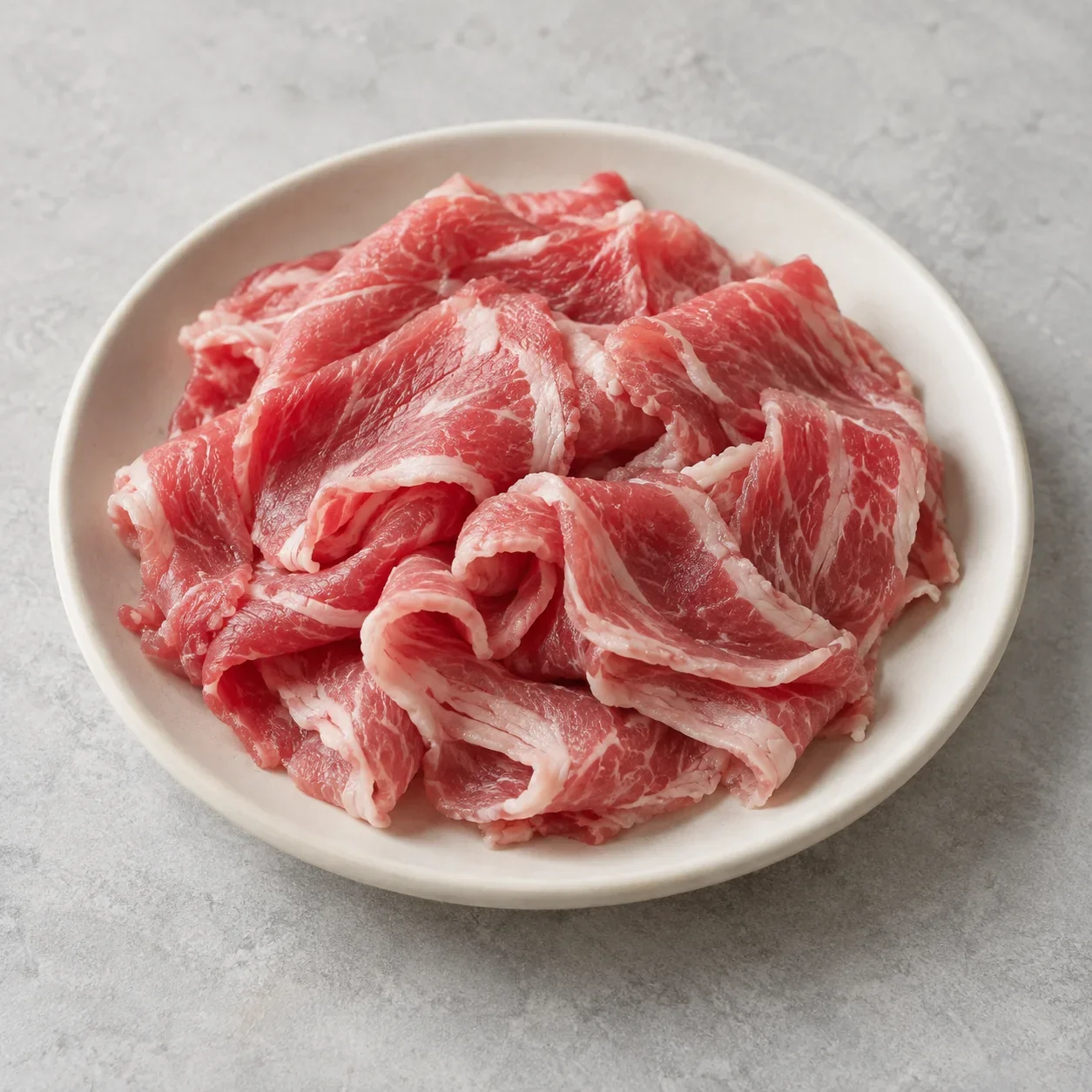
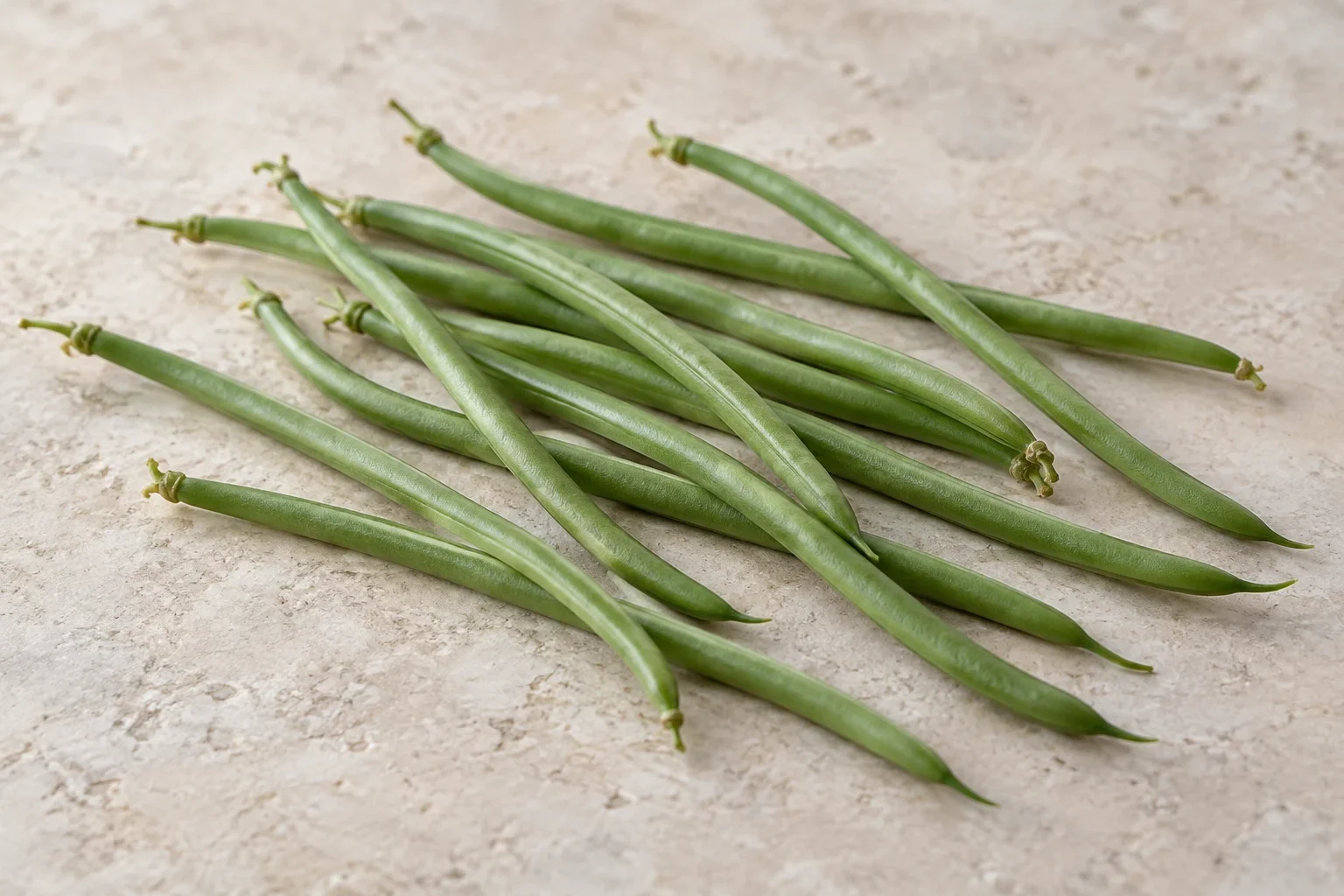
Recipes vary by restaurant.
How does it taste?
Mild grain sweetness with savory aromatics and a little vinegar.
- Chili heat
- Texture
- Soft millet and noodles in a thick, spoonable soup.
- How it’s made
- Millet and any beans are simmered first; vegetables and noodles follow, with an aromatic oil and vinegar finish.
The grains, noodles, vegetables and thickness vary by locality. Some versions add mutton. Ask about the cooking oil and broth rather than assuming every bowl is vegetarian.
A CONNECTION TO PLACE
Origin & regional roots
Its origins are linked to Shanxi.
About this regional connection
Shanxi: Eaten across Shanxi as a home soup-meal. County doughs and vegetables differ. Jincheng uses the name 米淇. Changzhi also says 调和饭.
Ask if they have it first
请问你们有和子饭(合子饭)吗?
Do you have this item?
A LITTLE SOMETHING TO READ
Story & history
Grains and vegetables in one pot
This account describes a tradition or story, rather than an established historical fact.
Hezi fan is an adaptable Shanxi household meal combining grains and seasonal vegetables. Its mixture changes with the pantry and the season; the shared pot is more important than a single fixed formula.