
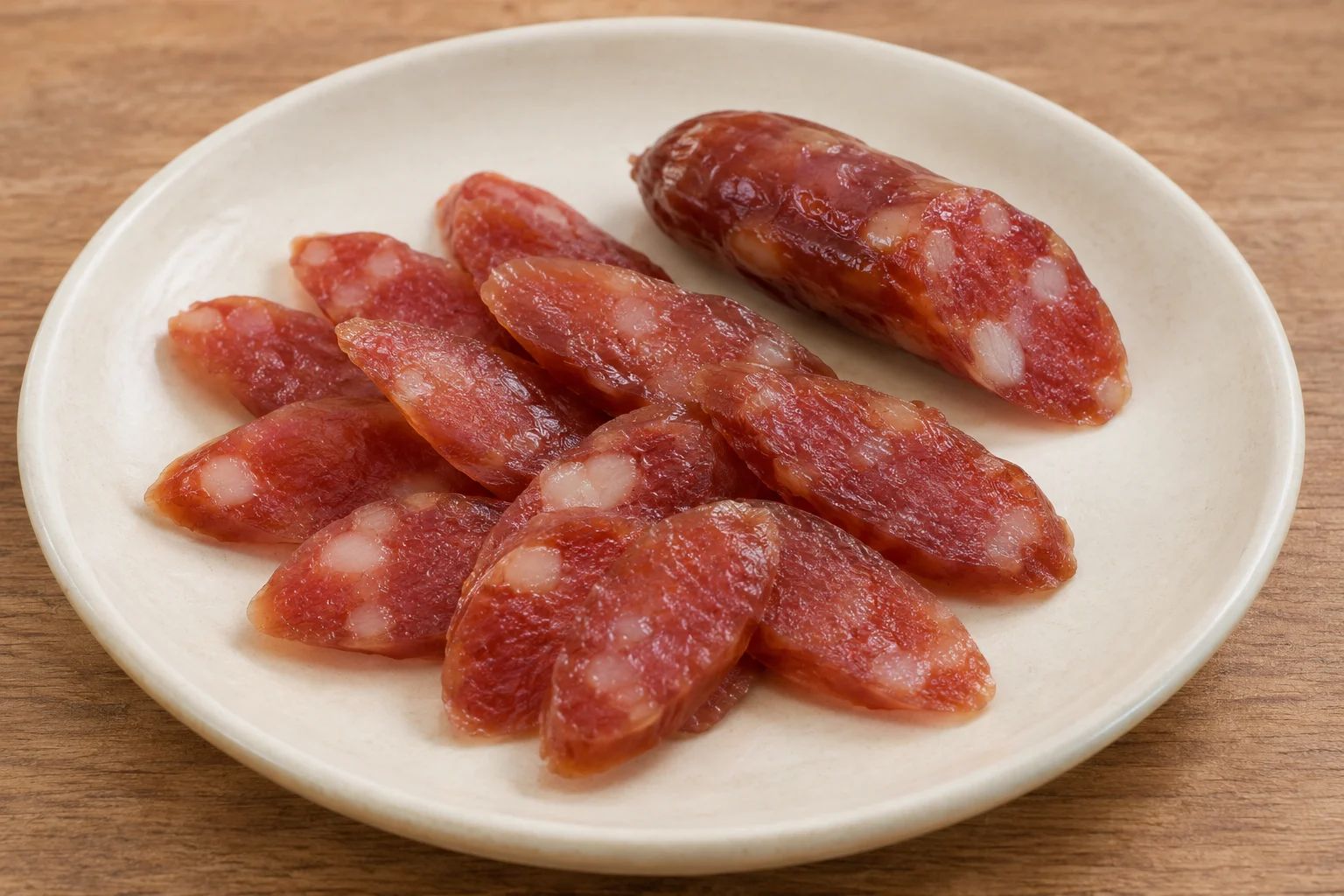
At the table
Eat cooked slices as a small side dish with rice or noodles. Ask which sausage the shop uses. Cured sausage should be properly cooked rather than assumed ready to eat from its dried appearance.
Contains pork. Recipes may include alcohol, soy and wheat-containing seasonings. Ask about ingredients if these matter to you; a generic sausage order does not guarantee this exact version.
Meat-to-fat ratio, sugar, wine and sauce recipes vary. This entry covers the sweet cured version; fresh grilled sausages and spicy sausages are different choices. Plain sweet sausage is normally not chilli-hot.
GET TO KNOW THE DISH
What goes into it?
Explore some key ingredients below. Preparations may use additional seasonings and ingredients.
Meat-to-fat ratio, sugar, wine and sauce recipes vary. This entry covers the sweet cured version; fresh grilled sausages and spicy sausages are different choices. Plain sweet sausage is normally not chilli-hot.
Typical ingredients
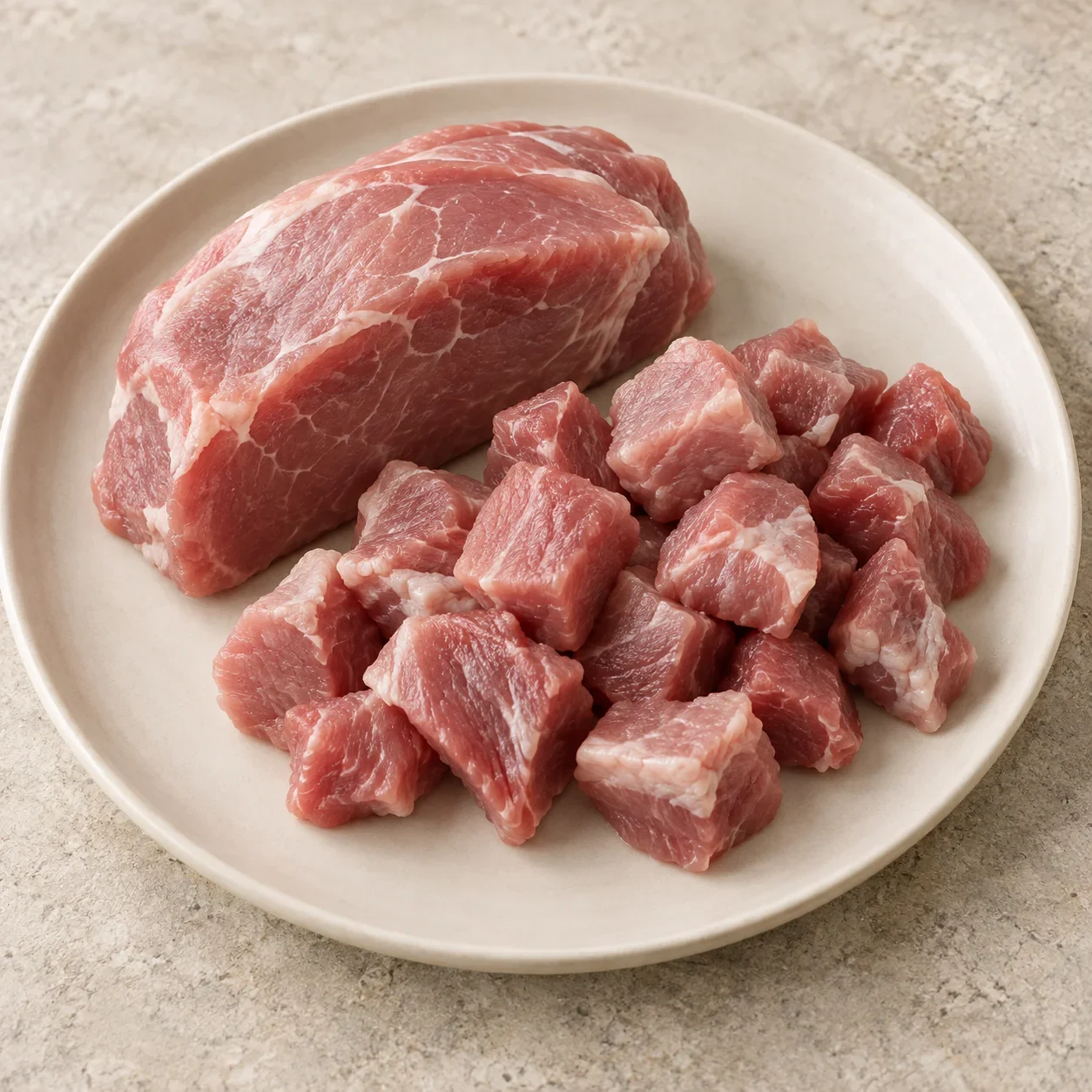

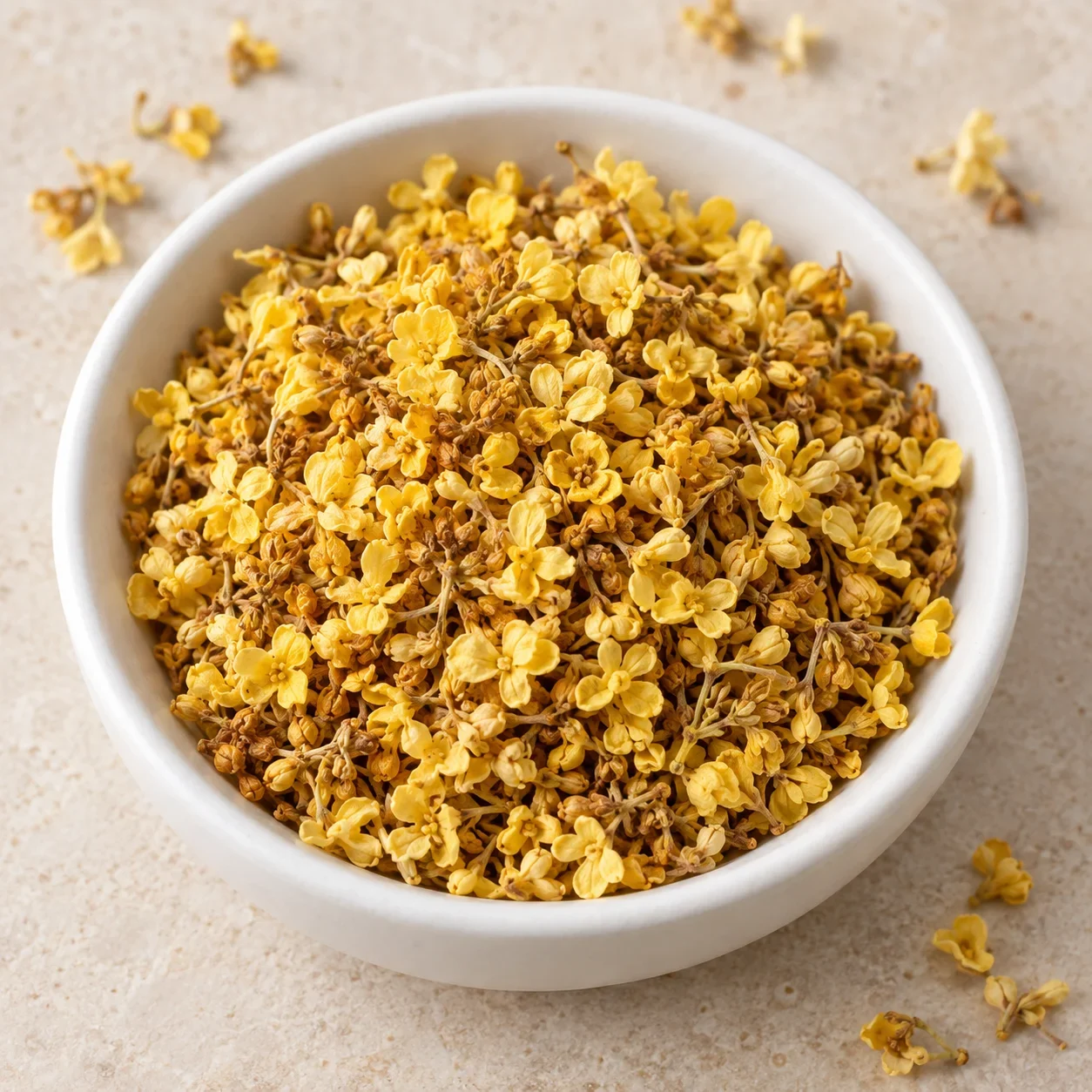
In some versions

Recipes vary by restaurant.
How does it taste?
Sweet and salty cured pork, often with a gentle cooking-wine aroma.
- Chili heat
- Texture
- Firm slices with small soft fat pieces and a light casing bite.
- How it’s made
- Seasoned lean and fatty pork is stuffed into casing and cured. The sausage is then cooked, commonly steamed, before slicing and serving.
Meat-to-fat ratio, sugar, wine and sauce recipes vary. This entry covers the sweet cured version; fresh grilled sausages and spicy sausages are different choices. Plain sweet sausage is normally not chilli-hot.
A CONNECTION TO PLACE
Origin & regional roots
Associated with Guangdong. Associated with Guangxi.
About this regional connection
Guangdong: Cantonese cured-sausage style. Guangxi: Standalone cooked side or luosifen pairing; not an exclusive origin claim.
Ask if they have it first
请问你们有广式腊肠(熟食)吗?
Do you have this item?
A LITTLE SOMETHING TO READ
Story & history
Cooked Cantonese cured sausage
This account describes a tradition or story, rather than an established historical fact.
Enjoy this food separately or alongside noodles. The Guangxi association describes a local way of eating it, not an exclusive origin in the region.