
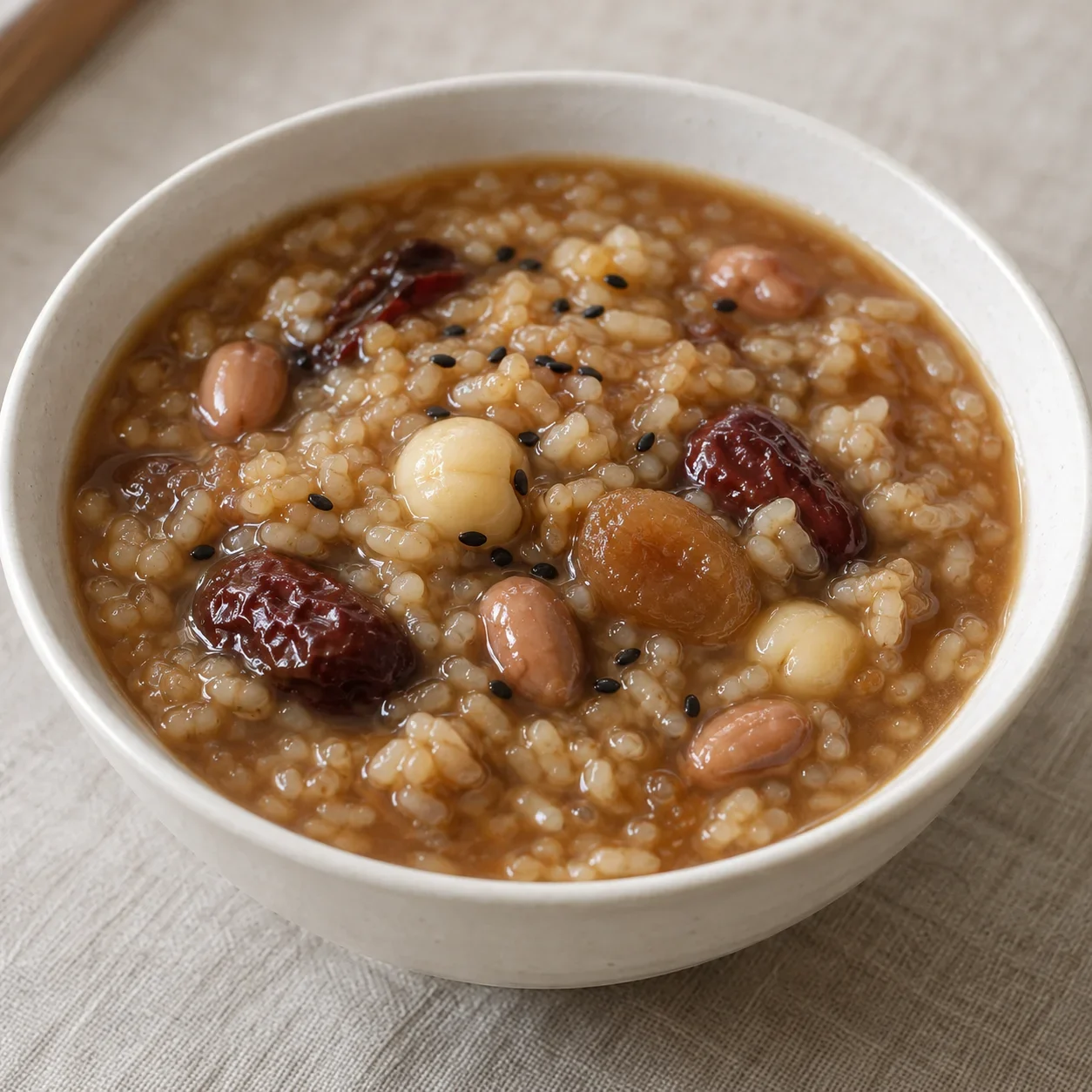
At the table
Eat with a spoon, stirring gently and letting hot spoonfuls cool. Watch for jujube stones if whole dates are used.
May contain peanuts and sesame; ask about the actual additions. Whole jujubes may retain stones.
The dried fruits, nuts and seeds vary; the pictured version includes sesame.
GET TO KNOW THE DISH
What goes into it?
Explore some key ingredients below. Preparations may use additional seasonings and ingredients.
Some versions add water chestnuts, raisins, red beans or sesame, or combine ordinary and glutinous rice.
Typical ingredients
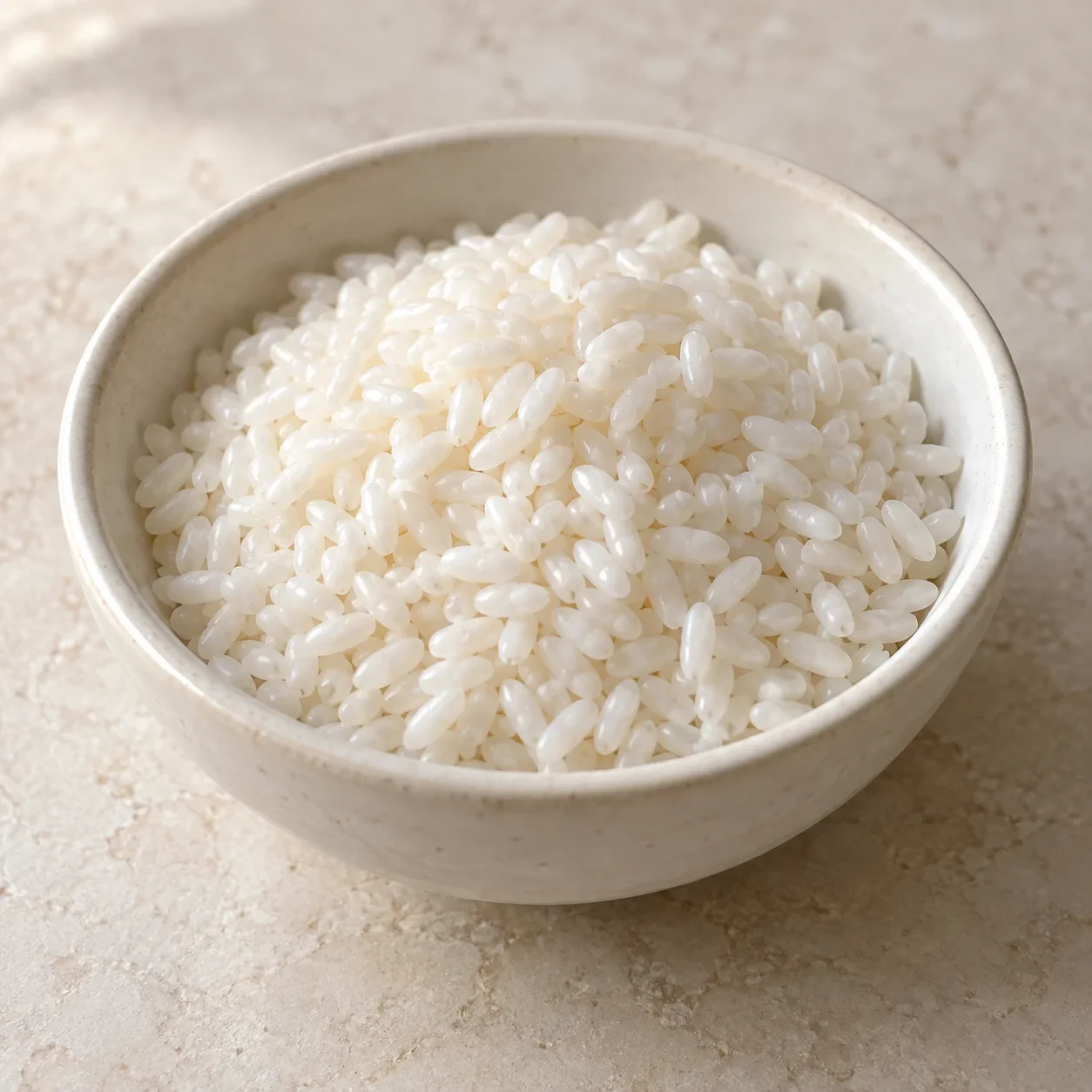
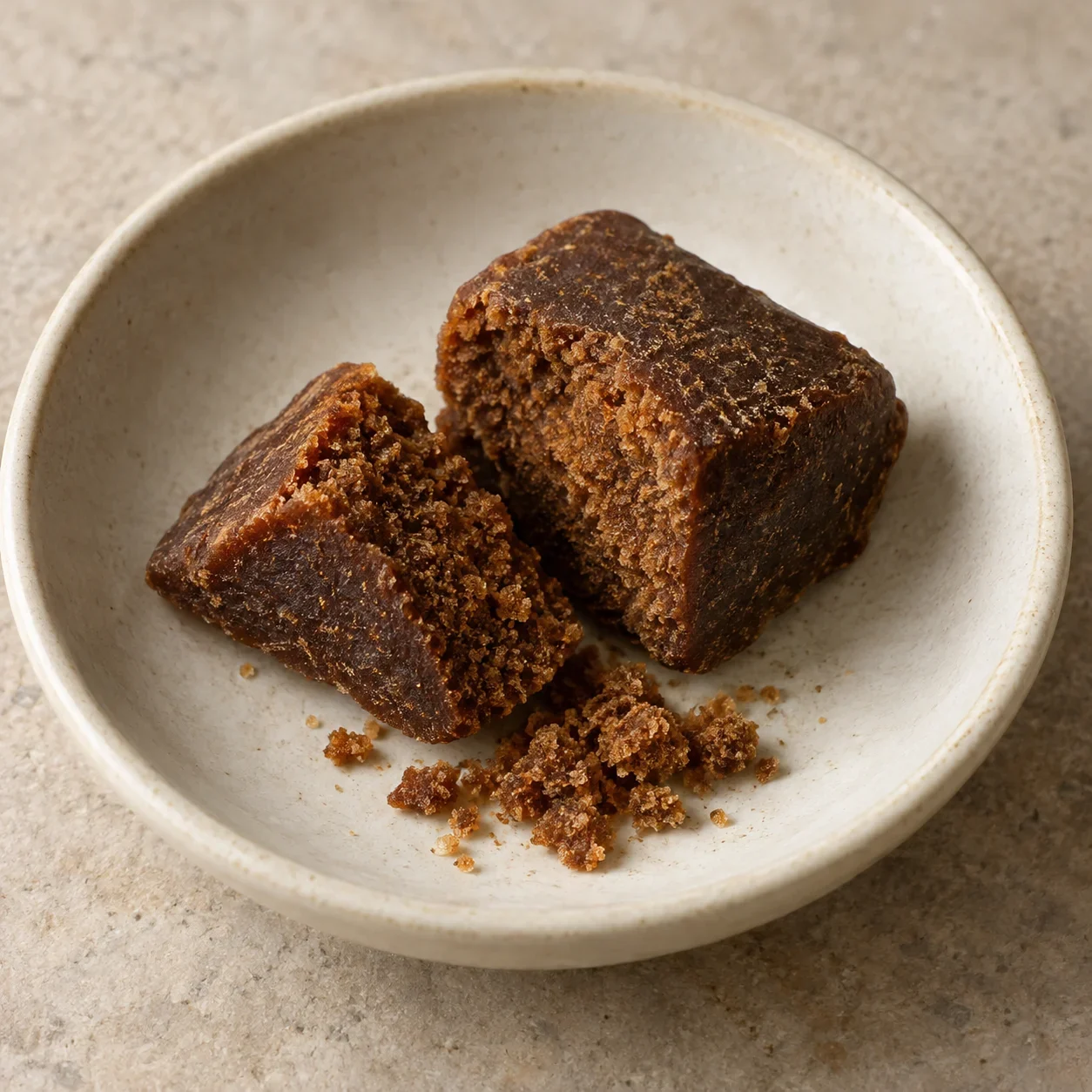
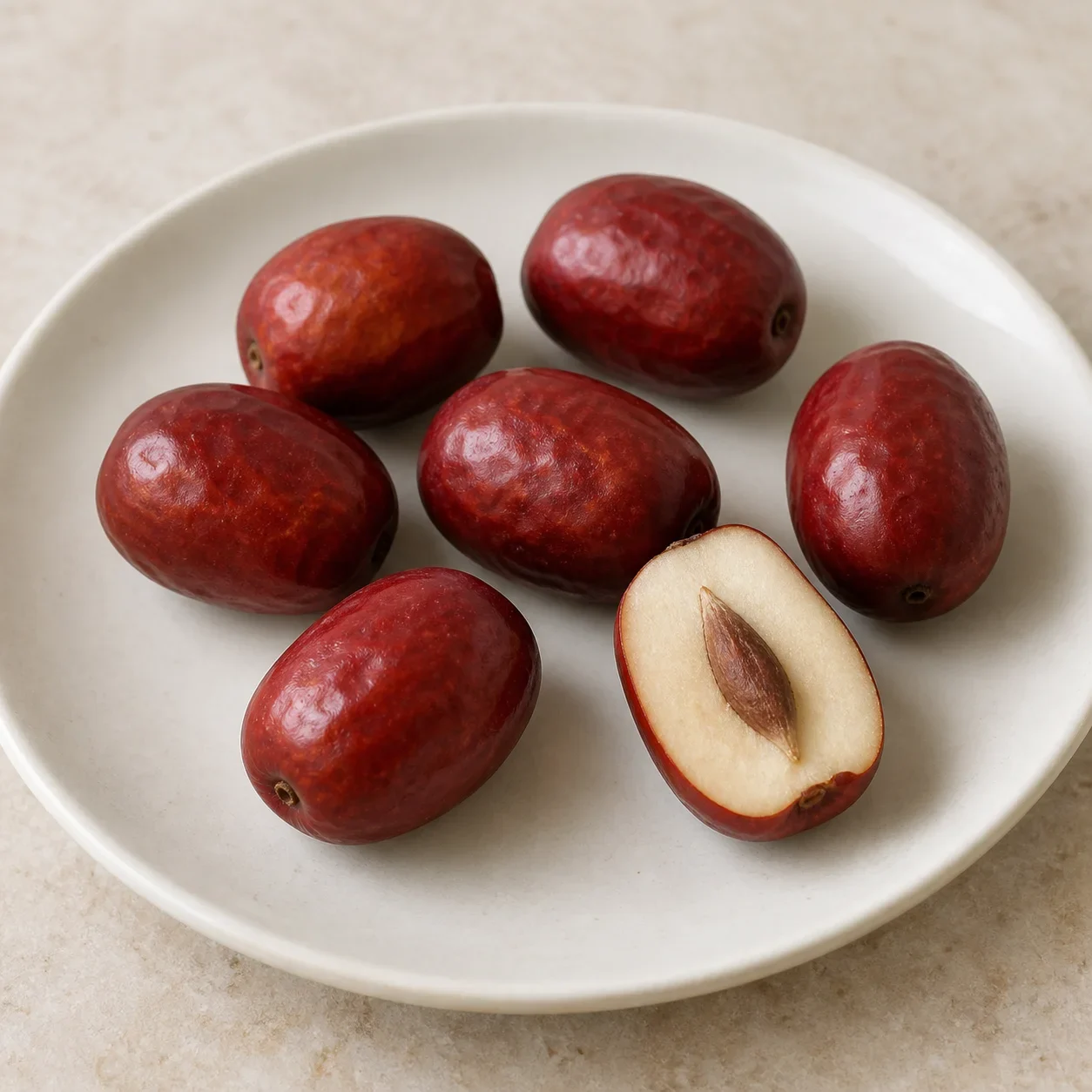
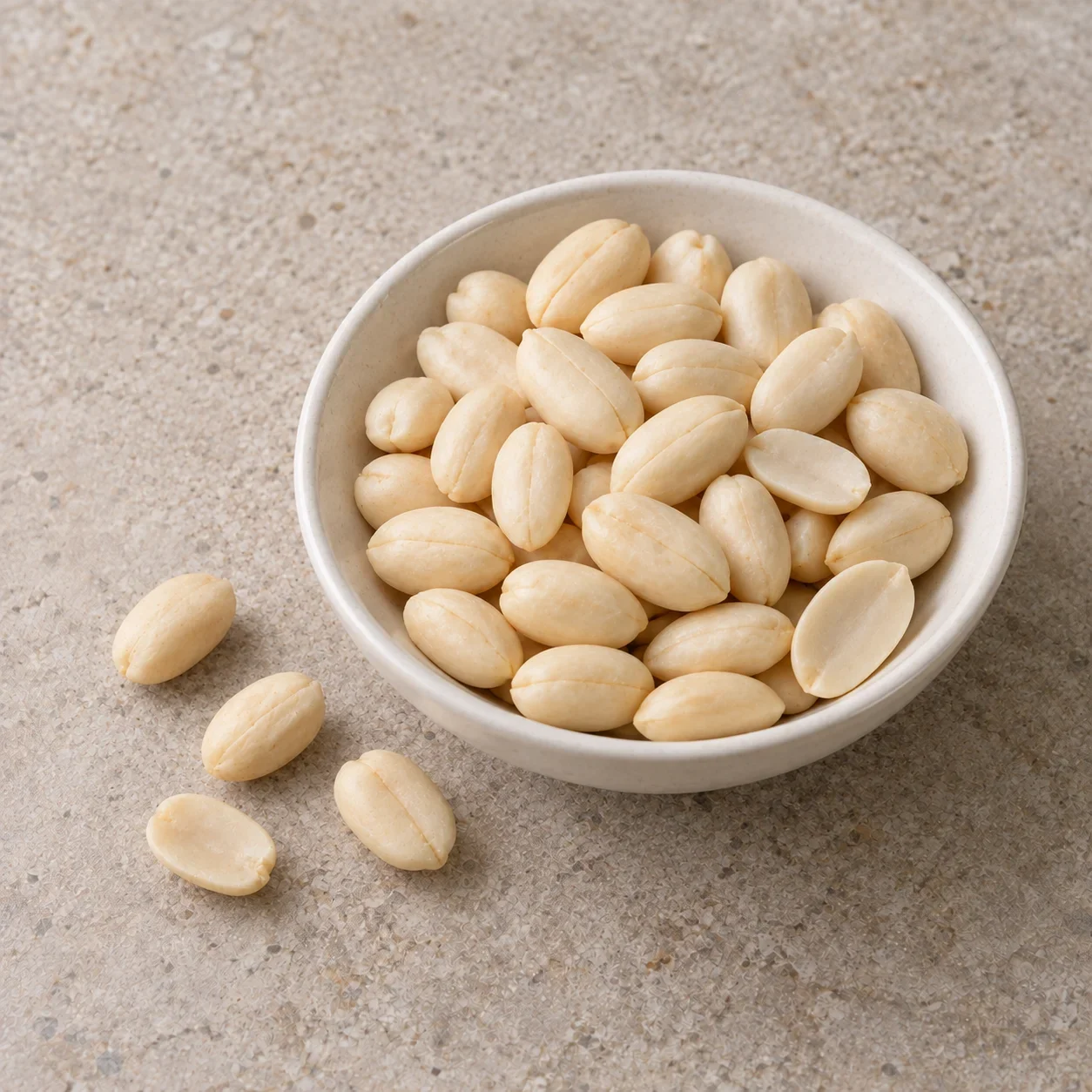
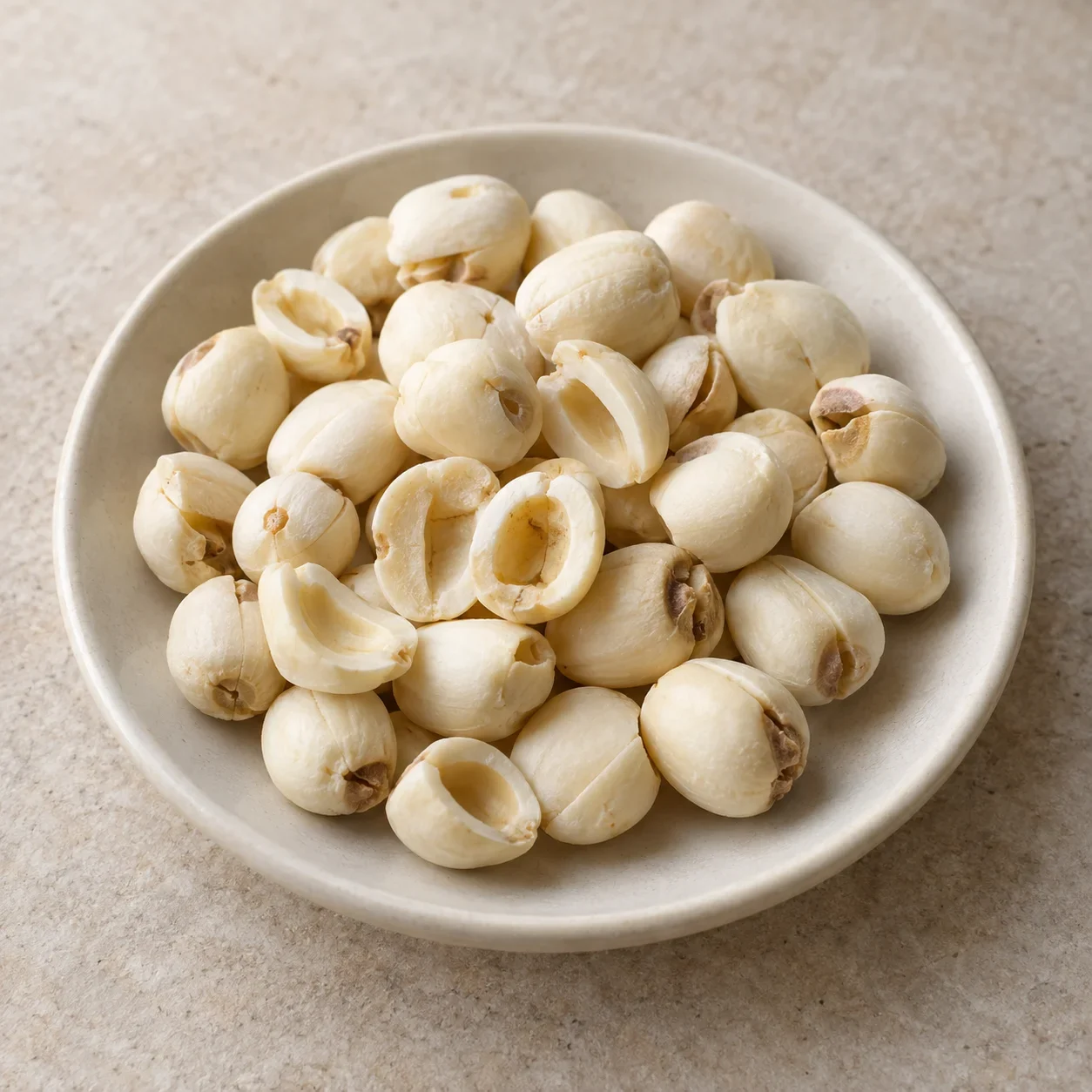
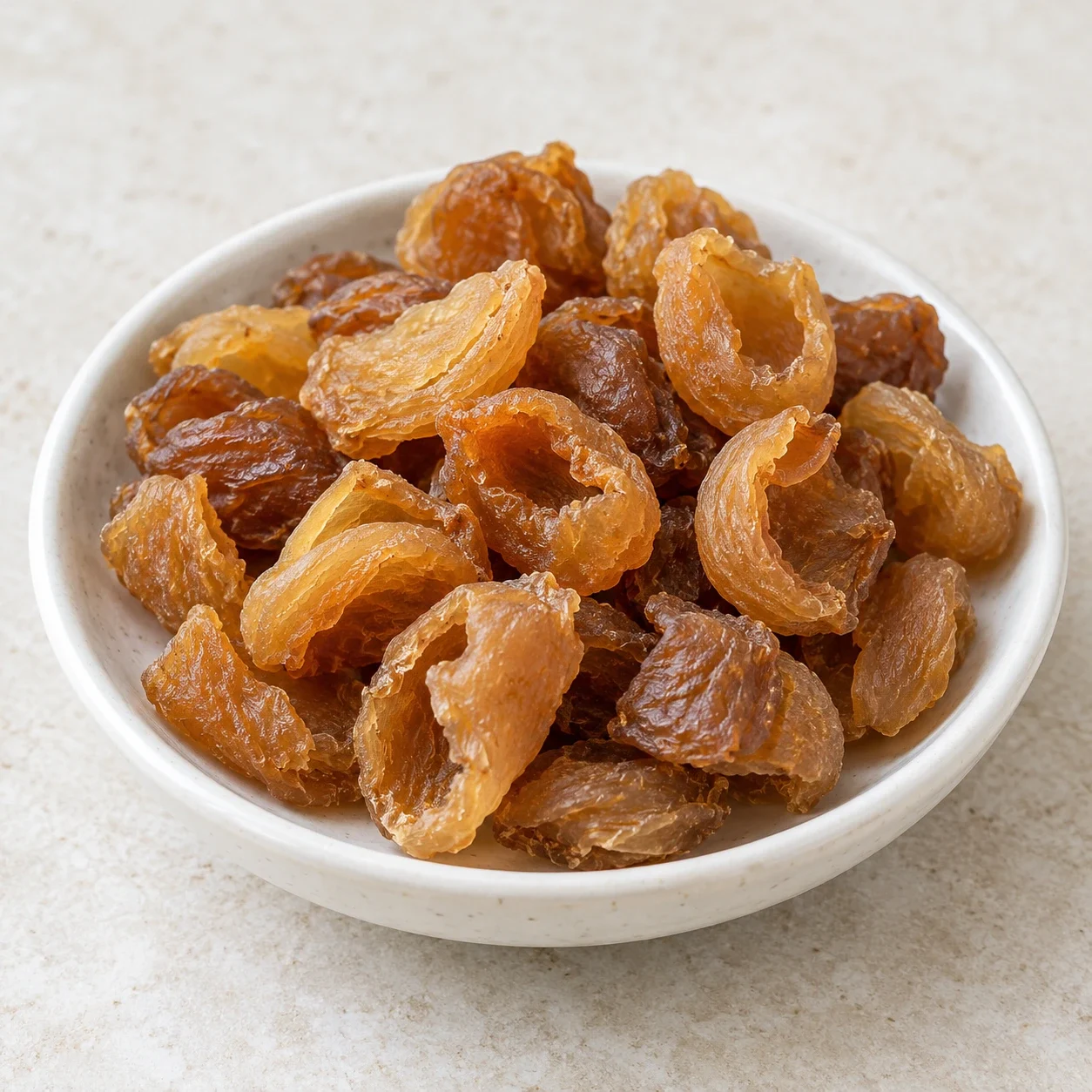
In some versions
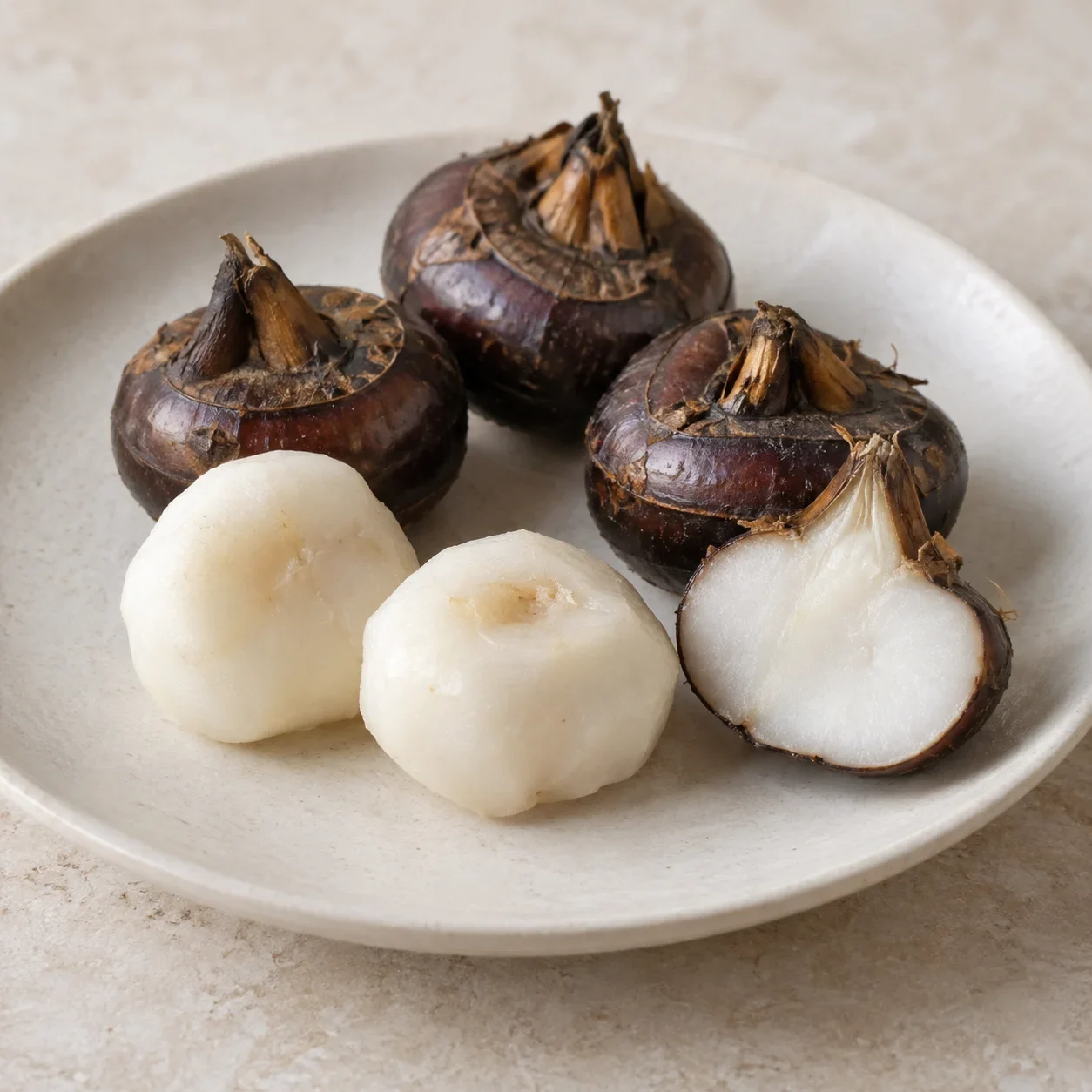
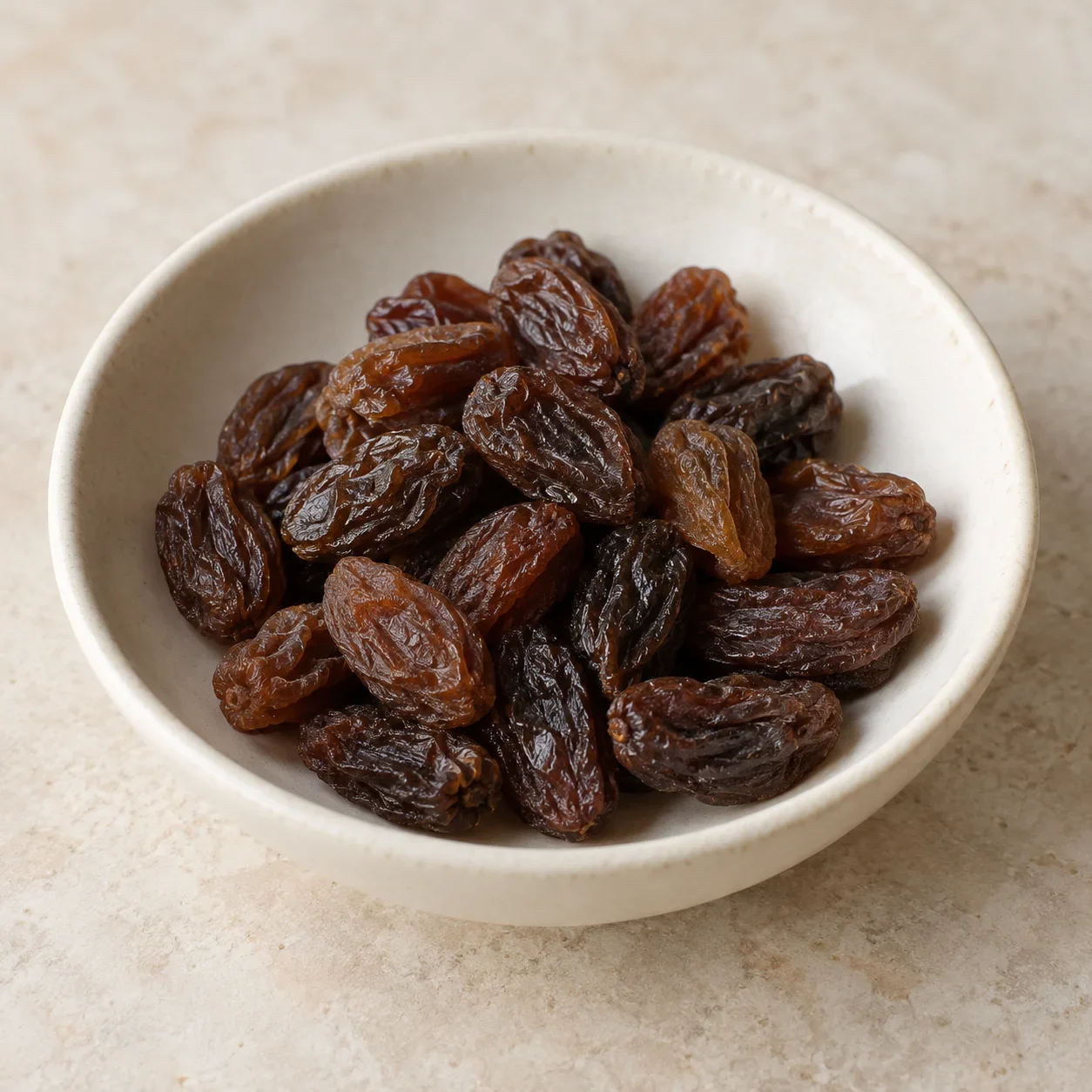
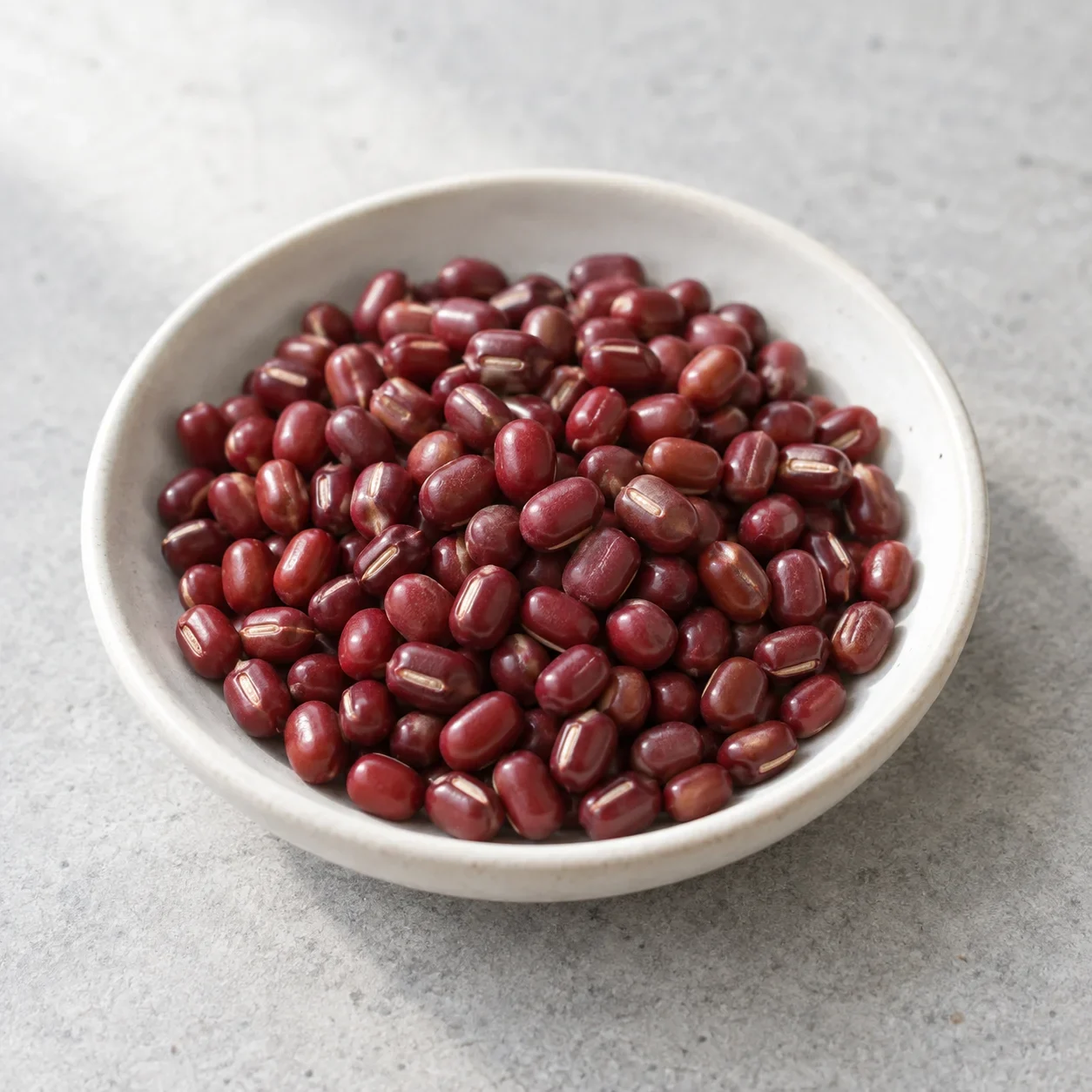
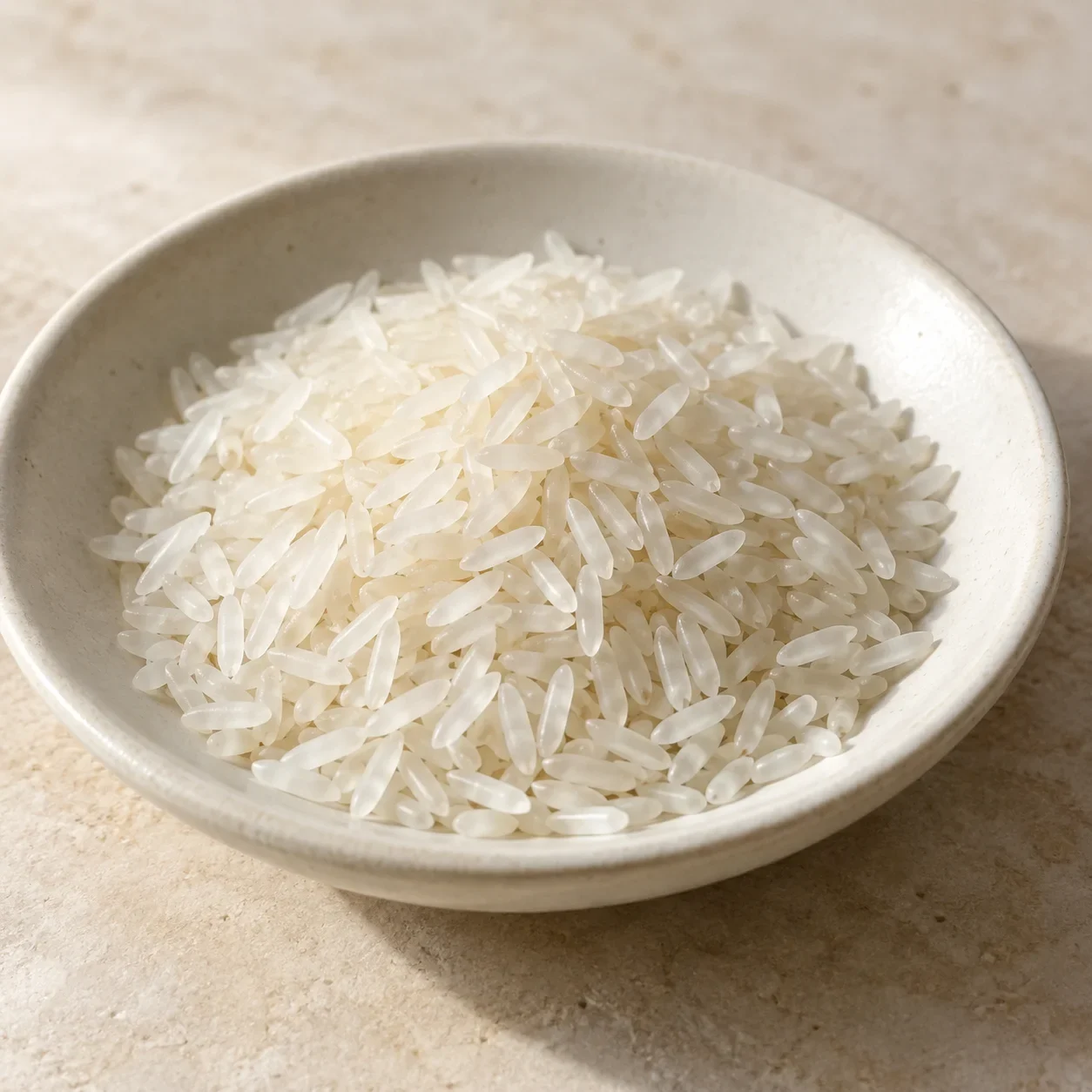
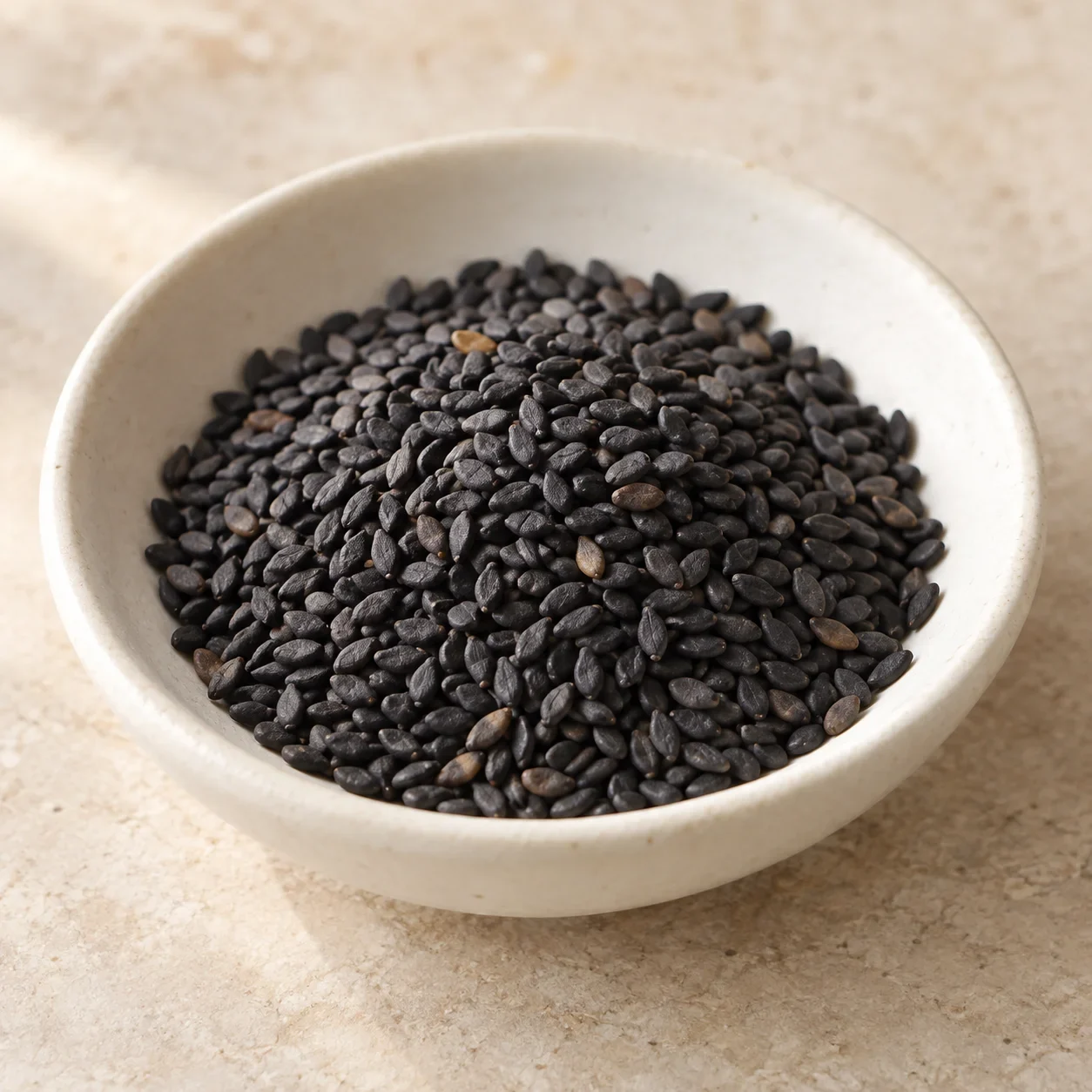
Recipes vary by restaurant.
How does it taste?
Sweet dried-fruit and brown-sugar flavor with a nutty note.
- Chili heat
- Texture
- Soft, thick rice with tender fruit and contrasting nuts and seeds.
- How it’s made
- Rice and the selected additions are simmered in water until soft, then sweetened.
Some versions add water chestnuts, raisins, red beans or sesame, or combine ordinary and glutinous rice.
A CONNECTION TO PLACE
Origin & regional roots
Its origins are linked to Fujian.
About this regional connection
Fujian: Fuzhou Aojiu festival sweet congee.
Ask if they have it first
请问你们有拗九粥吗?
Do you have this item?
A LITTLE SOMETHING TO READ
Story & history
A bowl for the elders
In Fuzhou, Aojiu congee is shared on the twenty-ninth day of the first lunar month. Bringing a bowl to parents or other elders expresses care and respect. Families use different combinations of dried fruit, nuts and seeds, so the custom is more consistent than any single recipe.